Can Probiotics Support Weight Management and Gut Health in Long COVID?
March 6, 2026
FloraMend Prime ProbioticLong COVIDGut Health
Share:
Disclaimer: The information provided here is for educational purposes only and is not intended as medical advice. It should not be used to diagnose, treat, cure, or prevent any medical condition. Instead, use it as a starting point for discussion with your healthcare provider. Always consult with a qualified healthcare provider before starting any new medication, supplement, device, or making changes to your health regimen.
Months or even years after a mild SARS-CoV-2 infection, many individuals find themselves battling a bewildering array of symptoms that simply will not resolve. From profound, crushing fatigue and unpredictable gastrointestinal distress to sudden, unexplained weight gain, the reality of living with Long COVID is often overwhelming. If you are navigating these complex chronic conditions—which may also include myalgic encephalomyelitis/chronic fatigue syndrome (ME/CFS), dysautonomia, or mast cell activation syndrome (MCAS)—you know firsthand how frustrating it is to seek answers when standard blood tests come back "normal." Yet, emerging research is pointing toward a crucial epicenter of chronic inflammation and immune dysregulation: the gut microbiome.
In the wake of the pandemic, scientists have discovered that viral infections can fundamentally alter the landscape of our intestinal flora, leading to a cascade of systemic issues. This dysbiosis doesn't just cause stomach aches; it drives body-wide inflammation, impairs nutrient absorption, and severely disrupts metabolic function, often resulting in stubborn weight gain and profound energy deficits. Addressing this root cause requires more than a generic digestive aid. Targeted, clinically studied interventions like Thorne FloraMend Prime Probiotic® offer a science-backed approach to restoring microbial balance. By utilizing a specific, proprietary blend of resilient bacterial strains, this probiotic aims to repair the gut barrier, modulate the immune response, and support healthy weight management, providing a foundational step toward reclaiming your health.
TL;DR
Targeted probiotics like FloraMend help restore gut balance disrupted by Long COVID and chronic illness.
Specific strains support immune modulation, gut barrier repair, and healthy weight management.
Rebuilding your gut ecosystem requires consistent, daily supplementation to maintain long-term metabolic and immune benefits.
What is FloraMend Prime Probiotic?
To understand the power of a targeted probiotic, we must first look at the natural function of the gut microbiome in a healthy body. The human gastrointestinal tract is home to trillions of microorganisms, including bacteria, viruses, and fungi, which collectively function almost as an entirely separate organ. In a state of homeostasis, these microbes live in a symbiotic relationship with us. They are responsible for breaking down complex carbohydrates that our bodies cannot digest on their own, synthesizing essential vitamins like Vitamin K and various B vitamins, and constantly communicating with our enteric nervous system. This intricate ecosystem is the absolute foundation of our overall wellness, directly influencing everything from our daily energy levels to the state of our mood and cognitive clarity.
At the molecular level, beneficial bacteria perform these tasks primarily through the fermentation of dietary fibers into short-chain fatty acids (SCFAs), such as butyrate, propionate, and acetate. These SCFAs are the primary energy source for colonocytes, the cells that line the colon. By keeping these cells healthy and well-fed, SCFAs maintain the tight junctions between intestinal cells, preventing unwanted pathogens and toxins from leaking into the bloodstream. Furthermore, these fatty acids act as crucial signaling molecules. They bind to specific receptors (like G-protein coupled receptors) on immune cells, promoting the production of regulatory T-cells (Tregs) that keep systemic inflammation in check. When this system is functioning optimally, our immune response is balanced, our metabolism is efficient, and our gut barrier remains secure.
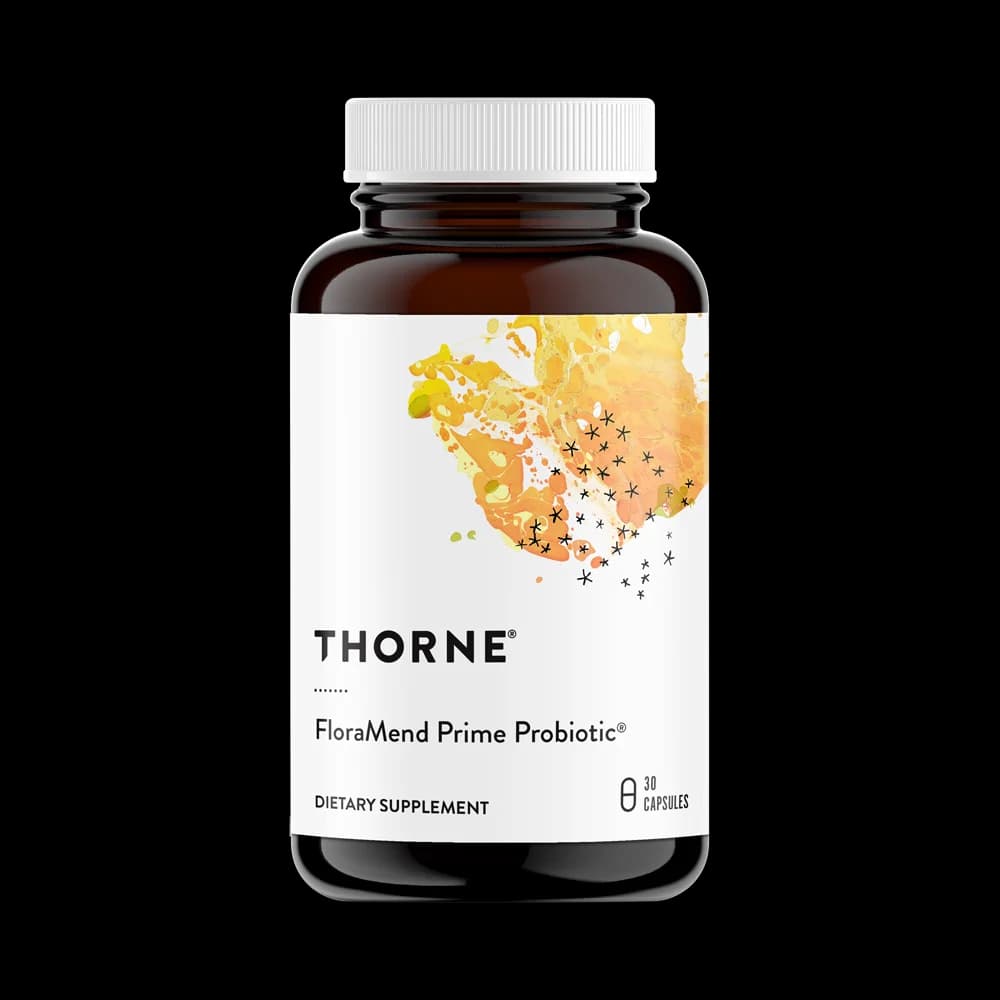
Not all probiotics are created equal, and throwing billions of random bacterial strains at a compromised gut is rarely the answer for complex chronic illness. Thorne FloraMend Prime Probiotic® distinguishes itself by utilizing a highly researched, proprietary blend of just three specific, human-compatible strains: Lactobacillus gasseri (KS-13), Bifidobacterium bifidum (G9-1), and Bifidobacterium longum (MM-2). This precise combination delivers 5 billion colony-forming units (CFUs) per capsule. Rather than relying on a "kitchen sink" approach, this formulation leverages the synergistic effects of these three strains, which have been extensively documented in clinical trials for their ability to survive the harsh environment of the human digestive tract and exert profound physiological benefits.
Each strain in this trio plays a distinct, specialized role at the cellular level. Lactobacillus gasseri is a lactic acid-producing bacterium that naturally colonizes the human gastrointestinal and urogenital tracts. It is highly regarded in the clinical literature for its unique ability to influence lipid metabolism and support healthy weight management by modulating how the body absorbs and stores dietary fats. Bifidobacterium bifidum (G9-1) is a foundational gut bacterium that excels at adhering to the intestinal mucosa, where it competitively excludes harmful, pro-inflammatory pathogens and helps repair the mucosal lining. Finally, Bifidobacterium longum (MM-2) is renowned for its robust immune-modulating properties, specifically its ability to regulate the body's inflammatory cytokine cascades and support the activity of Natural Killer (NK) cells, which are vital for defending against viral threats.
While many people associate probiotics solely with relieving occasional diarrhea or constipation, the biochemical reality is far more expansive. The strains in FloraMend Prime Probiotic engage in complex cross-talk with the host's central nervous system and metabolic pathways. For example, Bifidobacterium longum has been shown to influence the gut-brain axis, the bidirectional communication network linking the enteric and central nervous systems. By producing neuroactive compounds and reducing systemic inflammation, this strain can help support healthy neurotransmitter production, which is essential for maintaining a positive mood and healthy outlook—factors that are often severely compromised in patients dealing with the daily grind of chronic illness.
Moreover, the metabolic impact of this specific probiotic blend extends far beyond the digestive tract. By influencing the expression of genes related to fatty acid oxidation and synthesis, Lactobacillus gasseri actively alters how the body processes energy. This is not merely about digesting food; it is about reprogramming the body's metabolic set point at a cellular level. In a healthy system, this ensures that energy is efficiently utilized rather than stored as visceral fat. When we introduce these specific, clinically validated strains into a compromised system, we are not just aiding digestion; we are providing the biochemical tools necessary to calm systemic immune hyperactivation, repair structural damage to the gut lining, and restore metabolic homeostasis.
How Long COVID and Chronic Illness Impact the Gut Microbiome
To comprehend why a targeted probiotic is so vital for chronic illness recovery, we must examine how conditions like Long COVID fundamentally disrupt the body's microbial ecosystems. The SARS-CoV-2 virus does not solely target the respiratory system; it has a profound affinity for the gastrointestinal tract. The virus enters human cells by binding to the ACE2 (angiotensin-converting enzyme 2) receptor. Crucially, these ACE2 receptors are approximately 100 times more abundant in the lining of the small intestine than they are in the lungs. When the virus binds to these receptors in the gut, it downregulates their expression, which immediately impairs the gut's ability to absorb amino acids and secrete natural antimicrobial peptides. This viral invasion triggers a rapid and severe destabilization of the gut microbiome, a state known as dysbiosis. While research on COVID-19 often focuses on acute clinical outcomes in vulnerable populations like pediatric cancer patients, broader studies indicate that microbiome disruptions can persist long after the acute infection has passed.
This persistent dysbiosis is characterized by a devastating loss of microbial diversity. In patients with Long COVID and ME/CFS, we consistently see a sharp decline in beneficial, SCFA-producing bacteria like Bifidobacterium and Faecalibacterium prausnitzii. Simultaneously, there is a dangerous overgrowth of opportunistic, pro-inflammatory pathogens such as Ruminococcus gnavus and Bacteroides vulgatus. This imbalance is not a harmless side effect; it is a primary driver of ongoing symptoms. The depletion of beneficial flora means the colonocytes are starved of their primary energy source (butyrate), leading to cellular dysfunction and a breakdown of the intestinal barrier. This dynamic is a central component of the gut-lung axis, where inflammation originating in the digestive tract perpetuates systemic immune responses that affect the respiratory and neurological systems.
As the beneficial bacteria are depleted and the intestinal cells lose their energy supply, the tight junctions that hold the gut lining together begin to fail. This creates a condition known as increased intestinal permeability, commonly referred to as "leaky gut." When the gut barrier is compromised, microscopic structural components of harmful bacteria—most notably lipopolysaccharides (LPS), also known as endotoxins—are able to slip through the intestinal wall and enter the systemic bloodstream. In a healthy body, these toxins would be safely contained within the digestive tract and excreted. But in the context of Long COVID or dysautonomia, this constant leakage of endotoxins into the blood acts as a perpetual trigger for the immune system.
Once in the bloodstream, LPS binds to Toll-like receptors (specifically TLR4) on immune cells, activating a powerful inflammatory pathway known as NF-κB. This activation causes the immune system to churn out high levels of pro-inflammatory cytokines, including TNF-α, IL-6, and IL-1β. This resulting state of chronic, low-grade systemic inflammation is what drives many of the most debilitating symptoms of complex chronic illness. It crosses the blood-brain barrier to cause severe neuroinflammation (experienced as brain fog and cognitive impairment), disrupts the autonomic nervous system (exacerbating POTS and dysautonomia), and triggers mast cells to degranulate inappropriately, leading to the unpredictable allergic-type reactions seen in MCAS. The gut, essentially, becomes a leaking reservoir of inflammation that poisons the rest of the body.
One of the most frustrating and frequently misunderstood symptoms of Long COVID and related chronic illnesses is sudden, stubborn weight gain that does not respond to traditional diet or exercise. This is not a failure of willpower; it is a direct biochemical consequence of microbiome dysbiosis and systemic inflammation. When the gut is depleted of SCFA-producing bacteria, the body's ability to regulate insulin and glucose is severely impaired. Furthermore, the chronic systemic inflammation driven by a leaky gut directly interferes with leptin signaling. Leptin is the hormone responsible for telling your brain that you are full and that it is safe to burn fat for energy. When inflammation blocks these signals, the body enters a state of perceived starvation, drastically slowing the basal metabolic rate and aggressively storing energy as visceral fat.
Additionally, recent studies indicate that the SARS-CoV-2 virus can directly infect adipose (fat) tissue, triggering localized inflammation within the fat cells themselves. This viral assault on fat tissue, combined with the metabolic slowdown caused by mitochondrial dysfunction and the severe exercise intolerance (post-exertional malaise) characteristic of ME/CFS, creates a vicious cycle of metabolic gridlock. The altered microbiome actually changes how many calories the body extracts from food, while simultaneously driving hormonal resistance that forces the body to store those calories as fat. Breaking this cycle requires intervening at the level of the microbiome to cool the inflammation and restore metabolic signaling.
FloraMend Prime Probiotic: Supporting Gut Repair and Metabolic Health
Supplementing with a targeted, clinically validated formula like FloraMend Prime Probiotic® is a powerful strategy for interrupting the vicious cycles of dysbiosis and inflammation. The primary mechanism of action begins with the competitive colonization of the gastrointestinal tract. When the robust strains of Bifidobacterium bifidum (G9-1) and Bifidobacterium longum (MM-2) are introduced into the gut, they rapidly adhere to the intestinal mucosa. By occupying this physical space and consuming available nutrients, they competitively exclude opportunistic, pro-inflammatory pathogens that have overgrown during the course of Long COVID or ME/CFS. This process helps to naturally lower the population of harmful bacteria, reducing the overall toxic burden in the digestive tract.
As these beneficial Bifidobacteria establish themselves, they begin to aggressively ferment dietary fibers, leading to a massive upregulation in the production of short-chain fatty acids (SCFAs), particularly acetate and butyrate. This surge in SCFAs is biochemically transformative for a compromised patient. The butyrate serves as an immediate, high-efficiency energy source for the exhausted colonocytes, allowing them to begin repairing the damaged intestinal lining. Furthermore, these SCFAs enter the bloodstream and act as powerful systemic anti-inflammatory signaling molecules. They inhibit the NF-κB inflammatory pathway, effectively turning down the dial on the body-wide cytokine storm that drives symptoms like brain fog, joint pain, and severe fatigue. By restoring SCFA production, FloraMend helps to shift the body out of a chronic state of emergency.
One of the most unique and clinically significant aspects of FloraMend Prime Probiotic is the inclusion of Lactobacillus gasseri (KS-13), a strain heavily researched for its profound impact on metabolic health and weight management. For patients struggling with the stubborn, inflammation-driven weight gain associated with Long COVID, this strain offers targeted biochemical support. At the molecular level, L. gasseri has been shown to decrease the activity of pancreatic lipase, the enzyme responsible for breaking down dietary fats in the small intestine. By down-regulating this enzyme and altering fatty acid transport proteins, the probiotic gently suppresses the intestinal absorption of lipids, leading to increased excretion of fat in the stool rather than storage in the body.
Beyond blocking fat absorption, Lactobacillus gasseri actively modulates gene expression related to fat metabolism. Pre-clinical and human studies demonstrate that this specific species upregulates the mRNA levels of genes involved in fatty acid oxidation (such as PPARα), meaning it biochemically encourages the body to burn existing fat stores for energy. Simultaneously, it downregulates genes involved in lipogenesis (the creation of new fat). Clinically, this translates to a targeted reduction in visceral adipose tissue—the dangerous, highly inflammatory fat stored deep within the abdominal cavity. By improving systemic insulin sensitivity and lowering circulating levels of leptin, L. gasseri helps to reverse the metabolic gridlock caused by chronic illness, supporting healthy weight management, a reduction in waist circumference, and a healthier Body Mass Index (BMI).
The immune-modulating capabilities of the FloraMend proprietary blend are particularly crucial for individuals dealing with the immune exhaustion and hyper-reactivity seen in Long COVID and MCAS. Chronic viral infections often lead to a phenomenon known as "immune aging" or senescence, where the body's pool of naive T-cells is depleted, and the immune system becomes less capable of fighting off new threats while simultaneously overreacting to harmless stimuli. The Bifidobacterium longum (MM-2) strain in FloraMend directly addresses this dysfunction. Pre-clinical research in a murine model has shown that oral administration of MM-2 activates systemic innate immunity, significantly enhancing the activity of Natural Killer (NK) cells in the respiratory tract and spleen, which are vital for clearing lingering viral particles.
Furthermore, the synergistic combination of KS-13, G9-1, and MM-2 has been clinically proven to maintain healthy levels of CD4+ T lymphocytes, which are the "helper" cells that orchestrate the body's immune response. In a placebo-controlled trial involving older adults with aging immune systems, those taking this specific probiotic trio successfully maintained their CD4+ cell counts, while the placebo group saw a significant decline. The probiotic blend also promotes the generation of regulatory T-cells (Tregs), which are responsible for inducing immune tolerance. By boosting Tregs, FloraMend helps to calm the hyperactive immune responses that trigger mast cell degranulation and severe seasonal allergies, promoting a more balanced, resilient immune system that can focus on deep healing rather than constant reactivity.
Finally, the physical restoration of the gut barrier is a paramount mechanism of action for this probiotic blend. The Bifidobacterium bifidum (G9-1) strain is particularly adept at enhancing the integrity of the intestinal mucosa. It stimulates the goblet cells in the gut lining to increase the secretion of mucins (specifically MUC2 and MUC3), which form a thick, protective mucus layer over the intestinal cells. This mucus layer acts as a physical shield, preventing pathogens and inflammatory endotoxins (like LPS) from coming into direct contact with the vulnerable cellular lining.
By reinforcing this physical barrier and simultaneously providing the energy (via SCFAs) needed to repair the tight junctions between cells, FloraMend effectively seals the "leaky gut." Once the leakage of endotoxins into the bloodstream is halted, the systemic immune system is no longer constantly triggered. This reduction in circulating lipopolysaccharides leads to a dramatic decrease in systemic neuroinflammation and autonomic nervous system irritation. For a patient with dysautonomia or ME/CFS, repairing this barrier is often the necessary first step to reducing the severity of brain fog, stabilizing heart rate fluctuations, and improving overall daily functioning. It is a profound example of how localized healing in the gut translates to systemic recovery throughout the entire body.

Symptoms FloraMend Prime Probiotic May Help Manage
Because the gut microbiome is deeply interconnected with almost every system in the body, restoring microbial balance with FloraMend Prime Probiotic can help manage a wide array of complex symptoms. While it is not a cure for Long COVID or ME/CFS, targeted probiotic therapy addresses the root-cause inflammation and metabolic dysfunction that drive many daily struggles.
Occasional Diarrhea and Constipation: By competitively excluding pathogenic bacteria and restoring a healthy balance of flora, the G9-1 and KS-13 strains help regulate bowel motility, improve stool consistency, and soothe the inflamed intestinal lining, providing relief from unpredictable gastrointestinal distress.
Stubborn Weight Gain and Increased Waist Circumference: The Lactobacillus gasseri strain specifically downregulates fat absorption enzymes and upregulates fat-burning genes, helping to reduce visceral adipose tissue and support healthy weight management, even when exercise is limited due to post-exertional malaise.
Bloating and Poor Nutrient Absorption: By breaking down complex carbohydrates efficiently and repairing the damaged microvilli of the small intestine, this probiotic blend enhances the body's ability to extract and utilize essential vitamins and minerals from food, reducing painful gas and bloating.
Metabolic Sluggishness: By increasing the production of short-chain fatty acids (SCFAs), FloraMend helps improve systemic insulin sensitivity and regulates satiety hormones like leptin, helping to reverse the metabolic gridlock often seen in chronic post-viral syndromes.
Beyond the digestive tract, the systemic anti-inflammatory and immune-modulating effects of this specific probiotic trio can have profound impacts on neurological and immunological symptoms that are hallmarks of complex chronic illness.
Brain Fog and Cognitive Impairment: By sealing the "leaky gut" and preventing lipopolysaccharides (LPS) from entering the bloodstream, FloraMend reduces the systemic inflammation that crosses the blood-brain barrier, thereby helping to alleviate neuroinflammation and improve mental clarity.
Seasonal Allergies and Histamine Reactions: The MM-2 and KS-13 strains promote the production of regulatory T-cells (Tregs), which induce immune tolerance and calm hyperactive immune responses, helping to reduce the severity of rhinoconjunctivitis and supporting those with mast cell reactivity.
Low Mood and Anxiety: By supporting the gut-brain axis and reducing systemic inflammatory cytokines (which are known to disrupt serotonin and dopamine synthesis), this probiotic blend helps maintain healthy neurotransmitter production, promoting a more positive mood and healthy outlook.
Frequent Illness and Immune Exhaustion: By maintaining healthy levels of CD4+ T lymphocytes and boosting Natural Killer (NK) cell activity, the proprietary blend helps reverse "immune aging," providing crucial nutritional support for a challenged immune system striving to clear lingering viral fragments.
Practical Considerations: Forms, Dosing, and Absorption
When considering probiotic supplementation, the most critical factor is survivability. Probiotics, by definition, contain live bacteria. The human stomach is an incredibly hostile environment, filled with highly acidic gastric juices designed to destroy incoming pathogens. Unfortunately, this stomach acid cannot differentiate between harmful bacteria and the beneficial strains in a supplement. Many standard, over-the-counter probiotics are destroyed in the stomach long before they ever reach the lower gastrointestinal tract where they are needed. This is why taking a probiotic with 50 billion CFUs is meaningless if the delivery system is poor; the vast majority of those bacteria will be dead upon arrival.
Thorne FloraMend Prime Probiotic® solves this bioavailability issue through advanced encapsulation technology. The proprietary blend of KS-13, G9-1, and MM-2 is delivered in a specialized, acid-resistant, and moisture-resistant capsule made from plant cellulose and pectin. This delayed-release technology ensures that the capsule remains intact as it passes through the harsh, acidic environment of the stomach. It is specifically designed to dissolve only when it reaches the more neutral pH of the lower GI tract. This guarantees that the 5 billion live bacteria are delivered exactly where they belong—into the intestines—ready to adhere to the mucosa, competitively exclude pathogens, and begin producing beneficial short-chain fatty acids.
For optimal absorption and efficacy, the suggested use for FloraMend Prime Probiotic is to take one capsule daily with a meal, or as recommended by your healthcare practitioner. Taking the probiotic with food is generally advised because the presence of food naturally buffers stomach acid, temporarily raising the pH of the stomach and providing an additional layer of protection for the live cultures as they transit through the upper digestive tract. Furthermore, consuming the probiotic alongside dietary fibers (prebiotics) gives the incoming bacteria an immediate food source to ferment once they reach the colon, enhancing their ability to colonize and thrive.
Consistency is paramount when utilizing probiotics for chronic conditions like Long COVID or ME/CFS. The gut microbiome does not change overnight. While some individuals may notice improvements in occasional digestive upset or bloating within a few days, the deeper, systemic benefits—such as reduced visceral fat, improved immune modulation, and decreased neuroinflammation—require sustained use. Clinical trials evaluating the weight management and immune-boosting effects of these specific strains typically measure outcomes after 8 to 12 weeks of continuous daily supplementation. It is a marathon, not a sprint, as you are fundamentally rebuilding a complex microscopic ecosystem.
A significant practical advantage of FloraMend Prime Probiotic is its shelf stability. While many high-quality probiotics require strict refrigeration to keep the bacteria alive, the specific proprietary strains in FloraMend (KS-13, G9-1, and MM-2) were meticulously selected for their natural resilience and stability. No refrigeration is needed, making this supplement highly convenient for travel, keeping at your desk, or storing alongside your other daily medications without fear of degradation. The 5 billion CFU count is guaranteed up to the date of expiration when stored at room temperature.
Regarding safety and contraindications, FloraMend is formulated without dairy, gluten, or soy, making it highly accessible for individuals with common food sensitivities or those managing MCAS. However, as with any medical intervention, there are important considerations. This product is contraindicated in individuals with a history of hypersensitivity to any of its ingredients. Furthermore, if you are pregnant, nursing, or severely immunocompromised, it is imperative to consult your healthcare practitioner before introducing a new live bacterial supplement into your regimen. Always discuss new supplements with your medical team to ensure they fit safely within your comprehensive treatment plan.

Follow the Science
The scientific evidence supporting the specific strains in FloraMend Prime Probiotic is robust, particularly regarding metabolic health and weight management. The Lactobacillus gasseri species is one of the most thoroughly documented probiotics for anti-obesity effects. In a randomized, double-blind, placebo-controlled trial (2018), researchers evaluated the anti-obesity effects of L. gasseri BNR17 on 90 volunteers aged 20-75 years with body mass indexes (BMI) from 25 to 35 kg/m2. They also saw correlating positive effects, including significant decreases in overall body weight, waist circumference, and BMI, compared to the placebo group.
Further research has elucidated the mechanisms behind these outcomes. An animal study in mice demonstrated that L. gasseri actively modulates the expression of fat-related genes, upregulating fatty acid oxidation while suppressing lipogenesis. It is important to note, however, that clinical data also indicates these metabolic benefits are dependent on continuous use; in follow-up studies, researchers noted that the fat-reducing effects began to diminish four weeks after participants stopped taking the probiotic. This underscores the reality that probiotics act as ongoing metabolic modulators rather than permanent, one-time fixes, requiring consistent daily supplementation to maintain the altered gut ecosystem and the resulting metabolic benefits.
The proprietary trio of KS-13, G9-1, and MM-2 has also been extensively studied for its profound effects on the human immune system. A fascinating randomized, double-blind, placebo-controlled crossover study published in the Journal of the American College of Nutrition (Spaiser et al., 2015) evaluated this exact blend in healthy older adults experiencing natural immune senescence (aging). Over a three-week period, the placebo group experienced a significant drop in their CD4+ T lymphocytes (vital white blood cells for orchestrating immune defense). In stark contrast, the group taking the probiotic trio successfully maintained their CD4+ T cell levels. Furthermore, the probiotic actively shifted the participants' gut microbiomes to resemble those of a younger, healthier population, significantly increasing beneficial Bifidobacteria and reducing systemic inflammatory cytokines.
Additional clinical trials have highlighted the blend's ability to modulate hyperactive immune responses. A 2017 study published in The American Journal of Clinical Nutrition tested the trio on 173 individuals suffering from seasonal allergies (rhinoconjunctivitis). Over an 8-week period, the group taking the probiotic reported a statistically significant improvement in their allergy-specific quality of life compared to the placebo group. Researchers attribute this success to the probiotics' ability to increase the percentage of regulatory T cells (Tregs), which induce immune tolerance to environmental allergens. This mechanism is highly relevant for patients with chronic illnesses who frequently battle mast cell reactivity and heightened sensitivities.
In the broader context of COVID-19, the scientific community is continuously evaluating its impact on vulnerable populations. A cross-sectional study (2024) evaluated the clinical outcomes of pediatric cancer patients with COVID-19. While this study highlights the acute challenges faced by specific patient groups, other ongoing research is increasingly recognizing the microbiome as a primary therapeutic target for long-term post-viral recovery.
These findings align with broader microbiome research demonstrating that SARS-CoV-2 infection causes severe, long-lasting dysbiosis that drives systemic inflammation and metabolic dysfunction. By utilizing clinically validated strains like those found in FloraMend Prime Probiotic, patients can directly address the loss of beneficial Bifidobacteria, repair the compromised intestinal barrier, and cool the systemic inflammation that fuels chronic symptoms. While large-scale trials specifically testing FloraMend on Long COVID cohorts are still needed, the existing robust data on its constituent strains provides a compelling, science-backed rationale for its use in complex chronic illness management.
The Path Forward
Living with complex chronic conditions like Long COVID, ME/CFS, or dysautonomia is an arduous journey that touches every aspect of your life. When you are dealing with profound fatigue, unpredictable gastrointestinal distress, and sudden weight gain, it is easy to feel betrayed by your own body. It is crucial to understand that these symptoms are not in your head, nor are they a result of personal failing; they are the physiological manifestations of deep, systemic disruptions, particularly within your gut microbiome and immune system. Healing from this level of dysfunction requires patience, self-compassion, and a deeply comprehensive approach to care.
Supplements like Thorne FloraMend Prime Probiotic® are powerful tools, but they are most effective when utilized as part of a broader, holistic management strategy. Rebuilding your microbiome and calming systemic inflammation takes time. This targeted probiotic therapy should be paired with careful energy pacing to avoid post-exertional malaise, diligent symptom tracking to identify your unique triggers, and a nutrient-dense diet that provides the foundational building blocks your body needs to heal. By addressing the root-cause dysbiosis in your gut, you are laying a stable foundation upon which the rest of your recovery can be built.
At RTHM, we deeply validate the reality of your lived experience. We know how exhausting it is to constantly advocate for yourself in a medical system that often misunderstands complex, invisible illnesses. You deserve care that looks beyond surface-level symptoms and addresses the intricate biochemical realities of your condition. By learning about the profound connections between your gut health, your immune system, and your metabolic function, you are empowering yourself to take an active role in your healing journey. You are not alone in this fight, and there is genuine hope for improving your quality of life and reclaiming your health.
If you are struggling with gastrointestinal symptoms, unexplained weight gain, or immune dysregulation as part of your chronic illness, targeted microbiome support may be a vital next step. Always consult with your healthcare provider before beginning any new supplement regimen to ensure it is safe and appropriate for your specific medical needs. To learn more about how this clinically studied, proprietary blend can support your recovery, Explore FloraMend Prime Probiotic.
Sources
Lactobacillus gasseri BNR17 Supplementation Reduces the Visceral Fat Accumulation (PubMed)
Microbiota and Evolution of Obesity (Oxford Academic - Endocrine Reviews)
Long COVID and gut microbiome: insights into pathogenesis and therapeutics (Taylor & Francis)
Effect of a Proprietary Probiotic Blend on Immune Function in Older Adults (PubMed)
Probiotics and Quality of Life in Seasonal Allergies (PubMed)
Oral Administration of Bifidobacterium longum MM-2 and Influenza Virus Infection (PubMed)