Can FiberMend Support Gut Health and Systemic Inflammation in Long COVID and ME/CFS?
March 6, 2026
FiberMendGut HealthLong COVID
Share:
Disclaimer: The information provided here is for educational purposes only and is not intended as medical advice. It should not be used to diagnose, treat, cure, or prevent any medical condition. Instead, use it as a starting point for discussion with your healthcare provider. Always consult with a qualified healthcare provider before starting any new medication, supplement, device, or making changes to your health regimen.
Living with complex chronic conditions like Long COVID, Myalgic Encephalomyelitis/Chronic Fatigue Syndrome (ME/CFS), dysautonomia, and mast cell activation syndrome (MCAS) often feels like navigating a labyrinth with no clear exit. You might experience debilitating brain fog, unpredictable heart rate spikes, profound post-exertional malaise (PEM), and severe gastrointestinal distress. While these symptoms manifest systemically, an overwhelming body of emerging medical research points to a singular, foundational epicenter for chronic inflammation and immune dysregulation: the gut microbiome.
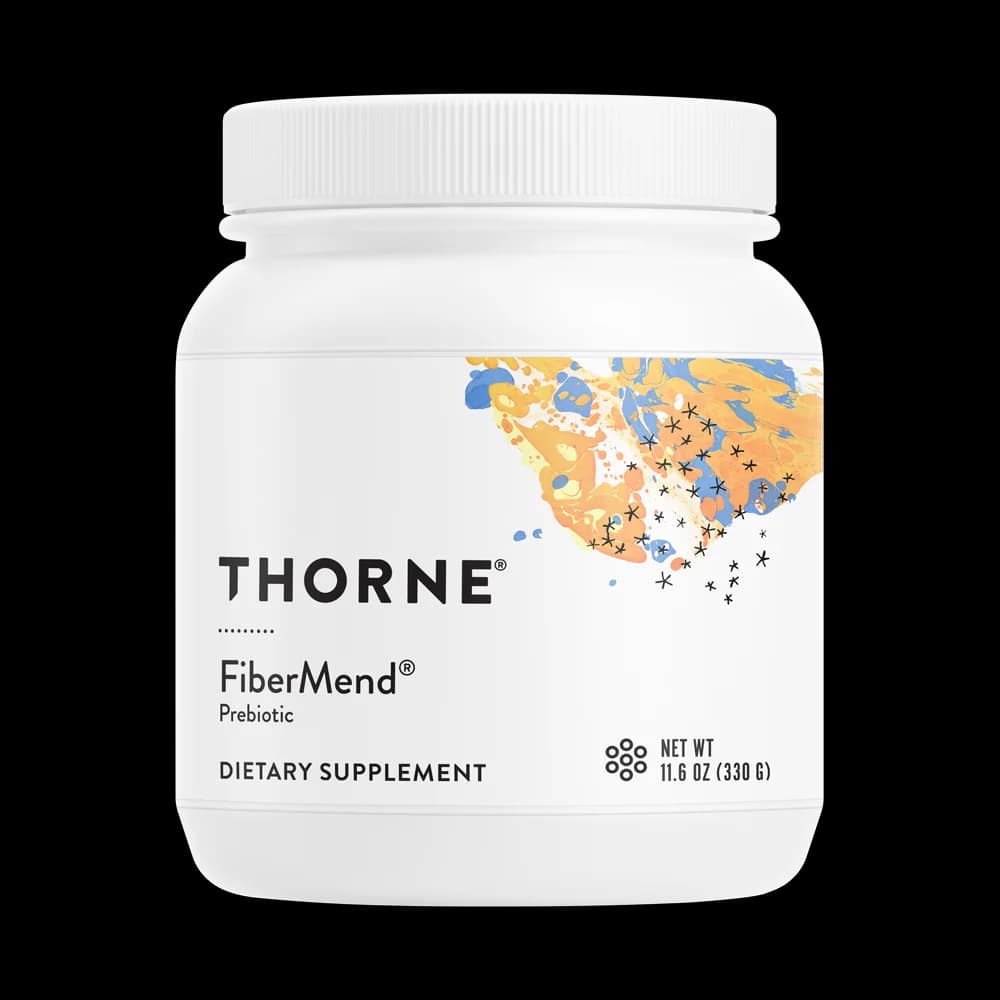
When the delicate ecosystem of the gastrointestinal tract is disrupted by viral infections, chronic stress, or immune dysfunction, the resulting "leaky gut" and loss of beneficial bacteria can trap the body in a vicious cycle of systemic inflammation. Addressing this profound dysbiosis requires more than just taking a standard probiotic; it requires providing the exact structural and biochemical fuel that keystone bacteria need to survive and thrive. This is where targeted, therapeutic prebiotics come into play. In this comprehensive guide, we will explore the science behind FiberMend® by Thorne, a highly specialized soluble fiber blend, and examine how its unique ingredients can support gut health, systemic recovery, and immune modulation for those battling chronic invisible illnesses.
TL;DR
FiberMend is a targeted prebiotic blend that supports gut health and microbiome recovery in chronic conditions.
It provides specific fibers like Sunfiber and apple pectin to fuel beneficial, butyrate-producing bacteria.
The formula includes highly bioavailable green tea phytosome to help manage oxidative stress and inflammation.
Start with a low dose and gradually increase to minimize gastrointestinal sensitivity.
What is FiberMend?
The Foundation of Prebiotic Soluble Fiber
To understand the therapeutic potential of FiberMend, we must first distinguish between different types of dietary fiber. While insoluble fiber acts primarily as a bulking agent to move waste through the digestive tract, soluble fiber dissolves in water to form a gel-like substance. More importantly, specific types of soluble fibers act as prebiotics. Because human digestive enzymes cannot break down these complex carbohydrates in the stomach or small intestine, they travel intact to the large intestine. Here, they serve as the primary food source for the trillions of microorganisms that make up the gut microbiome.
When beneficial bacteria—such as Bifidobacteria, Lactobacilli, and Akkermansia—ferment these prebiotic fibers, they produce highly therapeutic metabolic byproducts known as Short-Chain Fatty Acids (SCFAs). The most critical of these SCFAs is butyrate. Butyrate is the primary energy source for colonocytes, the cells that line the intestinal wall. It plays a profound role in maintaining the integrity of the gut barrier, regulating the local immune system, and acting as a powerful systemic anti-inflammatory agent. Without adequate soluble fiber, the microbiome starves, butyrate production plummets, and the intestinal barrier begins to degrade.
A Synergistic Blend of Targeted Ingredients
FiberMend is not a standard, single-ingredient fiber supplement. It is a carefully engineered blend designed to maximize prebiotic activity while minimizing the gastrointestinal distress (such as severe bloating and gas) commonly associated with cheaper fibers like inulin or psyllium husk. The formula is anchored by Sunfiber®, a patented form of Partially Hydrolyzed Guar Gum (PHGG). Standard guar gum is a highly viscous substance that can be difficult to digest, but PHGG has been enzymatically broken down into smaller molecular chains, allowing it to dissolve completely in water and ferment slowly in the gut, providing a steady supply of SCFAs without the rapid gas production that triggers irritable bowel syndrome (IBS) symptoms.
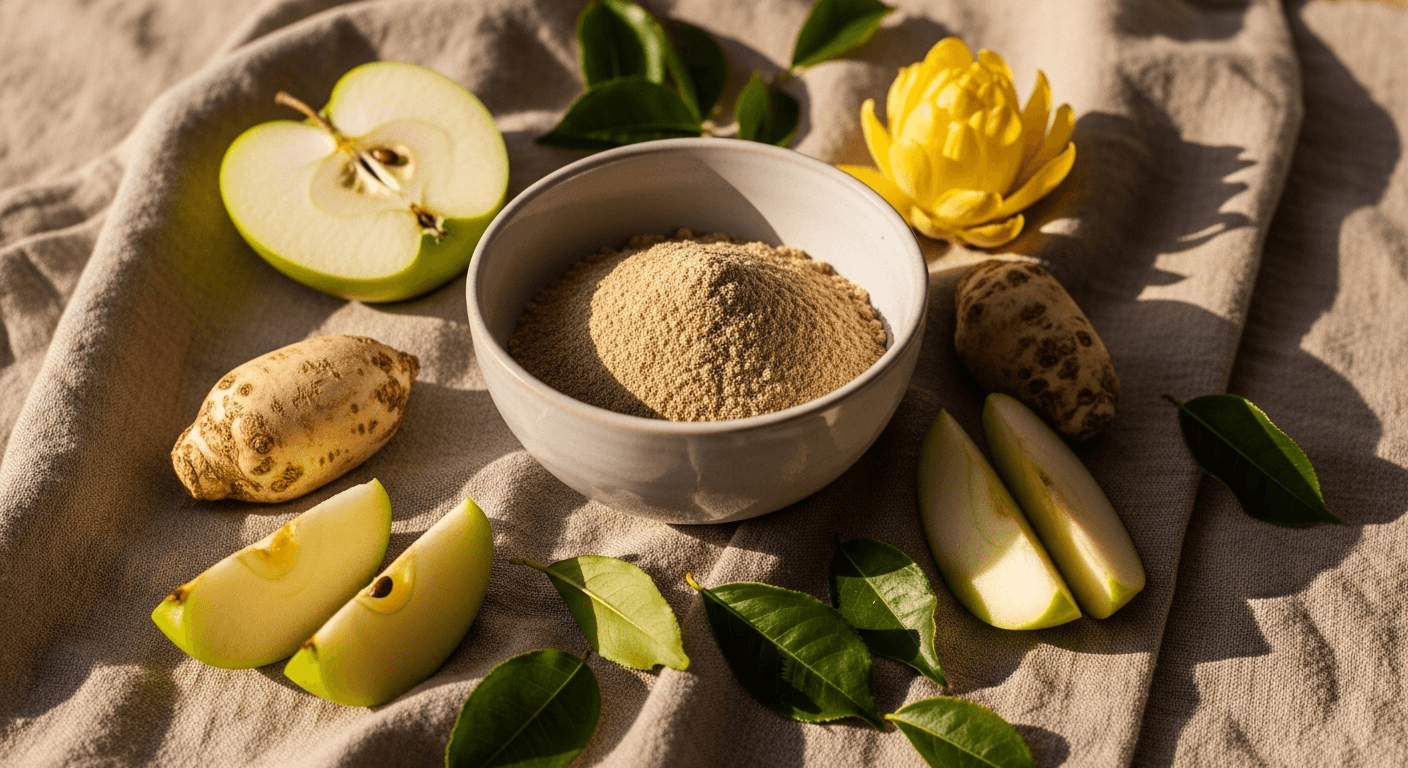
In addition to PHGG, FiberMend incorporates Rice Bran, a rich source of arabinoxylan, which is highly effective at feeding anti-inflammatory bacterial strains. It also contains Apple Pectin, a complex carbohydrate extracted from apple cell walls that plays a unique role in blood sugar regulation and immune signaling. To further support immune function, the formula includes Larch Arabinogalactan, a polysaccharide derived from the North American larch tree that actively interfaces with the gut's immune tissue.
Finally, FiberMend includes Green Tea Phytosome (Greenselect®). Standard green tea extracts are notorious for their poor systemic absorption, as their delicate antioxidant compounds degrade rapidly in the digestive tract. Thorne utilizes advanced phytosome technology, which binds the decaffeinated green tea extract to phospholipids (the same fats that make up human cell membranes). This "chaperone" delivery system protects the antioxidants and shuttles them directly into the bloodstream, drastically enhancing the bioavailability of Epigallocatechin-3-gallate (EGCG), a master antioxidant capable of neutralizing deep-tissue oxidative stress.
How Chronic Illness Impacts the Gut Microbiome and Systemic Health
Viral Persistence and the Loss of Keystone Bacteria
In conditions like Long COVID and ME/CFS, the gut microbiome undergoes a catastrophic shift known as dysbiosis. Recent landmark studies, including NIH-funded research led by Dr. Ian Lipkin, have demonstrated that patients with ME/CFS suffer from a profound and distinct deficiency in butyrate-producing bacteria. Similarly, research into Long COVID reveals a significant loss of Faecalibacterium prausnitzii, a keystone anti-inflammatory bacterium. When these specific bacterial populations are decimated—often due to the initial viral infection, subsequent immune overactivation, or frequent antibiotic use—the gut loses its primary mechanism for producing the energy required to keep the intestinal lining healthy.
Furthermore, emerging evidence suggests that the SARS-CoV-2 virus may establish persistent reservoirs within the gastrointestinal tract. The virus can continually shed viral proteins, keeping the local gut immune system in a state of chronic, low-grade hyperactivation. This constant immune battle further alters the pH and environment of the microbiome, creating a hostile landscape where beneficial, oxygen-sensitive bacteria cannot survive, allowing opportunistic, pro-inflammatory pathogens to overgrow and dominate the ecosystem.
Intestinal Hyperpermeability and Systemic Inflammation
The depletion of butyrate directly leads to the breakdown of the tight junctions that hold the intestinal cells together, resulting in intestinal hyperpermeability, commonly known as "leaky gut." When the gut barrier is compromised, lipopolysaccharides (LPS)—toxic structural components of the cell walls of harmful bacteria—escape from the digestive tract and enter the systemic bloodstream. This phenomenon, known as metabolic endotoxemia, triggers a massive, systemic immune response. The immune system recognizes LPS as a severe threat, deploying inflammatory cytokines throughout the body.
This systemic inflammation is not confined to the body; inflammatory cytokines can cross the blood-brain barrier, leading to severe neuroinflammation. This neuroinflammatory cascade is a primary driver of the debilitating cognitive dysfunction, or "brain fog," experienced by patients with Long COVID and ME/CFS. Additionally, the constant influx of toxins into the bloodstream places an immense burden on the liver, which must work overtime to detoxify the blood, further depleting the body's energy reserves and exacerbating profound fatigue.
Galectin-3 and the NO/ONOO- Cycle
Chronic illness also heavily impacts specific biochemical pathways and protein expressions. During severe viral infections like COVID-19, the body drastically upregulates the production of a carbohydrate-binding protein called Galectin-3 (Gal-3). While necessary for acute healing, chronically elevated Gal-3 drives the "cytokine storm," promotes viral attachment to host cells, and induces severe tissue scarring (fibrosis) in the lungs and cardiovascular system. High Gal-3 levels are increasingly recognized as a major driver of the micro-clotting and endothelial damage seen in Long COVID.
Simultaneously, patients with ME/CFS and dysautonomia often find themselves trapped in what researcher Dr. Martin Pall describes as the NO/ONOO- (Nitric Oxide/Peroxynitrite) Cycle. This is a vicious, self-propagating cycle of profound oxidative stress where excess nitric oxide reacts with superoxide to form peroxynitrite, a highly damaging free radical. Peroxynitrite destroys mitochondrial function, depletes cellular ATP (energy), and damages the delicate endothelial cells lining the blood vessels. This endothelial dysfunction is a root cause of the blood pooling and erratic heart rates seen in Postural Orthostatic Tachycardia Syndrome (POTS) and other forms of dysautonomia.
FiberMend: Supporting Gut Health and Systemic Recovery
Sunfiber and Rice Bran: Fueling Butyrate Production
FiberMend addresses the root cause of post-viral gut dysbiosis by providing the exact substrates needed to rebuild depleted bacterial populations. The Partially Hydrolyzed Guar Gum (Sunfiber) and Rice Bran (arabinoxylan) act as highly selective fertilizers. Clinical studies demonstrate that PHGG specifically stimulates the growth of Bifidobacteria and Lactobacilli, the very strains that are often missing in ME/CFS and Long COVID patients. As these bacteria ferment the PHGG and arabinoxylan, they generate massive quantities of butyrate and other SCFAs.
This surge in butyrate has profound systemic effects. At the cellular level, butyrate acts as a Histone Deacetylase (HDAC) inhibitor. By inhibiting HDAC enzymes, butyrate epigenetically downregulates the expression of pro-inflammatory cytokines like Interleukin-6 (IL-6) and Tumor Necrosis Factor-alpha (TNF-α). Furthermore, butyrate provides the necessary ATP for colonocytes to repair the tight junction proteins (such as zonulin and occludin), effectively sealing the "leaky gut." By helping to reduce the leakage of LPS endotoxins into the bloodstream, FiberMend helps cut off the primary fuel source for systemic inflammation and neuroinflammation at its root.
Apple Pectin: Inhibiting Galectin-3 and Modulating Blood Sugar
The Apple Pectin in FiberMend serves a dual therapeutic purpose. First, pectin is a highly complex carbohydrate characterized by specific molecular structures, including β-D-galactopyranose residues. Emerging research indicates that these specific carbohydrate structures can actively bind to the carbohydrate-recognition domains of Galectin-3. By acting as a molecular "decoy," pectin binds up circulating Gal-3, neutralizing its ability to trigger the macrophage activation that leads to tissue fibrosis, micro-clotting, and prolonged immune exhaustion in Long COVID patients.
Secondly, apple pectin is highly effective at modulating glycemic control. Because it forms a gel in the stomach, it delays gastric emptying and slows the intestinal absorption of carbohydrates. This blunts the sharp spikes in postprandial (post-meal) blood glucose. For patients with dysautonomia and POTS, post-meal blood sugar spikes and the subsequent release of insulin can trigger splanchnic blood pooling (blood rushing to the gut), which drastically exacerbates orthostatic intolerance, tachycardia, and post-meal fatigue. By smoothing out these glucose curves, pectin helps stabilize the autonomic nervous system.
Larch Arabinogalactan: Immune Modulation and NK Cell Activity
Larch Arabinogalactan (LAG) is a sophisticated modulator of the human immune system. When LAG enters the gut, it physically interacts with the Gut-Associated Lymphoid Tissue (GALT), the massive network of immune cells embedded in the intestinal lining. LAG binds to and activates macrophages and monocytes, triggering them to release specific immunomodulatory signaling proteins, most notably Interferon-gamma (IFN-γ).
The release of IFN-γ subsequently triggers a dramatic enhancement in the cytotoxicity of Natural Killer (NK) cells. A hallmark of both ME/CFS and Long COVID is exhausted or suppressed NK cell activity, leaving the body unable to identify and clear lingering opportunistic infections (like reactivated Epstein-Barr Virus) or persistent SARS-CoV-2 viral reservoirs. By restoring NK cell function, Larch Arabinogalactan helps the immune system regain its ability to clear the persistent pathogenic burdens that drive chronic post-viral fatigue.
Green Tea Phytosome: Deep-Tissue Antioxidant Defense
To combat the devastating effects of the NO/ONOO- cycle, FiberMend utilizes Green Tea Phytosome. The active compound in green tea, EGCG, is a profoundly powerful antioxidant capable of directly scavenging and neutralizing peroxynitrite radicals. Because the phytosome technology binds the EGCG to phospholipids, it achieves a systemic bioavailability that is up to twice as high as standard green tea extracts, allowing it to remain in the bloodstream longer and penetrate deep into target tissues.
Once in the bloodstream, highly bioavailable EGCG helps restore endothelial function by reducing oxidative stress on the blood vessel walls, improving vascular tone and blood flow regulation—a critical mechanism for managing POTS. Furthermore, liposomal and phytosomal flavonoids like EGCG have been shown to cross the blood-brain barrier. Once in the brain, they reduce neuroinflammation by helping to reduce the activation of microglia (the brain's resident immune cells) and stabilizing mast cells, significantly mitigating the severity of brain fog and cognitive impairment.
Symptoms FiberMend May Help Manage
Gastrointestinal Distress and IBS Symptoms: By utilizing Partially Hydrolyzed Guar Gum (PHGG), FiberMend provides the prebiotic benefits of fiber without the rapid fermentation that causes severe bloating, cramping, and gas, helping to normalize stool consistency in both diarrhea and constipation.
Post-Meal Fatigue and Tachycardia: The apple pectin in the formula delays gastric emptying and blunts postprandial blood sugar spikes, which may help reduce the massive blood pooling in the gut that triggers POTS symptoms and severe fatigue after eating.
Brain Fog and Cognitive Dysfunction: By sealing the "leaky gut" and helping to reduce LPS endotoxins from entering the bloodstream, FiberMend reduces the systemic inflammatory cytokines that cross the blood-brain barrier and cause neuroinflammation.
Profound Chronic Fatigue (PEM): By restoring butyrate-producing bacteria, the supplement helps repair cellular energy metabolism in the gut, while the highly bioavailable Green Tea Phytosome neutralizes the oxidative stress (peroxynitrite radicals) that damages mitochondrial ATP production.
Frequent Infections and Immune Exhaustion: Larch Arabinogalactan actively stimulates the Gut-Associated Lymphoid Tissue (GALT) to enhance the cytotoxicity of Natural Killer (NK) cells, helping an exhausted immune system clear lingering viral reservoirs.
Mast Cell Activation and Histamine Reactions: The phospholipid-bound EGCG in the Green Tea Phytosome acts as a potent systemic antioxidant that can help stabilize mast cells and reduce the hyperactive release of histamine and inflammatory mediators.
Practical Considerations: Forms, Dosing, and Absorption
Bioavailability and the Phytosome Advantage
The clinical efficacy of any supplement is entirely dependent on its bioavailability—the proportion of the active ingredient that actually enters systemic circulation. FiberMend excels in this area through two distinct technological advantages. First, the Sunfiber (PHGG) is enzymatically hydrolyzed. Standard guar gum forms a thick, impenetrable gel in the stomach that can inhibit the absorption of nutrients and cause severe gastrointestinal blockages if not consumed with massive amounts of water. Hydrolyzation breaks these long polysaccharide chains into smaller, highly soluble units that dissolve completely in water, ensuring rapid transit to the large intestine where they are highly bioavailable to the microbiome.
Second, the Green Tea Phytosome (Greenselect®) overcomes the notoriously poor absorption of standard green tea catechins. EGCG is highly unstable in the gastrointestinal tract, degrading quickly in the presence of stomach acid and struggling to cross the lipid-rich membranes of the intestines. By binding the EGCG to sunflower phospholipids, the phytosome acts as a lipid "chaperone," protecting the compound from digestive degradation and seamlessly carrying it across the intestinal lining. Clinical pharmacokinetic studies demonstrate that this phytosome formulation increases the peak blood concentration of EGCG by up to 100% compared to non-complexed extracts. Furthermore, because it is decaffeinated, it provides these benefits without triggering the tachycardia or central nervous system overstimulation that patients with dysautonomia must strictly avoid.
Dosing Strategies for Sensitive Guts
While FiberMend is formulated to be exceptionally well-tolerated, individuals with Long COVID, ME/CFS, or MCAS often have highly reactive and sensitive gastrointestinal tracts. The suggested use is one scoop (approximately 10 grams) mixed with 8-10 ounces of water or a preferred beverage daily. However, clinical best practices for introducing any new prebiotic fiber dictate a "start low and go slow" approach.
Patients are often advised to begin with a quarter or half scoop daily for the first 5 to 7 days. This titration period allows the gut microbiome time to adapt to the new fuel source and slowly increase its population of fermenting bacteria. Introducing a full dose immediately to a severely dysbiotic gut can cause a rapid die-off of pathogenic bacteria or a sudden surge in fermentation, leading to temporary bloating or changes in bowel habits. Once tolerance is established, the dose can be gradually increased to the full therapeutic level. Because it is flavorless and odorless, it can be easily mixed into water, smoothies, or even soft foods.
Potential Interactions and Contraindications
While FiberMend is generally safe, its mechanisms of action require careful timing when taken alongside prescription medications. The gel-forming nature of soluble fibers, even hydrolyzed ones, can bind to oral medications in the stomach, slowing down or decreasing their absorption. Studies have shown that guar gum can specifically decrease the absorption of medications like Metformin, Digoxin, and certain oral contraceptives. Therefore, it is universally recommended to take FiberMend at least 1 to 2 hours apart from any prescription medications or other critical supplements.
Additionally, because FiberMend actively modulates blood sugar levels by slowing carbohydrate absorption, patients taking prescription antidiabetic drugs (such as insulin or glipizide) should monitor their blood glucose closely, as the combination could theoretically lead to hypoglycemia. Finally, because Larch Arabinogalactan is a potent immunostimulant that activates macrophages and NK cells, individuals taking immunosuppressant drugs (such as organ transplant recipients) or those with hyperactive autoimmune diseases (like Rheumatoid Arthritis or Systemic Lupus Erythematosus) should consult their healthcare provider before use, as stimulating the immune system could potentially exacerbate autoimmune flare-ups.

Follow the Science
Clinical Trials on PHGG and the Microbiome
The primary ingredient in FiberMend, Partially Hydrolyzed Guar Gum (Sunfiber), is one of the most extensively researched prebiotic fibers in clinical gastroenterology. A recent 2024 randomized, double-blind, crossover study led by researchers at the University of Minnesota evaluated the dose-response effects of Sunfiber on the human microbiome. The study found that administering just 3g to 6g of PHGG daily for 14 days significantly increased the relative abundance of keystone bacteria, notably Akkermansia (which is critical for metabolic health and gut barrier integrity) and Verrucomicrobia. Simultaneously, it decreased populations of Sutterella, a bacterial genus heavily associated with inflammatory bowel diseases.
Furthermore, clinical trials evaluating PHGG for Irritable Bowel Syndrome (IBS) demonstrate its profound tolerability. In a 2016 double-blind, placebo-controlled trial, patients with IBS who were administered 6g of PHGG daily experienced statistically significant improvements in bloating and gas scores compared to the placebo group. Another 2019 trial focusing on diarrhea-predominant IBS showed that 5g of Sunfiber daily for three months significantly normalized stool form without negatively impacting stool frequency, alongside a documented surge in beneficial Bifidobacterium populations.
Apple Pectin, Galectin-3, and Fibrosis
The scientific understanding of apple pectin has evolved far beyond its role as a simple digestive aid, heavily focusing on its potential to inhibit Galectin-3 (Gal-3). Other literature explores pectin's anti-fibrotic mechanisms for mitigating vascular and pulmonary damage, though more robust clinical evidence is needed to confirm these effects.
Larch Arabinogalactan and Immune Defense
The immunostimulatory properties of Larch Arabinogalactan have been validated in human clinical trials. In a randomized, double-blind, placebo-controlled trial published in Nutrition & Metabolism, researchers evaluated the effects of a proprietary larch arabinogalactan extract on 199 healthy volunteers during a 12-week winter cold season. The data revealed that participants taking 4.5 grams of LAG daily experienced a statistically significant 23% decrease in the incidence of common cold episodes compared to the placebo group. This demonstrates LAG's real-world efficacy in enhancing the body's adaptive and innate immune defense mechanisms, a critical benefit for patients with post-viral immune exhaustion.
The Path Forward
Healing from complex, invisible illnesses like Long COVID, ME/CFS, and dysautonomia is rarely a linear journey. It requires immense patience, relentless symptom tracking, and a deep understanding of your body's unique biochemical needs. While the profound fatigue and systemic inflammation can feel insurmountable, science is continuously revealing the intricate connections between the gut microbiome, the immune system, and the brain. By targeting the root causes of dysbiosis and oxidative stress, we can begin to rebuild the foundation of cellular health.
Supplements like FiberMend are powerful tools, but they are just one piece of a comprehensive, holistic management strategy. True recovery requires integrating targeted nutritional support with radical pacing, nervous system regulation, and compassionate medical care. Always consult with your healthcare provider before introducing new supplements, especially if you are navigating a highly sensitive system or taking prescription medications. By nourishing your microbiome and supporting your body's natural defense mechanisms, you are taking a vital, proactive step toward reclaiming your quality of life.