Can Fiber MGP Support Gut Health and GLP-1 Production in Long COVID and Dysautonomia?
March 6, 2026
Fiber MGPLong COVIDGut Microbiome
Share:
Disclaimer: The information provided here is for educational purposes only and is not intended as medical advice. It should not be used to diagnose, treat, cure, or prevent any medical condition. Instead, use it as a starting point for discussion with your healthcare provider. Always consult with a qualified healthcare provider before starting any new medication, supplement, device, or making changes to your health regimen.
Months or even years after recovering from an initial SARS-CoV-2 infection, many people find themselves fighting a complex web of debilitating symptoms. From severe gastrointestinal distress and unpredictable heart rate spikes to profound cognitive impairment, the daily reality of living with conditions like Long COVID, myalgic encephalomyelitis/chronic fatigue syndrome (ME/CFS), and dysautonomia can be overwhelming. When searching for answers, patients and researchers alike are increasingly looking toward a foundational system that influences nearly every aspect of human health: the gut microbiome.
The connection between our digestive tract, our immune system, and our brain is profound. In healthy individuals, a robust and diverse gut microbiome acts as a central command center, regulating inflammation, producing essential neurotransmitters, and maintaining metabolic balance. However, in post-acute infection syndromes, this delicate ecosystem often collapses into a state of chronic dysbiosis. Restoring this balance requires more than just probiotics; it requires the precise, strategic introduction of the dietary fuels that beneficial bacteria need to survive and thrive. This is where targeted, next-generation prebiotic supplements like Fiber MGP come into play, offering a scientifically grounded approach to rebuilding the gut-brain axis from the ground up.
TL;DR
Fiber MGP is a targeted prebiotic supplement designed to support the gut microbiome and gut-brain axis.
It provides a precise 8:3 ratio of soluble to insoluble fiber for gentle digestion and optimal tolerance.
Research suggests it may help support metabolic health, endogenous GLP-1 production, and immune stabilization.
It may help manage symptoms of Long COVID, ME/CFS, and dysautonomia by supporting autonomic function.
What is Fiber MGP?
At its core, dietary fiber is a complex matrix of plant-based carbohydrates that the human body cannot digest on its own. Because we lack the specific digestive enzymes required to break down these intricate molecular bonds in the stomach and small intestine, fiber travels relatively intact into the distal small intestine and the large intestine (colon). For decades, fiber was viewed simply as "roughage"—inert material that added bulk to stool and aided in mechanical digestion. However, modern gastroenterology has completely redefined fiber's role. It is now understood to be the primary metabolic substrate for the trillions of symbiotic microorganisms residing in our lower digestive tract.
When fiber reaches the colon, it encounters the anaerobic intestinal microbiota (AIM). Specific keystone bacterial taxa—such as Akkermansia muciniphila, Faecalibacterium prausnitzii, and various Bifidobacterium species—possess the specialized enzymes necessary to ferment these complex carbohydrates. Through intricate biochemical routes like the Wood–Ljungdahl and acrylate pathways, these bacteria metabolize fiber and produce highly bioactive end-products known as Short-Chain Fatty Acids (SCFAs). The three primary SCFAs—acetate, propionate, and butyrate—serve as critical signaling molecules that bridge the gap between the gut lumen and the rest of the human body, influencing everything from local intestinal health to systemic immune tolerance.
The USDA’s Adequate Intake recommendation for fiber is 14 grams per 1,000 calories consumed. Despite its absolute necessity for human health, epidemiological data reveals a staggering public health concern: only 5% of the population meets these daily recommendations. This chronic, widespread fiber deficiency starves the lower gut of fermentable substrates, leading to a collapse in SCFA production and contributing to the modern epidemics of metabolic dysfunction, cardiovascular disease, and chronic systemic inflammation.
To understand how a supplement like Fiber MGP functions, it is crucial to differentiate between the two primary classifications of dietary fiber: soluble and insoluble. Soluble fiber readily dissolves in water, forming a viscous, gel-like substance as it moves through the gastrointestinal tract. This gel-forming property is highly therapeutic; it slows down the rate of gastric emptying, blunts rapid spikes in blood glucose, and binds to cholesterol particles to facilitate their excretion. More importantly, soluble fibers (such as resistant starches, inulin, and fructo-oligosaccharides) are highly fermentable, making them the preferred food source for SCFA-producing bacteria.
Conversely, insoluble fiber does not dissolve in water. It retains its structural integrity, acting as a physical bulking agent that accelerates the transit of food and waste through the digestive system. While insoluble fiber is essential for supporting bowel regularity and promoting mechanical transit in a healthy gut, it is generally less fermentable than its soluble counterpart. A healthy digestive system requires a precise balance of both types to maintain optimal motility, microbial diversity, and metabolic signaling.
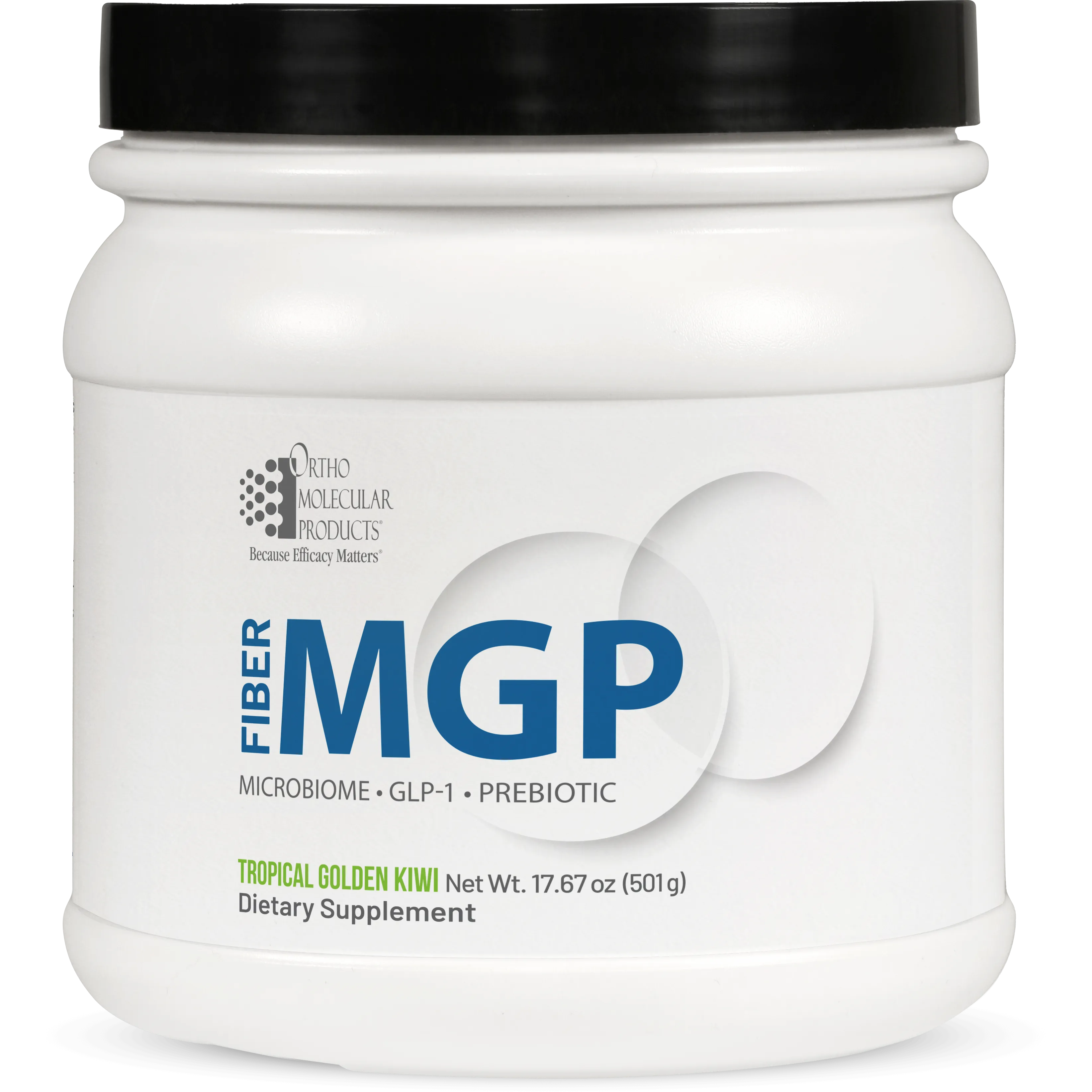
Fiber MGP by Ortho Molecular is a next-generation fiber supplement strategically engineered to address the complex needs of a compromised gut. Unlike traditional, single-ingredient fiber supplements that can cause severe bloating and gas, Fiber MGP is formulated for gentle digestion and optimal tolerance. It delivers a robust 11 grams of total dietary fiber per serving, precisely calibrated with 8 grams of soluble fiber and 3 grams of insoluble fiber. This specific ratio ensures that the gut receives ample fermentable material to feed beneficial flora while providing just enough structural bulk to promote healthy transit times without causing mechanical irritation.
The efficacy of Fiber MGP lies in its three proprietary, clinically researched blends. The Microbiome Foundation Blend (5.3 g) provides the core structural components necessary for rebuilding the intestinal environment. The Glucobalance Blend (6.9 g) is specifically designed to modulate carbohydrate absorption, supporting metabolic health and helping manage the rapid blood sugar fluctuations that often trigger autonomic instability. Finally, the Prebiotic Biodiversity Blend (3.7 g) acts as a targeted fertilizer, selectively nourishing keystone bacterial species to enhance microbial diversity, promote endogenous GLP-1 production, and initiate prebiotic seeding throughout the colon.
How Long COVID and ME/CFS Impact the Gut Microbiome
The pathophysiology of post-acute infection syndromes is deeply intertwined with profound and persistent disruptions in the gut microbiome, a state clinically referred to as dysbiosis. While acute viral infections naturally disturb the microbiome temporarily, most healthy individuals experience a rebound of their normal flora once the virus is cleared. However, in patients who develop Long COVID or ME/CFS, this dysbiosis becomes chronic. Recent high-resolution sequencing studies have revealed that these conditions are characterized by a severe depletion of beneficial, anti-inflammatory keystone bacteria.
Specifically, researchers consistently observe significant reductions in Faecalibacterium prausnitzii, Eubacterium rectale, and Bifidobacterium species in patients with ME/CFS and Long COVID. These specific taxa are the primary producers of butyrate, the most critical SCFA for maintaining intestinal health. When these keystone species are depleted, the overall alpha diversity—a measure of the richness and evenness of bacterial species in the gut—plummets. This creates an ecological vacuum in the microbiome, allowing opportunistic pathogens and pro-inflammatory Gram-negative bacteria, such as Streptococcus and certain Clostridium species, to proliferate unchecked.
The loss of butyrate-producing bacteria initiates a devastating vicious cycle. Butyrate is the primary energy source for colonocytes, the epithelial cells that line the colon. Without adequate butyrate, these cells literally starve, leading to the breakdown of the tight junction proteins (such as zonulin and occludin) that normally seal the gaps between intestinal cells. This degradation results in increased intestinal permeability, commonly known as "leaky gut." Clinical biomarker studies in ME/CFS and Long COVID patients frequently show elevated levels of Zonulin-1 and lipopolysaccharides (LPS) in the bloodstream, confirming that the gut barrier has been compromised.
When LPS—a toxic structural component of Gram-negative bacterial cell walls—translocates from the gut lumen into systemic circulation, it triggers a massive immune response. The immune system recognizes LPS as a dangerous foreign invader, prompting macrophages and other immune cells to release a cascade of pro-inflammatory cytokines, including Interleukin-6 (IL-6) and Tumor Necrosis Factor-alpha (TNF-α). This chronic, low-grade systemic endotoxemia drives the profound fatigue, widespread joint pain, and neuroinflammation that define the daily experience of living with long-term COVID.
The systemic inflammation originating from the leaky gut does not stay confined to the bloodstream; it directly impacts the nervous system via the microbiota-gut-brain axis. The vagus nerve, the primary superhighway connecting the enteric nervous system to the brainstem, is highly sensitive to inflammatory cytokines and microbial metabolites. In a healthy state, SCFAs send calming, anti-inflammatory signals up the vagus nerve, promoting parasympathetic ("rest and digest") tone. However, in a dysbiotic state, the barrage of inflammatory signals impairs vagal nerve signaling.
This vagal impairment is a central driver of dysautonomia and Postural Orthostatic Tachycardia Syndrome (POTS), conditions frequently comorbid with Long COVID and ME/CFS. When the vagus nerve fails to properly regulate the autonomic nervous system, patients become locked in a chronic sympathetic ("fight or flight") state. This leads to erratic heart rates, blood pressure instability, and severe gastrointestinal symptoms. Furthermore, because the autonomic nervous system controls digestive motility, this neurological dysfunction loops back to the gut, causing erratic transit times (diarrhea or gastroparesis) that further disrupt the microbiome, locking the patient in a relentless cycle of disease.
Fiber MGP: Supporting the Gut-Brain Axis and GLP-1 Production
One of the most profound mechanisms by which Fiber MGP supports metabolic and gastrointestinal health is through the endogenous stimulation of Glucagon-like peptide-1 (GLP-1). The intestinal lining is populated with specialized enteroendocrine cells called L-cells, which are densely concentrated in the distal small intestine and colon. These L-cells are equipped with specific G-protein-coupled receptors, namely FFAR2 (GPR43) and FFAR3 (GPR41), which are biologically designed to "taste" microbial metabolites. When the highly fermentable soluble fibers in Fiber MGP are broken down by gut bacteria into SCFAs (particularly acetate and propionate), these fatty acids bind directly to the FFAR2 and FFAR3 receptors.
This binding event triggers a rapid intracellular signaling cascade, causing a localized influx of calcium that forces the L-cells to secrete GLP-1 and Peptide YY (PYY) into the systemic bloodstream. This is the body's natural, endogenous version of popular GLP-1 receptor agonist medications. Once in circulation, GLP-1 exerts powerful metabolic effects: it enhances glucose-dependent insulin secretion from the pancreas, suppresses excess glucagon, and signals the hypothalamic nuclei in the brain to promote satiety. By providing the exact prebiotic substrates needed to fuel this pathway, Fiber MGP helps restore metabolic homeostasis, which is often severely disrupted in patients dealing with the metabolic rewiring seen in Long COVID.
For patients dealing with mast cell activation syndrome (MCAS)—a condition frequently overlapping with Long COVID and dysautonomia—Fiber MGP offers a critical pathway for immune stabilization. Mast cells are sentinel immune cells located throughout the body, particularly at the mucosal boundaries of the gut. In MCAS, these cells become hyper-reactive, inappropriately degranulating and releasing floods of histamine, tryptase, and inflammatory cytokines. The SCFAs generated by the fermentation of Fiber MGP's Prebiotic Biodiversity Blend play a direct, mechanistic role in calming these erratic cells.
At the cellular level, butyrate acts as a powerful Histone Deacetylase (HDAC) inhibitor. By blocking HDAC enzymes, butyrate alters the epigenetic transcription inside the mast cell, physically suppressing the genetic pathways required for the cell to release its inflammatory granules. Furthermore, immunological research demonstrates that SCFAs restrict calcium entry into mast cells and inhibit specific signaling pathways (like MAPK and JNK/p38 phosphorylation) that trigger degranulation. By slowly rebuilding a butyrate-producing microbiome, Fiber MGP helps lower ambient histamine levels, repairs the leaky gut barrier, and promotes the creation of Regulatory T Cells (Tregs) that induce systemic immune tolerance.
The strategic ratio of soluble to insoluble fiber in Fiber MGP is particularly therapeutic for patients navigating dysautonomia and POTS. Because the autonomic nervous system regulates digestive motility, POTS patients frequently swing between extremes: rapid gastric emptying (causing diarrhea and malabsorption) or delayed gastric emptying (gastroparesis, causing severe nausea and early satiety). The 8 grams of soluble fiber in Fiber MGP acts as a crucial stabilizing agent. For those with rapid transit, the soluble fiber absorbs excess water and forms a soothing gel, slowing down digestion and adding form to the stool. For those with a sluggish, paralyzed stomach, this gel-like matrix is significantly easier to pass than harsh, roughage-heavy insoluble fibers that can cause mechanical impaction.
Moreover, this gel-forming property plays a vital role in cardiovascular stability. Carbohydrate-heavy meals can trigger severe postprandial tachycardia (a rapid heart rate after eating) in POTS patients. This occurs because blood rushes to the splanchnic (gut) vascular bed to aid digestion, exacerbating systemic hypovolemia and forcing the heart to race to maintain blood pressure to the brain. By utilizing the Glucobalance Blend to slow the absorption of carbohydrates, Fiber MGP blunts rapid blood sugar spikes and moderates the digestive workload. This gentle pacing helps reduce the sudden pooling of blood in the abdomen, significantly reducing the severity of post-meal autonomic crashes and supporting overall cardiovascular health.

Symptoms Fiber MGP May Help Manage
Because Fiber MGP targets the foundational health of the gut microbiome, its systemic effects can help alleviate a wide range of interconnected symptoms driven by dysbiosis, inflammation, and autonomic dysfunction:
Postprandial Tachycardia: By forming a viscous gel in the digestive tract, the soluble fiber in the Glucobalance Blend slows carbohydrate absorption, helping manage rapid blood sugar spikes and reducing the sudden pooling of blood in the gut that triggers a racing heart after meals in POTS patients.
Severe Brain Fog and Cognitive Impairment: By feeding keystone bacteria that produce butyrate, Fiber MGP helps repair the intestinal barrier, helping keep neurotoxic lipopolysaccharides (LPS) from entering the bloodstream and crossing the blood-brain barrier to cause neuroinflammation.
Unpredictable Bowel Motility: The precise 8:3 ratio of soluble to insoluble fiber acts as a dual-action regulator, absorbing excess water to slow down rapid transit (diarrhea) while providing gentle, non-irritating bulk to assist a sluggish digestive tract (gastroparesis and constipation).
Histamine Flares and Allergic Reactivity: The fermentation of the Prebiotic Biodiversity Blend generates short-chain fatty acids that act as natural Histone Deacetylase (HDAC) inhibitors, epigenetically calming hyperactive mast cells and reducing their inappropriate release of systemic histamine.
Metabolic Dysfunction and Weight Resistance: By stimulating the L-cells in the lower intestine to naturally secrete GLP-1, the microbiome fermentation process helps regulate insulin sensitivity, suppress excess glucagon, and promote natural satiety signals to the brain.
Post-Exertional Malaise (PEM) and Fatigue: By healing the gut lining and reducing the chronic, low-grade systemic endotoxemia caused by leaky gut, the body expends significantly less cellular energy fighting constant inflammation, preserving vital ATP for daily physical and cognitive function.
Practical Considerations: Forms, Dosing, and Absorption
When integrating a next-generation supplement like Fiber MGP into a chronic illness management plan, understanding the physical properties of the fiber is essential. The formula delivers 11 grams of total dietary fiber per scoop, heavily weighted toward soluble fiber (8 grams) over insoluble fiber (3 grams). This specific 8:3 ratio is intentional. Soluble fiber dissolves in water to create a soothing, viscous gel that is exceptionally gentle on inflamed or highly sensitive gastrointestinal linings. It paces digestion without requiring the vigorous mechanical churning from the stomach that insoluble "roughage" demands.
For patients with dysautonomia or gastroparesis, high amounts of insoluble fiber can be dangerous, potentially sitting in a paralyzed stomach and forming painful blockages. The modest 3 grams of insoluble fiber in Fiber MGP provides just enough physical structure to assist with sweeping waste through the colon without overwhelming a sluggish or uncoordinated enteric nervous system. This makes the product uniquely suitable for individuals who have historically failed to tolerate standard, bulk-forming laxatives or harsh, over-the-counter fiber supplements.
While prebiotics are the ultimate long-term solution for healing the gut and stabilizing mast cells, their introduction must be handled with extreme care in patients with MCAS, Small Intestinal Bacterial Overgrowth (SIBO), or severe dysbiosis. Introducing highly fermentable prebiotics into a gut that is currently overgrown with pathogenic or histamine-producing bacteria can trigger a "flare-up." The harmful bacteria will rapidly ferment the new fiber, producing excess gas, LPS, and histamine, which can temporarily worsen leaky gut and provoke a severe mast cell reaction.
To mitigate this risk, functional medicine practitioners universally recommend a "start low and go slow" approach. Rather than beginning with the full suggested use of 1 scoop (16.7 g) daily, sensitive patients should consider starting with a micro-dose—such as 1/4 or 1/8 of a scoop—mixed into water. This allows the prebiotic blends to slowly cultivate butyrate-producing bacteria without overwhelming the system. As the microbiome gradually shifts toward eubiosis (a healthy balance) and mast cells begin to calm via SCFA production, the dosage can be incrementally increased over several weeks until the full therapeutic dose is achieved and optimally tolerated.
Proper hydration is a non-negotiable requirement when supplementing with high-capacity soluble fibers. Because the 8 grams of soluble fiber in Fiber MGP acts like a sponge, drawing water into the bowel to form its therapeutic gel, inadequate fluid intake can lead to severe constipation or bowel impaction. Patients must mix the powder with at least 6-8 ounces of water or a preferred beverage, and ensure they are consuming ample hydrating fluids throughout the day. For POTS patients who are already medically required to consume high amounts of salt and water to maintain blood volume, this fiber can actually help retain that hydration within the digestive tract, helping manage osmotic diarrhea.
Timing also plays a crucial role in maximizing absorption and metabolic benefits. To leverage the Glucobalance Blend's ability to blunt blood sugar spikes and help manage postprandial tachycardia, Fiber MGP is often best consumed 15 to 30 minutes before a meal. Furthermore, because the product is designed to enhance microbial diversity, it should be mixed with liquids below 140°F. Exposure to high heat can degrade the delicate prebiotic structures, reducing their fermentability and diminishing their capacity to stimulate endogenous GLP-1 production in the lower intestine.
Follow the Science
The scientific understanding of how the microbiome dictates the severity of post-viral syndromes has advanced exponentially in recent years. A landmark study published by researchers at The Jackson Laboratory in Nature Medicine utilized a deep neural network AI platform to analyze data from individuals with ME/CFS compared to healthy controls. The AI model evaluated thousands of data points, including microbiome profiles, metabolites, and immune responses. The study achieved an unprecedented 90% accuracy in distinguishing individuals with ME/CFS based entirely on these biological markers, definitively proving that gut dysbiosis is a core driver of the disease, not just a secondary symptom.
Crucially, this research identified distinct biological signatures in the patient cohort, including significantly reduced levels of butyrate and elevated markers of systemic inflammation. The model also revealed that patients who had been ill for less than four years had fewer disrupted biological networks than those ill for over a decade. This suggests that microbial and metabolic disruptions become increasingly entrenched over time, highlighting the urgent need for early, targeted interventions using specialized prebiotic fibers to halt the progression of dysbiosis and restore SCFA production before permanent neurological damage occurs.
The direct mechanistic link between dietary fiber, the microbiome, and endogenous GLP-1 production is heavily supported by robust biochemical data. A study published in Diabetes (Watanabe et al.) explored the remodeling of hepatic metabolism and hyperaminoacidemia in mice deficient in proglucagon-derived peptides.
Furthermore, human clinical trials tracking patients on high-fiber diets have demonstrated that increasing the populations of SCFA-producing bacteria (specifically F. prausnitzii and A. muciniphila) directly correlates with measurable clinical improvements. These improvements include significant decreases in fasting blood glucose, reduced LDL cholesterol, and enhanced satiety. This data confirms that modulating the gut microbiome through targeted prebiotic supplementation is a potent, non-pharmacological method for activating the body's natural GLP-1 pathways and improving cardiometabolic health.
In the realm of clinical immunology, the role of prebiotics in managing mast cell activation is gaining significant traction. A comprehensive review published in Frontiers in Immunology detailed the profound epigenetic effects that short-chain fatty acids have on mast cell stability. The research demonstrated that butyrate, generated through the bacterial fermentation of dietary fibers, acts as a direct inhibitor of mast cell degranulation. By restricting calcium entry and blocking specific intracellular signaling pathways, SCFAs physically calm the mast cell and drastically reduce the production of pro-inflammatory cytokines like Tumor Necrosis Factor (TNF).
Animal models further support these findings. Studies have shown that subjects fed a diet rich in fermentable fibers exhibited a significantly altered ratio of gut bacteria, increased circulating SCFAs in their blood, and were protected against allergic inflammation due to reduced mast cell activation. By providing the structural foundation necessary to rebuild a healthy, butyrate-producing microbiome, supplements like Fiber MGP offer a scientifically validated pathway for breaking the vicious cycle of leaky gut, systemic endotoxemia, and chronic immune hyper-reactivity seen in complex chronic illnesses.
The Path Forward
Living with the unpredictable, systemic symptoms of Long COVID, ME/CFS, dysautonomia, and MCAS can feel like navigating a maze without a map. The profound fatigue, erratic heart rates, and severe digestive distress are not merely "in your head"—they are deeply rooted in physiological disruptions, particularly within the complex ecosystem of your gut microbiome. Validating this reality is the first step toward reclaiming your health. While there is no single miracle cure for these intricate conditions, understanding the mechanisms driving your symptoms empowers you to take targeted, strategic action.
Rebuilding the gut-brain axis is a marathon, not a sprint. Supplements like Fiber MGP represent a critical piece of a comprehensive management strategy, providing the precise prebiotic architecture needed to feed beneficial bacteria, stimulate natural GLP-1 production, and epigenetically calm hyperactive mast cells. When combined with careful symptom tracking, autonomic pacing, and personalized dietary adjustments, targeted microbiome support can help break the cycle of chronic inflammation and steadily improve your quality of life. Always consult with your healthcare provider before introducing new supplements, especially if you have a highly sensitive digestive system, to ensure the approach is safely tailored to your unique biological needs.