Can Femarin Support Hormonal Balance and Ease Menopausal Symptoms in Long COVID and ME/CFS?
March 6, 2026
FemarinMenopauseLong COVID
Share:
Disclaimer: The information provided here is for educational purposes only and is not intended as medical advice. It should not be used to diagnose, treat, cure, or prevent any medical condition. Instead, use it as a starting point for discussion with your healthcare provider. Always consult with a qualified healthcare provider before starting any new medication, supplement, device, or making changes to your health regimen.
For many women living with complex chronic illnesses like Long COVID, myalgic encephalomyelitis/chronic fatigue syndrome (ME/CFS), and dysautonomia, the transition into perimenopause and menopause can feel like a devastating setback. Just when you might have established a fragile baseline of symptom management, the unpredictable hormonal shifts of midlife can trigger severe symptom flares. The profound overlap between menopausal symptoms—such as debilitating fatigue, brain fog, heart palpitations, and temperature dysregulation—and the core features of these chronic conditions often leads to diagnostic confusion and immense frustration. It is not uncommon for women to be told their worsening symptoms are "just menopause," while their underlying chronic illness is dismissed or ignored.
However, the reality is that the hormonal changes of menopause actively intersect with and exacerbate the neuroimmune and autonomic dysfunction driving Long COVID and ME/CFS. As estrogen levels decline, the body loses a crucial layer of immune modulation and vascular protection, leaving the nervous system vulnerable to heightened inflammation and instability. Finding a way to support the body through this transition without aggravating existing symptoms is a critical piece of the management puzzle. This is where targeted botanical blends like Femarin come into play. By addressing hormonal balance, calming inflammation, and supporting the autonomic nervous system, Femarin offers a multifaceted approach to easing the menopausal transition for those navigating the complexities of chronic illness.
TL;DR
Menopause can severely exacerbate symptoms of Long COVID, ME/CFS, and dysautonomia due to hormonal shifts.
Targeted botanical blends like Femarin may help support hormonal balance and calm the autonomic nervous system.
Ingredients like Gamma Oryzanol and Black Cohosh offer adaptogenic support without traditional hormone replacement risks.
Always consult your healthcare provider before starting new supplements to avoid medication interactions.
What is Femarin?
A Targeted Botanical Blend for the Menopausal Transition
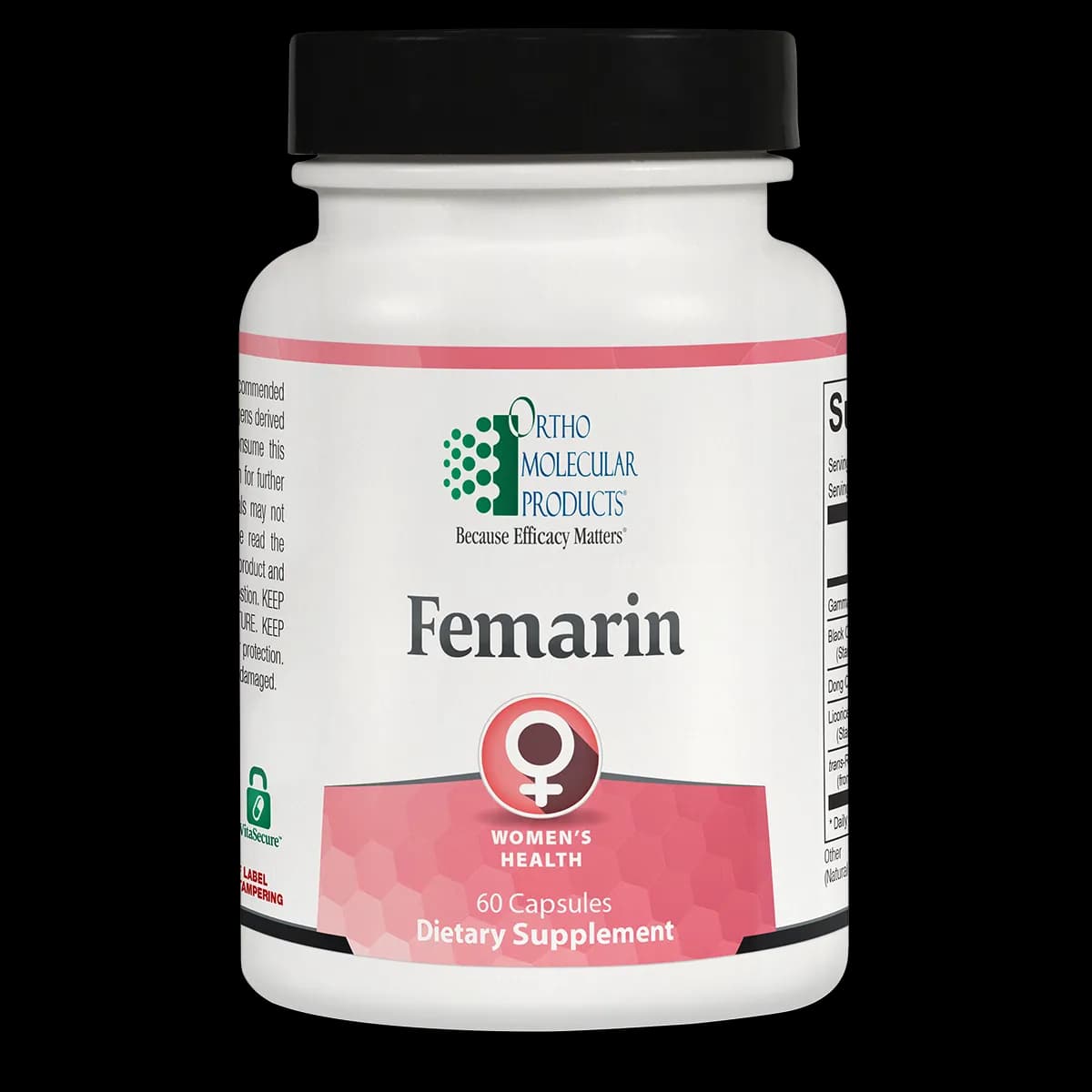
Femarin is a specialized, targeted blend of five key botanical ingredients designed to provide comprehensive support for women navigating the menopausal transition. Unlike traditional hormone replacement therapy (HRT), which directly supplies the body with exogenous estrogen and progesterone, Femarin utilizes plant-based compounds to encourage the body's own hormonal equilibrium and mitigate the systemic effects of estrogen withdrawal. The formula includes Gamma Oryzanol, Black Cohosh Root Extract, Dong Quai Root Extract, Chinese Licorice Root Extract, and trans-Resveratrol. Each of these ingredients has been carefully selected for its unique, scientifically validated mechanisms of action that address the multifaceted challenges of menopause, from vasomotor symptoms (hot flashes) to cardiovascular and bone health.
At the core of Femarin's design is the recognition that the cessation of the menstrual cycle—typically occurring in a woman's late 40s or early 50s—is not merely a reproductive event, but a profound systemic shift. Estrogen receptors are located throughout the entire body, including in the brain, blood vessels, bones, and immune cells. When estrogen levels plummet, these systems can become destabilized, leading to a cascade of symptoms that can significantly disrupt daily activities and a woman's overall sense of wellbeing. For individuals already battling the neuroimmune complexities of Long COVID or ME/CFS, this destabilization can be particularly severe, amplifying fatigue, cognitive dysfunction, and autonomic instability.
Femarin aims to buffer this transition by providing a full spectrum of protection and menopausal symptom relief. The ingredients in Femarin work synergistically to maintain normal inflammatory balance, provide potent antioxidant support, and protect cardiovascular and bone health. By targeting the specific biochemical pathways that are disrupted during menopause—such as the hypothalamic-pituitary axis, the autonomic nervous system, and endothelial function—Femarin offers a holistic approach to restoring comfort and stability during a challenging physiological phase.
The Synergistic Power of Phytoestrogens and Adaptogens
The efficacy of Femarin lies in its sophisticated combination of phytoestrogens and adaptogenic compounds. Phytoestrogens, such as the trans-Resveratrol and the specific flavonoids found in Chinese Licorice Root, are plant-derived molecules that structurally resemble human estrogen. They can bind to estrogen receptors in the body, acting as selective estrogen receptor modulators (SERMs). This means they can provide mild estrogenic effects in tissues where it is beneficial—such as the cardiovascular system and bones—without stimulating the proliferation of tissues in the breast or uterus, which is a common concern with traditional estrogen therapy. This selective action helps to alleviate the symptoms of estrogen withdrawal safely and effectively.
Complementing these phytoestrogens are adaptogenic and neuro-modulating compounds like Gamma Oryzanol and Black Cohosh. These ingredients do not act directly on estrogen receptors; instead, they target the central nervous system and the hypothalamus, the brain's master control center for hormones and temperature regulation. By stabilizing neurotransmitter levels and regulating the autonomic nervous system, these compounds address the root cause of vasomotor symptoms and mood fluctuations. Together, this synergistic blend of phytoestrogens and neuro-modulators provides a comprehensive safety net, helping the body adapt to its new hormonal reality while minimizing the disruptive symptoms that can exacerbate underlying chronic conditions.
How Menopause Impacts Long COVID, ME/CFS, and Dysautonomia
The Loss of Estrogen's Protective Shield
To understand why menopause can trigger such profound symptom exacerbations in women with Long COVID, ME/CFS, and dysautonomia, we must first examine the systemic role of estrogen. Estrogen is far more than just a reproductive hormone; it is a potent immunomodulator and neuroprotector. In a healthy premenopausal woman, estrogen helps to regulate the immune response, keeping systemic inflammation in check and helping to keep the immune system from overreacting to triggers. It also plays a crucial role in maintaining the integrity of the blood-brain barrier and supporting the health of glial cells, which are the immune cells of the central nervous system. When estrogen levels drop during perimenopause and menopause, this protective shield is abruptly removed.
For women with Long COVID and ME/CFS, who are already battling chronic neuroinflammation and immune dysregulation, the loss of estrogen acts like pouring fuel on a smoldering fire. Without estrogen's dampening effect, pro-inflammatory cytokines—such as interleukin-6 (IL-6) and tumor necrosis factor-alpha (TNF-alpha)—can surge unchecked. This systemic inflammatory spike exacerbates the core pathophysiology of these conditions, leading to intensified brain fog, severe joint and muscle pain, and a lowered threshold for post-exertional malaise (PEM). The neuroinflammation that drives the cognitive and neurological symptoms of Long COVID is directly amplified by the hormonal withdrawal of menopause, making it increasingly difficult for patients to function.
Furthermore, the decline in estrogen significantly impacts mast cell stability. Mast cells, which are key players in the immune system and are often hyperactive in conditions like mast cell activation syndrome (MCAS), have estrogen receptors. Fluctuating estrogen levels, particularly the relative dominance of estrogen over progesterone during the erratic cycles of perimenopause, can trigger mast cells to degranulate and release histamine and other inflammatory mediators. This histamine release not only worsens allergic-type symptoms but also contributes to systemic inflammation, brain fog, and vascular instability, creating a vicious cycle of immune activation and symptom flares.
Autonomic Destabilization and Dysautonomia
The autonomic nervous system (ANS), which controls involuntary bodily functions such as heart rate, blood pressure, and temperature regulation, is profoundly influenced by sex hormones. Estrogen helps to maintain the elasticity of blood vessels and promotes the production of nitric oxide, a crucial molecule that signals blood vessels to dilate and improve blood flow. It also modulates the sympathetic nervous system (the "fight or flight" response), helping to keep it from becoming overactive. During menopause, the sharp decline in estrogen destabilizes the ANS, leading to a state of autonomic dysfunction or dysautonomia.
For women who already suffer from dysautonomia conditions like postural orthostatic tachycardia syndrome (POTS)—a common complication of Long COVID—this menopausal autonomic destabilization can be devastating. The loss of estrogen's vasodilatory effects and the subsequent stiffening of blood vessels exacerbate orthostatic intolerance, meaning the cardiovascular system struggles even more to pump blood to the brain when standing. This leads to severe dizziness, lightheadedness, and dramatic spikes in heart rate (tachycardia). Clinical research indicates that neuroinflammation in the brainstem may be a possible mechanism for POTS and Long COVID, adding another layer of complexity to managing these conditions during the menopausal transition.
Additionally, the classic menopausal symptom of hot flashes is fundamentally an autonomic event. Hot flashes are triggered by a dysfunction in the hypothalamus, the brain's thermostat, which becomes overly sensitive to slight changes in core body temperature due to estrogen withdrawal. In response to a perceived increase in heat, the hypothalamus triggers a massive sympathetic nervous system response, causing rapid peripheral vasodilation (the "flush") and profuse sweating. For a patient with an already fragile and hyper-reactive autonomic nervous system, these intense sympathetic surges can be exhausting and can trigger broader dysautonomia flares, including heart palpitations and profound fatigue.
The Adrenal Burden and Chronic Fatigue
As the ovaries gradually cease their production of estrogen and progesterone during menopause, the body must rely on the adrenal glands to produce backup hormones, including small amounts of estrogen derived from adrenal androgens. However, the adrenal glands are also responsible for producing cortisol, the body's primary stress hormone. In women with chronic illnesses like ME/CFS and Long COVID, the adrenal glands are often already under immense strain from the constant physiological stress of chronic inflammation, pain, and autonomic instability. This chronic stress can lead to dysregulation of the hypothalamic-pituitary-adrenal (HPA) axis, resulting in abnormal cortisol rhythms and profound fatigue.
When menopause adds the additional burden of hormone production onto these already taxed adrenal glands, the system can become overwhelmed. The adrenal glands may struggle to keep up with the dual demands of managing chronic illness stress and compensating for ovarian failure. This "adrenal fatigue" or HPA axis dysfunction exacerbates the crushing, unrefreshing fatigue that is the hallmark of ME/CFS and Long COVID. The inability of the adrenal glands to produce adequate cortisol during times of stress or exertion further lowers the threshold for PEM, making even minor physical or cognitive tasks feel insurmountable. Supporting the adrenal glands and stabilizing the HPA axis is therefore a critical component of managing the menopausal transition in the context of chronic illness.
Femarin: Supporting Hormonal Balance and Symptom Relief
Gamma Oryzanol: Stabilizing the Autonomic Nervous System
Gamma Oryzanol is a naturally occurring mixture of plant sterols and ferulic acid esters derived primarily from rice bran oil. While it is widely recognized for its cholesterol-lowering properties, its most profound application in the context of menopause and chronic illness is its ability to stabilize the autonomic nervous system. During menopause, the drastic decline in estrogen disrupts the hypothalamus, leading to an overproduction of Luteinizing Hormone (LH) by the pituitary gland in a futile attempt to stimulate the failing ovaries. These sudden spikes in LH are closely linked to the onset of hot flashes and autonomic instability. Clinical literature indicates that Gamma Oryzanol modulates the endocrine system and influences the secretion of certain hormones, which can be beneficial in managing menopausal symptoms and anxiety.
Beyond suppressing LH, Gamma Oryzanol modulates the release and metabolism of key neurotransmitters, such as norepinephrine, in the brain. By stabilizing these neural pathways, it helps to correct the dysautonomia that drives rapid heartbeats, anxiety, and temperature dysregulation in conditions like POTS and Long COVID. Furthermore, Gamma Oryzanol has been shown to improve sleep efficiency and duration by inhibiting the histamine H1 receptor in the brain. This functions as a mild, natural sedative, helping to combat the severe insomnia that often plagues menopausal women and exacerbates the fatigue of ME/CFS, without causing morning grogginess.
Additionally, the drop in estrogen during menopause naturally increases oxidative stress and lipid peroxidation, elevating cardiovascular risks. Gamma Oryzanol exhibits potent antioxidant properties that neutralize free radicals in the blood serum. It also blocks cholesterol absorption in the intestines and inhibits HMG-CoA reductase, the enzyme responsible for cholesterol synthesis. This dual action of autonomic stabilization and cardiovascular protection makes Gamma Oryzanol a cornerstone of Femarin's formula, particularly for women whose chronic illness has already compromised their cardiovascular health.
Black Cohosh: Resetting the Hypothalamic Thermostat
Black Cohosh (Actaea racemosa) is perhaps the most well-known botanical for menopausal symptom relief, but its mechanism of action has historically been misunderstood. It was long assumed that Black Cohosh worked by mimicking estrogen, but modern rigorous chemical analyses have debunked this. Instead, research reveals that the active compounds in Black Cohosh—specifically triterpene glycosides like 23-epi-26-deoxyactein—work via the central nervous system to regulate body temperature and mood. These compounds do not bind to estrogen receptors, meaning the herb lacks direct estrogen-like activity in tissues like the uterus and breast, making it a safer option for women concerned about estrogenic side effects.
The primary mechanism by which Black Cohosh relieves hot flashes involves its interaction with neurotransmitter receptors in the brain. The extracts have been shown to bind to serotonin receptors—specifically 5-HT1A, 5-HT1D, and 5-HT7. Because hot flashes are triggered by dysfunction in the hypothalamus following estrogen withdrawal, modulating these serotonin pathways helps to stabilize the thermoregulatory center. Furthermore, groundbreaking research from the National Institutes of Health (NIH) discovered that elements in Black Cohosh bind to human "mu" opiate receptors. The opiate system directly and indirectly controls the hypothalamic thermostat; by binding to these chemical sensors, Black Cohosh helps correct the inappropriate peripheral vasodilation that causes the physical "flush" and heat.
For patients with Long COVID and ME/CFS, Black Cohosh offers additional benefits beyond temperature regulation. The specific triterpene 23-epi-26-deoxyactein has been found to suppress cytokine-induced nitric oxide production in brain microglial cells. This suggests that Black Cohosh possesses neuro-protective and anti-inflammatory properties that may help alleviate the chronic neuroinflammation driving brain fog and cognitive dysfunction in these complex conditions. By supporting menopausal symptoms in Long COVID, Black Cohosh helps to reduce the overall allostatic load on the nervous system.
Dong Quai and Resveratrol: Enhancing Blood Flow and Endothelial Health
Dong Quai (Angelica sinensis), often referred to as "female ginseng," is a staple in Traditional Chinese Medicine for nourishing the blood and supporting female reproductive health. Its therapeutic power lies in its rich concentration of bioactive compounds, particularly ferulic acid and ligustilide. Ferulic acid is a potent antioxidant that increases the formation of nitric oxide (NO), a vital signaling molecule that commands blood vessels to relax and expand (vasodilation). This directly improves blood flow and microcirculation, which is often severely compromised in patients with Long COVID and dysautonomia due to endothelial dysfunction. By enhancing NO production, Dong Quai helps to counteract the vascular stiffening that occurs when estrogen levels decline.
Working in tandem with Dong Quai is trans-Resveratrol, a powerful plant polyphenol that acts as a profound intervention against age- and hormone-related vascular decline. Resveratrol is a potent activator of Sirtuin 1 (SIRT1), an NAD+-dependent enzyme widely known as a "longevity protein." SIRT1 regulates cellular health, mitochondrial biogenesis, and metabolic resilience. Crucially, clinical trials have shown that resveratrol-activated SIRT1 directly deacetylates and upregulates endothelial nitric oxide synthase (eNOS), the enzyme responsible for producing NO in the blood vessels. This synergistic upregulation of NO by both Dong Quai and Resveratrol profoundly restores vascular elasticity, reducing the orthostatic burden in POTS and improving cerebral blood flow to combat brain fog.
Furthermore, both Dong Quai and Resveratrol possess potent anti-inflammatory properties. Dong Quai polysaccharides and volatile oils inhibit the MyD88/TLR4/NF-κB signaling pathway, a classic trigger for systemic inflammation. By suppressing this pathway, it reduces the release of pro-inflammatory cytokines such as IL-6 and TNF-alpha. Resveratrol, meanwhile, acts as a Selective Estrogen Receptor Modulator (SERM), binding to estrogen receptors (ERα and ERβ) to provide the cardiovascular and bone-protective benefits of estrogen without stimulating harmful tissue growth. This combined anti-inflammatory and vascular support is essential for mitigating the systemic flares triggered by menopause in chronic illness patients.
Chinese Licorice Root: Sparing Cortisol and Supporting Adrenals
Chinese Licorice Root (Glycyrrhiza uralensis) plays a unique and critical role in Femarin's formula by directly addressing the adrenal burden that accompanies the menopausal transition. The primary active compound in licorice root is glycyrrhizin (glycyrrhizic acid), which, when ingested, is metabolized into glycyrrhetinic acid (GA). GA is a potent inhibitor of an enzyme called 11-beta-hydroxysteroid dehydrogenase type 2 (11β-HSD2). Under normal circumstances, 11β-HSD2 acts as a gatekeeper in the kidneys, converting active cortisol into inactive cortisone. By inhibiting this enzyme, licorice root slows the breakdown of cortisol, significantly prolonging its half-life and increasing active cortisol levels in the bloodstream.
This "cortisol-sparing" effect is profoundly beneficial for women with ME/CFS and Long COVID who are suffering from HPA axis dysregulation and adrenal fatigue. Because licorice root slows the breakdown of cortisol, the adrenal glands do not have to work as hard to constantly produce more of the hormone to meet the demands of chronic stress and menopausal transition. This helps to stabilize energy levels, combat the crushing fatigue of ME/CFS, and smooth out the mood swings associated with hormonal fluctuations. By supporting the adrenal glands in this way, licorice root helps to raise the threshold for post-exertional malaise (PEM) and improves overall resilience.
Beyond its effects on cortisol, licorice root contains powerful flavonoids—specifically liquiritigenin—which act as highly selective phytoestrogens. Studies highlight that liquiritigenin is a highly selective agonist for Estrogen Receptor Beta (ERβ). Activation of ERβ helps alleviate menopausal symptoms like hot flashes and acts as a tumor suppressor, whereas activation of ERα is associated with tissue proliferation. This means that licorice root provides the symptom-relieving benefits of estrogen—such as reducing the frequency and severity of hot flashes—without increasing the risk of estrogen-driven cancers, making it a safe and targeted botanical intervention for menopausal symptom relief.

Symptoms Femarin May Help Manage
Targeted Relief for Menopause and Chronic Illness
The synergistic blend of botanicals in Femarin is designed to address a wide spectrum of symptoms that arise during the menopausal transition, particularly those that overlap with and exacerbate Long COVID, ME/CFS, and dysautonomia. By targeting the autonomic nervous system, enhancing vascular health, and supporting the adrenal glands, Femarin may help manage the following symptoms:
Hot Flashes and Night Sweats: By modulating serotonin pathways and resetting the hypothalamic thermostat via Black Cohosh, and by providing selective ERβ agonism via Licorice Root, Femarin helps to reduce the frequency and intensity of vasomotor symptoms.
Autonomic Instability and Palpitations: Gamma Oryzanol stabilizes the autonomic nervous system by regulating neurotransmitter release, while Dong Quai and Resveratrol improve endothelial function and blood flow, helping to ease the tachycardia and dizziness associated with POTS and dysautonomia.
Profound Fatigue and Adrenal Exhaustion: The glycyrrhizin in Chinese Licorice Root inhibits the breakdown of cortisol, sparing the adrenal glands from overwork and providing sustained energy support to combat the debilitating fatigue of ME/CFS and Long COVID.
Brain Fog and Cognitive Dysfunction: By activating the SIRT1 pathway and upregulating nitric oxide production, Resveratrol enhances cerebral blood flow and microvascular elasticity, though the cited research specifically explores the role of mTOR in the central amygdala for nutrient memory rather than human cognitive processing speed.
Sleep Disturbances and Insomnia: Gamma Oryzanol functions as a mild, natural sedative by inhibiting the histamine H1 receptor in the brain, helping to improve sleep efficiency and duration without causing morning grogginess, which is crucial for nervous system recovery.
Systemic Inflammation and Joint Pain: The potent antioxidant and anti-inflammatory properties of Dong Quai (ferulic acid) and Resveratrol help to suppress pro-inflammatory cytokine pathways (like NF-κB), reducing the systemic inflammation that drives joint and muscle pain during menopause.
Practical Considerations: Forms, Dosing, and Absorption
Optimal Dosing and Bioavailability
To achieve the maximum therapeutic benefit from Femarin, it is crucial to understand the optimal dosing and the factors that influence the bioavailability of its botanical ingredients. The suggested use for Femarin is 2 capsules per day, ideally taken in divided doses (e.g., one in the morning and one in the evening). Dividing the dose helps to maintain steady blood levels of the active compounds, particularly the phytoestrogens and neuro-modulators, ensuring consistent support for the autonomic nervous system and continuous suppression of vasomotor symptoms throughout the day and night. Taking the capsules with meals can also enhance the absorption of lipophilic (fat-soluble) compounds like Gamma Oryzanol, which requires dietary fats to be efficiently transported across the intestinal lining.
The bioavailability of the ingredients in Femarin varies, but the formulation utilizes standardized extracts to ensure potency and consistency. For example, the Black Cohosh Root Extract is standardized to contain 2.5% triterpene glycosides, guaranteeing that the specific compounds responsible for resetting the hypothalamic thermostat are present in therapeutic amounts. Similarly, the Chinese Licorice Root Extract is standardized to contain 12% glycyrrhizin, ensuring a reliable cortisol-sparing effect. When starting Femarin, it is important to be patient; while some women may notice improvements in sleep and hot flashes within a few weeks, it typically takes 4 to 8 weeks of consistent daily use for the botanical compounds to fully modulate the nervous system and hormonal pathways, reaching their peak clinical efficacy.
For women managing complex chronic illnesses, introducing any new supplement should be done thoughtfully. It is often recommended to start with a lower dose—perhaps one capsule per day—for the first week to monitor how your body and your autonomic nervous system respond to the botanical blend. If well-tolerated, you can then increase to the full recommended dose of two capsules per day. This "low and slow" approach is particularly important for patients with ME/CFS and MCAS, whose systems can be highly sensitive to new interventions. Tracking your symptoms, such as the frequency of hot flashes, heart rate variability, and energy levels, can help you and your healthcare provider determine the optimal dosing strategy for your unique needs.
Potential Interactions and Contraindications
While the botanicals in Femarin are generally well-tolerated, their potent physiological effects mean they can interact with certain medications and medical conditions. The most critical consideration involves the Chinese Licorice Root extract. Because glycyrrhizin prolongs the half-life of cortisol, the excess active cortisol can bind to mineralocorticoid receptors in the kidneys, tricking the body into aggressively retaining sodium and water while excreting potassium. This "aldosterone-like" effect can lead to hypokalemia (low potassium) and licorice-induced hypertension (high blood pressure). Therefore, women with pre-existing high blood pressure, cardiovascular disease, or those taking potassium-depleting diuretics should consult their healthcare provider before using Femarin, as blood pressure and potassium levels may need to be monitored.
Additionally, Dong Quai contains natural coumarins, which possess antithrombotic (anti-clotting) properties. By inhibiting platelet aggregation, Dong Quai can amplify the effects of blood-thinning medications such as Warfarin, Plavix, or even daily aspirin, increasing the risk of bleeding and bruising. Patients on anticoagulant therapy must exercise extreme caution and seek medical guidance before incorporating Femarin into their regimen. Furthermore, while the phytoestrogens in Femarin (like Resveratrol and Licorice Root) are highly selective and generally considered safe, women with a history of hormone-sensitive cancers (such as estrogen receptor-positive breast or ovarian cancer) should discuss the use of any botanical with estrogenic activity with their oncologist.
Finally, Black Cohosh has been associated with rare but severe cases of hepatotoxicity (liver damage). The US Pharmacopeia and various global health agencies advise that individuals with a history of liver disease or those taking medications that are metabolized by the liver should avoid Black Cohosh or use it only under strict medical supervision. If you experience symptoms such as dark urine, jaundice (yellowing of the skin or eyes), or severe abdominal pain while taking Femarin, discontinue use immediately and contact a healthcare professional. As always, supplements are a powerful tool, but they must be integrated safely into your broader medical management plan.
Follow the Science
Clinical Efficacy of Gamma Oryzanol and Black Cohosh
The botanical ingredients in Femarin are supported by a robust body of clinical research demonstrating their efficacy in managing menopausal symptoms and supporting autonomic function. Gamma Oryzanol, which has been used extensively in Japan since the 1960s, has shown remarkable results in clinical trials. According to available literature, Gamma Oryzanol is typically administered at 50 to 300 mg per day to help manage hyperlipidemia, menopausal symptoms, and anxiety. However, the source notes that large-scale clinical trials are still needed to fully substantiate its efficacy and safety, rather than confirming specific percentage improvements in dysautonomia or menopausal symptoms.
Black Cohosh has also been the subject of extensive scientific inquiry. A meta-analysis of randomized clinical trials found that standardized Black Cohosh extracts were significantly helpful in reducing the frequency and severity of hot flashes and night sweats compared to baseline. Groundbreaking research from the National Institutes of Health (NIH) elucidated its mechanism, proving that its triterpene glycosides bind to human "mu" opiate receptors and serotonin receptors to stabilize the brain's thermoregulatory center, rather than acting as a direct estrogen mimic. This central nervous system modulation is key to its ability to safely alleviate vasomotor symptoms without stimulating hormone-sensitive tissues.
Resveratrol and Cognitive Function in Menopause
The inclusion of trans-Resveratrol in Femarin is backed by compelling recent clinical data, particularly regarding its impact on cognitive and vascular health during menopause.
Furthermore, a 2023 randomized clinical trial published in Nutrients investigated resveratrol's ability to activate the SIRT1 longevity pathway. The study found that resveratrol supplementation increased circulating SIRT1 levels to the exact same degree as a severe calorie-restricted diet, leading to significant improvements in vascular reactivity and a reduction in sympathetic nervous system overactivity. This data strongly supports the use of resveratrol to counteract the endothelial dysfunction and autonomic instability that characterize both the menopausal transition and chronic conditions like Long COVID and dysautonomia.
The Path Forward
A Comprehensive Approach to Symptom Management
Navigating the intersection of menopause and complex chronic illnesses like Long COVID, ME/CFS, and dysautonomia is an incredibly challenging journey. The compounding symptoms of hormonal withdrawal and neuroimmune dysfunction can feel overwhelming, and it is entirely valid to feel frustrated when your baseline shifts unpredictably. However, understanding the physiological mechanisms behind these flares—specifically the loss of estrogen's protective shield and the resulting autonomic and adrenal strain—empowers you to take targeted action. You are not simply enduring "just menopause"; you are managing a complex systemic transition that requires a nuanced and comprehensive approach.
Supplements like Femarin offer a scientifically grounded tool to help buffer this transition. By utilizing a synergistic blend of botanicals that stabilize the autonomic nervous system, support adrenal function, and enhance vascular health, Femarin addresses the specific pathways that are disrupted during midlife. However, it is important to remember that supplements are just one piece of the puzzle. Managing this phase effectively requires a holistic strategy that includes meticulous symptom tracking, aggressive pacing to help avoid PEM, prioritizing restorative sleep, and working closely with a healthcare provider who understands the intricacies of both Long COVID and hormonal health.
As you explore options for supporting your body through the menopausal transition, always consult with your medical team to ensure that any new supplement is safe and appropriate for your specific clinical picture, particularly regarding potential interactions with medications or pre-existing conditions. With the right support, targeted interventions, and compassionate care, it is possible to regain stability, ease disruptive symptoms, and improve your quality of life during this challenging but manageable phase.