Can a Superfood Blend Support Gut Health and Energy in Long COVID?
March 5, 2026
EssentiaGreens and RedsLong COVIDME/CFS
Share:
Disclaimer: The information provided here is for educational purposes only and is not intended as medical advice. It should not be used to diagnose, treat, cure, or prevent any medical condition. Instead, use it as a starting point for discussion with your healthcare provider. Always consult with a qualified healthcare provider before starting any new medication, supplement, device, or making changes to your health regimen.
Months or even years after a mild SARS-CoV-2 infection, millions of people find themselves trapped in a cycle of debilitating symptoms known as Long COVID. For many, the journey involves profound exhaustion, unpredictable cognitive dysfunction, and severe gastrointestinal distress that seems to defy standard medical explanations. When a standard new patient-provider appointment is only 30 minutes, how do you convey that your body feels fundamentally altered at a cellular level? Patients with Long COVID, myalgic encephalomyelitis/chronic fatigue syndrome (ME/CFS), and dysautonomia often describe a sensation of being "poisoned" or completely drained of energy, pointing to deep, systemic dysfunctions in how their bodies process nutrients and manage inflammation.
In the search for validating, science-backed management strategies, researchers are increasingly focusing on the intricate connection between the gut microbiome, oxidative stress, and immune hyper-reactivity. The gastrointestinal tract is not just a digestive organ; it is the headquarters of the immune system and a primary driver of systemic inflammation. This is where comprehensive nutritional interventions, such as EssentiaGreens and Reds™, come into play. By combining targeted prebiotics, digestive enzymes, and highly bioavailable antioxidants, this superfood blend aims to address the root physiological mechanisms driving post-viral illness. In this article, we will explore the deep biochemistry of these ingredients and how they may help restore balance to a body overwhelmed by chronic illness.
What is EssentiaGreens and Reds™?
The Power of Targeted Phytonutrients
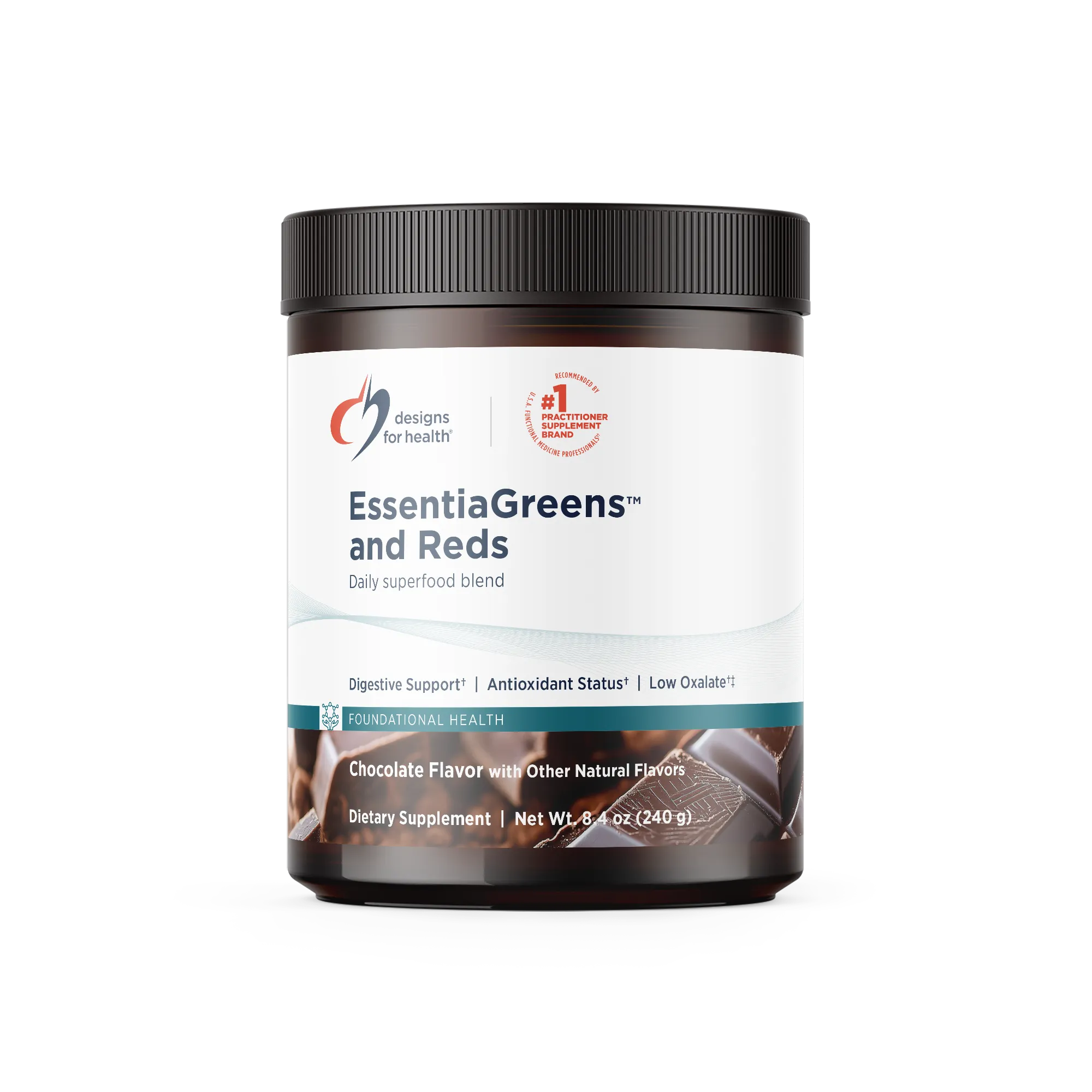
EssentiaGreens and Reds™ by Designs for Health is not a standard, off-the-shelf multivitamin. It is a highly engineered, professional-grade superfood blend designed to deliver a concentrated dose of phytonutrients, antioxidants, and gastrointestinal support compounds. In a healthy body, phytonutrients—biologically active compounds found in plants—serve as the first line of defense against environmental stressors. They act as signaling molecules that interact directly with our cellular DNA, upregulating the body's innate detoxification pathways and modulating the immune response. For individuals dealing with complex chronic conditions, extracting these nutrients from a standard diet is often impossible due to severe digestive impairments, food intolerances, and an overall lack of metabolic energy required to process raw, whole foods.
The formula is built upon a foundation of organic, nutrient-dense superfoods carefully cultivated to preserve their delicate biochemical structures. This includes a Proprietary Vegetable and Greens Blend featuring organic spirulina, nettle, and cruciferous sprouts (broccoli, cauliflower, and kale), alongside a Proprietary Fruit and Fiber Blend containing organic blueberry, cranberry, raspberry, and acai. These ingredients are not merely included for their basic vitamin content; they are specifically selected for their high concentrations of specific polyphenols, flavonoids, and glucosinolates. At the molecular level, these compounds act as electron donors, neutralizing unstable molecules that cause tissue damage, while simultaneously providing the raw materials necessary for cellular repair and mitochondrial regeneration.
The OxyPhyte® Grape Blend and ORAC
One of the most critical components of EssentiaGreens and Reds™ is the inclusion of the OxyPhyte® Grape Blend, which contains specialized extracts from both grape seeds and grape skins. Grape seed extract is one of nature's most concentrated sources of Oligomeric Proanthocyanidins (OPCs), a class of highly potent polyphenolic compounds. In healthy physiology, OPCs function as aggressive free-radical scavengers. They circulate through the bloodstream, identifying and neutralizing reactive oxygen species (ROS) before they can oxidize cellular lipids or damage mitochondrial DNA. This process is essential for maintaining the integrity of the endothelial cells that line our blood vessels, ensuring proper blood flow, cardiovascular function, and the prevention of micro-clots often seen in post-viral syndromes.
What sets the OxyPhyte® blend apart is its rigorous standardization and clinically proven bioavailability. In the supplement industry, antioxidant capacity is often measured using the Oxygen Radical Absorbance Capacity (ORAC) assay, which is strictly an in vitro test tube measurement. However, a high ORAC score on a label does not guarantee that the human body can actually absorb the compound through the intestinal wall. The OxyPhyte® extracts used in this formula have been subjected to rigorous human blood serum assays and Cellular Antioxidant Protection (CAP-e) testing. Clinical assay data demonstrates that these specific OPCs survive the harsh environment of the stomach, cross the intestinal barrier, and actively elevate the antioxidant capacity of human blood plasma within just one hour of ingestion.
Prebiotics and Digestive Enzymes
Beyond antioxidants, the formula acts as a profound modulator of the gastrointestinal ecosystem through the inclusion of organic inulin and a proprietary digestive enzyme blend. Inulin is a highly soluble plant fiber classified as a prebiotic. In a healthy digestive tract, prebiotics pass undigested through the stomach and small intestine until they reach the colon. There, they serve as the primary, targeted fuel source for keystone beneficial bacteria, such as Bifidobacterium and Lactobacillus. Through the process of fermentation, these specific microbes convert inulin into short-chain fatty acids (SCFAs), primarily butyrate, which is the essential energy source for the cells lining the colon wall and a major regulator of systemic immune tolerance.
To ensure that the complex carbohydrates and plant matrices in the superfood blend are fully utilized without causing gastrointestinal distress, the product includes a broad spectrum of digestive enzymes. Enzymes are biological catalysts that break down large macronutrients into their absorbable base components. In a perfectly functioning digestive system, the pancreas secretes adequate amounts of amylase (for carbohydrates), protease (for proteins), and lipase (for fats). However, when autonomic nervous system function is compromised, this natural secretion process frequently halts. By providing exogenous enzymes, EssentiaGreens and Reds™ ensures that the phytonutrients are mechanically cleaved from their plant fibers, maximizing cellular absorption while minimizing the risk of bacterial fermentation and severe bloating in the upper gastrointestinal tract.
How Long COVID and ME/CFS Impact the Gut and Cellular Health
The Oxidative Stress "Doom Loop"
To understand why a targeted superfood blend is relevant, we must first examine the profound physiological disruptions that occur in Long COVID, ME/CFS, and dysautonomia. A central feature of these conditions is a state of severe, unremitting oxidative stress. When the body is exposed to a viral trigger like the SARS-CoV-2 spike protein, the immune system launches a massive inflammatory response. In a healthy recovery, this response eventually downregulates. However, in post-viral syndromes, the immune system remains locked in a hyper-vigilant state, continuously generating reactive oxygen species (ROS) as a weapon against perceived threats. Recent comprehensive reviews have identified this sustained mitochondrial dysfunction and elevated mitochondrial ROS as a unifying mechanism underlying Long COVID and related post-viral injuries.
This chronic oxidative stress directly damages the mitochondria, the microscopic energy-producing powerhouses of our cells. The mitochondria rely on a delicate sequence of electron transfers, known as the electron transport chain, to generate adenosine triphosphate (ATP), the currency of cellular energy. When ROS levels overwhelm the cell's natural antioxidant defenses, they physically degrade the mitochondrial lipid membranes and mutate fragile mitochondrial DNA. The damaged mitochondria begin to leak more electrons, creating even more ROS, trapping the patient in a devastating "doom loop" of energy failure. This biochemical crisis is the direct, physiological cause of post-exertional malaise (PEM) and the profound, crushing fatigue that patients experience after minimal physical or cognitive effort.
Gut Dysbiosis and the Loss of Keystone Bacteria
Simultaneously, chronic illness wreaks havoc on the gastrointestinal tract. The gut microbiome is a delicate ecosystem that relies on a diverse array of bacterial species to maintain immune tolerance, digest food, and uphold intestinal barrier integrity. In Long COVID and ME/CFS, researchers consistently observe a state of severe gut dysbiosis. Specifically, there is a dramatic depletion of butyrate-producing keystone bacteria, such as Faecalibacterium prausnitzii, alongside a dangerous overgrowth of pro-inflammatory, Gram-negative bacteria. Studies published in Frontiers in Cellular and Infection Microbiology confirm that this specific microbial signature is heavily correlated with the severity of post-acute COVID-19 syndrome symptoms.
Without adequate butyrate production, the tight junction proteins that seal the intestinal wall begin to degrade, leading to increased intestinal permeability, commonly known as "leaky gut." This structural failure allows bacterial endotoxins, such as lipopolysaccharides (LPS), to escape the digestive tract and enter the systemic circulation. Once in the bloodstream, these toxins trigger a massive innate immune response, chronically elevating pro-inflammatory cytokines like Interleukin-6 (IL-6) and Tumor Necrosis Factor-alpha (TNF-α). This systemic inflammation crosses the blood-brain barrier, activating microglial cells in the brain and driving the severe neuroinflammation that patients experience as debilitating brain fog, memory loss, and cognitive dysfunction.
The Vagus Nerve and Digestive Dysfunction
The impact of this systemic inflammation extends directly to the autonomic nervous system, heavily implicating the vagus nerve. The vagus nerve is the primary superhighway of the gut-brain axis, responsible for controlling the "rest and digest" functions of the parasympathetic nervous system, including the migrating motor complex (MMC) which sweeps food through the intestines. In conditions like dysautonomia and Postural Orthostatic Tachycardia Syndrome (POTS), viral-induced neuroinflammation impairs vagal tone. When the vagus nerve cannot signal properly, it fails to direct adequate splanchnic blood flow to the digestive organs. This results in delayed gastric emptying (gastroparesis), a severe reduction in stomach acid production, and a failure of the pancreas to secrete necessary digestive enzymes.
This autonomic failure creates a disastrous secondary cycle of malabsorption. Because the body cannot naturally break down complex carbohydrates, fats, and proteins, these macronutrients sit stagnant in the digestive tract. They begin to ferment, feeding opportunistic, histamine-producing bacteria and triggering Mast Cell Activation Syndrome (MCAS). Furthermore, the inability to properly digest fats leads to a dangerous cascade involving dietary oxalates. Without adequate fat absorption, unabsorbed fatty acids bind to dietary calcium in the gut. This leaves oxalates free to be hyper-absorbed into the bloodstream—a condition known as enteric hyperoxaluria—where they form microscopic crystals that deposit in tissues, further destroying mitochondrial function and driving widespread chronic pain.
EssentiaGreens and Reds™: Supporting Gut Repair and Antioxidant Defense
Nrf2 Activation and Mast Cell Stabilization
EssentiaGreens and Reds™ provides a multi-targeted approach to dismantling the vicious cycles of oxidative stress and gut dysfunction. One of the primary mechanisms of action lies in the formula's ability to activate the Nrf2 (Nuclear factor erythroid 2-related factor 2) pathway. Nrf2 is often referred to as the body's "master redox switch." When activated by specific phytonutrients—such as the sulforaphane derived from the organic broccoli sprouts in the vegetable blend—Nrf2 detaches from its KEAP1 sensor and translocates into the cell nucleus. There, it binds to the Antioxidant Response Element (ARE), triggering the massive endogenous production of the body's most powerful antioxidants, including glutathione peroxidase, superoxide dismutase, and catalase. Research from Johns Hopkins has highlighted the profound ability of sulforaphane to combat viral-induced cellular damage and reduce neuroinflammation by switching microglial cells from an inflammatory state to a neuroprotective repair state.
Furthermore, the inclusion of organic spirulina offers critical support for patients dealing with mast cell hyper-reactivity. Spirulina is rich in a compound called Phycocyanobilin (PCB), which acts as a profound mast cell stabilizer. Allergic reactions and MCAS flares are driven by an enzyme called NADPH oxidase, which creates reactive oxygen species inside the mast cell, triggering explosive degranulation and the release of histamine. PCB directly inhibits NADPH oxidase, effectively acting as a natural, upstream antihistamine. By stabilizing the mast cells before they can degranulate, spirulina helps calm the systemic inflammatory storms that drive the unpredictable, fluctuating symptoms of Long COVID and ME/CFS.
Rebuilding the Microbiome with Inulin
To address the profound gut dysbiosis seen in post-viral syndromes, the formula relies on organic inulin to fundamentally alter the microbial landscape. Inulin acts as a targeted fertilizer for the depleted populations of Bifidobacterium and Lactobacillus. By providing these keystone species with their preferred fuel source, inulin stimulates their rapid proliferation, allowing them to outcompete the pro-inflammatory, Gram-negative bacteria that have overgrown in the dysbiotic gut. This competitive exclusion is a critical first step in lowering the overall endotoxin burden in the digestive tract and restoring a healthy balance to the microbiome.
As these beneficial bacteria ferment the inulin, they produce large quantities of the short-chain fatty acid butyrate. Butyrate is the primary therapeutic agent for healing "leaky gut." It provides the necessary cellular energy for the colonocytes to repair and regenerate the tight junction proteins (such as ZO-1 and occludin) that seal the intestinal barrier. Furthermore, butyrate plays a critical role in upregulating regulatory T-cells (Tregs), which tell the immune system to stand down and stop attacking the body's own tissues. Clinical trials, such as the UK Phyto-V study, have demonstrated that targeted prebiotic interventions using inulin can lead to a statistically significant, two-fold reduction in systemic fatigue scores and a dramatic improvement in gastrointestinal symptoms for Long COVID patients. By sealing the gut lining, inulin effectively cuts off the supply of inflammatory lipopolysaccharides entering the bloodstream, halting the neuroinflammatory cascade at its source.
Breaking the Oxalate Cycle with Digestive Enzymes
The inclusion of a proprietary digestive enzyme blend is perhaps one of the most mechanically vital aspects of the formula for patients with dysautonomia. Because viral-induced vagus nerve dysfunction halts the natural secretion of pancreatic enzymes, patients are left entirely unable to process complex nutrients. The exogenous enzymes in EssentiaGreens and Reds™—including amylase, protease, and lipase—step in to perform the mechanical breakdown of food that the body can no longer manage autonomously. By ensuring that carbohydrates and proteins are fully digested high up in the gastrointestinal tract, these enzymes starve the opportunistic bacteria in the lower gut, drastically reducing fermentation, small intestinal bacterial overgrowth (SIBO), bloating, and the production of toxic metabolites.
Crucially, the inclusion of lipase helps address the dangerous fat malabsorption cycle that drives enteric hyperoxaluria. By properly breaking down dietary fats, lipase ensures that these fats do not bind to calcium in the gut. This frees up the calcium to bind with dietary oxalates, forming insoluble calcium-oxalate compounds that are safely excreted in the stool rather than absorbed into the bloodstream. Furthermore, the potent Oligomeric Proanthocyanidins (OPCs) from the OxyPhyte® Grape Blend work synergistically to protect the kidneys and systemic tissues from the oxidative damage caused by any circulating oxalate crystals. Research published in Acta Pharmacologica Sinica confirms that grape seed proanthocyanidins are powerful modulators of the NF-κB inflammatory pathway, capable of halting the localized tissue destruction triggered by these metabolic byproducts.

Symptoms EssentiaGreens and Reds™ May Help Manage
Targeted Symptom Relief
Because EssentiaGreens and Reds™ targets foundational cellular mechanisms—specifically oxidative stress, gut permeability, and enzymatic digestion—it may help manage a wide array of interconnected symptoms associated with complex chronic illnesses. Here is how the specific ingredients address common patient complaints:
Profound Fatigue and PEM: By supplying the OxyPhyte® Grape Blend and Nrf2-activating cruciferous sprouts, the formula neutralizes the mitochondrial reactive oxygen species (ROS) that destroy cellular energy production. Protecting the electron transport chain allows the mitochondria to resume ATP synthesis, potentially raising the baseline threshold before post-exertional malaise (PEM) is triggered.
Brain Fog and Cognitive Dysfunction: The organic inulin promotes the production of butyrate, which repairs the leaky gut barrier and stops endotoxins from entering the bloodstream. This, combined with the neuroprotective effects of sulforaphane, helps switch microglial cells out of their inflammatory state, reducing the neuroinflammation responsible for cognitive impairment and memory loss.
Gastrointestinal Bloating and Pain: The proprietary digestive enzyme blend compensates for dysautonomia-induced enzyme deficiency. By mechanically breaking down complex carbohydrates and proteins, it prevents the stagnant fermentation that causes severe bloating, gas, and abdominal pain, while starving histamine-producing bacterial overgrowths.
Unpredictable Allergic Reactions (MCAS): The organic spirulina provides high levels of Phycocyanobilin (PCB), which directly inhibits the NADPH oxidase enzyme inside mast cells. This acts as an upstream mast cell stabilizer, reducing the spontaneous degranulation and histamine release that causes flushing, hives, and systemic allergic responses.
Chronic Muscle and Joint Pain: By improving fat digestion via lipase enzymes, the formula helps prevent the hyper-absorption of dietary oxalates. Furthermore, the potent anti-inflammatory action of grape seed OPCs downregulates the NF-κB pathway, reducing the systemic cytokine storms that drive widespread fibromyalgia-like pain and joint aching.
Practical Considerations: Forms, Dosing, and Absorption
Bioavailability and Cellular Uptake
When evaluating a superfood or antioxidant supplement, the most critical factor is bioavailability—the proportion of the ingested substance that actually enters the systemic circulation and has an active effect. Many generic greens powders boast massive ingredient lists but fail to deliver clinical results because their active compounds are destroyed by stomach acid or are too large to cross the intestinal epithelium. EssentiaGreens and Reds™ addresses this through the patented OxyPhyte® extraction process. Unlike raw, unstandardized fruit powders, OxyPhyte® Grape Seed and Skin extracts are molecularly optimized for human absorption and cellular utilization.
The efficacy of these specific extracts is not merely theoretical; it is backed by rigorous ex-vivo cellular testing. RFI Ingredients, the developers of OxyPhyte®, utilize the CAP-e (Cell-based Antioxidant Protection in Erythrocytes) assay. This advanced testing method proves that the antioxidants do not just float in the bloodstream; they actively penetrate the lipid bilayer of live human red blood cells, protecting the fragile interior structures from oxidative damage. This confirmed cellular uptake is vital for patients with Long COVID and ME/CFS, whose red blood cells are often subjected to intense oxidative stress and structural deformation, which impairs their ability to deliver oxygen to deep tissues and organs.
Optimal Timing and Dietary Considerations
To maximize the therapeutic benefits of EssentiaGreens and Reds™, timing and administration are important. The standard suggested use is mixing one stick pack (10 grams) into water once per day. Because the formula contains active digestive enzymes and prebiotics, it is generally best consumed shortly before or during a meal. Taking the blend with food allows the exogenous enzymes (amylase, protease, and lipase) to mix directly with the dietary macronutrients, assisting in their mechanical breakdown and preventing downstream fermentation. Furthermore, consuming the fat-soluble antioxidants alongside a meal containing healthy fats can further enhance their absorption across the intestinal wall.
Patients dealing with severe gut dysbiosis or Mast Cell Activation Syndrome should introduce the product gradually. While inulin is a powerful therapeutic tool for rebuilding the microbiome, introducing a high dose of prebiotics to a severely compromised gut can cause a temporary increase in gas and bloating as the bacterial populations shift and begin fermenting the new fiber. Starting with a quarter or half of a stick pack and slowly titrating up over several weeks allows the gastrointestinal ecosystem to adapt without triggering a severe symptom flare or overwhelming the digestive tract.
The Low-Oxalate Diet Connection
A crucial consideration for patients with complex chronic illness is the oxalate content of plant-based supplements. As discussed, many patients with leaky gut and fat malabsorption suffer from enteric hyperoxaluria, where oxalates from healthy foods accumulate in the body and cause severe pain and mitochondrial damage. Designs for Health explicitly notes that individuals following a low-oxalate diet should evaluate their individual needs when using EssentiaGreens and Reds™, as the product contains an average of less than 35 mg of oxalates per serving.
While 35 mg is considered a moderate amount, patients highly sensitive to oxalates can utilize specific strategies to mitigate absorption. Taking the supplement alongside a calcium citrate binder can help neutralize the oxalates directly in the digestive tract, preventing them from crossing into the bloodstream. Additionally, the inclusion of the digestive enzymes in the formula actively helps break the fat-malabsorption cycle that drives oxalate toxicity in the first place. As always, patients should work closely with a knowledgeable healthcare practitioner to determine if this specific phytonutrient profile aligns with their current dietary restrictions and metabolic capabilities.

Follow the Science
Clinical Trials on Prebiotics for Post-Viral Fatigue
The scientific community is rapidly accumulating high-quality clinical data supporting the use of microbiome-targeted interventions for post-viral syndromes. One of the most compelling pieces of evidence comes from the UK Phyto-V Study, conducted by researchers at Addenbrooke’s Hospital. In this trial, 126 patients suffering from Long COVID were given a daily intervention containing the prebiotic inulin alongside specific probiotic strains. The results were striking: the intervention led to a statistically significant, two-fold reduction in chronic fatigue scores and a three-fold reduction in chronic cough compared to the placebo group. The researchers concluded that feeding the depleted microbiome with targeted prebiotics like inulin is a highly effective strategy for resolving systemic post-viral symptoms.
Similarly, the landmark RECOVERY trial in Hong Kong evaluated a synbiotic preparation (SIM01) containing prebiotic compounds in 463 patients with Post-Acute COVID-19 Syndrome. After six months of supplementation, a significantly higher proportion of patients in the intervention group experienced relief from profound fatigue, memory loss (brain fog), and gastrointestinal upset compared to the placebo group. Biomarker analysis revealed that the prebiotic intervention significantly reduced circulating pro-inflammatory cytokines, including IL-6 and TNF-α, confirming that healing the gut barrier directly translates to reduced systemic inflammation.
The Evidence for Grape Seed Extract
The antioxidant and anti-inflammatory properties of grape seed extract (GSE) and its Oligomeric Proanthocyanidins (OPCs) are supported by decades of robust clinical research. A comprehensive meta-analysis published in 2020 evaluated 19 distinct clinical trials to determine the true efficacy of GSE on human oxidative stress. The researchers found that GSE supplementation significantly decreased levels of malondialdehyde (MDA)—the primary biomarker for lipid peroxidation and cellular damage—while simultaneously reducing oxidized LDL cholesterol. This confirms that the OPCs found in formulas like EssentiaGreens and Reds™ are highly effective at neutralizing the specific types of reactive oxygen species that destroy mitochondrial membranes.
Furthermore, groundbreaking research published in Nature Metabolism in 2021 demonstrated the profound anti-aging and anti-inflammatory potential of grape seed phytochemicals. Researchers isolated Procyanidin C1 (PCC1) from grape seeds and found that it acts as a potent senolytic agent—meaning it actively clears out senescent, or "zombie," cells that refuse to die and instead secrete massive amounts of inflammatory cytokines. In animal models, clearing these inflammatory cells with grape seed extract increased overall lifespan and drastically reduced systemic tissue inflammation, highlighting the deep, genetic-level impact of these specific polyphenols.
Emerging Research on Nrf2 Activators
The role of Nrf2 activators, such as the sulforaphane found in broccoli sprouts and the Phycocyanobilin found in spirulina, is currently a major focal point in Long COVID research. Studies conducted at Johns Hopkins University have demonstrated that sulforaphane significantly inhibits the replication of SARS-CoV-2 in human cells while simultaneously reducing viral-induced lung injury by 29% in animal models. While acute-phase trials for hospitalized patients have shown mixed results, researchers emphasize that the chronic phase of Long COVID is driven by different mechanisms—specifically persistent Type I interferons and microglial activation—which are highly responsive to the Nrf2-mediated antioxidant defenses triggered by these superfood compounds.
The Path Forward
A Comprehensive Approach to Healing
Living with Long COVID, ME/CFS, or dysautonomia is an incredibly complex and often isolating experience. The profound fatigue, unpredictable cognitive crashes, and severe gastrointestinal distress are not simply in your head; they are the result of measurable, systemic dysfunctions in cellular energy production, gut microbiome integrity, and immune regulation. Validating this biological reality is the first step toward reclaiming your quality of life. While there is no single miracle cure for these intricate post-viral syndromes, understanding the underlying biochemistry allows for highly targeted, science-backed management strategies.
Supplements like EssentiaGreens and Reds™ represent a sophisticated tool in this management arsenal. By providing clinically proven, highly bioavailable antioxidants (like the OxyPhyte® Grape Blend) to combat mitochondrial oxidative stress, alongside targeted prebiotics (inulin) and digestive enzymes to repair the gut-brain axis, this formula addresses multiple root-cause mechanisms simultaneously. However, it is crucial to remember that nutritional supplementation is just one piece of a comprehensive healing puzzle. True recovery requires a holistic approach that includes rigorous symptom tracking, aggressive pacing to avoid post-exertional malaise, nervous system regulation, and personalized medical care.
Next Steps
If you are struggling with the debilitating symptoms of a complex chronic condition, it is vital to work with a healthcare provider who understands the nuances of post-viral illness, gut dysbiosis, and mitochondrial dysfunction. They can help you determine if a targeted phytonutrient and prebiotic blend is appropriate for your specific metabolic needs, especially if you are navigating complex dietary restrictions like a low-oxalate diet. By combining cutting-edge nutritional science with compassionate, individualized care, it is possible to slowly rebuild your cellular resilience and improve your daily quality of life.