March 5, 2026

Disclaimer: The information provided here is for educational purposes only and is not intended as medical advice. It should not be used to diagnose, treat, cure, or prevent any medical condition. Instead, use it as a starting point for discussion with your healthcare provider. Always consult with a qualified healthcare provider before starting any new medication, supplement, device, or making changes to your health regimen.
For individuals living with complex chronic conditions like Long COVID, myalgic encephalomyelitis/chronic fatigue syndrome (ME/CFS), and dysautonomia, the simple act of standing up or completing a minor household task can trigger a cascade of debilitating symptoms. You might experience a racing heart, profound dizziness, or a sudden drain of energy that leaves you housebound for days. These are not signs of deconditioning or anxiety; they are the physiological realities of autonomic nervous system dysfunction and cellular energy failure. When your body cannot properly regulate blood volume or produce enough energy at the mitochondrial level, every system struggles to keep up.
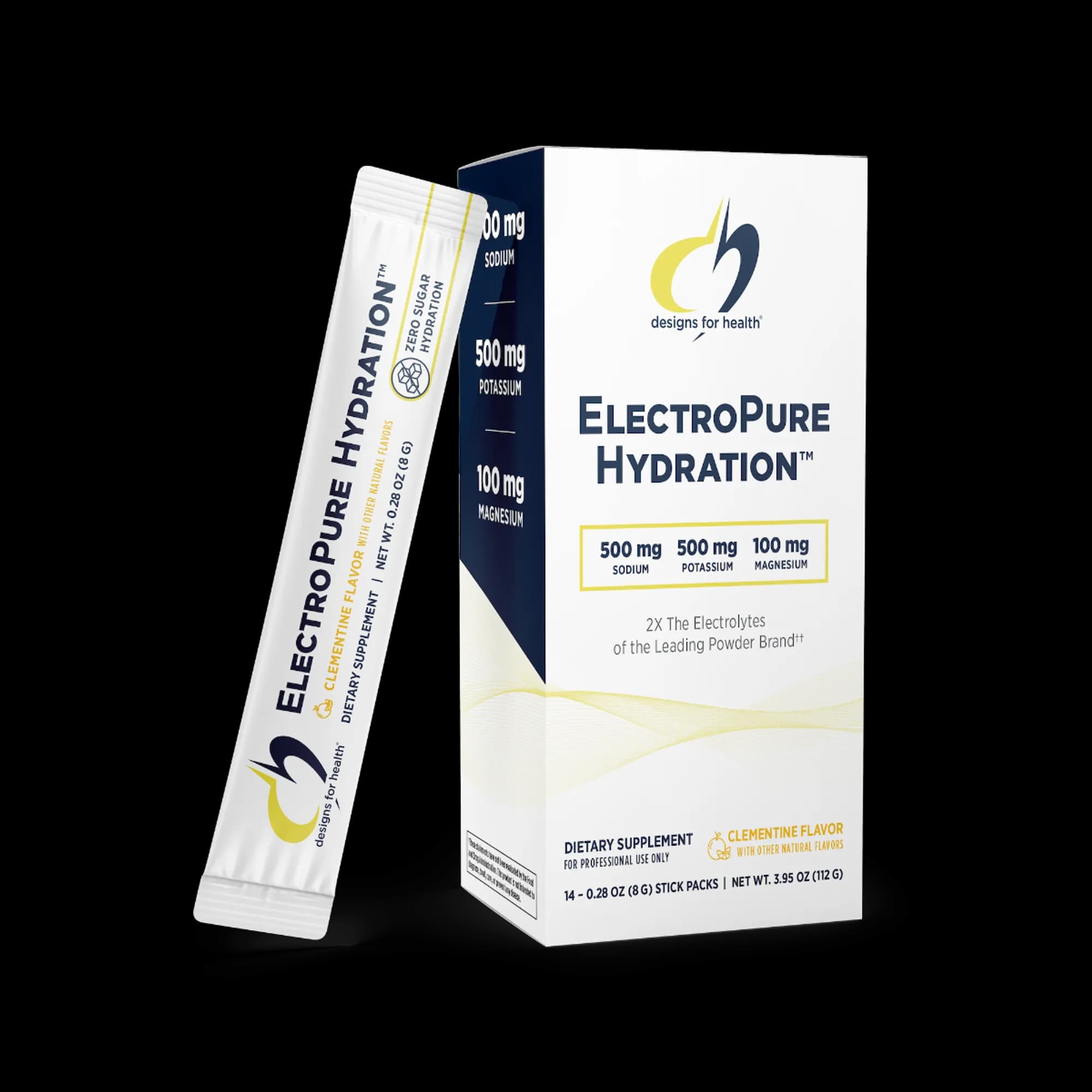
One of the most foundational, yet frequently misunderstood, management strategies for these conditions involves aggressive hydration and targeted metabolic support. It is not just about drinking plain water. True cellular hydration requires a precise balance of electrolytes—specifically sodium and potassium—to maintain blood volume, alongside specific nutrients that fuel the mitochondria. This is where comprehensive formulas like ElectroPure Hydration™ Clementine come into play. By combining a full spectrum of electrolytes with D-ribose, vitamin C, and highly bioavailable magnesium bisglycinate, this formulation addresses multiple overlapping mechanisms of chronic illness, from hypovolemia in Postural Orthostatic Tachycardia Syndrome (POTS) to the cellular energy deficits seen in ME/CFS.
To understand how a comprehensive electrolyte formula functions, we must first look at how the body maintains fluid balance at the cellular level. In a healthy body, hydration is not dictated merely by the amount of water consumed, but by the precise concentration of mineral ions—electrolytes—inside and outside the cells. The most critical of these are sodium and potassium. These two minerals operate the sodium-potassium pump (Na+/K+-ATPase), an enzyme found in the membrane of every human cell. This pump constantly moves sodium out of the cell and potassium into the cell, a process that consumes a massive amount of cellular energy but is absolutely vital for maintaining cellular volume, generating electrical nerve impulses, and regulating muscle contractions.
When this delicate balance is maintained, the body can effectively hold onto water in the bloodstream, ensuring adequate blood volume and vascular tone. This allows the heart to pump blood efficiently against gravity, delivering oxygen and nutrients to the brain and other vital organs. Chloride, another essential electrolyte, works alongside sodium to maintain osmotic pressure and acid-base balance in the blood. Without sufficient electrolytes, drinking plain water can actually dilute the blood's mineral concentration, prompting the kidneys to excrete the excess water and leaving the body paradoxically dehydrated at the cellular level.
Beyond basic fluid balance, the body requires a constant supply of energy to function. This energy is stored and transported in the form of adenosine triphosphate (ATP), often referred to as the molecular currency of the cell. ATP is synthesized within the mitochondria, the powerhouses of the cells. A crucial structural component of the ATP molecule is a five-carbon sugar called D-ribose. In a healthy metabolic state, the body synthesizes its own D-ribose from glucose through a complex biochemical route known as the pentose phosphate pathway.
However, certain tissues—particularly the heart and skeletal muscles—lack high concentrations of the specific enzymes, such as glucose-6-phosphate dehydrogenase, required to quickly drive this pathway. Under normal conditions, this slow production rate is sufficient. But when cells are subjected to severe metabolic stress, viral infections, or chronic inflammation, ATP is rapidly depleted and breaks down into metabolic byproducts that are washed out of the cell. Because the body cannot synthesize D-ribose fast enough to rebuild these lost ATP molecules, the cells enter a state of profound energy bankruptcy, leading to severe and prolonged fatigue.
The final foundational pillar of cellular health involves protecting the structural integrity of the blood vessels and tissues from oxidative damage. The endothelium is the delicate, single-cell layer that lines the entire vascular system. It is responsible for producing nitric oxide (NO), a signaling molecule that tells blood vessels to dilate and relax, ensuring smooth blood flow. This process requires specific cofactors and a robust antioxidant defense system to protect the endothelial cells from reactive oxygen species (ROS)—unstable molecules that cause cellular damage.
Vitamin C and zinc are two of the body's most potent endogenous antioxidant supporters. Vitamin C is a water-soluble antioxidant that directly scavenges free radicals in the bloodstream and protects tetrahydrobiopterin (BH4), a crucial cofactor needed by the enzyme endothelial nitric oxide synthase (eNOS) to produce nitric oxide. Zinc, meanwhile, is a mandatory structural component for over 300 enzymes, including superoxide dismutase (SOD), one of the body's primary internal antioxidant enzymes. Together, these nutrients maintain the structural integrity of the vascular system, ensuring that oxygen and electrolytes can be efficiently delivered to tissues throughout the body.
In complex chronic illnesses like Long COVID and dysautonomia, the body's foundational systems for managing fluid and energy are severely disrupted. One of the most common manifestations of dysautonomia is Postural Orthostatic Tachycardia Syndrome (POTS), a condition characterized by an abnormal and rapid increase in heart rate upon standing. A primary driver of POTS is hypovolemia, or chronically low blood volume. Research indicates that many patients with dysautonomia have up to a 20% reduction in total blood volume compared to healthy individuals.
When a person with POTS stands up, gravity causes blood to pool in the lower extremities. Because their blood volume is already low and their blood vessels fail to constrict properly (poor vascular tone), the brain experiences a sudden drop in oxygen and blood flow. To compensate and prevent fainting, the autonomic nervous system triggers a massive release of adrenaline, forcing the heart to beat rapidly to pump whatever blood is available upward. This constant state of sympathetic nervous system overdrive—the "fight or flight" response—leaves patients feeling shaky, anxious, dizzy, and profoundly exhausted.
The fatigue experienced in conditions like ME/CFS and Long COVID is not ordinary tiredness; it is a systemic failure of cellular bioenergetics. Studies utilizing two-day cardiopulmonary exercise testing (CPET) have demonstrated that patients with ME/CFS have a broken aerobic energy system. When they engage in even mild physical or cognitive exertion, their mitochondria cannot produce enough ATP using oxygen. As a result, their cells prematurely switch to anaerobic metabolism, a highly inefficient process that produces lactic acid and rapidly depletes cellular energy stores.
This metabolic failure is the underlying mechanism of post-exertional malaise (PEM), a hallmark symptom where patients experience a severe exacerbation of symptoms following minor exertion. During a crash, the cells have exhausted their ATP reserves and lost the molecular building blocks needed to synthesize more. Because the natural production of D-ribose is notoriously slow in muscle tissue, patients remain trapped in a state of energy depletion for days or even weeks, unable to recover from the cellular energy deficit. You can learn more about how Early Overexertion Can Prolong and Worsen Long COVID Symptoms by understanding this mitochondrial vulnerability.
Emerging research into the pathophysiology of Long COVID heavily implicates chronic endothelial dysfunction and systemic oxidative stress. The SARS-CoV-2 virus is known to directly infect and damage the endothelial cells lining the blood vessels. This viral assault, combined with a hyperactive immune response, generates massive amounts of reactive oxygen species (ROS), overwhelming the body's natural antioxidant reserves, including zinc and glutathione.
This chronic oxidative stress damages the delicate endothelial lining, impairing its ability to produce nitric oxide. Without sufficient nitric oxide, blood vessels become stiff, inflamed, and prone to micro-clotting. This endotheliopathy restricts microvascular blood flow, meaning that even if the heart is pumping hard, oxygen and vital nutrients are not effectively reaching the brain and muscle tissues. This vicious cycle of poor perfusion, oxidative damage, and mitochondrial starvation drives the persistent brain fog, muscle pain, and cardiovascular strain that define the Long COVID experience.
For patients battling dysautonomia and POTS, high-dose electrolyte therapy is often a first-line medical intervention. ElectroPure Hydration™ provides a substantial 500 mg of sodium and 500 mg of potassium per serving, alongside 770 mg of chloride. This specific 1:1 ratio of sodium to potassium is critical. While standard medical advice often cautions against high sodium intake, clinical consensus guidelines for POTS frequently recommend consuming between 3,000 to 10,000 mg of sodium daily to artificially expand blood volume.
Sodium acts like a sponge in the bloodstream, pulling in and retaining water, which directly increases blood volume and improves vascular tone. This expanded volume helps prevent blood from pooling in the legs upon standing, thereby reducing the compensatory tachycardia and dizziness. However, a hidden danger of aggressive salt loading is the depletion of potassium. High sodium intake causes the kidneys to excrete potassium, which can lead to hypokalemia (low potassium)—a condition that triggers severe muscle cramps, heart palpitations, and worsening fatigue. By providing an equal 1:1 ratio of sodium to potassium, this formula ensures that blood volume is expanded safely without disrupting the delicate intracellular mineral balance required for healthy cardiac rhythms.
To address the profound cellular energy deficits seen in ME/CFS and Long COVID, ElectroPure Hydration™ includes 1 gram of D-ribose per serving. When patients experience post-exertional malaise (PEM) and their ATP pools are depleted, their cells desperately need to rebuild energy molecules. By supplementing with bioavailable D-ribose, patients can entirely bypass the slow, rate-limiting steps of the pentose phosphate pathway.
Supplemental D-ribose is rapidly absorbed and directly enters the cellular "salvage pathway." This pathway allows the cells to quickly grab the D-ribose molecules and use them to immediately synthesize new ATP, rather than waiting for the body to slowly convert glucose. By providing the exact structural backbone needed for energy production, D-ribose helps shorten recovery times after exertion, reduces muscle stiffness, and slowly rebuilds the cellular energy reserves that are chronically depleted in patients where Long COVID has triggered ME/CFS.
To combat the vascular damage and oxidative stress central to Long COVID, this formula incorporates 400 mg of Vitamin C and 5 mg of Zinc. These two nutrients work synergistically to repair the endothelium. Vitamin C directly neutralizes the reactive oxygen species that damage blood vessels and stabilizes the BH4 cofactor, which is essential for the eNOS enzyme to resume producing nitric oxide. This restoration of nitric oxide promotes healthy vasodilation, improving microvascular blood flow to oxygen-starved tissues.
Zinc acts as a critical structural component for the body's internal antioxidant enzymes, particularly superoxide dismutase (SOD). By replenishing zinc levels, the body can effectively clear out the continuous stream of free radicals generated by chronic neuroinflammation. Furthermore, zinc plays a vital role in maintaining the tight junctions between endothelial cells, helping to heal the "leaky" blood vessels that contribute to systemic inflammation and immune dysregulation in post-viral syndromes.
Finally, the inclusion of 100 mg of magnesium as TRAACS® Magnesium Bisglycinate Chelate provides targeted support for both the cardiovascular and nervous systems. Magnesium is an essential cofactor for ATP production; ATP must actually bind to a magnesium ion to become biologically active. Additionally, magnesium regulates the smooth muscle cells lining the blood vessels, preventing the painful vascular spasms often seen in dysautonomia.
The bisglycinate form is particularly beneficial for chronic illness patients. In this chelated form, magnesium is bound to two molecules of the amino acid glycine. Glycine is an inhibitory neurotransmitter that helps calm the hyperactive sympathetic nervous system, reducing the adrenaline surges and anxiety associated with hyperadrenergic POTS. Furthermore, because it is highly bioavailable, magnesium bisglycinate does not pull water into the intestines, completely avoiding the osmotic laxative effect (diarrhea) common with cheaper forms like magnesium oxide—a crucial feature, as diarrhea would lead to rapid fluid loss and severe POTS flares.
By expanding blood volume and supporting vascular tone, the targeted electrolyte ratios in this formula can help manage several debilitating autonomic symptoms:
Postural Tachycardia (Racing Heart): Adequate sodium intake expands blood volume, reducing the need for the heart to beat excessively fast to pump blood to the brain upon standing.
Orthostatic Dizziness and Lightheadedness: Improved vascular tone and fluid retention prevent the severe blood pooling in the lower extremities that causes pre-syncope (feeling faint).
Heart Palpitations: The 1:1 ratio of sodium to potassium ensures that the electrical signaling in the heart muscle remains stable, preventing the ectopic beats often caused by potassium depletion during salt loading.
The inclusion of D-ribose and mitochondrial-supporting minerals directly targets the cellular energy crisis that drives post-viral fatigue:
Post-Exertional Malaise (PEM): D-ribose supplies the direct structural backbone needed for the ATP salvage pathway, helping cells rebuild energy reserves faster after physical or cognitive exertion.
Profound Systemic Fatigue: By bypassing the rate-limiting enzymes of natural ribose production, the body can maintain higher baseline levels of cellular ATP, reducing the severity of daily exhaustion.
Brain Fog and Cognitive Dysfunction: Vitamin C and zinc support endothelial nitric oxide production, which improves microvascular blood flow and oxygen delivery across the blood-brain barrier, helping to clear cognitive sluggishness.
Electrolytes and highly bioavailable magnesium play a crucial role in neuromuscular signaling and recovery:
Muscle Cramps and Spasms: Balanced potassium and magnesium bisglycinate help regulate muscle contractions and prevent the painful spasms associated with electrolyte imbalances and lactic acid buildup.
Adrenaline Surges and Tremors: The glycine molecule attached to the magnesium bisglycinate acts as a calming neurotransmitter, helping to downregulate the hyperactive sympathetic nervous system.
Exercise Intolerance: By supporting both blood volume for cardiovascular stability and ATP production for muscular endurance, patients may experience a slight increase in their functional baseline during necessary daily activities.
When managing dysautonomia, the balance of electrolytes is just as important as the total quantity. Many commercial sports drinks or generic hydration powders contain high amounts of sugar and sodium but negligible amounts of potassium. If a patient with POTS consumes large amounts of sodium without matching potassium intake, the kidneys will aggressively excrete potassium to maintain homeostasis. This drug-induced or diet-induced hypokalemia can paradoxically worsen the very symptoms the patient is trying to treat, leading to severe fatigue, muscle weakness, and dangerous cardiac arrhythmias.
ElectroPure Hydration™ utilizes a precise 1:1 ratio (500 mg sodium to 500 mg potassium), which aligns with the physiological needs of patients undergoing high-volume fluid therapy. This ratio ensures that as blood volume expands, the intracellular and extracellular electrical gradients remain perfectly balanced, supporting optimal nerve transmission and cardiac function without the risk of mineral depletion.
The form of the minerals used in a supplement dictates how effectively the body can absorb and utilize them. This formula utilizes TRAACS® Magnesium Bisglycinate Chelate and Zinc Bisglycinate Chelate. Chelation is a process where the mineral ion is chemically bound to amino acids (in this case, glycine). This amino acid "wrapper" protects the mineral from being destroyed by stomach acid or binding to dietary inhibitors like phytates found in plant foods.
Because the intestinal tract has specific transport sites for amino acids, these chelated minerals are actively pulled across the gut wall, resulting in significantly higher absorption rates compared to cheap, inorganic forms like magnesium oxide or zinc sulfate. Furthermore, because chelated magnesium is almost entirely absorbed in the upper gastrointestinal tract, it leaves no residual unabsorbed magnesium in the colon. This completely eliminates the osmotic laxative effect, protecting vulnerable chronic illness patients from diarrhea and subsequent dehydration.
For patients with POTS or Long COVID, hydration should be a continuous, all-day strategy rather than a single event. It is generally recommended to mix one stick pack (8 g) of ElectroPure Hydration™ in 16 oz of water. Rather than chugging the entire beverage at once—which can trigger a rapid kidney response and immediate urination—it is far more effective to sip the electrolyte solution slowly over the course of an hour or two. This slow intake allows the body to steadily absorb the water and minerals, effectively expanding the blood plasma volume.
Many dysautonomia specialists recommend "front-loading" hydration by drinking a large glass of water with electrolytes immediately upon waking, before even getting out of bed. This helps counteract the natural dehydration and blood pooling that occurs overnight, reducing the severity of morning tachycardia and dizziness. Because this formula contains D-ribose for energy support, taking it prior to planned physical activity or cognitive exertion may also help blunt the severity of subsequent post-exertional malaise.
While electrolytes and D-ribose are generally safe and well-tolerated, they must be used with caution in specific populations. Because this formula contains high levels of potassium, it should be used under strict medical supervision by individuals with chronic kidney disease (CKD) or those taking potassium-sparing diuretics (such as spironolactone), as they are at risk for dangerous hyperkalemia. Additionally, while D-ribose is a sugar, it actually has a slight blood-sugar-lowering effect. Individuals taking insulin or medications for diabetes should monitor their blood glucose levels closely to prevent transient hypoglycemia. Always consult with your healthcare provider before beginning a high-sodium or high-potassium protocol, especially if you have a history of hypertension or heart failure.
The use of D-ribose for cellular energy failure is supported by compelling clinical data, largely pioneered by researchers investigating ME/CFS and fibromyalgia. In a landmark 2006 pilot study published in the Journal of Alternative and Complementary Medicine, 41 patients with ME/CFS or fibromyalgia were given D-ribose daily. The results were striking: approximately 66% of patients experienced significant clinical improvement, reporting an average 45% increase in energy and a 30% improvement in overall well-being.
To validate these findings, a much larger multicenter study published in The Open Pain Journal evaluated 257 patients across 53 US clinics. After taking D-ribose for three weeks, patients reported highly statistically significant improvements across all tracked symptom markers, including a 61.3% increase in energy, a 30% improvement in mental clarity (brain fog), and a 29.3% improvement in sleep quality. These studies strongly support the biochemical theory that bypassing the rate-limiting steps of ATP production can yield tangible symptomatic relief for patients trapped in a cellular energy crisis.
The medical consensus heavily supports aggressive electrolyte and fluid therapy for the management of dysautonomia. The 2015 Heart Rhythm Society Expert Consensus Statement on the Diagnosis and Treatment of Postural Tachycardia Syndrome emphasizes that non-pharmacological measures, specifically increased salt and fluid intake, are the foundational first-line treatments for POTS. The guidelines recommend that patients consume 2 to 3 liters of water and up to 10 to 12 grams of salt (equivalent to roughly 4,000 to 5,000 mg of sodium) daily to effectively expand blood volume and improve orthostatic tolerance.
Furthermore, comprehensive reviews from the National Institutes of Health Expert Consensus Meeting on POTS reiterate that volume expansion is critical for mitigating the hyperadrenergic response caused by blood pooling. The literature consistently notes that while medications like beta-blockers or fludrocortisone may eventually be necessary, they are significantly more effective when the patient has already established a robust baseline of cellular hydration and electrolyte balance.
The vascular component of Long COVID has prompted extensive research into antioxidant therapies aimed at restoring endothelial function. Recent clinical trials have demonstrated that targeting oxidative stress can significantly improve post-viral fatigue. For example, large-scale surveys and randomized controlled trials evaluating Vitamin C and L-arginine in Long COVID patients have shown that this combination significantly improves endothelial function, walking capacity, and handgrip strength compared to a placebo.
Similarly, research into the systemic inflammation of Long COVID has identified profound depletions in total antioxidant capacity, particularly regarding serum zinc levels. By replenishing zinc and Vitamin C, patients can support the eNOS enzyme, stabilize nitric oxide production, and reduce the microvascular inflammation that drives persistent brain fog and exercise intolerance. These findings underscore the importance of treating Long COVID not just as a respiratory aftermath, but as a complex neuro-vascular and metabolic condition.
Living with a complex chronic illness requires a multifaceted approach to management. While comprehensive electrolyte formulas like ElectroPure Hydration™ provide essential physiological support for blood volume and cellular energy, they are most effective when combined with strict pacing strategies. You cannot simply supplement your way out of post-exertional malaise; you must actively manage your energy envelope. By combining targeted mitochondrial support with careful symptom tracking and horizontal rest, you can begin to stabilize your baseline and prevent severe crashes.
If you are struggling with the daily reality of a racing heart, profound dizziness, and crushing fatigue, know that your symptoms are real, physiological, and valid. The medical community is increasingly recognizing that conditions like Long COVID, ME/CFS, and dysautonomia are rooted in measurable dysfunctions of the autonomic nervous system, endothelial lining, and mitochondrial energy pathways. You are not deconditioned, and you are not imagining the profound toll these illnesses take on your body. Understanding how a doctor diagnoses Long COVID and dysautonomia is the first step toward finding validating, science-backed care.
As you navigate your recovery journey, consider discussing comprehensive electrolyte and metabolic support with your medical team. Because every patient's biochemical needs and kidney function are unique, it is vital to consult your healthcare provider before beginning any high-dose sodium or potassium protocol. With the right combination of clinical guidance, pacing, and targeted nutritional support, you can take meaningful steps toward managing your symptoms and improving your daily quality of life.