Can Disc-Flex Support Spinal Health and Joint Pain in Long COVID and ME/CFS?
March 5, 2026
Disc-FlexLong COVIDME/CFS
Share:
Disclaimer: The information provided here is for educational purposes only and is not intended as medical advice. It should not be used to diagnose, treat, cure, or prevent any medical condition. Instead, use it as a starting point for discussion with your healthcare provider. Always consult with a qualified healthcare provider before starting any new medication, supplement, device, or making changes to your health regimen.
Living with infection-associated chronic conditions like Long COVID and myalgic encephalomyelitis/chronic fatigue syndrome (ME/CFS) often means navigating a labyrinth of invisible, overlapping symptoms. While debilitating fatigue, post-exertional malaise (PEM), and brain fog frequently dominate the clinical conversation, many patients also suffer from severe, unexplained joint pain and spinal discomfort. If you have found yourself struggling with a stiff, aching back or worsening connective tissue issues since your illness began, you are not alone, and it is absolutely not in your head.
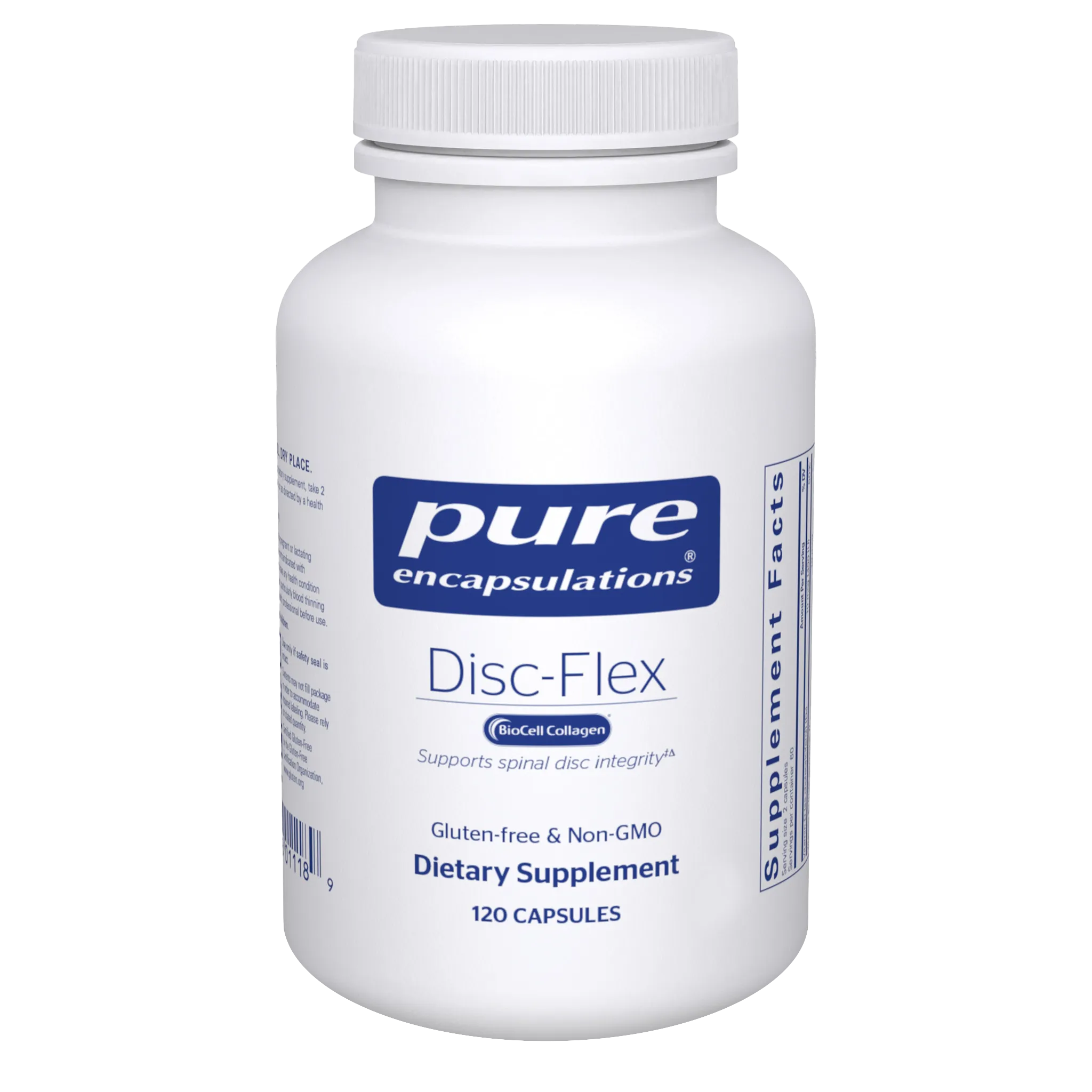
The systemic inflammation that drives these complex conditions doesn't just stay in your bloodstream; it actively infiltrates your musculoskeletal system, degrading the vital cartilage that cushions your spine. Disc-Flex by Pure Encapsulations is an advanced nutritional formula specifically designed to address the unique metabolic needs of intervertebral discs. By combining structural proteins, targeted antioxidants, and potent botanical extracts, this supplement aims to support healthy disc composition, maintain flexibility, and promote day-to-day spinal comfort for those battling chronic illness.
TL;DR
Systemic inflammation in Long COVID and ME/CFS can degrade spinal cartilage and connective tissues.
Disc-Flex provides targeted nutrients like Vitamin K2, collagen, and botanicals to support intervertebral disc health.
Ingredients like Boswellia and Devil's claw may help manage chronic spinal pain and stiffness.
Consult your doctor before starting supplements, especially if taking blood thinners or if allergic to shellfish.
What is Disc-Flex?
The Anatomy of the Intervertebral Disc
The human spine is an extraordinary marvel of biomechanical engineering, designed to provide both rigid support and dynamic flexibility. At the core of this system are the intervertebral discs, which act as vital shock absorbers situated between the bony vertebrae of the spinal column. Each of these discs is composed of two primary structures: a soft, gel-like center known as the nucleus pulposus, and a tough, fibrous outer ring called the annulus fibrosus. Together, these components distribute mechanical loads, allowing you to bend, twist, and navigate the physical demands of daily life without the excruciating pain of bone grinding against bone.
The nucleus pulposus is primarily composed of water, type II collagen, and proteoglycans—specifically a massive molecule called aggrecan. Aggrecan is highly negatively charged, which allows it to attract and hold large volumes of water, giving the disc its essential hydrostatic pressure and compressive strength. Meanwhile, the annulus fibrosus is made of concentric layers of type I collagen, which provides immense tensile strength to contain the pressurized gel within. Maintaining this delicate balance of hydration and structural integrity requires a constant, highly specific supply of nutritional building blocks.
However, the biological maintenance of these structures is incredibly demanding. The extracellular matrix (ECM) that makes up the disc is in a continuous state of turnover, requiring specialized cells called chondrocytes to constantly synthesize new collagen and proteoglycans. When the body is healthy, this process of degradation and renewal is perfectly balanced. But when chronic illness, metabolic dysfunction, or severe oxidative stress disrupts this homeostasis, the disc loses its ability to retain water, leading to flattening, stiffening, and the onset of degenerative disc disease.
The Unique Nutritional Needs of Avascular Cartilage
To understand why the spine is so vulnerable to systemic illness, one must understand its unique physiological architecture. The intervertebral disc is the largest avascular organ in the human body, meaning it completely lacks a direct blood supply. Unlike your muscles or organs, which are constantly bathed in oxygen and nutrient-rich blood, the inner structures of the spinal disc are isolated from the circulatory system. This evolutionary design protects the disc from certain systemic fluctuations, but it creates a massive logistical challenge for cellular nourishment and waste removal.
Instead of relying on blood vessels, the intervertebral disc depends entirely on a slow, passive process of diffusion. Nutrients like glucose, oxygen, and amino acids must travel from the blood vessels in the adjacent vertebral bones, pass through a porous layer of tissue called the cartilage endplate, and slowly diffuse into the nucleus pulposus. Conversely, metabolic waste products like lactic acid must diffuse out through this same pathway to prevent the internal environment of the disc from becoming dangerously acidic.
This reliance on the cartilage endplate makes the spine incredibly susceptible to metabolic bottlenecks. If the endplate becomes calcified due to poor calcium metabolism, or if it becomes clogged by the cross-linking of structural proteins, the diffusion pathway is effectively sealed off. Starved of oxygen and glucose, the chondrocytes within the disc undergo apoptosis (programmed cell death). Without these cells to produce new proteoglycans, the disc rapidly dehydrates, loses its height, and begins to bulge or herniate, leading to severe, chronic back pain.
A Comprehensive Approach to Spinal Support
Recognizing the unique vulnerabilities of avascular cartilage, Pure Encapsulations developed Disc-Flex as an advanced, multi-targeted nutritional intervention. Standard joint supplements often fail to address spinal pain because they treat the spine as if it were a standard synovial joint, like a knee or an elbow. Disc-Flex, however, is specifically engineered to address the distinct metabolic and structural requirements of the intervertebral disc, intervening at multiple points in the degenerative cascade.
The formula is built on a foundation of structural precursors, including highly bioavailable BioCell Collagen® and glucosamine HCl, which provide the raw materials necessary for the synthesis of new extracellular matrix. But providing building blocks is useless if the cellular environment is too toxic to utilize them. Therefore, Disc-Flex incorporates a sophisticated blend of metabolic protectors. L-carnosine and alpha-lipoic acid work synergistically to neutralize oxidative stress and prevent the toxic cross-linking of proteins, ensuring the disc remains pliable and healthy.
Furthermore, the inclusion of Vitamin K2 (as menaquinone-7) and Vitamin D3 directly addresses the critical issue of cartilage endplate calcification, actively working to keep the nutrient diffusion pathways open. Finally, potent botanical extracts like Boswellia serrata and Devil's claw are deployed to modulate the inflammatory response, suppressing the destructive enzymes that tear down the spinal matrix. This comprehensive, multi-pathway approach makes Disc-Flex a uniquely powerful tool for individuals looking to support their spinal health amidst the challenges of dysautonomia and chronic illness.
How Long COVID and ME/CFS Impact Spinal Health
Systemic Inflammation and Matrix Degradation
In post-viral syndromes like Long COVID and ME/CFS, the initial viral infection triggers an acute immune response that, for reasons still being intensely researched, fails to properly resolve. This results in a state of chronic, systemic inflammation characterized by the continuous release of pro-inflammatory cytokines, including Interleukin-1 beta (IL-1β), Interleukin-6 (IL-6), and Tumor Necrosis Factor-alpha (TNF-α). This cytokine storm does not remain confined to the respiratory or vascular systems; it actively infiltrates the musculoskeletal system, wreaking havoc on the delicate homeostasis of your joints and spine.
When these inflammatory mediators reach the intervertebral discs, they bind to specific cellular receptors that trigger a catastrophic shift in tissue metabolism. The chondrocytes, which normally spend their energy building new cartilage, are hijacked by the inflammatory signaling pathway known as NF-κB. Once activated, NF-κB forces these cells to produce massive quantities of Matrix Metalloproteinases (MMPs), specifically MMP-1, MMP-3, and MMP-13. These destructive enzymes act like biological scissors, aggressively cutting apart the collagen and proteoglycan molecules that make up the extracellular matrix.
As the extracellular matrix is systematically dismantled, the intervertebral disc loses its structural integrity. The aggrecan molecules that once held water are destroyed, leading to rapid disc desiccation (drying out). This loss of hydration causes the disc space to narrow, placing abnormal mechanical stress on the facet joints of the spine and the surrounding ligaments. For patients with Long COVID and ME/CFS, this inflammation-driven degradation translates into severe, unrelenting back pain, stiffness, and a profound loss of physical mobility that exacerbates their already debilitating fatigue.
Connective Tissue Breakdown and Hypermobility
The destructive impact of systemic inflammation extends far beyond the intervertebral discs, affecting the entire network of connective tissues that support the spine. The same Matrix Metalloproteinases (MMPs) that degrade disc cartilage also attack the elastin and collagen fibers within your ligaments and tendons. Over time, this chronic enzymatic assault—often exacerbated by concurrent Mast Cell Activation Syndrome (MCAS)—leads to increased tissue laxity, a condition where the ligaments become loose, overstretched, and unable to properly stabilize the joints. This phenomenon is often referred to as acquired hypermobility.
This acquired tissue laxity explains why a significant and growing subset of individuals with Long COVID and ME/CFS either develop hypermobility spectrum disorders or experience a severe exacerbation of pre-existing Ehlers-Danlos Syndrome (EDS). In the context of spinal health, this connective tissue breakdown is particularly dangerous at the craniocervical junction—the delicate area where the skull rests upon the upper cervical spine. When the ligaments in this region degrade, it can lead to craniocervical instability (CCI), a condition where the upper vertebrae shift out of alignment and mechanically compress the brainstem and upper spinal cord.
The mechanical compression of the brainstem and the adjacent vagus nerve triggers a cascade of devastating neurological and autonomic symptoms. Because the brainstem regulates global autonomic function, its deformation can drive the development of Postural Orthostatic Tachycardia Syndrome (POTS), severe dysautonomia, and chronic neuroinflammation. This creates a vicious, self-perpetuating cycle: systemic inflammation degrades the spinal ligaments, leading to mechanical instability, which in turn triggers further neuroimmune activation and deepens the severity of the chronic illness.
The Threat of Advanced Glycation End Products (AGEs)
Compounding the damage caused by inflammation is the metabolic dysfunction frequently observed in complex chronic illnesses. Patients with ME/CFS and Long COVID often experience profound mitochondrial impairment, altered glucose metabolism, and elevated oxidative stress. This dysfunctional metabolic state heavily favors the accelerated formation and accumulation of Advanced Glycation End products (AGEs). AGEs are toxic, irreversible compounds formed when excess circulating sugars non-enzymatically bind to the amino acids present in proteins and lipids throughout the body.
The intervertebral disc is highly susceptible to AGE accumulation due to its incredibly slow rate of tissue turnover. Because the collagen proteins in the disc are not replaced frequently, they act as long-term targets for glycation. When AGEs bind to the collagen in the annulus fibrosus, they form unnatural, rigid cross-links between the protein fibers. This cross-linking fundamentally alters the biomechanics of the spine, turning a flexible, shock-absorbing structure into a stiff, brittle, and fragile one that is highly prone to micro-tears and herniations under normal daily loads.
Furthermore, AGEs are not just passive structural hazards; they are highly biologically active. They bind to specific cellular receptors known as RAGE (Receptor for Advanced Glycation End products) located on the surface of disc cells. The activation of RAGE triggers an intracellular signaling cascade that generates massive amounts of reactive oxygen species (ROS) and further stimulates the NF-κB inflammatory pathway. This means that AGE accumulation not only physically stiffens the spine but also actively fuels the localized inflammatory fire, accelerating the death of cartilage cells and driving the progression of degenerative disc disease.
Disc-Flex: Supporting Spinal Integrity and Comfort
Preventing Calcification with Vitamin K2 and D3
One of the most critical, yet frequently overlooked, mechanisms of spinal preservation involves the regulation of calcium metabolism. Disc-Flex utilizes a synergistic combination of Vitamin D3 (cholecalciferol) and Vitamin K2 (specifically as menaquinone-7, or MK-7) to ensure that calcium is directed to the appropriate tissues. While Vitamin D3 is essential for enhancing the intestinal absorption of calcium and supporting general immune function, it lacks the ability to dictate where that calcium ultimately deposits. Without proper guidance, circulating calcium can inappropriately settle into soft tissues, including the delicate cartilage endplates of the spine.
This is where Vitamin K2 becomes absolutely indispensable. Vitamin K2 acts as the biological traffic controller for calcium by serving as an essential cofactor for the enzyme gamma-glutamyl carboxylase. This enzyme is responsible for activating a specialized protein called Matrix Gla Protein (MGP), which is synthesized in cartilage and vascular smooth muscle. In its uncarboxylated (inactive) state, MGP is useless. However, once activated by Vitamin K2, carboxylated MGP becomes the human body's most potent natural inhibitor of soft tissue calcification, actively binding to free calcium ions and preventing them from crystallizing in the cartilage.
By maintaining adequate levels of Vitamin K2, Disc-Flex aims to prevent the calcification of the cartilage endplates, which is crucial for supporting the diverse cells of the intervertebral disc. This is a vital intervention for patients with chronic illness, as keeping these endplates porous and uncalcified ensures that the avascular intervertebral disc continues to receive the oxygen and glucose it needs to survive. By preserving this nutrient diffusion pathway, Vitamin K2 protects the chondrocytes from starvation-induced apoptosis, thereby extending the longevity and structural integrity of the entire spinal column.
Combating Glycation with L-Carnosine and Alpha Lipoic Acid
To directly counteract the stiffening and destructive effects of Advanced Glycation End products (AGEs), Disc-Flex incorporates two highly targeted metabolic protectors: L-carnosine and alpha-lipoic acid (ALA). L-carnosine is a naturally occurring dipeptide that functions as a powerful anti-glycation agent. It operates as a biological "sacrificial sink" within the extracellular matrix. By offering its own amino groups to circulating, highly reactive sugars, L-carnosine intercepts these sugars before they have the chance to bind with and cross-link the essential collagen fibers in the intervertebral disc.
In addition to its direct anti-glycation properties, L-carnosine helps preserve hyaluronan, a crucial water-binding molecule within the disc, by shielding it from free radical degradation. Meanwhile, alpha-lipoic acid serves as a broad-spectrum, water- and fat-soluble antioxidant that provides profound mitochondrial rescue. In the harsh, oxidative environment of a degenerating disc, the mitochondria within the cartilage cells become severely damaged, leading to an energy crisis that halts tissue repair and triggers cellular death.
Alpha-lipoic acid intervenes by scavenging reactive oxygen species (ROS) and restoring the mitochondrial membrane potential of these vulnerable cells. It acts as a vital cofactor for mitochondrial enzymes in the Krebs cycle, helping to restore cellular energy production even under metabolic stress. Furthermore, studies suggest that ALA can suppress the mRNA expression of matrix-degrading enzymes like MMP-9 and inflammatory cytokines like IL-1β. Together, L-carnosine and ALA form a robust defensive shield, protecting the spine from the dual threats of glycation and oxidative collapse.
Quenching Inflammation with Boswellia and Devil's Claw
Addressing the structural and metabolic needs of the spine is crucial for long-term health, but patients living with chronic pain also require day-to-day symptomatic relief. To achieve this, Disc-Flex leverages the synergistic power of two highly researched botanical extracts: Indian frankincense (Boswellia serrata) and Devil's claw. Boswellia is uniquely valuable in musculoskeletal medicine due to its high concentration of boswellic acids, particularly AKBA (3-O-acetyl-11-keto-beta-boswellic acid). Unlike traditional NSAIDs that target the COX enzymes, AKBA is a potent, selective inhibitor of the 5-lipoxygenase (5-LOX) enzyme.
The 5-LOX enzyme is responsible for synthesizing leukotrienes, which are aggressive inflammatory mediators that drive joint swelling, cartilage degradation, and severe pain. By shutting down the 5-LOX pathway, Boswellia effectively quenches this specific inflammatory fire without causing the gastrointestinal damage commonly associated with long-term NSAID use. Furthermore, Boswellia has been shown to actively prevent the degradation of glycosaminoglycans, preserving the lubricating and shock-absorbing properties of the joint matrix.
Devil's claw complements Boswellia by targeting alternative inflammatory pathways. Rich in active compounds called iridoid glycosides, particularly harpagoside, Devil's claw modulates both the COX-1 and COX-2 pathways and limits the production of nitric oxide. It also blocks the AP-1 transcription factor pathway, successfully inhibiting the release of key inflammatory cytokines like TNF-α and IL-6. By combining these two botanicals, Disc-Flex provides a comprehensive blockade of the inflammatory cascades that drive spinal discomfort, offering significant, natural support for daily mobility.
Rebuilding the Matrix with Collagen and Glucosamine
Once the inflammatory and metabolic threats have been mitigated, the body requires the physical raw materials necessary to rebuild and maintain the extracellular matrix. Disc-Flex provides these essential building blocks through the inclusion of BioCell Collagen® and glucosamine HCl. BioCell Collagen is a patented, highly bioavailable complex that delivers hydrolyzed collagen type II, naturally occurring hyaluronic acid, and chondroitin sulfate. Because it is hydrolyzed, the collagen molecules are broken down into smaller peptides, ensuring optimal absorption through the gastrointestinal tract and efficient delivery to the connective tissues.
Type II collagen is the primary structural protein found in the nucleus pulposus and articular cartilage, providing the tensile strength needed to resist mechanical tearing. The accompanying hyaluronic acid and chondroitin sulfate are crucial for maintaining tissue hydration, as they bind to water molecules and create the hydrostatic pressure required for the disc to function as a shock absorber. Providing these specific nutrients ensures that the chondrocytes have an abundant supply of the exact materials they need to synthesize new, healthy matrix.
Glucosamine HCl is included to further support this anabolic (building) process. Glucosamine is an amino sugar that serves as a fundamental precursor for the biochemical synthesis of glycosylated proteins and lipids, particularly the glycosaminoglycans (GAGs) that form the core of the disc's proteoglycan aggregates. While the mechanical load of the spine complicates the regenerative process, ensuring a steady supply of glucosamine and collagen peptides maximizes the body's natural capacity for tissue repair, helping to maintain the structural integrity of the spine over time.

Symptoms Disc-Flex May Help Manage
Targeted Relief for Complex Conditions
The comprehensive formulation of Disc-Flex is designed to address the multifaceted nature of spinal and joint degradation. By targeting inflammation, glycation, and structural decay simultaneously, this supplement offers support for a wide range of debilitating symptoms frequently experienced by patients with Long COVID, ME/CFS, and related connective tissue disorders.
Chronic Lower Back and Spinal Pain: By utilizing Boswellia and Devil's claw to inhibit the 5-LOX and COX inflammatory pathways, the formula helps reduce the localized swelling, nerve irritation, and deep tissue aching that characterize daily spinal discomfort.
Spinal Stiffness and Loss of Flexibility: The inclusion of L-carnosine actively prevents the AGE-induced cross-linking of collagen fibers. By stopping this toxic stiffening process, the supplement helps keep the intervertebral discs pliable, maintaining your natural range of motion.
Widespread Joint Aches and Connective Tissue Pain: BioCell Collagen and glucosamine provide the highly bioavailable structural precursors needed to support the extracellular matrix across the entire body, potentially easing the widespread joint pain and tissue laxity often seen in acquired hypermobility.
Post-Exertional Joint Flare-ups: Alpha-lipoic acid and grape seed extract deliver potent antioxidant protection, helping to neutralize the massive surge of reactive oxygen species (ROS) that flood the joints during post-exertional malaise (PEM) crashes, thereby reducing the severity of subsequent pain flares.
Secondary Benefits for Systemic Health
Beyond localized joint and spinal support, the molecular mechanisms targeted by Disc-Flex offer secondary benefits that align with the broader management goals of complex chronic illnesses.
Prevention of Cartilage Endplate Calcification: Vitamin K2 (as MK-7) actively activates Matrix Gla Protein, directing calcium into the bones and away from soft tissues. This ensures the pores of the spinal endplates remain open, allowing vital nutrients to diffuse into the avascular disc and preventing cellular starvation.
Reduction of Systemic Inflammatory Burden: The broad-spectrum cytokine suppression offered by the botanical extracts helps lower the overall inflammatory load in the body. Because systemic inflammation is a primary driver of neuroinflammation, fatigue, and brain fog in post-viral syndromes, managing this burden can have positive downstream effects on overall well-being.
Practical Considerations: Forms, Dosing, and Absorption
Optimal Dosing and Synergistic Absorption
To achieve the maximum therapeutic benefit from Disc-Flex, proper dosing and administration are essential. The suggested use is two capsules daily, ideally taken with meals. Taking this supplement alongside food is not merely a suggestion to prevent nausea; it is a critical requirement for optimal bioavailability. Vitamin D3 and Vitamin K2 are fat-soluble vitamins, meaning they require the presence of dietary lipids and bile acids to be effectively absorbed through the intestinal wall. Consuming the capsules with a meal containing healthy fats—such as avocado, olive oil, or nuts—significantly enhances the uptake of these crucial nutrients.
Furthermore, the specific form of Vitamin K2 used in this formula, menaquinone-7 (MK-7), is highly advantageous. Compared to other forms like MK-4, MK-7 has a significantly longer half-life in the bloodstream, remaining active for up to 72 hours. This prolonged circulation allows for consistent, steady-state activation of Matrix Gla Protein across the body, providing continuous protection against cartilage endplate calcification with just a once-daily or twice-daily dosing schedule.
The botanical components also benefit from being taken with food. While Boswellia serrata is generally very well tolerated and lacks the severe gastrointestinal risks of synthetic NSAIDs, Devil's claw can occasionally stimulate the production of stomach acid. For patients with sensitive digestive systems—a common issue in Long COVID and ME/CFS due to autonomic dysfunction and gut microbiome disruptions—taking the supplement with a substantial meal acts as a protective buffer, ensuring comfortable and consistent daily use.
Crucial Contraindications and Allergens
Patient safety is paramount, especially when navigating the complexities of chronic illness management where multiple overlapping treatments are common. It is vital to note that Disc-Flex contains glucosamine derived from shellfish (specifically crab and shrimp). Therefore, this supplement is strictly contraindicated for anyone with a known shellfish allergy, as it could trigger a severe or life-threatening anaphylactic reaction. If you have a shellfish allergy, you must seek alternative, vegan-sourced joint support formulas.
Additionally, the inclusion of Vitamin K2 requires careful consideration for patients on specific cardiovascular medications. Because Vitamin K plays a fundamental role in the body's blood coagulation pathways, supplementing with it can directly counteract the effects of vitamin K antagonist medications, most notably Coumadin (Warfarin). If you are currently taking Warfarin or any other blood-thinning medication, you must consult your prescribing physician or cardiologist before introducing Disc-Flex into your regimen, as it may necessitate adjustments to your medication dosage.
Finally, due to the potent botanical extracts and the specific metabolic modulators included in the formula, Disc-Flex is not recommended for use by pregnant or lactating women. As always, patients with complex chronic conditions should have a thorough discussion with their healthcare provider before adding any new nutraceutical to their daily protocol, ensuring it aligns safely with their comprehensive treatment plan.
Setting Realistic Expectations for Tissue Repair
When utilizing targeted nutritional support for structural issues like intervertebral disc degeneration or connective tissue laxity, managing expectations and practicing patience are essential. Unlike pharmaceutical painkillers or corticosteroid injections that artificially mask symptoms within hours or days, nutraceuticals work by fundamentally modulating cellular biochemistry and providing the physical building blocks required for tissue repair. This biological process is inherently gradual and cannot be rushed.
Because the intervertebral disc is an avascular structure, the turnover of chondrocyte cells and the synthesis of new extracellular matrix is one of the slowest regenerative processes in the human body. The nutrients must slowly diffuse through the cartilage endplates, and the cells must expend significant energy to weave new collagen fibers and proteoglycans. Consequently, patients should not expect overnight miracles when it comes to structural spinal changes.
Clinical experience and scientific studies suggest that patients should allow for a minimum of 8 to 12 weeks of consistent, daily supplementation before evaluating the full therapeutic impact on their spinal comfort, flexibility, and overall joint health. During this period, it is crucial to remain compliant with the dosing schedule and to support the supplement's efficacy by maintaining adequate hydration, practicing strict energy pacing, and avoiding activities that place undue mechanical stress on the healing spine.

Follow the Science
Clinical Evidence on Vitamin K2 and Spinal Fusion
The scientific literature increasingly supports the targeted use of the specific ingredients found in Disc-Flex for preserving spinal health. A compelling 2022 prospective controlled trial published in the journal Spine evaluated the impact of Vitamin K2 on patients suffering from osteoporosis-associated lumbar degenerative disorders who were undergoing spinal fusion surgery. The researchers found that patients receiving Vitamin K2 alongside Vitamin D3 experienced a massive 91.8% increase in procollagen type I markers compared to the control group.
This dramatic increase in collagen synthesis translated directly into superior clinical outcomes. The patients taking Vitamin K2 demonstrated significantly higher lumbar interbody fusion rates and reported vastly improved clinical pain symptoms, as measured by standardized visual analog scales (VAS). This robust clinical data underscores the critical role of menaquinone-7 in directing calcium appropriately, stimulating healthy bone and cartilage metabolism, and actively preventing further structural decline in the spine.
Furthermore, research into the diversity of intervertebral disc cells highlights the distinct phenotypes and functions of cells within the nucleus pulposus and annulus fibrosus. Understanding these cellular differences is crucial for developing targeted nutritional strategies to protect the avascular disc from metabolic and inflammatory damage.
Botanical Efficacy for Joint Comfort
The botanical components of Disc-Flex also boast a robust and growing body of clinical backing. Research on Boswellia serrata has consistently demonstrated its potent ability to rapidly reduce joint swelling and improve physical mobility. By selectively inhibiting the 5-LOX enzyme, Boswellia extracts have been shown in clinical trials to produce noticeable improvements in knee-joint function and pain reduction in as little as seven days of consistent supplementation, offering a highly effective, natural alternative to synthetic anti-inflammatories.
Similarly, Devil's claw has been extensively studied for its specific efficacy in treating lower back and spinal pain. A pivotal clinical trial conducted by Chrubasik et al. demonstrated that patients suffering from lower spine pain who took a standardized Devil's claw extract for four weeks experienced significant, measurable pain relief and improved physical functioning compared to a placebo group.
Additional observational studies have highlighted the profound impact these botanicals can have on a patient's quality of life. In a study observing over 250 patients with multi-joint pain across the back, knees, and shoulders, supplementation with Devil's claw improved overall mobility so significantly that 60% of the participants were able to reduce or completely stop taking their synthetic pain medications. This highlights the powerful role that targeted botanicals can play in comprehensive pain management strategies.
The Nuanced Reality of Glucosamine Research
While the ingredients in Disc-Flex are highly synergistic, it is important to approach supplement science with clinical objectivity, particularly regarding glucosamine. Glucosamine is one of the most widely consumed supplements for joint health, but its specific efficacy for spinal degeneration is highly nuanced. Large-scale, rigorous clinical trials, such as the landmark Wilkens study published in JAMA, have shown that glucosamine alone does not significantly outperform placebos for treating severe degenerative disc disease or chronic lower back pain.
The reason for this discrepancy lies in the unique mechanical environment of the spine. While glucosamine exhibits strong anti-inflammatory and structure-modifying effects in unloaded joint spaces (like in a petri dish), the heavy, constant mechanical load of the human spine appears to alter cellular responses, negating some of glucosamine's standalone benefits. Therefore, relying on a basic, single-ingredient glucosamine supplement is unlikely to provide meaningful relief for complex spinal issues.
However, this does not render glucosamine useless; rather, it dictates how it must be utilized. When combined synergistically with potent anti-glycation agents (like L-carnosine), mitochondrial protectors (like ALA), and cartilage-preserving botanicals (like Boswellia), glucosamine serves its true purpose as a vital structural precursor. By addressing the metabolic and inflammatory roadblocks first, advanced formulas like Disc-Flex create an environment where the body can actually utilize the glucosamine and collagen to support the physical matrix of the disc.
The Path Forward
Validating Your Structural Pain
Living with the systemic inflammation and profound fatigue of Long COVID, ME/CFS, or dysautonomia is an exhausting, relentless daily battle. When that hidden inflammation begins to actively degrade your connective tissues and spine, the resulting physical pain can feel entirely overwhelming. It is crucial to remember and internalize that your joint and spinal discomfort is a documented, physiological consequence of your illness. It is driven by measurable cytokines, destructive enzymes, and metabolic dysfunction—it is not a sign of weakness, and it is absolutely not in your head.
Acknowledging the mechanical and biochemical reality of your symptoms is the vital first step toward reclaiming your quality of life. For too long, patients with post-viral syndromes have had their structural pain dismissed as mere "aches" associated with fatigue. By understanding the deep, cellular mechanisms at play, you empower yourself to seek out targeted, scientifically grounded interventions that address the root causes of your discomfort, rather than just masking the surface-level symptoms.
A Comprehensive Management Strategy
While Disc-Flex offers a sophisticated, multi-pathway approach to supporting intervertebral disc health and joint comfort, it is important to view it as just one piece of a much larger puzzle. Managing post-viral structural pain requires a holistic, comprehensive strategy. This must include aggressive energy pacing to prevent the PEM crashes that flood your joints with oxidative stress, gentle and heavily modified physical therapy only when tolerated, and working closely with a knowledgeable healthcare provider who understands the complexities of connective tissue degradation.
Navigating these physical challenges while trying to maintain a sense of normalcy can be incredibly daunting. If you are looking for strategies to manage your daily life and preserve your autonomy while dealing with structural pain and fatigue, we highly recommend reading our guide on How to Maintain Your Independence with Chronic Illness. Additionally, if you are entering a busy season and need practical advice on managing symptom flares, explore our 5 Tips for Surviving the Holidays with a Chronic Illness.
Take the Next Step
You do not have to accept deteriorating spinal health as an inevitable consequence of your chronic illness. By proactively addressing the unique nutritional and metabolic needs of your intervertebral discs, you can actively support your body's structural integrity, reduce localized inflammation, and work toward more comfortable, functional days.
Always consult with your medical team before starting any new supplement, particularly if you have known allergies or are taking prescription medications like blood thinners. With the right guidance and a targeted approach, you can provide your spine with the precise support it needs to weather the storm of chronic illness.