Can DIM (Diindolylmethane) Support Hormone Balance and Mast Cell Stability in Long COVID and MCAS?
March 5, 2026
DIMDiindolylmethaneLong COVID
Share:
Disclaimer: The information provided here is for educational purposes only and is not intended as medical advice. It should not be used to diagnose, treat, cure, or prevent any medical condition. Instead, use it as a starting point for discussion with your healthcare provider. Always consult with a qualified healthcare provider before starting any new medication, supplement, device, or making changes to your health regimen.
For many individuals living with complex chronic conditions like Long COVID, myalgic encephalomyelitis/chronic fatigue syndrome (ME/CFS), and mast cell activation syndrome (MCAS), the journey to symptom management often feels like navigating a labyrinth in the dark. You might notice that your symptoms—debilitating brain fog, profound post-exertional malaise (PEM), and unpredictable allergic-like reactions—seem to flare up in distinct, cyclical patterns. For many women, these severe symptom crashes align frustratingly with specific phases of their menstrual cycle, suggesting a deep, underlying connection between hormonal fluctuations and immune system hyper-reactivity. When your body is trapped in a state of chronic inflammation and immune dysregulation, even normal hormonal shifts can become overwhelming triggers.
In the search for targeted, science-backed support, functional and integrative medicine has increasingly turned its attention to a potent, naturally occurring compound: 3,3'-Diindolylmethane, commonly known as DIM. Derived from the very cruciferous vegetables we are often told to eat for cellular health, DIM is far more than just a simple nutrient. It is a powerful biological modulator that interacts directly with our liver's detoxification pathways, our cellular receptors, and our hormonal metabolism. By helping the body safely process and eliminate excess estrogen, DIM offers a unique mechanistic approach to breaking the vicious cycles of inflammation and mast cell activation that plague so many long-haulers. In this comprehensive guide, we will explore the intricate biochemistry of DIM, how it supports breast, cervical, and prostate cellular health, and why highly absorbable formulations like DIM-PRO® 100 may be a valuable addition to your chronic illness toolkit.
TL;DR
DIM supports healthy estrogen metabolism, potentially easing cyclical symptom crashes in chronic conditions.
By clearing excess estrogen, DIM may help stabilize mast cells and reduce histamine reactions.
Research suggests DIM supports detoxification pathways and may help protect the blood-brain barrier.
Always consult a doctor before starting DIM, as it can interact with various medications.
What is DIM (Diindolylmethane)?
The Phytochemical Power of Cruciferous Vegetables
To understand the profound biological impact of 3,3'-Diindolylmethane (DIM), we must first look at its origins. DIM is a bioactive metabolite, meaning it is a compound formed through the breakdown of another substance. Its precursor is a phytochemical called indole-3-carbinol (I3C), which is found abundantly in cruciferous vegetables such as broccoli, Brussels sprouts, cabbage, cauliflower, and kale. In a healthy, functioning digestive system, when you chew and ingest these vegetables, the plant cells are broken open, releasing I3C. Upon contact with the highly acidic environment of the human stomach, I3C undergoes a rapid chemical condensation process, converting into several active compounds, the most stable and predominant of which is diindolylmethane.
However, relying solely on dietary intake to achieve therapeutic levels of DIM is clinically challenging. You would need to consume massive, often gastrointestinally intolerable quantities of raw cruciferous vegetables daily to yield the amounts of DIM utilized in clinical research. Furthermore, the conversion of I3C to DIM is highly dependent on optimal stomach acidity. Many patients with complex chronic illnesses, particularly those with dysautonomia or those taking acid-reducing medications for gastrointestinal symptoms, suffer from hypochlorhydria (low stomach acid). In these individuals, I3C may not convert efficiently into DIM, and can instead form unwanted, potentially reactive byproducts. This is why direct supplementation with bioavailable DIM has become a cornerstone in functional medicine protocols aimed at supporting cellular health and detoxification.
The Aryl Hydrocarbon Receptor (AhR) and Cellular Defense
At the molecular level, DIM exerts its influence primarily by acting as a ligand—a binding molecule—for the Aryl Hydrocarbon Receptor (AhR). The AhR is a fascinating and complex ligand-activated transcription factor found in the cytoplasm of our cells. Historically, the AhR was studied for its role in sensing environmental toxins and xenobiotics (foreign chemical substances). However, modern immunology has revealed that the AhR is actually a master regulator of immune responses, lipid metabolism, and the maintenance of cellular homeostasis at barrier sites like the gut and the skin.
When DIM enters a cell and binds to the AhR, it triggers a conformational change that allows the receptor to translocate (move) directly into the cell's nucleus. Once inside the nucleus, the DIM-AhR complex binds to specific DNA sequences known as xenobiotic response elements (XREs). This binding acts like a genetic switch, upregulating the expression of critical Phase I and Phase II detoxification enzymes in the liver and gastrointestinal tract. By activating this pathway, DIM enhances the body's innate ability to metabolize and excrete not only environmental toxins but also endogenous (internally produced) hormones that have outlived their usefulness and need to be cleared from circulation.
Mastering Estrogen Metabolism and the CYP450 System
The most clinically significant and widely researched mechanism of DIM is its profound ability to modulate the Cytochrome P450 (CYP450) enzyme system in the liver, specifically regarding estrogen metabolism. Estrogen is not a single hormone but a class of hormones (including estrone and estradiol) that must be continuously broken down and cleared by the liver to maintain hormonal balance. This breakdown occurs down several competing enzymatic pathways, resulting in different estrogen metabolites that have vastly different biological effects on the body.
Think of the liver's estrogen metabolism as a highway with two main exit ramps. The first ramp is mediated by the enzymes CYP1A1 and CYP1A2. This is the "protective" pathway, which converts estrogen into 2-hydroxyestrone (2-OHE1). This metabolite is a very weak estrogen that binds selectively to receptors without strongly stimulating tissue growth; it is generally considered anti-proliferative and safe. The second ramp is mediated by the enzyme CYP3A4. This is the "proliferative" pathway, which converts estrogen into 16-alpha-hydroxyestrone (16α-OHE1). This metabolite is a highly potent, mitogenic estrogen that binds aggressively to receptors, driving cellular proliferation and inflammation. High levels of 16α-OHE1 are associated with estrogen dominance, heavy periods, fibrocystic breasts, and an increased risk of estrogen-sensitive cellular mutations.
DIM acts as a master traffic controller at this biochemical intersection. By strongly inducing the CYP1A1 and CYP1A2 enzymes via the AhR pathway, DIM actively funnels estrogen metabolism away from the dangerous 16-hydroxylation pathway and steers it toward the safe 2-hydroxylation pathway. This shift dramatically improves the 2:16 estrogen metabolite ratio, a crucial biomarker used in functional medicine to assess hormonal health and the risk of estrogen-driven cellular dysfunction in breast, cervical, and prostate tissues.
How Long COVID and MCAS Impact Hormone and Immune Pathways
The Estrogen-Histamine Vicious Cycle in MCAS
To understand why a hormone-modulating supplement like DIM is highly relevant to conditions like mast cell activation syndrome (MCAS), we must examine the intricate, bi-directional relationship between estrogen and histamine. Mast cells are the frontline sentinels of the immune system, packed with granules containing histamine, cytokines, and other inflammatory mediators. In MCAS, these cells become hyper-reactive, inappropriately degranulating and flooding the body with inflammation, leading to symptoms like hives, gastrointestinal distress, tachycardia, and severe brain fog.
Crucially, mast cells possess estrogen receptors on their surfaces. When circulating estrogen levels are high—or when the liver is failing to clear highly potent estrogen metabolites like 16α-OHE1—this estrogen binds directly to mast cells, triggering them to degranulate and release massive amounts of histamine. But the cycle does not stop there. The newly released histamine travels to the ovaries and stimulates them to produce even more estrogen. Furthermore, high estrogen levels actively downregulate the production of Diamine Oxidase (DAO), the primary enzyme responsible for breaking down dietary histamine in the gut. This creates a vicious, self-perpetuating loop: estrogen triggers histamine, histamine triggers estrogen, and estrogen destroys the body's ability to clear the histamine. This is why many female patients notice their Long COVID symptoms come and go in lockstep with their menstrual cycles, often crashing violently during ovulation or the luteal phase when estrogen peaks.
Viral Persistence, the AhR-Kynurenine Axis, and Immune Exhaustion
In the context of Long COVID and ME/CFS, the immune system is often trapped in a state of chronic, unresolved activation. Recent breakthrough research has illuminated how viral persistence and immune exhaustion are driven by specific metabolic traps. A pivotal 2023 study demonstrated that in patients with post-acute sequelae of SARS-CoV-2 (PASC), there is prolonged activity of an enzyme called indoleamine 2,3-dioxygenase-2 (IDO2) in peripheral blood mononuclear cells and brain tissue, months after the initial infection.
This IDO2 enzyme is responsible for degrading the essential amino acid tryptophan and pushing it down the kynurenine pathway. When tryptophan is depleted, the body cannot produce adequate serotonin or melatonin, leading to severe sleep disturbances, mood disorders, and gastrointestinal dysmotility. Meanwhile, the buildup of toxic kynurenine metabolites causes profound immunosuppression and T-cell exhaustion. The critical connection here is that IDO2 expression appears to be heavily driven by the overactivation of the Aryl Hydrocarbon Receptor (AhR). Because the AhR is stuck in an inflammatory feedback loop, the body remains locked in this metabolic trap, unable to clear the viral remnants or restore cellular energy production, directly contributing to the debilitating fatigue seen in ME/CFS.
Systemic Inflammation and Blood-Brain Barrier Disruption
Beyond hormonal and metabolic dysregulation, Long COVID and ME/CFS are fundamentally characterized by systemic, neuroimmune inflammation. The initial viral infection, or the subsequent reactivation of latent viruses like Epstein-Barr Virus (EBV), triggers a prolonged "cytokine storm." The immune system continuously pumps out pro-inflammatory cytokines, most notably Interleukin-6 (IL-6) and Tumor Necrosis Factor-alpha (TNF-α).
This relentless circulation of inflammatory cytokines wreaks havoc on the endothelial cells lining the blood vessels, particularly at the blood-brain barrier (BBB). When the BBB becomes permeable or "leaky," systemic inflammation can cross into the central nervous system, activating microglial cells (the brain's resident immune cells). This neuroinflammation is the primary physiological driver behind the severe cognitive dysfunction (brain fog), sensory overload, and autonomic nervous system dysfunction (dysautonomia) that so many patients experience. Managing this condition requires interventions that can both systemic dampen cytokine production and protect the integrity of the blood-brain barrier.
DIM-PRO® 100: Supporting Hormone Balance and Cellular Health
Promoting the Protective Estrogen Pathway
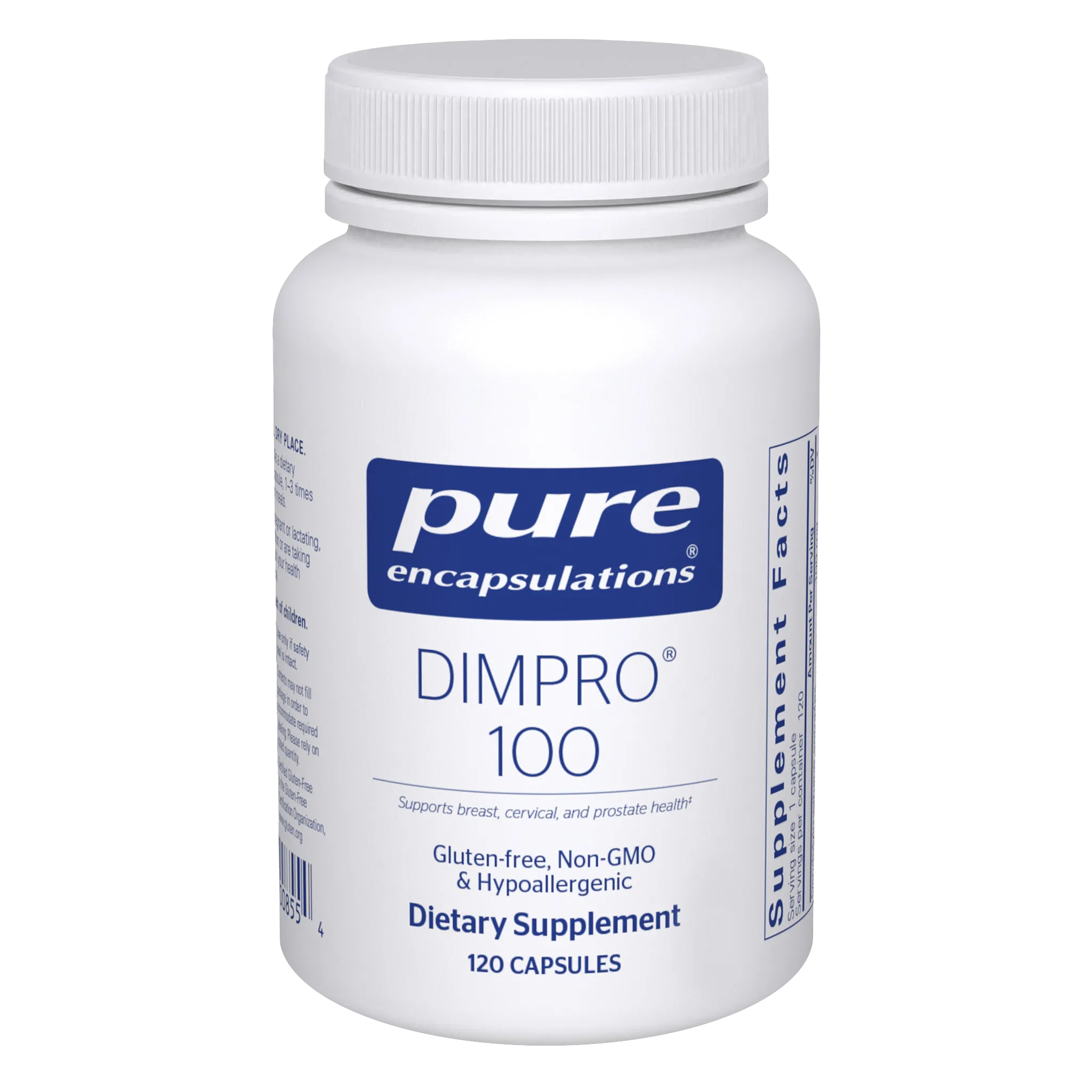
By introducing a highly bioavailable form of diindolylmethane, such as DIM-PRO® 100, patients can actively intervene in the disrupted metabolic pathways characteristic of chronic illness. The primary therapeutic action of DIM is its ability to restore healthy estrogen metabolism. By upregulating the CYP1A1 and CYP1A2 liver enzymes, DIM forces the body to convert circulating estrogens into the weak, protective 2-hydroxyestrone (2-OHE1) metabolite, rather than the inflammatory, proliferative 16-alpha-hydroxyestrone (16α-OHE1).
This shift is profoundly beneficial for cellular health in breast, cervical, and prostate tissues. In breast tissue, the protective 2-OHE1 metabolite competes with stronger estrogens for receptor binding, effectively blocking the signals that cause breast tenderness, fibrocystic swelling, and abnormal cellular proliferation. Clinical trials utilizing BioResponse DIM have consistently demonstrated its ability to improve the urinary 2:16 estrogen ratio, providing a tangible, measurable biomarker for improved hormonal health. For men, this same mechanism may help reduce the estrogen-driven proliferation of prostate cells, supporting long-term prostate health and comfort.
Breaking the Mast Cell Activation Loop
For patients battling MCAS and histamine intolerance, DIM's ability to clear excess, highly active estrogen is a game-changer. By reducing the overall estrogenic burden on the body, DIM effectively removes the constant chemical trigger that forces mast cells to degranulate. When mast cells are no longer being bombarded by 16α-OHE1, they can begin to stabilize.
As histamine release decreases, the secondary effects of the estrogen-histamine loop begin to unwind. The ovaries are no longer stimulated by excess histamine to overproduce estrogen, and the body's natural production of the DAO enzyme can begin to recover, allowing for better tolerance of dietary histamines. While DIM is not a traditional antihistamine or a direct mast cell stabilizer like cromolyn sodium or ketotifen, it addresses the root hormonal driver of the mast cell instability, making it an invaluable tool in a comprehensive MCAS management protocol.
Dampening the Cytokine Storm and Modulating AhR
Beyond its hormonal effects, DIM exhibits potent anti-inflammatory properties that are highly relevant to the pathophysiology of Long COVID and ME/CFS. Research indicates that DIM actively suppresses the NF-κB (Nuclear Factor kappa-light-chain-enhancer of activated B cells) signaling pathway. NF-κB is a master protein complex that controls the transcription of DNA, cytokine production, and cell survival; in chronic illness, it is often stuck in the "on" position, driving relentless inflammation. By inhibiting NF-κB, as well as other inflammatory pathways like STAT3 and p38 MAPK, DIM directly reduces the systemic production of key inflammatory cytokines, including IL-6 and TNF-α.
Furthermore, DIM's role as an AhR modulator offers intriguing potential for addressing the viral-induced metabolic traps seen in post-acute infection syndromes. Because prolonged SARS-CoV-2 pathology involves the AhR-driven overactivation of the IDO2 enzyme (which depletes tryptophan and causes immune exhaustion), introducing a modulating ligand like DIM may help recalibrate the AhR receptor's activity. While more direct clinical trials on Long COVID are needed, the mechanistic overlap suggests that DIM could play a role in downregulating the kynurenine pathway, helping to restore cellular energy production and alleviate the profound neuroimmune fatigue characteristic of living with long-term COVID.
Protecting the Blood-Brain Barrier
Finally, emerging animal models of neuroinflammation and ischemic stroke have demonstrated that DIM administration can protect the integrity of the blood-brain barrier (BBB). By reducing the circulating levels of TNF-α and IL-6, DIM may help reduce the endothelial leakage that allows systemic inflammation to infiltrate the central nervous system. For patients suffering from severe brain fog, sensory processing issues, and dysautonomia, protecting the BBB is a critical step in reducing microglial activation and restoring cognitive clarity.

Symptoms DIM May Help Manage
While diindolylmethane is primarily known for its role in estrogen metabolism, its downstream effects on inflammation and mast cell stability mean it can target a wide array of complex symptoms. Patients utilizing DIM-PRO® 100 often report improvements in the following areas:
Cyclical Symptom Crashes: By clearing excess estrogen and improving the 2:16 metabolite ratio, DIM helps mitigate the severe flare-ups of fatigue, pain, and dysautonomia that often occur during ovulation or the luteal phase of the menstrual cycle.
Mast Cell and Histamine Reactions: By breaking the estrogen-histamine loop, DIM reduces the hormonal triggers that cause mast cells to degranulate, potentially lowering the frequency of hives, flushing, and sudden food intolerances.
Brain Fog and Neurocognitive Fatigue: Through its suppression of NF-κB and systemic cytokines like IL-6 and TNF-α, DIM helps protect the blood-brain barrier from inflammatory infiltration, supporting better cognitive clarity and focus.
Breast Tenderness and Fibrocystic Discomfort: By promoting the weak, protective 2-OHE1 estrogen metabolite over the highly proliferative 16α-OHE1 metabolite, DIM reduces the cellular signaling that causes painful, swollen breast tissue.
Prostate and Pelvic Discomfort: In men, DIM's ability to support healthy estrogen metabolism and cellular signal transduction helps maintain normal prostate cell function and reduces estrogen-driven prostatic inflammation.
Heavy or Painful Menstruation: By addressing underlying estrogen dominance, DIM can help normalize the uterine lining's proliferation, often resulting in more manageable, less painful menstrual cycles.
Practical Considerations: Forms, Dosing, and Absorption
The Bioavailability Challenge of Crystalline DIM
When considering a diindolylmethane supplement, understanding bioavailability—the proportion of a substance that successfully enters circulation and has an active effect—is absolutely critical. In its pure, raw, crystalline form, DIM is highly lipophilic (fat-soluble) and notoriously insoluble in water. If you were to ingest a capsule of generic, crystalline DIM, the vast majority of it would simply pass through your gastrointestinal tract unabsorbed, providing little to no therapeutic benefit. This poor absorption profile has historically been the greatest barrier to utilizing DIM effectively in clinical settings.
The BioResponse DIM® Advantage
To solve this profound absorption issue, DIM-PRO® 100 utilizes a patented, microencapsulated formulation known as BioResponse DIM®. This proprietary delivery technology, called Phytosorb®, encases the pure DIM molecules in a specialized matrix composed of starch, d-alpha tocopheryl succinate (Vitamin E), phosphatidylcholine (derived from sunflower), and silica. This microencapsulation process dramatically changes the physical properties of the compound, allowing it to disperse easily in the gastrointestinal tract.
Clinical pharmacokinetic studies have demonstrated that BioResponse DIM exhibits approximately 50% higher oral bioavailability compared to generic crystalline DIM. When human subjects are administered this microencapsulated form, they achieve significantly higher and more sustained concentrations of DIM in their blood plasma. Furthermore, unlike its precursor I3C, BioResponse DIM is completely stable and does not require gastric acid to convert into an active form. This makes it an exceptionally reliable and safe option for patients with low stomach acid or those taking proton pump inhibitors (PPIs) or H2 blockers for MCAS-related gastrointestinal issues.
Dosing, Timing, and Crucial Drug Interactions
The standard suggested use for DIM-PRO® 100 is 1 capsule (providing 25 mg of pure DIM within a 100 mg complex), taken 1 to 3 times daily. Because DIM is fat-soluble, even in its microencapsulated form, it is generally best absorbed when taken with a meal that contains healthy fats. It typically takes several weeks of consistent daily use to begin seeing measurable shifts in hormonal symptoms and the 2:16 estrogen ratio.
However, because DIM is a powerful biological modulator, it comes with critical safety considerations and drug interactions. As discussed, DIM strongly induces the CYP3A4 and CYP1A2 enzymes in the liver. These are the exact same enzymes responsible for metabolizing and clearing a vast majority of pharmaceutical drugs. By speeding up these enzymes, DIM can cause your liver to break down certain medications much faster than normal, drastically reducing their therapeutic levels in your blood.
Crucial Contraindications: You must consult your healthcare provider before taking DIM if you are on any of the following medications:
Hormonal Contraceptives and HRT: DIM accelerates the clearance of exogenous estrogens. It can lower the effectiveness of birth control pills, patches, or hormone replacement therapy, potentially leading to breakthrough bleeding or loss of therapeutic effect.
Tamoxifen and Cancer Therapies: DIM alters the metabolism of Tamoxifen, potentially reducing the levels of its active cancer-fighting metabolites (like endoxifen). Patients with hormone-sensitive cancers must only use DIM under strict oncological supervision.
Statins, Antidepressants, and Anti-anxiety Medications: Many of these drugs are CYP3A4 substrates; DIM may lower their effectiveness.
Pregnancy and Nursing: Due to its potent hormonal modulation, DIM is strictly contraindicated during pregnancy and breastfeeding.

Follow the Science
Clinical Trials on Estrogen Metabolism and Breast Health
The scientific literature surrounding diindolylmethane is robust, particularly regarding its impact on estrogen metabolism and cellular health in hormone-sensitive tissues. Because of its superior absorption profile, BioResponse DIM® is the exclusive formulation utilized in numerous clinical trials sponsored by the National Cancer Institute (NCI). In a pivotal 2017 randomized, double-blind, placebo-controlled trial involving 130 women, researchers investigated the effects of 300 mg of daily BioResponse DIM over 12 months. The study confirmed that DIM successfully and significantly increased the urinary 2/16α-hydroxyestrone ratio (the "good" to "bad" estrogen ratio) compared to the placebo group. It also increased levels of Sex Hormone-Binding Globulin (SHBG), which helps bind excess free hormones in the blood.
Another pilot study focusing on postmenopausal women with a history of early-stage breast issues found that supplementation with just 108 mg of BioResponse DIM daily for 30 days successfully raised levels of the protective 2-hydroxyestrone metabolite. These studies provide concrete, biomarker-driven evidence that DIM actively shifts the liver's metabolic pathways to favor safer, less proliferative hormonal profiles, supporting overall breast comfort and cellular health.
Research on Prostate and Cervical Cellular Health
The benefits of DIM extend beyond female hormonal health. In men, estrogen dominance and poor estrogen metabolism are heavily implicated in the development of prostatic intraepithelial neoplasia (PIN) and overall prostate enlargement. Clinical data utilizing enhanced-absorption DIM formulas in men with high-grade PIN demonstrated significant anti-androgenic activity. In one study, researchers noted the complete regression of high-grade PIN in 45.5% of subjects supplemented with bioavailable DIM for 12 months, showcasing its potential to support long-term prostate cellular health and function safely.
In the realm of cervical health, a large double-blind randomized clinical trial evaluated women with low-grade cervical cytological abnormalities. While the study found that 150 mg of daily BioResponse DIM did not significantly clear HPV infections faster than a placebo, other smaller trials have suggested that DIM's ability to improve the 2:16 estrogen ratio creates a less proliferative cellular environment, which may broadly support the maintenance of healthy cervical tissues over time.
Emerging Data on Inflammation and Autoimmunity
Beyond oncology and hormone balance, researchers are increasingly investigating DIM for its potent immunomodulatory effects. A 14-month, placebo-controlled clinical trial (NCT02483624) was initiated to evaluate the safety and efficacy of BioResponse DIM in patients with Systemic Lupus Erythematosus (SLE), a complex autoimmune disease. This trial was driven by compelling animal data showing that DIM suppresses the inflammatory cytokines and autoantibodies that drive lupus pathology.
Furthermore, in murine models of ischemic stroke and neuroinflammation, oral administration of DIM has been shown to significantly reduce brain infarction size, protect the blood-brain barrier from inflammatory leakage, and lower the levels of TNF-α and IL-6 in the brain. While we are still waiting for large-scale human trials specifically testing DIM for Long COVID or ME/CFS, these mechanistic studies on BBB protection and cytokine suppression provide a strong scientific rationale for why functional medicine practitioners are integrating DIM into post-viral recovery protocols.
The Path Forward
Integrating DIM into a Comprehensive Protocol
Living with conditions like Long COVID, ME/CFS, and MCAS requires immense resilience. The cyclical nature of these illnesses—where symptoms seem to flare unpredictably or in tandem with hormonal shifts—can be deeply frustrating and exhausting. It is entirely valid to feel overwhelmed when your body's foundational systems, from immune regulation to hormone metabolism, feel out of sync. Understanding the profound interconnectedness of these systems, such as the vicious cycle between estrogen and histamine, is a crucial step toward regaining a sense of control over your health.
While no single supplement is a cure for complex chronic illness, targeted interventions like DIM-PRO® 100 offer a science-backed mechanism to support your body's natural detoxification pathways. By helping to clear highly active, inflammatory estrogen metabolites, DIM can relieve the burden on your hyper-reactive mast cells and support a more balanced immune response. However, DIM is most effective when utilized as one piece of a broader, comprehensive management strategy. This strategy should include nervous system regulation, careful symptom tracking, pacing to avoid post-exertional malaise, and potentially other supportive compounds like N-Acetyl-l-Cysteine (NAC) for cellular antioxidant defense.
Next Steps for Your Healing Journey
Because DIM actively alters how your liver processes hormones and medications, it is imperative that you discuss this supplement with a knowledgeable healthcare provider before adding it to your regimen, especially if you are taking hormonal contraceptives or other prescription medications. By working collaboratively with a medical team that understands the complexities of post-viral syndromes and mast cell activation, you can safely explore whether modulating your estrogen metabolism is the right next step for your unique biology.