Can Digestzyme-V Help Manage Gastrointestinal Symptoms in Long COVID and POTS?
March 6, 2026
Digestzyme-VGastrointestinal HealthLong COVID
Share:
Disclaimer: The information provided here is for educational purposes only and is not intended as medical advice. It should not be used to diagnose, treat, cure, or prevent any medical condition. Instead, use it as a starting point for discussion with your healthcare provider. Always consult with a qualified healthcare provider before starting any new medication, supplement, device, or making changes to your health regimen.
Months or even years after an initial viral infection, many individuals living with complex chronic conditions find themselves battling an unexpected and debilitating symptom: the inability to comfortably digest food. Whether it manifests as severe post-meal bloating, debilitating nausea, unpredictable bowel habits, or sudden heart rate spikes after eating, gastrointestinal dysfunction is a hallmark of conditions like Long COVID, myalgic encephalomyelitis/chronic fatigue syndrome (ME/CFS), dysautonomia, and mast cell activation syndrome (MCAS). For many patients, the simple act of eating becomes a source of anxiety, leading to restricted diets, unintentional weight loss, and profound nutritional deficits that further starve an already exhausted body of cellular energy.
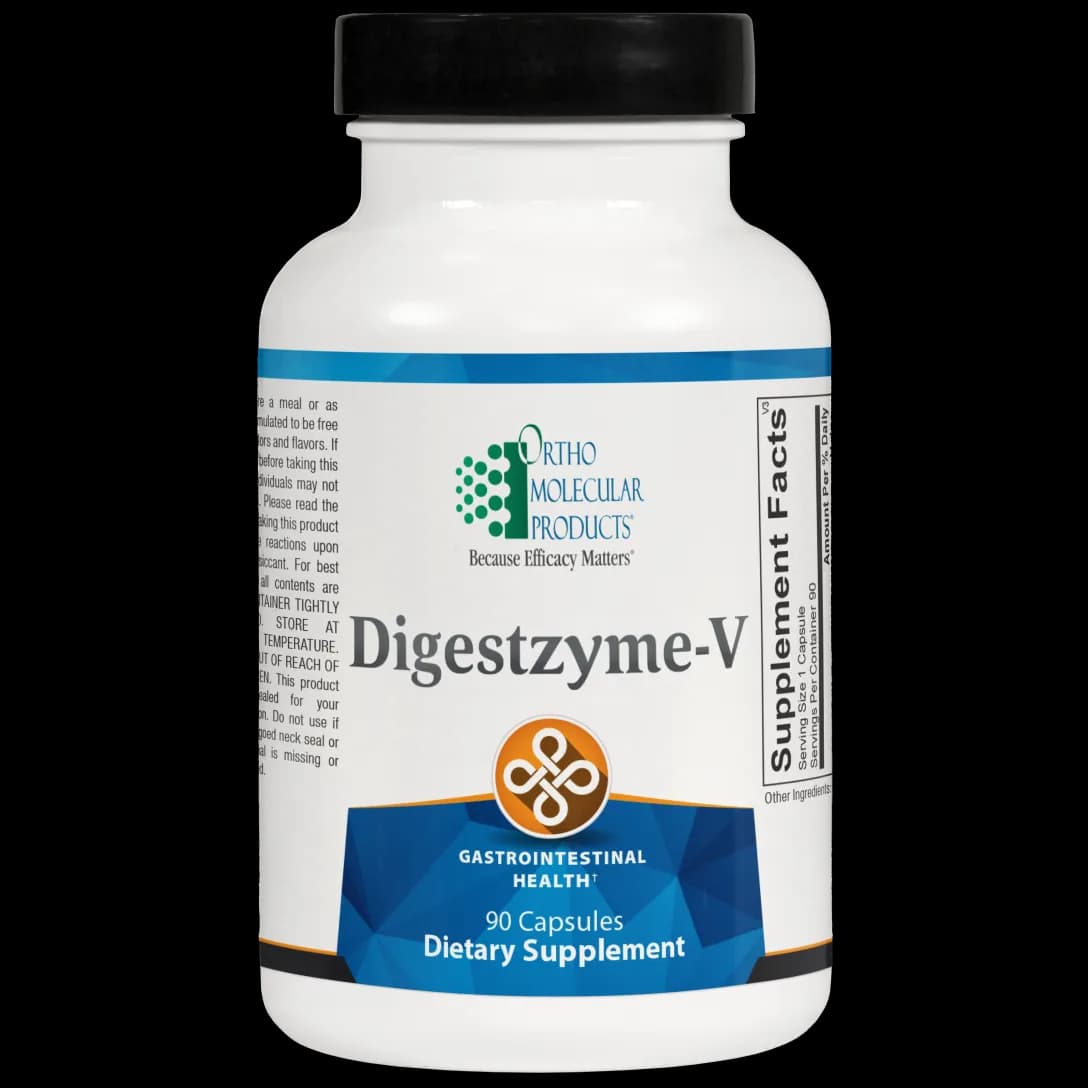
In the search for validating answers and practical management strategies, clinical attention has increasingly turned to the mechanics of digestion and the gut-brain axis. When the autonomic nervous system misfires or chronic inflammation damages the intestinal lining, the body's natural ability to chemically break down food is severely compromised. Digestzyme-V, a comprehensive blend of acid-resistant, plant-based enzymes and traditional bitter herbs, offers a targeted approach to this physiological roadblock. By artificially supporting the breakdown of macronutrients and stimulating the body's natural digestive secretions, this formulation aims to maximize nutrient absorption, reduce painful gut fermentation, and alleviate the systemic symptom flares triggered by impaired digestion.
TL;DR
GI dysfunction in chronic illnesses like Long COVID and ME/CFS causes severe symptoms and nutrient deficits.
Digestzyme-V uses plant-based enzymes and bitter herbs to support digestion and maximize nutrient absorption.
Supplemental enzymes may help reduce gut fermentation, easing the mechanical burden on compromised digestive systems.
Always consult a doctor before starting supplements, especially if you have ulcers or gallstones.
What is Digestzyme-V?
The Role of Digestive Enzymes in Human Biology
To understand how Digestzyme-V functions, it is essential to first understand the natural, highly orchestrated process of human digestion. Digestion is not merely the mechanical churning of the stomach; it is a complex chemical cascade driven by endogenous (body-produced) digestive enzymes. These specialized proteins act as biological catalysts, breaking down large, complex macromolecules from our diet into microscopic, absorbable units. For example, the pancreas secretes amylase to dismantle complex carbohydrates into simple sugars, protease to cleave long protein chains into individual amino acids, and lipase to break down dietary fats into usable fatty acids.
In a healthy physiological state, this enzymatic breakdown ensures that food is rapidly processed and absorbed through the mucosal lining of the small intestine, providing the mitochondria with the raw materials needed for cellular energy production. However, when this natural enzyme production is impaired—whether due to autonomic nervous system dysfunction, chronic stress, aging, or localized gastrointestinal inflammation—large, undigested food particles are left to stagnate in the digestive tract. These undigested macromolecules cannot cross the intestinal barrier, leading to severe nutritional deficiencies even when a patient is consuming a calorically dense, nutrient-rich diet.
The Power of Plant-Based and Microbial Enzymes
When natural enzyme production falls short, clinical nutrition often utilizes exogenous (supplemental) enzymes to bridge the gap. Digestzyme-V utilizes a comprehensive spectrum of plant-based and microbial-derived enzymes, which offer distinct biochemical advantages over traditional animal-derived pancreatic enzymes. Animal-derived enzymes, such as porcine pancrelipase, are highly sensitive to the acidic environment of the stomach and typically only activate once they reach the alkaline environment of the small intestine. In contrast, plant-based enzymes—such as the bromelain (from pineapple) and papain (from papaya) found in Digestzyme-V—exhibit remarkable pH resilience, remaining active across a broad pH range of 3.0 to 9.0.
This broad pH stability is a critical mechanistic advantage for individuals with compromised digestion. It allows the plant-based enzymes to begin "pre-digesting" food immediately upon entering the highly acidic stomach, significantly reducing the mechanical and chemical workload required from the stomach and pancreas later in the digestive process. Furthermore, Digestzyme-V includes specialized enzymes like cellulase, hemicellulase, and a proprietary CereCalase® blend. These specific enzymes are designed to break down the tough, fibrous cell walls of plants—a process the human body cannot natively perform—thereby unlocking trapped micronutrients from vegetables, fruits, and legumes that might otherwise pass through the digestive tract unabsorbed.
The Addition of Bitter Herbs for Natural Stimulation
Beyond supplying exogenous enzymes, Digestzyme-V incorporates two highly researched botanical extracts: Gentian root (Gentiana lutea) and Artichoke leaf extract (Cynara scolymus). In traditional and modern clinical herbalism, these are classified as "digestive bitters." When the intensely bitter compounds in Gentian root, such as amarogentin, interact with bitter taste receptors in the mouth and upper gastrointestinal tract, they trigger a vital neurological reflex via the vagus nerve. This vagal stimulation essentially "primes" the parasympathetic nervous system, signaling the stomach to release hydrochloric acid and the pancreas to secrete its own natural enzymes.
Simultaneously, Artichoke leaf extract acts as a powerful choleretic, meaning it directly stimulates the liver to produce and excrete bile. Bile is an absolutely essential component of digestion, acting as a biological detergent that emulsifies large dietary fat globules into microscopic droplets. Without adequate bile flow, even the most robust lipase enzymes cannot efficiently access and break down dietary fats, leading to fat malabsorption and deficiencies in fat-soluble vitamins (A, D, E, and K). By combining exogenous plant enzymes with these natural secretory stimulants, Digestzyme-V provides a dual-action approach to digestive optimization.
How Chronic Illness Impacts Digestion and the Gut
Long COVID, Viral Persistence, and Microbiome Dysbiosis
The gastrointestinal tract is a primary target for SARS-CoV-2, the virus responsible for COVID-19. The virus enters human cells by binding to ACE2 receptors, which are abundantly expressed throughout the mucosal lining of the intestines and the pancreas. Research indicates that the virus can directly infect these tissues, causing localized inflammation and potentially establishing a persistent "viral reservoir" that drives ongoing symptoms long after the acute infection has cleared. This persistent inflammation directly impairs the mucosal lining's ability to secrete natural digestive enzymes and absorb nutrients, contributing to the widespread gastrointestinal symptoms seen with Long COVID.
Furthermore, this viral disruption triggers profound microbiome dysbiosis. Studies have consistently shown that Long COVID patients exhibit a sharp decrease in beneficial, short-chain fatty acid-producing gut bacteria, alongside an overgrowth of proinflammatory opportunistic pathogens. This dysbiosis alters the gut-brain axis, leading to altered intestinal motility, visceral hypersensitivity, and a compromised intestinal barrier. When the gut microbiome is severely imbalanced, the natural fermentation processes become chaotic, leading to excessive gas production, bloating, and systemic inflammation that can exacerbate fatigue and cognitive dysfunction. Understanding what causes Long COVID at the gastrointestinal level is crucial for developing effective management strategies.
Dysautonomia, POTS, and the Vagus Nerve
For patients living with dysautonomia, particularly Postural Orthostatic Tachycardia Syndrome (POTS), digestion is frequently derailed by neurological miscommunication. The autonomic nervous system acts as the body's "autopilot," controlling involuntary functions like heart rate, blood pressure, and digestion. In POTS, the parasympathetic nervous system—specifically the vagus nerve, which governs the "rest and digest" state—is often impaired. This vagal dysfunction can lead to gastroparesis, a condition where the stomach's mechanical muscle contractions are severely delayed or paralyzed, preventing food from emptying into the small intestine at a normal rate.
When food sits stagnant in a paralyzed stomach, it begins to ferment prematurely, causing debilitating nausea, early satiety, and painful abdominal distension. Additionally, the act of eating naturally draws blood to the splanchnic (abdominal) blood vessels to aid in digestion. In POTS patients, faulty autonomic signaling causes excessive blood pooling in the gut after meals, depriving the brain and heart of adequate blood flow. This phenomenon, known as postprandial hypotension, frequently triggers severe symptom flares, including rapid tachycardia, lightheadedness, and profound fatigue immediately following a meal.
MCAS and the Histamine Bucket
Mast Cell Activation Syndrome (MCAS) adds another layer of profound complexity to gastrointestinal dysfunction. Mast cells are immune sentinels heavily concentrated in the gut lining, where they monitor incoming food and microbes. In MCAS, these cells become hyper-reactive, inappropriately releasing inflammatory mediators—most notably histamine—in response to harmless dietary proteins. When digestion is sluggish or incomplete, large, undigested protein macromolecules linger in the digestive tract, directly triggering these hyperactive mast cells and causing localized gut inflammation, cramping, and severe diarrhea.
This dynamic creates a vicious cycle involving the body's "histamine bucket." The primary enzyme responsible for breaking down dietary histamine in the gut is diamine oxidase (DAO), which is produced by the microvilli of the intestinal lining. Chronic mast cell activation and gut inflammation damage these microvilli, drastically reducing natural DAO production. Consequently, dietary histamine from food accumulates, overflowing the histamine bucket and triggering systemic symptoms like migraines, flushing, hives, and brain fog. Without efficient enzymatic breakdown of food, the gut remains a constant source of immune provocation.
Digestzyme-V: Supporting Complex Digestive Dysfunction
Compensating for Vagal Failure and Gastroparesis
For patients experiencing delayed gastric emptying or gastroparesis due to autonomic dysfunction, Digestzyme-V offers a critical mechanical bypass. Because the vagus nerve is struggling to signal the stomach muscles to churn and the pancreas to release enzymes, food is left trapped and stagnant. By introducing a comprehensive blend of exogenous plant-based enzymes directly into the stomach, Digestzyme-V initiates the chemical breakdown of food independently of the body's compromised neurological signaling. The pH-resilient nature of these enzymes means they begin dismantling complex carbohydrates, proteins, and fats immediately in the acidic environment of the stomach.
This early "pre-digestion" is vital for reducing the physical burden on the gastrointestinal tract. By breaking down the food bolus into a softer, more liquid state before it even attempts to leave the stomach, these enzymes can help facilitate easier gastric emptying. Furthermore, by rapidly degrading fermentable carbohydrates and starches via amylase and alpha-galactosidase, the formula helps prevent the stagnant food from producing the excessive trapped gas that causes painful bloating and distension in dysautonomia patients.
Shrinking the Histamine Bucket in MCAS
In the context of MCAS and food sensitivities, thorough enzymatic breakdown is a primary defense mechanism against immune hyperactivation. Digestzyme-V contains multiple proteases, including protease 4.5, protease 6.0, and peptidase, which aggressively cleave complex dietary proteins into small, harmless amino acids. By ensuring that proteins are fully dismantled before they interact with the gut-associated lymphoid tissue (GALT), these enzymes may help prevent the immune system from misidentifying large protein macromolecules as foreign invaders, thereby reducing the likelihood of mast cell degranulation and histamine release.
Additionally, by helping to prevent the fermentation of undigested food in the lower intestine, Digestzyme-V helps starve the opportunistic bacteria associated with Small Intestinal Bacterial Overgrowth (SIBO). SIBO is a frequent driver of secondary histamine intolerance, as many overgrown bacterial strains produce their own histamine or damage the intestinal lining where DAO is stored. By maintaining a clean, efficient digestive process, comprehensive enzyme therapy helps protect the integrity of the gut lining, indirectly supporting the body's natural ability to manage dietary histamine and reducing overall systemic inflammation.
Maximizing Nutrient Extraction for ME/CFS
A defining feature of ME/CFS is profound cellular energy impairment and post-exertional malaise (PEM). To produce adenosine triphosphate (ATP)—the energy currency of the cell—the mitochondria require a constant, highly bioavailable supply of amino acids, fatty acids, and micronutrients. However, if a patient's digestive system is compromised, they may be functionally malnourished at the cellular level, regardless of their dietary intake. Digestzyme-V specifically addresses this by maximizing the extraction of nutrients from food, ensuring that the body receives the maximum possible energetic yield from every meal.
The inclusion of the CereCalase® blend (hemicellulase, beta-glucanase, and phytase) is particularly relevant for patients following plant-heavy or anti-inflammatory diets. Humans lack the endogenous enzymes required to break down plant cell walls, meaning many vital antioxidants and minerals remain locked inside fibrous matrices. CereCalase® dismantles these barriers, while phytase specifically breaks down phytic acid—a compound in seeds and legumes that binds to essential minerals like zinc, iron, and magnesium, preventing their absorption. By unlocking these critical cofactors, Digestzyme-V supports the foundational nutritional needs required to combat severe fatigue. Understanding this link is vital when exploring how Long COVID can trigger ME/CFS.
Stimulating Natural Bile Flow with Botanicals
While exogenous enzymes handle the direct breakdown of food, the botanical inclusions in Digestzyme-V address the body's internal secretory failures. The Artichoke leaf extract, standardized to contain 5% cynarin, acts as a potent choleretic. By actively stimulating the liver to produce and release bile, it ensures that dietary fats are properly emulsified. This is crucial not only for the absorption of fat-soluble vitamins but also for helping to prevent the gastrointestinal distress caused by fat malabsorption, such as steatorrhea (greasy, foul-smelling stools) and severe lower abdominal cramping.
Simultaneously, the Gentian root extract leverages the bitter reflex to stimulate vagal tone. For patients with dysautonomia, gently encouraging the parasympathetic nervous system through targeted bitter receptor activation can help shift the body out of a sympathetic "fight or flight" state and back into a "rest and digest" state. This holistic approach ensures that Digestzyme-V is not merely replacing lost enzymes, but actively encouraging the body's own digestive organs to function more efficiently despite the challenges of chronic illness.
Symptoms Digestzyme-V May Help Manage
Upper Gastrointestinal Distress
Post-Meal Bloating and Distension: By pre-digesting complex carbohydrates and starches in the stomach via amylase and alpha-galactosidase, the supplement helps prevent the premature fermentation that causes painful upper abdominal gas.
Early Satiety and Nausea: For those with delayed gastric emptying, breaking down the food bolus into a more liquid state faster can help alleviate the feeling of being overly full or nauseous after only a few bites.
Acid Reflux and Indigestion: Efficiently moving food through the stomach helps prevent the upward pressure and stagnation that frequently trigger chronic acid reflux and heartburn.
Lower Gastrointestinal Issues
Gas and Flatulence: The inclusion of cellulase and CereCalase® breaks down tough plant fibers and complex sugars that typically survive until the colon, depriving gas-producing bacteria of their primary food source.
Irregular Bowel Movements: By ensuring food is thoroughly broken down and stimulating natural bile flow (which acts as a mild, natural prokinetic), the supplement promotes smoother, more regular bowel habits, reducing alternating constipation and diarrhea.
Fat Malabsorption (Steatorrhea): The combination of lipase and bile-stimulating artichoke extract ensures dietary fats are properly emulsified and absorbed, helping to prevent greasy, urgent stools.
Systemic and Immune Symptoms
Food Sensitivities: Aggressive proteases dismantle large protein macromolecules before they can trigger hyperactive mast cells in the gut lining, potentially reducing the severity of delayed food sensitivity reactions.
Postprandial POTS Flares: By easing the mechanical burden of digestion, the body may require less extreme blood pooling in the abdomen, potentially reducing the severity of tachycardia and lightheadedness after meals.
Brain Fog and Fatigue: Maximizing the extraction and absorption of essential amino acids and micronutrients provides the brain and mitochondria with the necessary fuel to combat chronic cognitive and physical exhaustion.
Practical Considerations: Forms, Dosing, and Absorption
Bioavailability and pH Resilience
The clinical efficacy of any digestive enzyme supplement is heavily dependent on its survivability within the gastrointestinal tract. The human stomach is a highly acidic environment, typically maintaining a pH between 1.5 and 3.5 during digestion. Many animal-derived enzyme supplements are rapidly denatured and destroyed by this stomach acid unless they are heavily enteric-coated, meaning they provide no digestive assistance until they reach the alkaline environment of the small intestine. Digestzyme-V bypasses this limitation by utilizing a comprehensive profile of plant-based and microbial-derived enzymes.
These specific plant-based enzymes are biologically designed to remain stable and highly active across a remarkably broad pH range, typically spanning from 3.0 to 9.0. This broad-spectrum resilience allows the enzymes to begin actively dismantling proteins, fats, and carbohydrates immediately upon entering the stomach. For patients with gastroparesis or delayed gastric emptying, this early activation is crucial; it ensures that the food is being chemically processed even while it is mechanically stalled, significantly reducing the risk of fermentation and subsequent symptom flares.
Optimal Timing and Dosing Strategies
To maximize the benefits of Digestzyme-V, precise timing is essential. The suggested use is to take one capsule approximately 15 minutes before a meal. This specific timing allows the capsule to dissolve and the enzymes to disperse throughout the stomach, creating an active digestive environment just before the food arrives. Furthermore, taking the supplement slightly ahead of the meal allows the bitter compounds from the Gentian root to interact with receptors and stimulate the vagus nerve, prompting the preemptive release of the body's natural stomach acid and bile.
For patients managing severe dysautonomia or MCAS, integrating Digestzyme-V should be paired with strategic dietary habits. Eating smaller, more frequent meals rather than large, heavy meals can drastically reduce the mechanical workload on the paralyzed stomach and minimize postprandial blood pooling. Additionally, while Digestzyme-V is highly comprehensive, patients with severe histamine intolerance may still need to adhere to a low-histamine diet while their gut lining heals, using the enzymes as a tool to manage unavoidable triggers rather than a cure-all for high-histamine foods.
Contraindications and Safety
While plant-based enzymes are generally very well tolerated, the inclusion of active botanical extracts in Digestzyme-V necessitates certain precautions. Because Gentian root is a potent bitter that actively stimulates the production of hydrochloric (stomach) acid, this supplement is generally contraindicated for individuals with active gastric or duodenal ulcers, or severe, acute gastritis, as the increased acid could exacerbate these conditions. Patients with these specific upper GI issues should consult their gastroenterologist before introducing bitter herbs.
Similarly, the Artichoke leaf extract is a powerful choleretic designed to cause the gallbladder to contract and release bile. Therefore, Digestzyme-V is strictly contraindicated for individuals with active gallstones or bile duct obstructions. Forcing a gallbladder to contract when a stone is present can trigger a severe and painful gallbladder attack. As always, patients with complex chronic illnesses should discuss any new supplement with their healthcare provider to ensure it aligns with their specific medical history and current pharmaceutical regimens.
Follow the Science
Clinical Evidence for Plant-Based Enzymes
The efficacy of plant-based digestive enzymes in enhancing nutrient absorption and reducing gastrointestinal distress is well-documented in clinical literature. A 2015 randomized, double-blind crossover study published in the Journal of the International Society of Sports Nutrition investigated the impact of plant-based enzymes on protein absorption. Researchers found that when a plant protein blend was co-ingested with a digestive enzyme supplement, the peak blood concentration of essential amino acids increased significantly, making the absorption profile statistically comparable to highly bioavailable whey protein. This demonstrates the enzymes' ability to effectively dismantle complex plant matrices and maximize amino acid yield.
Furthermore, a 2024 in vitro simulated digestion study published in Heliyon utilized the harmonized INFOGEST model to track how a multi-enzyme supplement affected complex food matrices. The data revealed that exogenous plant-based enzymes successfully reduced the viscosity (thickness) of the gastric digesta by 2.75-fold within the first hour. By physically breaking down the food faster, the supplement increased the release of absorbable sugars by nearly 80% compared to relying solely on endogenous enzymes. This rapid reduction in gastric viscosity provides a clear mechanistic explanation for how exogenous enzymes can alleviate the early satiety and nausea associated with delayed gastric emptying.
Research on Bitter Herbs and Bile Flow
The botanical components of Digestzyme-V are supported by robust clinical trials demonstrating their impact on digestive secretions. A comprehensive review of clinical data on Artichoke leaf extract revealed its profound choleretic properties. In a randomized, placebo-controlled crossover study, oral administration of artichoke extract led to a massive 151.5% increase in bile secretion within 60 minutes, significantly outperforming the placebo. This enhanced bile flow is critical for the emulsification of dietary fats and the prevention of post-meal bloating.
Similarly, Gentian root has been clinically validated for its ability to manage functional dyspepsia (indigestion). In an open clinical study involving 205 patients suffering from heartburn, nausea, stomach pain, and flatulence, supplementation with a gentian root extract resulted in rapid symptom improvement. By the end of the 15-day trial, the average rate of symptom relief was 68%, confirming the traditional use of bitter herbs to stimulate vagal tone and optimize the upper gastrointestinal environment.
The Gut Microbiome in Long COVID and ME/CFS
Emerging research continues to highlight the critical intersection of gut health and chronic post-viral syndromes. A landmark 2023 double-blind clinical trial published in The Lancet Infectious Diseases (the SIM01 study) demonstrated that directly modulating the gut microbiome with targeted synbiotics resulted in significant alleviation of broad Long COVID symptoms, including chronic fatigue, memory loss, and gastrointestinal upset. This underscores the reality that gut dysfunction is not merely a localized issue, but a systemic driver of chronic illness.
Additionally, extensive reviews on ME/CFS and the gut microbiome consistently identify reduced microbial diversity and increased intestinal permeability (leaky gut) as core pathophysiological features. By utilizing comprehensive digestive enzymes to prevent food fermentation and reduce the antigenic load of undigested proteins, patients can actively support the integrity of their gut lining, mitigating the systemic inflammation that fuels both ME/CFS and Long COVID. Understanding how a doctor diagnoses Long COVID increasingly involves evaluating these complex gastrointestinal biomarkers.
The Path Forward
Validating the GI Struggle in Chronic Illness
Living with conditions like Long COVID, ME/CFS, dysautonomia, and MCAS often means that the most basic human functions—like eating a meal—become fraught with anxiety and physical pain. It is profoundly exhausting to meticulously track every ingredient, fear the inevitable post-meal heart rate spike, or endure unpredictable bowel symptoms while simultaneously battling severe systemic fatigue. If you are experiencing these complex gastrointestinal issues, your symptoms are valid, physiologically grounded, and a recognized consequence of autonomic and immune dysregulation. You are not simply dealing with a "sensitive stomach"; you are navigating a complex neuro-gastrointestinal disruption.
A Comprehensive Management Strategy
While there is no single miracle cure for the digestive complications of chronic illness, targeted support can significantly improve your quality of life. Digestzyme-V offers a scientifically grounded tool to bypass mechanical digestive failures, maximize the cellular energy extracted from your diet, and reduce the inflammatory burden of undigested food. However, it is most effective when utilized as part of a broader, comprehensive management strategy. This includes pacing your energy, eating small and frequent meals to accommodate gastroparesis, managing systemic histamine levels, and working with specialists to calm the autonomic nervous system. Learning how you can live with long-term COVID involves building a personalized toolkit of these supportive therapies.
Next Steps
If you are struggling with post-meal bloating, suspected malabsorption, or symptom flares tied to eating, comprehensive plant-based enzymes and bitter herbs may offer a practical pathway toward relief. Always consult with your primary care physician or a knowledgeable gastroenterologist before starting a new supplement, especially to ensure it does not conflict with active ulcers, gallstones, or current medications. By supporting your body's foundational digestive processes, you can take a proactive step toward reclaiming your nutritional health and stabilizing your daily energy levels.