Can Digestive Enzymes Relieve GI Symptoms in Long COVID and ME/CFS?
March 5, 2026
Digestive EnzymesLong COVIDME/CFS
Share:
Disclaimer: The information provided here is for educational purposes only and is not intended as medical advice. It should not be used to diagnose, treat, cure, or prevent any medical condition. Instead, use it as a starting point for discussion with your healthcare provider. Always consult with a qualified healthcare provider before starting any new medication, supplement, device, or making changes to your health regimen.
Months or even years after recovering from an acute viral infection, many individuals find themselves battling a new, unpredictable reality. For those living with Long COVID, myalgic encephalomyelitis/chronic fatigue syndrome (ME/CFS), and dysautonomia, the symptoms extend far beyond profound fatigue and autonomic dysfunction. Gastrointestinal (GI) distress—ranging from chronic bloating and unpredictable bowel habits to severe abdominal pain and nausea—often becomes a debilitating daily challenge. These digestive symptoms are not merely uncomfortable side effects; they are intimately connected to the systemic immune dysregulation, microbiome imbalances, and cellular energy deficits that define these complex chronic conditions.
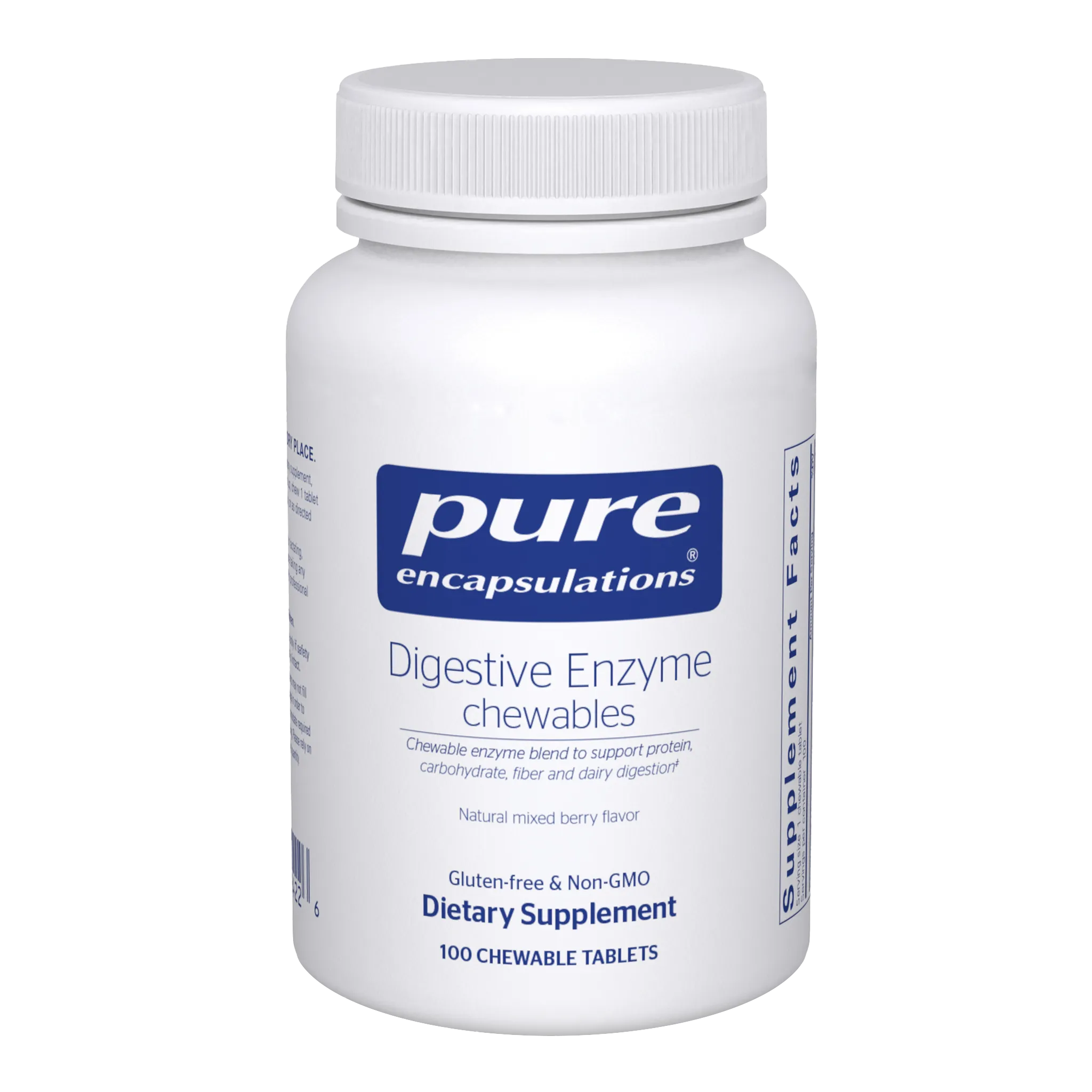
When the body's natural digestive processes are compromised by viral persistence, chronic inflammation, or autonomic nervous system dysfunction, the simple act of extracting nutrients from food becomes a monumental task. This is where targeted nutritional support, such as Digestive Enzyme Chewables featuring the DigeZyme® complex, can play a pivotal role. By providing the specific biological catalysts needed to break down proteins, fats, carbohydrates, and plant fibers, exogenous digestive enzymes can help restore GI comfort, optimize nutrient absorption, and alleviate the metabolic burden on an already exhausted system. In this comprehensive guide, we will explore the intricate biochemistry of digestive enzymes, how chronic illness disrupts gut health, and the clinical evidence supporting enzyme supplementation for symptom management.
What are Digestive Enzymes and the DigeZyme® Complex?
The Biological Catalysts of Macronutrient Hydrolysis
At the most fundamental level, human life depends on the continuous conversion of complex dietary macromolecules into simple, absorbable building blocks. This monumental task is orchestrated by digestive enzymes, which are highly specialized biological catalysts secreted throughout the gastrointestinal tract. From a biochemical perspective, these enzymes function primarily as hydrolases. They facilitate hydrolysis, a chemical reaction in which a water molecule is used to cleave the strong covalent bonds holding macronutrients together. Without these enzymatic catalysts, the breakdown of food would take years, rendering human survival impossible. Instead, enzymes lower the activation energy required for these chemical reactions, allowing digestion to occur rapidly and efficiently at normal body temperature.
In a healthy digestive system, the production and secretion of these enzymes are tightly regulated by the autonomic nervous system and various endocrine signals. The process begins in the mouth with salivary enzymes, continues in the highly acidic environment of the stomach, and reaches its peak in the duodenum (the first part of the small intestine), where the pancreas releases a massive payload of digestive juices. However, when this delicate system is disrupted by chronic stress, autonomic dysfunction (dysautonomia), or localized inflammation, the body fails to produce or secrete adequate amounts of these crucial proteins. This leads to maldigestion, where large, unbroken food particles pass through the intestines, triggering inflammation, feeding pathogenic bacteria, and depriving the body of essential cellular fuel.
The DigeZyme® Multi-Enzyme Complex
To combat the downstream effects of endogenous enzyme deficiency, clinical nutrition often utilizes exogenous enzyme supplements. The Digestive Enzyme Chewables formulated by Pure Encapsulations utilize a proprietary, scientifically validated blend known as DigeZyme®. Unlike traditional pancreatic enzyme replacement therapies (PERT) that are derived from animal sources (such as bovine or porcine pancreas), DigeZyme is a completely vegetarian, non-animal-derived complex. It is meticulously synthesized through the controlled fermentation of specific microbial and fungal strains, including Aspergillus oryzae, Bacillus subtilis, Rhizopus oryzae, and Trichoderma longibrachiatum.
This multi-enzyme complex provides a comprehensive, broad-spectrum approach to digestion by supplying five distinct enzymes: protease for proteins, lipase for fats, alpha-amylase for carbohydrates, lactase for dairy sugars, and cellulase for plant fibers. By covering all major macronutrient categories, DigeZyme ensures that no component of a meal is left undigested. This is particularly crucial for individuals with complex chronic illnesses who often struggle with multiple, overlapping food intolerances, histamine issues, and generalized malabsorption syndromes that complicate their daily dietary choices.
Surviving the Gastric Environment: The Advantage of Microbial Sourcing
One of the most significant pharmacological challenges in oral enzyme supplementation is ensuring that the delicate enzyme proteins survive the harsh, highly acidic environment of the human stomach. Human pancreatic enzymes are naturally designed to operate in the alkaline environment of the small intestine; if exposed to stomach acid, they rapidly denature and lose their catalytic activity. However, research indicates that the microbial-derived enzymes in the DigeZyme complex possess a unique structural resilience. They exhibit a broad pH stability profile, allowing them to remain active in both highly acidic and alkaline conditions throughout the entire gastrointestinal tract.
This remarkable stability enables the DigeZyme enzymes to begin their work immediately upon entering the stomach, a process known as 'predigestion.' By initiating the hydrolysis of proteins, fats, and carbohydrates in the upper gastric chamber before the food even reaches the small intestine, these enzymes significantly reduce the digestive workload placed on the pancreas and the brush border of the intestinal lining. This early intervention is a key mechanism by which high-quality exogenous enzymes prevent the downstream fermentation, putrefaction, and gas production that plague so many patients with chronic GI dysfunction.
How Long COVID and ME/CFS Impact Gastrointestinal Function
Viral Persistence and the ACE2 Receptor in the Gut
To understand why gastrointestinal symptoms are so prevalent in Long COVID, we must examine the specific cellular targets of the SARS-CoV-2 virus. The virus gains entry into human cells by binding to the angiotensin-converting enzyme 2 (ACE2) receptor. While much of the early pandemic focus was on the lungs, the highest concentrations of ACE2 receptors in the human body are actually found in the epithelial cells lining the small intestine and the glandular cells of the pancreas. Recent clinical studies have demonstrated that in many Long COVID patients, the virus is not fully cleared after the acute infection. Instead, viral RNA and persistent viral antigens can remain embedded in the gut tissue for months or even years.
This phenomenon, known as viral persistence, triggers a state of chronic, localized immune activation. The immune system continuously mounts an inflammatory response against the lingering viral particles in the intestinal lining, leading to chronic mucosal inflammation. This inflammation directly impairs the gut's ability to secrete endogenous digestive enzymes, absorb micronutrients, and maintain normal peristalsis (the muscular contractions that move food through the digestive tract). Consequently, patients experience chronic nausea, severe bloating, and unpredictable shifts between diarrhea and constipation, fundamentally altering what causes Long COVID to be such a systemic, multi-organ disease.
Exocrine Pancreatic Insufficiency (EPI) in Chronic Illness
The pancreas is the primary engine of human digestion, responsible for manufacturing and secreting the vast majority of our digestive enzymes. Because the pancreas is densely packed with ACE2 receptors, it is highly vulnerable to both direct viral infection and the collateral damage of systemic inflammation. Emerging research has identified a troubling clinical trend: a significant subset of individuals recovering from COVID-19 develop new-onset Exocrine Pancreatic Insufficiency (EPI). In EPI, the damaged exocrine tissue of the pancreas fails to synthesize adequate quantities of crucial enzymes like pancreatic elastase, lipase, and amylase.
When EPI occurs, the biochemical breakdown of food grinds to a halt. Dietary fats, in particular, pass through the digestive tract completely unhydrolyzed, resulting in steatorrhea (pale, bulky, foul-smelling, and fatty stools). Furthermore, because the body cannot extract essential fatty acids and fat-soluble vitamins (Vitamins A, D, E, and K), the patient rapidly develops profound nutritional deficiencies. This state of severe malabsorption directly starves the mitochondria—the cellular powerhouses—of the substrates they need to produce ATP, thereby drastically exacerbating the debilitating fatigue and post-exertional malaise (PEM) seen in ME/CFS and Long COVID.
Dysbiosis and the Leaky Gut Cycle
The failure to properly digest food has catastrophic downstream effects on the gut microbiome. When large, undigested macromolecules of protein and carbohydrate reach the large intestine, they become a primary food source for opportunistic, pathogenic bacteria. This triggers severe gut dysbiosis, a state where harmful microbes overgrow and beneficial, health-promoting bacteria are starved and depleted. Landmark microbiome studies in both Long COVID and ME/CFS patients consistently show a dramatic reduction in bacteria that produce butyrate, a short-chain fatty acid essential for maintaining the integrity of the intestinal lining.
Without sufficient butyrate, the tight junctions holding the intestinal epithelial cells together begin to degrade, resulting in increased intestinal permeability, commonly known as 'leaky gut'. Through these microscopic gaps, bacterial endotoxins (such as lipopolysaccharides, or LPS) and undigested food antigens leak directly into the bloodstream. This systemic translocation of toxins triggers a massive, body-wide immune response, driving the neuroinflammation, brain fog, joint pain, and mast cell activation that make complex chronic illnesses so difficult to manage. Restoring proper enzymatic digestion is the critical first step in halting this vicious cycle.
Digestive Enzymes: Supporting Macronutrient Breakdown and Gut Health
Protease: The Hydrolysis of Complex Proteins
Proteins are massive, complex macromolecules composed of long chains of amino acids folded into intricate three-dimensional structures. The protease enzyme (provided at 300 PC units in this formulation) is responsible for dismantling these structures. Operating primarily as a serine protease, it utilizes a highly conserved 'catalytic triad' of amino acids (serine, histidine, and aspartate) at its active site. When a dietary protein binds to the enzyme, the histidine residue activates the serine, turning it into a powerful nucleophile that attacks and cleaves the tough peptide bonds linking the amino acids together.
By breaking these massive protein chains down into smaller peptides and individual, free-form amino acids, protease ensures that the body can actually absorb the building blocks necessary for tissue repair, neurotransmitter synthesis, and immune function. Furthermore, incomplete protein digestion is a major driver of gastrointestinal toxicity. When undigested proteins reach the colon, they undergo a process called putrefaction, where colonic bacteria ferment the proteins into highly toxic byproducts like ammonia, phenols, and hydrogen sulfide. These toxins directly damage the gut lining and contribute to systemic fatigue. Exogenous protease supplementation effectively halts this putrefactive process by ensuring proteins are fully absorbed in the small intestine.
Lipase: Navigating the Lipid-Water Interface
Dietary fats (triglycerides) present a unique biochemical challenge: they are hydrophobic (water-repelling), while the environment of the gastrointestinal tract is entirely aqueous (water-based). To solve this, the body relies on lipase (provided at 10 LU). Lipase is a highly specialized interfacial enzyme designed to operate at the boundary between lipid droplets and water. However, lipase cannot work efficiently on large, clumped fat masses. It requires the fats to be emulsified into tiny droplets, a process normally facilitated by bile salts secreted from the gallbladder.
Once the fats are emulsified, the lipase enzyme anchors itself to the surface of the lipid micelle. It then systematically targets and hydrolyzes the ester bonds at the sn-1 and sn-3 positions of the triglyceride molecule. This precise chemical cleavage releases free fatty acids and 2-monoglycerides, which are small enough to pass through the intestinal wall and enter the lymphatic system. For patients with dysautonomia or ME/CFS who suffer from sluggish gallbladder function or EPI, supplemental lipase is absolutely critical for preventing fat malabsorption, reducing abdominal cramping, and ensuring the uptake of vital, neuroprotective fat-soluble vitamins.
Amylase and Lactase: Preventing Carbohydrate Fermentation
Carbohydrates are the body's primary source of rapid cellular energy, but they must be broken down into simple monosaccharides before they can be utilized. Alpha-amylase (1200 DU) specifically targets the internal $\alpha$-1,4-glycosidic bonds of complex plant starches and polysaccharides. By randomly cleaving these long carbohydrate chains, amylase rapidly produces smaller oligosaccharides and maltose, which are easily converted into pure glucose. If starches are not properly broken down by amylase, they become highly fermentable fodder for bacteria in the small intestine, leading to Small Intestinal Bacterial Overgrowth (SIBO)—a condition incredibly common in the ME/CFS and dysautonomia populations.
Similarly, lactase (200 ALU) is a highly specific enzyme dedicated solely to the hydrolysis of lactose, the primary disaccharide sugar found in dairy products. Lactase targets the unique $\beta$-1,4-glycosidic bond linking glucose and galactose. A vast majority of adults, particularly those with chronic gut inflammation, experience a severe downregulation of endogenous lactase production. When unhydrolyzed lactose reaches the colon, it draws in massive amounts of water via osmosis and is rapidly fermented by bacteria, producing hydrogen and methane gas. Supplemental lactase provides immediate, targeted relief from the severe bloating, osmotic diarrhea, and cramping associated with dairy consumption.
Cellulase: Unlocking Trapped Plant Nutrients
One of the most unique components of the DigeZyme complex is cellulase (55 CU). Humans do not possess the genetic coding to produce cellulase endogenously. As a result, the cellulose that makes up the rigid cell walls of all plant-based foods (fruits, vegetables, legumes, and whole grains) passes through the human digestive tract completely intact as insoluble fiber. While some fiber is beneficial for bowel motility, the tough cellulose matrix often traps valuable intracellular micronutrients, preventing their absorption.
The exogenous cellulase in this supplement acts synergistically through endoglucanases and exoglucanases to break down the tough $\beta$-1,4-glycosidic bonds of the cellulose microfibrils. By degrading the plant cell wall, cellulase releases the trapped vitamins, minerals, and antioxidant polyphenols hidden inside the plant cells, drastically enhancing the overall bioavailability of a plant-rich diet. Additionally, by partially breaking down excessive roughage, cellulase helps prevent the physical gastrointestinal distention and mechanical bloating that many sensitive patients experience when consuming high-fiber meals.

Symptoms Digestive Enzymes May Help Manage
Gastrointestinal and Abdominal Relief
Severe Bloating and Distention: By ensuring that carbohydrates and fibers are fully hydrolyzed in the upper GI tract, enzymes prevent the downstream bacterial fermentation that produces trapped hydrogen and methane gas.
Steatorrhea and Fat Malabsorption: Supplemental lipase directly breaks down dietary triglycerides, preventing the passage of pale, greasy, and foul-smelling stools associated with exocrine pancreatic insufficiency.
Postprandial Fullness and Early Satiety: Enzymes accelerate the breakdown and gastric emptying of food, relieving the uncomfortable sensation of food 'sitting like a rock' in the stomach immediately after eating.
Dairy Intolerance and Osmotic Diarrhea: The inclusion of lactase specifically cleaves dairy sugars, preventing the osmotic fluid shifts in the colon that trigger urgent, watery diarrhea after consuming milk products.
Systemic and Metabolic Support
Profound Fatigue and Energy Deficits: By maximizing the extraction of amino acids, glucose, and free fatty acids from the diet, enzymes provide the mitochondria with the raw substrates required to synthesize ATP, helping to mitigate the severity of post-exertional malaise (PEM) and other symptoms of Long COVID.
Brain Fog and Cognitive Dysfunction: Proper digestion prevents the 'leaky gut' translocation of bacterial endotoxins (LPS) into the bloodstream, thereby reducing the systemic neuroinflammation that drives cognitive impairment.
Multiple Food Sensitivities: Breaking down massive, highly antigenic protein structures into harmless, single amino acids reduces the likelihood of the gut's immune system mounting an inflammatory, allergic response to meals.
Practical Considerations: Forms, Dosing, and Important Precautions
Bioavailability and the Chewable Advantage
The physical format of a supplement plays a major role in its clinical efficacy. The Digestive Enzyme Chewables by Pure Encapsulations offer a distinct physiological advantage over traditional encapsulated enzymes. Digestion is an orchestrated process that begins in the oral cavity. The physical act of chewing the tablet not only mixes the DigeZyme complex intimately with the food bolus but also stimulates the cephalic phase of digestion. This sensory input signals the autonomic nervous system to upregulate stomach acid production and prepare the lower GI tract for incoming nutrients.
Furthermore, by releasing the enzymes directly into the mouth and esophagus alongside the chewed food, the enzymes have a longer window of opportunity to initiate the 'predigestion' phase. The $\alpha$-amylase and protease can begin cleaving starches and proteins immediately, maximizing the hydrolytic breakdown before the food mass encounters the harsh, denaturing environment of the deep gastric pool. This chewable delivery system ensures a highly homogenous mixture of enzymes and macronutrients, optimizing the surface area available for catalytic action.
Timing and Dosage Strategies
For optimal clinical results, the timing of digestive enzyme supplementation is critical. The suggested use is to take 1 chewable tablet with each meal, 1 to 3 times daily, or as directed by a healthcare professional. Enzymes must be present at the exact moment the food enters the stomach to be effective. Taking the chewable immediately before the first bite of food, or during the early stages of the meal, ensures that the catalytic proteins are perfectly synchronized with the arrival of the macronutrients.
It is important to note that digestive enzymes are utilized on a per-meal basis; they do not build up in the bloodstream over time like vitamins or minerals. Their action is entirely localized within the lumen of the gastrointestinal tract. Therefore, if a patient consumes a particularly large, heavy, or complex meal (such as one high in dense proteins and complex fats), a practitioner may recommend adjusting the dosage to match the increased digestive burden. Conversely, light snacks may not require enzymatic support.
⚠️ Important Considerations for MCAS and Mold Sensitivity
While the DigeZyme complex is highly effective and completely vegetarian, patients with severe Mast Cell Activation Syndrome (MCAS) or a history of mycotoxin (mold) illness must exercise specific caution. The highly purified enzymes in this formulation are derived from the fermentation of fungal species, including Aspergillus oryzae and Trichoderma longibrachiatum. In the vast majority of individuals, these food-grade, highly processed microbial enzymes are perfectly safe and well-tolerated.
However, in a subset of highly sensitive MCAS patients, the immune system's mast cells can be profoundly hyper-reactive to any molecular structures associated with fungi or mold. Even microscopic, purified remnants of the fermentation process can occasionally act as triggers, binding to Toll-like receptors (TLRs) on the mast cell surface and initiating a cascade of histamine release and degranulation. If you have a known, severe sensitivity to Aspergillus or suffer from mold-driven MCAS, it is imperative to consult closely with your functional medicine provider before introducing fungal-derived enzymes. In such cases, strictly animal-derived pancreatic enzymes (porcine or bovine) may be a safer alternative.

Follow the Science: Clinical Evidence for Digestive Enzymes
Clinical Efficacy in Functional Dyspepsia
The efficacy of the DigeZyme® multi-enzyme complex is supported by robust clinical data. A pivotal randomized, double-blind, placebo-controlled trial published in the Journal of Medicinal Food evaluated the safety and efficacy of DigeZyme in patients suffering from Functional Dyspepsia—a chronic condition characterized by severe indigestion, epigastric pain, and bloating without an identifiable structural cause. In this 60-day study, 40 participants were randomly assigned to receive either a placebo or 50 mg of DigeZyme three times daily.
The results were highly statistically significant. Patients in the DigeZyme group experienced a dramatic reduction in the severity of their gastrointestinal symptoms, including postprandial distention (bloating after meals), early satiety, nausea, and heartburn. Efficacy was measured using validated gastroenterological scales, such as the Glasgow Dyspepsia Severity Score (GDSS), which showed marked improvements in the treatment group compared to the placebo. Furthermore, the study confirmed the excellent safety profile of the complex, with no adverse events or negative impacts on vital signs or blood markers reported during the trial.
Microbiome Shifts and Long COVID Pathophysiology
The critical need for digestive support in chronic illness is further underscored by extensive research into the gut microbiome. A comprehensive 2023 study published in Cell iScience analyzed the oral and gut microbiota of 349 patients with Long COVID. The researchers discovered that severe symptom subphenotypes were strongly associated with profound microbial dysbiosis, independent of persistent viral RNA. Specifically, patients with the highest constitutional symptom burden exhibited lower bacterial diversity and significant alterations in taxa linked to diarrhea, nausea, and systemic inflammation.
These findings highlight the interconnected nature of the gut-immune axis. When the body fails to properly digest food due to autonomic dysfunction or viral-induced pancreatic insufficiency, the resulting malabsorption directly fuels this pathogenic dysbiosis. By utilizing broad-spectrum exogenous enzymes to ensure complete macronutrient breakdown, patients can effectively starve the overgrowing opportunistic bacteria, reduce the fermentative gas production that drives bloating, and begin to restore a healthier, more balanced microbial ecosystem.
Enhancing Nutrient Bioavailability
Beyond symptom management, digestive enzymes play a crucial role in reversing the nutritional deficiencies common in ME/CFS and Long COVID. Clinical pilot studies conducted on the DigeZyme complex have demonstrated its ability to significantly enhance the bioavailability and systemic absorption of vital micronutrients, including Vitamin C and $\beta$-carotene. By breaking down the complex food matrices and tough cellular walls (via cellulase) that trap these nutrients, the enzymes ensure that the intestinal lining can efficiently transport these essential vitamins into the bloodstream, providing critical antioxidant support to struggling mitochondria.
The Path Forward: Integrating Enzymes into Your Protocol
A Comprehensive Approach to Gut Healing
Living with the unpredictable and often debilitating gastrointestinal symptoms of Long COVID, ME/CFS, or dysautonomia can feel like a constant, exhausting battle. It is entirely valid to feel frustrated when the simple act of eating—something that should provide nourishment and energy—instead triggers pain, bloating, and profound fatigue. However, understanding the biochemical mechanisms behind these symptoms offers a clear, actionable path toward relief. Gastrointestinal dysfunction in these conditions is not a permanent, structural failure; it is a physiological disruption that can be systematically managed and supported as you learn how you can live with long-term COVID.
Digestive Enzyme Chewables represent a powerful, targeted tool in your symptom management arsenal. By replacing the biological catalysts your body may be struggling to produce, you can alleviate the immediate burden on your GI tract, reduce localized inflammation, and ensure your cells receive the vital nutrients they desperately need. However, enzymes are most effective when utilized as part of a comprehensive, holistic approach. Combining enzymatic support with strategic pacing, a tailored anti-inflammatory diet, nervous system regulation, and the guidance of a knowledgeable healthcare provider can help you break the vicious cycle of malabsorption and dysbiosis.
Your Next Steps
If you are ready to take proactive steps toward optimizing your digestion, improving nutrient absorption, and reclaiming your gastrointestinal comfort, targeted enzymatic support may be the missing link in your protocol. Always remember to consult with your functional medicine practitioner or primary care provider before introducing new supplements, especially if you have complex conditions like MCAS or severe food allergies.
Sources
Evaluation of the Safety and Efficacy of a Multienzyme Complex in Patients with Functional Dyspepsia: A Randomized, Double-Blind, Placebo-Controlled Study. Journal of Medicinal Food, 2018.
Diarrhea due to SARS-CoV-2-Related Exocrine Pancreatic Insufficiency. ResearchGate, 2021.
DigeZyme Official Clinical Data and Bioavailability Studies. Sabinsa Corporation.
Mechanisms of long COVID and the path toward therapeutics. Cell, 2024.
Myalgic Encephalomyelitis/Chronic Fatigue Syndrome Diagnosis and Management: A Primer. PMC, 2017.