Can Diabenil® Support Metabolic Health and Neuropathy in Long COVID?
March 6, 2026
DiabenilMetabolic HealthLong COVID
Share:
Disclaimer: The information provided here is for educational purposes only and is not intended as medical advice. It should not be used to diagnose, treat, cure, or prevent any medical condition. Instead, use it as a starting point for discussion with your healthcare provider. Always consult with a qualified healthcare provider before starting any new medication, supplement, device, or making changes to your health regimen.
Months after recovering from an initial SARS-CoV-2 infection, many individuals find themselves fighting a complex, unpredictable web of debilitating symptoms. For those living with Long COVID, myalgic encephalomyelitis/chronic fatigue syndrome (ME/CFS), and dysautonomia, the journey is rarely straightforward. You might experience crushing post-exertional malaise (PEM) after a short walk, sudden spikes in your heart rate when you stand up, or a burning, tingling sensation in your hands and feet that keeps you awake at night. These symptoms are not just frustrating; they are profoundly life-altering, and they often point to deeper physiological disruptions at the cellular level.
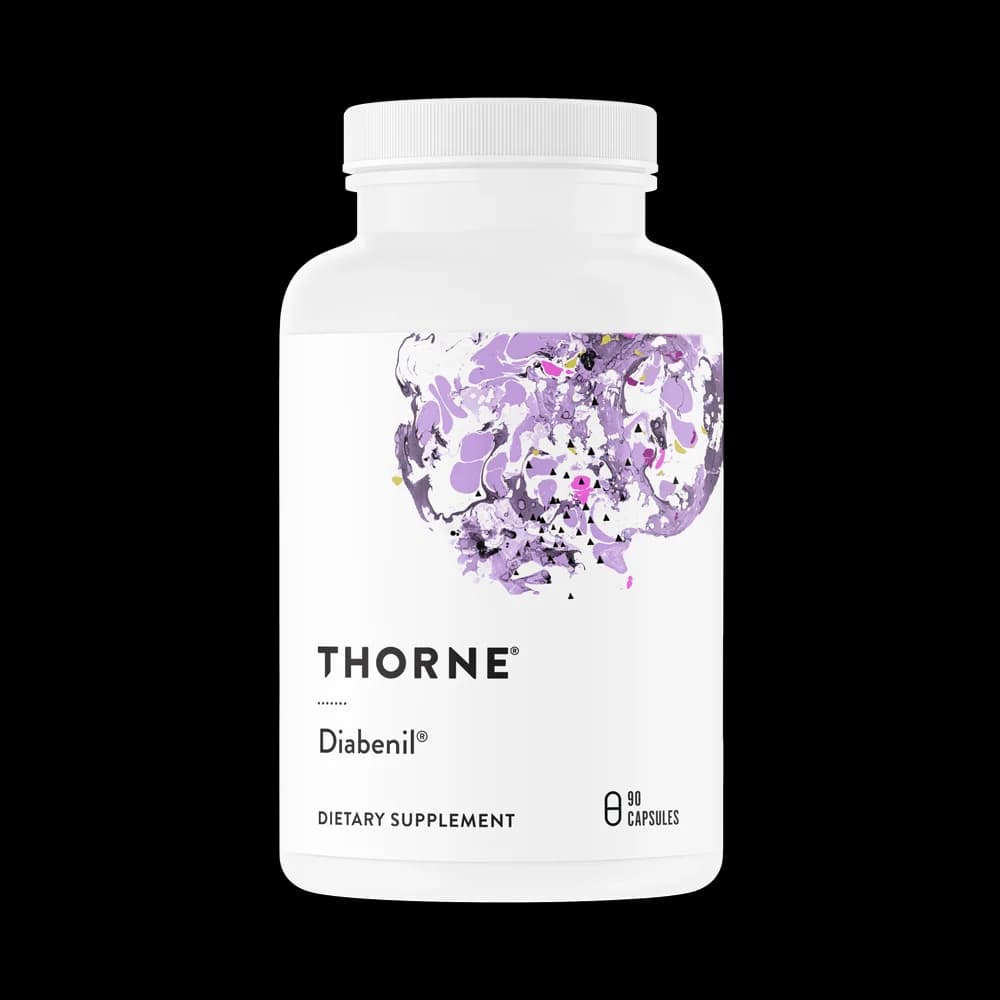
One of the most significant, yet frequently overlooked, underlying factors in these complex chronic conditions is metabolic dysfunction and its cascading effects on the nervous system. When your body's ability to regulate blood sugar, produce cellular energy, and neutralize oxidative stress becomes compromised, it creates a vicious cycle of inflammation and nerve damage. This is where targeted nutritional support can play a crucial role in a comprehensive management plan. Diabenil®, a specialized supplement formulated by Thorne, combines potent botanicals and heavily researched nutrients designed to support healthy blood sugar levels, protect delicate nerve fibers, and promote overall metabolic resilience. In this comprehensive guide, we will explore the intricate science behind Diabenil's key ingredients and examine how they may offer multi-faceted support for individuals navigating the complexities of post-viral syndromes and autonomic dysfunction.
TL;DR
Diabenil® combines botanicals and nutrients to support healthy blood sugar and metabolic function.
Ingredients like Alpha-Lipoic Acid and Quercetin may help protect nerves and support cellular energy.
Targeted metabolic support may help manage symptoms of Long COVID, ME/CFS, and dysautonomia.
Always consult a healthcare provider before starting new supplements, especially if taking medications.
What is Diabenil® and Its Key Nutrients?
A Multi-Targeted Approach to Metabolic Health
Diabenil® is a comprehensive, multi-ingredient nutritional supplement meticulously formulated by Thorne, a highly respected provider of clinical-grade nutraceuticals. While its primary clinical indication is to support healthy blood sugar levels already within a normal range, its unique combination of botanicals and trace minerals offers a much broader spectrum of physiological benefits. Metabolic health is not merely about supporting blood sugar; it is the foundational cornerstone of how every single cell in your body produces, utilizes, and stores energy. When metabolic pathways become dysregulated—a common occurrence in post-viral syndromes—it can lead to systemic inflammation, profound fatigue, and the degradation of delicate tissues throughout the body.
To combat these systemic issues, Diabenil employs a multi-targeted approach. Rather than relying on a single mechanism of action, it combines seven distinct, heavily researched ingredients that work synergistically to address metabolic dysfunction from multiple angles. These ingredients are specifically chosen to enhance insulin sensitivity, block the toxic accumulation of cellular byproducts, and provide robust antioxidant defense for the body's most vulnerable systems. By addressing the root causes of oxidative stress and poor glucose utilization, this formulation aims to help protect against the long-term damage associated with metabolic imbalance.
The Role of Gymnema Sylvestre and Bitter Melon
Two of the foundational botanical ingredients in Diabenil are Gymnema sylvestre and Momordica charantia (commonly known as bitter melon). Gymnema sylvestre is a perennial woody vine native to the tropical regions of India, Africa, and Australia. In traditional Ayurvedic medicine, it has been utilized for over 2,000 years and is famously referred to as "Gurmar," which translates directly to "sugar destroyer." Modern pharmacological research has validated this ancient use, revealing that the plant contains powerful active compounds called gymnemic acids, which possess a remarkable ability to interact with glucose receptors in both the digestive tract and the pancreas.
Bitter melon, similarly, has a rich history of use in traditional medicine across Asia and South America for managing metabolic disorders. This unique botanical contains several bioactive compounds, most notably charantin and a fascinating polypeptide known as p-insulin (or plant insulin). These compounds structurally and functionally mimic the insulin produced by the human body. By incorporating these two potent botanicals, Diabenil provides a dual-action botanical foundation designed to support the body's natural ability to process carbohydrates, maintain healthy hemoglobin A1C levels, and help manage the drastic spikes and crashes in blood sugar that can severely exacerbate chronic fatigue and autonomic instability.
Alpha-Lipoic Acid, Quercetin, and Cellular Defense
Beyond botanical extracts, Diabenil incorporates highly bioavailable forms of essential antioxidants and trace minerals, specifically Alpha-Lipoic Acid (ALA), Quercetin Phytosome, Chromium Picolinate, and Vanadyl Sulfate. Alpha-lipoic acid is a naturally occurring compound that serves as a vital cofactor for mitochondrial enzymes. It is uniquely amphipathic, meaning it is both water-soluble and fat-soluble. This rare characteristic allows ALA to easily cross cellular membranes, penetrate the lipid-rich myelin sheaths that protect your nerves, and cross the blood-brain barrier to deliver potent antioxidant defense exactly where it is needed most.
Quercetin is a naturally occurring flavonoid found in various fruits and vegetables, renowned for its ability to modulate immune responses and strengthen blood vessels. In Diabenil, quercetin is provided in a specialized Phytosome complex, which binds the flavonoid to sunflower phospholipids to dramatically enhance its absorption in the human digestive tract. Together with the trace minerals chromium and vanadyl sulfate—which act as powerful insulin sensitizers at the cellular receptor level—these ingredients form a robust defensive shield. They work in tandem to neutralize free radicals, support healthy cholesterol and triglyceride levels, and help protect against the microvascular damage that often underlies the most debilitating symptoms of complex chronic illnesses.
How Long COVID and Dysautonomia Impact Metabolic and Nerve Health
Viral Infection and the Onset of Insulin Resistance
To understand why a metabolic support supplement like Diabenil might be relevant for post-viral conditions, we must first examine how viruses like SARS-CoV-2 interact with the body's metabolic systems. Emerging research indicates that the virus does not merely affect the respiratory system; it actively infects and damages the endothelial cells that line our blood vessels and the beta cells in the pancreas that are responsible for producing insulin. This direct viral assault, combined with the massive systemic inflammatory response known as a cytokine storm, can fundamentally alter how the body processes glucose, leading to a state of secondary insulin resistance. If you are wondering What Causes Long COVID?, this widespread endothelial and metabolic disruption is believed to be a primary driver.
When your cells become resistant to insulin, they are unable to efficiently absorb glucose from the bloodstream to use as fuel. This leaves the glucose circulating in the blood, causing systemic oxidative stress, while the cells themselves are essentially starving for energy. For patients with Long COVID and ME/CFS, this metabolic gridlock manifests as profound, unyielding fatigue. The body is forced to rely on less efficient, alternative energy pathways that generate excessive amounts of toxic metabolic byproducts. This state of chronic cellular starvation and systemic inflammation creates a highly toxic environment for the delicate tissues of the peripheral nervous system.
Small Fiber Neuropathy and Autonomic Dysfunction
One of the most devastating downstream effects of this metabolic and inflammatory cascade is the development of Small Fiber Neuropathy (SFN). Small fiber nerves are the unmyelinated or thinly myelinated peripheral nerve fibers responsible for transmitting sensory information (like pain and temperature) and regulating autonomic functions (like heart rate, blood pressure, and digestion). Because these nerves are incredibly delicate and require a constant, robust supply of oxygen and cellular energy, they are highly susceptible to damage from oxidative stress and microvascular hypoxia (a lack of oxygenated blood flow).
When these small nerve fibers become damaged or degraded, the autonomic nervous system begins to misfire. In healthy individuals, standing up prompts the small nerve fibers in the legs to signal the blood vessels to constrict, pushing blood back up to the heart and brain. In patients with SFN, this signaling fails, causing blood to pool in the lower extremities. The heart must then beat rapidly to compensate, leading to the severe dizziness, palpitations, and orthostatic intolerance characteristic of Postural Orthostatic Tachycardia Syndrome (POTS). Understanding What Are the Symptoms of Long COVID? often requires looking closely at this intersection of nerve damage and autonomic failure.
The Vicious Cycle of Oxidative Stress and Energy Depletion
The relationship between metabolic dysfunction, nerve damage, and chronic fatigue creates a relentless, self-perpetuating vicious cycle. The initial viral infection triggers inflammation, which causes insulin resistance and oxidative stress. This oxidative stress damages the mitochondria—the powerhouses of the cells—severely limiting their ability to produce adenosine triphosphate (ATP), the fundamental currency of cellular energy. Without sufficient ATP, the body cannot repair the damaged small nerve fibers, leading to worsening autonomic dysfunction and further microvascular hypoxia.
This profound mitochondrial impairment is the biological mechanism underlying post-exertional malaise (PEM), a hallmark symptom where even minor physical or cognitive exertion triggers a massive exacerbation of symptoms and a prolonged "crash." The cellular engines are simply incapable of meeting the energy demands placed upon them. This shared pathophysiology is a major reason why researchers are investigating Can Long COVID Trigger ME/CFS? Unraveling the Connection. Breaking this vicious cycle requires targeted interventions that can simultaneously restore mitochondrial energy production, neutralize oxidative free radicals, and provide the specific biochemical building blocks needed for nerve repair.
Diabenil®: Supporting Blood Sugar, Nerves, and Cellular Energy
Gymnema Sylvestre and Beta-Cell Regeneration
Diabenil's formulation addresses these complex physiological disruptions through several distinct, highly specific mechanisms of action. The first line of defense is provided by Gymnema sylvestre. At the molecular level, the gymnemic acids found in this botanical have an atomic arrangement that closely mimics that of glucose molecules. When ingested, these acids competitively bind to the glucose receptors located on the external layer of the intestine. By physically occupying these receptor sites, gymnemic acids block and significantly delay the absorption of sugar from the digestive tract into the bloodstream, effectively blunting the post-meal blood sugar spikes that drive oxidative stress.
Furthermore, extensive research published in the National Library of Medicine suggests that Gymnema sylvestre goes beyond merely blocking absorption; it actively interacts with the pancreas. Studies indicate that the extract can directly stimulate the release of insulin from the islets of Langerhans. Even more remarkably, both animal and human trials have demonstrated that Gymnema may promote the actual regeneration and revitalization of residual pancreatic beta cells. By restoring the body's endogenous ability to produce and regulate insulin, Gymnema helps stabilize the metabolic foundation required for systemic healing.
Quercetin's Role in Halting Sorbitol Accumulation
To understand how the quercetin in Diabenil protects the nervous system, we must first examine a biochemical process known as the polyol pathway. Under normal, healthy conditions, an enzyme called aldose reductase has a low affinity for glucose and primarily functions to detoxify harmful lipid aldehydes. However, when blood sugar levels remain chronically elevated or metabolic signaling is disrupted, excess glucose is forced into this alternative metabolic route. Once inside the polyol pathway, aldose reductase converts the surplus glucose into a sugar alcohol called sorbitol.
The accumulation of sorbitol is highly destructive to peripheral nerves. Because sorbitol cannot easily pass through cellular membranes, it becomes trapped inside the Schwann cells that form the protective myelin sheath around your nerve fibers. This massive intracellular buildup causes severe osmotic stress, drawing water into the cells and causing them to swell dangerously. This process depletes the cell's natural antioxidant reserves, leading to oxidative damage, demyelination, and the burning nerve pain characteristic of peripheral neuropathy.
This is where quercetin acts as a highly potent, natural therapeutic. Extensive molecular research demonstrates that quercetin acts as an Aldose Reductase Inhibitor (ARI). By selectively binding to the specificity region of the aldose reductase enzyme, quercetin effectively halts the conversion of glucose into sorbitol without interfering with the enzyme's necessary detoxification duties.
Alpha-Lipoic Acid for Nerve Repair and ATP Production
Alpha-Lipoic Acid (ALA) is arguably one of the most critical components of Diabenil for patients dealing with post-viral autonomic dysfunction. Because ALA is both water- and fat-soluble, it can easily penetrate the lipid-rich myelin sheaths of peripheral nerves that have been damaged by microvascular hypoxia. Once inside the nerve tissue, ALA acts as a powerful scavenger of reactive oxygen species (ROS), neutralizing the free radicals that drive neuroinflammation. It significantly lowers the production of pro-inflammatory cytokines like Tumor Necrosis Factor-alpha (TNF-alpha) and Interleukin-6 (IL-6), which helps alleviate the burning, stabbing, and tingling nerve pain associated with small fiber neuropathy.
Beyond its antioxidant capabilities, ALA plays an indispensable role in cellular energy metabolism. It acts as an essential enzymatic cofactor for the Pyruvate Dehydrogenase Complex within the mitochondria—a critical step in the Krebs cycle. By unblocking these energy pathways, ALA directly increases the cellular synthesis of adenosine triphosphate (ATP). For patients suffering from the crushing fatigue and post-exertional malaise of ME/CFS and Long COVID, restoring this mitochondrial ATP production is absolutely essential for overcoming cellular exhaustion and facilitating the repair of damaged autonomic nerve fibers.
Vanadyl Sulfate and the Amplification of Insulin Signaling
The final piece of Diabenil's mechanistic puzzle involves the trace minerals, particularly vanadyl sulfate. Vanadyl sulfate improves glycemic control and metabolic health through a profound "insulin-mimetic" mechanism. It does not increase the secretion of insulin; rather, it drastically alters how cells respond to the insulin that is already present in the bloodstream. It achieves this primarily by inhibiting protein tyrosine phosphatases, specifically an enzyme known as PTP-1B. PTPases act as "off switches" for insulin signaling, removing phosphate groups from insulin receptors and shutting down the cell's ability to absorb glucose.
By inhibiting PTP-1B, vanadyl sulfate effectively removes the brakes from the insulin signaling cascade. This activation triggers the translocation of GLUT4 glucose transporters to the cellular membrane, allowing glucose to finally enter muscle and fat cells to be used for energy. Simultaneously, vanadyl sulfate suppresses hepatic gluconeogenesis, helping to manage the liver's overproduction of new glucose and further contributing to systemic metabolic gridlock.

Symptoms Diabenil® May Help Manage
Neurological and Autonomic Symptoms
Burning, Tingling, or Numbness in Extremities: By providing Alpha-Lipoic Acid to reduce lipid peroxidation and Quercetin to inhibit toxic sorbitol accumulation, Diabenil directly targets the oxidative stress that degrades the myelin sheaths of peripheral nerves, helping to alleviate the painful sensations of small fiber neuropathy.
Orthostatic Intolerance and POTS Dizziness: The repair of small, unmyelinated autonomic nerve fibers facilitated by ALA helps restore the body's ability to properly constrict blood vessels upon standing, reducing the blood pooling and rapid heart rate that cause severe dizziness and pre-syncope in dysautonomia patients.
Brain Fog and Cognitive Dysfunction: Because Alpha-Lipoic Acid easily crosses the blood-brain barrier, it helps suppress the hyperactive microglial cells that drive neuroinflammation in the central nervous system, potentially alleviating the cognitive slowing, memory issues, and profound brain fog associated with post-viral syndromes.
Metabolic and Energy Symptoms
Post-Meal Fatigue Crashes: The gymnemic acids in Gymnema sylvestre physically block the rapid absorption of glucose in the intestinal tract, blunting the severe blood sugar spikes and subsequent reactive hypoglycemic crashes that leave patients feeling exhausted and lethargic after eating.
Intense Sugar Cravings: Gymnema sylvestre temporarily binds to the T1R2 and T1R3 sweet taste receptors on the tongue, suppressing the ability to taste sweetness. This unique mechanism helps curb intense neurological cravings for high-sugar foods that exacerbate systemic inflammation.
Post-Exertional Malaise (PEM) and Cellular Exhaustion: By acting as a critical cofactor for the Pyruvate Dehydrogenase Complex in the mitochondria, Alpha-Lipoic Acid unblocks stalled metabolic pathways, directly increasing the synthesis of ATP and providing the cellular energy required to raise the threshold for exertion-induced crashes.
Stubborn Weight Gain and Lipid Imbalances: The combination of bitter melon (which activates the AMPK energy pathway) and vanadyl sulfate (which amplifies insulin signaling) helps combat secondary insulin resistance, promoting the utilization of glucose for energy rather than its storage as fat, while supporting healthy cholesterol and triglyceride levels.
Practical Considerations: Forms, Dosing, and Absorption
Understanding Phytosome Technology and Bioavailability
When evaluating any nutritional supplement, understanding its bioavailability—the proportion of the active ingredient that actually enters systemic circulation and reaches the target tissues—is just as important as the ingredients themselves. Traditional quercetin, for example, is notoriously poorly absorbed by the human gastrointestinal tract. If you take standard quercetin powder, a significant majority of it is metabolized and excreted before it can ever reach your peripheral nerves or blood vessels to provide antioxidant defense.
To overcome this significant biological hurdle, Thorne utilizes a specialized, patented delivery system known as Quercetin Phytosome. In this advanced formulation, the quercetin extract (derived from Sophora japonica flowers) is bound to a phospholipid complex sourced from sunflowers. Because human cellular membranes are primarily composed of phospholipids, the digestive tract recognizes and absorbs this phytosome complex with remarkable efficiency. Clinical pharmacokinetic studies demonstrate that phytosome-bound quercetin can be up to 20 times more bioavailable than standard quercetin extracts, ensuring that the therapeutic compounds actually reach the Schwann cells and endothelial tissues where they are needed to inhibit aldose reductase and help manage sorbitol accumulation.
Optimal Dosing and Timing Strategies
The suggested use for Diabenil is to take 2 capsules two times daily, or as recommended by your health-care practitioner. Because this supplement is specifically designed to modulate glucose absorption and amplify insulin signaling, the timing of your doses is a critical factor in maximizing its efficacy. It is generally most effective when taken approximately 15 to 30 minutes before your largest meals of the day. This timing allows the gymnemic acids to coat the intestinal receptors and prepare the metabolic pathways to efficiently handle the incoming influx of carbohydrates, thereby blunting postprandial blood sugar spikes.
Consistency is also paramount when utilizing metabolic and neuroprotective supplements. The repair of damaged myelin sheaths and the regeneration of pancreatic beta cells are slow, metabolically demanding processes that do not happen overnight. While some patients may notice a reduction in post-meal fatigue or sugar cravings within the first few weeks, the profound structural benefits—such as improvements in nerve conduction velocity, reductions in burning neuropathic pain, and stabilization of autonomic POTS symptoms—typically require a minimum of 8 to 12 weeks of continuous, daily supplementation to become clinically apparent.
Potential Interactions and Safety Precautions
While Diabenil is formulated with naturally occurring botanicals and nutrients, its potent effects on blood sugar regulation require careful consideration, particularly for patients who are already taking prescribed medications. Because ingredients like Gymnema sylvestre, bitter melon, and vanadyl sulfate are highly effective at lowering blood glucose and increasing insulin sensitivity, combining Diabenil with standard oral hypoglycemic agents (such as Metformin or Sulfonylureas) or exogenous insulin injections can cause blood sugar levels to drop too low, resulting in clinical hypoglycemia. If you are on prescription diabetes medications, you must consult your endocrinologist or primary care physician to appropriately monitor your blood sugar and potentially adjust your pharmaceutical dosages.
Additionally, this product carries a specific contraindication for pregnancy. If you are pregnant or nursing, you should consult your health-care practitioner before using this product, as the effects of potent metabolic modulators on fetal development require strict medical oversight. Furthermore, while the 3 mg of vanadyl sulfate in Diabenil is considered a safe, low-dose therapeutic amount, vanadium is a trace heavy metal. Patients with pre-existing severe kidney or liver disease should discuss the use of vanadium-containing supplements with their doctor to ensure safe clearance and help avoid unwanted tissue accumulation over long-term use.

Follow the Science: Clinical Trials and Research
Clinical Evidence for Alpha-Lipoic Acid in Post-Viral Syndromes
The clinical validation for Alpha-Lipoic Acid in the context of post-viral autonomic dysfunction is highly compelling and rapidly expanding.
The cornerstone SYDNEY 2 Trial published in Diabetes Care demonstrated that a 600 mg daily oral dose of ALA reduced general neuropathic symptoms—such as burning, aching, and numbness—by roughly 50% in patients with autonomic neuropathy, providing a strong evidence base for its use in repairing the small nerve fibers implicated in POTS.
Quercetin and Gymnema in Diabetic Neuropathy and Glycemic Control
The specific mechanisms by which quercetin protects the nervous system have also been explored in laboratory settings.
Similarly, the blood-sugar-lowering capabilities of Gymnema sylvestre have been confirmed across numerous human trials. A comprehensive 2021 meta-analysis by Devangan et al. reviewed 10 studies encompassing 419 participants with metabolic dysfunction. The analysis concluded that Gymnema supplementation resulted in highly significant, measurable reductions in fasting blood glucose, postprandial blood glucose, and glycated hemoglobin (HbA1c) compared to baseline measurements, validating its historical reputation as a profound metabolic stabilizer.
The Complex Reality of Bitter Melon and Vanadyl Sulfate Trials
While the preclinical data for vanadyl sulfate is fascinating, robust human clinical evidence specifically evaluating its insulin-sensitizing power remains limited.
The clinical data regarding Momordica charantia (bitter melon), however, highlights the importance of nuanced interpretation. While a 2018 meta-analysis in Pharmacognosy Magazine reported statistically significant reductions in fasting blood sugar and HbA1c, a more recent, stricter 2024 systematic review in Frontiers in Nutrition found highly mixed results, suggesting that bitter melon's definitive efficacy as a standalone treatment is difficult to establish due to variations in extract quality and study duration. This underscores exactly why Diabenil utilizes bitter melon as part of a synergistic, multi-ingredient complex rather than relying on it as a solitary "magic bullet."
The Path Forward
Validating the Complexity of Chronic Illness
Living with a complex chronic illness like Long COVID, ME/CFS, or dysautonomia is an incredibly demanding and often isolating experience. When your nervous system is misfiring and your cellular energy is depleted, simply getting through the day can feel like an insurmountable task. It is entirely valid to feel frustrated by the slow pace of recovery and the lack of simple, definitive answers in modern medicine. Understanding How Can You Live with Long-Term COVID requires immense patience, self-compassion, and a willingness to explore the intricate, interconnected systems of your own biology.
It is crucial to remember that there are no magic cures or overnight fixes for post-viral metabolic dysfunction and small fiber neuropathy. Healing damaged myelin sheaths, regenerating pancreatic beta cells, and restoring mitochondrial ATP production are biological processes that require time, consistency, and the right biochemical building blocks. Acknowledging the profound physiological reality of your symptoms—validating that your fatigue and nerve pain are rooted in measurable oxidative stress and cellular starvation, not anxiety—is the first, most important step toward reclaiming your quality of life.
Integrating Targeted Supplementation into Your Care Plan
Supplements like Diabenil are powerful tools, but they are most effective when utilized as one piece of a comprehensive, holistic management strategy. Addressing the root causes of autonomic dysfunction requires a multi-faceted approach that includes aggressive pacing to help manage post-exertional crashes, meticulous symptom tracking to identify your unique triggers, and working closely with a knowledgeable healthcare provider. If you are struggling to navigate the medical system, learning How Does a Doctor Diagnose Long COVID? can help you advocate for the specific autonomic and metabolic testing you need to tailor your treatment plan.
Before introducing any new supplement into your regimen, especially one with potent metabolic effects like Diabenil, it is imperative to consult with your primary care physician, neurologist, or a specialist who deeply understands complex chronic conditions. They can help you evaluate potential interactions with your current medications, determine the optimal dosing strategy for your specific metabolic profile, and monitor your progress through targeted blood panels and autonomic assessments.