Can DGL Support Gut Health and Mucosal Healing in Long COVID?
March 6, 2026
DGLLong COVIDGastrointestinal Health
Share:
Disclaimer: The information provided here is for educational purposes only and is not intended as medical advice. It should not be used to diagnose, treat, cure, or prevent any medical condition. Instead, use it as a starting point for discussion with your healthcare provider. Always consult with a qualified healthcare provider before starting any new medication, supplement, device, or making changes to your health regimen.
Months or even years after an initial SARS-CoV-2 infection, many individuals find themselves battling a relentless array of symptoms that seem to affect every system in their body. While respiratory issues and profound fatigue are well-known hallmarks of Long COVID, a significant portion of patients also struggle with debilitating, persistent gastrointestinal distress. From chronic nausea and unpredictable bowel habits to severe acid reflux and abdominal pain, these digestive symptoms are not merely a side effect of stress; they are deeply rooted in physiological damage. The gastrointestinal tract is a primary target for the virus, leading to profound disruptions in the gut microbiome and the critical mucosal barrier that protects our internal environment.
For patients navigating complex chronic conditions like Long COVID, myalgic encephalomyelitis/chronic fatigue syndrome (ME/CFS), and dysautonomia, healing the gut is often a foundational step toward systemic recovery. When the intestinal lining is compromised—a state commonly referred to as "leaky gut"—it triggers a cascade of widespread inflammation that can exacerbate brain fog, trigger mast cell activation, and drain cellular energy. Addressing this root cause requires targeted, scientifically backed interventions that go beyond temporary symptom relief. Deglycyrrhizinated licorice (DGL), combined with synergistic botanicals like marshmallow root and aloe vera, offers a powerful, natural mechanism for repairing the mucosal barrier, soothing inflamed tissues, and restoring gastrointestinal homeostasis.
What is DGL (Deglycyrrhizinated Licorice)?
The Power of Licorice Root Without the Risks
Licorice root (Glycyrrhiza glabra) has been utilized for centuries in traditional medicine systems across the globe to soothe digestive discomfort and heal respiratory ailments. However, in its natural, whole form, licorice root contains a highly active compound known as glycyrrhizin or glycyrrhizic acid. While glycyrrhizin possesses potent medicinal properties, it acts as a strong inhibitor of the enzyme responsible for metabolizing the stress hormone cortisol. When taken in high doses or over extended periods, this leads to elevated cortisol levels that bind to mineralocorticoid receptors, mimicking the hormone aldosterone. This biochemical cascade forces the kidneys to retain excessive amounts of sodium and water while dangerously depleting potassium levels, a condition known as hypokalemia. Consequently, chronic consumption of standard licorice root can result in severe secondary hypertension, edema, and dangerous cardiac arrhythmias, making it unsafe for long-term gastrointestinal therapy.
To harness the profound healing benefits of licorice root without these dangerous cardiovascular and steroidal side effects, scientists developed a specialized extraction process to create Deglycyrrhizinated Licorice (DGL). Through a meticulous aqueous extraction and precipitation process, the glycyrrhizin content is actively stripped away, leaving behind a highly concentrated profile of the root's beneficial bioactive compounds. Proper DGL preparations are standardized to contain less than 1% to 3% glycyrrhizin, effectively eliminating the risk of blood pressure spikes and potassium loss. This critical modification transforms a potentially risky herb into a remarkably safe, long-term therapeutic agent for chronic gastrointestinal management, allowing patients to utilize it daily without fear of exacerbating underlying dysautonomia or cardiovascular symptoms.
What remains after deglycyrrhizination is a rich matrix of powerful flavonoids, isoflavonoids, and mucilage. These compounds are the true engines of licorice root's tissue-healing capabilities. Instead of acting as a systemic steroid, DGL functions as a targeted therapy for the gastrointestinal mucosal lining. The mucosal lining is the body's ultimate gatekeeper, a delicate single layer of epithelial cells covered in a protective gel that separates the contents of the digestive tract from the systemic bloodstream. By delivering concentrated flavonoids directly to this barrier, DGL actively supports the regeneration of damaged epithelial cells, neutralizes localized oxidative stress, and provides a soothing, demulcent effect that calms raw, inflamed tissues from the esophagus down to the intestines.
The GutGard® Difference: Targeted Flavonoids
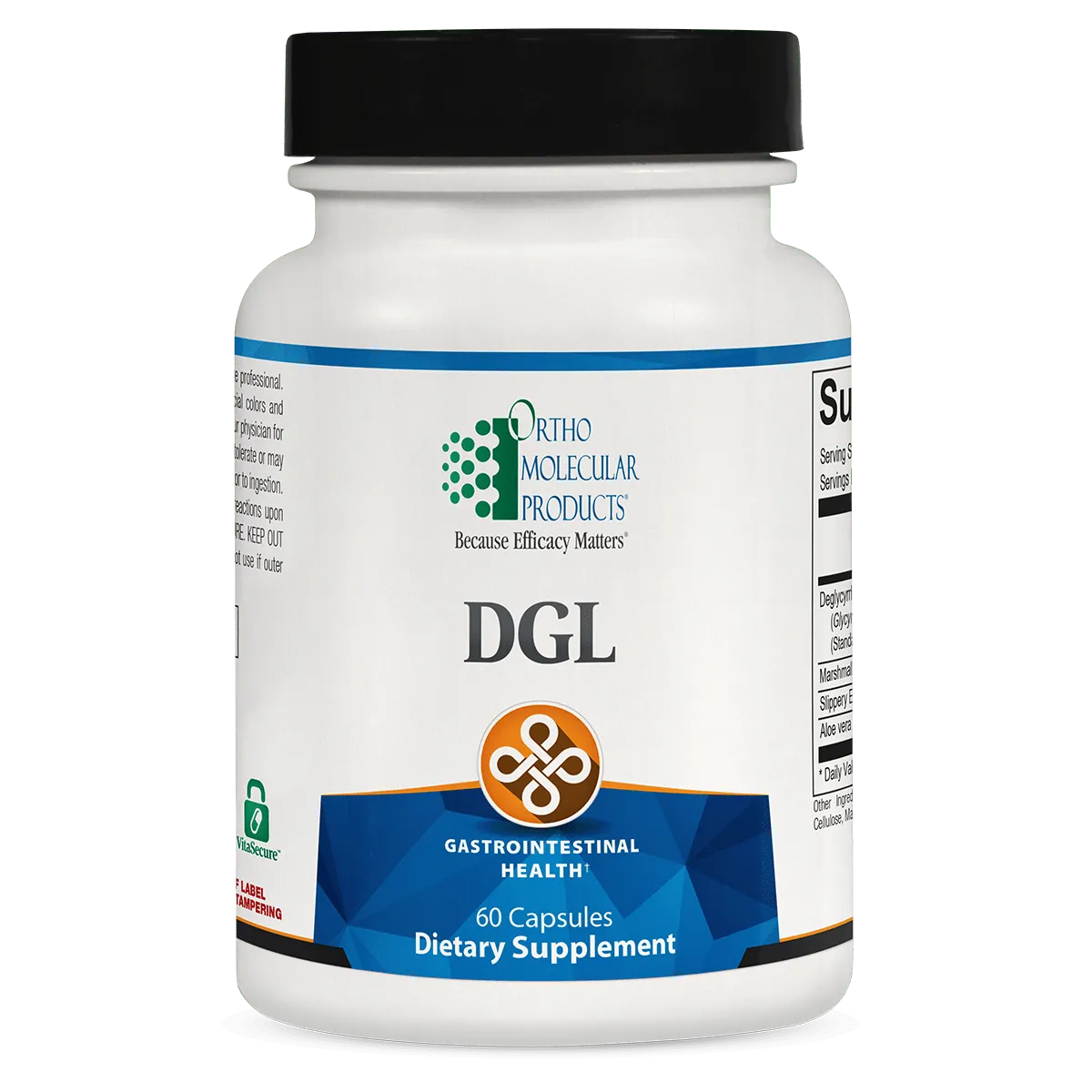
Not all DGL supplements are created equal, and the specific formulation plays a massive role in clinical efficacy. This specific product utilizes GutGard®, a patented, clinically researched, and highly standardized extract of Glycyrrhiza glabra. Unlike traditional DGL powders that often require chewing to mix with salivary enzymes for upper digestive relief, GutGard is uniquely engineered through a gentle extraction process to be highly effective in capsule form. It is rigorously standardized to contain a minimum of 10% total flavonoids, including a potent concentration of glabridin (≥3.5%), while keeping glycyrrhizin levels strictly below 0.5%. This high concentration of active flavonoids ensures that the extract can survive the digestive process and deliver targeted, therapeutic action throughout the entire gastrointestinal tract, not just the stomach.
The flavonoids within GutGard operate at a profound molecular level to restore gut health. Glabridin and liquiritigenin, two of the primary flavonoids, are powerful antioxidants that actively scavenge free radicals and prevent lipid peroxidation within the delicate cell membranes of the intestinal lining. Furthermore, these compounds downregulate the expression of pro-inflammatory cytokines and inhibit the Cyclooxygenase (COX) and Lipoxygenase (LOX) inflammatory pathways. By halting this localized inflammatory cascade, GutGard essentially puts out the microscopic fires burning within the gut mucosa, creating an environment where cellular repair and regeneration can finally outpace tissue destruction.
Beyond its anti-inflammatory prowess, the GutGard extract has demonstrated remarkable targeted antimicrobial properties. Specifically, the flavonoids in GutGard have been shown to disrupt the protein synthesis and enzymatic activity (such as DNA gyrase) of Helicobacter pylori, a pathogenic bacterium notorious for destroying the mucosal barrier and causing peptic ulcers. Crucially, while it inhibits the proliferation of this destructive pathogen, GutGard does not exhibit the broad-spectrum, scorched-earth effects of traditional pharmaceutical antibiotics. It preserves the beneficial commensal bacteria of the microbiome, making it an ideal intervention for patients whose gut flora is already compromised by chronic illness or previous antibiotic usage.
The Synergistic Botanical Blend
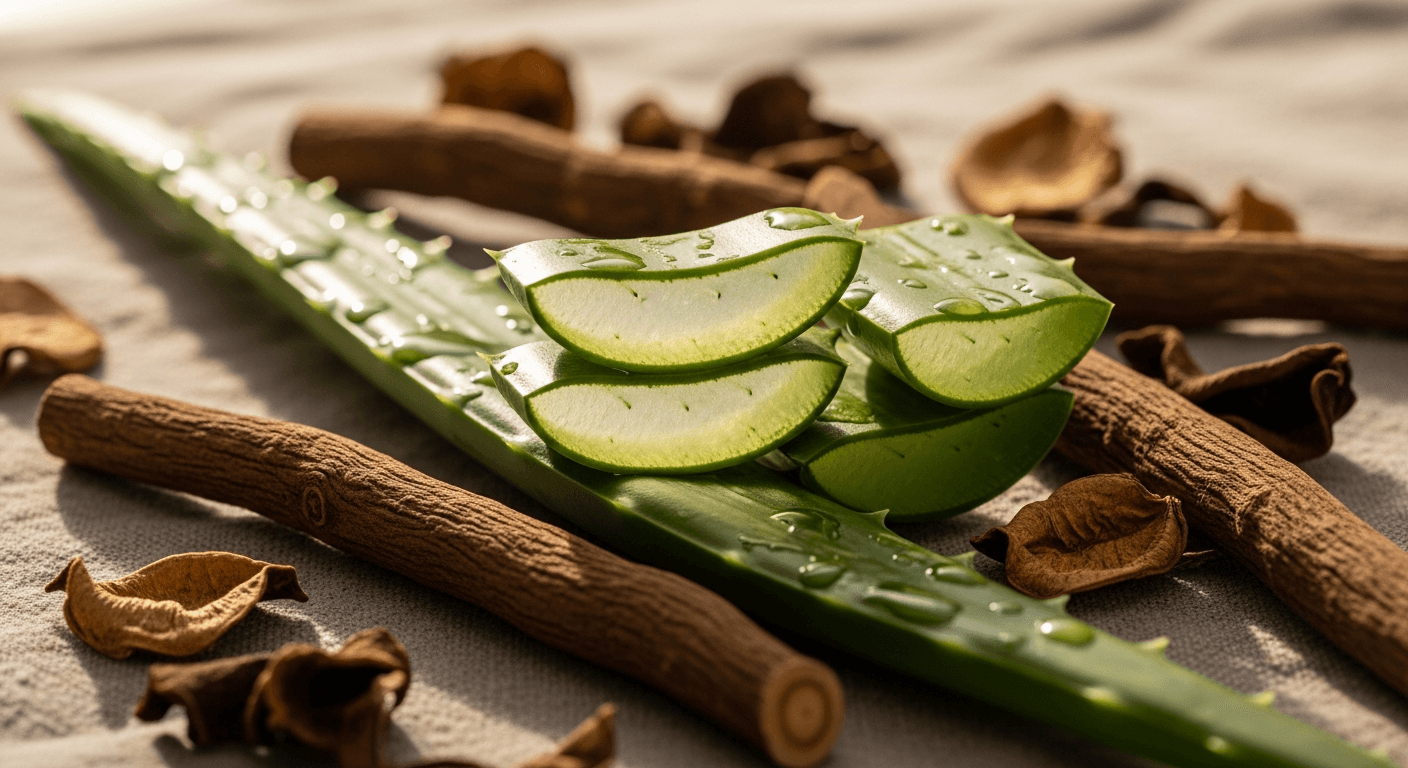
While GutGard DGL provides powerful flavonoid-driven repair, this formulation is significantly enhanced by the inclusion of a synergistic botanical blend designed to physically coat and protect the GI tract. Marshmallow Root (Althaea officinalis) and Slippery Elm Bark (Ulmus rubra), included at 150 mg each, are foundational herbs in naturopathic gastroenterology known as demulcents. These botanicals are incredibly rich in mucilage—complex, gel-like polysaccharides that become highly viscous when exposed to water. When ingested, this mucilage forms a thick, bioadhesive physical barrier over the gastric and intestinal mucosa. This biomimetic bandage effectively shields the delicate, underlying epithelial cells from the harsh acidity of stomach acid, abrasive food particles, and localized inflammatory triggers, giving the tissue the uninterrupted time it needs to heal.
The final key ingredient in this comprehensive formula is Aloe vera Leaf Gel Extract (100 mg). While aloe is widely recognized for its soothing properties on sunburned skin, its internal biological effects on the gut are far more complex. The inner leaf gel of the aloe plant contains highly bioactive polysaccharides, primarily acemannan. Research demonstrates that these specific polysaccharides go beyond mere physical soothing; they act as profound cellular signaling molecules. Acemannan actively stimulates fibroblasts, the cells responsible for synthesizing the extracellular matrix and collagen, directly aiding in the structural repair of ulcerated or eroded mucosal tissue.
Together, these four ingredients—GutGard DGL, Marshmallow Root, Slippery Elm, and Aloe vera—create a multi-layered defense and repair system for the gastrointestinal tract. The mucilaginous herbs provide immediate physical shielding and soothing relief, the aloe vera stimulates deep cellular and structural regeneration, and the DGL flavonoids neutralize inflammation and combat pathogenic overgrowth. This synergistic approach ensures that all aspects of mucosal barrier dysfunction are addressed simultaneously, offering a comprehensive therapeutic tool for patients struggling with complex, chronic digestive disorders.
How Long COVID Impacts the Gastrointestinal System
Viral Persistence and ACE2 Receptor Disruption
To understand why gastrointestinal symptoms are so prevalent and stubborn in chronic post-viral illnesses, we must look at how the virus interacts with the gut at a cellular level. SARS-CoV-2, the virus responsible for COVID-19, gains entry into human cells by binding to Angiotensin-Converting Enzyme 2 (ACE2) receptors. While much of the early pandemic focus was on the lungs, ACE2 receptors are actually expressed in significantly higher concentrations in the epithelial cells lining the small intestine and colon. When the virus binds to these receptors, it actively downregulates their expression, stripping the gut of a crucial regulatory mechanism. ACE2 is not just a viral doorway; it plays a vital role in regulating intestinal amino acid transport, maintaining the ecology of the gut microbiome, and promoting the production of antimicrobial peptides that keep pathogens in check. When ACE2 function is lost, the gut's natural homeostasis immediately collapses.
This initial viral assault often transitions into a chronic state known as viral persistence. Researchers have consistently detected SARS-CoV-2 genetic material (RNA) and viral antigens hidden deep within the feces and intestinal tissues of Long COVID patients many months, or even years, after their acute respiratory symptoms have resolved. The gastrointestinal tract effectively serves as a long-term viral reservoir. This hidden reservoir continuously sheds viral proteins, which chronically stimulates the local immune system in the gut-associated lymphoid tissue (GALT). This relentless immune activation exhausts T-cells and B-cells and drives a continuous, vicious cycle of localized inflammation that prevents the gut lining from ever fully healing, explaining the persistence of Gastrointestinal Symptoms Seen with Long COVID.
The Breakdown of the Mucosal Barrier (Leaky Gut)
The chronic inflammation driven by viral persistence and ACE2 downregulation leads directly to the physical breakdown of the intestinal mucosal barrier, a condition commonly referred to as increased intestinal permeability or "leaky gut." The mucosal barrier is designed to be a highly selective filter, absorbing essential nutrients and water while strictly blocking the passage of toxins, undigested food particles, and harmful microbes. This selectivity is maintained by "tight junctions," complex protein structures (like Zonula Occludens-1) that bind the epithelial cells tightly together. However, under the constant barrage of viral-induced inflammatory cytokines, these tight junctions begin to degrade and pull apart, leaving microscopic gaps in the intestinal wall.
When the mucosal barrier fails, the consequences extend far beyond the digestive tract. The microscopic gaps allow microbial products—most notably lipopolysaccharides (LPS), which are toxic components of bacterial cell walls—to leak out of the gut lumen and directly into the systemic blood circulation. This process, known as microbial translocation, is a massive trigger for the systemic immune system. The presence of LPS in the bloodstream signals to the body that it is under severe bacterial attack, triggering a widespread, systemic inflammatory response. Studies have frequently found elevated levels of microbial translocation markers, such as lipopolysaccharide-binding protein (LBP), in the blood of Long COVID patients, directly correlating the severity of their "leaky gut" to their overall symptom burden.
Microbiome Dysbiosis and the Gut-Brain Axis
Simultaneous to the physical breakdown of the barrier, the actual composition of the gut microbiome undergoes a radical and detrimental shift, known as dysbiosis. In healthy individuals, the microbiome is rich in beneficial bacteria that ferment dietary fibers into short-chain fatty acids (SCFAs), particularly butyrate. Butyrate is the primary fuel source for the cells lining the colon and is absolutely essential for maintaining tight junction integrity and suppressing excess inflammation. In Long COVID and ME/CFS, researchers have identified a profound and persistent depletion of these crucial SCFA-producing bacteria, such as Faecalibacterium prausnitzii and Bifidobacterium species. Without adequate butyrate, the gut lining starves, further accelerating the breakdown of the mucosal barrier and allowing opportunistic, pro-inflammatory pathobionts to overgrow and dominate the microbial landscape.
This toxic combination of dysbiosis and a leaky mucosal barrier heavily impacts the central nervous system through the gut-brain axis. The systemic inflammation triggered by translocated LPS and circulating cytokines can cross the blood-brain barrier, leading to severe neuroinflammation. Furthermore, the depletion of beneficial gut bacteria disrupts the microbial production of essential neurotransmitter precursors, such as tryptophan metabolites, which are vital for serotonin and dopamine synthesis. This profound gut-brain disruption is heavily implicated in the debilitating neuropsychiatric symptoms of chronic illness, providing a clear physiological explanation for why patients experience intense brain fog, severe cognitive fatigue, anxiety, and memory loss. Understanding this connection is crucial when exploring What Causes Long COVID? and why healing the gut is a mandatory step in treating the brain.
DGL and Botanicals: Supporting Mucosal Repair
Stimulating Endogenous Mucus and Prostaglandins
Unlike conventional acid-blocking medications (such as proton pump inhibitors or H2 blockers) that simply suppress the stomach's natural acid production, DGL works by actively stimulating and fortifying the body’s innate defense mechanisms. One of its primary mechanisms of action is the regulation of prostaglandins within the gastrointestinal tract. Prostaglandins are vital lipid compounds that control inflammation, blood flow, and tissue repair. DGL actively inhibits the specific enzymes (like 15-hydroxyprostaglandin dehydrogenase) that degrade these beneficial prostaglandins, allowing for sustained, localized concentrations of these healing lipids directly at the site of mucosal damage.
By maintaining high local levels of prostaglandins, DGL triggers a cascade of restorative physiological responses. First, it significantly increases the microcirculation of nutrient-rich blood to the damaged gastric and intestinal mucosa. This enhanced blood supply delivers the oxygen and building blocks required for rapid cellular regeneration. Second, and most importantly, it accelerates the differentiation of glandular cells and increases both the number of mucus-producing goblet cells and the total volume of mucin secreted per cell. This creates a robust, thick, gel-like mucosal barrier that physically coats the stomach and intestinal lining, providing an impenetrable shield against hydrochloric acid, pepsin, and inflammatory cytokines.
The inclusion of Slippery Elm Bark in this formulation perfectly complements DGL's mucus-stimulating properties. Slippery elm possesses unique nerve-stimulating capabilities within the digestive tract. As the herb passes through the gastrointestinal lumen, it gently stimulates the local enteric nerve endings. This mechanical and chemical stimulation sends direct signals to the body's own goblet cells, prompting them to ramp up the secretion of natural, endogenous mucus. By combining the prostaglandin-sparing effects of DGL with the nerve-stimulating effects of slippery elm, the body is given a powerful, dual-action command to rebuild its protective mucosal shield from the inside out.
Physical Demulcent Coating and Tight Junction Restoration
While the body works to upregulate its own mucus production, the mucilaginous herbs in this formula provide immediate, exogenous physical protection. Both Marshmallow Root and Slippery Elm act as powerful demulcents. Their complex polysaccharides absorb water to form a highly viscous, bioadhesive gel that physically coats the entire gastrointestinal tract. This soothing layer acts as a temporary, biomimetic bandage over ulcerated, eroded, or inflamed tissues. By physically separating the delicate epithelial cells from the harsh, acidic, and antigen-rich environment of the gut lumen, this demulcent coating immediately reduces localized pain and burning sensations while providing the structural peace necessary for tight junctions to begin repairing themselves.
Simultaneously, the Aloe vera Leaf Gel Extract operates at a deep, cellular level to actively rebuild the broken tight junctions characteristic of a "leaky gut." Recent molecular research has demonstrated that the specific acemannan polysaccharides found in processed aloe vera gel activate the MAPK/ERK cellular signaling pathway. This activation inhibits translation repressors within the cell, leading to a direct, measurable increase in the translation and expression of Zonula Occludens-1 (ZO-1). ZO-1 is a critical scaffold protein that physically anchors and holds the tight junctions together between adjacent intestinal cells. By upregulating ZO-1 production, aloe vera actively stitches the microscopic gaps in the intestinal wall back together.
This combination of physical shielding and cellular scaffolding is the ultimate antidote to intestinal permeability. The mucilage from marshmallow and slippery elm stops the immediate inflammatory damage by blocking irritants, while the aloe vera and DGL flavonoids work beneath the surface to rebuild the structural integrity of the barrier. As the tight junctions are restored and the microscopic leaks are sealed, the devastating cycle of microbial translocation (LPS leaking into the bloodstream) is finally halted. This localized gut repair translates directly into a reduction of systemic, body-wide inflammation, easing the burden on the hyperactive immune systems of patients with Long COVID and ME/CFS.
Modulating the Gut Microbiome and Combating Pathogens
Beyond repairing the physical barrier, this botanical blend actively works to correct the severe microbiome dysbiosis that drives chronic gut symptoms. The GutGard DGL extract possesses potent, targeted antimicrobial properties. Clinical studies have shown that its high concentration of flavonoids, particularly glabridin, can directly disrupt the protein synthesis and DNA replication of pathogenic bacteria like Helicobacter pylori. By significantly reducing the gastric load of these destructive pathobionts, DGL removes a primary source of continuous mucosal damage and localized inflammation, allowing the tissue to heal without the constant threat of bacterial erosion. Crucially, it achieves this without wiping out the beneficial commensal flora, unlike broad-spectrum pharmaceuticals.
Furthermore, the complex carbohydrates found in Slippery Elm and Aloe vera act as highly effective prebiotics. These specific mucilaginous polysaccharides resist early digestion and travel to the lower intestine, where they serve as a premium food source for beneficial, commensal bacteria. As the gut microbiota ferments these prebiotics, they produce abundant quantities of Short-Chain Fatty Acids (SCFAs), particularly butyrate. Since butyrate is the primary fuel source for colonocytes and is essential for maintaining tight junction integrity, feeding the microbiome with these specific botanicals creates a positive feedback loop of healing. By simultaneously suppressing pathogens with DGL and feeding beneficial SCFA-producers with mucilage, this comprehensive formula helps restore the delicate ecological balance of the gastrointestinal tract.
Symptoms DGL May Help Manage
Targeting Gastrointestinal Distress
By actively repairing the mucosal barrier, stimulating protective mucus secretion, and reducing localized inflammation, DGL and its synergistic botanicals can help manage a wide array of debilitating digestive symptoms:
Acid Reflux, Heartburn, and GERD: The mucilage from slippery elm and marshmallow root forms a bioadhesive coating over the esophageal lining, protecting it from regurgitated stomach acid, while DGL accelerates the healing of acid-damaged tissues without suppressing necessary digestive acids.
Abdominal Pain and Cramping: The potent anti-inflammatory flavonoids in GutGard downregulate COX and LOX inflammatory pathways, significantly reducing the low-grade mucosal inflammation that triggers visceral hypersensitivity and painful cramping.
Nausea and Functional Dyspepsia: By promoting smoother digestive flow, normalizing gastric emptying, and eradicating pathogenic overgrowth like H. pylori, DGL helps alleviate the chronic indigestion, early satiety, and persistent nausea associated with functional dyspepsia.
Unpredictable Bowel Habits (Diarrhea/Constipation): The prebiotic fibers in aloe vera and slippery elm help restore microbiome balance and SCFA production, which regulates colon motility and improves stool consistency.
Addressing Systemic and Gut-Brain Symptoms
Because the gut mucosal barrier acts as the gatekeeper for the entire systemic immune system, repairing "leaky gut" with DGL can have profound downstream effects on symptoms that seem entirely unrelated to digestion:
Brain Fog and Cognitive Dysfunction: By sealing the tight junctions and stopping the translocation of microbial toxins (LPS) into the bloodstream, DGL helps halt the systemic inflammatory cascade that crosses the blood-brain barrier, thereby reducing neuroinflammation and improving cognitive clarity.
Post-Exertional Malaise (PEM) and Severe Fatigue: A compromised gut lining forces the immune system into a state of constant, energy-draining hyperactivation. By restoring the barrier, the immune burden is lifted, preserving vital cellular energy (ATP) for the rest of the body. Furthermore, a healed gut absorbs nutrients far more efficiently, combating the cellular starvation often seen in ME/CFS.
Food Sensitivities and MCAS Triggers: In a leaky gut, undigested food proteins slip into the bloodstream, triggering mast cells to release histamine and causing severe food reactivities. By rebuilding the physical barrier with aloe vera and DGL, these proteins are kept safely within the digestive tract, calming mast cell hyper-reactivity and reducing systemic allergic responses.
Practical Considerations: Forms, Dosing, and Absorption
Understanding the GutGard® Extract and Formulation
When considering DGL supplementation, the specific form and formulation are critical to its success. Historically, DGL has been most commonly available as chewable tablets. The rationale was that the DGL needed to mix with salivary enzymes to stimulate the release of epidermal growth factors for upper digestive healing. However, this specific product utilizes the patented GutGard® extract, which represents a significant technological advancement in botanical medicine. GutGard is uniquely extracted to concentrate the bioactive flavonoids (≥10%) in a way that makes it highly effective in a swallowed capsule form. This allows the potent anti-inflammatory and antimicrobial compounds to survive the upper digestion process and deliver targeted, systemic healing throughout the entire gastrointestinal tract, from the stomach down through the small and large intestines.
The dosages in this formulation are meticulously calibrated to reflect clinical research and provide synergistic mucosal support. Each two-capsule serving delivers 150 mg of GutGard DGL, which is the exact clinically validated dose proven to eradicate H. pylori and significantly reduce symptoms of functional dyspepsia in human trials. This is perfectly balanced with 150 mg each of Marshmallow Root and Slippery Elm Bark to provide a robust, mucilaginous physical barrier, and 100 mg of Aloe vera Leaf Gel Extract to stimulate deep cellular tight junction repair. By combining these four ingredients at these specific ratios, the formula addresses every layer of gut dysfunction—from physical shielding to microbial balance and structural regeneration—without relying on unnecessary fillers or harsh chemical additives.
Dosing, Timing, and Hydration
The suggested use for this DGL botanical blend is 2 capsules per day, or as recommended by your healthcare professional. For optimal efficacy, especially when targeting upper gastrointestinal symptoms like acid reflux or functional dyspepsia, it is generally best to take the capsules approximately 20 to 30 minutes before a meal. Taking the supplement on an empty stomach allows the mucilaginous herbs (marshmallow and slippery elm) to coat the gastric and intestinal lining before the introduction of food and stomach acid, providing a preemptive protective shield. It also allows the GutGard flavonoids to interact directly with the mucosal tissues without interference from complex food matrices.
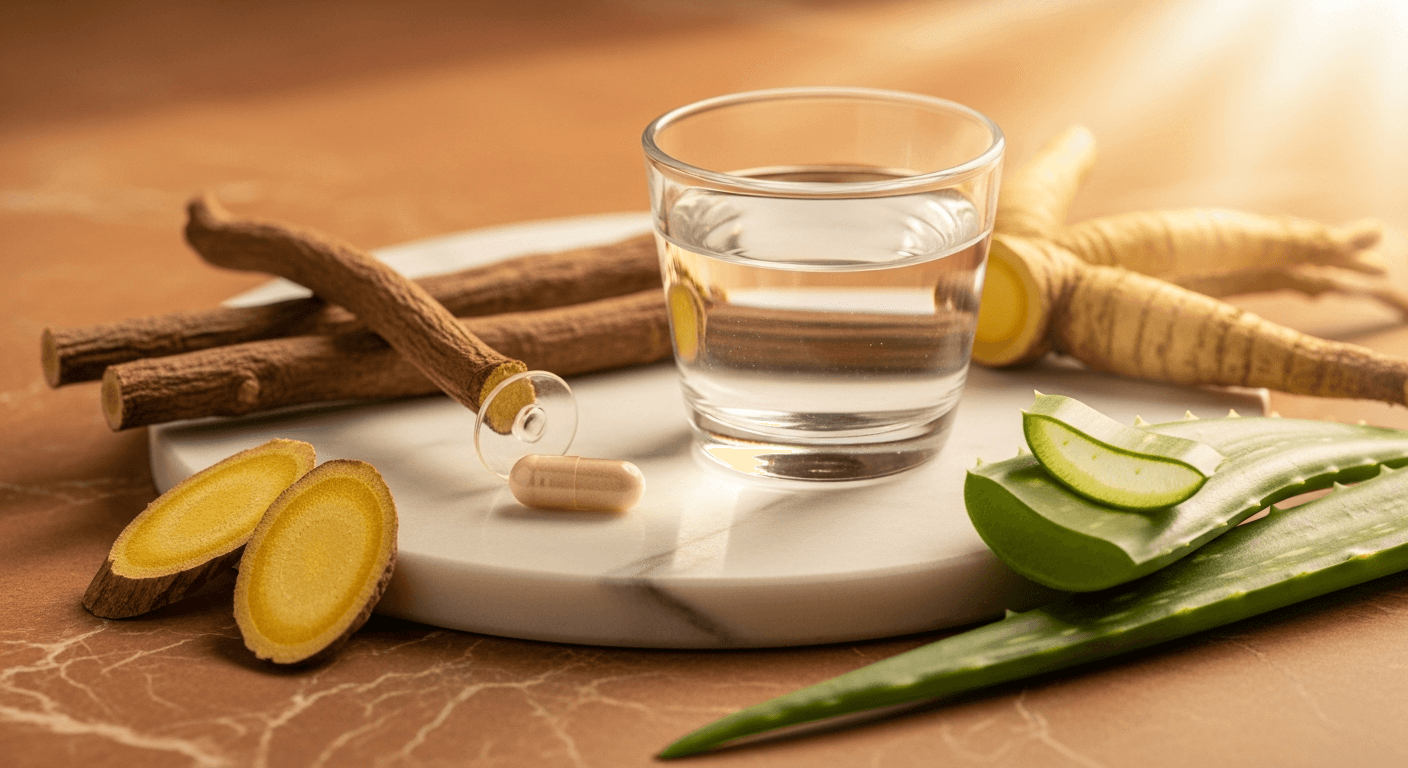
Hydration is an absolutely critical factor when taking this supplement. Because Slippery Elm and Marshmallow Root are highly hygroscopic—meaning they rapidly absorb water to form their soothing, gel-like mucilage—they require ample fluid to function correctly. Taking these capsules with at least 8 to 12 ounces of water ensures that the herbs can fully hydrate and expand into their protective bioadhesive state. Failing to consume adequate water with mucilaginous herbs can occasionally lead to mild constipation or, in rare cases, intestinal blockages, as the dry powders attempt to pull moisture from the surrounding tissues. Proper hydration guarantees smooth transit and maximum mucosal coating.
When managing complex post-viral conditions, patience is essential. While some patients may notice a soothing reduction in heartburn or indigestion within a few days, the structural repair of a "leaky gut" and the modulation of the microbiome take significant time. Consistent daily use over 4 to 12 weeks is typically required to see profound shifts in systemic inflammation and gut-brain symptoms. Understanding How Can You Live with Long-Term COVID means recognizing that rebuilding the body's foundational barriers is a marathon, requiring sustained, gentle interventions rather than overnight cures.
Safety Profile and Deglycyrrhizination
The safety profile of this supplement is exceptional, primarily due to the rigorous deglycyrrhizination process. By strictly limiting the glycyrrhizin content of the GutGard extract to less than 0.5%, the well-documented dangers of standard licorice root are completely neutralized. Patients can safely take this formulation long-term without the fear of developing secondary hypertension, edema, or dangerous potassium depletion (hypokalemia). It does not mimic aldosterone or disrupt cortisol metabolism, making it a safe choice even for patients dealing with the severe autonomic nervous system fluctuations characteristic of dysautonomia and POTS. Extensive toxicological studies on GutGard have confirmed its safety, showing no mutagenic or clastogenic toxicity even at high doses.
However, practical considerations regarding drug interactions must be observed. Because the mucilage from slippery elm and marshmallow root forms a thick, physical coating over the intestinal lining, it can potentially slow down or inhibit the absorption of other oral medications and supplements. To prevent this, it is universally recommended to take this DGL botanical blend at least two hours away from any prescription medications. This ensures that your life-saving pharmaceuticals are fully absorbed into the bloodstream before the gut lining is coated. If you are exploring What Drugs Are Used for COVID Long Haulers?, careful scheduling of your supplements is paramount to ensure everything works as intended.
As with any targeted nutritional intervention, this supplement should be integrated into your care plan under the guidance of a qualified medical professional. Patients with complex chronic illnesses, severe mast cell activation syndrome (MCAS), or those who are pregnant or nursing should always consult their healthcare provider before introducing new botanicals. A knowledgeable practitioner can help you monitor your symptoms, adjust dosing based on your unique gastrointestinal transit times, and ensure that this powerful mucosal support formula perfectly complements your broader recovery strategy.
Follow the Science
Clinical Trials on GutGard® and H. pylori
The efficacy of the specific GutGard® extract used in this formulation is backed by robust, peer-reviewed clinical data, particularly regarding its ability to combat pathogenic bacteria and soothe digestive distress. In a prominent 60-day randomized, double-blind, placebo-controlled study published in Evidence-Based Complementary and Alternative Medicine, researchers evaluated 107 participants diagnosed with Helicobacter pylori infections. H. pylori is a destructive bacterium that burrows into the stomach lining, causing chronic inflammation, leaky gut, and peptic ulcers. The subjects were given either a placebo or 150 mg of GutGard daily. By the end of the 60-day trial, a remarkable 56% of the subjects receiving the GutGard extract tested completely negative for H. pylori, compared to a mere 4% in the placebo group. This study powerfully demonstrates that the targeted flavonoids in DGL can significantly reduce pathogenic bacterial loads without the devastating microbiome-destroying side effects of traditional broad-spectrum antibiotics.
Beyond pathogen eradication, GutGard has been clinically proven to relieve the daily suffering associated with functional dyspepsia (chronic indigestion). In another randomized, double-blind, placebo-controlled clinical trial, 50 patients suffering from severe functional dyspepsia were administered 150 mg of GutGard daily for 30 days. The results were highly significant: participants taking the DGL extract experienced a 51% reduction in their total symptom scores, which included marked improvements in abdominal pain, severe bloating, belching, regurgitation, and early satiety. Furthermore, 56% of the participants reported a "marked improvement" in their overall daily digestive comfort and quality of life, with symptom relief becoming noticeable by day 15 of the trial. These findings validate GutGard as a fast-acting, highly effective intervention for upper gastrointestinal distress.
Evidence for Mucosal Healing and Ulcer Repair
The broader scientific literature on Deglycyrrhizinated Licorice (DGL) is vast, with decades of research confirming its unparalleled ability to physically heal ulcerated and eroded mucosal tissues. One of the most significant pieces of evidence comes from a massive, multi-center clinical study involving 874 patients with confirmed chronic duodenal ulcers. The study compared the healing effects of DGL against cimetidine (a popular pharmaceutical H2 blocker) and traditional antacids. After 12 weeks of treatment, an impressive 91% of ulcers had completely healed across all groups, proving that natural DGL is just as effective as potent pharmaceuticals at inducing tissue repair. However, the true power of DGL was revealed in the follow-up data: patients treated with DGL had a significantly lower relapse rate (8.2%) compared to those taking cimetidine (12.9%) or antacids (16.4%). This proves that DGL doesn't just temporarily suppress acid; it fundamentally strengthens the mucosal barrier, making it more resilient against future damage.
Smaller, highly controlled studies further illustrate the speed at which DGL can regenerate the stomach lining. In a one-month randomized controlled trial of 33 patients with severe gastric ulcers, participants were given either a placebo or 760 mg of DGL three times a day. The results were dramatic: the DGL group experienced a 78% reduction in total ulcer size, compared to only 34% in the placebo group. Even more compelling, 44% of the patients receiving DGL displayed complete, total ulcer healing within just four weeks, compared to a mere 6% in the placebo group. These clinical outcomes are a direct result of DGL's ability to stimulate local prostaglandin production, increase mucosal blood flow, and accelerate the differentiation of protective mucus-secreting cells.
Research on Leaky Gut and Botanical Interventions
The synergistic botanicals included in this formula—Slippery Elm and Aloe vera—also boast strong clinical backing for their ability to reverse intestinal permeability ("leaky gut"). A prominent 16-week clinical trial evaluated a multi-botanical formula containing Slippery Elm and Aloe vera on adults with severe digestive disorders. The study utilized the lactulose-to-mannitol (L/M) urine test, which is the gold-standard objective biomarker for measuring intestinal permeability. At the conclusion of the trial, 90% of patients with hard stools and 66% with soft stools showed fully normalized L/M ratios, proving beyond a doubt that the physical architecture of their mucosal barrier had been successfully restored. This was accompanied by a 60–80% reduction in overall upper and lower GI symptoms.
Modern molecular biology has finally uncovered exactly how these ancient botanicals achieve such profound structural repair. Recent in vitro and in vivo studies published in the International Journal of Molecular Sciences tested processed aloe vera gel (PAG) on models of leaky gut. The researchers discovered that aloe vera polysaccharides actively trigger the MAPK/ERK cellular signaling pathway. This specific biochemical activation leads directly to a massive increase in the translation and expression of Zonula Occludens-1 (ZO-1), the crucial scaffold protein that physically binds tight junctions together. By providing both the clinical outcomes (normalized L/M ratios) and the exact molecular mechanisms (ZO-1 upregulation), the scientific literature firmly validates the use of these specific botanicals for repairing the devastating mucosal breakdown seen in Long COVID and complex chronic illnesses.
The Path Forward
A Comprehensive Approach to Gut Healing
Living with the unpredictable and often debilitating gastrointestinal symptoms of Long COVID, ME/CFS, or dysautonomia is an exhausting reality. When your body is already fighting profound fatigue and neurological distress, the added burden of severe nausea, painful bloating, or unpredictable bowel habits can feel entirely overwhelming. It is important to recognize that healing a compromised mucosal barrier and a dysbiotic microbiome is not a quick fix; it is a complex, non-linear journey that requires immense patience and self-compassion. The damage caused by viral persistence and systemic inflammation took months to develop, and rebuilding the intricate architecture of your gut lining will take time.
While DGL and its synergistic botanicals offer a powerful, scientifically validated tool for mucosal repair, they are most effective when utilized as part of a comprehensive, holistic management strategy. True gut healing requires a multi-pronged approach that includes identifying and removing dietary triggers, managing mast cell hyper-reactivity, and actively regulating the autonomic nervous system to improve vagal tone and digestive motility. Supplements are the building blocks, but pacing, stress reduction, and targeted medical care provide the foundation necessary for those blocks to hold. We encourage you to meticulously track your symptoms, noting how different foods, stressors, and supplements impact your daily baseline, as this data is invaluable for tailoring your unique recovery protocol.
Validating Your Gastrointestinal Journey
Above all, know that your gastrointestinal symptoms are valid, physiologically real, and deeply interconnected with your broader chronic illness. They are not simply the result of "anxiety" or stress, but rather the tangible consequences of viral-induced ACE2 downregulation, microbiome dysbiosis, and the physical breakdown of your intestinal tight junctions. By understanding the profound connection between the gut and the brain, you can begin to see that healing your digestive tract is one of the most powerful steps you can take toward calming systemic inflammation and reclaiming your overall health.
If you are struggling with persistent digestive distress, leaky gut, or the systemic fallout of a compromised mucosal barrier, targeted botanical support may provide the soothing relief and structural repair your body desperately needs. By providing your gastrointestinal tract with the specific flavonoids, mucilage, and cellular signaling molecules required for regeneration, you can actively support your body's innate healing mechanisms. Always consult with a knowledgeable healthcare provider to ensure this approach aligns with your specific medical needs and current treatment plan.
Sources
GLYCYRRHIZA GLABRA FOR ULCER: A BRIEF REVIEW OF ITS THERAPEUTIC POTENTIAL
Deglycyrrhizinised liquorice (DGL) and the renewal of rat stomach epithelium
Processed Aloe vera Gel Ameliorates Intestinal Permeability and Inflammation
Deglycyrrhizinated Liquorice in the Treatment of Chronic Duodenal Ulcer
SARS-CoV-2 and the Gastrointestinal Tract in COVID-19 and Long COVID