Can DGL Plus Support Gut Healing in Long COVID and MCAS?
March 5, 2026
DGL PlusLong COVIDMCAS
Share:
Disclaimer: The information provided here is for educational purposes only and is not intended as medical advice. It should not be used to diagnose, treat, cure, or prevent any medical condition. Instead, use it as a starting point for discussion with your healthcare provider. Always consult with a qualified healthcare provider before starting any new medication, supplement, device, or making changes to your health regimen.
Months or even years after an initial viral infection, many individuals find themselves battling a complex web of debilitating symptoms that seem to affect every system in their body. For those living with Long COVID, myalgic encephalomyelitis/chronic fatigue syndrome (ME/CFS), and mast cell activation syndrome (MCAS), the journey to finding answers is often fraught with frustration. Among the myriad of systemic issues these patients face, gastrointestinal distress frequently emerges as a central, unyielding complaint. From unpredictable bloating and severe acid reflux to new-onset food intolerances and crippling abdominal pain, the gut often becomes a primary battleground in complex chronic illness.
However, emerging research is increasingly pointing to the gut as more than just a victim of these conditions; it is often a core driver of systemic inflammation and immune dysregulation. When the delicate mucosal lining of the gastrointestinal tract is compromised, a cascade of physiological disruptions follows, fueling symptoms that extend far beyond the stomach, including profound brain fog and post-exertional malaise (PEM). Addressing this foundational gut dysfunction is a critical step in comprehensive management. This is where targeted nutritional support, such as DGL Plus, comes into play. By focusing on supporting the cellular repair and fortification of the gastrointestinal barrier, this specialized botanical formulation offers a science-backed approach to soothing inflammation and supporting the body's natural defense mechanisms.
TL;DR
Gut dysfunction drives systemic inflammation in Long COVID, ME/CFS, and MCAS.
DGL Plus supports the gastrointestinal barrier by promoting mucin production and soothing inflammation.
Deglycyrrhizinated licorice offers gut-healing benefits without the cardiovascular risks of standard licorice root.
Targeted botanical support may help manage acid reflux, food sensitivities, and histamine-driven GI distress.
What is DGL Plus?
The Anatomy of the Gastrointestinal Barrier
To truly understand the therapeutic value of a supplement like DGL Plus, we must first examine the natural function of the gastrointestinal (GI) tract in a healthy body. The GI tract is not merely a passive tube for digesting food; it is one of the most complex and dynamic immune interfaces in the human body. The stomach and intestines are lined with a highly specialized mucosal barrier, a multi-layered defense system designed to absorb essential nutrients while simultaneously keeping harmful pathogens, toxins, and highly acidic digestive juices from damaging the underlying tissue or entering the bloodstream. This barrier is incredibly thin—often just a single layer of epithelial cells thick—making its structural integrity absolutely vital for overall health.
At the forefront of this defense system is the mucus layer, a thick, gel-like substance secreted by specialized cells known as goblet cells and foveolar cells. This mucus is primarily composed of mucins, heavily glycosylated proteins that form a physical shield over the delicate epithelial cells. In the stomach, this mucus layer is uniquely crucial because it traps bicarbonate ions, creating a localized, alkaline microenvironment that neutralizes the highly corrosive hydrochloric acid required for digestion. Without this robust mucosal shield, the stomach acid would rapidly digest the stomach wall itself, leading to severe ulceration, chronic inflammation, and agonizing pain.
Beneath this protective mucus layer lie the epithelial cells, which are tightly bound together by complex protein structures known as tight junctions. These tight junctions act as the intelligent gatekeepers of the gut, dynamically opening to allow microscopic nutrients to pass through while snapping shut to block larger, undigested food particles and bacterial endotoxins. When this intricate system functions optimally, the gut remains in a state of immune tolerance. However, when the mucosal layer is thinned or the tight junctions are compromised by chronic stress, viral infections, or inflammation, the barrier fails, setting the stage for systemic illness.
The Synergy of DGL Plus Ingredients
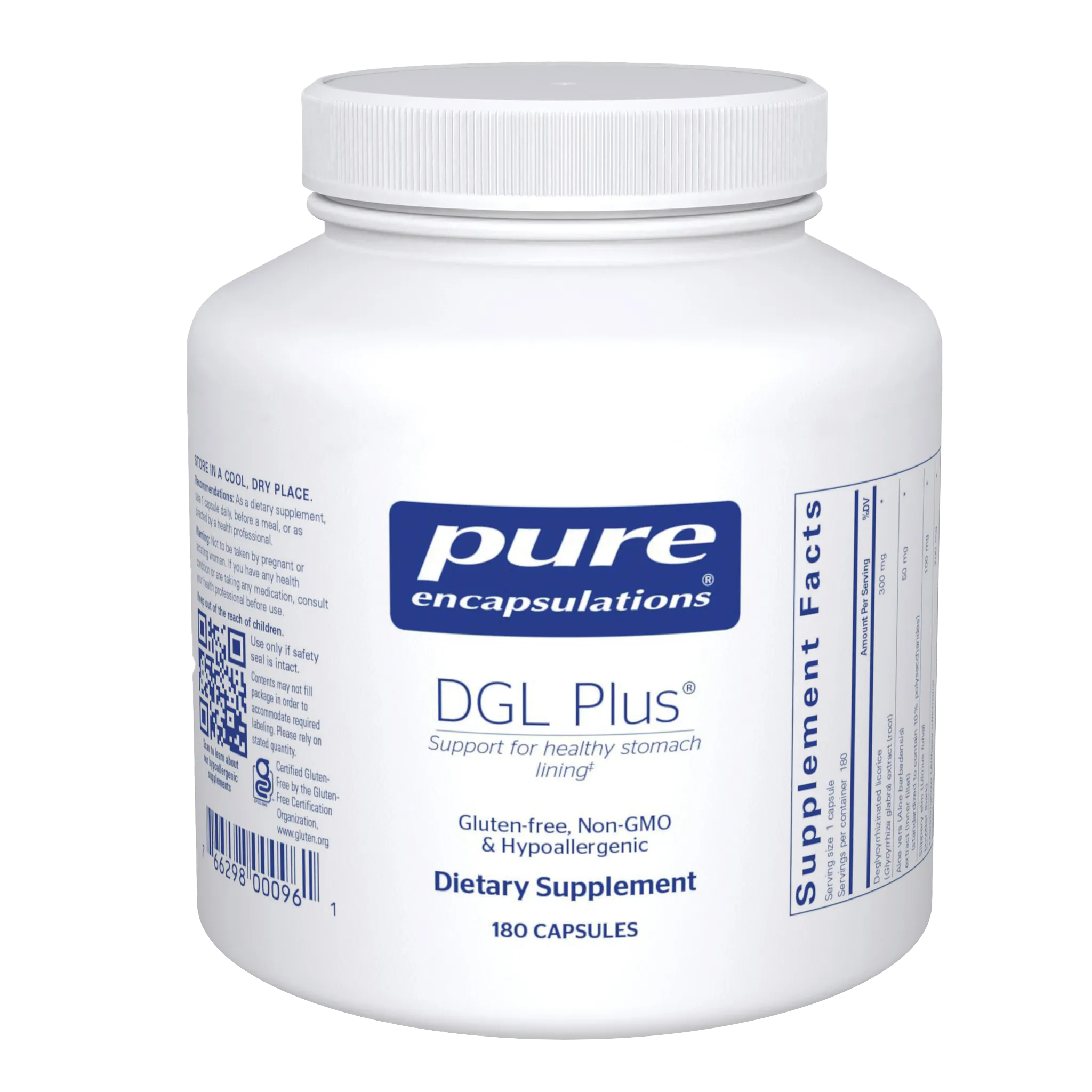
DGL Plus by Pure Encapsulations is a meticulously designed botanical formula that targets the restoration and fortification of this critical gastrointestinal barrier. Rather than relying on a single mechanism, it utilizes a synergistic blend of four powerful, plant-derived compounds known as demulcents. Demulcents are agents rich in mucilage—complex, high-molecular-weight polysaccharides that swell in water to form a soothing, viscous film over irritated mucous membranes. By physically coating the GI tract, these ingredients provide immediate symptomatic relief while simultaneously initiating deep cellular repair.
The cornerstone of this formula is deglycyrrhizinated licorice (DGL), an extract derived from the root of the Glycyrrhiza glabra plant. Licorice root has been utilized for centuries in traditional medicine for its profound gastrointestinal healing properties. In modern clinical applications, DGL is celebrated for its unique ability to stimulate the body's natural defense mechanisms rather than simply masking symptoms. Unlike conventional acid-blocking medications, such as proton pump inhibitors (PPIs) that artificially suppress stomach acid production, DGL works by actively increasing the mass, quality, and production of the protective mucin layer, supporting the stomach's natural repair processes while maintaining the acidic environment necessary for proper digestion.
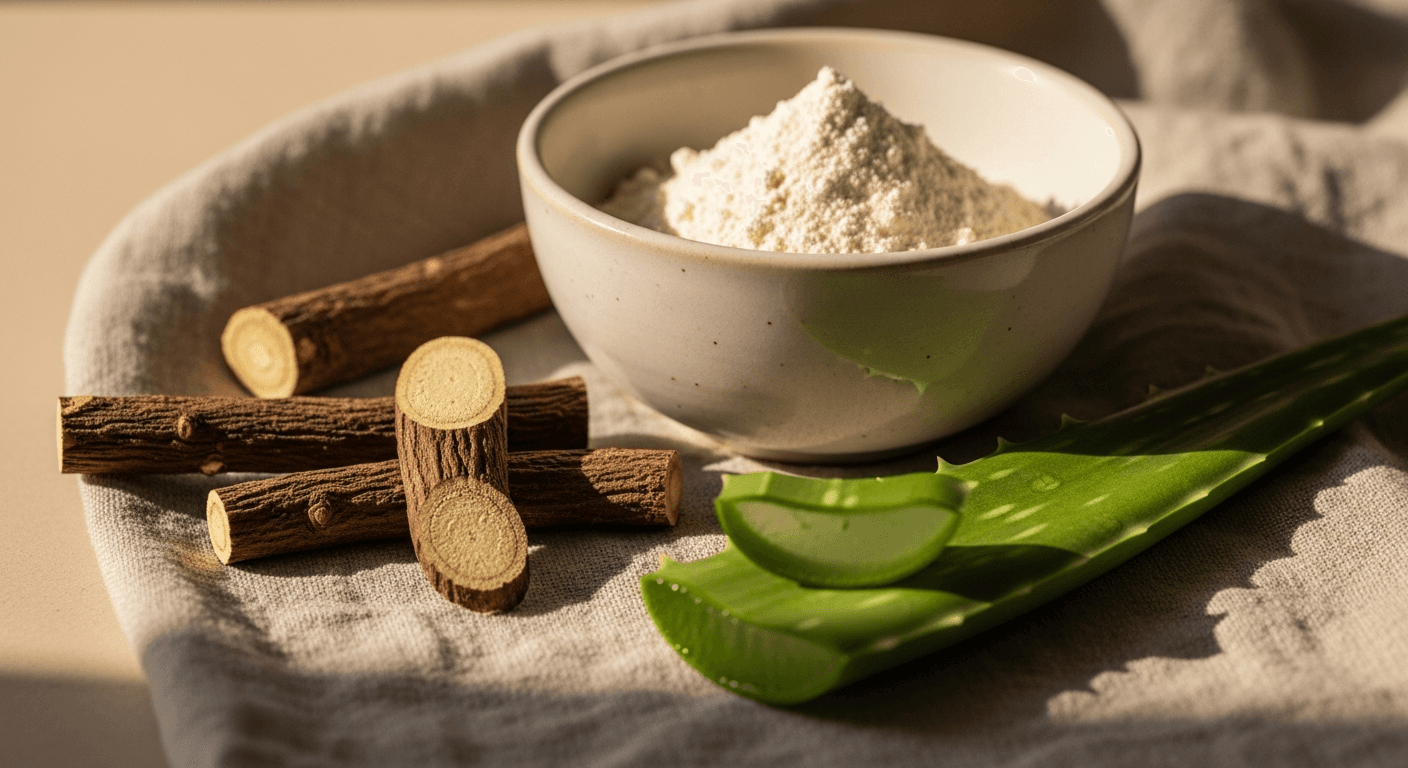
Complementing the DGL are three additional botanical extracts: aloe vera, slippery elm, and marshmallow root. The aloe vera extract is specifically standardized to contain 10% polysaccharides, including the highly therapeutic compound acemannan, which has been shown to drive cellular regeneration and reduce localized inflammation. Slippery elm (Ulmus rubra) and marshmallow root (Althaea officinalis) provide dense, highly adherent mucilage that acts as a surrogate mucosal barrier. Together, these four ingredients create a comprehensive matrix of protection, shielding the damaged epithelial tissue from dietary irritants and digestive enzymes, thereby giving the gut lining the crucial "breathing room" it needs to regenerate without constant reinjury.
Why "Deglycyrrhizinated" Matters
A critical distinction must be made between standard licorice root and the deglycyrrhizinated licorice (DGL) used in this specific formulation. Natural licorice root contains a highly active compound called glycyrrhizin (or glycyrrhizic acid). While glycyrrhizin has its own therapeutic applications, particularly in supporting adrenal function, it can cause severe and dangerous side effects when taken long-term or in high doses. Glycyrrhizin inhibits the enzyme 11-beta-hydroxysteroid dehydrogenase, leading to an accumulation of cortisol that binds to mineralocorticoid receptors. This mimics the hormone aldosterone, causing the kidneys to retain sodium and excrete potassium.
The physiological result of this aldosterone-like effect is fluid retention (edema), profound potassium depletion (hypokalemia), and dangerous spikes in blood pressure. For patients with complex chronic illnesses like ME/CFS or dysautonomia, who often already struggle with autonomic nervous system dysfunction and cardiovascular abnormalities, these side effects can be highly detrimental. By utilizing a specialized extraction process to remove the glycyrrhizin, DGL Plus retains all the powerful, gut-healing flavonoids of the licorice plant while completely eliminating the risk of cardiovascular and electrolyte complications. This makes DGL exceptionally safe for the long-term, daily use often required for supporting the gut barrier in chronic gastrointestinal permeability.
How Long COVID and MCAS Impact Gut Health
Viral Reservoirs and the Disruption of the Gut Microbiome
To understand why targeted gut support is so vital, we must explore how conditions like Long COVID fundamentally alter the gastrointestinal landscape. While acute COVID-19 is primarily recognized as a respiratory infection, the SARS-CoV-2 virus has a profound affinity for the digestive tract. The virus enters human cells by binding to the ACE2 (Angiotensin-Converting Enzyme 2) receptor, a protein that is abundantly expressed on the surface of the epithelial cells lining the stomach, small intestine, and colon. This high concentration of receptors makes the gut a primary target for viral invasion and replication, leading to direct cellular damage and severe Gastrointestinal Symptoms Seen with Long COVID.
One of the leading theories behind the persistence of Long COVID symptoms is the concept of viral reservoirs. Recent studies indicate that SARS-CoV-2 viral RNA can remain hidden in the tissues of the gut for many months, and sometimes years, after the initial infection has cleared from the respiratory system. The virus is believed to hide in specific intestinal cells, such as tuft cells and enterochromaffin cells, which can evade normal immune clearance. This persistent viral presence acts as a constant irritant, driving chronic, localized inflammation and continuously triggering the immune system. This ongoing battle in the gut is a major piece of the puzzle when investigating What Causes Long COVID?.
This chronic viral presence and the resulting immune response severely disrupt the delicate balance of the gut microbiome, a state known as dysbiosis. Long COVID patients consistently exhibit a marked depletion of beneficial, health-promoting bacteria, particularly those responsible for producing short-chain fatty acids (SCFAs) like butyrate. Simultaneously, there is an overgrowth of opportunistic, pro-inflammatory bacterial strains. Because the microbiome is intimately connected to the immune system and the central nervous system via the gut-brain axis, this dysbiosis contributes directly to systemic symptoms, including severe cognitive impairment, anxiety, and the unpredictable nature of how Long COVID Symptoms Come and Go.
The Vicious Cycle of Leaky Gut and Microbial Translocation
The combination of direct viral cellular damage, chronic localized inflammation, and severe microbiome dysbiosis inevitably leads to a breakdown in the structural integrity of the intestinal barrier. The tight junction proteins that normally seal the gaps between epithelial cells begin to degrade and widen. This pathological state of increased intestinal permeability is commonly referred to as "leaky gut." When the gut barrier becomes leaky, it loses its ability to selectively filter what enters the bloodstream, creating a catastrophic vulnerability in the body's defense system.
Through these widened paracellular gaps, microscopic contents from the gut lumen—including undigested food proteins, bacterial endotoxins like lipopolysaccharides (LPS), and even fungal elements—escape into the systemic circulation. This process, known as microbial translocation, is highly inflammatory. When the immune system detects these foreign invaders in the bloodstream, it launches a massive, systemic inflammatory response. Research from the Wistar Institute has demonstrated that Long COVID patients exhibit significantly higher markers of this fungal and bacterial translocation compared to fully recovered individuals, directly correlating with a lower quality of life and higher systemic inflammation.
This systemic inflammation driven by a leaky gut is a primary engine for the debilitating symptoms seen in ME/CFS and Long COVID. The circulating inflammatory cytokines cross the blood-brain barrier, triggering neuroinflammation that manifests as profound brain fog, cognitive dysfunction, and neurological fatigue. Furthermore, this constant immune activation drains the body's cellular energy reserves, directly contributing to the severe exhaustion and post-exertional malaise (PEM) that leaves patients bedbound after minor exertion. Breaking this vicious cycle requires targeted interventions that support the physical repair of the gut barrier, highlighting the necessity of demulcent therapies like DGL Plus when considering How Can You Live with Long-Term COVID.
Mast Cell Activation Syndrome (MCAS) in the Gastrointestinal Tract
The breakdown of the gut barrier is also intimately connected to another complex condition frequently seen alongside Long COVID and ME/CFS: mast cell activation syndrome (MCAS). Mast cells are a critical component of the innate immune system, acting as sentinel cells that reside in tissues throughout the body, particularly at interfaces with the external environment, such as the skin, respiratory tract, and the gastrointestinal lining. In a healthy body, mast cells release chemical mediators, like histamine and cytokines, in a controlled manner to fight off parasites or heal wounds. In MCAS, however, these cells become hyper-responsive and degranulate inappropriately in response to benign triggers like specific foods, temperature changes, or even stress.
The gastrointestinal tract is heavily populated with mast cells, making it a primary site for MCAS flare-ups. When the gut barrier is highly permeable ("leaky"), mast cells in the gut lining are constantly exposed to a barrage of translocating bacteria, undigested food proteins, and inflammatory cytokines. This constant exposure keeps the mast cells in a state of hyper-activation. According to clinical literature, this creates a devastating feedback loop: the leaky gut triggers the mast cells to release massive amounts of histamine and inflammatory mediators, and these mediators, in turn, cause further degradation of the tight junctions, making the gut even leakier.
The localized release of histamine in the gut has profound physiological consequences. Excess histamine binds to H2 receptors in the stomach lining, which triggers an extreme and painful overproduction of gastric acid. This leads to severe gastroesophageal reflux disease (GERD), agonizing heartburn, and a high risk of gastric ulceration. Furthermore, mast cell mediators disrupt normal gut motility, leading to alternating bouts of severe diarrhea and constipation, severe bloating, and crippling abdominal pain. Because these symptoms are driven by immune dysregulation rather than simple indigestion, traditional antacids often fail to provide relief, necessitating approaches that calm the mast cells and heal the underlying mucosal damage.
DGL Plus: Supporting Mucosal Healing and Barrier Integrity
Stimulating Mucin Production via Prostaglandin Pathways
DGL Plus operates through several sophisticated biochemical pathways to actively support the reversal of mucosal damage seen in chronic illness. The primary mechanism by which deglycyrrhizinated licorice (DGL) protects and heals the stomach lining is through the localized stimulation of prostaglandin synthesis. Prostaglandins, specifically Prostaglandin E2 (PGE2), are lipid compounds derived from arachidonic acid that play a crucial role in maintaining gastrointestinal mucosal integrity. Clinical research demonstrates that the flavonoids in DGL actively upregulate the production of PGE2 within the gastric mucosa.
This increase in localized prostaglandins has a profound downstream effect on the stomach's defense systems. PGE2 directly stimulates the foveolar cells (the mucus-producing cells of the stomach) to increase both their proliferation and their secretory activity. This results in a significant increase in the sheer volume and thickness of the mucin layer coating the stomach wall. Furthermore, PGE2 stimulates the secretion of bicarbonate ions into this mucus layer, enhancing its ability to neutralize highly corrosive gastric acid right at the surface of the epithelial cells. By naturally fortifying this barrier, DGL allows the underlying ulcerations and inflammatory lesions to heal without requiring the artificial suppression of stomach acid.
In addition to boosting mucin production, the prostaglandin-stimulating effects of DGL significantly enhance mucosal microcirculation. By promoting vasodilation in the microscopic blood vessels supplying the gastrointestinal lining, DGL increases the delivery of oxygen, vital nutrients, and immune-modulating cells to the areas of tissue damage. This enhanced blood flow is absolutely critical for rapid cellular turnover and the physical repair of gastric and duodenal ulcers, effectively accelerating the body's innate healing timeline.
Cellular Regeneration and Tight Junction Enhancement
Beyond the stomach, the ingredients in DGL Plus actively work to repair the structural integrity of the intestinal barrier, directly addressing the "leaky gut" phenomenon. The flavonoids found in licorice extract have been shown to promote epithelial cell regeneration by activating the Epidermal Growth Factor Receptor (EGFR) and its downstream ERK (extracellular signal-regulated kinase) signaling pathway. This biochemical cascade drives the cellular proliferation and migration necessary to physically close the microscopic wounds and lesions along the intestinal tract, supporting the replacement of damaged, permeable cells with healthy, robust tissue.
The aloe vera extract in the formula plays a massive role in this cellular regeneration. Aloe vera is rich in complex polysaccharides, particularly acemannan and glucomannan. Advanced molecular studies indicate that these specific polysaccharides accelerate the regeneration of the intestinal epithelium by activating the Wnt/β-catenin signaling pathway. This pathway is a fundamental regulator of stem cell activity in the gut, promoting the rapid proliferation and differentiation of intestinal stem cells to replace the tissue destroyed by chronic viral inflammation or autoimmune attacks.
Crucially, these aloe vera polysaccharides have also been proven to directly enhance the expression of tight junction proteins. Research demonstrates that processed aloe vera gel activates the MAPK/ERK signaling pathway, which systematically increases the production and proper localization of Zonula Occludens-1 (ZO-1) and occludin. These are the specific proteins responsible for "zipping" the intestinal cells tightly together. By upregulating these proteins, the aloe vera in DGL Plus actively tightens the paracellular gaps, helping to physically reduce the leakage of bacterial endotoxins into the bloodstream and cutting off the source of systemic inflammation.
Prebiotic Fermentation and Short-Chain Fatty Acid Production
The inclusion of slippery elm and marshmallow root provides a secondary, highly sophisticated mechanism for gut healing: prebiotic modulation of the microbiome. Both of these botanical extracts are classified as high-molecular-weight heterogeneous polysaccharides. Because human digestive enzymes lack the specific capacity to break the complex beta-configuration bonds of these polysaccharides in the upper GI tract, the mucilage travels through the stomach and small intestine largely intact, eventually arriving in the colon.
Once in the colon, this dense mucilage acts as a potent, targeted prebiotic. Recent microbiological studies on digestive-supporting botanicals and spices have shown that their fermentation by beneficial gut flora can support health-promoting bacteria, particularly Bifidobacterium and Bacteroides species. As these bacteria ferment the mucilage, they produce large quantities of Short-Chain Fatty Acids (SCFAs), with butyrate being the most critical.
Butyrate is the primary and preferred energy source for colonocytes (the cells lining the colon). When colonocytes are well-fed with abundant butyrate, they replicate more accurately, maintain tighter cellular junctions, and exhibit a profoundly reduced inflammatory profile. By acting as a prebiotic substrate for butyrate-producing bacteria, the demulcents in DGL Plus biologically engineer a healthier, more resilient gut barrier from the inside out, directly counteracting the dysbiosis frequently observed in Long COVID patients.
Calming Localized Inflammation and Mast Cell Activity
Finally, DGL Plus provides critical support for patients dealing with mast cell activation syndrome (MCAS) by directly modulating localized immune responses. The flavonoids in DGL, such as glabridin and isoliquiritigenin, act as potent natural mast cell stabilizers. Pharmacological research indicates that these compounds effectively inhibit mast cell degranulation by blocking extracellular calcium influx. Without this calcium influx, the mast cells are physically prevented from dumping their massive payloads of histamine and inflammatory cytokines into the surrounding gut tissue, thereby helping to mitigate severe MCAS flare-ups.
Furthermore, the physical mucilage provided by the slippery elm, marshmallow root, and aloe vera acts as a mechanical shield for the hyper-reactive mucosal mast cells. Because mast cells in the gut can be easily agitated by the physical friction of rough digestion or the chemical irritation of specific foods, coating the intestinal lining with a thick, soothing gel physically insulates the mast cells from these triggers. This combined biochemical stabilization and physical shielding makes DGL Plus an invaluable tool for calming the volatile gastrointestinal environment characteristic of complex chronic illnesses.
Symptoms DGL Plus May Help Manage
Severe Acid Reflux and Heartburn: By stimulating the production of the stomach's natural mucin layer and providing a physical mucilage coating, DGL Plus helps protect the esophageal and gastric lining from corrosive stomach acid, reducing the burning pain of reflux without artificially suppressing acid production.
Abdominal Pain and Cramping: The potent anti-inflammatory flavonoids in DGL and aloe vera actively suppress pro-inflammatory cytokines (like TNF-alpha and IL-6) and inhibit inflammatory enzymes (like COX-2), soothing the inflamed tissue that causes deep abdominal aching and cramping.
Gastric and Duodenal Ulcers: DGL supports cellular turnover via the EGFR/ERK pathways and increases localized blood flow, providing the necessary biological environment and physical protection to support the healing of mucosal lesions.
Histamine-Driven GI Distress (MCAS): The licorice flavonoids act as natural mast cell stabilizers, preventing the inappropriate release of histamine in the gut. This helps mitigate the severe bloating, sudden diarrhea, and acid overproduction triggered by mast cell degranulation.
New-Onset Food Sensitivities: By supporting the paracellular gaps (tight junctions) and addressing "leaky gut," the formula helps prevent undigested food proteins from escaping into the bloodstream, thereby reducing the systemic immune hyper-reactivity that drives sudden food intolerances.
Systemic Fatigue and Brain Fog: While not a direct neurological treatment, healing the intestinal barrier stops the translocation of bacterial endotoxins (like LPS) into the blood. This cuts off a major source of systemic neuroinflammation, indirectly helping to lift the debilitating brain fog and fatigue associated with Long COVID and ME/CFS.
Practical Considerations: Forms, Dosing, and Absorption
Maximizing Bioavailability and Contact Time
When utilizing DGL Plus for gastrointestinal healing, understanding the nuances of bioavailability and administration is crucial for achieving optimal clinical results. The therapeutic efficacy of demulcent herbs is heavily dependent on their physical contact time with the damaged mucosal tissue. Because the primary mechanism involves coating the lining of the stomach and intestines, the way the supplement is taken can significantly alter its effectiveness, particularly for upper GI issues like severe acid reflux, gastritis, or esophageal irritation.
Scientific and clinical consensus highlights a very specific physiological requirement for DGL to be fully effective for upper-GI healing: it must mix with human saliva. The act of mixing DGL with saliva stimulates the release of Epidermal Growth Factor (EGF) and other salivary enzymes. This specific combination of salivary EGF and DGL is what travels down the esophagus to trigger the massive cascade of mucin production and epithelial cell regeneration in the stomach. Because of this requirement, while swallowing the vegetarian capsule whole is effective for lower intestinal issues (like leaky gut in the colon), patients targeting stomach ulcers or severe GERD often see better results by opening the capsule and mixing the powder with a small amount of water to swish in the mouth before swallowing.
Dosing Strategies for Chronic Illness
The timing of administration is equally critical. To maximize the protective mucilage barrier, DGL Plus should be taken on an empty stomach, ideally 20 to 30 minutes before a meal. Taking it before eating allows the demulcent herbs to thoroughly coat the stomach lining and tight junctions before they are exposed to the mechanical stress of digestion, highly acidic gastric juices, and potential dietary triggers. This pre-meal coating is especially important for patients with MCAS, as it physically shields the mucosal mast cells from reacting to the incoming food.
For general gastrointestinal support and the maintenance of a healthy mucosal barrier, the standard suggested use is 1 capsule daily. However, in functional medicine protocols designed to actively support the repair of severe intestinal permeability or manage acute ulcerations, practitioners often recommend higher, divided doses throughout the day (e.g., one capsule before each major meal). Because the healing of the gut lining is a biological process that requires sustained cellular turnover, patients should typically expect to use the supplement consistently for 4 to 8 weeks before observing profound, lasting changes in their systemic symptoms, though acute reflux relief may be noticed much sooner.
Safety, Contraindications, and Interactions
One of the most significant advantages of DGL Plus is its exceptional safety profile, particularly for patients with complex dysautonomia or ME/CFS. Because the glycyrrhizin has been meticulously removed from the licorice extract, this formula will not cause the dangerous spikes in blood pressure, fluid retention, or potassium depletion associated with whole licorice root. It is safe for long-term daily use without the need for constant cardiovascular monitoring, making it a reliable staple in chronic gut-healing protocols.
However, there are important practical considerations regarding drug interactions. Because demulcents like slippery elm and marshmallow root form a thick, viscous gel coating over the entire intestinal lining, they can potentially slow down or slightly reduce the absorption of other oral medications and supplements. To prevent this physical interference, it is universally recommended to take DGL Plus at least one to two hours apart from any critical prescription medications. Additionally, while the ingredients are generally recognized as safe, this supplement is explicitly not recommended for pregnant or lactating women, and patients should always consult with their healthcare provider before adding it to their regimen, especially when exploring What Drugs Are Used for COVID Long Haulers?.

Follow the Science
Clinical Evidence for Deglycyrrhizinated Licorice
The foundational ingredients in DGL Plus are supported by decades of robust clinical research validating their efficacy in gastrointestinal healing. Deglycyrrhizinated licorice (DGL), in particular, has been heavily studied as a highly effective anti-ulcer compound. In early randomized controlled trials, researchers found that patients suffering from gastric ulcers who were given 760 mg of DGL three times a day for one month experienced a remarkable 78% reduction in ulcer size, compared to only a 34% reduction in the placebo group. Significant mucosal improvement was observed in 44% of the DGL group versus just 6% of those taking the placebo.
Furthermore, modern clinical trials have demonstrated DGL's potent antimicrobial properties against Helicobacter pylori, a bacterium responsible for a vast majority of mucosal barrier damage and peptic ulcers. A randomized, double-blind, placebo-controlled study involving 107 participants with H. pylori infections utilized a standardized DGL extract daily. After 60 days of targeted supplementation, an impressive 56% of the subjects receiving the DGL extract tested completely negative for the bacteria, compared to a mere 4% in the placebo group. This highlights DGL's ability to not only soothe the gut but actively alter the pathogenic landscape driving the inflammation.
Validating the Power of Aloe Vera Polysaccharides
The inclusion of standardized aloe vera extract is similarly backed by significant clinical data, particularly regarding its ability to induce remission in severe inflammatory bowel conditions. A landmark double-blind, randomized, placebo-controlled trial investigated the oral use of aloe vera gel for gastrointestinal inflammation in patients with active Ulcerative Colitis. Patients were given oral aloe vera or a placebo twice daily for four weeks. The results were striking: 30% of the patients taking aloe vera achieved significant clinical improvement, compared to just 7% in the placebo group, with 37% showing significant clinical improvement overall.
These clinical outcomes are supported by deep molecular research explaining the how. Studies have shown that the specific polysaccharides in aloe vera, such as acemannan, actively suppress the production of destructive pro-inflammatory cytokines like Interleukin-1 beta (IL-1β) and Tumor Necrosis Factor-alpha (TNF-α). By scavenging free radicals and preventing cellular DNA damage, aloe vera significantly reduces destructive oxidative markers like malondialdehyde (MDA), while elevating the activity of the body's natural protective enzymes, proving its role as a potent mucosal regenerator.
Demulcents and Intestinal Permeability Research
The traditional use of slippery elm and marshmallow root for "leaky gut" has recently been validated by advanced in vitro cellular models. A landmark 2023 study published in the journal Pharmaceuticals investigated the direct impact of these specific botanicals on intestinal barrier dysfunction using a Caco-2 cell monolayer—the gold standard model for human intestinal permeability. Researchers stimulated severe inflammation in the cells using an inflammatory cytokine cocktail to mimic the leaky gut conditions often seen in Long COVID.
The findings were definitive: the application of marshmallow root and slippery elm significantly increased Transepithelial Electrical Resistance (TEER). High TEER values are the primary clinical indicator of a tightened, physically repaired paracellular route in the epithelial barrier. The study utilized real-time quantitative PCR to reveal that these ingredients actively enhanced the gene expression and localization of tight junction proteins, providing the exact mechanistic proof of how these ancient demulcents physically close the microscopic leaks in a damaged gut barrier.
The Path Forward
A Foundational Step in Complex Illness Management
Living with the unpredictable, systemic symptoms of Long COVID, ME/CFS, or MCAS can be an incredibly isolating and frustrating experience. When your body feels like it is constantly reacting to everything you eat, and the severe fatigue and brain fog make daily functioning nearly impossible, it is easy to feel overwhelmed. It is vital to recognize that these symptoms are not in your head; they are the result of profound, measurable physiological disruptions, often originating right in the gastrointestinal tract. Validating this gut-immune connection is the first step toward reclaiming your quality of life.
While there is no single "cure" for these complex chronic conditions, supporting the gut barrier is widely considered a foundational pillar of recovery. By utilizing targeted, science-backed nutritional support like DGL Plus, you are actively working to support the gut barrier, calm hyper-reactive mast cells, and help reduce systemic inflammation at its source. This mucosal repair creates a more stable, resilient internal environment, allowing other treatments and management strategies to work more effectively.
Integrating Gut Support into Your Daily Routine
It is important to remember that supplements are just one piece of a comprehensive, holistic management strategy. Healing a severely compromised gastrointestinal tract takes time, consistency, and patience. Alongside targeted demulcent therapy, incorporating strict energy pacing to avoid post-exertional malaise, identifying and removing specific dietary triggers, and utilizing detailed symptom tracking are all essential tools for navigating chronic illness.
As you explore options for managing your gastrointestinal symptoms and supporting your body's natural healing mechanisms, always work closely with a knowledgeable healthcare provider who understands the complexities of Long COVID and MCAS. They can help tailor a protocol that addresses your unique physiological needs and ensures that any new supplement integrates safely with your current medications.
Sources
National Institutes of Health: Deglycyrrhizinated Licorice and Gastric Healing
MDPI: Aloe Vera Polysaccharides and Intestinal Stem Cell Activation
National Institutes of Health: Prebiotic Potential of Slippery Elm and Marshmallow Root
MDPI: Influences of Functional Ingredients on Intestinal Barrier Dysfunction in Caco-2 Cells
National Institutes of Health: Gastrointestinal Symptoms and Microbiome Dysbiosis in Long COVID
PubMed: Mast Cell Activation Syndrome - A Primer for the Gastroenterologist
The Wistar Institute: Looking Inside the Gut for Answers to Long-COVID and Fungal Translocation