Can DG Protect Support Gluten and Dairy Digestion for Long COVID and ME/CFS Patients?
March 6, 2026
DG ProtectLong COVIDME/CFS
Share:
Disclaimer: The information provided here is for educational purposes only and is not intended as medical advice. It should not be used to diagnose, treat, cure, or prevent any medical condition. Instead, use it as a starting point for discussion with your healthcare provider. Always consult with a qualified healthcare provider before starting any new medication, supplement, device, or making changes to your health regimen.
Months or even years after recovering from an initial SARS-CoV-2 infection, many individuals find themselves fighting a confusing and unpredictable array of symptoms. For those living with Long COVID, myalgic encephalomyelitis/chronic fatigue syndrome (ME/CFS), and mast cell activation syndrome (MCAS), one of the most frustrating developments is the sudden onset of severe food intolerances. Foods that were once dietary staples—particularly those containing gluten and dairy—suddenly trigger debilitating flares of gastrointestinal distress, profound fatigue, and cognitive dysfunction, commonly referred to as brain fog. This sudden shift leaves many patients feeling alienated from their own bodies, forced into highly restrictive diets just to maintain a baseline level of functioning.
The connection between complex chronic illness and the gut is not a coincidence; it is a core feature of post-viral pathophysiology. When the delicate mucosal barrier of the gastrointestinal tract becomes compromised, complex proteins like gluten and casein can escape complete digestion, triggering systemic immune cascades. This is where targeted digestive support becomes a critical tool in a comprehensive management strategy. DG Protect, a specialized enzyme formulation by Ortho Molecular, is designed specifically to address these exact dietary challenges. By utilizing advanced, dual-action enzyme blends, it aims to break down the stubborn proline-rich proteins in gluten and dairy, offering patients a potential pathway to better digestion, reduced systemic inflammation, and a slightly broader, more manageable diet.
What is DG Protect?
The Anatomy of a Specialized Enzyme Blend
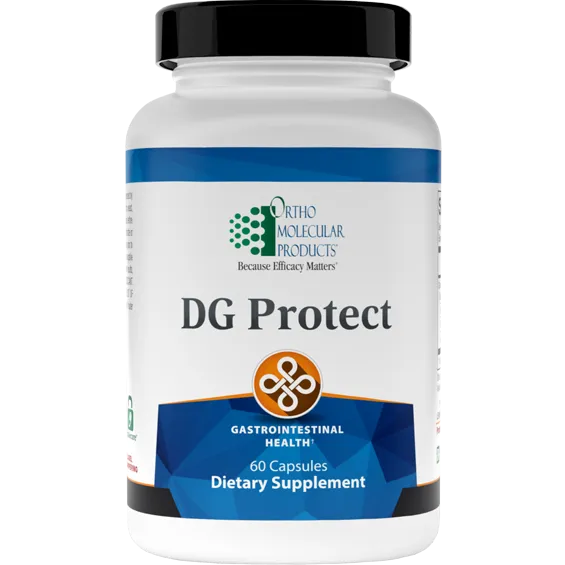
DG Protect is a highly specialized dietary supplement formulated by Ortho Molecular Products, specifically engineered to support the digestion of two of the most common dietary triggers: gluten and dairy. Unlike broad-spectrum digestive enzymes that offer a generalized approach to breaking down fats, carbohydrates, and proteins, DG Protect is laser-focused on the unique biochemical structures of wheat and milk proteins. The core of this formulation is a 350 mg proprietary "Dairy-Gluten Digestion Blend," which combines two highly researched, patented enzyme complexes: Glutalytic® and Dairylytic®.
These branded ingredients, developed by leading enzyme formulators, represent a significant advancement in digestive support technology. They do not rely on a single mechanism of action; instead, they utilize a multi-enzyme approach designed to mimic and enhance the body's natural digestive cascades. By providing a precise combination of endopeptidases, exopeptidases, and lactase, DG Protect aims to dismantle complex, inflammatory proteins before they can interact with the immune system in the lower gastrointestinal tract. This targeted approach is particularly relevant for individuals managing the complex gastrointestinal symptoms seen with Long COVID.
The Challenge of Complex Proteins
To understand why a specialized supplement like DG Protect is necessary, we must first look at the molecular structure of gluten and dairy. Both gluten (found in wheat, barley, and rye) and casein (the primary protein in dairy) are exceptionally dense, complex molecules. They are uniquely characterized by high concentrations of the amino acid proline. Proline creates tight, helical, cross-linked peptide chains that are notoriously resistant to degradation by the human body's standard digestive enzymes, such as pepsin in the stomach and trypsin in the pancreas.
Because our endogenous (naturally produced) enzymes struggle to break these proline-rich bonds, digestion is often incomplete. In a healthy digestive system, these large, intact peptide fragments might simply pass through the digestive tract with mild to moderate discomfort. However, in individuals with compromised gut health, these undigested protein fragments become highly problematic. They linger in the intestinal lumen, where they can ferment, draw in excess water, and trigger localized inflammatory responses.
Beyond Basic Digestion
Historically, the supplement industry attempted to solve the gluten digestion problem by offering products containing a single enzyme known as Dipeptidyl Peptidase-IV (DPP-IV). While DPP-IV is biochemically capable of cleaving proline bonds, it is an exopeptidase, meaning it can only nibble away at the very ends of a massive protein chain. Relying on DPP-IV alone is akin to trying to dismantle a brick wall by removing one brick at a time from the outside edges; it is simply too slow to be effective during the normal transit time of a meal.
DG Protect moves beyond this limitation by incorporating a synergistic blend of enzymes that attack the protein structure from multiple angles simultaneously. It includes endopeptidases that act like sledgehammers, breaking the large protein chains down the middle into smaller fragments. This action creates exponentially more "ends" for the exopeptidases (like DPP-IV) to act upon, rapidly accelerating the complete hydrolysis of the protein. This comprehensive breakdown is essential for preventing the immune system from recognizing and reacting to these dietary proteins.
How Long COVID and ME/CFS Impact Gastrointestinal Health
Post-Viral Dysbiosis and the Microbiome
The gastrointestinal tract is deeply intertwined with the immune system and the autonomic nervous system, making it a primary casualty in post-viral syndromes. Research into what causes Long COVID consistently points to profound alterations in the gut microbiome, a condition known as dysbiosis. During a severe acute infection like SARS-CoV-2, the delicate balance of intestinal flora is disrupted. Clinical studies have shown a marked depletion of beneficial, anti-inflammatory bacteria, particularly Bifidobacterium and Faecalibacterium prausnitzii, which are crucial for maintaining gut health.
These keystone bacteria are responsible for fermenting dietary fibers into short-chain fatty acids (SCFAs), such as butyrate. Butyrate is the primary fuel source for the cells lining the colon and plays a vital role in regulating local immune responses. When SCFA-producing bacteria are depleted, the gut lining becomes malnourished and inflamed. Simultaneously, opportunistic, pro-inflammatory bacteria often overgrow, creating a hostile, highly reactive environment in the digestive tract that struggles to process complex foods like gluten and dairy.
Intestinal Permeability and "Leaky Gut"
The combination of viral persistence, SCFA depletion, and local inflammation inevitably leads to the breakdown of the intestinal mucosal barrier, a phenomenon commonly referred to as "leaky gut" or increased intestinal permeability. The intestinal lining is incredibly thin—only one cell thick—and is held together by protein structures called tight junctions. Recent research indicates that in patients with ME/CFS and Long COVID, these tight junctions become compromised, allowing the barrier to become inappropriately porous.
Gluten plays a direct role in exacerbating this permeability. Gluten contains a protein called gliadin, which has been shown to trigger the release of zonulin, a signaling molecule that actively commands the tight junctions to open. In a healthy gut, this opening is brief and harmless. However, in a post-viral, chronically inflamed gut, the junctions remain open. This allows undigested gluten and dairy proteins, along with bacterial endotoxins like lipopolysaccharides (LPS), to leak out of the digestive tract and directly into the systemic bloodstream, triggering widespread immune alarm.
Mast Cell Activation Syndrome (MCAS) and Food Sensitivities
The leakage of undigested proteins into the bloodstream is a primary driver of the sudden food sensitivities seen in these patient populations. This process is heavily mediated by Mast Cell Activation Syndrome (MCAS). Mast cells are immune sentinels located throughout the body, heavily concentrated in the mucosal tissues of the gut. In Long COVID and ME/CFS, these mast cells often become hyperactive and hypersensitive, reacting to harmless stimuli as if they were dangerous pathogens.
When partially digested gluten or casein proteins cross the compromised gut barrier, these hyperactive mast cells identify them as foreign invaders. They degranulate, releasing a massive cascade of inflammatory mediators, including histamine, cytokines, and prostaglandins. This localized and systemic histamine release causes symptoms that mimic severe allergic reactions, ranging from rapid heart rate (tachycardia) and profound fatigue to severe brain fog and joint pain. This vicious cycle explains why Long COVID symptoms come and go in direct correlation with dietary intake.
DG Protect: Supporting Healthy Gluten and Dairy Digestion
The Dual-Action Power of Glutalytic
To mitigate the systemic immune response triggered by gluten, the protein must be completely dismantled before it reaches the highly permeable lower intestine. This is where the Glutalytic® component of DG Protect excels. As previously mentioned, Glutalytic utilizes a sophisticated dual-action mechanism that combines both endopeptidases and exopeptidases. This synergistic approach is critical because it addresses the structural complexity of the gluten molecule from the inside out and the outside in simultaneously.
The endopeptidases in the complex act first, cleaving the internal peptide bonds of the long gluten protein chains. This internal cleavage breaks the massive, unwieldy protein into smaller, more manageable peptide fragments. Crucially, these specific endopeptidases are chosen because they create cleavage patterns that perfectly expose the proline-rich ends of the fragments. Once these ends are exposed, the exopeptidase—specifically the Dipeptidyl Peptidase IV (DPP-IV) enzyme—can rapidly hydrolyze the remaining bonds, neutralizing the immunogenic potential of the gluten before it can trigger zonulin release or mast cell activation.
Neutralizing Exorphins and Brain Fog
One of the most profound mechanistic benefits of this complete enzymatic breakdown is the prevention of exorphin formation. When gluten and casein are only partially digested by a compromised gut, they form biologically active peptide fragments known as gluteomorphin (from gluten) and casomorphin (from dairy). As their names suggest, these fragments are structurally similar to morphine and possess opioid-like properties.
In individuals with increased intestinal permeability, these exorphins can cross the gut barrier, enter the bloodstream, and eventually cross the blood-brain barrier. Once in the brain, they bind to opioid receptors, triggering neuroinflammation and disrupting normal neurotransmitter function. This mechanism is heavily implicated in the severe cognitive dysfunction, or "brain fog," that plagues so many patients. By utilizing the DPP-IV enzyme to thoroughly cleave these specific proline bonds, DG Protect helps deactivate these opioid-like peptides, directly addressing a potential root cause of neurological symptoms in chronic illness.
Comprehensive Dairy Breakdown with Dairylytic
Dairy intolerance is often misunderstood as simply a lactose issue, but for patients with post-viral syndromes, the immune response to dairy proteins is equally, if not more, problematic. The Dairylytic® blend in DG Protect is engineered to address both the sugar and the protein components of dairy. First, it provides a robust dose of lactase (4,500 ALU). Lactase is the specific enzyme required to hydrolyze lactose, the primary disaccharide sugar in milk, breaking it down into absorbable glucose and galactose. This prevents the lactose from fermenting in the colon, which is the primary cause of osmotic diarrhea, severe bloating, and gas.
However, Dairylytic goes a crucial step further by incorporating a unique mixture of protease enzymes specifically designed to break down casein and whey, the complex proteins found in dairy. Just like gluten, undigested casein can trigger severe mast cell degranulation and systemic inflammation when it crosses a leaky gut barrier. By actively hydrolyzing these milk proteins into smaller, non-immunogenic amino acids, the protease blend in Dairylytic mitigates the immune tagging and subsequent inflammatory cascades that traditional lactase-only supplements fail to address.
Symptoms DG Protect May Help Manage
Gastrointestinal and Systemic Relief
By addressing the root cause of incomplete protein digestion and mitigating the subsequent immune cascades, DG Protect targets a wide array of both localized and systemic symptoms. While individual responses vary, clinical data and mechanistic science suggest it may help manage the following:
Severe Bloating and Gas: By providing lactase to break down milk sugars and endopeptidases to rapidly degrade complex proteins, the supplement prevents these molecules from fermenting in the lower intestine, drastically reducing the production of painful gas and osmotic bloating.
Brain Fog and Cognitive Dysfunction: By utilizing the DPP-IV enzyme to thoroughly cleave proline-rich peptides, DG Protect helps prevent the formation of gluteomorphin and casomorphin. Neutralizing these opioid-like exorphins prevents them from crossing the blood-brain barrier and triggering neuroinflammation.
Post-Meal Tachycardia and Anxiety: For patients with MCAS, undigested proteins crossing a leaky gut trigger massive histamine release, which can cause rapid heart rate and sudden anxiety after eating. By breaking down these proteins before they reach the immune system, the supplement helps stabilize mast cell reactivity.
Abdominal Pain and Cramping: The rapid hydrolysis of gluten and dairy proteins reduces the inflammatory burden on the intestinal lining. This helps soothe the localized mucosal inflammation that causes sharp abdominal pain and unpredictable bowel habits (diarrhea or constipation).
Post-Exertional Malaise (PEM) Triggers: While not a direct treatment for PEM, reducing the systemic inflammatory load caused by dietary triggers frees up vital cellular energy. When the immune system isn't constantly fighting undigested food, patients often find their overall baseline stability improves, making them slightly less susceptible to severe crashes.
Practical Considerations: Forms, Dosing, and Absorption
Optimal Timing and Dosage
To maximize the efficacy of any digestive enzyme, timing is absolutely critical. Enzymes must be present in the stomach at the exact moment the food arrives to begin the hydrolytic process immediately. The suggested use for DG Protect is one capsule taken immediately before a meal, particularly meals known or suspected to contain gluten or dairy. Taking the supplement after you have already finished eating significantly reduces its effectiveness, as the complex proteins will have already begun moving through the digestive tract without adequate enzymatic support.
For individuals with severe sensitivities, healthcare providers may recommend adjusting the dosage based on the size of the meal or the anticipated level of cross-contamination. However, it is important to note that while DG Protect provides robust enzymatic support, it does not grant immunity to massive dietary indiscretions for highly sensitive individuals. It is best utilized as a protective measure against hidden sources of gluten and dairy in sauces, dressings, and cross-contaminated restaurant meals, rather than a license to consume large quantities of known triggers.
The pH Environment of the Stomach
The bioavailability and effectiveness of enzyme supplements are heavily dependent on their ability to survive and function in the highly acidic environment of the human stomach (which typically has a pH between 1.5 and 3.5). This is a major limitation of many standard DPP-IV supplements, which often require a more neutral pH to function optimally and can be rendered inactive by stomach acid before they ever reach the small intestine.
The advanced formulation of DG Protect accounts for this physiological hurdle. The endopeptidase complex included in the Glutalytic blend is specifically chosen for its high activity level in acidic environments. These endopeptidases begin breaking down the gluten proteins immediately upon entering the stomach. By the time the partially digested food bolus moves into the more neutral environment of the small intestine, the proteins have already been cleaved into smaller fragments, perfectly priming them for the DPP-IV exopeptidases to finish the job. This pH-optimized, sequential breakdown is what makes the dual-action formula so effective.
Safety, Limitations, and Contraindications
DG Protect is generally well-tolerated and boasts a clean profile, free from corn, yeast, artificial colors, and flavors. The active ingredients, Dairylytic and Glutalytic, are Non-GMO Project Verified. However, it is crucial to understand the medical limitations of this supplement. DG Protect is not a treatment, cure, or preventative measure for Celiac Disease or true IgE-mediated food allergies (such as anaphylactic dairy allergies).
Celiac disease is a severe autoimmune condition where even microscopic amounts of gluten trigger the destruction of intestinal villi. No over-the-counter enzyme supplement can degrade gluten fast enough or thoroughly enough in the stomach to completely prevent this autoimmune cascade in a Celiac patient. DG Protect is specifically designed for individuals managing non-celiac gluten sensitivity (NCGS), dairy intolerances, and the post-viral food sensitivities associated with conditions like Long COVID and ME/CFS. Always consult with your healthcare provider before introducing new supplements, especially if you are managing complex chronic illnesses or taking prescription medications.
Follow the Science
Clinical Efficacy of Glutalytic
The proprietary blends used in DG Protect are supported by specific clinical and laboratory research, elevating them above generic enzyme formulations. A randomized, double-blind, placebo-controlled study evaluated the efficacy of Glutalytic in adults with self-reported non-celiac gluten sensitivity. Participants consumed the enzyme complex with their meals over a 30-day period. The results demonstrated a statistically significant reduction in overall gastrointestinal symptom scores, dropping from 1.64 at baseline to 1.14 (P=0.038), while the placebo group saw negligible changes.
Furthermore, the study tracked specific immunological biomarkers. The Glutalytic group experienced a statistically significant reduction in deamidated gliadin IgA antibodies over the 30-day trial. This is a crucial finding, as these antibodies are a primary marker of the immune system's inflammatory response to gluten exposure. By lowering these antibody levels, the research suggests that the enzyme blend successfully degrades the gluten protein before the immune system can mount a localized or systemic attack, directly validating its mechanism of action.
Laboratory Validation of Dairylytic
The efficacy of the Dairylytic blend has been rigorously tested using in vitro physiological models designed to simulate the harsh environment of the human digestive tract. Using advanced gel electrophoresis testing, researchers tracked the degradation of both lactose sugars and complex milk proteins (casein and whey) over time. The data revealed that Dairylytic achieves rapid and aggressive breakdown of these components, with the most significant degradation occurring within the first 30 minutes of enzymatic exposure.
This rapid action is clinically significant. Complete enzymatic breakdown was tracked over a 90-minute interval, ensuring that the dairy constituents are thoroughly hydrolyzed before they exit the stomach and enter the lower intestinal tract. By pre-digesting the lactose and proteins in this critical time window, Dairylytic prevents the downstream fermentation and mast cell activation that cause the severe bloating, gas, and systemic inflammation characteristic of dairy intolerance in chronically ill patients.
The Broader Context of Gut Health in Chronic Illness
While targeted enzymes provide immediate symptomatic relief, they are part of a broader scientific understanding of gut health in post-viral syndromes. As researchers continue to unravel how a doctor diagnoses Long COVID, the role of the microbiome and intestinal permeability remains a central focus. Studies consistently show that reducing the inflammatory burden on the gut lining—whether through strict dietary avoidance or specialized enzymatic support—is a necessary step in allowing the tight junctions to heal and the microbiome to restabilize. By mitigating the daily immune insults caused by undigested proteins, supplements like DG Protect can play a supportive role in a comprehensive gut-rehabilitation protocol.
The Path Forward
Validating Your Dietary Struggles
Living with complex chronic conditions like Long COVID, ME/CFS, and dysautonomia often means navigating a constantly shifting landscape of symptoms and triggers. The sudden loss of dietary freedom can be profoundly isolating and frustrating. It is important to validate that these new food sensitivities are not in your head; they are a documented, physiological consequence of post-viral immune dysregulation and compromised gut barrier function. Acknowledging the reality of these changes is the first step toward finding effective, compassionate management strategies.
A Tool for Nutritional Freedom
While there is no single cure for the complex web of symptoms associated with these conditions, targeted nutritional support can significantly improve your quality of life. DG Protect offers a scientifically grounded approach to managing the specific challenges of gluten and dairy digestion. By utilizing a sophisticated, dual-action blend of endopeptidases, exopeptidases, and lactase, it helps dismantle inflammatory proteins before they can trigger systemic immune cascades. This can provide a crucial layer of protection against accidental cross-contamination and offer a bit more flexibility in an otherwise restrictive diet.
Next Steps in Your Journey
Supplements like DG Protect are most effective when integrated into a comprehensive, individualized care plan that includes symptom tracking, pacing, and nervous system support. If you are struggling with severe gastrointestinal symptoms or suspect that food intolerances are exacerbating your systemic fatigue and brain fog, it is essential to work with a healthcare provider who understands the nuances of post-viral illness and mast cell activation. Together, you can determine if targeted enzymatic support is the right step for your unique physiological needs.