Can D-Ribose Support Cellular Energy and Manage Fatigue in Long COVID and ME/CFS?
March 6, 2026
D-RiboseLong COVIDME/CFS
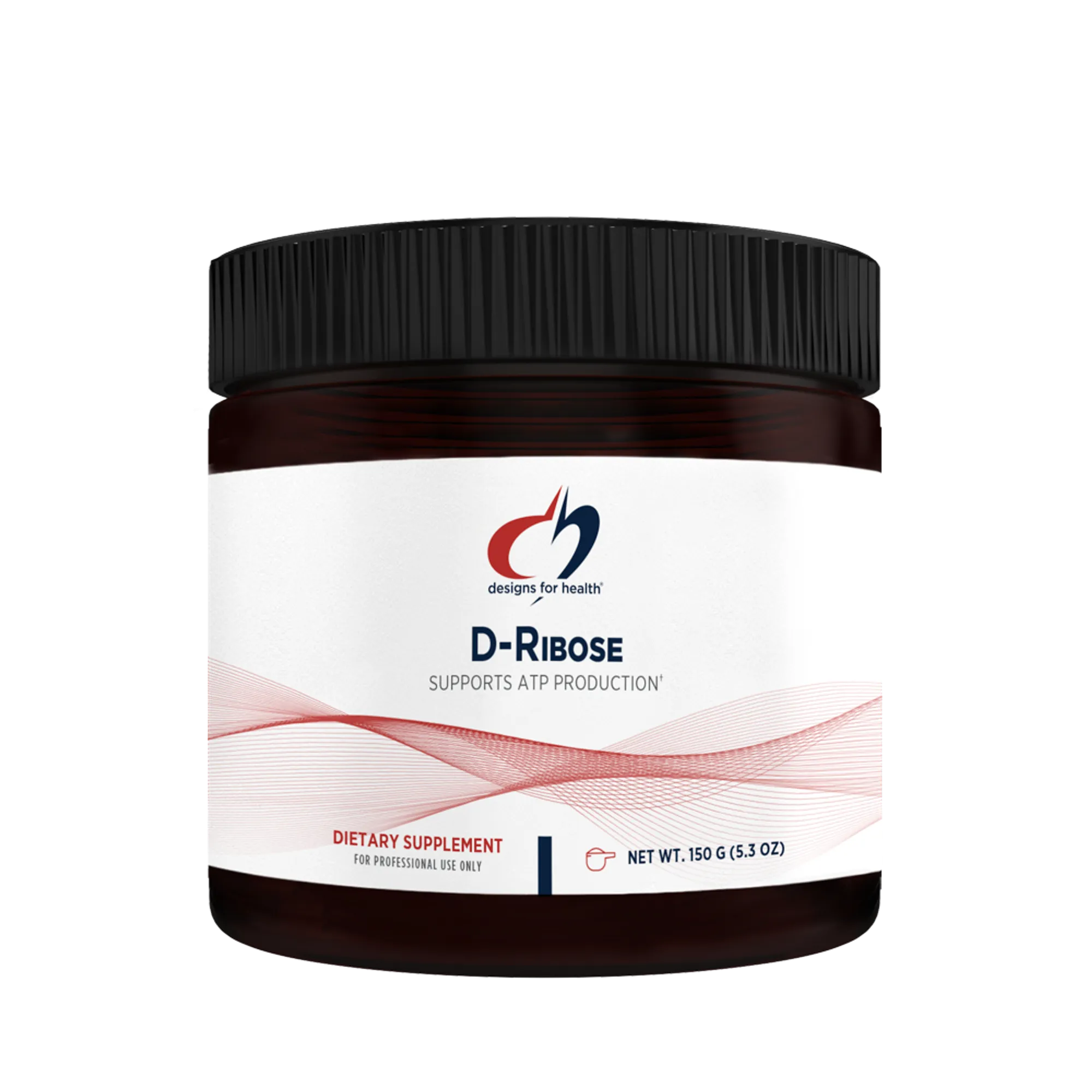
Share:
Disclaimer: The information provided here is for educational purposes only and is not intended as medical advice. It should not be used to diagnose, treat, cure, or prevent any medical condition. Instead, use it as a starting point for discussion with your healthcare provider. Always consult with a qualified healthcare provider before starting any new medication, supplement, device, or making changes to your health regimen.
Waking up feeling as though you have just run a marathon, despite sleeping for ten hours, is a reality that millions of individuals living with complex chronic conditions face every single day. For those navigating the unpredictable waters of Long COVID, myalgic encephalomyelitis/chronic fatigue syndrome (ME/CFS), and dysautonomia, fatigue is not merely a state of being tired. It is a profound, paralyzing cellular exhaustion that dictates what you can and cannot do. Simple tasks, like taking a shower or walking to the mailbox, can trigger a cascade of debilitating symptoms known as post-exertional malaise (PEM). This is not a lack of willpower; it is a measurable, physiological crisis occurring at the microscopic level within your cells.
At the heart of this cellular energy crisis lies the mitochondria, the microscopic powerhouses responsible for generating the energy your body needs to survive and thrive. When viral infections, chronic inflammation, or autonomic dysfunction damage these powerhouses, your body loses its ability to efficiently produce and recycle energy. This is where targeted nutritional support becomes a critical component of a comprehensive management strategy. D-Ribose, a naturally occurring simple sugar, serves as the fundamental structural backbone for cellular energy. By providing the exact raw materials your cells need to rebuild their depleted energy reserves, D-Ribose offers a promising, science-backed approach to supporting mitochondrial function, enhancing muscle recovery, and helping you regain a measure of control over your daily vitality.
What is D-Ribose?
The Fundamental Architecture of Cellular Bioenergetics
To understand how D-Ribose functions within the human body, we must first look at the fundamental architecture of cellular biology. D-Ribose is a naturally occurring, five-carbon monosaccharide (a simple pentose sugar) that is found in every living cell. However, unlike traditional six-carbon sugars such as glucose or fructose, which the body primarily burns as fuel to generate heat and energy, D-Ribose serves a strictly structural purpose. It is the architectural backbone of some of the most critical molecules in biology, including ribonucleic acid (RNA) and deoxyribonucleic acid (DNA), which carry our genetic code. Most importantly for individuals battling chronic fatigue, D-Ribose is the central structural component of adenosine triphosphate (ATP), the universal "energy currency" of the cell.
Every physiological process in your body—from the beating of your heart to the firing of neurons in your brain—requires ATP. An ATP molecule consists of an adenine ring, three phosphate groups, and a central D-Ribose sugar backbone that holds the entire structure together. When a cell needs energy, it breaks the bond between the phosphate groups, releasing a burst of kinetic energy and leaving behind a depleted molecule called adenosine diphosphate (ADP). For the cell to continue functioning, it must rapidly recycle this ADP back into ATP. Without an adequate supply of D-Ribose to maintain the structural integrity of this recycling process, the entire cellular energy system grinds to a halt, leaving tissues starved for the power they need to operate.
The Pentose Phosphate Pathway and the Bioenergetic Bottleneck
In a perfectly healthy body, cells synthesize their own D-Ribose from circulating glucose through a complex biochemical route known as the oxidative phase of the pentose phosphate pathway (PPP). This pathway is a multi-step enzymatic process that slowly converts standard carbohydrates into the specialized five-carbon sugars needed for cellular repair. However, this natural synthesis process is inherently flawed when it comes to rapid energy recovery. The speed at which the body can create D-Ribose is strictly dictated by the availability of a rate-limiting enzyme called glucose-6-phosphate dehydrogenase (G6PDH). This enzyme acts as a biochemical tollbooth, tightly controlling how much D-Ribose can be produced at any given time.
Crucially, the tissues that require the most energy—specifically the heart muscle, skeletal muscles, and neurological tissues—have notoriously low baseline levels of G6PDH. Under normal, low-stress conditions, this slow trickle of D-Ribose production is sufficient to maintain cellular function. But during periods of intense metabolic stress, such as a severe viral infection, chronic inflammation, or the physiological strain of dysautonomia, the demand for ATP skyrockets. The limited supply of G6PDH creates a severe bioenergetic bottleneck. The cells desperately need to rebuild their ATP pools, but they simply cannot manufacture D-Ribose fast enough to keep up with the demand, leading to a state of chronic cellular exhaustion.
The Purine Salvage Pathway: Capturing Lost Energy
When cells are subjected to extreme stress, hypoxia (lack of oxygen), or the mitochondrial dysfunction seen in conditions like Long COVID, the ATP recycling system begins to break down. Instead of neatly converting from ATP to ADP and back again, the energy molecules degrade further into compounds like adenosine monophosphate (AMP), inosine monophosphate (IMP), and hypoxanthine. If these degraded purine metabolites are not quickly rescued, they leak out of the cell membrane and are washed away into the bloodstream, permanently depleting the cell's total energy pool. This phenomenon, known as "purine washout," is a major driver of the prolonged recovery times seen after physical exertion in chronic illness.
The body's primary defense against purine washout is the purine salvage pathway, a highly efficient recycling system that captures these degraded metabolites and stitches them back into functional ATP. However, this salvage pathway absolutely requires a molecule called 5-phosphoribosyl-1-pyrophosphate (PRPP) to operate. PRPP is synthesized directly from D-Ribose. If the cell lacks D-Ribose due to the enzymatic bottleneck of the pentose phosphate pathway, it cannot make PRPP, the salvage pathway fails, and the energy metabolites are lost forever. By understanding this intricate biochemical dance, we can begin to see why supplying the body with exogenous D-Ribose is so critical for individuals whose natural energy production systems have been compromised.
How Long COVID and ME/CFS Impact Cellular Energy
Viral-Induced Mitochondrial Dysfunction and the ATP Deficit
SARS-CoV-2 infection causes profound alterations in host cell metabolism. The virus hijacks the cellular machinery, leading to a downregulation of mitochondrial genes and a disruption of the electron transport chain (ETC). The ETC is a series of protein complexes located in the inner mitochondrial membrane that transfer electrons to generate the proton gradient necessary for ATP synthase to produce ATP. When this system is damaged, as recent research in Nature Reviews Microbiology suggests, the cells suffer a massive ATP deficit. This mitochondrial impairment persists long after the acute infection has cleared, leaving Long COVID patients in a state of chronic bioenergetic failure.
In ME/CFS, similar mitochondrial abnormalities have been documented for decades. Studies show that patients with ME/CFS exhibit elevated baseline energy production attempts but fail to appropriately scale up ATP synthesis under stress. This inefficiency means that even basic cognitive or physical tasks drain the cellular energy reserves far faster than they can be replenished. The resulting ATP deficit is not just a feeling of tiredness; it is a literal lack of the molecular fuel required for muscle contraction, nerve transmission, and cognitive processing.
Tissue Hypoxia, Hyperviscosity, and the Lactic Acid Trap
Another critical factor in chronic illness is the delivery of oxygen to the tissues. In conditions like Long COVID and postural orthostatic tachycardia syndrome (POTS), widespread endothelial inflammation and the presence of microclots can lead to blood hyperviscosity. This thickened blood struggles to navigate the microscopic capillary beds, resulting in localized tissue hypoxia. When cells are deprived of oxygen, they cannot utilize the efficient aerobic mitochondrial pathways to make ATP. Instead, they are forced to rely on anaerobic glycolysis, a highly inefficient backup system.
While aerobic respiration produces up to 36 molecules of ATP per glucose molecule, anaerobic glycolysis produces only 2 ATP, along with a toxic byproduct: lactic acid. The rapid accumulation of intracellular lactic acid drops the pH of the muscle tissue, causing the heavy, burning, and leaden sensation that patients frequently report after minimal exertion. Because the cells are trapped in this inefficient metabolic state, they rapidly burn through their available glucose while generating a fraction of the necessary energy, further compounding the deep cellular exhaustion.
The Vicious Cycle of Post-Exertional Malaise (PEM)
This metabolic dysfunction perfectly explains the hallmark symptom of ME/CFS and Long COVID: post-exertional malaise (PEM). PEM, often described by patients as a "crash," is a disproportionate exacerbation of symptoms following minor physical, cognitive, or emotional exertion. During exertion, the already compromised ATP pool is rapidly drained. Because of the pentose phosphate pathway bottleneck and the lack of G6PDH enzyme, the body cannot quickly synthesize the D-Ribose needed to salvage and rebuild the lost ATP.
As a result, it can take days, weeks, or even months for the cellular energy pools to naturally regenerate. During this prolonged recovery period, the patient experiences profound muscle weakness, severe brain fog, and autonomic instability. The body is essentially forcing a shutdown to protect its remaining energy reserves. Understanding PEM as a literal depletion of the ATP and D-Ribose pools validates the patient experience: pushing through the fatigue is not only impossible, but it actively damages the cellular machinery by causing further purine washout.
D-Ribose: Supporting Mitochondrial Function and Recovery
Bypassing the Enzymatic Bottleneck for Rapid ATP Synthesis
The primary therapeutic mechanism of supplemental D-Ribose is its ability to completely bypass the sluggish pentose phosphate pathway. When ingested, D-Ribose is rapidly absorbed into the bloodstream and taken up by the cells. Once inside, it is immediately phosphorylated by an enzyme called ribokinase to form ribose-5-phosphate. This completely circumvents the G6PDH enzymatic bottleneck that normally restricts energy recovery in heart and muscle tissues.
From there, ribose-5-phosphate is swiftly converted into 5-phosphoribosyl-1-pyrophosphate (PRPP). By flooding the cell with PRPP, supplemental D-Ribose hyper-activates the purine salvage pathway. Instead of allowing degraded energy metabolites like hypoxanthine to wash out of the cell and be lost forever, the abundant PRPP captures them and rapidly stitches them back into functional ATP molecules. Clinical pharmacokinetic studies have demonstrated that high-dose D-Ribose can restore depleted skeletal muscle ATP concentrations to pre-exercise baseline levels within 72 hours, a process that would normally take several days without supplementation.
Restoring Diastolic Function and Cardiovascular Hemodynamics
The cardiovascular system is one of the most energy-demanding networks in the human body, making it highly sensitive to ATP depletion. In conditions like dysautonomia, POTS, and heart failure with preserved ejection fraction (HFpEF), the heart struggles with diastolic function—the relaxation phase of the heartbeat. Diastolic relaxation is an active, highly energy-dependent process that requires massive amounts of ATP to pump calcium ions back into the sarcoplasmic reticulum. When ATP is deficient, the heart muscle remains stiff and non-compliant, impairing its ability to fill with blood.
By accelerating ATP synthesis, D-Ribose provides the necessary energy for proper calcium reuptake and myocardial relaxation. A 2003 prospective crossover study published in the European Journal of Heart Failure found that D-Ribose supplementation significantly improved diastolic functional parameters, including shorter E-wave deceleration times and enhanced left ventricular filling. For patients with POTS or Long COVID experiencing heart palpitations, chest tightness, and exercise intolerance, supporting the heart's bioenergetic capacity with D-Ribose can be a crucial step in managing cardiovascular symptom burden.
Clearing Intracellular Lactic Acid and Supporting Skeletal Muscle
In addition to rebuilding the ATP pool, D-Ribose plays a vital role in shifting the cellular metabolism away from inefficient anaerobic glycolysis and back toward healthy aerobic respiration. By restoring the structural integrity of the mitochondrial energy pathways, D-Ribose helps the cells utilize oxygen more effectively. This metabolic shift naturally reduces the production of lactic acid during physical exertion.
Furthermore, the rapid restoration of ATP allows the muscle cells to actively pump existing lactic acid out of the intracellular space and into the bloodstream, where it can be cleared by the liver. This mechanism is why D-Ribose is frequently utilized in sports medicine to reduce delayed onset muscle soreness (DOMS) and accelerate athletic recovery. For chronic illness patients, this means a potential reduction in the heavy, burning muscle pain that accompanies even mild daily activities, improving overall mobility and quality of life.
Symptoms D-Ribose May Help Manage
Targeted Relief for Metabolic and Cellular Exhaustion
Profound Fatigue and Post-Exertional Malaise (PEM): By directly supplying the structural backbone needed to rebuild depleted ATP pools, D-Ribose helps shorten the duration of energy crashes and supports a more stable baseline of daily vitality.
Brain Fog and Cognitive Dysfunction: The brain consumes roughly 20% of the body's total ATP despite accounting for only 2% of its weight. Restoring cellular energy pathways helps support the intense metabolic demands of neurological processing, potentially improving focus and mental clarity.
Muscle Heaviness and Aching (DOMS): By shifting cellular metabolism away from anaerobic glycolysis and facilitating the clearance of intracellular lactic acid, D-Ribose can alleviate the heavy, burning sensation in muscles that often follows minimal physical exertion.
Exercise Intolerance: Rapidly hyper-activating the purine salvage pathway prevents the "washout" of degraded energy metabolites, allowing skeletal muscles to recover their contractile strength and endurance more efficiently after activity.
Cardiovascular Symptoms and Shortness of Breath: By providing the ATP required for the active diastolic relaxation of the heart muscle, D-Ribose supports healthy ventricular filling and cardiovascular hemodynamics, which may help manage palpitations and exertion-related breathlessness.
Practical Considerations: Forms, Dosing, and Absorption
Optimal Dosing Strategies and Pharmacokinetics
D-Ribose is highly bioavailable, with pharmacokinetic studies showing absorption rates of up to 99.8% in the gastrointestinal tract. It is typically administered as a slightly sweet, water-soluble powder that mixes easily into liquids. Because D-Ribose has a very short half-life in the body, clinical protocols generally recommend dividing the total daily dosage into multiple smaller servings to maintain consistent blood levels and provide a steady stream of structural support to the mitochondria.
For individuals managing severe cellular energy deficits, such as those with ME/CFS, Long COVID, or cardiovascular conditions, the standard therapeutic dosage utilized in clinical trials is typically 10 to 15 grams per day. This is usually divided into three separate 5-gram doses (approximately one scoop each) taken morning, afternoon, and evening. For general athletic recovery or milder fatigue, a maintenance dose of 5 grams daily is often sufficient. It is important to note that rebuilding deep cellular ATP deficits takes time; while some patients notice improvements in energy within a few days, clinical trials often measure optimal results after three to six weeks of consistent supplementation.
Managing the Hypoglycemic Effect and Absorption Factors
While D-Ribose is technically a simple sugar, it is metabolized very differently than standard table sugar (glucose). D-Ribose does not spike blood glucose levels; in fact, it has the opposite effect. When ingested, D-Ribose stimulates a mild insulin response from the pancreas. Because there is no accompanying glucose to absorb, this insulin spike can temporarily drive existing blood sugar levels down, leading to a state of transient hypoglycemia.
Research on healthy adults has shown that taking high doses of D-Ribose on an empty stomach can cause a dose-related drop in serum glucose, which may manifest as lightheadedness, dizziness, anxiety, or mild nausea—symptoms that can easily be mistaken for a POTS or dysautonomia flare. To mitigate this effect, it is highly recommended to always take D-Ribose alongside a meal or a snack containing complex carbohydrates and proteins. While consuming D-Ribose with food slightly lowers its peak concentration (Cmax) in the blood, this blunting effect is actually protective, ensuring a slower, safer absorption rate without triggering hypoglycemic distress.
Synergistic Combinations and Potential Contraindications
In functional medicine, D-Ribose is rarely used in isolation. It is most effective when integrated into a comprehensive mitochondrial support protocol. For example, while D-Ribose provides the structural backbone for ATP, Coenzyme Q10 (ubiquinol) is required to transport the electrons that actually generate the energy. Combining D-Ribose with CoQ10, L-Carnitine, and Magnesium Glycinate creates a powerful synergy that addresses multiple facets of the bioenergetic pathway simultaneously.
Despite its high safety profile, D-Ribose does have specific contraindications. Because of its blood-sugar-lowering effects, individuals with insulin-dependent diabetes or those taking oral anti-diabetic medications must consult their healthcare provider before use, as the combination can lead to severe and dangerous hypoglycemia. Additionally, D-Ribose should not be combined with high-dose aspirin or excessive alcohol consumption, as both can further destabilize blood glucose levels. As always, patients with complex chronic illnesses should introduce new supplements slowly and under medical supervision.

Follow the Science: Clinical Trials and Research
Landmark Studies in ME/CFS and Fibromyalgia
The clinical justification for utilizing D-Ribose in complex chronic illness stems largely from foundational research conducted on patients with myalgic encephalomyelitis/chronic fatigue syndrome (ME/CFS) and fibromyalgia. In a highly cited 2006 pilot study published in the Journal of Alternative and Complementary Medicine, researchers administered 15 grams of D-Ribose daily to 41 patients. The results were striking: 66% of the participants experienced a significant improvement in clinical symptoms, with an average energy increase of 45% and a 30% improvement in overall well-being.
Following this success, a larger multicenter open-label trial in 2012 expanded the research to 203 patients across 53 clinics. Over a three-week period, patients taking 15 grams of D-Ribose daily reported a 61.3% average increase in energy, a 30% improvement in mental clarity, and a 29.3% improvement in sleep quality. While these studies were open-label and lacked a placebo control group—a notable clinical limitation—the sheer magnitude of the symptomatic improvement strongly supports the hypothesis that D-Ribose addresses a core bioenergetic deficit in these patient populations.
Cardiovascular Trials: Heart Failure and Diastolic Dysfunction
Beyond chronic fatigue, D-Ribose has been extensively studied in the realm of metabolic cardiology. A recent 2022 Phase 2 randomized, double-blind, placebo-controlled trial funded by the NIH evaluated the effects of D-Ribose and Ubiquinol in patients with heart failure with preserved ejection fraction (HFpEF). The study found that treatment with 15 grams of D-Ribose daily resulted in significant improvements in the Kansas City Cardiomyopathy Questionnaire (KCCQ) clinical summary scores, alongside a notable decrease in B-type natriuretic peptides (BNP), a key biomarker of heart stress.
Earlier research, such as the 2003 Omran crossover study, demonstrated that oral D-Ribose supplementation directly improves the echocardiographic parameters of the heart. Patients with severe chronic coronary artery disease exhibited enhanced atrial contribution to left ventricular filling and significantly improved physical function scores. These cardiovascular findings are particularly relevant for Long COVID and POTS patients, who frequently suffer from autonomic cardiovascular dysregulation and exertion-induced tachycardia.
Emerging Research on Post-Viral Fatigue and Long COVID
As the medical community grapples with the staggering prevalence of Long COVID, researchers are increasingly drawing parallels between post-acute sequelae of SARS-CoV-2 and established ME/CFS pathophysiology. A landmark 2023 comprehensive review in Nature Reviews Microbiology explicitly identified mitochondrial dysfunction and ATP depletion as core drivers of Long COVID fatigue. The review highlighted D-Ribose, often paired with Coenzyme Q10, as a highly promising therapeutic intervention that deserves rigorous further study.
Furthermore, recent research published in the Journal of Translational Medicine has uncovered distinct metabolomic signatures and impaired oxygen consumption rates in the peripheral blood mononuclear cells of Long COVID patients. These findings confirm the presence of a unique bioenergetic inefficiency. By acting as a versatile metabolic substrate that bypasses viral-induced enzymatic blockades, D-Ribose is uniquely positioned to help restore cellular energy production, offering a scientifically grounded beacon of hope for those navigating the complexities of post-viral recovery.
The Path Forward
Validating the Metabolic Reality of Chronic Illness
Living with the profound fatigue of Long COVID, ME/CFS, or dysautonomia is an exhausting battle, made even more difficult by the invisible nature of the illness. It is crucial to understand that your exhaustion is not a psychological failing or a lack of conditioning; it is a highly complex, measurable metabolic crisis occurring at the deepest cellular level. When your mitochondria are damaged and your ATP pools are depleted, your body is simply functioning without the necessary molecular fuel. D-Ribose offers a targeted, biochemical shortcut to help rebuild that structural foundation, validating the physiological reality of your symptoms.
By directly supplying the raw materials needed to bypass sluggish enzymatic pathways and hyper-activate the purine salvage system, D-Ribose empowers your cells to reclaim their energy-generating capacity. Whether you are struggling with the heavy limbs of post-exertional malaise, the cognitive fog of neurological energy depletion, or the cardiovascular strain of autonomic dysfunction, supporting your mitochondrial health is a foundational step toward reclaiming your vitality and improving your daily quality of life.
Integrating D-Ribose into a Comprehensive Strategy
While D-Ribose is a powerful tool for cellular bioenergetics, it is not a standalone cure. True recovery and symptom management require a holistic, multi-faceted approach. D-Ribose works best when integrated into a comprehensive strategy that includes aggressive pacing to prevent further purine washout, meticulous symptom tracking, and a balanced protocol of synergistic nutrients like Electrolyte/Energy Formulas and OptiFerin-C to support overall physiological resilience.
Always remember that managing complex chronic illness is a marathon, not a sprint. Rebuilding deep cellular energy deficits takes time, patience, and consistent support. Before introducing high-dose mitochondrial supplements into your routine, especially if you have underlying metabolic or cardiovascular conditions, it is essential to consult with a knowledgeable healthcare provider who understands the nuances of post-viral and autonomic disorders. Together, you can build a safe, personalized roadmap toward cellular recovery.