Can Curcumin Phytosome Reduce Inflammation and Stabilize Mast Cells in Long COVID and ME/CFS?
March 5, 2026
CurcuminLong COVIDMast Cell Activation Syndrome
Share:
Disclaimer: The information provided here is for educational purposes only and is not intended as medical advice. It should not be used to diagnose, treat, cure, or prevent any medical condition. Instead, use it as a starting point for discussion with your healthcare provider. Always consult with a qualified healthcare provider before starting any new medication, supplement, device, or making changes to your health regimen.
Living with complex chronic conditions like Long COVID, myalgic encephalomyelitis/chronic fatigue syndrome (ME/CFS), dysautonomia, and mast cell activation syndrome (MCAS) often feels like navigating a never-ending storm of inflammation. You might experience debilitating joint pain that makes getting out of bed feel impossible, unpredictable allergic reactions to foods you used to tolerate, or a profound, heavy fatigue that doesn't improve with rest. These symptoms are not just "in your head"—they are the result of deeply rooted physiological dysregulation, where your immune system remains locked in a hyperactive, defensive state long after an initial trigger like a viral infection. Finding ways to calm this systemic inflammation is a critical step in managing these complex illnesses and reclaiming your quality of life.
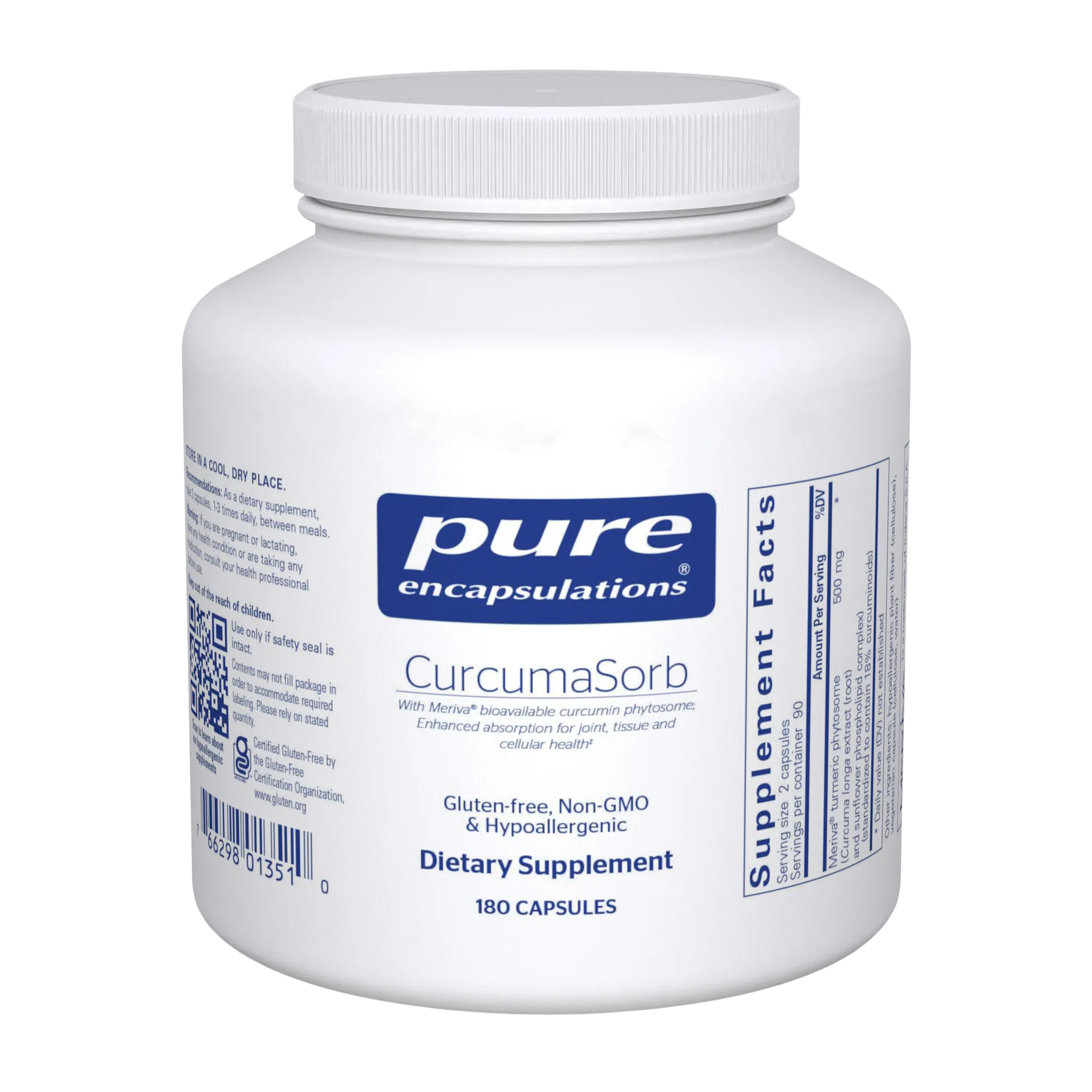
For centuries, traditional medicine has revered turmeric for its potent healing properties, but modern science has pinpointed its most powerful active compound: curcumin. However, harnessing the true therapeutic potential of curcumin has historically been incredibly challenging due to its notoriously poor absorption in the human body. Enter CurcumaSorb, a specialized supplement featuring the patented Meriva® curcumin phytosome complex. By utilizing advanced delivery technology to overcome the bioavailability hurdle, this formulation offers a promising, science-backed approach to supporting joint comfort, stabilizing hyperactive mast cells, and dampening the chronic inflammatory pathways that drive many of the most frustrating symptoms of Long COVID and related conditions. Let's explore the deep cellular mechanisms behind how it works.
TL;DR
CurcumaSorb uses Meriva phytosome technology to significantly improve curcumin's absorption and bioavailability.
Highly bioavailable curcumin supports joint comfort and helps manage systemic inflammation.
Research suggests curcumin may help stabilize mast cells and reduce histamine-driven symptoms.
It acts as a potent antioxidant, protecting cellular health and supporting mitochondrial function.
What is Curcumin and Meriva Phytosome?
The Golden Spice and Its Active Compounds
Turmeric, derived from the root of the Curcuma longa plant, is a vibrant yellow spice that has been a cornerstone of Ayurvedic and traditional medicine for thousands of years. The primary therapeutic power of turmeric lies in a group of polyphenolic compounds known as curcuminoids, with curcumin being the most abundant and biologically active. At a molecular level, curcumin is a pleiotropic molecule, meaning it has the remarkable ability to interact with multiple cellular targets and signaling pathways simultaneously. It acts as a potent antioxidant, a modulator of the immune system, and a master regulator of inflammation, making it a subject of intense scientific interest for a wide range of chronic health conditions.
In a healthy body, acute inflammation is a necessary and protective response to injury or infection, orchestrated by a complex network of signaling molecules and immune cells. Curcumin helps to ensure that this inflammatory response remains balanced and resolves appropriately once the threat has passed. It achieves this by interacting directly with key enzymes, transcription factors, and inflammatory cytokines, preventing them from driving excessive or prolonged tissue damage. However, despite its profound therapeutic potential, standard curcumin extracts face a significant biological roadblock that limits their clinical efficacy.
The Bioavailability Problem
The fundamental challenge with standard curcumin is its exceptionally poor bioavailability. Bioavailability refers to the proportion of a substance that successfully enters the systemic circulation and is able to have an active effect on the body's tissues. Curcumin is highly lipophilic (fat-soluble) and practically insoluble in water, which makes it very difficult for the watery environment of the human digestive tract to absorb it effectively. When you consume standard turmeric or unformulated curcumin powder, the vast majority of it simply passes through the gastrointestinal tract and is excreted without ever reaching your bloodstream.
Furthermore, the small amount of curcumin that does manage to cross the intestinal barrier is rapidly metabolized and conjugated by the liver. The liver quickly attaches molecules like glucuronic acid or sulfate to the curcumin, transforming it into water-soluble metabolites that are rapidly eliminated through the kidneys. Because of this rapid degradation and clearance, achieving therapeutic plasma levels of curcumin using standard extracts often requires consuming impractically massive doses, which can lead to gastrointestinal distress and poor patient compliance. This bioavailability hurdle has long been the primary limiting factor in utilizing curcumin for systemic chronic illnesses.
The Phytosome Solution: Meriva
To overcome these significant absorption challenges, scientists developed a patented delivery system known as Phytosome technology, which is the foundation of the Meriva® complex found in CurcumaSorb. This innovative approach takes inspiration from the body's own biology. Human cell membranes are primarily composed of phospholipids, which are molecules that have a water-loving (hydrophilic) head and a fat-loving (lipophilic) tail. The Phytosome process binds the curcumin extract to a specific phospholipid, typically phosphatidylcholine derived from sunflower or soy, at a precise 1:2 ratio.
This molecular binding creates a stable complex that acts like a biological Trojan horse. The phosphatidylcholine shields the fragile curcumin molecules from rapid degradation in the harsh environment of the stomach and intestines. Because the intestinal lining is also made of phospholipids, the Meriva complex is easily recognized and readily absorbed across the gut membrane into the bloodstream. Clinical studies have demonstrated that this Phytosome technology significantly improves clinical and biochemical endpoints in chronic inflammatory conditions compared to standard management. This means that Meriva can effectively deliver systemic therapeutic benefits that are often difficult to achieve with standard, unformulated curcumin extracts.
How Long COVID and Chronic Illness Impact Systemic Inflammation
The Cytokine Storm and Persistent Inflammation
In conditions like Long COVID and ME/CFS, the immune system fails to return to a baseline state of rest after an initial trigger, such as a viral infection. Instead, it remains locked in a state of chronic, low-grade activation, continually pumping out pro-inflammatory signaling molecules known as cytokines. This phenomenon, often referred to as a persistent "cytokine storm" or chronic cytokine signaling, creates a highly toxic environment for the body's tissues. Elevated levels of specific cytokines, particularly Interleukin-6 (IL-6), Interleukin-1 beta (IL-1β), and Tumor Necrosis Factor-alpha (TNF-α), are frequently observed in patients with these complex chronic illnesses.
This persistent systemic inflammation wreaks havoc on multiple organ systems. In the joints and muscles, it drives the severe, aching pain and stiffness that many patients experience daily. In the cardiovascular system, chronic inflammation damages the endothelial lining of blood vessels, contributing to microvascular dysfunction, poor circulation, and the autonomic nervous system dysregulation seen in conditions like postural orthostatic tachycardia syndrome (POTS). The constant presence of inflammatory mediators also drains the body's energy reserves, contributing significantly to the profound, unrefreshing fatigue and post-exertional malaise (PEM) that characterize ME/CFS and Long COVID.
Mast Cell Activation Syndrome (MCAS) and Histamine Overload
Many individuals with Long COVID, ME/CFS, and dysautonomia also develop a comorbid condition known as mast cell activation syndrome (MCAS). Mast cells are specialized white blood cells that act as the immune system's first responders, stationed in tissues throughout the body, particularly in the skin, gut, and respiratory tract. In a healthy body, they release chemical mediators like histamine only when necessary to fight off a parasite or respond to an injury. However, in MCAS, these mast cells become highly unstable and hyperreactive, inappropriately "degranulating" (breaking open) in response to everyday triggers like certain foods, temperature changes, stress, or even mild exertion.
When mast cells degranulate, they flood the surrounding tissues and bloodstream with a massive payload of histamine, prostaglandins, leukotrienes, and inflammatory cytokines. This sudden influx of mediators triggers a wide array of unpredictable and debilitating symptoms, including sudden skin flushing, severe gastrointestinal distress, rapid heart rate (tachycardia), brain fog, and profound fatigue. The chronic release of histamine also perpetuates the cycle of systemic inflammation, further sensitizing the nervous system and exacerbating the symptoms of overlapping conditions like POTS and ME/CFS. Finding ways to stabilize these hyperactive mast cells is a crucial component of managing this complex web of symptoms.
Neuroinflammation and Oxidative Stress
Perhaps one of the most debilitating aspects of these chronic conditions is their impact on the brain and central nervous system. The systemic inflammation driven by persistent immune activation and mast cell degranulation can cross the blood-brain barrier, leading to a state of chronic neuroinflammation. Specialized immune cells in the brain, called microglia, become activated and begin releasing their own inflammatory cytokines, creating a localized inflammatory fire within the central nervous system. Recent research strongly implicates this chronic neuroinflammation as a primary driver of the severe cognitive dysfunction (brain fog), memory issues, and sensory processing difficulties experienced by patients with Long COVID and ME/CFS.
Simultaneously, this chronic inflammatory state generates a massive amount of reactive oxygen species (ROS), highly unstable molecules that cause oxidative stress. When the production of ROS overwhelms the body's natural antioxidant defenses, these free radicals begin damaging cellular structures, including DNA, proteins, and lipids. This oxidative damage is particularly devastating to the mitochondria, the energy-producing powerhouses of the cells. Mitochondrial dysfunction is a hallmark of ME/CFS and Long COVID, leading to a severe cellular energy crisis that manifests as debilitating physical and cognitive fatigue. Breaking this vicious cycle of inflammation and oxidative stress is essential for restoring cellular health and energy production.
CurcumaSorb: Supporting Inflammatory Balance and Cellular Health
Inhibiting the NF-κB Pathway and Pro-Inflammatory Enzymes
CurcumaSorb, utilizing the highly bioavailable Meriva complex, offers a multi-targeted approach to dampening the systemic inflammation that drives chronic illness. At the molecular level, one of curcumin's most profound mechanisms of action is its ability to inhibit the activation of Nuclear Factor kappa B (NF-κB). NF-κB is a master transcription factor—essentially a genetic "light switch"—that controls the expression of hundreds of genes involved in the inflammatory response. In conditions like Long COVID and ME/CFS, the NF-κB pathway is often chronically stuck in the "on" position, constantly directing cells to produce inflammatory cytokines. Curcumin actively blocks the activation and translocation of NF-κB into the cell nucleus, effectively turning off this inflammatory switch at its source.
Furthermore, curcumin directly inhibits the activity of several key pro-inflammatory enzymes, most notably cyclooxygenase-2 (COX-2) and 5-lipoxygenase (5-LOX). These are the exact same enzymatic pathways targeted by standard non-steroidal anti-inflammatory drugs (NSAIDs) like ibuprofen or celecoxib, which are commonly used to manage joint and muscle pain. However, unlike chronic NSAID use, which can cause severe gastrointestinal damage and cardiovascular issues, curcumin modulates these pathways naturally without disrupting the protective mucosal lining of the stomach. By suppressing COX-2 and 5-LOX, curcumin significantly reduces the production of inflammatory prostaglandins and leukotrienes, providing powerful support for joint comfort, mobility, and overall tissue health.
Stabilizing Mast Cells and Reducing Histamine
For patients dealing with the unpredictable and systemic symptoms of mast cell activation syndrome (MCAS), curcumin serves as a potent, natural mast cell stabilizer. In vitro studies have demonstrated that curcumin can actively prevent mast cells from degranulating and releasing their payload of histamine and inflammatory mediators. It achieves this through several distinct biochemical mechanisms. First, curcumin inhibits FcεRI protein expression and protein kinase C delta translocation, which are critical components of the activation signaling cascade within the mast cell. By blocking these pathways, curcumin helps halt the degranulation process.
Additionally, curcumin helps to downregulate the expression of high-affinity IgE receptors (FcεRI) on the surface of mast cells, making them less sensitive to allergic triggers. It also actively blocks the influx of intracellular calcium, a necessary step for the physical release of histamine granules, while simultaneously boosting levels of cyclic AMP (cAMP), a molecule that exerts a profound stabilizing effect on the cell membrane. By addressing mast cell hyperreactivity from multiple angles, the bioavailable curcumin in CurcumaSorb can help reduce the frequency and severity of histamine-driven symptoms, from skin flushing and gastrointestinal distress to the rapid heart rate associated with comorbid dysautonomia.
Antioxidant Defense and Mitochondrial Protection
Beyond its direct anti-inflammatory and mast cell-stabilizing properties, curcumin is a formidable antioxidant that plays a crucial role in mitigating the oxidative stress seen in Long COVID and ME/CFS. Its unique molecular structure allows it to directly scavenge and neutralize a wide variety of reactive oxygen species (ROS), including superoxide radicals, hydrogen peroxide, and nitric oxide radicals. By neutralizing these unstable molecules, curcumin protects delicate cellular structures, particularly the lipid membranes of cells and the DNA within the nucleus, from widespread oxidative damage.
Crucially, this antioxidant protection extends deep into the mitochondria. By reducing the oxidative burden within the cell, curcumin helps to protect the delicate enzymes of the electron transport chain, which are responsible for producing adenosine triphosphate (ATP), the body's primary energy currency. Furthermore, curcumin has been shown to upregulate the body's own endogenous antioxidant defense systems, such as glutathione peroxidase and superoxide dismutase (SOD), by activating the Nrf2 pathway. This comprehensive antioxidant support is vital for restoring mitochondrial function, combating the profound cellular energy crisis, and alleviating the debilitating fatigue and brain fog that plague patients with complex chronic illnesses.
Symptoms CurcumaSorb May Help Manage
Joint and Muscle Discomfort
Because of its potent ability to inhibit the COX-2 and 5-LOX inflammatory pathways, CurcumaSorb is highly effective at targeting the musculoskeletal symptoms associated with chronic systemic inflammation.
Aching Joints and Stiffness: By reducing the production of inflammatory prostaglandins in the synovial fluid, curcumin helps to alleviate the deep, aching joint pain and morning stiffness that frequently accompany conditions like Long COVID and autoimmune dysregulation.
Muscle Pain and Myalgia: The suppression of systemic inflammatory cytokines like TNF-α and IL-6 helps to reduce the chronic muscle pain and tenderness often reported by patients with ME/CFS and fibromyalgia-like presentations.
Post-Exertional Discomfort: By mitigating oxidative stress and localized tissue inflammation, bioavailable curcumin may help reduce the severity of muscle soreness and physical discomfort experienced during a post-exertional malaise (PEM) crash.
Allergic and Histamine-Driven Symptoms
For individuals navigating the complexities of mast cell activation syndrome (MCAS) and histamine intolerance, the mast cell-stabilizing properties of curcumin offer targeted support for a wide range of unpredictable symptoms.
Skin Flushing and Hives: By inhibiting the release of histamine from mast cells in the skin, curcumin can help reduce the frequency and intensity of sudden dermatological reactions, flushing, and pruritus (itching).
Gastrointestinal Distress: Mast cells are heavily concentrated in the gut lining. Stabilizing these cells helps to reduce the localized release of histamine and inflammatory mediators that drive symptoms like abdominal pain, bloating, and unpredictable bowel habits.
Respiratory Reactivity: By downregulating inflammatory pathways in the respiratory tract, curcumin may help soothe the chronic sinus congestion, throat clearing, and reactive airway symptoms often associated with histamine overload.
Brain Fog and Fatigue
The systemic benefits of reducing inflammation and oxidative stress extend directly to the central nervous system and cellular energy production, addressing some of the most debilitating neurological symptoms of these conditions.
Cognitive Dysfunction (Brain Fog): By crossing the blood-brain barrier and dampening microglial activation, highly bioavailable curcumin helps to reduce the neuroinflammation that drives memory issues, poor concentration, and sensory overload.
Profound Fatigue: By protecting mitochondrial integrity from oxidative damage and supporting efficient ATP production, curcumin helps to address the root cellular energy crisis, potentially improving baseline energy levels and stamina.
Autonomic Dysregulation: Reducing systemic inflammation can help calm the overactive sympathetic nervous system, providing indirect support for managing the rapid heart rate and lightheadedness associated with dysautonomia and POTS.
Practical Considerations: Forms, Dosing, and Absorption
Why Meriva Phytosome Outperforms Standard Extracts
When considering a curcumin supplement, understanding the delivery mechanism is arguably more important than the total milligram dosage. As discussed, standard curcumin extracts suffer from profound bioavailability issues, meaning that taking a capsule of generic turmeric powder will likely yield very little systemic benefit, regardless of the dose. The Meriva phytosome complex utilized in CurcumaSorb represents a significant technological leap in botanical medicine. By binding the curcumin extract to sunflower-derived phosphatidylcholine at a 1:2 ratio, the Phytosome technology ensures that the active curcuminoids are protected from digestive degradation and efficiently shuttled across the intestinal lining into the bloodstream.
Long-term clinical studies have clearly demonstrated the efficacy of this approach. In human trials, taking 1,000 mg of the Meriva complex daily resulted in significant improvements in clinical and biochemical endpoints for osteoarthritis patients, showcasing its systemic therapeutic potential. Furthermore, the Phytosome structure allows the curcumin to be readily absorbed, providing sustained anti-inflammatory and antioxidant support. This enhanced absorption profile is what makes CurcumaSorb a viable, practical option for targeting the deep, systemic inflammation associated with conditions like Long COVID and ME/CFS, without requiring patients to swallow handfuls of capsules.
Optimal Dosing and Timing
The suggested use for CurcumaSorb is to take 2 capsules, 1 to 3 times daily, or as directed by a healthcare professional. Because the Meriva complex is standardized to contain 18% active curcuminoids, a two-capsule dose (1,000 mg of Meriva) provides approximately 180-200 mg of highly bioavailable curcuminoids. This specific dosage aligns perfectly with the amounts used in the landmark clinical trials demonstrating significant improvements in joint comfort and systemic inflammatory markers. For individuals dealing with severe, chronic inflammation or active MCAS flares, a healthcare provider may recommend the higher end of the dosing spectrum (up to 3,000 mg of Meriva per day) divided into multiple doses.
Timing and consistency are key when utilizing curcumin for chronic illness management. While the Phytosome technology significantly enhances absorption, it is generally recommended to take CurcumaSorb between meals to maximize its uptake and prevent potential competition with other dietary fats and proteins in the digestive tract. However, if you experience any mild gastrointestinal sensitivity, taking it with a small snack is perfectly acceptable. It is also important to note that curcumin is not a quick-fix stimulant; its anti-inflammatory and mast cell-stabilizing effects are cumulative. Most clinical trials observe significant benefits after 4 to 12 weeks of consistent daily use, as the compound gradually downregulates inflammatory pathways and restores cellular balance.
Safety, Tolerability, and Potential Interactions
Curcumin, particularly in the extensively studied Meriva formulation, has an excellent safety profile and is generally very well tolerated, even with long-term use. Unlike traditional NSAID pain relievers, which can cause severe gastrointestinal ulceration and bleeding with chronic use, curcumin exerts its anti-inflammatory effects without damaging the stomach lining. In fact, many patients find that curcumin actually helps soothe gastrointestinal inflammation. The Meriva complex in CurcumaSorb is also free from common allergens, utilizing sunflower-derived phospholipids rather than soy, making it suitable for highly sensitive individuals.
However, there are important practical considerations and potential interactions to be aware of. Because curcumin has mild blood-thinning properties and can inhibit platelet aggregation, it should be used with caution in individuals taking prescription anticoagulant or antiplatelet medications (such as warfarin, clopidogrel, or high-dose aspirin), as it may increase the risk of bruising or bleeding. Additionally, curcumin can stimulate gallbladder contractions, so individuals with active gallstones or bile duct obstructions should consult their physician before starting supplementation. Always discuss new supplements with your healthcare provider, especially if you are managing a complex chronic illness or taking multiple prescription medications.
Follow the Science: Clinical Evidence for Meriva
Landmark Studies on Joint Health and Mobility
The Meriva curcumin phytosome complex is one of the most rigorously researched botanical formulations in the world, with over 30 human clinical trials validating its efficacy and safety. Some of the most compelling data comes from foundational studies focusing on joint pain and osteoarthritis, conditions driven by the same COX-2 and 5-LOX inflammatory pathways that are often upregulated in Long COVID and ME/CFS. In a landmark 2010 registry study published in Panminerva Medica, researchers evaluated 50 patients suffering from osteoarthritis. The patients were given 1,000 mg of Meriva per day (the exact equivalent of two CurcumaSorb capsules) for three months.
The results of this study were striking. The patients taking Meriva experienced a massive 58% decrease in their overall WOMAC score, a standardized clinical index used to measure joint pain, stiffness, and physical function. In contrast, the control group saw only a negligible 2% improvement. Furthermore, the Meriva group's physical mobility improved dramatically; their performance on a treadmill walking test increased by over 300%, allowing them to walk an average of 332 meters pain-free, compared to just 76 meters at the start of the trial. These findings clearly demonstrated that the enhanced bioavailability of the Phytosome complex translates directly into profound, real-world clinical benefits for inflammatory joint conditions.
Evidence for Systemic Inflammation Reduction
Because chronic illnesses like Long COVID and dysautonomia are driven by systemic, rather than just localized, inflammation, it is crucial to look at how Meriva impacts objective blood markers of immune activation. Following the initial 3-month trial, researchers conducted an extended 8-month long-term safety and efficacy study involving 100 patients, again utilizing a daily dose of 1,000 mg of Meriva. This longer duration allowed researchers to track deep, systemic inflammatory markers over time, providing a clear picture of curcumin's ability to modulate the immune response.
Blood analysis across these trials revealed that patients taking Meriva experienced statistically significant drops in a wide profile of pro-inflammatory markers. In the 3-month study, levels of C-Reactive Protein (CRP), a primary biomarker for systemic inflammation, plummeted from an average of 168 mg/L down to 11.3 mg/L in the subpopulation with high CRP. The extended 8-month study further documented significant reductions in Interleukin-1β (IL-1β), Interleukin-6 (IL-6), and the erythrocyte sedimentation rate (ESR). This comprehensive downregulation of the inflammatory cascade highlights Meriva's potential utility in managing the persistent "cytokine storm" associated with complex post-viral syndromes.
Emerging Research on Mast Cell Stabilization
While large-scale human clinical trials specifically evaluating curcumin for Mast Cell Activation Syndrome (MCAS) are still in their early stages, a robust body of in vitro and animal research provides compelling evidence for its mast cell-stabilizing properties. A recent 2023 comprehensive lipidomics study investigated the anti-allergic effects of curcumin on mast cells at a molecular level. The researchers found that highly bioavailable curcumin was exceptionally potent at preventing mast cell degranulation, suppressing the release of β-hexosaminidase (a key biomarker of degranulation) by over 65% within just three hours of exposure.
Furthermore, the study demonstrated that curcumin actively rewires the lipid metabolism of the mast cell, regulating 78% of the significant differential lipids involved during an allergic, IgE-stimulated response. Other peer-reviewed studies have confirmed that curcumin achieves this stabilization by inhibiting FcεRI protein expression and protein kinase C delta translocation, which are critical for histamine release. These precise, documented mechanisms of action explain why highly bioavailable curcumin formulations like Meriva are increasingly utilized by functional medicine practitioners as a foundational, natural approach to managing the unpredictable symptoms of MCAS and histamine intolerance.
The Path Forward
A Comprehensive Approach to Chronic Illness
Living with the unpredictable and often debilitating symptoms of Long COVID, ME/CFS, dysautonomia, and MCAS is an incredibly challenging journey. It is completely valid to feel frustrated by the persistent joint pain, the sudden allergic reactions, and the profound fatigue that seem to dictate your daily life. These symptoms are the tangible result of a complex, systemic inflammatory fire burning within your body. While there is no single miracle cure for these intricate conditions, understanding the underlying mechanisms of your illness empowers you to take targeted, proactive steps toward managing your symptoms and improving your quality of life.
Supplements like CurcumaSorb are not designed to be standalone cures, but rather powerful tools to be integrated into a comprehensive, multi-disciplinary management strategy. Dampening systemic inflammation and stabilizing hyperactive mast cells with highly bioavailable curcumin can create a more stable physiological foundation. However, this biological support is most effective when combined with other crucial management techniques, such as rigorous pacing to avoid post-exertional crashes, identifying and avoiding personal histamine triggers, prioritizing restorative sleep, and working closely with a medical team that understands the nuances of complex chronic illness.
Empowering Your Healing Journey
By utilizing the patented Meriva phytosome technology, CurcumaSorb overcomes the historical limitations of standard turmeric supplements, delivering potent, clinically validated doses of curcumin directly to your cells. Whether you are seeking relief from aching joints, looking to calm an overactive immune response, or striving to stabilize unpredictable mast cell reactions, this advanced formulation offers a science-backed approach to supporting your body's natural healing processes. Every step you take to reduce systemic inflammation is a step toward reclaiming your energy, your comfort, and your life.
Disclaimer: The information provided in this blog is for educational purposes only and is not intended as a substitute for professional medical advice, diagnosis, or treatment. Always consult with your healthcare provider before starting any new supplement, especially if you have a complex chronic condition, are taking prescription medications, or are pregnant or nursing.