Can Creatine Support Cellular Energy and Brain Fog in Long COVID and ME/CFS?
March 6, 2026
CreatineLong COVIDME/CFS
Share:
Disclaimer: The information provided here is for educational purposes only and is not intended as medical advice. It should not be used to diagnose, treat, cure, or prevent any medical condition. Instead, use it as a starting point for discussion with your healthcare provider. Always consult with a qualified healthcare provider before starting any new medication, supplement, device, or making changes to your health regimen.
Months after recovering from the initial SARS-CoV-2 infection, many people still fight debilitating symptoms with what we call Long COVID. For others, a different viral trigger may have initiated the profound, life-altering fatigue of myalgic encephalomyelitis/chronic fatigue syndrome (ME/CFS). In both cases, patients are often left searching for answers to a fundamental question: why has my body stopped producing the energy I need to simply get through the day?
At the core of these complex chronic conditions lies a profound crisis in cellular bioenergetics. When the mitochondria—the microscopic powerhouses inside our cells—become dysfunctional, the body loses its ability to generate adequate adenosine triphosphate (ATP), the universal currency of energy. This metabolic failure drives the debilitating brain fog, severe muscle weakness, and post-exertional malaise (PEM) that define these illnesses. In the search for targeted, science-backed interventions to restore cellular energy, one of the most extensively researched compounds in nutritional science has emerged as a powerful therapeutic tool: creatine monohydrate.
TL;DR
Creatine monohydrate supports cellular energy production, which is often impaired in Long COVID and ME/CFS.
Supplementation may help manage brain fog, chronic fatigue, and post-exertional malaise (PEM).
Research suggests high-dose protocols can improve brain bioenergetics and cognitive function.
Always consult your healthcare provider to determine the safest dosing strategy for your needs.
What is Creatine?
The Foundation of Cellular Energy
Creatine is a naturally occurring, nitrogenous organic acid that plays a fundamental role in the body’s bioenergetic systems. Derived from three amino acids—arginine, glycine, and methionine—creatine is synthesized endogenously at a rate of about 1 gram per day, primarily within the liver, kidneys, and pancreas. In a healthy body, approximately 95% of total creatine is stored within skeletal muscle tissue, with a particularly high concentration found in fast-twitch, type II muscle fibers that require rapid energy generation. The remaining 5% is distributed across other highly metabolically active tissues, most notably the brain and the heart. For individuals consuming an omnivorous diet, an additional 1 gram of creatine is typically obtained daily through animal-based proteins like red meat and fish.
To understand how creatine functions, we must first look at the universal energy currency of the human body: adenosine triphosphate (ATP). Every cellular process, from muscle contraction to neurotransmitter release, relies on the cleavage of a phosphate group from ATP, which converts it into adenosine diphosphate (ADP) and releases a burst of usable energy. However, the resting concentration of ATP in skeletal muscle and brain tissue is remarkably low, only sufficient to fuel a few seconds of maximal cellular exertion. When the body faces intense physical or cognitive demands, the rate of ATP breakdown vastly exceeds the cell's ability to produce new ATP through slower processes like oxidative phosphorylation. This is where creatine steps in as a critical, rapid-response energy buffer to prevent cellular energy failure.
The ATP-Phosphocreatine System
Within the cells, creatine exists in two primary states: roughly two-thirds are phosphorylated to become phosphocreatine (PCr), while the remaining one-third remains as free creatine. The ATP-Phosphocreatine system is governed by a highly specialized enzyme known as creatine kinase. When cellular ATP levels plummet and ADP levels rise, creatine kinase rapidly catalyzes the transfer of a high-energy phosphate group from phosphocreatine directly to ADP. This instantaneous reaction regenerates ATP, allowing the cell to continue functioning at peak capacity without interruption. By acting as a localized energy reservoir, phosphocreatine extends the duration of high-intensity cellular activity, bridging the critical gap before secondary, slower metabolic pathways are forced to take over.
This buffering capacity is not just essential for athletes sprinting on a track; it is vital for everyday neurological and muscular stability. In the brain, neurons fire continuously, demanding a constant and massive supply of ATP to maintain ion gradients and transmit signals. When the ATP-Phosphocreatine system is robust, cells can easily weather periods of high metabolic stress, such as intense cognitive concentration or physical exertion. Conversely, when creatine stores are depleted, cells quickly run out of readily available energy, leading to premature fatigue, altered cellular signaling, and a reliance on less efficient energy pathways that generate excessive metabolic waste.
The Creatine Phosphate Shuttle and Mitochondrial Function
Beyond acting as a static energy reserve, creatine facilitates a dynamic intracellular energy transport system known as the creatine phosphate shuttle. Inside the mitochondria—the powerhouses of the cell—ATP is constantly being produced via oxidative phosphorylation. However, ATP is a large, bulky molecule that does not diffuse efficiently out of the mitochondria to reach the specific sites within the cell where energy is actually consumed. To solve this logistical challenge, a specialized isoform called mitochondrial creatine kinase (mtCK) resides in the mitochondrial intermembrane space. This enzyme takes newly synthesized mitochondrial ATP and transfers its phosphate group to free creatine, creating the smaller, highly diffusible phosphocreatine molecule.
This newly formed phosphocreatine easily exits the mitochondria and travels through the cytosol to the exact locations where energy is needed, such as the muscle myofibrils or neuronal synapses. Once the energy is utilized and ATP is regenerated, the resulting free creatine diffuses back to the mitochondria to be re-phosphorylated, completing a continuous, elegant shuttle loop. Furthermore, this process acts as a vital signaling pathway; the localized ADP generated by mtCK is shuttled back into the mitochondrial matrix, directly stimulating further oxidative phosphorylation. By linking mitochondrial energy production with cytosolic energy consumption, creatine profoundly supports overall mitochondrial health and efficiency.
How Chronic Illness Impacts Cellular Energy
Viral Infection and Mitochondrial Dysfunction
In complex chronic conditions like Long COVID, myalgic encephalomyelitis/chronic fatigue syndrome (ME/CFS), and dysautonomia, the body's foundational energy production systems are often severely compromised. Research indicates that acute viral infections, such as SARS-CoV-2, can trigger long-lasting mitochondrial dysfunction and chronic low-grade inflammation. The virus can directly alter mitochondrial dynamics, leading to a state of mitochondrial hyperfusion or fragmentation, which drastically reduces the efficiency of oxidative phosphorylation. As a result, the mitochondria struggle to produce adequate baseline levels of ATP, leaving the cells in a constant state of energy deficit and metabolic vulnerability.
When the primary mitochondrial engines are failing, the body is forced to rely more heavily on its rapid energy buffers, like the ATP-Phosphocreatine system, just to manage basic daily functions. This chronic over-reliance rapidly depletes the body's natural creatine stores. Furthermore, the persistent oxidative stress and systemic inflammation seen in conditions like mast cell activation syndrome (MCAS) and Long COVID generate high levels of reactive oxygen species (ROS). These free radicals damage cellular membranes and further impair the function of critical enzymes, including mitochondrial creatine kinase. This creates a devastating cycle where the body cannot produce enough energy, nor can it efficiently transport the limited energy it does manage to generate.
Brain Energy Deficits in ME/CFS and Long COVID
The neurological impact of these energy deficits is profound and measurable. The brain is a highly metabolically active organ; despite accounting for only 2% of body weight, it consumes roughly 20% of the body's total energy. In patients with ME/CFS and Long COVID, advanced 7-Tesla Magnetic Resonance Spectroscopy (MRS) imaging has revealed significant abnormalities in brain bioenergetics. Specifically, studies have demonstrated abnormally low creatine concentrations in specific regions of the brain, such as the pregenual anterior cingulate cortex (pgACC) and the right parietal white matter. These localized energy shortages correlate directly with the severity of cognitive dysfunction, commonly referred to as brain fog.
When neurons lack sufficient phosphocreatine to rapidly regenerate ATP, their ability to maintain synaptic transmission, process information, and sustain attention is severely compromised. This metabolic starvation in the brain explains why patients with Long COVID and ME/CFS experience such debilitating cognitive fatigue after even minor mental exertion. The brain simply does not have the bioenergetic reserves required to fuel complex thought processes. Furthermore, some metabolic studies suggest that patients with these conditions may have an increased rate of creatine clearance, meaning their bodies are burning through and excreting their creatine stores faster than they can naturally replenish them through diet and endogenous synthesis.
The Vicious Cycle of Post-Exertional Malaise (PEM)
Perhaps the most defining and debilitating symptom of ME/CFS and Long COVID is post-exertional malaise (PEM), a disproportionate and severe worsening of symptoms following minor physical or cognitive exertion. PEM is fundamentally rooted in cellular energy failure. When a patient with compromised mitochondrial function attempts to engage in activity, their depleted ATP-Phosphocreatine system cannot buffer the energy demand. The cells are rapidly forced into anaerobic glycolysis, a highly inefficient energy pathway that leads to the rapid accumulation of lactate and metabolic waste products within the muscle and brain tissues.
This metabolic crash not only causes immediate muscle weakness and profound fatigue but also triggers a cascade of secondary issues. The inability to clear metabolic waste exacerbates local tissue hypoxia and inflammation, leading to the severe body aches and prolonged recovery periods characteristic of a PEM crash. For patients trying to navigate daily life, this energy envelope is incredibly restrictive. Understanding this mechanism is crucial for maintaining your independence with a chronic illness, as it highlights why pushing through fatigue is biologically counterproductive and why restoring cellular energy buffers is a critical therapeutic target.
Creatine: Supporting Energy Production and Brain Health
Restoring the Cellular Energy Buffer
Supplementing with creatine monohydrate offers a direct, mechanistic intervention to address the severe bioenergetic deficits seen in chronic illness. By providing the body with an exogenous source of creatine, supplementation significantly increases the total intracellular pool of both free creatine and phosphocreatine. In skeletal muscle, clinical trials have shown that consistent supplementation can increase baseline creatine stores by up to 20%. This expanded energy reservoir means that when a patient engages in physical activity, their cells have a much larger buffer of readily available phosphate groups to regenerate ATP, delaying the onset of cellular energy failure and reducing the immediate reliance on inefficient anaerobic glycolysis.
For patients with Long COVID and ME/CFS, this expanded buffer translates to a higher threshold for activity before triggering metabolic exhaustion. While creatine is not a cure for the underlying mitochondrial dysfunction, it acts as a critical metabolic bridge. By ensuring that the ATP-Phosphocreatine system is fully saturated, the cells can better manage the energy demands of daily living. This helps to stabilize the patient's energy envelope, potentially reducing the frequency and severity of the micro-crashes that occur when cellular energy demands outpace the compromised mitochondrial supply.
Neuroprotection and Antioxidant Defense
Beyond its primary role in ATP regeneration, creatine exhibits profound neuroprotective and antioxidant properties that are highly relevant to the pathophysiology of neuroimmune conditions. High-intensity cellular energy production, particularly in dysfunctional mitochondria, generates excessive reactive oxygen species (ROS). These free radicals cause oxidative stress, damaging cellular membranes, proteins, and DNA. Research demonstrates that creatine acts as a direct antioxidant, neutralizing these harmful ROS and protecting the structural integrity of the mitochondria. Furthermore, the interaction of mitochondrial creatine kinase with the mitochondrial membrane helps to stabilize the permeability transition pore, preventing the calcium-driven cell damage often seen during oxidative insults.
In the context of the inflamed, metabolically stressed brain, this neuroprotection is invaluable. By sustaining ATP levels and reducing the brain's reliance on oxidative phosphorylation during times of stress, creatine limits the production of further oxidative damage. This dual action—providing clean energy while simultaneously shielding the cell from metabolic exhaust—makes creatine a powerful tool for supporting brain health. It helps to calm the neurological inflammation and metabolic chaos that contribute to the severe cognitive symptoms and sensory overload frequently experienced by patients with complex chronic conditions.
Overcoming the Blood-Brain Barrier
While skeletal muscle readily absorbs creatine from the bloodstream, elevating brain creatine levels presents a unique physiological challenge. The brain is protected by the blood-brain barrier (BBB), which has a relatively low permeability to circulating creatine. Because the brain synthesizes a portion of its own creatine, the specific transporter proteins required to pull exogenous creatine across the BBB are less active than those found in muscle tissue. Consequently, standard sports nutrition dosing protocols are often insufficient to achieve meaningful increases in neurological creatine concentrations.
To successfully saturate neural tissue and achieve cognitive benefits, clinical protocols require higher dosages or longer sustained periods of supplementation. Studies demonstrating significant improvements in brain bioenergetics often utilize dosages ranging from 8 to 20 grams per day for extended periods. Once the blood-brain barrier is adequately saturated, the increased phosphocreatine pool allows neurons to maintain stable synaptic firing rates even under metabolic stress. This targeted support for brain energy metabolism is why high-dose creatine is emerging as a leading intervention for combating the persistent neurological symptoms of post-viral syndromes.

Symptoms Creatine May Help Manage
Cognitive Dysfunction and Brain Fog
Cognitive dysfunction, frequently described by patients as "brain fog," is one of the most pervasive and distressing symptoms of Long COVID and ME/CFS. This symptom is directly tied to the brain's inability to meet its high metabolic demands. By enhancing the ATP-Phosphocreatine buffering system within neural tissue, creatine supplementation provides targeted support for specific cognitive domains that are vulnerable to energy depletion. Clinical evidence indicates that creatine is particularly effective at supporting cognitive function when the brain is under metabolic stress, such as during sleep deprivation, mental fatigue, or chronic illness.
Specific cognitive symptoms that creatine may help manage include:
Short-Term and Working Memory: By ensuring neurons have the rapid ATP required for sustained synaptic activity, creatine helps improve the retention and recall of immediate information, reducing moments of forgetfulness.
Information Processing Speed: An expanded phosphocreatine pool allows for faster, more efficient neural transmission, helping patients process complex information and conversations without feeling overwhelmed or delayed.
Sustained Attention and Concentration: Creatine prevents the rapid depletion of cellular energy during prolonged mental tasks, allowing patients to maintain focus for longer periods before cognitive fatigue sets in.
Mental Fatigue: By reducing the brain's reliance on inefficient energy pathways, creatine minimizes the accumulation of metabolic waste in the brain, significantly reducing the heavy, exhausted feeling that follows cognitive exertion.
Chronic Fatigue and Muscle Weakness
The profound, unyielding fatigue experienced in conditions like ME/CFS and Long COVID is fundamentally different from normal tiredness; it is a systemic failure of cellular bioenergetics. Similarly, the muscle weakness and heavy limbs often reported by patients are direct consequences of impaired mitochondrial function and depleted intramuscular energy stores. Creatine monohydrate addresses these symptoms at the molecular level by directly expanding the energetic capacity of skeletal muscle tissue.
Specific physical symptoms targeted by creatine include:
General Physical Fatigue: By increasing the total pool of phosphocreatine, the body has a larger reserve of immediate energy, reducing the baseline feeling of physical exhaustion and heavy limbs.
Muscle Weakness and Myalgia: Creatine enhances the contractile force of muscle fibers by ensuring a steady supply of ATP, which can help combat the profound weakness and deep muscle aches associated with post-viral conditions.
Exercise Intolerance: While patients must still practice careful pacing, creatine supplementation has been shown to improve the mean time to physical exhaustion, providing a slightly larger buffer before muscles fail.
Recovery Time: By facilitating faster ATP regeneration and reducing oxidative damage during activity, creatine helps muscles recover more efficiently, potentially shortening the duration of physical crashes.
Post-Exertional Malaise (PEM) and Crash Severity
Post-exertional malaise (PEM) is the hallmark symptom of ME/CFS and a major feature of Long COVID. It is characterized by a severe, delayed exacerbation of symptoms following physical, cognitive, or emotional exertion. PEM occurs when the body's energy demands exceed its broken mitochondrial supply, leading to a catastrophic metabolic crash, cellular hypoxia, and systemic inflammation. While creatine cannot cure the underlying cause of PEM, it can serve as a vital tool for expanding the patient's energy envelope and mitigating the severity of these crashes.
How creatine impacts the dynamics of PEM:
Expanding the Energy Envelope: A fully saturated phosphocreatine system provides a larger buffer of safe, immediate energy, allowing patients to engage in slightly more activity before triggering the anaerobic pathways that lead to PEM.
Reducing Lactate Accumulation: By delaying the shift to anaerobic glycolysis, creatine helps prevent the rapid buildup of lactic acid and metabolic waste that drives the pain and inflammation of a crash.
Protecting Against Oxidative Damage: The antioxidant properties of creatine help neutralize the massive surge of reactive oxygen species generated during a PEM crash, protecting cells from further structural damage.
Supporting Autonomic Stability: By providing stable energy to the nervous system, creatine may help blunt the severe dysautonomia and heart rate spikes that frequently accompany PEM, making it a valuable consideration for those managing dysautonomia.
Practical Considerations: Forms, Dosing, and Absorption
The Superiority of Creatine Monohydrate
When navigating the supplement market, patients will encounter various forms of creatine, including creatine hydrochloride (HCl), creatine ethyl ester, and buffered creatine. However, decades of rigorous clinical research have unequivocally established that creatine monohydrate is the gold standard. Creatine monohydrate boasts an exceptional oral bioavailability of nearly 100% at standard doses. Once ingested, it easily survives the acidic environment of the stomach and is efficiently absorbed into the bloodstream before being transported into target tissues via specific transporter genes like CRT1 and SLC6A8.
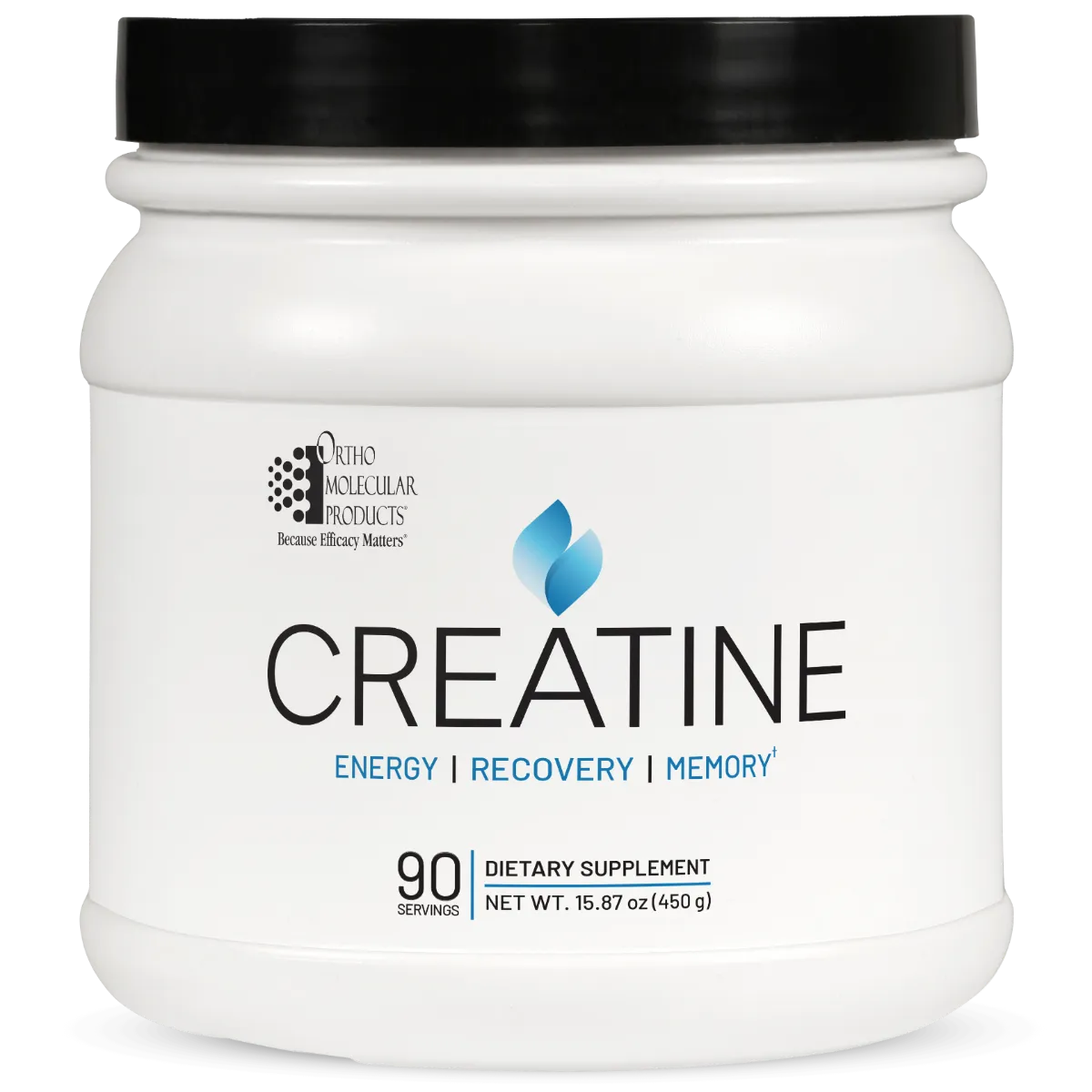
Other novel forms of creatine often claim superior absorption or reduced side effects, but these claims are largely unsupported by independent clinical trials. In fact, studies have shown that forms like creatine ethyl ester are actually less effective because they rapidly degrade into the waste product creatinine before reaching the muscles. Ortho Molecular’s Creatine provides a pure, clinical-grade 5-gram dose of creatine monohydrate per scoop, ensuring that patients receive the exact compound and dosage that has been validated in thousands of scientific studies for both safety and efficacy.
Dosing Strategies: Loading vs. Maintenance
There are two primary, scientifically backed strategies for dosing creatine monohydrate. The first is the "loading" phase, designed to rapidly saturate muscle and brain tissue. This involves taking 20 to 25 grams of creatine daily for 5 to 7 days, divided into 4 or 5 smaller doses (e.g., 5 grams at a time) to prevent gastrointestinal distress. After this initial week, the dosage drops to a maintenance level of 3 to 5 grams per day. This protocol is highly effective for achieving peak tissue saturation in just one week, which can be beneficial for patients seeking rapid relief from severe bioenergetic deficits.
The second strategy is the "non-loading" or gradual maintenance approach. This involves skipping the high-dose phase entirely and simply taking a standard dose of 3 to 5 grams of creatine monohydrate once daily from day one. While this method takes longer to reach peak muscle saturation—typically 3 to 4 weeks—it is highly recommended for individuals with sensitive digestive systems, such as those with ME/CFS or MCAS. Given the sensitive nature of chronic illness, clinical experts often advise patients to "start low and go slow," allowing the body to gently adapt to the shifting metabolic dynamics without risking sudden stomach upset or triggering a symptom flare.
Maximizing Absorption and Minimizing Side Effects
When considering cellular uptake and absorption, research shows that standard doses of 5-10 grams of creatine monohydrate have approximately 99% bioavailability, but acute doses greater than 10 grams can saturate intestinal uptake and lower absorption. Additionally, the solubility of creatine is temperature-dependent. Dissolving the powder in warm water or tea ensures that it is fully broken down, preventing the sandy texture that can irritate the stomach lining and causing unabsorbed creatine to draw excess water into the intestines.
Creatine monohydrate is exceptionally safe, with long-term studies showing no adverse effects on kidney or liver function in healthy adults. The most common side effect is a slight increase in water retention during the first week of use. Because creatine is an osmotically active substance, it pulls water into the muscle cells. This intracellular hydration is actually beneficial for muscle function and cellular health. However, to prevent mild gastrointestinal distress or cramping, it is vital to stay well-hydrated throughout the day and avoid taking massive acute doses (greater than 10 grams) at a single time.

Follow the Science
Breakthrough Trials in Long COVID
The clinical investigation into creatine for post-viral syndromes has yielded highly promising results, particularly in the realm of Long COVID. A pioneering 2023 randomized, double-blind, placebo-controlled trial investigated the impact of creatine monohydrate on patients suffering from lingering post-COVID symptoms. Participants taking 4 grams of creatine daily for 6 months experienced a massive 77.8% drop in concentration difficulty scores by the 3-month mark. Remarkably, by the 6-month follow-up, the creatine group reported having zero concentration difficulties, alongside significant improvements in general fatigue, body aches, and headaches.
Building on this success, a 2024 trial explored the co-administration of creatine and glucose to enhance tissue uptake in Long COVID patients. Over an 8-week period, patients receiving 8 grams of creatine daily showed large statistical effect sizes for the reduction of brain fog, headaches, and body aches compared to the placebo group. Furthermore, a separate 2024 trial combining 4 grams of daily creatine with breathing exercises resulted in a significant increase in total tissue creatine across 14 measured locations and improved the mean time to physical exhaustion by 54 seconds. These trials consistently demonstrate that replenishing bioenergetic pools is a highly effective strategy for mitigating Long COVID symptoms.
Emerging Evidence in ME/CFS
The application of creatine for ME/CFS is also gaining significant scientific traction, driven by the profound overlaps in mitochondrial dysfunction between ME/CFS and Long COVID. In September 2024, researchers at Oxford University published a breakthrough feasibility trial utilizing 7-Tesla Magnetic Resonance Spectroscopy to measure brain energy in ME/CFS patients. Participants were given a high dose of 16 grams of creatine monohydrate per day for 6 weeks. Post-trial scans revealed that creatine concentrations significantly increased in critical brain regions, including the pregenual anterior cingulate cortex (pgACC) and dorsolateral prefrontal cortex (DLPFC).
The clinical outcomes of this brain energy restoration were striking. Patients exhibited significantly faster reaction times on cognitive tests, and the degree of cognitive improvement was directly correlated with the amount of creatine increase measured in the brain. Additionally, participants reported notable reductions in subjective fatigue severity and demonstrated a significant increase in physical hand-grip strength. While this was an open-label trial without a placebo control, the objective MRS imaging data provides compelling mechanistic proof that high-dose creatine can successfully cross the blood-brain barrier and rescue neural bioenergetics in ME/CFS patients.
Cognitive Function and Brain Energy Metabolism
Beyond specific post-viral syndromes, a robust body of clinical evidence supports creatine's role in general brain health, particularly under conditions of metabolic stress. A major 2024 systematic review and meta-analysis published in Frontiers in Nutrition confirmed that creatine supplementation yields statistically significant, positive effects on short-term and working memory. The data reveals that these cognitive benefits are most pronounced when the brain is experiencing an energy deficit, such as during sleep deprivation, mental fatigue, or the natural mitochondrial decline associated with aging.
Furthermore, ongoing research is exploring high-dose creatine protocols for severe neurodegenerative conditions. Pilot studies in Alzheimer's disease and traumatic brain injury (TBI) have demonstrated that sustained doses of 8 to 20 grams per day can successfully elevate brain creatine levels by up to 11%, resulting in measurable improvements in fluid cognition, attention, and executive function. This broader scientific context reinforces the therapeutic potential of creatine as a powerful, neuroprotective agent capable of stabilizing brain energy metabolism across a wide spectrum of neurological challenges.
The Path Forward
Validating the Energy Crisis
Living with a complex chronic illness like Long COVID, ME/CFS, or dysautonomia is an exhausting, invisible battle. The profound fatigue, brain fog, and post-exertional crashes you experience are not in your head; they are the direct result of a very real, measurable crisis in cellular energy production. When your mitochondria are compromised and your ATP-Phosphocreatine buffers are depleted, every physical and cognitive task becomes a monumental effort. Validating this biological reality is the first and most important step in finding effective, compassionate management strategies.
It is completely understandable to feel frustrated when standard medical tests fail to capture the severity of your daily lived experience. However, the rapidly advancing research into cellular bioenergetics and mitochondrial health is finally shining a light on the specific mechanisms driving these conditions. By understanding how your body produces, transports, and utilizes energy at the molecular level, you can begin to make informed, targeted decisions about your care and supplementation.
A Comprehensive Management Strategy
While the clinical data supporting creatine monohydrate is highly encouraging, it is essential to remember that no single supplement is a cure-all for complex neuroimmune conditions. Creatine is a powerful tool for expanding your energy envelope and protecting your cells from metabolic stress, but it must be integrated into a broader, comprehensive management plan. This includes rigorous symptom tracking, identifying your unique triggers, and practicing strict pacing to avoid pushing your body into the anaerobic states that trigger severe PEM crashes.
Additionally, managing chronic illness often requires a multi-system approach. Supporting your autonomic nervous system, addressing underlying chronic inflammation, and optimizing your sleep architecture are all critical components of recovery. Whether you are navigating the daily challenges of brain fog or looking for tips for surviving the holidays with a chronic illness, combining targeted nutritional support like creatine with lifestyle modifications and expert medical guidance offers the most sustainable path toward improving your quality of life.
Taking the Next Step in Your Care
If you are struggling with debilitating fatigue, muscle weakness, or cognitive dysfunction, restoring your cellular energy buffers may provide meaningful relief. Ortho Molecular’s Creatine offers a pure, clinical-grade source of creatine monohydrate, the exact form utilized in the breakthrough clinical trials for Long COVID and ME/CFS. By providing your cells with the foundational building blocks they need to regenerate ATP, you can help stabilize your energy levels and protect your neurological health.
As always, it is crucial to consult with your healthcare provider before introducing any new supplement into your regimen, especially if you have pre-existing kidney conditions or are managing a highly sensitive system. Your provider can help you determine the optimal dosing strategy—whether a gradual maintenance approach or a targeted loading phase—to ensure it aligns safely with your unique medical needs.
Sources
Scientific References
The following peer-reviewed studies, clinical trials, and medical resources were consulted and cited in the creation of this article. These sources provide the foundational scientific evidence for the mechanisms of action, clinical efficacy, and safety profile of creatine monohydrate in the context of cellular energy metabolism, Long COVID, ME/CFS, and general brain health.
We encourage patients and caregivers to explore these primary sources to gain a deeper understanding of the rapidly evolving research landscape surrounding post-viral syndromes and mitochondrial dysfunction. Transparency in scientific reporting is a core value at RTHM, and we are committed to providing our community with access to the latest, most rigorous clinical data available.
Cited Literature
The effects of creatine in chronic fatigue syndrome (Examine Research Database)
Creatine Supplementation and Brain Health (Frontiers in Nutrition)
Creatine supplementation enhances the mitochondrial function in oxidatively injured myoblasts
Skeletal muscle adaptations and post-exertional malaise in long COVID
Effects of creatine monohydrate supplementation on exercise-induced muscle damage and recovery