Can Creatine and Alpha-GPC Help Clear Brain Fog and Fatigue in Long COVID and ME/CFS?
March 6, 2026
CreatineAlpha-GPCLong COVID
Share:
Disclaimer: The information provided here is for educational purposes only and is not intended as medical advice. It should not be used to diagnose, treat, cure, or prevent any medical condition. Instead, use it as a starting point for discussion with your healthcare provider. Always consult with a qualified healthcare provider before starting any new medication, supplement, device, or making changes to your health regimen.
For many individuals living with complex chronic illnesses, the exhaustion experienced on a daily basis goes far beyond ordinary tiredness. It is a profound, cellular depletion that makes even simple cognitive and physical tasks feel like moving through wet concrete. Patients often describe a heavy, pervasive fatigue accompanied by a thick mental cloudiness, leaving them struggling to recall basic words, focus on conversations, or maintain their balance. This debilitating combination of physical exhaustion and cognitive dysfunction is a hallmark of conditions like Long COVID, myalgic encephalomyelitis/chronic fatigue syndrome (ME/CFS), and dysautonomia. When your body and brain are fundamentally starved of energy, pushing through the fatigue is not only impossible—it can actively worsen your baseline symptoms.
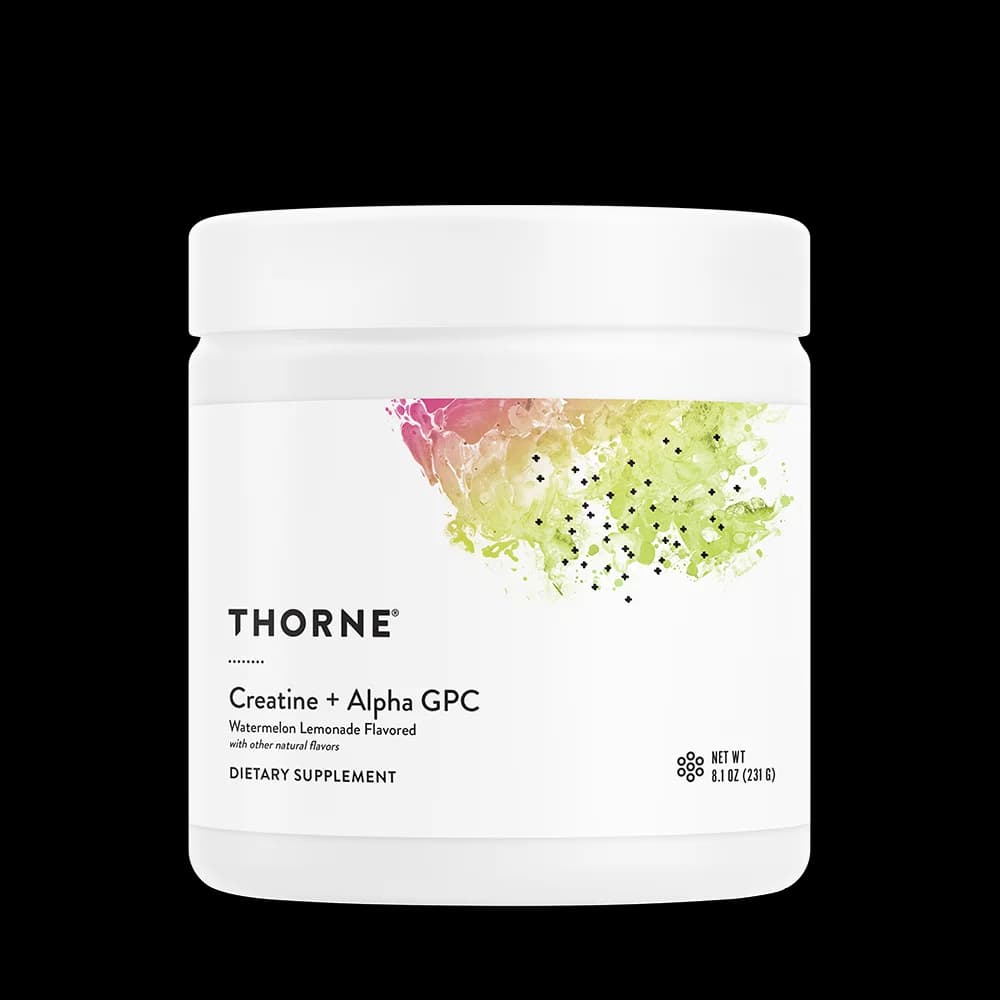
In the search for validating, science-backed management strategies, researchers and clinicians are increasingly turning their attention to cellular energy metabolism and neurotransmitter support. Thorne’s Creatine + Alpha GPC represents a unique, synergistic approach to addressing these profound deficits. By combining creatine monohydrate—a powerful compound that rapidly regenerates cellular energy—with alpha-GPC, a highly bioavailable precursor to the brain's primary learning neurotransmitter, this formulation targets both the physical and neurological components of chronic fatigue. In this comprehensive guide, we will explore the intricate biochemistry behind cellular energy production, examine how chronic illness disrupts these vital pathways, and review the emerging clinical evidence supporting the use of creatine and alpha-GPC for restoring mental clarity and physical endurance.
What Are Creatine and Alpha-GPC?
The Cellular Energy Currency: Creatine and ATP
To understand how creatine functions in the body, we must first look at the microscopic powerhouses of our cells: the mitochondria. Mitochondria are responsible for producing adenosine triphosphate (ATP), which is universally recognized as the primary energy currency of all living cells. Whenever a muscle contracts, a neuron fires, or an enzyme facilitates a chemical reaction, ATP is consumed. During this energy-releasing process, ATP loses one of its three phosphate groups and is converted into a lower-energy molecule called adenosine diphosphate (ADP). In a healthy, resting state, the mitochondria continuously recycle ADP back into ATP through a complex series of biochemical reactions known as the electron transport chain. However, during periods of high physical or cognitive demand, the mitochondria simply cannot regenerate ATP fast enough to keep up with the cell's rapid energy consumption.
This is where the phosphocreatine system acts as a critical biological failsafe. Creatine is a naturally occurring amino acid derivative that is synthesized in the liver and kidneys, and then transported to tissues with exceptionally high energy demands, such as skeletal muscle and the brain. Once inside the cell, creatine binds with a phosphate molecule to form phosphocreatine. When cellular ATP levels drop rapidly, phosphocreatine acts as an immediate energy buffer. It donates its stored phosphate group directly to ADP, instantly regenerating it back into functional ATP without needing to wait for the slower mitochondrial electron transport chain to catch up. This rapid recycling mechanism is what allows muscles to sustain powerful contractions and permits neurons to maintain high-frequency signaling during intense cognitive tasks.
Without an adequate intracellular reservoir of phosphocreatine, cells quickly exhaust their ATP supplies and are forced to rely on less efficient, anaerobic pathways to generate energy. These backup pathways produce metabolic byproducts, such as lactic acid, which alter the cellular pH and contribute to the sensation of deep, burning fatigue. By supplementing with creatine monohydrate, individuals can artificially expand their cellular phosphocreatine pools by up to 40%. This expanded energy reservoir significantly delays the onset of cellular exhaustion, providing a vital buffer for tissues that are struggling to meet their baseline metabolic needs.
The Neurological Messenger: Alpha-GPC and Acetylcholine
While creatine provides the raw structural energy for cellular function, alpha-GPC (L-alpha-glycerylphosphorylcholine) provides the crucial neurological signaling required to direct that energy. Alpha-GPC is a naturally occurring, choline-containing phospholipid that plays a foundational role in the structural integrity of cell membranes and the synthesis of vital neurotransmitters. Choline is an essential nutrient, but many standard dietary forms of choline (such as choline bitartrate) struggle to efficiently cross the blood-brain barrier, the highly selective semipermeable border that protects the central nervous system. Alpha-GPC, however, possesses a unique molecular structure that allows it to seamlessly penetrate this barrier, making it one of the most highly bioavailable and potent choline donors available for neurological support.
Once alpha-GPC successfully enters the brain, it is rapidly taken up by cholinergic neurons. Inside these specialized brain cells, an enzyme called choline acetyltransferase combines the donated choline with an acetyl group to synthesize acetylcholine. Acetylcholine is arguably the most important neurotransmitter for cognitive processing, working memory, attention, and learning. It facilitates the rapid communication between neurons in the prefrontal cortex and the hippocampus, the brain regions responsible for executive function and memory consolidation. When acetylcholine levels are optimal, individuals experience sharp mental clarity, rapid information processing speeds, and a strong ability to focus on complex tasks without becoming easily distracted or mentally fatigued.
Beyond its role in conscious cognitive processing, acetylcholine is also the primary neurotransmitter of the parasympathetic nervous system, which is governed largely by the vagus nerve. The parasympathetic nervous system is responsible for the body's "rest and digest" functions, counterbalancing the "fight or flight" sympathetic nervous system. By releasing acetylcholine, the vagus nerve slows the heart rate, promotes healthy digestion, and regulates systemic inflammation through a mechanism known as the cholinergic anti-inflammatory pathway. Therefore, maintaining robust acetylcholine levels via alpha-GPC supplementation is not just about improving memory; it is fundamentally necessary for maintaining autonomic nervous system balance and controlling chronic inflammatory responses throughout the entire body.
The Synergy of Energy and Signaling
The combination of creatine and alpha-GPC creates a highly synergistic physiological environment that researchers often refer to as the "Energy + Signaling" model. While these two compounds operate through entirely distinct biochemical pathways, their simultaneous action addresses the two most critical bottlenecks in human performance: cellular fuel and neurological drive. During any demanding physical or mental activity, the brain must send a strong, clear signal to the muscles or other brain regions, and those target tissues must have the metabolic energy required to execute the command. If either the signal or the energy is lacking, performance rapidly degrades, resulting in profound fatigue, physical weakness, or dense brain fog.
Consider the intricate process of muscular contraction. When you decide to move, your brain relies on acetylcholine to transmit the electrical signal across the neuromuscular junction, commanding the muscle fibers to fire. Alpha-GPC ensures that this neurological signal is strong, sustained, and highly coordinated. However, once the muscle receives the signal, it must immediately consume massive amounts of ATP to physically contract the muscle proteins (actin and myosin). Creatine ensures that the muscle has an abundant, rapidly accessible supply of ATP to fulfill the command without prematurely failing. This synergy enhances what sports scientists call the "mind-muscle connection," allowing for greater motor unit recruitment, improved coordination, and sustained power output.
This same synergistic principle applies directly to cognitive endurance. Intense mental concentration rapidly depletes both neurotransmitter reserves and localized brain ATP. As acetylcholine levels drop, focus wanes and distraction sets in; as brain ATP drops, processing speed slows and mental fatigue becomes overwhelming. By co-supplementing with creatine and alpha-GPC, individuals provide their central nervous system with the raw materials needed to sustain intense focus while simultaneously supplying the underlying cellular fuel required to keep the neurons firing optimally. This dual-action approach prevents the rapid neurological burnout that so often characterizes complex chronic illnesses.
How Chronic Illness Impacts Energy and Brain Function
Mitochondrial Dysfunction and the ATP Deficit
To comprehend why supplements like creatine are so relevant to chronic illness, we must examine how conditions like Long COVID and ME/CFS fundamentally alter cellular metabolism. Emerging research strongly suggests that the profound, unyielding fatigue experienced by these patients is driven by severe mitochondrial dysfunction. When the body is subjected to a severe viral infection, such as SARS-CoV-2, or chronic immune activation, the resulting oxidative stress and systemic inflammation directly damage the delicate inner membranes of the mitochondria. This damage impairs the electron transport chain, drastically reducing the mitochondria's ability to efficiently convert glucose and oxygen into ATP. As a result, the cells are left in a state of chronic energy starvation, unable to meet even the basic metabolic demands of daily living. If you want to understand more about the root triggers of these conditions, you can read our deep dive on What Causes Long COVID?.
When the primary mitochondrial pathways fail, the body is forced to rely heavily on anaerobic glycolysis—a backup energy system that generates ATP without oxygen. While anaerobic glycolysis can provide short bursts of energy, it is highly inefficient and produces significant amounts of lactic acid as a metabolic byproduct. In a healthy individual, this pathway is typically only utilized during intense, maximum-effort exercise, like sprinting. However, in patients with ME/CFS and Long COVID, this inefficient pathway is often activated during minimal exertion, such as walking to the kitchen or taking a shower. The rapid accumulation of lactic acid, combined with the severe depletion of ATP, leads to the heavy, burning muscle pain and profound physical exhaustion that patients experience on a daily basis.
This cellular energy crisis is not limited to skeletal muscle; it severely impacts the brain as well. The human brain is a highly metabolically active organ, consuming roughly 20% of the body's total ATP despite accounting for only 2% of its weight. When mitochondrial dysfunction reduces systemic ATP availability, the brain cannot maintain the high-frequency neuronal firing required for complex thought, memory retrieval, and sensory processing. This cerebral energy deficit is a primary driver of the cognitive dysfunction commonly referred to as brain fog. To explore this specific symptom further, consider reading our article on What Is “Brain Fog” and Cognitive Dysfunction in Long COVID?.
Neuroinflammation and the Cholinergic Deficit
Alongside mitochondrial dysfunction, chronic neuroinflammation plays a devastating role in the pathophysiology of Long COVID, ME/CFS, and dysautonomia. When systemic inflammation persists for months or years, inflammatory cytokines can cross the blood-brain barrier and activate microglia, the brain's resident immune cells. Once activated, microglia release further inflammatory mediators, creating a hostile, neurotoxic environment within the central nervous system. This chronic neuroinflammatory state directly interferes with the synthesis and release of critical neurotransmitters, particularly acetylcholine. Research indicates that certain viral proteins, including the SARS-CoV-2 spike protein, may actively suppress cholinergic signaling, leading to a profound deficit in brain acetylcholine levels.
A cholinergic deficit has far-reaching consequences for both cognitive and autonomic function. In the prefrontal cortex and hippocampus, the lack of acetylcholine disrupts the neural networks responsible for working memory, attention, and executive function. Patients often describe this as feeling like their brain is "offline" or that their thoughts are moving through thick molasses. They may struggle to find the right words, lose their train of thought mid-sentence, or find it impossible to concentrate on a screen for more than a few minutes. This specific type of cognitive impairment is directly linked to the brain's inability to maintain robust acetylcholine signaling in the face of ongoing neuroinflammation and oxidative stress.
Furthermore, the cholinergic deficit severely impacts the autonomic nervous system. Because acetylcholine is the primary neurotransmitter of the vagus nerve, a reduction in its availability impairs the body's parasympathetic "rest and digest" response. Without sufficient vagal tone to counterbalance the sympathetic nervous system, patients often develop dysautonomia or Postural Orthostatic Tachycardia Syndrome (POTS). This autonomic imbalance leads to a hyperactive "fight or flight" state, characterized by rapid heart rates, heart palpitations, digestive motility issues, and severe temperature dysregulation. The inability of the vagus nerve to properly regulate systemic inflammation via the cholinergic anti-inflammatory pathway creates a vicious cycle, where inflammation suppresses acetylcholine, and low acetylcholine allows inflammation to run rampant.
The Vicious Cycle of Post-Exertional Malaise (PEM)
The combination of severe ATP depletion and a profound cholinergic deficit sets the stage for one of the most debilitating hallmarks of Long COVID and ME/CFS: post-exertional malaise (PEM). PEM is a severe, often delayed exacerbation of symptoms following minimal physical, cognitive, or emotional exertion. When a patient with compromised mitochondria attempts to push through their fatigue, they rapidly exhaust their already depleted cellular energy reserves. The cells are forced into overdrive, producing massive amounts of lactic acid and oxidative free radicals that further damage the delicate mitochondrial membranes. This metabolic crash can leave patients bedbound for days or even weeks, unable to tolerate light, sound, or basic movement. To understand the dangers of pushing through this fatigue, read our guide on how Early Overexertion Can Prolong and Worsen Long COVID Symptoms.
During a PEM crash, the cognitive and autonomic symptoms also severely worsen. The brain, entirely starved of ATP and struggling with high levels of neuroinflammation, cannot synthesize enough acetylcholine to maintain basic cognitive function or autonomic balance. Patients often experience a terrifying intensification of brain fog, sensory overload, and dysautonomia symptoms, such as severe dizziness and tachycardia upon standing. This vicious cycle—where exertion leads to cellular depletion, which triggers inflammation, which further impairs energy production and neurotransmitter synthesis—is why traditional graded exercise therapy is often harmful for these patients. Breaking this cycle requires targeted interventions that can restore cellular energy reserves and support neurotransmitter function without demanding additional exertion from the patient.
Understanding the interconnected nature of these physiological deficits is crucial for developing effective management strategies. The profound overlap in symptoms and underlying mechanisms between these conditions has led many researchers to investigate whether one condition can directly cause the other. If you are curious about this complex relationship, you can explore our detailed analysis on Can Long COVID Trigger ME/CFS? Unraveling the Connection. By recognizing that these symptoms are rooted in measurable, biological dysfunctions—specifically ATP depletion and cholinergic impairment—we can begin to explore how targeted nutritional compounds like creatine and alpha-GPC may help restore balance.
Creatine + Alpha-GPC: Supporting Cellular and Cognitive Recovery
Restoring the Brain's Energy Reservoir
When the primary mitochondrial pathways are damaged by chronic illness, supplementing with creatine offers a powerful, scientifically validated method to bypass these broken systems and directly restore cellular energy. By consuming highly bioavailable creatine monohydrate, patients can artificially expand the phosphocreatine pools within their skeletal muscles and, crucially, their brain tissue. This expanded reservoir acts as an immediate, on-demand energy buffer. When a patient engages in a cognitive task or light physical activity, the stored phosphocreatine rapidly donates its phosphate groups to regenerate ATP, preventing the rapid cellular depletion that typically triggers a metabolic crash. This mechanism is particularly vital for the brain, which relies on a constant, uninterrupted supply of ATP to maintain neuronal health and function.
Recent magnetic resonance spectroscopy (MRS) studies have demonstrated that high-dose creatine supplementation can significantly increase creatine concentrations in specific brain regions, such as the prefrontal cortex and the anterior cingulate cortex. These are the exact areas responsible for executive function, decision-making, and sustained attention—the very faculties that are most impaired by brain fog. By stabilizing the energy supply in these critical regions, creatine acts as a potent neuroprotectant. It shields the delicate neurons from the oxidative stress and metabolic burnout that occur when the brain is forced to operate without sufficient fuel. This stabilization of cerebral energy metabolism is a key reason why many patients report a noticeable lifting of the heavy, mental cloudiness associated with post-viral syndromes.
Furthermore, by providing an alternative, highly efficient source of ATP regeneration, creatine helps reduce the body's reliance on the inefficient anaerobic glycolysis pathway. This means that during light exertion, the cells produce significantly less lactic acid. For patients with ME/CFS and Long COVID, reducing lactic acid accumulation is critical for managing the deep, burning muscle pain and physical heaviness that often accompany even minor movements. By buffering the cellular energy supply and minimizing toxic metabolic byproducts, creatine supplementation helps raise the patient's energetic baseline, making daily activities more tolerable and reducing the frequency and severity of post-exertional crashes.
Boosting Parasympathetic Tone and Cognitive Processing
While creatine restores the brain's raw energy supply, alpha-GPC specifically targets the neurological signaling deficits caused by chronic neuroinflammation. By providing a highly bioavailable, blood-brain barrier-permeable source of choline, alpha-GPC directly fuels the synthesis of acetylcholine. This rapid replenishment of the brain's primary learning neurotransmitter has profound effects on cognitive processing. As acetylcholine levels rise in the hippocampus and prefrontal cortex, the neural networks responsible for working memory and attention are reactivated. Patients often experience improved word recall, faster information processing speeds, and a restored ability to focus on complex, multi-step tasks without becoming immediately overwhelmed or mentally exhausted.
Beyond its direct cognitive benefits, the restoration of acetylcholine via alpha-GPC supplementation plays a crucial role in managing dysautonomia and autonomic nervous system dysfunction. Because acetylcholine is the primary chemical messenger of the vagus nerve, increasing its availability directly enhances parasympathetic tone. A stronger parasympathetic response helps to counteract the hyperactive sympathetic "fight or flight" state that drives symptoms like postural tachycardia, heart palpitations, and severe anxiety. By supporting vagal nerve function, alpha-GPC helps the body return to a state of "rest and digest," which is essential for cellular repair, proper digestion, and restorative sleep.
Crucially, a robust vagus nerve signal is required to activate the cholinergic anti-inflammatory pathway. When the vagus nerve detects systemic inflammation, it releases acetylcholine, which binds to specific receptors on immune cells (macrophages), signaling them to halt the production of pro-inflammatory cytokines. In conditions like Long COVID and ME/CFS, where chronic inflammation is a driving force of the disease, supporting this natural anti-inflammatory reflex is vital. By providing the necessary precursors for acetylcholine synthesis, alpha-GPC not only improves cognitive clarity but also equips the nervous system with the tools it needs to actively calm systemic immune overactivation.
The Mind-Muscle Connection in Rehabilitation
For patients who are carefully navigating the process of physical rehabilitation, the synergistic combination of creatine and alpha-GPC provides unparalleled support for the mind-muscle connection. Rehabilitation in the context of ME/CFS and Long COVID must be approached with extreme caution, utilizing strict pacing to avoid triggering PEM. However, maintaining lean muscle mass and motor control is essential for long-term recovery and preventing severe deconditioning. Creatine ensures that the muscle fibers have the necessary ATP to perform gentle, paced movements without immediately resorting to lactic acid-producing anaerobic metabolism, thereby protecting the muscles from rapid exhaustion and profound soreness.
Simultaneously, alpha-GPC ensures that the neurological commands sent from the brain to the muscles are strong, clear, and highly coordinated. By optimizing acetylcholine levels at the neuromuscular junction, alpha-GPC enhances motor unit recruitment and reaction time. This means that the patient can perform physical movements more efficiently, requiring less overall neurological effort to achieve the same physical output. This enhanced efficiency is critical for conserving the body's limited energy reserves. When the brain does not have to struggle to communicate with the muscles, the overall metabolic cost of movement is reduced, allowing patients to engage in necessary daily activities or light physical therapy with a significantly lower risk of triggering a debilitating post-exertional crash.
Ultimately, the Creatine + Alpha GPC synergy addresses the complex, multi-systemic nature of chronic fatigue. It is not merely a stimulant that forces the body to push past its limits; rather, it is a foundational, restorative intervention that provides the raw materials necessary for cellular energy regeneration and neurological communication. By rebuilding the body's energetic and signaling capacities from the cellular level up, this combination offers a scientifically grounded approach to improving the quality of life for those battling the profound exhaustion of complex chronic illness.
Symptoms Creatine + Alpha-GPC May Help Manage
Targeting Cognitive Dysfunction
Severe Brain Fog and Mental Cloudiness: By expanding the brain's phosphocreatine energy reservoir and boosting acetylcholine synthesis, this combination helps stabilize cerebral metabolism, lifting the heavy, pervasive mental fog that characterizes post-viral syndromes.
Poor Working Memory and Word Recall: Alpha-GPC provides the direct precursors needed to synthesize acetylcholine, the primary neurotransmitter responsible for memory consolidation and retrieval in the hippocampus, making it easier to recall specific words and retain new information.
Reduced Processing Speed and Concentration: Creatine acts as a neuroprotectant, shielding the prefrontal cortex from metabolic burnout during cognitive tasks, which allows for sustained attention, faster reaction times, and improved ability to focus on complex, multi-step activities.
Sensory Overload and Neurological Fatigue: By ensuring the brain has a constant, readily available supply of ATP, creatine helps prevent the rapid neurological exhaustion that occurs when the central nervous system is overwhelmed by light, sound, or complex environments.
Addressing Physical Exhaustion
Profound Muscular Weakness and Heaviness: Creatine directly replenishes intracellular ATP stores in skeletal muscle, providing the raw energy required for sustained muscle contractions and reducing the sensation of moving through "wet concrete."
Premature Lactic Acid Buildup and Muscle Pain: By buffering the cellular energy supply, creatine reduces the body's reliance on inefficient anaerobic glycolysis during minimal exertion, thereby minimizing the accumulation of lactic acid that causes deep, burning muscle soreness.
Post-Exertional Malaise (PEM) and Metabolic Crashes: Expanding the phosphocreatine pool delays the onset of severe cellular energy depletion, helping to raise the patient's energetic baseline and potentially reducing the severity and frequency of debilitating post-exertional crashes.
Loss of Lean Body Mass: The combination of enhanced muscular energy (creatine) and strong neuromuscular signaling (alpha-GPC) supports the maintenance of lean muscle tissue, even when patients are largely sedentary due to severe exercise intolerance.
Supporting Autonomic Balance
Dysautonomia and POTS Symptoms: Alpha-GPC supports the synthesis of acetylcholine, the primary neurotransmitter of the vagus nerve, which is essential for maintaining parasympathetic tone and counteracting the rapid heart rates and dizziness associated with autonomic imbalance.
Hyperactive Sympathetic Nervous System: By enhancing vagal nerve function, this combination helps shift the body out of a chronic "fight or flight" state and back into a restorative "rest and digest" state, promoting better heart rate variability and systemic calmness.
Systemic Inflammation and Immune Overactivation: Robust acetylcholine levels are required to activate the cholinergic anti-inflammatory pathway, a vital reflex where the vagus nerve signals the immune system to halt the excessive production of pro-inflammatory cytokines.
Impaired Mind-Muscle Connection: Alpha-GPC optimizes neurological signaling at the neuromuscular junction, improving motor control, coordination, and the efficiency of physical movement, which helps conserve precious systemic energy reserves during daily activities.

Practical Considerations: Forms, Dosing, and Absorption
The Superiority of Creatine Monohydrate
When selecting a creatine supplement, navigating the heavily marketed landscape of different chemical forms can be confusing. However, decades of rigorous clinical research have consistently demonstrated that creatine monohydrate remains the absolute gold standard for both safety and efficacy. Creatine monohydrate boasts an exceptionally high bioavailability rate of approximately 99%. Once ingested, it passes through the stomach and is rapidly absorbed in the small intestine via a highly specialized active transport mechanism known as the SLC6A8 transporter. From there, it enters the bloodstream and is efficiently distributed to the skeletal muscles and the brain. Despite claims from supplement companies that newer forms (like creatine hydrochloride or buffered creatine) offer superior absorption, clinical studies repeatedly confirm that standard creatine monohydrate fully saturates tissue stores just as effectively, and often with far more robust safety data.
One of the few valid concerns regarding standard creatine monohydrate is its potential to cause mild gastrointestinal distress, such as bloating or cramping, particularly if the powder does not dissolve completely in water. To address this, high-quality formulations, such as Thorne's Creatine + Alpha GPC, utilize a specifically micronized form of creatine monohydrate. Micronization is a mechanical process that significantly reduces the particle size of the powder, drastically improving its solubility in liquids. This ensures that the creatine dissolves completely and is absorbed smoothly through the intestinal wall, minimizing the risk of drawing excess water into the gut and preventing the uncomfortable digestive side effects that some patients experience with lower-quality products.
It is also important to understand the timeline of creatine absorption and efficacy. Unlike acute stimulants, creatine operates via a "reservoir" effect. While blood levels of creatine peak within 1 to 2 hours of ingestion, the clinical benefits—such as increased physical endurance and reduced brain fog—are only fully realized once the intracellular tissue stores are completely saturated. For a standard maintenance dose of 5 grams per day, it typically takes about 3 to 4 weeks of consistent, daily supplementation to achieve maximum tissue saturation. Therefore, patience and strict daily adherence are essential when using creatine to manage the chronic energy deficits associated with Long COVID and ME/CFS.
Navigating the Blood-Brain Barrier with Alpha-GPC
Unlike creatine, which requires weeks to build up in the tissues, alpha-GPC operates on a much faster timeline, providing acute, noticeable benefits within hours of ingestion. The defining characteristic of alpha-GPC is its remarkable ability to efficiently cross the blood-brain barrier. Many standard choline supplements, such as choline bitartrate, are poorly absorbed by the central nervous system and are largely metabolized in the liver or intestines. Alpha-GPC, however, is a phospholipid compound. Its unique molecular structure allows it to seamlessly penetrate the protective membranes of the brain, making it one of the most potent and direct precursors for acetylcholine synthesis available.
Because it is water-soluble and highly bioavailable, alpha-GPC is rapidly absorbed into the bloodstream, with peak plasma and brain concentrations typically occurring within 1 to 2 hours after ingestion. Patients often report feeling the cognitive effects—such as a lifting of mental cloudiness, sharpened focus, and improved word recall—within 30 to 90 minutes of taking a clinical dose. To maximize its absorption and prevent the mild heartburn or nausea that can occasionally occur when taking concentrated choline on an empty stomach, it is often recommended to consume alpha-GPC alongside a light meal or snack that contains healthy dietary fats.
While alpha-GPC is generally considered very safe and well-tolerated, it is important to be aware of potential dose-dependent effects. Taking excessively high doses of choline can sometimes lead to a "choline headache," a sign of excessive acetylcholine accumulation, or mild dizziness. Furthermore, because alpha-GPC can have a mildly stimulating effect on cognitive alertness, taking it too late in the evening may interfere with sleep architecture or cause insomnia. Therefore, understanding the optimal timing and dosing strategy is crucial for maximizing the benefits while minimizing any potential disruptions to your daily routine.
Optimal Timing and Synergistic Dosing
To harness the full synergistic power of the "Energy + Signaling" model, proper dosing and timing are key. The Thorne Creatine + Alpha GPC formulation provides a clinically studied, evidence-based dose in every serving: 5 grams of micronized creatine monohydrate and 600 milligrams of alpha-GPC. This specific ratio ensures that you are receiving enough creatine to effectively saturate your cellular energy reservoirs, while simultaneously providing a robust dose of alpha-GPC to acutely enhance neurological signaling and cognitive clarity. The product is also NSF Certified for Sport®, ensuring that it is free from banned substances, artificial sweeteners, and hidden contaminants, which is vital for patients with highly sensitive, reactive immune systems.
When it comes to timing, the strategy depends on your primary symptom management goals. If your main objective is to combat severe morning brain fog and support cognitive function throughout the workday, taking the supplement in the morning or early afternoon is ideal. This allows the alpha-GPC to peak during your most cognitively demanding hours, providing sustained focus and mental energy, while avoiding any potential interference with your nighttime sleep cycle. The creatine will simply be absorbed and stored, contributing to your overall tissue saturation regardless of the exact time of day it is consumed.
Alternatively, if you are utilizing the supplement to support physical rehabilitation, pacing protocols, or to mitigate the physical heaviness of dysautonomia, timing the dose approximately 30 to 60 minutes before your planned physical activity can be highly beneficial. This specific pre-exertion window ensures that the alpha-GPC is actively peaking in your bloodstream, maximizing neuromuscular signaling and motor control exactly when you need it most. Meanwhile, the fully saturated creatine stores in your muscles will be ready to provide the rapid ATP regeneration required to sustain the movement without triggering a severe lactic acid buildup or a subsequent metabolic crash. Always consult with your healthcare provider before introducing new supplements, especially if you have pre-existing kidney conditions or are taking medications that affect neurotransmitter levels.
Follow the Science
Clinical Trials on Creatine for Post-Viral Fatigue
The clinical evidence supporting the use of creatine for post-viral syndromes has grown significantly in recent years, moving beyond theoretical biochemistry into rigorous human trials. A landmark 2023 randomized, double-blind, placebo-controlled trial conducted at the University of Novi Sad specifically investigated the efficacy of creatine monohydrate in patients suffering from moderate Long COVID fatigue syndrome. In this study, participants were given a daily dose of 4 grams of creatine monohydrate over a 6-month period. The researchers tracked not only subjective symptom reports but also utilized advanced imaging to measure actual tissue saturation levels in both skeletal muscle and brain white matter.
The results of this 6-month trial were highly compelling. By the 3-month mark, the patients receiving creatine reported a statistically significant reduction in general, pervasive fatigue compared to the placebo group. Furthermore, by the end of the 6-month study, the creatine group demonstrated profound improvements across a wide range of post-viral symptoms, including significant reductions in severe body aches, breathing difficulties, and, notably, concentration difficulties and brain fog. The tissue imaging confirmed that the creatine had successfully saturated both the vastus medialis muscle and the cerebral white matter, directly correlating the physical presence of the energy buffer with the clinical reduction in debilitating symptoms.
Building on this foundation, a subsequent 2024 randomized controlled trial explored the effects of co-administering creatine with glucose to enhance cellular uptake in Long COVID patients. Over an 8-week period, the group receiving the creatine combination demonstrated massive effect sizes in symptom reduction, particularly regarding severe headaches and cognitive dysfunction. These trials provide robust, clinical validation that replenishing the body's fundamental ATP reservoirs is a highly effective, safe, and measurable strategy for combating the profound exhaustion that characterizes post-viral chronic illness.
Brain Imaging Studies in ME/CFS
The application of creatine for myalgic encephalomyelitis/chronic fatigue syndrome (ME/CFS) has also been the subject of groundbreaking recent research, specifically focusing on its neuroprotective and cognitive-enhancing properties. In a highly detailed 2024 open-label feasibility study published in Nutrients (Godlewska et al.), researchers evaluated the impact of high-dose oral creatine on brain energy metabolism in patients formally diagnosed with ME/CFS. Recognizing that the brain requires higher doses to achieve saturation than skeletal muscle, the researchers utilized a protocol of 16 grams of creatine daily for 6 weeks, paired with advanced magnetic resonance spectroscopy (MRS) scans.
The MRS scans revealed that the high-dose creatine protocol successfully and significantly increased creatine concentrations in highly specific, critical areas of the brain: the pregenual anterior cingulate cortex (pgACC) and the dorsolateral prefrontal cortex (DLPFC). These precise brain regions are heavily involved in executive functioning, working memory, and the processing of complex information—the exact cognitive domains that fail during episodes of severe brain fog. By physically visualizing the increase in cerebral energy stores, the researchers provided concrete evidence that oral supplementation can directly alter the metabolic landscape of the ME/CFS brain.
Crucially, these metabolic changes translated directly into measurable clinical improvements. The ME/CFS patients in the study demonstrated significantly faster reaction times and improved cognitive processing speeds on the Stroop test, a standard neurological assessment of executive function. Furthermore, the patients reported a significant decrease in subjective fatigue severity and demonstrated measurable increases in physical hand-grip strength. This study strongly reinforces the "Energy + Signaling" model, proving that when the central nervous system is provided with adequate structural energy, both cognitive clarity and physical motor output are substantially improved.
Alpha-GPC's Impact on Cognitive Processing
While creatine provides the energy, the clinical data surrounding alpha-GPC highlights its profound ability to enhance neurological signaling and clear mental cloudiness. Alpha-GPC has been extensively studied in the context of age-related cognitive decline and vascular dementia, conditions that share significant neuro-inflammatory overlaps with post-viral brain fog. In major randomized, double-blind trials, patients receiving 1,200 mg of alpha-GPC daily demonstrated significant, measurable improvements across all standardized cognitive and functional assessments compared to placebo groups, proving its efficacy in restoring cholinergic function in compromised brains.
More recently, clinical trials have focused on the acute ability of alpha-GPC to eliminate brain fog and enhance processing speed in real-time. A 2024 randomized, double-blind, placebo-controlled crossover study investigated the acute effects of alpha-GPC on executive function. The findings were remarkable: a single clinical dose rapidly eliminated subjective brain fog and resulted in a 150% greater improvement in total Stroop test scores, alongside a 140% increase in cognitive processing speed compared to the placebo. These acute, rapid-onset benefits highlight exactly why alpha-GPC is such a valuable tool for patients who need immediate support to get through a cognitively demanding day.
Furthermore, sports science research has long recognized the synergistic physical benefits of alpha-GPC. Landmark studies published in the Journal of the International Society of Sports Nutrition have shown that acute alpha-GPC supplementation taken prior to exercise significantly increases peak muscular force and motor unit recruitment. Interestingly, these studies also noted that alpha-GPC triggers a massive, acute increase in exercise-induced growth hormone secretion, a vital component for cellular repair and maintaining healthy body composition. Together, this robust body of clinical evidence paints a clear picture: the combination of creatine and alpha-GPC is a highly effective, scientifically validated intervention for targeting the profound energetic and neurological deficits of chronic illness.
The Path Forward
Validating the Invisible Struggle
Living with conditions like Long COVID, ME/CFS, and dysautonomia is an incredibly isolating experience. The profound exhaustion, the heavy mental cloudiness, and the unpredictable autonomic swings are entirely invisible to the outside world, yet they dictate every aspect of your daily life. It is vital to understand, and to have validated, that these symptoms are not in your head, nor are they a sign of weakness or a lack of willpower. They are the direct result of measurable, physiological dysfunctions occurring at the deepest cellular levels. Your mitochondria are struggling to produce the fundamental energy currency (ATP) required for life, and your nervous system is battling a severe deficit in the neurotransmitters needed to maintain cognitive clarity and autonomic balance.
When your body is fundamentally starved of energy and neurological signaling, the traditional medical advice to simply "push through the fatigue" or "exercise more" is not only unhelpful—it is physiologically dangerous. Pushing a broken cellular engine only leads to further metabolic damage, lactic acid accumulation, and devastating post-exertional crashes. Recognizing the biological reality of your condition is the first, and most important, step toward true management. By understanding the intricate biochemistry of your illness, you can begin to shift away from therapies that drain your limited reserves and move toward targeted interventions designed to rebuild your cellular capacity from the ground up. If you are still navigating the complexities of getting a formal diagnosis for these invisible symptoms, our guide on How Does a Doctor Diagnose Long COVID? can provide valuable insights.
Integrating Supplements into a Holistic Plan
While the clinical evidence supporting the synergistic combination of creatine and alpha-GPC is highly promising, it is crucial to approach supplementation with realistic expectations. There is no single miracle pill that can instantly cure the complex, multi-systemic dysfunctions of Long COVID or ME/CFS. Supplements like Thorne's Creatine + Alpha GPC are powerful tools, but they are most effective when integrated into a comprehensive, holistic management strategy. They provide the necessary biological raw materials—the cellular fuel and the neurological messengers—but they must be supported by lifestyle modifications that protect and conserve those newly restored energy reserves.
The cornerstone of this holistic approach is strict, disciplined pacing. Pacing involves carefully monitoring your physical, cognitive, and emotional exertion to ensure you never exceed your specific energetic envelope. By combining aggressive rest and symptom tracking with targeted mitochondrial and neurological support, you create an environment where your cells can actually begin to repair themselves, rather than constantly fighting to survive the next metabolic crash. Furthermore, working closely with a healthcare provider or functional medicine practitioner who truly understands complex chronic illness is essential for tailoring these interventions to your unique biochemical needs and ensuring they do not interact with any other medications you may be taking.
Taking the Next Step
The journey through chronic illness is undeniably arduous, filled with setbacks and frustrations. However, the rapidly expanding body of scientific research into cellular metabolism, neuroinflammation, and targeted nutritional therapies offers a profound sense of realistic hope. We are no longer entirely in the dark regarding the mechanisms of post-viral fatigue and cognitive dysfunction. By utilizing high-quality, scientifically validated compounds that directly address the root causes of ATP depletion and cholinergic impairment, patients can begin to reclaim their mental clarity, stabilize their autonomic nervous systems, and improve their physical endurance.
If you are struggling with the heavy burden of brain fog, severe muscular fatigue, or the unpredictable swings of dysautonomia, supporting your cellular energy and neurological signaling pathways is a highly logical, evidence-based step forward. By providing your brain and body with the exact molecules they are desperately lacking, you can help raise your energetic baseline and improve your overall quality of life. Always remember to consult with your healthcare provider before beginning any new supplement regimen to ensure it aligns safely with your comprehensive care plan.
Sources
Can creatine supplements help people with long COVID? (UNMC Summary of the 2023 Novi Sad Trial)
Effects of Creatine and Glucose Co-Supplementation on Long COVID Symptoms (2024 RCT)
High-Dose Creatine Supplementation and Brain Energy in ME/CFS (Godlewska et al., 2024)
Alpha-GPC Clinical Evidence Summary (Alzheimer's Drug Discovery Foundation)
Creatine Supplementation and Cognitive Function: A Meta-Analysis (NIH)
Identification of CD8 T-cell dysfunction associated with symptoms in ME/CFS and Long COVID
Utility of Serum Ferritin for Predicting ME/CFS in Patients with Long COVID
Bioavailability and Absorption Rates of Creatine Monohydrate