Can CoQ10 and L-Carnitine Support Energy Levels for Long COVID and ME/CFS Patients?
March 5, 2026
CoQ10L-CarnitineLong COVID
Share:
Disclaimer: The information provided here is for educational purposes only and is not intended as medical advice. It should not be used to diagnose, treat, cure, or prevent any medical condition. Instead, use it as a starting point for discussion with your healthcare provider. Always consult with a qualified healthcare provider before starting any new medication, supplement, device, or making changes to your health regimen.
Months after recovering from the initial SARS-CoV-2 infection, many people still fight debilitating symptoms with what we call Long COVID. For these individuals, as well as those living with myalgic encephalomyelitis/chronic fatigue syndrome (ME/CFS) and dysautonomia, exhaustion is not just feeling tired—it is a profound, cellular depletion of energy. When a simple walk to the mailbox triggers days of post-exertional malaise (PEM), it becomes clear that the body's fundamental power grid is malfunctioning. This power grid relies on microscopic organelles called mitochondria, which are responsible for generating the energy required for every heartbeat, thought, and physical movement. When these cellular engines falter, the downstream effects cascade through every system in the body, leaving patients struggling to perform basic daily activities.
In the search for validating, science-backed management strategies, researchers and clinicians have increasingly focused on the intricacies of mitochondrial health and cellular metabolism. Two crucial components of this microscopic energy system are Coenzyme Q10 (CoQ10) and L-carnitine. While they perform distinct biochemical roles, their synergistic action is absolutely vital for converting the food we eat into usable cellular energy. For patients navigating the unpredictable waves of complex chronic illness, understanding how these specific compounds function at a molecular level can provide valuable insight into the root causes of their symptoms and offer a roadmap for targeted nutritional support.
This comprehensive guide explores the deep science behind CoQ10 and L-carnitine fumarate. We will examine how complex chronic conditions like Long COVID and ME/CFS disrupt these vital metabolic pathways, leading to severe fatigue and cardiovascular strain. Furthermore, we will detail how targeted supplementation may help restore mitochondrial function, support heart muscle energy, and improve overall quality of life. By bridging the gap between advanced biochemistry and practical symptom management, we aim to empower patients with the knowledge they need to make informed decisions about their health.
What Are CoQ10 and L-Carnitine Fumarate?
The Spark Plug: Coenzyme Q10 and the Electron Transport Chain
Coenzyme Q10, also known as ubiquinone, is a naturally occurring, fat-soluble compound found in virtually every cell of the human body. Its primary residence is within the inner membrane of the mitochondria, the powerhouses of our cells. Here, CoQ10 acts as an essential electron carrier within the electron transport chain (ETC), a highly complex series of protein structures responsible for generating adenosine triphosphate (ATP), the universal energy currency of the body. Without adequate levels of CoQ10, the electron transport chain cannot function efficiently, leading to a direct and immediate bottleneck in cellular energy production that manifests as profound systemic fatigue.
To understand CoQ10's role, we must look at the exact biochemistry of energy synthesis. The electron transport chain consists of five main protein complexes (Complexes I through V). CoQ10 functions as a highly mobile shuttle, actively transporting high-energy electrons from Complex I (NADH dehydrogenase) and Complex II (succinate dehydrogenase) and delivering them to Complex III (cytochrome bc1 complex). As these electrons move through the chain, their energy is used to pump protons across the inner mitochondrial membrane, creating a powerful electrochemical gradient. This gradient acts like water behind a dam, ultimately flowing through Complex V (ATP synthase) to drive the physical rotation of the enzyme, which manufactures ATP from ADP and inorganic phosphate.
Beyond its critical role as an energy transporter, CoQ10 exists in two interchangeable states within the body: ubiquinone (the oxidized form) and ubiquinol (the reduced, antioxidant form). In its ubiquinol state, it provides a vital line of antioxidant defense. The process of generating ATP naturally produces reactive oxygen species (ROS), which are highly volatile molecules that can cause severe cellular damage if left unchecked. CoQ10 neutralizes these harmful free radicals directly at the site of their creation, protecting the delicate mitochondrial DNA, structural proteins, and lipid membranes from catastrophic oxidative damage. This dual action—driving energy production while simultaneously shielding the machinery from exhaust damage—makes CoQ10 indispensable for cellular survival.
The Shuttle: L-Carnitine Fumarate and Fatty Acid Oxidation
While CoQ10 manages the intricate electrical flow of energy production, L-carnitine is responsible for delivering the actual fuel to the furnace. L-carnitine is a naturally occurring amino acid derivative that plays an indispensable role in lipid metabolism, specifically through a biochemical process known as beta-oxidation. Highly active tissues, such as the heart muscle and skeletal muscles, rely heavily on long-chain fatty acids as their primary and most efficient source of sustained energy. However, these large fatty acid molecules cannot penetrate the impermeable inner mitochondrial membrane on their own. They require a specialized, active transport mechanism, scientifically referred to as the "carnitine shuttle," to gain entry into the mitochondrial matrix where they can be burned for fuel.
The mechanics of the carnitine shuttle are precise and highly regulated. An enzyme called Carnitine Palmitoyltransferase I (CPT1), located on the outer mitochondrial membrane, attaches a molecule of L-carnitine to the long-chain fatty acid, creating an acylcarnitine complex. This complex is then escorted across the inner membrane by a specific transporter protein. Once safely inside the mitochondrial matrix, a second enzyme, Carnitine Palmitoyltransferase II (CPT2), detaches the L-carnitine, freeing the fatty acid to undergo beta-oxidation. This oxidation process breaks down the fat into acetyl-CoA, which then enters the Krebs cycle (also known as the citric acid cycle) to produce the very electron carriers (NADH and FADH2) that CoQ10 relies upon in the electron transport chain.
The addition of fumarate—as seen in the specific compound L-carnitine fumarate—provides an extraordinary metabolic advantage. Fumarate is an intermediate compound naturally produced within the Krebs cycle itself. By supplementing with the fumarate form of L-carnitine, you are simultaneously providing the transport vehicle for fatty acids and a direct, readily usable substrate to fuel the Krebs cycle. This dual-action approach optimizes the entire ATP production pathway, ensuring that the mitochondria have both the raw materials and the transport infrastructure necessary to maintain high levels of energy output, which is particularly crucial for patients suffering from chronic energy deficits.
How Long COVID and ME/CFS Impact Mitochondrial Function
Viral Disruption and Oxidative Stress
In complex chronic conditions, the body's energy production systems are often severely compromised at a microscopic level. Research into the origins of Long COVID suggests that the SARS-CoV-2 virus can directly hijack mitochondrial machinery during the acute phase of infection. The virus alters mitochondrial dynamics, disrupts the membrane potential, and manipulates cellular metabolism to favor its own viral replication. Even long after the active virus has been cleared by the immune system, this profound disruption can leave a lasting legacy of mitochondrial dysfunction. Patients often exhibit structurally abnormal, swollen mitochondria with disrupted cristae, impaired mitochondrial recycling (a process called mitophagy), and chronically elevated levels of reactive oxygen species.
This chronic state of oxidative stress acts like a slow-burning fire within the cell, damaging the delicate inner mitochondrial membrane and rapidly depleting local stores of vital antioxidants like CoQ10. Similar patterns of severe mitochondrial impairment have been extensively documented in myalgic encephalomyelitis/chronic fatigue syndrome (ME/CFS). A landmark 2009 study published in Neuro Endocrinology Letters by Maes et al. identified a significant, measurable deficiency of CoQ10 in patients with ME/CFS. Crucially, this deficiency strongly correlated with the severity of the patients' fatigue, autonomic dysfunction, and neurocognitive symptoms. The researchers postulated that this CoQ10 depletion is not merely an incidental byproduct of the illness, but a primary driving factor in its pathophysiology, leading to a drastic reduction in ATP synthesis.
The Vicious Cycle of Energy Depletion and Lactic Acidosis
When the mitochondria cannot produce enough ATP through highly efficient, oxygen-dependent (aerobic) pathways due to CoQ10 depletion or viral damage, the body is forced into a metabolic corner. To survive, cells must rely on a much less efficient, oxygen-independent (anaerobic) process called glycolysis to meet their energy demands. Extensive research into muscle dysfunction in CFS/ME has shown that patients often exhibit a pathological overreliance on this anaerobic metabolism, even during incredibly low-level, everyday exertion. This metabolic shift is highly problematic because anaerobic glycolysis produces only a fraction of the ATP generated by aerobic respiration, and it creates toxic byproducts in the process.
The most significant byproduct of this anaerobic shift is the rapid accumulation of lactic acid, leading to prolonged intramuscular acidosis. For a healthy individual, this painful lactic acid buildup typically only happens during a heavy, exhaustive sprint; for someone with ME/CFS or Long COVID, it can happen while simply taking a warm shower, folding laundry, or walking up a single flight of stairs. This severe metabolic inflexibility directly contributes to the debilitating phenomenon of post-exertional malaise (PEM), where patients experience a massive, multi-day crash in symptoms following minor physical or cognitive exertion, effectively trapping them in a cycle of energy debt.
The cardiovascular system is uniquely vulnerable to these dramatic metabolic shifts, which is particularly relevant for patients dealing with dysautonomia and postural orthostatic tachycardia syndrome (POTS). In POTS, the autonomic nervous system struggles to regulate blood vessel constriction and blood flow, leading to an abnormally rapid heart rate upon standing. Recent comprehensive reviews of POTS pathophysiology highlight that this constant, inappropriate cardiovascular overactivity demands immense amounts of cellular energy. If the heart muscle is depleted of CoQ10 and L-carnitine, it cannot efficiently burn fatty acids to meet this heightened demand, exacerbating symptoms of severe tachycardia, chest pain, shortness of breath, and profound, whole-body exhaustion.
CoQ10 and L-Carnitine: Supporting Cellular Energy and Heart Health
Restoring ATP Synthesis and Antioxidant Defenses
Supplementing with a targeted combination of CoQ10 and L-carnitine fumarate aims to address these debilitating metabolic bottlenecks from multiple, synergistic therapeutic angles. By providing a high-quality source of exogenous CoQ10, the primary clinical goal is to replenish depleted mitochondrial stores and restore the smooth, uninterrupted flow of electrons through the electron transport chain. This direct, targeted support of the ETC can help upregulate the synthesis of ATP, providing starving cells with the vital energy currency they desperately need to function normally. For patients trapped in a state of chronic cellular exhaustion, restoring this baseline energy production is a critical step toward stabilizing their daily symptoms and improving their baseline functioning.
Furthermore, because CoQ10 acts as a remarkably potent, lipid-soluble antioxidant, increasing its concentration within the mitochondrial membrane provides a robust shield against cellular damage. It helps neutralize the excessive reactive oxygen species (ROS) generated by chronic viral inflammation and metabolic dysfunction. By quenching these free radicals before they can damage mitochondrial DNA and lipid structures, CoQ10 helps preserve the structural integrity of the mitochondria. This is essential for breaking the vicious cycle of oxidative stress and energy depletion, allowing the cellular engines to repair themselves and function more efficiently over time.
Enhancing Cardiac Function and Oxygenation
The synergy between CoQ10 and L-carnitine is where this specific combination becomes particularly compelling for managing complex chronic illnesses. While CoQ10 optimizes the intricate electrical machinery of the electron transport chain, L-carnitine ensures that a steady, abundant supply of high-quality fuel is delivered directly to the furnace. By enhancing the active transport of long-chain fatty acids into the mitochondrial matrix via the carnitine shuttle, L-carnitine supplementation supports robust, sustained beta-oxidation. This is especially crucial for patients whose metabolic flexibility has been compromised, as it helps the body efficiently utilize stored fats for long-lasting energy, rather than relying solely on rapid, easily exhausted, and lactate-producing glucose stores.
The heart muscle is arguably one of the most metabolically demanding tissues in the human body, relying on fatty acid oxidation for up to 70% of its total energy needs. Therefore, it is exquisitely sensitive to any deficiencies in either CoQ10 or L-carnitine. Clinical evidence has consistently shown that supporting these specific pathways can significantly enhance heart muscle energy and promote better oxygenation of cardiac tissue. A comprehensive 2017 meta-analysis of randomized controlled trials demonstrated that L-carnitine treatment significantly improved left ventricular ejection fraction and cardiac output in patients with chronic heart failure. For patients with Long COVID and dysautonomia experiencing severe cardiovascular strain, providing this targeted metabolic support to the heart is highly relevant.
Moderating Lactate Levels and Post-Exertional Malaise (PEM)
One of the most promising and clinically relevant aspects of L-carnitine supplementation for ME/CFS and Long COVID patients is its demonstrated potential to moderate toxic lactate levels. A rigorous 2022 systematic review and meta-analysis of randomized controlled trials found that L-carnitine supplementation significantly reduces blood lactate accumulation during physical exertion. By actively improving the efficiency of aerobic metabolism and reducing the pathological reliance on anaerobic glycolysis, L-carnitine helps delay the onset of intramuscular acidosis. For patients living with Long COVID and ME/CFS, this mechanism is vital; it may help raise the physiological threshold at which exertion triggers lactic acid buildup, potentially offering a crucial buffer against severe crashes and debilitating post-exertional malaise (PEM).

Symptoms CoQ10 and L-Carnitine May Help Manage
Targeted Symptom Relief
Severe Fatigue and Low Energy: By directly supporting the electron transport chain with CoQ10 and enhancing fatty acid oxidation with L-carnitine, this combination helps increase overall cellular ATP production. This addresses the profound, systemic energy deficits seen in ME/CFS and Long COVID at the root molecular level, potentially lifting the heavy blanket of exhaustion that patients experience daily.
Post-Exertional Malaise (PEM) and Crashes: L-carnitine has been clinically shown to moderate blood lactate levels and improve tissue oxygenation. By delaying the onset of anaerobic metabolism and reducing intramuscular acidosis, it may help raise a patient's energy envelope, reducing the severity and duration of crashes following minor physical or cognitive exertion.
Cardiovascular Strain and Tachycardia: The heart muscle relies almost exclusively on fatty acids for fuel. By enhancing mitochondrial function and lipid transport in cardiac tissue, CoQ10 and L-carnitine support robust heart muscle energy. This may help manage the intense cardiovascular demands and rapid heart rates associated with dysautonomia and POTS.
Brain Fog and Cognitive Dysfunction: The human brain is a highly energy-demanding organ, consuming roughly 20% of the body's total ATP. Improving systemic mitochondrial function and reducing neuroinflammation through CoQ10's potent antioxidant properties can support neurological health and potentially alleviate the severe cognitive fatigue and brain fog commonly reported by patients.
Muscle Weakness and Deep Aches: By facilitating the efficient removal of toxic acyl-CoA metabolites from the mitochondria and reducing the buildup of lactic acid in muscle tissue, L-carnitine can help reduce heavy muscle fatigue. This supports better muscle recovery and reduces the deep, aching pain that often accompanies even minimal physical activity in chronic illness.
Exercise Intolerance: For patients attempting carefully graded autonomic rehabilitation, the synergistic action of CoQ10 and L-carnitine fumarate provides the biochemical support needed to tolerate upright activity. By optimizing the Krebs cycle and electron transport chain, the body can better handle the metabolic stress of physical movement without immediately defaulting to emergency anaerobic pathways.
Practical Considerations: Forms, Dosing, and Absorption
Understanding Bioavailability and Absorption
When considering supplementation for complex chronic illnesses, understanding the nuances of bioavailability is absolutely crucial, as both CoQ10 and L-carnitine have unique and sometimes challenging absorption characteristics. CoQ10 is a large, highly lipophilic (fat-soluble) molecule. Because of its molecular structure, its absorption in the human gastrointestinal tract is notoriously poor when taken on an empty stomach. To maximize bioavailability and ensure the compound actually reaches your bloodstream, CoQ10 should always be taken alongside a meal that contains healthy, dense fats, such as avocados, olive oil, fatty fish, or nuts. The presence of dietary fat stimulates the release of bile acids, which help form micelles that escort the CoQ10 across the intestinal lining.
While there is ongoing debate in the supplement industry about the superiority of ubiquinol (the reduced form) versus ubiquinone (the oxidized form), clinical research shows that both forms can significantly and effectively raise plasma CoQ10 levels. The human body naturally and continuously converts ubiquinone to ubiquinol and back again as needed within the mitochondria, making high-quality ubiquinone a highly effective, stable, and often more accessible option for long-term mitochondrial support. L-carnitine also comes in several distinct forms, each with slightly different affinities for various tissues. Acetyl-L-carnitine (ALCAR) is well-known for crossing the blood-brain barrier, while L-carnitine L-tartrate is frequently utilized in sports medicine for rapid muscle recovery.
The specific form used in this combination, L-carnitine fumarate, is particularly advantageous for cardiovascular and metabolic health. Because fumarate is a direct, naturally occurring intermediate in the Krebs cycle, this specific form provides a powerful dual-action benefit. The L-carnitine portion acts as the critical transport vehicle, shuttling long-chain fatty acids into the mitochondria, while the fumarate portion directly feeds the metabolic cycle that generates the electron carriers needed by CoQ10. This makes L-carnitine fumarate an exceptionally synergistic pairing for supporting heart muscle energy, optimizing systemic ATP synthesis, and improving metabolic flexibility in patients dealing with the overlapping complexities of Long COVID and diabetes.
Dosing Strategies and Timing
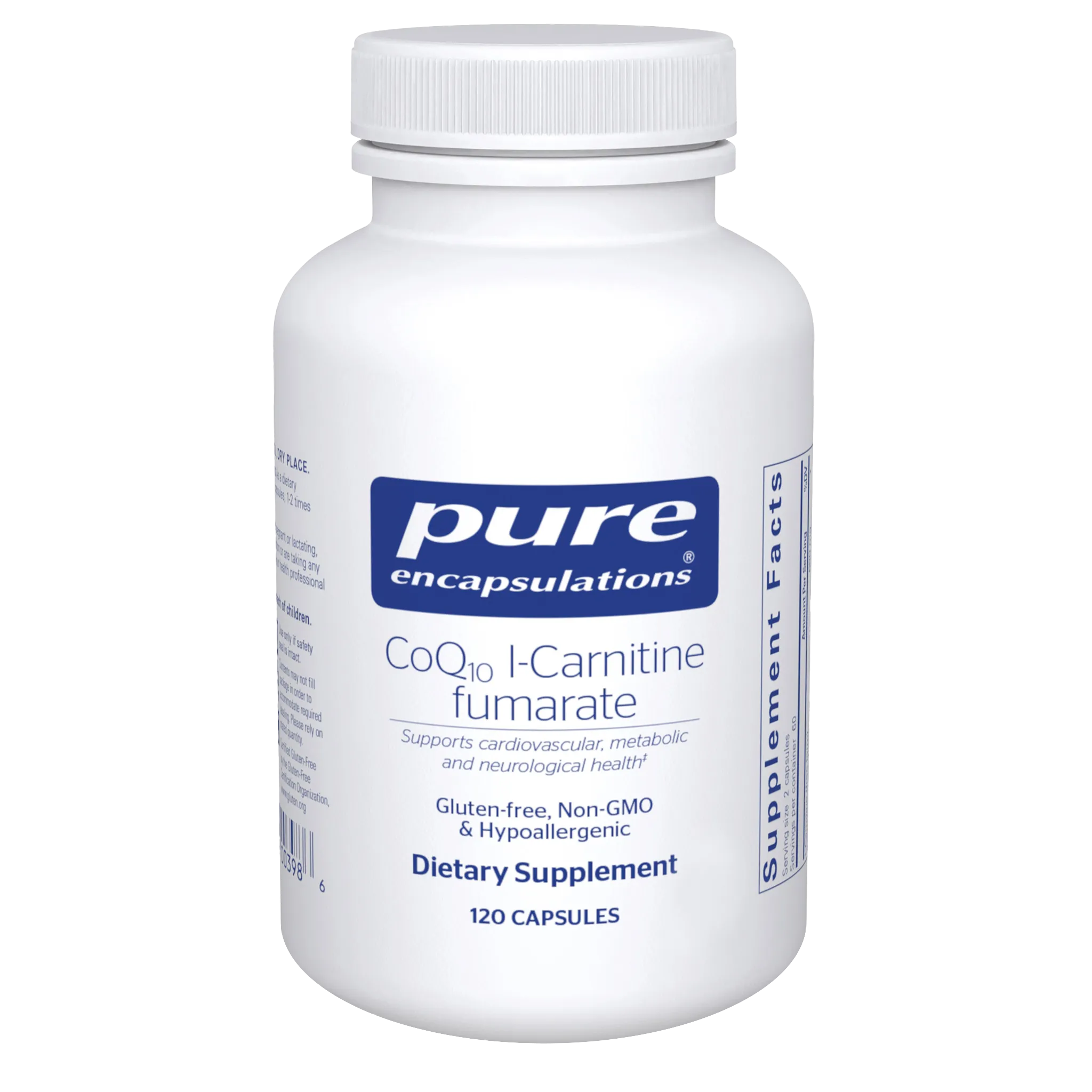
Clinical studies evaluating these specific nutrients for chronic fatigue, exercise performance, and cardiovascular health often utilize robust, evidence-based dosing strategies. For L-carnitine, rigorous studies focusing on exercise performance and muscle fatigue frequently utilize daily doses ranging from 1,000 mg to 3,000 mg to achieve significant metabolic shifts. For CoQ10, therapeutic doses in chronic illness research typically range from 100 mg to 500 mg daily, depending on the severity of the depletion. The Pure Encapsulations formula provides a clinically relevant dose of 120 mg of Coenzyme Q10 and 680 mg of L-carnitine (derived from L-carnitine fumarate) per two-capsule serving. The suggested use is to take two capsules one to two times daily with meals, allowing patients to carefully scale their dosage under the guidance of a healthcare professional.
Safety, Interactions, and Contraindications
Both CoQ10 and L-carnitine are generally very well-tolerated by most patients, boasting a strong, established safety profile across decades of clinical research and patient use. The most commonly reported side effects are typically mild and transient, occasionally including minor gastrointestinal upset, nausea, or heartburn, particularly if the supplements are taken on an empty stomach or in excessively high doses all at once. However, there are important, clinically significant drug interactions to consider. CoQ10 is structurally similar to Vitamin K and may interact with blood-thinning medications like warfarin, potentially altering their anticoagulant efficacy. Additionally, high doses of L-carnitine may interact with thyroid hormone replacement therapies. Because patients navigating Long COVID often manage highly complex medication regimens, it is imperative to consult with a knowledgeable healthcare provider before introducing new supplements.

Follow the Science
Evidence in ME/CFS and Chronic Fatigue
The scientific rationale for aggressively supporting mitochondrial function in complex chronic illnesses is deeply grounded in a growing, robust body of peer-reviewed medical literature. A pivotal 2009 study published in Neuro Endocrinology Letters by Maes et al. rigorously investigated CoQ10 levels in 58 patients diagnosed with ME/CFS compared to 22 healthy, age-matched controls. The researchers found that plasma CoQ10 concentrations were significantly and consistently lower in the ME/CFS patient group. Crucially, they discovered a direct, measurable inverse relationship between CoQ10 levels and the severity of the patients' clinical symptoms—the lower the CoQ10 levels dropped, the more severe the patients' fatigue, autonomic dysfunction, and neurocognitive impairments became. The authors concluded that CoQ10 deficiency is a major risk factor in the pathophysiology of ME/CFS.
Similarly, the profound benefits of L-carnitine in reducing metabolic strain and improving energy output have been exceptionally well-documented. A rigorous 2018 double-blind, placebo-controlled trial by Koozehchian et al. evaluated the precise effects of L-carnitine supplementation on exercise performance, anaerobic power, and exercise-induced oxidative stress. The study found that participants taking L-carnitine experienced highly significant reductions in post-exercise blood lactate levels and notable increases in total antioxidant capacity. By effectively blunting the toxic accumulation of lactic acid and reducing systemic markers of muscle damage, L-carnitine demonstrated a clear, undeniable ability to improve energy metabolism and delay the onset of physical fatigue. For patients managing ME/CFS and Long COVID, these specific mechanisms are highly relevant for surviving the physiological stress of daily activities.
Cardiovascular and Long COVID Clinical Trials
In the critical realm of cardiovascular health, the clinical evidence supporting L-carnitine supplementation is particularly robust and compelling. A comprehensive 2017 meta-analysis of 17 randomized controlled trials involving over 1,600 patients with chronic heart failure confirmed that targeted L-carnitine treatment significantly improves left ventricular ejection fraction and overall cardiac output. Furthermore, the extensive analysis showed significant reductions in brain natriuretic peptide (BNP), a key, widely recognized blood biomarker of heart failure severity and cardiac distress. These definitive findings underscore L-carnitine's vital, irreplaceable role in supporting heart muscle energy, which is a critical consideration for patients desperately trying to manage the severe cardiovascular symptoms of dysautonomia and POTS.
However, it is also vitally important to approach all supplementation with realistic, scientifically grounded expectations, as clinical trials in emerging, highly complex conditions like Long COVID are still actively evolving. A 2023 randomized, phase 2 crossover trial by Hansen et al. investigated the use of high-dose CoQ10 therapy (500 mg/day) in 121 patients suffering from post-COVID-19 condition. While the rigorous study confirmed that high-dose CoQ10 was entirely safe and well-tolerated, it did not demonstrate a statistically significant reduction in overall symptom severity compared to the placebo over the 6-week intervention periods. Interestingly, participants showed spontaneous improvement over the 20-week trial regardless of the intervention. This highlights the profound heterogeneity of Long COVID; while mitochondrial support may be genuinely life-changing for specific subsets of patients with measurable metabolic deficits, it is not a universal cure-all, emphasizing the urgent need for highly personalized medical approaches.
The Path Forward
A Comprehensive Approach to Recovery
Living with the profound, crushing fatigue and wildly unpredictable symptoms of Long COVID, ME/CFS, and dysautonomia can be an incredibly isolating, frightening, and frustrating experience. When your cellular batteries are constantly drained to zero, even the simplest, most mundane tasks—like preparing a meal or having a conversation—can feel like insurmountable mountains. It is vitally important to validate that these debilitating symptoms are not simply in your head, nor are they a sign of weakness. They are deeply rooted in complex, measurable physiological disruptions, including severe mitochondrial dysfunction, rampant oxidative stress, and fundamentally impaired energy metabolism. Understanding the complex biological mechanisms behind your exhaustion is a powerful, necessary first step toward reclaiming your quality of life.
While the synergistic combination of CoQ10 and L-carnitine fumarate offers a scientifically grounded, highly targeted approach to supporting cellular energy and cardiovascular health, it is essential to remember that supplements are just one piece of a much larger, highly complex puzzle. There is no single magic pill or quick fix for complex chronic illnesses. True, lasting management requires a comprehensive, multi-disciplinary approach that includes aggressive pacing, diligent daily symptom tracking, nervous system regulation techniques, and ongoing, compassionate medical care. By strategically supporting your mitochondria while deeply respecting your body's fragile energy envelope, you can build a more resilient foundation for long-term health. Always consult with your healthcare provider to ensure this targeted metabolic support is the right fit for your unique, individual clinical picture as you navigate how to live with long-term COVID.
Sources
Maes M, Mihaylova I, Kubera M, Uytterhoeven M, Vrydags N, Bosmans E. (2009). Coenzyme Q10 deficiency in myalgic encephalomyelitis/chronic fatigue syndrome (ME/CFS) is related to fatigue, autonomic and neurocognitive symptoms and is another risk factor explaining the early mortality in ME/CFS due to cardiovascular disorder. Neuro Endocrinology Letters.
Morris G, Berk M, Walder K, Maes M. (2016). Understanding Muscle Dysfunction in Chronic Fatigue Syndrome. Journal of Aging Research.
Ormiston CK, et al. (2023). Narrative Review of Postural Orthostatic Tachycardia Syndrome: Associated Conditions and Management Strategies. US Cardiology Review.
Song X, Qu H, Yang Z, Rong J, Cai W, Zhou H. (2017). Efficacy and Safety of L-Carnitine Treatment for Chronic Heart Failure: A Meta-Analysis of Randomized Controlled Trials. BioMed Research International.
Koozehchian MS, Daneshfar A, Fallah E, et al. (2018). Effects of nine weeks L-Carnitine supplementation on exercise performance, anaerobic power, and exercise-induced oxidative stress in resistance-trained males. Journal of Exercise Nutrition & Biochemistry.
Mattioli 1885 Journals (2022). Effect of L-Carnitine Supplementation during Exercises on Blood Fatigue and Energy Metabolism Factors. Progress in Nutrition.
Hansen KS, Mogensen TH, Agergaard J, et al. (2023). High-dose coenzyme Q10 therapy versus placebo in patients with post COVID-19 condition: a randomized, phase 2, crossover trial. The Lancet Regional Health - Europe.