Can CoQ10 Support Energy Levels for Long COVID and ME/CFS Patients?
March 6, 2026
CoQ10Long COVIDME/CFS
Share:
Disclaimer: The information provided here is for educational purposes only and is not intended as medical advice. It should not be used to diagnose, treat, cure, or prevent any medical condition. Instead, use it as a starting point for discussion with your healthcare provider. Always consult with a qualified healthcare provider before starting any new medication, supplement, device, or making changes to your health regimen.
Months or even years after recovering from an initial viral infection, many individuals find themselves trapped in a body that feels fundamentally out of power. Simple, everyday tasks like walking to the mailbox, preparing a meal, or even reading a book can trigger profound exhaustion and a cascade of debilitating symptoms. This phenomenon, known as post-exertional malaise (PEM), is a hallmark of complex chronic conditions. If you are living with Long COVID, myalgic encephalomyelitis/chronic fatigue syndrome (ME/CFS), dysautonomia, or postural orthostatic tachycardia syndrome (POTS), this profound energy depletion is not just "in your head"—it is a measurable, physiological crisis happening at the cellular level.
At the center of this cellular energy crisis are the mitochondria, the microscopic powerhouses responsible for generating the chemical fuel your body needs to survive and thrive. When these cellular engines falter due to viral damage or chronic inflammation, the entire systemic network struggles to maintain homeostasis. This is exactly where Coenzyme Q10 (CoQ10) enters the clinical conversation. As a critical biological spark plug for cellular energy production and a highly potent antioxidant, CoQ10 has become a major focal point in post-viral and chronic illness research. In this comprehensive guide, we will explore the intricate biochemistry of CoQ10, examine how complex chronic illnesses disrupt your cellular engines, and discuss how targeted supplementation may help you reclaim your energy and improve your quality of life.
What is Coenzyme Q10?
The Spark Plug of the Cell
Coenzyme Q10, scientifically known as ubiquinone or ubidecarenone, is a naturally occurring, lipid-soluble (fat-soluble), vitamin-like compound found in nearly every cellular membrane in the human body. Its ubiquitous presence across all biological tissues is what earned it the prefix "ubiqui-". First isolated in 1957 by researcher Frederick Crane from beef heart mitochondria, CoQ10 has since been recognized as one of the most fundamental molecules required for human life. While it shares many characteristics with traditional vitamins, it is technically classified as a coenzyme because the human body is capable of synthesizing it endogenously.
The endogenous production of CoQ10 is a complex, multi-step biochemical process that occurs primarily via the mevalonate pathway. This is the exact same metabolic pathway responsible for the synthesis of cholesterol. Because of this shared pathway, medications designed to lower cholesterol, such as statins, inadvertently inhibit the production of CoQ10. This secondary depletion is widely believed by medical researchers to be the primary mechanism behind statin-induced myopathy, a condition characterized by significant muscle pain, cramping, and generalized fatigue.
Because CoQ10's most critical biological function relates directly to cellular energy metabolism, it is most highly concentrated in the tissues and organs that have the most substantial energy demands. The heart, liver, kidneys, and skeletal muscles contain the highest cellular concentrations of this vital molecule. To put this into perspective, the human heart beats over 100,000 times a day without resting, requiring an immense and uninterrupted supply of chemical energy. Without sufficient localized pools of CoQ10 in the cardiac tissue, the heart simply cannot maintain its rigorous pumping action, highlighting why this molecule is so heavily researched in cardiovascular medicine.
Unfortunately, our body's ability to manufacture its own CoQ10 is not infinite. Endogenous synthesis naturally peaks around the age of 20 and begins a slow, steady decline after the age of 35 to 40. By the time an individual reaches their 80s, the localized CoQ10 levels in their myocardial (heart) tissue may be less than half of what they were in their youth. This age-related decline, compounded by the oxidative stress of chronic illness, makes exogenous supplementation a highly relevant consideration for maintaining cellular vitality.
The Electron Transport Chain and ATP Production
To truly understand how CoQ10 functions, we must zoom in on the mitochondria. A single human cell can contain anywhere from 600 to 2,000 mitochondria, depending on its specific energy requirements. Inside these organelles lies the inner mitochondrial membrane, a highly folded structure known as the cristae. Embedded within this membrane is the Electron Transport Chain (ETC), a series of sophisticated protein complexes numbered I through IV. The ETC is the biological machinery responsible for cellular respiration and energy synthesis.
CoQ10 acts as a highly mobile, lipid-soluble electron shuttle between these massive protein complexes, operating as the central "CoQ-junction" for multiple metabolic pathways. The process begins when CoQ10 accepts high-energy electrons from different sources. At Complex I (NADH dehydrogenase), it accepts electrons from NADH, a byproduct of dietary carbohydrate metabolism. At Complex II (succinate dehydrogenase), it accepts slightly lower-energy electrons from FADH2. Upon accepting these negatively charged electrons, the oxidized form of CoQ10 (ubiquinone) is chemically reduced into its active, electron-rich form (ubiquinol).
Once reduced, ubiquinol rapidly diffuses through the hydrophobic lipid bilayer of the inner mitochondrial membrane to deliver its electron payload to Complex III (the cytochrome bc1 complex) via an elegant biochemical process known as the "Q-cycle." As these electrons are passed down the chain, the energy they release is harnessed by the protein complexes to actively pump positively charged protons (H+) out of the mitochondrial matrix and into the intermembrane space. This creates a highly pressurized electrochemical gradient, often referred to as the proton motive force.
This proton motive force is the ultimate goal of the entire process. Complex V, also known as ATP Synthase, acts like a microscopic hydroelectric dam. As the trapped protons flow back into the matrix through ATP Synthase, the kinetic energy generated by this flow physically rotates the enzyme, driving the phosphorylation of adenosine diphosphate (ADP) into Adenosine Triphosphate (ATP). ATP is the universal energy currency of the cell. Without CoQ10 to shuttle the electrons, the proton gradient collapses, ATP Synthase stops turning, and cellular energy production grinds to a devastating halt.
The Ultimate Lipid-Soluble Antioxidant
Beyond its bioenergetic role as an electron shuttle, CoQ10 serves a critical secondary function as a powerful protective agent for the cell. The process of generating ATP is inherently "messy." As electrons move down the transport chain, a small percentage naturally leak out and prematurely interact with oxygen, creating highly reactive and damaging molecules known as mitochondrial reactive oxygen species (mtROS) or free radicals. If left unchecked, these free radicals will aggressively attack and destroy surrounding cellular structures.
In its reduced state (ubiquinol), CoQ10 acts as a potent, lipid-soluble antioxidant specifically positioned exactly where these free radicals are generated. It neutralizes mtROS by donating electrons to them, effectively disarming them before they can cause structural damage. This localized antioxidant defense is crucial for protecting delicate mitochondrial DNA (mtDNA) and preventing lipid peroxidation—the oxidative degradation of the cellular membranes that keep the mitochondria intact and functional.
Furthermore, CoQ10 plays a pivotal role in a broader synergistic antioxidant network within the body. It is uniquely capable of regenerating other critical antioxidants, most notably Vitamin E (alpha-tocopherol). When Vitamin E neutralizes a free radical, it becomes oxidized and loses its protective capability. CoQ10 steps in to recycle this oxidized Vitamin E back into its active state, ensuring a continuous and robust defense against cellular oxidative stress. This dual action of producing energy while simultaneously cleaning up the toxic byproducts makes CoQ10 an indispensable molecule for long-term cellular health.
How Long COVID and ME/CFS Impact Mitochondrial Function
Viral Hijacking and Mitochondrial Dysfunction
The connection between complex chronic illnesses—such as Long COVID and ME/CFS—and cellular energy depletion is becoming increasingly clear in modern medical literature. Post-viral fatigue syndromes are not merely the result of being "deconditioned" or tired; they are rooted in profound, measurable cellular dysfunction. When a virus like SARS-CoV-2 enters the body, it can actively hijack host mitochondria to facilitate its own viral replication. This hostile takeover severely damages the structural integrity of the organelles and disrupts their normal metabolic functions.
Recent clinical research investigating the pathophysiology of Long COVID has identified significant structural abnormalities in the mitochondria of affected patients. Researchers have observed swollen mitochondria with disrupted and fragmented cristae—the very folds where the electron transport chain and CoQ10 reside. Additionally, there is a documented imbalance in the proteins that regulate mitochondrial fusion and fission, indicating that the cellular engines are struggling to repair and replicate themselves effectively in the wake of the viral infection.
Furthermore, studies have found reduced levels of circulating cell-free mitochondrial DNA (ccf-mtDNA) in Long COVID patients. This specific biomarker suggests an impairment in mitophagy, the cellular "garbage disposal" process responsible for breaking down and recycling old, damaged mitochondria. When damaged mitochondria are not properly cleared out, they accumulate within the cell, taking up space but failing to produce adequate ATP, leading to a state of chronic cellular exhaustion.
The Vicious Cycle of Oxidative Stress
When mitochondria are structurally damaged by viral infection or chronic immune activation, they become highly inefficient. Instead of smoothly passing electrons down the transport chain to create ATP, these damaged complexes leak massive amounts of electrons, leading to an overproduction of mitochondrial reactive oxygen species (mtROS). This triggers a state of severe, chronic oxidative stress within the cell, which is a central feature of both Long COVID and ME/CFS pathology.
This excessive oxidative stress creates a devastating vicious cycle. The mtROS aggressively attack the inner mitochondrial membrane, causing lipid peroxidation. Because CoQ10 resides directly within this lipid bilayer, the oxidative damage directly depletes the localized pools of CoQ10. As CoQ10 levels drop, the electron transport chain becomes even more inefficient, leading to even more electron leakage, higher mtROS production, and further structural damage. This self-perpetuating cycle of oxidative destruction is incredibly difficult for the body to break without targeted intervention.
Clinical studies have explicitly identified significant deficiencies of Coenzyme Q10 in patients diagnosed with myalgic encephalomyelitis/chronic fatigue syndrome (ME/CFS). Researchers found that the degree of CoQ10 depletion directly correlated with the severity of the patients' fatigue, autonomic dysfunction, and neurocognitive symptoms. This data strongly suggests that the exhaustion experienced in these conditions is directly tied to the physical depletion of this critical electron shuttle.
Energy Depletion and Post-Exertional Malaise (PEM)
When the electron transport chain is broken and CoQ10 is depleted, the cells simply cannot produce enough Adenosine Triphosphate (ATP) to meet the body's daily demands. In a healthy individual, the mitochondria easily ramp up ATP production in response to physical or cognitive exertion. However, in a patient with Long COVID or ME/CFS, this demand cannot be met through efficient aerobic respiration. The cellular engines stall out when pushed beyond their severely limited capacity.
To compensate for this lack of aerobic energy, the body is forced to shift into an inefficient, emergency backup system known as anaerobic glycolysis. While this pathway can produce small amounts of ATP without oxygen or functional mitochondria, it generates toxic byproducts, most notably lactic acid. The rapid accumulation of lactic acid and the sudden, severe drop in available cellular energy is the biochemical foundation of post-exertional malaise (PEM) or "crashes."
During a PEM crash, patients experience a dramatic exacerbation of all their symptoms, including profound muscle weakness, cognitive dysfunction (brain fog), and flu-like malaise. This is the body's desperate attempt to force rest while it slowly attempts to clear the metabolic waste and regenerate trace amounts of ATP. Understanding this mechanism is crucial for validating the patient experience. Learn more about the complex ways Long COVID can trigger ME/CFS and why managing exertion is so critical.
CoQ10: Supporting Cellular Energy and Cardiovascular Health
Restoring the Mitochondrial Electron Shuttle
When chronic illness and oxidative stress deplete the body's natural reserves of CoQ10, targeted exogenous supplementation aims to directly intervene in the vicious cycle of mitochondrial dysfunction. By providing the body with an easily accessible source of this vital coenzyme, the goal is to replenish the depleted pools within the inner mitochondrial membrane. This is not a stimulant masking fatigue; it is an attempt to repair the fundamental biological machinery responsible for generating sustainable cellular energy.
At the molecular level, restoring adequate CoQ10 concentrations helps to repair the "CoQ-junction" within the electron transport chain. With sufficient CoQ10 available to act as a mobile shuttle, electrons can once again flow smoothly from Complex I and Complex II down to Complex III. This restored flow minimizes electron leakage, thereby immediately reducing the excessive production of damaging mitochondrial reactive oxygen species (mtROS) that perpetuate cellular damage.
Most importantly, this restored electron flow reinstates the proton motive force. As protons are efficiently pumped into the intermembrane space, ATP Synthase is provided with the kinetic energy it needs to resume the robust phosphorylation of ADP into ATP. By increasing the baseline capacity for aerobic energy production, the cells are less likely to prematurely shift into inefficient anaerobic glycolysis during physical or cognitive exertion, potentially raising the threshold at which post-exertional malaise (PEM) is triggered.
Synergistic Antioxidant Defense with Vitamin E
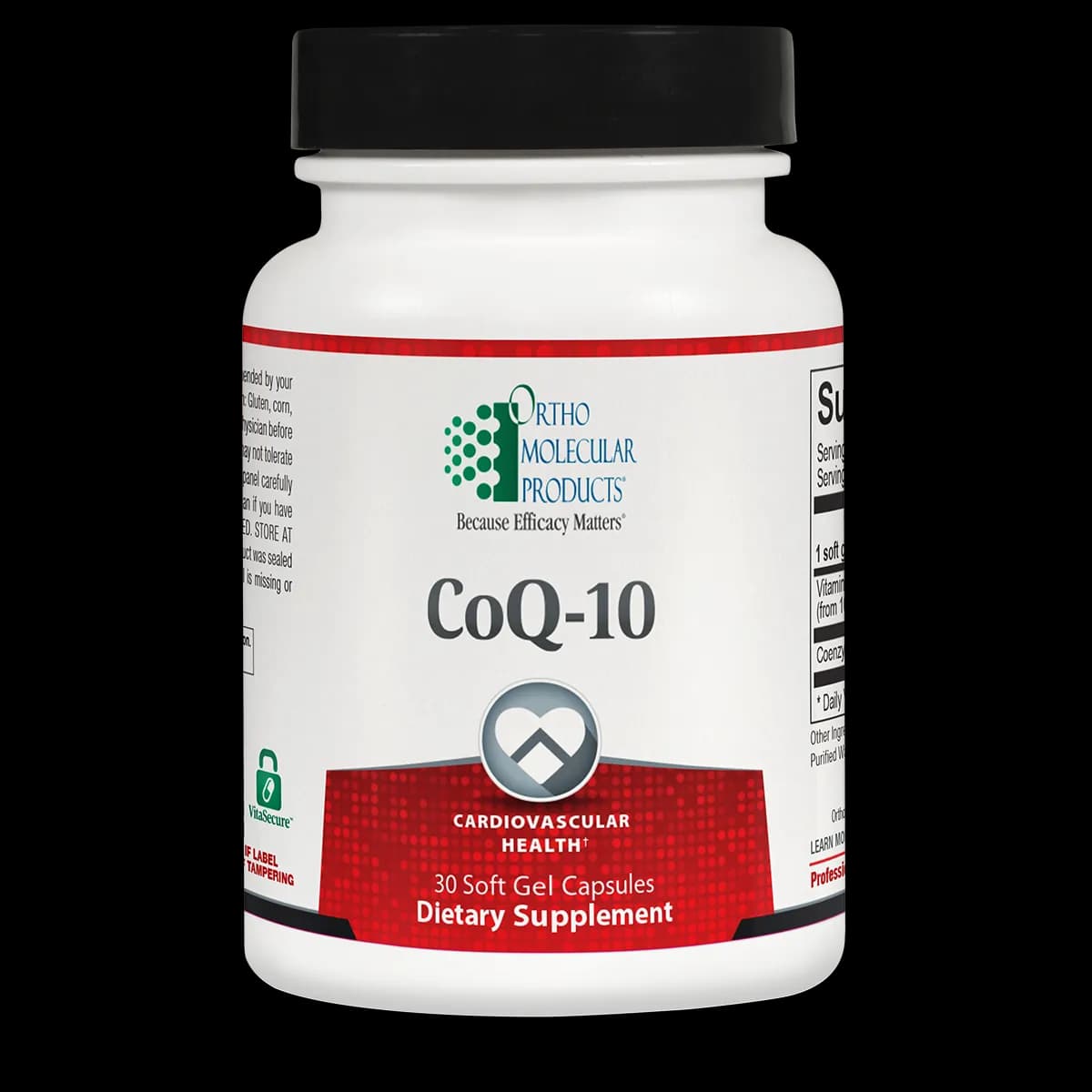
The therapeutic potential of CoQ10 is significantly amplified when it is paired with complementary antioxidants. The proprietary ortho molecular formulation of CoQ10 specifically includes 64 mg of natural Vitamin E (from d-Alpha Tocopherol). This is not merely an additive; it is a highly intentional biochemical pairing designed to maximize cellular protection and optimize the localized antioxidant network within the mitochondrial membranes.
Vitamin E is a premier fat-soluble antioxidant that specializes in protecting lipid bilayers from oxidative damage. While CoQ10 neutralizes free radicals generated by the electron transport chain, Vitamin E acts as a physical shield for the mitochondrial cristae. However, as Vitamin E neutralizes these threats, it becomes oxidized and inactive. Because CoQ10 possesses the unique chemical ability to continuously regenerate oxidized Vitamin E back into its active state, the two molecules work in a dynamic, self-sustaining loop.
This synergistic defense mechanism drastically reduces lipid peroxidation, preserving the structural integrity of the mitochondria and allowing them to heal from viral or inflammatory damage. This dual-action approach—simultaneously driving ATP synthesis while heavily shielding the cellular machinery from toxic byproducts—is why this combination is so highly regarded in functional and integrative medicine.
Supporting Autonomic and Cardiovascular Function
Beyond skeletal muscle and general fatigue, CoQ10 plays an indispensable role in supporting the autonomic nervous system and cardiovascular health. Conditions like dysautonomia and postural orthostatic tachycardia syndrome (POTS) involve a severe malfunction of the autonomic pathways that regulate heart rate and blood vessel constriction. Patients with POTS frequently experience orthostatic intolerance, where standing up triggers a rapid, uncomfortable spike in heart rate and a drop in blood pressure due to poor vascular tone.
The cardiovascular system, particularly the endothelial cells lining the blood vessels and the myocardial tissue of the heart, requires immense amounts of ATP to function correctly. By supporting mitochondrial energy production in these specific tissues, CoQ10 helps maintain healthy endothelial function, promoting appropriate vasodilation and vascular tone. This can be highly beneficial for stabilizing the erratic cardiovascular responses seen in dysautonomia.
Furthermore, systemic metabolic stability is deeply intertwined with cardiovascular and autonomic health. Patients dealing with overlapping conditions, such as insulin resistance or metabolic syndrome alongside post-viral illness, face an even higher burden of oxidative stress. Read about the complex intersection of diabetes and Long COVID to understand how metabolic stress compounds fatigue. Supporting the mitochondria with CoQ10 is a foundational step in addressing these interconnected systems. You can also learn how ChromeMate GTF 600 supports blood sugar stability as part of a comprehensive metabolic strategy.
Symptoms CoQ10 May Help Manage
Targeted Symptom Relief
Because CoQ10 operates at the foundational level of cellular energy production and antioxidant defense, its potential benefits span a wide range of systemic symptoms. While it is not a cure for complex chronic illnesses, clinical research and patient reports suggest it may help manage the following specific issues:
Profound, Unrelenting Fatigue: By directly supporting the electron transport chain and enhancing the synthesis of ATP, CoQ10 addresses the root physiological cause of cellular exhaustion, rather than simply acting as a central nervous system stimulant.
Post-Exertional Malaise (PEM): By improving the efficiency of aerobic respiration, CoQ10 may help raise the cellular energy threshold, potentially delaying the body's shift into lactic-acid-producing anaerobic metabolism during physical or cognitive exertion, thereby reducing the severity of crashes.
Brain Fog and Cognitive Dysfunction: The human brain is incredibly energy-dense, consuming roughly 20% of the body's total ATP despite making up only 2% of its weight. Restoring mitochondrial function and reducing neuroinflammation via antioxidant defense can support mental clarity and focus.
Orthostatic Intolerance and Palpitations: CoQ10 is heavily utilized by cardiac tissue and the endothelial cells lining blood vessels. By supporting vascular tone and heart muscle function, it may help stabilize the erratic heart rate and blood pressure fluctuations characteristic of POTS and dysautonomia.
Muscle Pain and Weakness: CoQ10 protects skeletal muscle membranes from lipid peroxidation and oxidative damage. It is also widely recognized and utilized in conventional medicine to counteract statin-induced myopathy, making it highly relevant for generalized, deep-tissue muscle aches.
Practical Considerations: Forms, Dosing, and Absorption
Ubiquinone vs. Ubiquinol: Does the Form Matter?
When exploring CoQ10 supplementation, patients are immediately confronted with a highly debated topic: should you take the oxidized form (ubiquinone) or the reduced, antioxidant-active form (ubiquinol)? Many marketing campaigns claim that ubiquinol is inherently superior and significantly more bioavailable than standard ubiquinone. However, the clinical reality and pharmacological data present a much more nuanced picture regarding how the human body processes these molecules.
Rigorous clinical studies have demonstrated that the specific formulation and delivery mechanism of the supplement matter far more than the raw chemical form. A double-blind crossover study comparing various preparations found that a high-quality, properly solubilized ubiquinone supplement actually outperformed poorly formulated ubiquinol in raising blood plasma levels. Furthermore, the body naturally and continuously recycles CoQ10 back and forth between ubiquinone and ubiquinol depending on localized cellular needs, meaning ingestion of either form ultimately contributes to the same systemic pool.
That being said, age and metabolic health do play a role. The enzymatic conversion of ubiquinone to ubiquinol requires cellular energy and specific metabolic pathways. In older adults (typically over the age of 55) or individuals with severe metabolic or liver dysfunction, the body's ability to perform this reduction process may be impaired. In these specific populations, directly supplementing with ubiquinol may yield more reliable increases in circulating plasma levels. For most younger or metabolically stable individuals, a well-formulated ubiquinone is highly effective.
The Importance of Lipid-Based Delivery and Vitamin E
The primary challenge with CoQ10 supplementation is its notoriously poor baseline bioavailability. CoQ10 is a large, highly lipophilic (fat-soluble) and hydrophobic (water-repelling) molecule. In its raw, unformulated state, it forms large, dense crystals that the human gastrointestinal tract simply cannot absorb. If you consume a cheap, dry-powder CoQ10 capsule, the vast majority of it will pass right through your digestive system unabsorbed, providing zero clinical benefit.
To overcome this physiological barrier, advanced formulations utilize lipid-based delivery systems. By dissolving the CoQ10 in carrier oils, the crystalline structure is broken down, preventing it from re-crystallizing in the stomach. This mimics the body's natural digestive process, allowing the individual molecules to be incorporated into micelles—tiny lipid spheres that can easily pass through the intestinal wall and enter the lymphatic system for distribution.
The addition of Vitamin E to the ortho molecular formulation serves a dual purpose here. Not only does it provide synergistic antioxidant benefits, but it also acts as a critical lipid carrier. Clinical research investigating lipid delivery systems has shown that co-formulating CoQ10 with Vitamin E can increase bioavailability by up to 5-fold compared to standard dry capsules. This ensures that the active ingredients actually reach your bloodstream and, ultimately, your mitochondria.
Dosing Strategies and Safety Profile
CoQ10 is widely recognized by the medical community as having an excellent safety profile with a very wide therapeutic window. The Observed Safety Level (OSL) for humans is established at a massive 1,200 mg per day, though typical therapeutic doses for chronic illness and cardiovascular support generally range from 100 mg to 300 mg daily. Because CoQ10 exhibits non-linear pharmacokinetics—meaning the percentage absorbed decreases as the single dose increases—it is highly recommended to split larger doses throughout the day (e.g., taking 100 mg twice daily rather than 200 mg all at once).
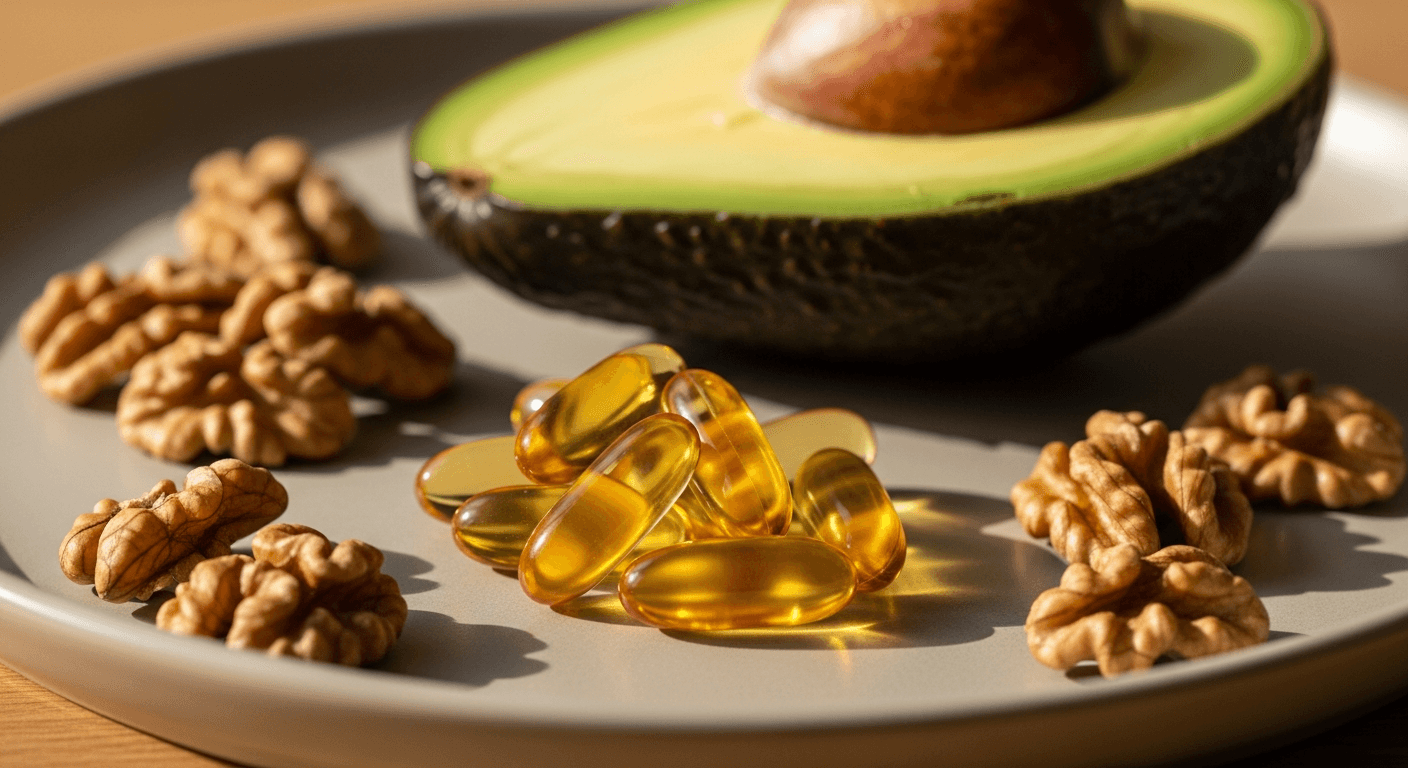
To maximize absorption, CoQ10 should always be taken alongside a meal that contains healthy dietary fats (such as avocado, olive oil, or nuts). The presence of dietary fat triggers the gallbladder to release bile acids, which are absolutely essential for the emulsification and absorption of fat-soluble nutrients in the small intestine. Taking CoQ10 on an empty stomach drastically reduces its efficacy.
While side effects are rare and generally limited to mild gastrointestinal upset, there are important drug interactions to consider. Because CoQ10 shares a structural similarity to Vitamin K, it can antagonize anticoagulant medications like warfarin (blood thinners), potentially increasing the risk of blood clots. Additionally, because it naturally supports healthy blood pressure, combining it with prescription antihypertensives requires monitoring to prevent blood pressure from dropping too low. Always consult your healthcare provider before introducing CoQ10, especially if you are on prescription medications.
Follow the Science
Insights from Post-Viral Fatigue Trials
The scientific community has actively investigated the role of CoQ10 in post-viral fatigue syndromes, yielding nuanced and highly informative data. A rigorous 2023 randomized, double-blind, placebo-controlled crossover trial conducted at Aarhus University Hospital in Denmark evaluated the use of high-dose CoQ10 (500 mg/day) in 121 Long COVID patients over six weeks. The results, published in The Lancet Regional Health, found no statistically significant difference between the CoQ10 and placebo groups in reducing overall symptom severity.
While initially disappointing, researchers noted that treating patients several months post-infection with a single, standalone intervention might be insufficient to reverse deeply entrenched biological malfunctions. This highlights a crucial clinical reality: CoQ10 is not a magic bullet. However, when used as part of a synergistic combination therapy, the outcomes shift dramatically.
For example, the CoSeME Study, conducted at Vall d'Hebron University Hospital in Spain, evaluated the efficacy of combining oral CoQ10 (400 mg/day) with Selenium (200 mcg/day) in patients diagnosed with ME/CFS. Over an 8-week period, this combination aimed to modulate both redox status and the inflammatory response. The results were highly positive, with patients reporting statistically significant improvements in overall fatigue severity and global quality of life compared to baseline. This underscores the importance of multi-targeted approaches in complex chronic illness. Learn how R-Lipoic Acid is another powerful antioxidant often paired with CoQ10 to support metabolic recovery.
Cardiovascular and Dysautonomia Research
In the realm of dysautonomia and cardiovascular health, the clinical evidence supporting CoQ10 is exceptionally strong. A prominent clinical report from the University of Virginia investigated the effects of CoQ10 on patients suffering from symptomatic orthostatic hypotension—a condition closely related to POTS where blood pressure drops dangerously upon standing. Patients treated with an average of 257 mg of CoQ10 daily saw their systolic blood pressure drop decrease from a severe 30 mm Hg to just 7 mm Hg upon standing. This statistically significant improvement highlights CoQ10's profound ability to stabilize autonomic vascular regulation.
Furthermore, the landmark Q-SYMBIO trial evaluated 420 patients with moderate to severe heart failure over a two-year period. Patients receiving 300 mg of CoQ10 daily (divided into three doses) experienced a massive reduction in cardiovascular mortality (9% vs. 16% in the placebo group) and all-cause mortality. They also saw significant reductions in hospitalizations and improvements in their functional class.
These trials collectively validate the foundational role of CoQ10 in supporting high-energy systems. Whether addressing the vascular pooling seen in POTS or the severe myocardial strain of heart failure, CoQ10 provides the essential biochemical support needed to maintain cardiovascular integrity and autonomic stability in the face of chronic physiological stress.
The Path Forward
A Piece of the Puzzle
Living with Long COVID, ME/CFS, or dysautonomia is an incredibly complex and often frustrating journey. The profound fatigue and unpredictable symptom crashes are real, physiological manifestations of cellular distress, not personal failings. Validating this reality is the first step toward effective management. Healing damaged mitochondria and restoring the intricate balance of the autonomic nervous system takes time, patience, and a multifaceted approach.
While CoQ10 is a powerful, science-backed tool for supporting cellular energy production and defending against oxidative stress, it is just one piece of a much larger puzzle. Supplements are most effective when integrated into a comprehensive management strategy that includes aggressive rest, meticulous pacing to avoid PEM, symptom tracking, and ongoing guidance from a medical professional who understands complex post-viral conditions. Explore how other medications, like Metformin, are being studied for Long COVID risk reduction to see the broader landscape of emerging treatments.
Always consult your healthcare provider before starting any new supplement regimen to ensure it aligns with your specific medical history, current medications, and unique metabolic needs. By addressing the root causes of cellular dysfunction, you can take proactive, scientifically grounded steps toward reclaiming your energy and improving your daily quality of life.
Sources
Creative Proteomics - Coenzyme Q10 (CoQ10): Importance, Benefits, and Analysis
Novel biomarkers of mitochondrial dysfunction in Long COVID patients (PubMed)
Coenzyme Q10 Supplementation in Orthostatic Hypotension (The American Journal of Medicine)
Coenzyme Q10 in Cardiovascular and Metabolic Diseases (Q-SYMBIO Trial Data)
Coenzyme Q10 Metabolism: A Review of Unresolved Issues (MDPI)
Enhanced Bioavailability of Coenzyme Q10 and Vitamin E in Lipid Formulations (NanoSolve Study Data)