Can Copper Bisglycinate Help Manage POTS, Fatigue, and Long COVID Symptoms?
March 6, 2026
Copper BisglycinateLong COVIDPOTS
Share:
Disclaimer: The information provided here is for educational purposes only and is not intended as medical advice. It should not be used to diagnose, treat, cure, or prevent any medical condition. Instead, use it as a starting point for discussion with your healthcare provider. Always consult with a qualified healthcare provider before starting any new medication, supplement, device, or making changes to your health regimen.
When navigating the complex, overlapping worlds of Long COVID, myalgic encephalomyelitis/chronic fatigue syndrome (ME/CFS), and dysautonomia, patients are often prescribed a mountain of supplements to manage their debilitating symptoms. Among the most common recommendations is high-dose zinc, prized for its immune-supporting and antiviral properties. However, a critical piece of the metabolic puzzle is frequently left behind: copper. While zinc is essential, taking it in high doses over an extended period can inadvertently strip the body of copper, leading to a hidden deficiency that exacerbates the very symptoms patients are trying to heal, from profound fatigue to worsening orthostatic intolerance.
This is where Copper Bisglycinate enters the conversation. Copper is not just a background mineral; it is a foundational biological catalyst required for energy production, the structural integrity of our blood vessels, and the neutralization of cellular damage. For individuals living with complex chronic illnesses, understanding the delicate dance between zinc and copper is vital. In this comprehensive guide, we will explore the intricate biochemistry of copper, how chronic illness and heavy zinc supplementation disrupt its balance, and why the highly bioavailable bisglycinate form might be a crucial addition to your management strategy.
What is Copper Bisglycinate?
Copper is an essential trace mineral that acts as a mandatory cofactor for over a dozen critical enzymes, known as cuproenzymes, which drive fundamental physiological processes. In a healthy human body, copper is absorbed through the small intestine and transported to the liver, where it is incorporated into various proteins and dispatched to tissues worldwide. At the cellular level, copper is indispensable for mitochondrial energy production. It serves as the final electron acceptor in the electron transport chain via the enzyme cytochrome c oxidase (Complex IV). Without adequate intracellular copper, the mitochondria cannot efficiently convert oxygen and nutrients into adenosine triphosphate (ATP), the primary energy currency of the cell, leading to systemic metabolic sluggishness.
Beyond energy production, copper is the architectural overseer of the body's structural scaffolding. It is required for the activation of lysyl oxidase, an extracellular enzyme that cross-links collagen and elastin fibers. This cross-linking process is what gives connective tissue its tensile strength and gives blood vessels their vital elasticity. Furthermore, copper is deeply embedded in the body's neurological and hematological systems. It regulates the synthesis of crucial neurotransmitters, including dopamine and norepinephrine, and governs iron metabolism through the ferroxidase enzyme ceruloplasmin. In essence, copper is the biochemical linchpin that keeps our energy flowing, our blood vessels tight, and our neurological signals firing accurately.
When discussing mineral supplementation, the specific chemical form—or "salt"—of the mineral dictates how the body will process it. Traditional copper supplements often utilize inorganic salts, such as copper sulfate or copper oxide. When these inorganic forms enter the highly acidic environment of the stomach, the copper ions dissociate from their carrier molecules. Once freed, these bare copper ions must navigate the treacherous environment of the gastrointestinal tract, where they are highly vulnerable to dietary antagonists. Free copper easily binds to phytates from grains, sulfur, and molybdenum, creating insoluble, rock-like complexes that the body cannot absorb, resulting in the mineral being excreted in the feces rather than utilized by the cells.
Copper Bisglycinate (often utilizing the patented TRAACS® chelate) represents a sophisticated biochemical workaround to these absorption hurdles. In a bisglycinate chelate, a single, positively charged copper ion is tightly bound—or "hugged"—by two molecules of the amino acid glycine. This unique double-bond structure renders the entire molecule electrically neutral and highly stable. Because it is protected by the glycine molecules, the copper does not prematurely dissociate in stomach acid, nor does it react with dietary antagonists in the intestines. This structural integrity is what allows copper bisglycinate to deliver the mineral safely to the absorptive surfaces of the small intestine, dramatically increasing its bioavailability compared to standard inorganic forms.
The most remarkable aspect of copper bisglycinate is how it physically enters the bloodstream. Standard inorganic copper ions must compete for entry through specific mineral transport channels, primarily the Copper Transporter 1 (CTR1) and the Divalent Metal Transporter 1 (DMT1). These channels are notorious for causing traffic jams; if there is an abundance of zinc, iron, or vitamin C in the gut, copper is pushed to the back of the line and left unabsorbed. This competitive exclusion is a primary reason why standard copper supplements often fail to correct systemic deficiencies, especially in patients taking multiple other supplements for their chronic conditions.
Because copper bisglycinate is structurally recognized by the body as an amino acid peptide rather than a raw mineral, it completely bypasses these crowded mineral channels. Instead, it is actively transported across the intestinal wall via peptide transport pathways. This "VIP entrance" allows the copper to be absorbed virtually intact, completely avoiding the fierce competition with zinc and iron. Clinical studies have demonstrated that this specialized absorption mechanism allows copper bisglycinate to achieve an absorption rate of 40-50% or higher, compared to the meager 10-15% absorption rate of copper sulfate, making it a vastly superior choice for clinical repletion.
How Chronic Illness Impacts Copper and Mineral Balance
For patients managing complex chronic illnesses, zinc is a staple supplement, often taken in doses of 50 mg or more daily to support immune function and combat viral persistence. However, this well-intentioned strategy frequently triggers a hidden biochemical trap known as Zinc-Induced Copper Deficiency (ZICD). When high levels of zinc are ingested, they stimulate the genetic expression of a protein called metallothionein within the enterocytes (the cells lining the small intestine). Metallothionein is an endogenous metal-chelating protein designed to bind heavy metals, but crucially, it has a significantly higher binding affinity for copper than it does for zinc.
As dietary copper enters the intestinal tract, it outcompetes zinc and becomes tightly bound to the newly synthesized metallothionein. This creates a "trapping" effect. The copper is locked inside the intestinal cell and prevented from crossing into the bloodstream. Because these intestinal cells have a rapid turnover rate—sloughing off into the digestive tract every two to six days—the trapped copper is ultimately eliminated in the feces. Over weeks and months of high-dose zinc supplementation, this continuous blocking mechanism progressively depletes the body's systemic copper stores, leading to profound functional deficiencies that can mimic or worsen the symptoms of the underlying chronic illness.
Conditions like Long COVID and ME/CFS are characterized by massive, unrelenting systemic oxidative stress. When the body is fighting persistent viral antigens or chronic inflammation, it generates high levels of reactive oxygen species (ROS), including the highly damaging superoxide radical. To neutralize this threat, the body relies heavily on its first-line antioxidant defense enzyme, Copper-Zinc Superoxide Dismutase (CuZnSOD). As the name implies, this enzyme is strictly dependent on both copper for its catalytic neutralizing action and zinc for its structural stability.
In the context of what causes Long COVID, researchers have observed that the body attempts to drastically upregulate the production of the SOD1 protein as a distress signal to combat the oxidative fire. However, if the patient is suffering from a zinc-induced copper deficiency, these newly minted SOD enzymes are functionally useless. Without copper to act as the catalytic core, the enzyme cannot dismutate the superoxide radicals. These unchecked radicals then react with nitric oxide to form peroxynitrite, a highly toxic molecule that damages mitochondrial membranes, depletes cellular energy, and drives the severe post-exertional malaise (PEM) and neuroinflammation that paralyze patients.
The impact of copper depletion extends far beyond cellular energy, striking at the very structural integrity of the cardiovascular system. In conditions like postural orthostatic tachycardia syndrome (POTS) and hypermobility spectrum disorders (which frequently co-occur with Long COVID and ME/CFS), the laxity of blood vessels is a primary driver of symptoms. This structural weakness is intimately tied to the enzyme lysyl oxidase, which requires copper to cross-link collagen and elastin fibers. When chronic illness or ZICD depletes copper availability, lysyl oxidase activity plummets, resulting in disorganized, weak collagen and excessively stretchy blood vessels.
When a patient with these weakened, lax blood vessels stands up, gravity pulls their blood downward into the lower extremities and abdomen. In a healthy state, tight blood vessels would constrict to push the blood back up to the brain. But in a copper-depleted, hypermobile state, the vessels simply expand, leading to severe blood pooling. The autonomic nervous system panics at the drop in cerebral blood flow and triggers a massive adrenaline surge to force the heart to beat faster (tachycardia) to compensate. This articulo-autonomic dysplasia cycle perfectly illustrates how a microscopic trace mineral deficiency can cascade into the debilitating orthostatic intolerance seen in dysautonomia.
Copper Bisglycinate: Supporting Cellular Defense and Structural Integrity
Supplementing with a highly bioavailable form like Copper Bisglycinate directly intervenes in the vicious cycles of oxidative stress and mitochondrial dysfunction. By bypassing the zinc-blocked intestinal pathways, bisglycinate delivers elemental copper directly into the systemic circulation, where it can be rapidly assimilated into the cellular cytosol and mitochondrial intermembrane space. Here, the copper binds to the waiting, inactive apo-enzymes, successfully reconstituting fully functional Copper-Zinc Superoxide Dismutase (CuZnSOD). This restoration is a critical step in halting the cellular damage that drives complex chronic illness.
Once CuZnSOD is reactivated, it immediately begins catalyzing the dismutation of toxic superoxide radicals into less harmful hydrogen peroxide and oxygen. This rapid clearance of superoxide prevents the formation of tissue-destroying peroxynitrite. By shielding the delicate inner mitochondrial membrane from oxidative lipid peroxidation, copper allows the mitochondria to resume efficient ATP production. For patients wondering how long does Long COVID last, restoring this foundational mitochondrial defense mechanism is often a necessary prerequisite for overcoming the profound, paralyzing fatigue and post-exertional malaise (PEM) that define the condition.
For individuals battling POTS, dysautonomia, and hypermobility, Copper Bisglycinate offers targeted structural support through the reactivation of lysyl oxidase. As systemic copper levels are restored, lysyl oxidase regains its ability to deaminate the amino acids lysine and hydroxylysine within the extracellular matrix. This biochemical action is the mandatory first step in creating the covalent cross-links that bind collagen and elastin fibers together. Over time, this enhanced cross-linking progressively improves the tensile strength and elasticity of the connective tissues throughout the body.
Clinically, this structural reinforcement is particularly vital for the vascular system. By stiffening the overly lax walls of the veins and arteries, copper-supported collagen helps prevent the severe lower-body blood pooling that occurs upon standing. When the blood vessels can properly constrict and maintain vascular tone, venous return to the heart and brain is normalized. This reduces the need for the autonomic nervous system to trigger the massive, exhausting adrenergic surges (tachycardia and palpitations) that characterize POTS, thereby helping to stabilize heart rate and reduce orthostatic dizziness.
Many patients with Long COVID and ME/CFS struggle with unexplained anemia or functional iron deficiency, often diagnosed as Anemia of Chronic Disease. In these states, iron is physically trapped inside the liver and macrophages, unable to be transported to the bone marrow to make red blood cells. Copper Bisglycinate directly addresses this bottleneck by fueling the synthesis of ceruloplasmin, the body's primary copper-carrying protein and a vital ferroxidase enzyme. Without adequate copper, the liver produces unstable apoceruloplasmin, which rapidly degrades, bringing iron transport to a grinding halt.
When Copper Bisglycinate restores copper levels, functional ceruloplasmin is released into the bloodstream. Its ferroxidase activity catalyzes the oxidation of toxic ferrous iron (Fe2+) into safe ferric iron (Fe3+). Only in this ferric state can iron successfully bind to the transport protein transferrin. By unlocking sequestered iron stores and facilitating their transport to the bone marrow, copper supplementation helps resolve the hidden, iron-restricted erythropoiesis that contributes to the breathlessness, pallor, and deep cellular hypoxia experienced by many chronic illness patients.
The neurological benefits of Copper Bisglycinate are mediated through its role as an obligatory cofactor for the enzyme dopamine β-hydroxylase (DBH). Located primarily within the secretory vesicles of sympathetic nerve terminals and the adrenal medulla, DBH is responsible for the direct biochemical conversion of dopamine into norepinephrine. Norepinephrine is the primary neurotransmitter utilized by the sympathetic nervous system to regulate vascular tone, blood pressure, and heart rate in response to positional changes.
In a state of copper deficiency, DBH activity is severely blunted. This leads to an accumulation of dopamine and a dangerous deficit of norepinephrine, resulting in profound orthostatic hypotension and autonomic failure. By providing the necessary copper cofactor, Copper Bisglycinate ensures that the sympathetic nervous system has the precise neurotransmitter currency it needs to send accurate, timely signals to the cardiovascular system. This mechanism is crucial for patients seeking to understand what drugs are used for COVID long haulers, as stabilizing the autonomic nervous system often requires foundational nutritional support alongside pharmaceutical interventions.

Symptoms Copper Bisglycinate May Help Manage
Profound Fatigue and PEM: By reactivating CuZnSOD and protecting mitochondrial membranes from oxidative damage, copper allows for restored ATP (cellular energy) production, helping to raise the baseline threshold before post-exertional malaise is triggered.
Orthostatic Tachycardia (Rapid Heart Rate): Copper fuels lysyl oxidase, which cross-links collagen to strengthen lax blood vessels. Tighter blood vessels reduce the blood pooling that triggers the compensatory rapid heart rate seen in POTS.
Dizziness and Lightheadedness: By supporting both vascular integrity (via collagen) and autonomic nerve signaling (via dopamine β-hydroxylase), copper helps maintain steady blood pressure and cerebral blood flow upon standing.
Brain Fog and Cognitive Dysfunction: The brain is highly susceptible to oxidative stress. By boosting the antioxidant capacity of superoxide dismutase, copper helps neutralize the neuroinflammation that drives cognitive sluggishness.
Unexplained Anemia and Pallor: Copper is required to activate ceruloplasmin, the enzyme that oxidizes iron so it can be transported to the bone marrow. Correcting a copper deficit can resolve functional iron deficiencies that mimic Anemia of Chronic Disease.
Joint Instability and Hypermobility: For those with hypermobility spectrum disorders, copper provides the essential cofactor needed to maximize collagen and elastin cross-linking, supporting joint stability and reducing subluxations.
Practical Considerations: Forms, Dosing, and Absorption
When selecting a copper supplement, the chemical form is paramount to its clinical success. Inorganic forms like copper sulfate and copper oxide are notoriously difficult for the body to utilize. They require high amounts of stomach acid to dissociate, frequently cause severe gastrointestinal distress (including nausea and cramping), and have an abysmal absorption rate of roughly 10-15%. Furthermore, because they dissociate into free ions in the gut, they are highly susceptible to being blocked by dietary antagonists like phytates, sulfur, and competing minerals.
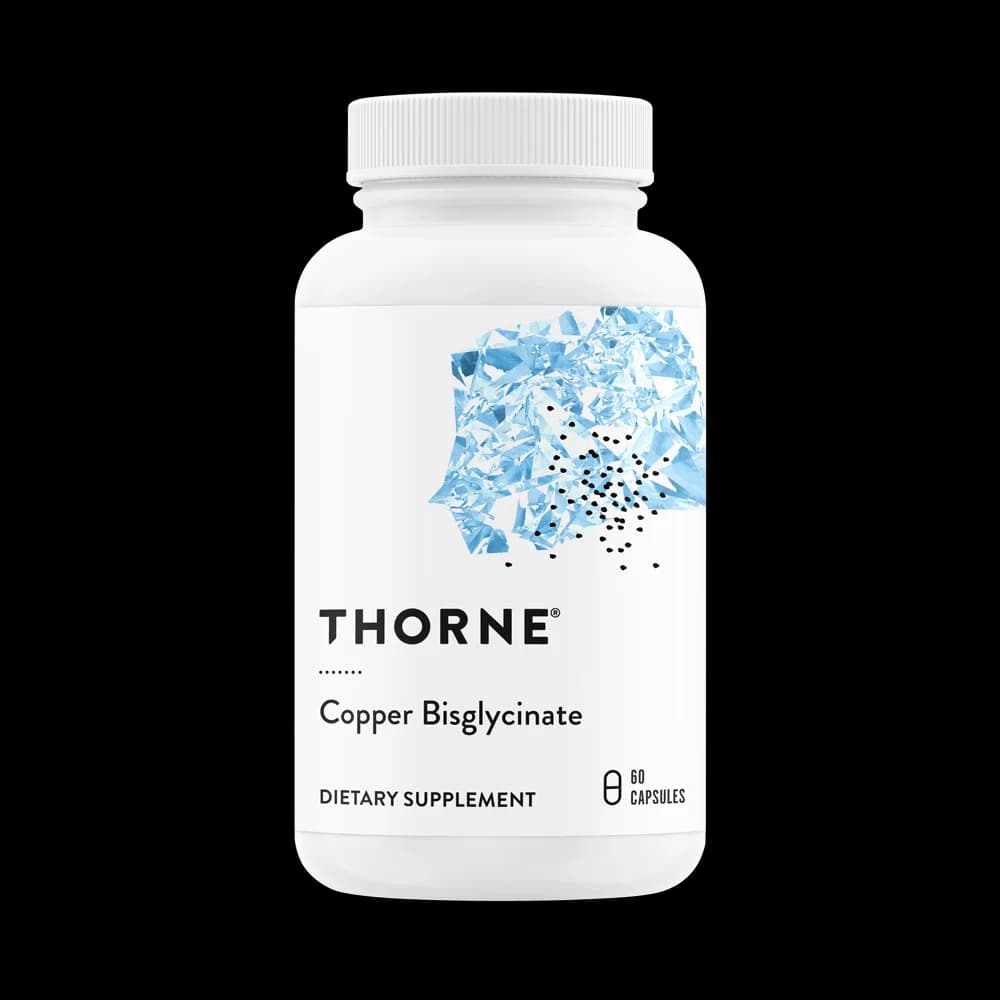
Thorne's Copper Bisglycinate utilizes the TRAACS® (The Real Amino Acid Chelate System) technology, which binds the copper ion to two glycine amino acids. This neutral, stable molecule does not ionize in the stomach, making it exceptionally gentle on the gastrointestinal tract—a crucial benefit for patients with MCAS or sensitive guts. Because it is absorbed through peptide transport pathways rather than standard mineral channels, it boasts an absorption rate of 40-50% or higher. This superior bioavailability ensures that the mineral actually reaches the systemic circulation to replenish depleted cellular stores.
The most critical practical consideration when taking copper is its relationship with zinc. The human body requires a delicate balance between these two trace minerals, typically maintaining a dietary intake ratio of roughly 8:1 to 15:1 (zinc to copper). When patients take high-dose zinc supplements (e.g., 50 mg daily) for immune support without concomitant copper, they virtually guarantee the development of a zinc-induced copper deficiency over time due to the metallothionein trapping mechanism in the gut.
If you are supplementing with significant amounts of zinc, adding a highly bioavailable copper supplement like Copper Bisglycinate is clinically indicated to prevent this dangerous imbalance. Because the bisglycinate form bypasses the standard mineral competition pathways, it is uniquely suited for correcting deficiencies in patients who must remain on zinc therapy. However, to maximize absorption and respect the body's natural processing rhythms, it is still generally recommended to take zinc and copper supplements at different times of the day, separated by at least two to four hours.
Thorne's Copper Bisglycinate provides 2 mg of elemental copper per capsule, which aligns perfectly with the daily requirements for repletion and maintenance. The suggested use is one capsule, one to three times daily, or as recommended by a healthcare practitioner. Because the bisglycinate chelate is so stable and gentle, it can typically be taken on an empty stomach without inducing the severe nausea associated with standard copper pills. Taking it away from meals can further enhance its absorption by eliminating any potential interactions with dietary fibers or competing nutrients.
While copper is essential, it is important to monitor levels, as excessive copper accumulation can also be toxic. Patients with a history of Wilson's Disease—a rare genetic disorder that causes toxic copper buildup in the liver and brain—must strictly avoid copper supplementation. Additionally, if you are pregnant, nursing, or taking medications that affect mineral metabolism (such as penicillamine or certain antacids), you must consult your healthcare provider before initiating therapy. Regular blood work, including serum copper, ceruloplasmin, and zinc levels, can help your provider tailor your dosage to achieve optimal biochemical balance.

Follow the Science
The superiority of the bisglycinate chelate is well-documented in clinical literature. A widely cited randomized clinical trial conducted by DiSilvestro et al. evaluated the effectiveness of copper glycinate in human subjects. In this study, healthy adults were given 2 mg per day of the chelated copper for eight weeks. The researchers meticulously tracked specific copper-dependent biomarkers, rather than just serum copper levels, to prove functional cellular utilization.
The results were definitive: the chelated copper supplement successfully and significantly raised the activity of both erythrocyte superoxide dismutase 1 (SOD1) and plasma ceruloplasmin. This study provided concrete clinical evidence that the high intestinal absorption of the bisglycinate form translates directly into functional, biological utilization within the blood and tissues. It confirmed that bypassing the standard CTR1 mineral transport channels via peptide absorption is a highly effective strategy for upregulating critical antioxidant and iron-regulating enzymes.
The connection between copper-dependent enzymes and post-viral syndromes is an area of intense, ongoing research. A recent systemic comparative review investigating the shared pathogenesis of Long COVID and ME/CFS identified the SOD1 gene as one of the core genetic markers shared between the two conditions. The dysregulation of this specific pathway is mechanistically tied to the severe oxidative damage, aberrant T-cell apoptosis, and leukocyte aggregation that drive the systemic symptoms of these diseases.
Furthermore, breakthrough cellular analyses using transmission electron microscopy have observed profound structural mitochondrial distress in Long COVID patients. These studies noted highly increased levels of the SOD1 protein, acting as a cellular distress signal in response to massive reactive oxygen species (ROS) influx. However, clinical evaluations frequently show that the actual functional activity of superoxide dismutase in the blood is depleted. This paradox highlights the critical need for the essential trace mineral cofactors—namely copper and zinc—to activate the waiting SOD proteins and restore the body's redox homeostasis.
The intersection of trace mineral metabolism, connective tissue integrity, and autonomic function is heavily supported by physiological research. Medical literature detailing the mechanisms of Zinc-Induced Copper Deficiency clearly outlines how the loss of copper directly impairs lysyl oxidase activity. Without this copper-dependent enzyme, the cross-linking of collagen and elastin fails, leading to the pathological laxity of blood vessels and joints seen in hypermobility spectrum disorders.
This vascular laxity is a known primary driver of dysautonomia. When blood vessels cannot maintain tone, gravity-induced blood pooling triggers the severe adrenergic surges characteristic of POTS. Furthermore, research into autonomic neuropathies highlights copper's role as a mandatory cofactor for dopamine β-hydroxylase. The dual impact of copper deficiency—weakening the structural vessels while simultaneously impairing the synthesis of the regulatory neurotransmitter norepinephrine—provides a clear, evidence-based rationale for why maintaining optimal copper status is vital for patients managing orthostatic intolerance and autonomic dysfunction.
The Path Forward
Living with the unpredictable, debilitating symptoms of Long COVID, ME/CFS, and dysautonomia often feels like trying to build a house on shifting sands. When you are constantly battling profound fatigue, racing heart rates, and cognitive dysfunction, it is easy to become overwhelmed by the sheer number of supplements and treatments recommended to you. However, true healing requires addressing the foundational biochemical imbalances that keep the body trapped in a cycle of oxidative stress and structural instability. Understanding how does a doctor diagnose Long COVID often involves looking deep into these microscopic metabolic pathways.
Copper is not a miracle cure, but it is an undeniable, non-negotiable biological necessity. If you have been diligently taking high doses of zinc to support your immune system, you may have inadvertently starved your mitochondria, blood vessels, and antioxidant defenses of the copper they desperately need to function. By introducing a highly bioavailable, gentle form like Copper Bisglycinate into your regimen, you are providing your body with the precise structural and catalytic tools it needs to cross-link collagen, neutralize toxic free radicals, and restore autonomic balance.
As with all aspects of complex chronic illness, supplementation should be approached methodically and in partnership with a knowledgeable healthcare provider. Copper Bisglycinate is a powerful tool, but it is most effective when integrated into a comprehensive management strategy that includes pacing, symptom tracking, nervous system regulation, and targeted medical care. By respecting the delicate balance of your body's trace minerals, you can take a significant step toward reclaiming your energy, stabilizing your heart rate, and improving your overall quality of life.