Can a Complete Biotic Support Gut Health and Immunity in Long COVID?
March 6, 2026
Complete BioticLong COVIDGut Health
Share:
Disclaimer: The information provided here is for educational purposes only and is not intended as medical advice. It should not be used to diagnose, treat, cure, or prevent any medical condition. Instead, use it as a starting point for discussion with your healthcare provider. Always consult with a qualified healthcare provider before starting any new medication, supplement, device, or making changes to your health regimen.
The human gut is far more than just a digestive organ; it is a complex, bustling ecosystem that houses roughly 70 percent of our immune system and produces a vast array of neurotransmitters and metabolic byproducts. For individuals living with post-viral chronic conditions, the health of this delicate microbial world often becomes severely compromised. Months or even years after an initial viral infection, many patients continue to battle debilitating symptoms that seem to originate from a profound systemic imbalance. We now know that the gut microbiome plays a central role in this ongoing struggle, acting as both a victim of viral disruption and a potential driver of chronic inflammation.
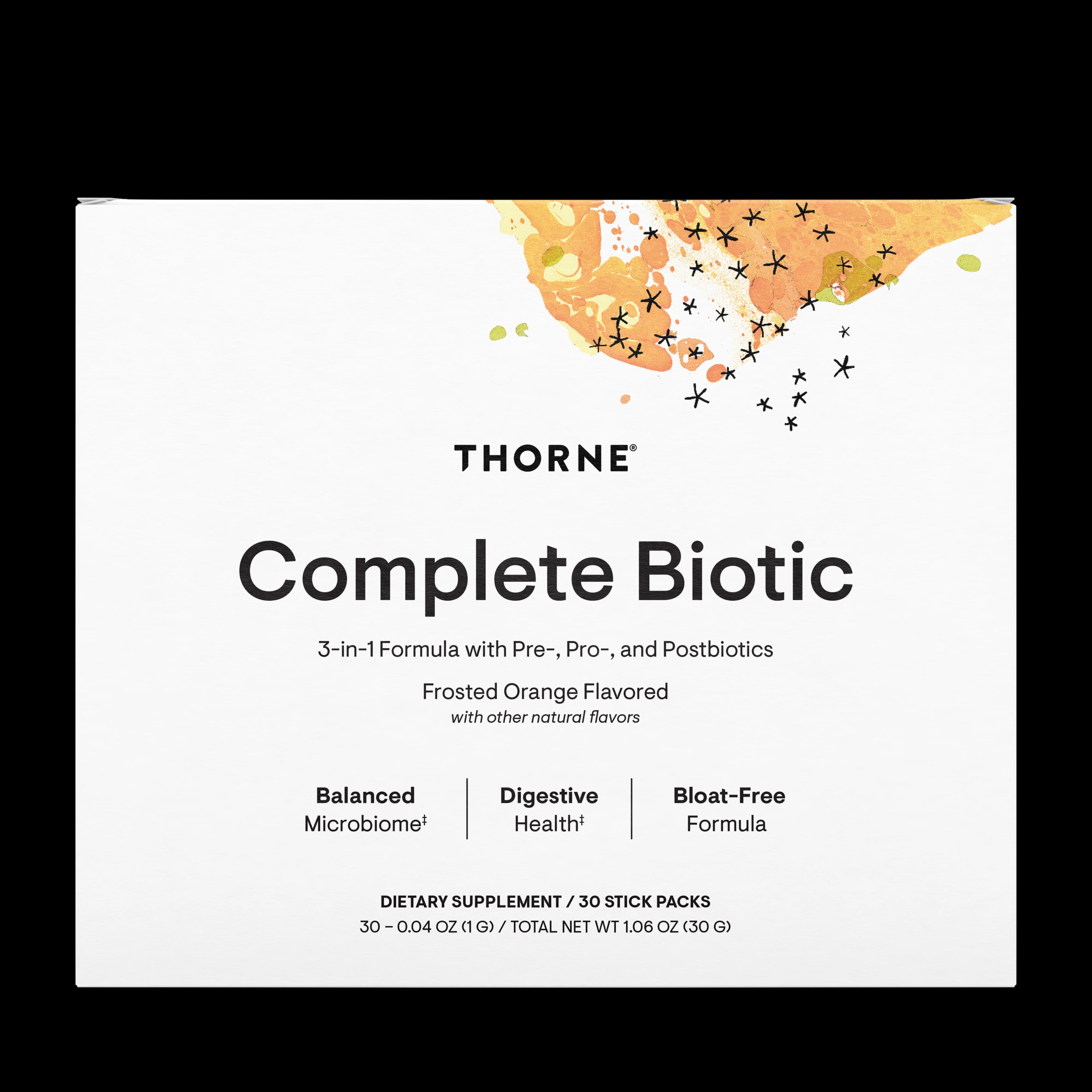
In the wake of the COVID-19 pandemic, a new and complex health concern emerged: Long COVID. This condition, alongside related illnesses like myalgic encephalomyelitis/chronic fatigue syndrome (ME/CFS) and mast cell activation syndrome (MCAS), is characterized by lingering, unpredictable symptoms that leave many patients searching desperately for answers. One of the most critical areas of emerging research focuses on the gut-immune axis. When the microbiome falls into a state of dysbiosis—where harmful bacteria outnumber beneficial ones—it can trigger a cascade of systemic issues, from severe gastrointestinal distress to debilitating brain fog. Addressing this imbalance requires a sophisticated approach, which is where a comprehensive formulation like Thorne’s Complete Biotic comes into play, offering a 360-degree strategy to support gut repair and immune resilience.
TL;DR
Gut dysbiosis drives systemic inflammation and brain fog in Long COVID and ME/CFS.
Complete Biotic uses bacteriophages to target harmful bacteria without causing bloating.
Spore-forming probiotics and postbiotics support gut barrier repair and immune resilience.
Healing the gut-immune axis may help manage chronic gastrointestinal and systemic symptoms.
What is a Complete Biotic?
The Microbiome Ecosystem and Immune Defense
To understand the value of a comprehensive biotic supplement, we must first examine the natural function of the gut microbiome in a healthy body. The human gastrointestinal tract is home to trillions of microorganisms, including bacteria, viruses, fungi, and archaea. This microbial community operates in a delicate symbiotic relationship with our own cells. Beneficial bacteria, often referred to as commensal microbes, perform essential physiological functions that our bodies cannot execute on their own. They break down complex dietary fibers, synthesize crucial vitamins like Vitamin K and various B vitamins, and produce short-chain fatty acids (SCFAs) such as butyrate, which serve as the primary energy source for the cells lining the colon (colonocytes).
Beyond digestion, the microbiome is inextricably linked to the immune system. The gut-associated lymphoid tissue (GALT) represents the largest mass of lymphoid tissue in the human body. Here, beneficial bacteria constantly interact with immune cells, training them to differentiate between harmless dietary antigens and dangerous pathogens. A healthy microbiome promotes the production of secretory Immunoglobulin A (sIgA), an antibody that acts as the first line of defense in the mucosal lining of the intestines. By maintaining a robust physical barrier and a well-regulated immune response, a balanced microbiome may help prevent systemic inflammation and protect against opportunistic infections.
Prebiotics: The Fuel for Beneficial Microbes
In a healthy ecosystem, beneficial bacteria require specific types of nourishment to thrive and multiply. This is the role of prebiotics. Traditionally, prebiotics are defined as non-digestible food ingredients—usually complex carbohydrates or fermentable fibers like inulin or fructooligosaccharides (FOS)—that selectively stimulate the growth and activity of beneficial microorganisms in the colon. When commensal bacteria ferment these fibers, they produce the highly beneficial short-chain fatty acids that reduce localized inflammation and strengthen the integrity of the intestinal barrier.
However, traditional fiber-based prebiotics can sometimes be a double-edged sword, particularly for individuals with compromised digestion. Because they rely on bacterial fermentation, they often produce significant amounts of gas as a byproduct, leading to uncomfortable bloating and flatulence. Furthermore, in a severely dysbiotic gut, large doses of fermentable fibers can sometimes inadvertently feed overgrowths of undesirable bacteria. This has led to the development of novel, non-fiber prebiotics, such as bacteriophages, which operate through entirely different, highly targeted biochemical mechanisms to support the microbiome without causing gastrointestinal distress.
Probiotics and Postbiotics: The Workers and Their Products
Probiotics are live microorganisms that, when administered in adequate amounts, confer a health benefit on the host. They are the "workers" of the gut ecosystem. In a healthy body, transient and resident probiotic strains help to competitively exclude pathogens by competing for nutrients and attachment sites on the intestinal wall. They also secrete antimicrobial peptides called bacteriocins, which actively inhibit the growth of harmful bacteria. By modulating the local environment—such as by lowering the pH of the colon through lactic acid production—probiotics create inhospitable conditions for pathogens while fostering a hospitable environment for beneficial keystone species.
Postbiotics, on the other hand, represent a newer and highly exciting frontier in microbiome science. The International Scientific Association for Probiotics and Prebiotics (ISAPP) defines a postbiotic as a preparation of inanimate (dead or inactivated) microorganisms and/or their components that confers a health benefit on the host. Even when bacteria are no longer alive, their structural components—such as peptidoglycans, teichoic acids, and cell surface proteins—can still interact powerfully with the host's immune receptors. Postbiotics deliver the direct anti-inflammatory and immunomodulatory benefits of probiotics without the need for live cell colonization, offering exceptional stability and safety.
How Long COVID and ME/CFS Impact the Gut
The Loss of Keystone Bacteria and Butyrate
Chronic illnesses such as Long COVID and myalgic encephalomyelitis/chronic fatigue syndrome (ME/CFS) are increasingly recognized not just as neurological or immunological conditions, but as profound disorders of the microbiome. Recent studies have revealed a striking "microbial signature" shared by patients with these post-viral syndromes. One of the most consistent findings is the severe depletion of keystone beneficial bacteria, particularly those responsible for producing butyrate. Taxa such as Faecalibacterium prausnitzii, Bifidobacterium, and Roseburia are often found in drastically reduced numbers in patients suffering from prolonged post-viral fatigue and immune dysregulation.
The loss of these butyrate-producing bacteria initiates a devastating vicious cycle. Butyrate is essential for maintaining the tight junctions between the epithelial cells that line the gut. When butyrate levels plummet, these tight junctions begin to degrade, leading to a condition known as increased intestinal permeability, or "leaky gut." Without a secure barrier, the gut can no longer effectively contain its contents. This structural failure allows partially digested food particles, toxins, and bacterial fragments to escape the intestinal lumen and enter the systemic bloodstream, triggering widespread immune alarm.
Leaky Gut, Endotoxemia, and Systemic Inflammation
When the intestinal barrier is compromised, one of the most dangerous substances that leaks into the bloodstream is lipopolysaccharide (LPS), an endotoxin found in the outer membrane of certain harmful bacteria. The presence of LPS in the blood is known as metabolic endotoxemia. As LPS circulates through the body, it binds to Toll-like receptor 4 (TLR4) on the surface of immune cells, triggering a massive release of pro-inflammatory cytokines such as Tumor Necrosis Factor-alpha (TNF-α) and Interleukin-6 (IL-6). This chronic, low-grade systemic inflammation is a hallmark of Long COVID pathophysiology.
This systemic inflammation exacerbates the very symptoms patients find most debilitating. It drives oxidative stress, damages mitochondrial function, and perpetuates the severe fatigue and post-exertional malaise (PEM) seen in ME/CFS and Long COVID. Furthermore, the immune system becomes locked in a hyperactive, dysregulated state. In conditions like mast cell activation syndrome (MCAS), which frequently co-occurs with dysautonomia and Long COVID, the constant influx of gut-derived antigens and endotoxins keeps mast cells in a state of chronic degranulation, releasing histamine and causing unpredictable, widespread allergic-type reactions.
The Gut-Brain Axis and Neuroinflammation
The impact of gut dysbiosis extends far beyond the digestive tract, reaching directly into the central nervous system via the gut-brain axis. The gut and the brain are in constant bidirectional communication, primarily through the vagus nerve and the systemic circulation of cytokines and neurotransmitters. When the gut is inflamed and leaky, the resulting systemic inflammation can compromise the blood-brain barrier. Pro-inflammatory cytokines and bacterial endotoxins cross into the brain, where they activate microglia—the brain's resident immune cells.
Activated microglia shift from a protective role to a highly inflammatory one, bathing the neural tissue in inflammatory mediators. This phenomenon, known as neuroinflammation, is widely believed by researchers to be the primary biological driver of the severe cognitive dysfunction, or "brain fog," that plagues so many Long COVID patients. Additionally, because the gut microbiome is responsible for producing or regulating a significant portion of the body's serotonin and dopamine, dysbiosis can severely disrupt mood, sleep patterns, and autonomic nervous system function, contributing to the complex symptom presentation of dysautonomia.
Complete Biotic: Supporting Gut Repair and Immunity
PreforPro: Precision Bacteriophage Action
Thorne’s Complete Biotic utilizes a highly innovative prebiotic called PreforPro®, which fundamentally redefines how we support beneficial gut bacteria. Unlike traditional fiber prebiotics that rely on bacterial fermentation, PreforPro is a patented cocktail of four specific bacteriophages (LH01-Myoviridae, LL5-Siphoviridae, T4D-Myoviridae, and LL12-Myoviridae). Bacteriophages are naturally occurring, microscopic viruses that solely target, infect, and destroy specific strains of bacteria. They are entirely harmless to human cells and beneficial commensal bacteria, offering a level of precision that broad-spectrum fibers cannot match.
At the cellular level, PreforPro operates via a lytic mechanism. The bacteriophages act like heat-seeking missiles, identifying and attaching themselves to the cell walls of specific undesirable or pathogenic bacteria in the gut, such as certain pro-inflammatory strains of Escherichia coli. Once attached, the phage injects its genetic material into the target bacterium, hijacking the host cell's machinery to replicate itself. The bacterium rapidly fills with new phages until its cell wall destabilizes and ruptures (lyses). This destruction clears physical space in the gut lining and releases the target bacteria's intracellular nutrients into the environment.
This is where the prebiotic effect occurs. The released nutrients are readily consumed by beneficial commensal bacteria, such as Lactobacillus and Bifidobacterium, allowing them to flourish and multiply. Clinical research published in Nutrients demonstrates that this highly targeted mechanism effectively reduces pro-inflammatory bacteria while significantly increasing the abundance of beneficial, butyrate-producing species—all without causing the gas or bloating associated with traditional fiber prebiotics.
Bacillus subtilis DE111: Spore-Forming Resilience
The probiotic component of Complete Biotic is Bacillus subtilis DE111®, a patented, spore-forming bacterial strain. Traditional vegetative probiotics often struggle to survive the harsh, highly acidic environment of the human stomach (which can have a pH as low as 2.0). However, Bacillus subtilis naturally encases itself in a robust, protective endospore shell. This spore acts as a biological armor, allowing the bacteria to easily survive extreme temperatures, manufacturing processes, and stomach acid, ensuring that it reaches the intestines fully intact and viable.
Once DE111 reaches the more hospitable, nutrient-rich environment of the small intestine, specific triggers—such as the presence of bile salts and an optimal pH—prompt the spore to germinate. The bacteria transition from their dormant spore state into active, vegetative cells. Clinical studies utilizing human ileostomy models have proven that DE111 successfully germinates within just a few hours of ingestion. Once active, these vegetative cells begin to exert their beneficial effects, competing with pathogenic bacteria for attachment sites and nutrients, and secreting enzymes that aid in the breakdown of complex dietary components.
Crucially for post-viral patients, DE111 has profound immunomodulatory effects. As the active cells interact with the gut-associated lymphoid tissue (GALT), they help to "prime" the immune system. Research indicates that DE111 can reduce basal (resting) systemic inflammation by downregulating specific immune cell populations under normal conditions, while simultaneously ensuring the immune system remains highly responsive and capable of mounting a robust defense when a true pathogen is detected. This balanced immune modulation is vital for patients dealing with the hyper-reactive immune states seen in Long COVID and MCAS.
HT-ES1: Postbiotic Barrier Protection and Anti-Inflammatory Action
The third pillar of Complete Biotic is the postbiotic Heat-Treated Bifidobacterium longum CECT7347 (ES1). Originally isolated from the gastrointestinal tract of a healthy infant, the ES1 strain is renowned for its robust anti-inflammatory properties. In its postbiotic form (HT-ES1), the bacteria have been subjected to a precise heat-treatment process that renders them non-viable (inanimate) while perfectly preserving their cellular structure. This means the postbiotic delivers the therapeutic benefits of the live strain without any risk of bacterial overgrowth or infection, making it exceptionally safe even for individuals with compromised immune systems.
The mechanism of action for HT-ES1 relies on the interaction between its preserved structural components—such as peptidoglycans and teichoic acids—and the immune receptors lining the gut. When these postbiotic components bind to Toll-like receptors (TLRs) on dendritic cells and macrophages in the gut lining, they initiate a signaling cascade that profoundly modulates the inflammatory response. Pre-clinical and clinical studies show that HT-ES1 significantly suppresses the production of pro-inflammatory cytokines like Tumor Necrosis Factor-alpha (TNF-α) and Interferon-gamma (IFN-γ), while simultaneously upregulating the production of Interleukin-10 (IL-10), a powerful anti-inflammatory cytokine.
Furthermore, HT-ES1 plays a critical role in repairing the "leaky gut" phenomenon so prevalent in chronic illness. It has been shown to protect and upregulate the expression of tight junction proteins (like zonulin and occludin) between intestinal epithelial cells. By actively reducing localized oxidative stress and reinforcing the physical integrity of the gut barrier, HT-ES1 may help prevent the translocation of endotoxins into the bloodstream. This direct, localized healing of the intestinal lining is a crucial step in halting the cycle of systemic inflammation that drives the gastrointestinal symptoms seen with Long COVID.
Symptoms Complete Biotic May Help Manage
Gastrointestinal Symptoms
By addressing dysbiosis, reducing localized inflammation, and reinforcing the gut barrier, Thorne's Complete Biotic targets a wide range of uncomfortable and disruptive digestive issues. Patients dealing with the unpredictable gastrointestinal manifestations of post-viral syndromes may find relief in several key areas:
Occasional Constipation and Diarrhea: The combination of DE111 and HT-ES1 helps to regulate bowel transit time. By crowding out pathogenic bacteria and supporting a balanced microbiome ecosystem, these biotics promote normal stool consistency and improve overall bowel regularity without acting as harsh laxatives.
Gas, Bloating, and GI Discomfort: Traditional fiber prebiotics often exacerbate bloating by fueling excessive bacterial fermentation. Because PreforPro utilizes a bacteriophage mechanism, it selectively feeds beneficial bacteria without producing gas, significantly improving gastrointestinal comfort in adults and children.
Indigestion and Sour Taste: By optimizing the microbial balance in both the small and large intestines, Complete Biotic supports more efficient digestion and breakdown of nutrients, which can help decrease symptoms of indigestion and the sensation of a sour taste in the mouth.
Intestinal Cramping: The robust anti-inflammatory properties of the HT-ES1 postbiotic help soothe the irritated mucosal lining of the gut, which can reduce the severity and frequency of minor intestinal cramping and localized pain.
Systemic and Immune Symptoms
Because the gut microbiome is intimately connected to the immune system and the central nervous system, healing the gut can have profound downstream effects on systemic symptoms. Supporting the gut-immune axis may help manage broader issues associated with chronic illness:
Systemic Inflammation: By reinforcing tight junctions and preventing leaky gut, the HT-ES1 postbiotic helps stop the flow of lipopolysaccharides (LPS) into the bloodstream, thereby reducing the chronic, low-grade systemic inflammation that drives many Long COVID symptoms.
Immune Dysregulation: The spore-forming probiotic DE111 interacts with the gut-associated lymphoid tissue to "prime" the immune system. This helps maintain balanced levels of secretory IgA (sIgA) and supports a regulated immune response, reducing basal inflammation while keeping the body prepared for actual threats.
Brain Fog and Cognitive Fatigue: The gut-brain axis relies on a healthy microbiome to produce neurotransmitters and help prevent neuroinflammation. By reducing systemic inflammation and supporting the growth of butyrate-producing bacteria, Complete Biotic may help mitigate the neuroinflammatory processes that contribute to cognitive dysfunction.
Post-Exertional Malaise (PEM) Vulnerability: While not a cure for PEM, improving gut health enhances nutrient absorption and reduces the metabolic burden of chronic immune activation. This can help stabilize cellular energy production and potentially improve overall quality of life and emotional wellness in individuals managing complex chronic conditions.
Practical Considerations: Forms, Dosing, and Absorption
The Fast-Melt Delivery System and Bioavailability
One of the most significant challenges with traditional probiotic supplements is ensuring that the active ingredients actually survive the journey through the digestive tract to reach the intestines where they are needed. Thorne’s Complete Biotic addresses this challenge through both its advanced ingredient selection and its unique delivery mechanism. The product is formulated as a fast-melt powder delivered in convenient, single-serve stick packs. This refreshing, orange-flavored powder is designed to be poured directly onto the tongue, where it dissolves rapidly without the need for water.
This specialized delivery system enhances the bioavailability and immediate dispersion of the ingredients. Because it dissolves instantly, the formulation begins its journey through the digestive tract rapidly. The bacteriophages in PreforPro are highly stable and do not require specific encapsulation to survive transit. Furthermore, because the product utilizes a spore-forming probiotic (DE111) and a heat-treated postbiotic (HT-ES1), the formulation does not suffer from the rapid die-off rates that plague traditional live vegetative probiotics when exposed to ambient moisture or temperature fluctuations.
Survivability: Spores and Postbiotics
The true measure of a biotic supplement's efficacy is its survivability. Traditional probiotics, such as standard Lactobacillus strains, are highly sensitive to the acidic environment of the stomach and the bile salts in the duodenum. A large percentage of these live bacteria often die before they ever reach the colon. Bacillus subtilis DE111 circumvents this entirely. Its natural endospore shell acts as an impenetrable shield against stomach acid (pH 2.0). Clinical studies have proven that these spores remain dormant and protected until they reach the specific pH and nutrient conditions of the small intestine, where they successfully germinate into active, beneficial cells.
Similarly, the HT-ES1 postbiotic offers unparalleled stability. Because the Bifidobacterium longum cells have already been heat-inactivated, they cannot "die" during transit. Their therapeutic power lies in their preserved structural components (like peptidoglycans), which are highly resistant to enzymatic degradation in the upper gastrointestinal tract. This ensures that the full 25 mg dose of the postbiotic reaches the intestinal immune receptors intact, providing consistent, standardized dosing that live probiotics simply cannot guarantee.
Timing, Dosing, and Safety Considerations
The suggested use for Complete Biotic is highly straightforward: adults and children over 4 years of age can consume one stick pack daily. Because the ingredients are remarkably stable and do not rely on food to buffer stomach acid, the supplement can be taken at any time of day, with or without meals. The clinical dosages included in the formulation—15 mg of PreforPro, 1 Billion CFUs (3.3 mg) of DE111, and 25 mg of HT-ES1—are precisely calibrated to match the amounts used in successful clinical trials, ensuring therapeutic efficacy without overwhelming the digestive system.
When starting any microbiome-modulating supplement, it is helpful to understand the timeline of expected benefits. Clinical data suggests that within the first two weeks, individuals may notice support for normal stool consistency and bowel regularity. After one month, the selective feeding of beneficial bacteria by PreforPro helps ease minor intestinal cramping and discomfort. By months two and three, the deeper immunomodulatory effects of DE111 and HT-ES1 begin to manifest, supporting healthy GI immune function and an overall improved quality of life. As with any supplement, Complete Biotic is contraindicated in individuals with a history of hypersensitivity to any of its ingredients, and pregnant individuals should consult their healthcare practitioner before use.
Follow the Science
Clinical Trials on PreforPro Bacteriophages
The scientific validation behind the ingredients in Complete Biotic is extensive, particularly regarding the novel use of bacteriophages as prebiotics. A landmark randomized, double-blind, placebo-controlled crossover trial known as the PHAGE Study (2019) investigated the effects of PreforPro on gut microbiota and inflammation in 43 healthy adults with mild gastrointestinal distress. Participants receiving a 15 mg daily dose of PreforPro for 28 days showed a significant decrease in circulating Interleukin-4 (IL-4), a pro-inflammatory cytokine. Crucially, the researchers observed a greater than 4-fold reduction in the potentially pathogenic Clostridium perfringens, alongside a 4 to 5-fold increase in beneficial, butyrate-producing Eubacterium species, all without causing global microbiome disruption (dysbiosis).
A subsequent study, the PHAGE-2 Study (2020) evaluated the effects of combining PreforPro with a traditional probiotic in 68 participants over four weeks. The results demonstrated that the combination group experienced significant within-group improvements in gastrointestinal inflammation (p = 0.01) and a trending improvement in colon pain. The addition of the bacteriophage prebiotic led to a larger increase in beneficial Lactobacillus species and short-chain fatty acid-producing taxa compared to taking the probiotic alone, validating the synergistic approach of combining prebiotics and probiotics.
DE111 and Immune Modulation
The spore-forming probiotic Bacillus subtilis DE111 has been the subject of over 30 clinical and scientific studies. A key double-blind, randomized, placebo-controlled trial by Cuentas et al. (2017) involving 50 adults demonstrated its efficacy in improving bowel regularity. Participants taking 1 billion CFUs of DE111 daily saw a significant increase in the proportion of "normal" stools (based on the Bristol Stool Chart) from 37.36% to 43.1% over the study period, effectively moving the bowel index to a healthier state without causing GI distress.
Beyond digestion, DE111 has proven immunomodulatory capabilities. A 2021 study published in the International Journal of Molecular Sciences analyzed the peripheral blood mononuclear cells of 44 healthy adults taking DE111. The researchers found that under resting conditions, DE111 decreased specific immune cell populations, indicating a reduction in baseline systemic inflammation. However, when the immune cells were stimulated with a bacterial lipopolysaccharide (LPS) to mimic an infection, the DE111 group exhibited a rapid and robust anti-inflammatory response. This confirms that DE111 helps maintain a "primed" immune system—suppressing unnecessary chronic inflammation while remaining highly responsive to actual threats.
Postbiotic Efficacy in IBS and Inflammation
The postbiotic component, HT-ES1, is supported by compelling recent clinical data, particularly for individuals suffering from functional gastrointestinal disorders. A 2024 double-blind, randomized, placebo-controlled pilot study published in Nutrients evaluated the effects of the HT-ES1 postbiotic in patients with Irritable Bowel Syndrome with Diarrhea (IBS-D). Over 12 weeks, daily consumption of the postbiotic resulted in statistically significant and clinically meaningful improvements in the Irritable Bowel Syndrome Symptom Severity Scale (IBS-SSS), abdominal pain severity, and even anxiety scores.
Furthermore, the study tracked fecal calprotectin, a primary biomarker for intestinal inflammation. While calprotectin levels significantly increased over time in the placebo group, they were kept stably low in the HT-ES1 group. Microbiome sequencing during the trial also revealed that the postbiotic increased the abundance of Faecalibacterium and Anaerobutyricum—beneficial bacteria strongly correlated with the production of anti-inflammatory butyrate. This aligns with earlier in vivo validations showing that the heat-treated postbiotic successfully retains the live strain's ability to protect the gut barrier against acute oxidative stress and inflammatory disruption.
The Path Forward
A Comprehensive Approach to Healing
Living with a complex chronic condition like Long COVID, ME/CFS, or dysautonomia is an arduous and often frustrating journey. The unpredictable nature of gastrointestinal symptoms, coupled with debilitating fatigue and brain fog, can make daily life feel like an insurmountable challenge. It is entirely valid to feel overwhelmed when your body seems to be caught in a cycle of systemic inflammation and immune dysregulation. However, the rapidly advancing science of the microbiome offers a profound beacon of hope. By understanding that these "invisible illnesses" have deeply rooted biological mechanisms—particularly within the gut-immune axis—we can begin to target the underlying dysfunction rather than just masking the symptoms.
Healing the gut is not an overnight process, nor is it a standalone cure. Restoring microbial balance and repairing intestinal permeability requires a comprehensive, patient-centric approach. Supplements like Thorne's Complete Biotic provide powerful, scientifically backed tools to help rebuild the microbiome ecosystem, but they are most effective when integrated into a broader management strategy. This includes meticulous symptom tracking, strict adherence to pacing to avoid post-exertional malaise (PEM), and working closely with a healthcare provider to tailor dietary and lifestyle interventions to your unique biological needs.
Next Steps
If you are struggling with ongoing gastrointestinal discomfort, unpredictable bowel habits, or the systemic symptoms of post-viral inflammation, addressing your gut health may be a critical step forward in your recovery journey. By combining the precision of a bacteriophage prebiotic, the resilience of a spore-forming probiotic, and the targeted barrier protection of a heat-treated postbiotic, Complete Biotic offers a sophisticated, 360-degree approach to microbiome support.
As always, it is essential to consult with your healthcare provider before introducing any new supplement into your regimen, especially if you are managing a complex chronic illness, taking prescription medications, or are pregnant. Together with your medical team, you can determine if microbiome modulation is the right therapeutic avenue for your specific symptom profile.