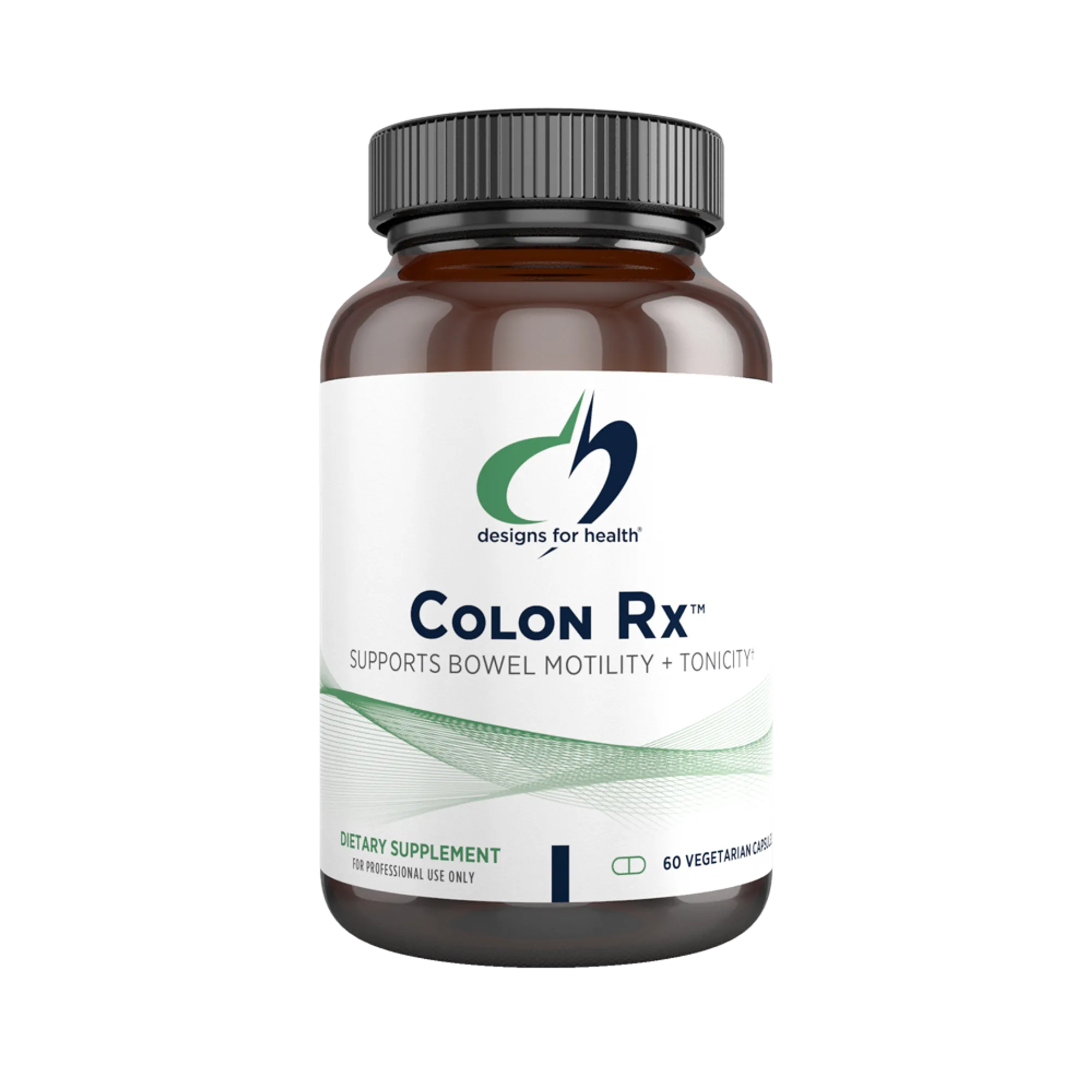
Can Colon Rx™ Support Gastrointestinal Motility in Long COVID and ME/CFS?
March 5, 2026
Colon RxMagnesium HydroxideTriphala
Share:
Disclaimer: The information provided here is for educational purposes only and is not intended as medical advice. It should not be used to diagnose, treat, cure, or prevent any medical condition. Instead, use it as a starting point for discussion with your healthcare provider. Always consult with a qualified healthcare provider before starting any new medication, supplement, device, or making changes to your health regimen.
For individuals living with complex chronic illnesses, the daily reality often involves a bewildering array of symptoms that seem entirely disconnected. You might experience crushing fatigue, a racing heart upon standing, and profound brain fog. Yet, one of the most common, debilitating, and frequently overlooked symptoms reported by patients is severe gastrointestinal dysfunction. Whether it manifests as chronic bloating, unpredictable nausea, or stubborn, painful constipation, these digestive issues are not just uncomfortable—they are a core component of the systemic dysregulation seen in these conditions. When the gut stops moving efficiently, it creates a toxic bottleneck that can amplify every other symptom in your body, leaving you searching desperately for gentle, effective relief.
In the wake of the pandemic, a new understanding of the gut-brain axis has emerged, particularly concerning gastrointestinal symptoms seen with Long COVID. We now know that the gut is not merely a digestive tube; it is a complex, neuroendocrine organ heavily influenced by viral persistence, autonomic nervous system health, and the delicate balance of the microbiome. When conditions like Long COVID, myalgic encephalomyelitis/chronic fatigue syndrome (ME/CFS), and dysautonomia disrupt this system, standard over-the-counter laxatives often provide only harsh, temporary, and cramp-inducing fixes. This is where targeted, science-backed nutritional support becomes vital. Colon Rx™ by Designs for Health offers a unique, dual-action approach to gastrointestinal health, combining the osmotic hydration of magnesium hydroxide with the ancient, microbiome-modulating power of the Ayurvedic botanical blend Triphala. In this comprehensive guide, we will explore the intricate cellular mechanisms behind Colon Rx™, how chronic illness paralyzes the gut, and how this specific formulation may help restore healthy bowel motility and overall gastrointestinal function.
TL;DR
Colon Rx™ combines magnesium and Triphala to gently support bowel motility and hydration.
Chronic illnesses like Long COVID and ME/CFS often disrupt gut function and the microbiome.
Magnesium actively draws water into the colon, while Triphala supports muscle tone and beneficial bacteria.
Restoring gut health may help manage systemic symptoms like brain fog and fatigue.
What is Colon Rx™?
The Synergy of Magnesium Hydroxide and Ayurvedic Botanicals
To understand how Colon Rx™ supports gastrointestinal health, we must first examine its foundational ingredients and how they function within a healthy body. Colon Rx™ is not a harsh, stimulant laxative that forces the bowel to contract unnaturally. Instead, it is uniquely formulated to support optimal bowel motility and tonicity through a synergistic blend of two primary components: magnesium hydroxide (400 mg per serving) and Triphala (1 gram per serving). In a healthy digestive system, motility—the synchronized, wave-like muscle contractions known as peristalsis—relies on a delicate balance of hydration, electrolyte gradients, and neurological signaling from the enteric nervous system. When this system is functioning optimally, waste is moved efficiently through the colon, helping to limit the reabsorption of toxins and maintaining a thriving environment for beneficial gut bacteria. Colon Rx™ targets this exact physiological balance, aiming to restore the natural rhythm of the bowel rather than chemically overriding it.
The combination of a mineral osmotic agent and a complex botanical blend provides a multifaceted approach to bowel regularity. While magnesium hydroxide works primarily on the physical and cellular hydration of the colon, Triphala acts as a comprehensive tonic, addressing the structural integrity of the gut lining, the health of the microbiome, and the neurological triggers required for peristalsis. This dual-action mechanism is particularly crucial for individuals who suffer from chronic, occasional constipation, as it addresses both the immediate need for stool softening and the long-term goal of strengthening the bowel's natural muscular tone. By utilizing ingredients that have been validated by both centuries of traditional use and modern gastroenterological research, Colon Rx™ serves as a daily bowel tonic designed to promote comfortable, easy bowel movements without the dependency associated with synthetic alternatives.
Magnesium Hydroxide: Beyond Simple Osmosis
Magnesium hydroxide, classically known in liquid form as Milk of Magnesia, has been utilized for decades as a reliable option for managing occasional constipation. Traditionally, medical science categorized it strictly as an osmotic laxative. The conventional understanding was relatively straightforward: when ingested, magnesium hydroxide reacts with gastric acid to form magnesium chloride. Because these magnesium salts are poorly absorbed by the intestinal lining (with only about 30% to 50% entering systemic circulation), they remain trapped within the intestinal lumen. Here, they act as hyperosmolar agents, creating a physical osmotic gradient that passively draws water from the surrounding vascular tissues into the intestines. This influx of water hydrates and softens the stool, while the increased intraluminal volume stretches the intestinal wall, stimulating local stretch receptors that trigger propulsive motor activity to expel the waste. While this mechanical mechanism is accurate, recent landmark gastroenterological research has revealed that magnesium's action is far more sophisticated and biologically active than simple passive osmosis.
Modern pharmacological studies have uncovered that magnesium salts, such as magnesium sulphate, actively interact with cellular water channels known as aquaporins, specifically Aquaporin-3 (AQP3), which is predominantly expressed in the mucosal epithelial cells of the colon. Under normal physiological conditions, AQP3 facilitates the transport of water from the intestinal lumen back into the bloodstream to help maintain hydration. However, the presence of poorly absorbable magnesium actively reverses this process through a complex intracellular signaling cascade. Exposure to magnesium causes an influx of magnesium ions into the colonic epithelial cells, which activates an enzyme called adenylate cyclase. This activation increases Protein Kinase A (PKA) activity, which subsequently phosphorylates the cAMP response element-binding protein (CREB). The phosphorylated CREB then aggressively promotes the transcription of the AQP3 gene. In vitro cell models showed that this specific biochemical pathway resulted in AQP3 protein expression reaching levels almost twice as high as baseline by hour 12. This massive upregulation of water channels allows vast amounts of fluid to be actively secreted into the colon, proving that magnesium actively signals the gut to hydrate itself, rather than just passively holding water like a sponge.
Furthermore, the high concentration of magnesium in the gut stimulates the release of specific neuroendocrine digestive polypeptides. Notably, it triggers the secretion of Cholecystokinin (CCK) and Peptide YY (PYY). CCK is a vital modulator of gastrointestinal motility that directly stimulates smooth muscle contractions in the gut and promotes further fluid secretion. Additionally, magnesium salts have been shown to activate constitutive Nitric Oxide Synthase (NOS), releasing nitric oxide. In the enteric nervous system, nitric oxide acts as a crucial signaling molecule that modulates the efficiency, coordination, and frequency of long-distance contractions in the colon. Therefore, magnesium hydroxide provides a comprehensive prokinetic effect that involves genetic transcription, hormonal signaling, and neurotransmitter modulation, making it a highly effective agent for supporting healthy bowel motility.
Triphala: The Power of Three Fruits
The second pillar of Colon Rx™ is Triphala, a revered polyherbal formulation that has been a cornerstone of Ayurvedic medicine for over two millennia. The name Triphala translates directly from Sanskrit as "three fruits," representing an equal-parts botanical blend of Emblica officinalis (Amalaki or Indian Gooseberry), Terminalia bellirica (Bibhitaki), and Terminalia chebula (Haritaki). In traditional Ayurvedic practice, Triphala is classified as a "rasayana," or a rejuvenating tonic, used to balance the body's fundamental energies, enhance digestion, and gently cleanse the gastrointestinal tract of accumulated toxins (known as Ama). Unlike harsh purgatives that strip the gut lining, Triphala is celebrated for its ability to tonify and strengthen the bowel tissues while simultaneously promoting regular, comfortable evacuation. Modern scientific analysis has validated these ancient claims, revealing that Triphala is an incredibly dense source of bioactive phytochemicals, including gallic acid, ellagic acid, chebulinic acid, flavonoids, and potent tannins.
Each of the three fruits in Triphala contributes a unique physiological mechanism to gastrointestinal health. Emblica officinalis is exceptionally rich in natural Vitamin C and powerful antioxidants; it supports mucosal hydration, helps cool and soothe the stomach lining to reduce localized inflammation, and plays a critical role in balancing the intestinal microflora. Terminalia bellirica is highly valued for its mild laxative properties and dense dietary fiber content; it assists in disintegrating sticky, impacted stool, helps clear the colon wall of debris, and forms a protective, soothing layer over the delicate gastric mucosa. Finally, Terminalia chebula, often referred to as the "King of Medicines" in Tibetan texts, is a powerful prokinetic agent. It is rich in specific anthraquinones and sorbitol, which directly stimulate the enteric nervous system to initiate healthy peristalsis. Together, these three fruits create a synergistic effect that is far greater than the sum of their parts, providing osmotic lubrication, muscular stimulation, and profound antioxidant protection to the entire digestive tract.
Beyond its direct effects on motility, Triphala exhibits a highly synergistic, bidirectional relationship with the gut microbiome. The high concentration of complex polyphenols in Triphala serves as a potent prebiotic, actively shaping the microbial population of the colon. General microbiome research indicates that Triphala promotes the growth of beneficial lactic acid bacteria, such as Lactobacillus and Bifidobacterium species, while simultaneously inhibiting the proliferation of undesirable or pathogenic microbes. In turn, the gut bacteria possess specific enzymes, like tannase, which metabolize Triphala’s high-molecular-weight tannins into highly bioactive secondary metabolites known as urolithins. These urolithins are readily absorbed by the colon cells and provide profound systemic antioxidant and anti-inflammatory benefits. By fostering a healthy microbiome, Triphala ensures the continuous production of short-chain fatty acids (SCFAs), which are essential for maintaining colon cell energy, strengthening the gut barrier, and regulating long-term metabolic health.
How Complex Chronic Illness Impacts Gastrointestinal Function
Viral Persistence and the Vicious Cycle of Gut Dysbiosis
For patients navigating the complexities of Long COVID, ME/CFS, and related dysautonomias, gastrointestinal dysfunction is rarely a standalone issue; it is deeply intertwined with the systemic pathophysiology of the disease. To understand why bowel motility grinds to a halt in these conditions, we must look at how chronic illness impacts the gut at a cellular level. In the context of Long COVID, the initial SARS-CoV-2 infection frequently targets the gastrointestinal tract directly. The virus gains entry into human cells by binding to the ACE2 (Angiotensin-Converting Enzyme 2) receptor, which is highly expressed along the mucosal lining of the intestines. This binding disrupts the local renin-angiotensin-aldosterone system (RAAS), triggering acute local inflammation, impairing the integrity of the gut barrier (leading to "leaky gut"), and creating an environment conducive to prolonged viral persistence. Recent studies have identified viral RNA and persistent viral reservoirs in the stool of Long COVID patients months, or even years, after the acute infection has passed, driving a continuous, low-grade inflammatory response in the gut.
This chronic inflammation and viral presence lead to a profound disruption of the gut microbiome, a state known as gut dysbiosis. Clinical analyses of Long COVID and ME/CFS patients consistently reveal a marked depletion of beneficial, anti-inflammatory keystone bacteria, particularly butyrate-producing species like Faecalibacterium prausnitzii and Bifidobacterium. Simultaneously, there is an overgrowth of opportunistic, pro-inflammatory pathogenic bacteria. This shift is catastrophic for bowel motility. Beneficial bacteria are responsible for fermenting dietary fibers into short-chain fatty acids (SCFAs), primarily butyrate, acetate, and propionate. SCFAs are the primary energy source for colonocytes (the cells lining the colon) and are crucial chemical messengers that stimulate the enteric nervous system to initiate peristalsis. When these keystone bacteria are wiped out, the colon is literally starved of energy, and the chemical signals required for motility are silenced, resulting in severe, intractable constipation and a toxic buildup of waste.
Vagus Nerve Inflammation and Autonomic Dysfunction
The paralysis of the gut in chronic illness is further compounded by severe dysfunction of the autonomic nervous system (ANS), a condition known as dysautonomia. The ANS controls all the automatic processes in the body, including heart rate, blood pressure, and digestion. The primary conduit of the parasympathetic ("rest and digest") branch of the ANS is the vagus nerve, a massive cranial nerve that acts as a biological superhighway between the brain and the gut. In healthy individuals, the vagus nerve sends signals to the enteric nervous system to release digestive enzymes, stimulate stomach churning, and initiate the migrating motor complex (the sweeping contractions that move waste through the intestines). However, groundbreaking histopathological studies of postmortem vagus nerves from COVID-19 patients have detected SARS-CoV-2 RNA alongside severe inflammatory cell infiltration directly within the nerve tissue. This confirms that the virus can physically infect and inflame the vagus nerve, severely degrading its ability to transmit signals.
When the vagus nerve is damaged or inflamed, it can no longer effectively counterbalance the sympathetic ("fight or flight") nervous system. This autonomic imbalance is the hallmark of conditions like Postural Orthostatic Tachycardia Syndrome (POTS) and general dysautonomia. Because the body is locked in a constant state of sympathetic overdrive, it diverts blood flow and energy away from the digestive tract and toward the heart and skeletal muscles. The brain essentially tells the gut that digestion is not a priority during a perceived crisis. As a result, gastric emptying is delayed (gastroparesis), intestinal transit time slows to a crawl, and the sphincters of the digestive tract may fail to coordinate properly. This vagal impairment explains why so many patients with Long COVID and ME/CFS experience severe bloating, early satiety, nausea, and chronic constipation; the neurological "software" running their digestive system has been corrupted by systemic inflammation.
Sluggish Motility and "Leaky Gut" in ME/CFS
In myalgic encephalomyelitis/chronic fatigue syndrome (ME/CFS), gastrointestinal dysmotility is a documented and driving factor behind both localized digestive pain and systemic symptom flares. Studies utilizing ultrasound drink tests have revealed a high incidence of impaired gastric accommodation and delayed emptying in ME/CFS patients, mirroring a condition known as functional dyspepsia. When gut motility is sluggish, food and waste stagnate in the intestines. This stagnation creates a breeding ground for bacteria from the large intestine to migrate upward into the small intestine, a condition known as Small Intestinal Bacterial Overgrowth (SIBO). SIBO exacerbates bloating, causes severe visceral hypersensitivity (abdominal pain), and further damages the delicate mucosal lining of the gut, creating a vicious cycle of dysmotility and dysbiosis that is incredibly difficult to break without targeted intervention. If you are wondering what causes Long COVID and ME/CFS symptom flares, this gut-level stagnation is a primary suspect.
The ultimate consequence of this sluggish motility and dysbiosis is the breakdown of the intestinal barrier, commonly referred to as "leaky gut" or increased intestinal permeability. When the tight junctions between intestinal cells degrade, bacteria and their toxic byproducts—specifically lipopolysaccharides (LPS) from the cell walls of Gram-negative bacteria—leak out of the gut and into the systemic bloodstream. This process, known as microbial translocation, is disastrous for patients with ME/CFS and Long COVID. Once these endotoxins enter the blood, they trigger a massive systemic immune response, causing a spike in pro-inflammatory cytokines like IL-6 and TNF-alpha. These inflammatory markers can cross the blood-brain barrier, activating microglial cells in the brain and causing severe neuroinflammation. This gut-driven neuroinflammation is now believed to be a primary driver of the hallmark symptoms of these conditions, including profound brain fog, cognitive impairment, unrefreshing sleep, and the devastating crashes known as Post-Exertional Malaise (PEM). Therefore, restoring bowel motility is not just about relieving constipation; it is a critical step in halting the systemic inflammatory cascade.
Colon Rx™: Supporting Bowel Motility and Microbiome Health
Activating Aquaporin-3 for Gentle Hydration
When the gastrointestinal tract is paralyzed by autonomic dysfunction and starved of energy due to dysbiosis, Colon Rx™ steps in to provide critical, multi-pathway support to restore motility. The first line of action is mediated by the magnesium hydroxide component. Unlike stimulant laxatives (such as senna or bisacodyl) that forcefully irritate the mucosal lining to trigger a spasm—often causing severe cramping and eventually leading to physical dependency—magnesium hydroxide works in harmony with the body's cellular biology. By leveraging the poorly absorbable nature of the magnesium salts, Colon Rx™ ensures that the active compound remains precisely where it is needed: inside the intestinal lumen. Here, it initiates the complex intracellular signaling cascade that we discussed earlier, moving far beyond simple physical osmosis to actively engage the colon's hydration machinery.
The true therapeutic power of this mechanism lies in its ability to upregulate Aquaporin-3 (AQP3) gene transcription. By activating the adenylate cyclase and Protein Kinase A (PKA) pathways, the magnesium in Colon Rx™ signals the epithelial cells to rapidly deploy thousands of new water channels to the cell surface. This allows the colon to actively pump water from the vascular tissue into the dry, impacted stool. For patients with Long COVID or ME/CFS who are suffering from autonomic-driven constipation, this active hydration is a game-changer. It softens the stool and increases intraluminal volume gently, stretching the bowel wall just enough to stimulate the local stretch receptors. This gentle distension sends a localized signal to the enteric nervous system to initiate peristalsis, effectively bypassing the inflamed or impaired vagus nerve that is failing to send the signal from the brain. It provides a localized, mechanical "jump-start" to the paralyzed bowel without causing systemic distress or electrolyte dumping.
Stimulating Peristalsis and Prokinetic Action
While magnesium provides the necessary hydration and volume, the Triphala in Colon Rx™ acts as a sophisticated prokinetic agent to ensure the muscular contractions of the bowel are coordinated and effective. The bioactive compounds found within the three fruits—particularly the anthraquinones, chebulinic acid, and natural sorbitol derived from Terminalia chebula and Terminalia bellirica—interact directly with the smooth muscle tissue and the enteric nervous system. These phytochemicals enhance the secretory activity of the bowel and lower the threshold required to trigger a peristaltic wave. In a sluggish gut typical of dysautonomia, the migrating motor complex (MMC)—the sweeping electrical waves that clear the digestive tract between meals—is often absent or severely diminished. Triphala helps to reawaken this complex, promoting a steady, rhythmic movement of waste through the colon.
Furthermore, Triphala's prokinetic action is highly nuanced. In Ayurvedic tradition, it is known as a bowel "tonic," meaning it does not just force a one-time evacuation; it actively strengthens the muscular tone of the intestinal wall over time. This is critical for patients who have suffered from chronic constipation for months or years, as their bowel walls often become stretched, flaccid, and unresponsive (a condition sometimes called "lazy bowel"). By providing continuous, gentle stimulation to the smooth muscle fibers, the phytochemicals in Triphala help the bowel regain its natural elasticity and contractile strength. This rehabilitative effect makes Colon Rx™ uniquely suited for long-term use as a daily bowel tonic, helping patients transition away from harsh, habit-forming laxatives and back toward natural, unassisted bowel regularity. If you are exploring how can you live with long-term COVID, restoring this fundamental bodily function is a crucial pillar of recovery.
Prebiotic Modulation and Short-Chain Fatty Acid Production
Beyond its mechanical and muscular effects, Colon Rx™ provides profound support for the gut microbiome, addressing the root cause of the dysbiosis seen in chronic illness. The Triphala blend is exceptionally rich in complex polyphenols, including gallic acid and ellagic acid, which act as powerful prebiotics. Unlike simple prebiotic fibers that can sometimes exacerbate bloating or feed SIBO in sensitive patients, these polyphenols are selectively fermented by beneficial keystone bacteria. Recent metagenomic studies utilizing advanced human colon models have demonstrated that Triphala extract significantly increases the abundance of Akkermansia muciniphila, a crucial mucin-degrading bacterium that is often depleted in chronic inflammatory states. Akkermansia plays a vital role in maintaining the protective mucus layer of the gut, helping to keep pathogens from adhering to the intestinal wall.
As the beneficial bacteria ferment the polyphenols in Triphala, they produce high levels of short-chain fatty acids (SCFAs), particularly butyrate. This is a critical therapeutic mechanism for ME/CFS and Long COVID patients, who, as major NIH-funded studies have shown, suffer from severe butyrate deficiency. Butyrate is the primary fuel source for the colonocytes; when these cells are adequately fueled, they can perform their barrier functions efficiently, heal localized inflammation, and maintain a highly acidic environment in the colon that is hostile to pathogenic overgrowth. Furthermore, butyrate directly stimulates the enteric nervous system to promote motility and signals the release of serotonin in the gut. By rehabilitating the microbiome and restoring SCFA production, Colon Rx™ helps rebuild the chemical foundation required for a self-sustaining, healthy digestive tract.
Strengthening the Intestinal Barrier
Finally, Colon Rx™ supports the structural integrity of the gastrointestinal tract, directly combating the "leaky gut" phenomenon that drives systemic neuroinflammation. The high concentration of Vitamin C and antioxidants from Emblica officinalis (Amalaki) provides immediate protection against oxidative stress within the gut lumen. As the gut bacteria metabolize the tannins in Triphala into bioactive urolithins, these compounds are absorbed into the epithelial cells, where they exert profound anti-inflammatory effects. They actively downregulate pro-inflammatory cytokines such as TNF-alpha, IL-6, and IL-1beta in the gastrointestinal tissue, calming the localized immune response that is often hyperactive in conditions like Mast Cell Activation Syndrome (MCAS) and Long COVID.
By reducing oxidative stress and suppressing local inflammation, the bioactive compounds in Triphala help to repair and tighten the cellular junctions of the intestinal barrier. This physical strengthening helps limit the leakage of lipopolysaccharides (LPS) and other microbial endotoxins into the bloodstream. By sealing the gut barrier, Colon Rx™ helps cut off the supply of inflammatory triggers that fuel systemic symptoms. This means that by addressing the root cause of gastrointestinal dysfunction, patients may experience a downstream reduction in systemic symptoms like brain fog, joint pain, and fatigue. It is a perfect example of how supporting the gut can have profound implications for the health of the entire nervous and immune systems.

Symptoms Colon Rx™ May Help Manage
Primary Gastrointestinal Relief
Because Colon Rx™ targets multiple pathways—hydration, muscular stimulation, and microbiome health—it can help manage a wide array of distressing gastrointestinal symptoms. For patients dealing with the fallout of autonomic dysfunction or post-viral inflammation, restoring these basic functions is paramount.
Occasional Constipation: By upregulating Aquaporin-3 channels and actively drawing water into the colon, magnesium hydroxide provides gentle, effective relief from infrequent bowel movements without the harsh cramping associated with stimulant laxatives.
Hard, Dry, or Impacted Stools: The osmotic action of magnesium, combined with the lubricating properties of Terminalia bellirica, significantly increases the water content of the stool, softening it for comfortable and strain-free evacuation.
Sluggish Bowel Motility: The anthraquinones and prokinetic compounds in Terminalia chebula directly stimulate the enteric nervous system, helping to reawaken the migrating motor complex and improve overall intestinal transit time.
Abdominal Bloating and Discomfort: By ensuring waste moves efficiently through the colon, Colon Rx™ helps avoid the stagnation and excessive bacterial fermentation that leads to painful gas buildup and severe bloating.
Loss of Bowel Tone: As a daily rasayana (rejuvenating tonic), the Triphala blend helps to strengthen and tonify the smooth muscle of the intestinal wall, rehabilitating "lazy bowel" over time.
Secondary Systemic Benefits
The benefits of restoring gut motility extend far beyond the digestive tract. Because the gut-brain axis is so heavily implicated in complex chronic illnesses, improving gastrointestinal function can have a profound ripple effect on systemic symptoms.
Brain Fog and Cognitive Impairment: By promoting regular bowel movements, Colon Rx™ helps clear accumulated toxins and helps limit the leakage of microbial endotoxins (LPS) into the bloodstream, thereby reducing the gut-driven neuroinflammation that causes brain fog.
Systemic Fatigue and Sluggishness: A healthy, moving gut allows for optimal nutrient absorption and restores the microbiome's ability to produce energy-yielding short-chain fatty acids, combating the cellular energy deficits seen in ME/CFS.
Vagus Nerve Support: Relieving severe constipation reduces the physical pressure and inflammatory burden on the enteric nervous system, indirectly supporting healthier vagal tone and autonomic balance.
Immune System Hyperactivity: By strengthening the intestinal barrier and reducing localized gut inflammation, the antioxidant properties of Triphala help calm the systemic immune response, which is particularly beneficial for patients with post-viral immune dysregulation.
Practical Considerations: Forms, Dosing, and Absorption
Understanding the Ingredients and Bioavailability
When evaluating a supplement for gastrointestinal health, understanding the bioavailability and pharmacokinetics of the ingredients is crucial. In the case of Colon Rx™, the lack of systemic absorption of one of its key ingredients is precisely what makes it effective. Magnesium hydroxide is intentionally utilized because it is poorly absorbed by the intestinal lining. While highly bioavailable forms of magnesium (like magnesium glycinate or malate) are excellent for raising systemic blood magnesium levels to support neurological or muscular health, they do not remain in the gut long enough to exert a laxative effect. Magnesium hydroxide, conversely, stays trapped within the intestinal lumen, where it can interact with the epithelial cells to upregulate Aquaporin-3 and create the necessary osmotic gradient. This targeted, localized action ensures that the primary effect is focused entirely on bowel hydration and motility.
The bioavailability of the Triphala blend relies heavily on the complex process of microbial biotransformation. The high-molecular-weight polyphenols and tannins present in the three fruits are not easily absorbed in their raw form in the upper digestive tract. Instead, they travel down into the colon, where they act as prebiotics for the resident microbiome. It is the gut bacteria that possess the specific enzymes required to cleave these complex molecules into smaller, highly bioavailable secondary metabolites, such as urolithins. These urolithins are then readily absorbed by the colonocytes and enter systemic circulation, where they exert their potent antioxidant and anti-inflammatory effects. This means that the efficacy of Triphala is beautifully intertwined with the health of your microbiome; as Triphala improves your bacterial diversity, your bacteria become better at unlocking the full therapeutic potential of the Triphala.
Optimal Dosing and Timing for Motility Support
The suggested use for Colon Rx™ is to take 2 capsules with 8 ounces of water at bedtime, or as directed by your healthcare practitioner. The timing of this dosage is highly strategic and aligns with the body's natural circadian rhythms. The migrating motor complex (MMC)—the series of sweeping electrical and muscular waves that clean out the digestive tract—is most active during periods of fasting, particularly during sleep. By taking Colon Rx™ at bedtime, you are providing the magnesium hydroxide and prokinetic botanicals exactly when the enteric nervous system is naturally attempting to initiate these sweeping contractions. The ingredients work synergistically overnight to hydrate the bowel, stimulate the smooth muscle, and prepare the colon for a natural, comfortable evacuation the following morning.
Hydration is a critical cofactor for the success of this supplement. Because magnesium hydroxide relies on drawing water into the colon to function effectively, taking the capsules with a full 8 ounces of water is non-negotiable. Furthermore, patients must ensure they are maintaining adequate systemic hydration throughout the day. If you are chronically dehydrated—a common issue for patients with POTS or dysautonomia who struggle to retain fluids—the body will resist the osmotic pull of the magnesium, and the laxative effect will be significantly diminished. For patients who are using Colon Rx™ as a daily bowel tonic to rehabilitate their motility, consistency is key. While occasional constipation may be relieved overnight, the tonifying and microbiome-modulating effects of Triphala build over weeks of consistent use.
Safety, Contraindications, and Potential Interactions
Colon Rx™ is generally well-tolerated and offers a much safer, gentler alternative to over-the-counter stimulant laxatives, which can cause severe cramping, electrolyte imbalances, and physical dependency (cathartic colon) with long-term use. Because Colon Rx™ works by supporting the body's natural hydration and muscular pathways, it is not habit-forming. However, there are important safety considerations. Because a small percentage (up to 30%) of the magnesium hydroxide can be absorbed systemically, it must be cleared by the kidneys. Therefore, individuals with severe renal impairment or chronic kidney disease should avoid high-dose or frequent use of magnesium-based supplements due to the risk of hypermagnesemia (magnesium toxicity), which can cause dangerous cardiovascular and neurological complications.
Additionally, because Colon Rx™ alters bowel transit time, it can potentially affect the absorption of other medications. If food and medications are moving more quickly through the digestive tract, the systemic absorption of certain oral drugs (particularly extended-release formulations or medications with a narrow therapeutic index) may be reduced. It is generally recommended to take Colon Rx™ at least two hours apart from other critical medications. As always, patients with complex chronic illnesses, particularly those exploring what drugs are used for COVID long haulers, should consult their healthcare provider before introducing a new supplement to ensure it does not interact with their current pharmaceutical regimen or specific autonomic protocols.

Follow the Science
Clinical Evidence for Magnesium Hydroxide in Constipation
The use of magnesium hydroxide for gastrointestinal motility is supported by a robust body of clinical and pharmacological research. The paradigm shift in understanding its mechanism of action was spearheaded by Japanese researchers. A pivotal 2011 study published in Life Sciences utilizing human colon cancer HT-29 cell lines mapped out the exact cellular pathway by which magnesium ions activate adenylate cyclase and Protein Kinase A to phosphorylate CREB, leading to the aggressive transcription of the Aquaporin-3 (AQP3) gene. This was corroborated by in vitro models demonstrating that actual AQP3 protein expression in colon cells reached levels almost twice as high as baseline by hour 12 of magnesium administration. This research definitively proved that magnesium actively signals the colon to secrete water, rather than just passively holding it.
Furthermore, the clinical efficacy of magnesium for chronic constipation has been validated by major dietary and gastroenterological guidelines. The 2024/2025 British Dietetic Association Guidelines for the Dietary Management of Chronic Constipation in Adults, which systematically reviewed 75 randomized controlled trials, produced strong, evidence-based statements supporting its use. The guidelines concluded with moderate-to-high certainty that magnesium oxide/hydroxide supplements produce large, clinically meaningful improvements in stool frequency, stool consistency, overall symptom relief, and patient quality of life. The review highlighted that magnesium interventions were highly effective at increasing the proportion of people who experienced a clinical benefit, cementing its status as a frontline, non-habit-forming intervention for motility disorders.
Research on Triphala's Microbiome and Prokinetic Effects
The Ayurvedic botanical blend Triphala has been the subject of extensive modern scientific validation, particularly regarding its impact on the gut microbiome and intestinal barrier function. A comprehensive review of Triphala's therapeutic potential highlights its potent prebiotic effects, noting its ability to selectively promote the growth of beneficial Lactobacillus and Bifidobacterium species while inhibiting pathogenic microbes. The review also details the prokinetic properties of its constituent fruits, particularly Terminalia chebula, which contains bioactive anthraquinones that stimulate the enteric nervous system and enhance peristalsis.
Recent cutting-edge metagenomic research has further illuminated Triphala's mechanisms. A 2025 in vitro study utilizing the Simulator of the Human Intestinal Microbial Ecosystem (SHIME®) modeled a mildly constipated human colon to assess Triphala's impact. The study found that Triphala extract significantly increased the abundance of the mucin-degrading beneficial bacteria Akkermansia muciniphila. Furthermore, metabolic profiling showed a drastic increase in the production of short-chain fatty acids (SCFAs) and a simultaneous reduction in putrefactive markers like ammonia and valeric acid during fermentation. The study also demonstrated that Triphala fermentation metabolites actively enhanced transepithelial electrical resistance in human epithelium models, indicating a physical strengthening of the gut lining and a direct mechanism for combating "leaky gut."
The Gut-Brain Axis in Long COVID and ME/CFS
The connection between gastrointestinal dysmotility, microbiome dysbiosis, and the systemic symptoms of chronic illness is one of the most intensely studied areas of modern medicine. A major NIH-funded study led by Columbia University utilized advanced shotgun metagenomics to analyze the microbiomes of ME/CFS patients. They discovered a severe, highly specific deficiency in butyrate-producing bacteria, which directly correlated with the severity of the patients' physical fatigue and immune dysregulation. This established a clear link between the loss of gut keystone species and systemic energy deficits.
Similarly, in the context of Long COVID, a 2025 prospective cohort study published in Cell iScience analyzed 349 patients and found that oral and gut microbiome differences were strongly associated with specific Long COVID symptom clusters. The study revealed that patients with the highest burden of constitutional symptoms exhibited significantly lower microbial alpha diversity, independent of viral persistence. Furthermore, comprehensive reviews on the pathophysiology of Long COVID have detailed how the SARS-CoV-2 virus induces profound dysbiosis, attenuating commensal strains and allowing pathobionts to bloom, which heightens body-wide inflammation. Coupled with histopathological evidence of vagus nerve infection, the science clearly demonstrates that rehabilitating the gut microbiome and restoring motility is not just about digestive comfort—it is a critical intervention for addressing the neuroimmune pathophysiology of these complex conditions.
The Path Forward
Validating the Burden of Gastrointestinal Symptoms
Living with a complex chronic illness like Long COVID, ME/CFS, or dysautonomia is an exhausting, full-time job. When severe gastrointestinal symptoms like chronic constipation, severe bloating, and unpredictable nausea are added to the mix of profound fatigue and cognitive dysfunction, it can feel entirely overwhelming. It is important to validate that these digestive issues are not "all in your head" or simply a result of a poor diet; they are a direct physiological consequence of autonomic nervous system damage, vagus nerve inflammation, and profound microbiome dysbiosis. The paralysis of your gut is a tangible, measurable symptom of your condition. Acknowledging this interconnectedness is the first step toward finding targeted, effective relief and breaking the vicious cycle of systemic inflammation. If you are wondering do Long COVID symptoms come and go, understanding how gut stagnation triggers systemic flares can provide crucial insight into your symptom patterns.
Integrating Colon Rx™ into a Comprehensive Management Plan
While Colon Rx™ offers a powerful, science-backed mechanism for restoring bowel motility and supporting microbiome health, it is most effective when utilized as part of a broader, comprehensive management strategy. Supplements are vital tools, but they cannot single-handedly cure complex neuroimmune conditions. To maximize the benefits of the magnesium hydroxide and Triphala, it is essential to pair supplementation with adequate daily hydration, a diet that supports your specific microbiome needs (while avoiding individual MCAS triggers), and rigorous pacing to manage systemic energy levels. Furthermore, interventions aimed at improving vagal tone—such as deep diaphragmatic breathing, gentle somatic tracking, or non-invasive vagus nerve stimulation—can work synergistically with Colon Rx™ to help signal the enteric nervous system that it is safe to resume normal digestive function.
Taking the Next Step in Your Gut Health Journey
If you are struggling with occasional constipation, sluggish motility, or the systemic fallout of gut dysbiosis, targeted nutritional support can be a transformative step in your recovery journey. By providing gentle, osmotic hydration and the ancient, prokinetic power of Ayurvedic botanicals, Colon Rx™ is designed to rehabilitate your bowel function without the harsh side effects of synthetic laxatives. As always, please consult with your healthcare provider or a specialist familiar with complex chronic conditions before starting any new supplement, especially to ensure it aligns with your specific autonomic protocols and medication schedule.