Can Collagen Factors Support Connective Tissue Recovery for Long COVID and EDS Patients?
March 6, 2026
Collagen FactorsLong COVIDEhlers-Danlos Syndrome
Share:
Disclaimer: The information provided here is for educational purposes only and is not intended as medical advice. It should not be used to diagnose, treat, cure, or prevent any medical condition. Instead, use it as a starting point for discussion with your healthcare provider. Always consult with a qualified healthcare provider before starting any new medication, supplement, device, or making changes to your health regimen.
For many individuals living with complex chronic illnesses, the daily reality involves a profound and often invisible struggle with their own physical structure. Joint pain that shifts unpredictably, blood vessels that fail to constrict upon standing, and profound fatigue are not just random symptoms; they are often deeply rooted in the health of the body's connective tissue. In the wake of the COVID-19 pandemic, a startling clinical pattern has emerged: a significant overlap between Long COVID, dysautonomia (specifically POTS), and hypermobility spectrum disorders like Ehlers-Danlos Syndrome (EDS). For these patients, the very scaffolding of their body—the extracellular matrix—is under immense physiological stress, leading to a cascade of debilitating systemic issues.
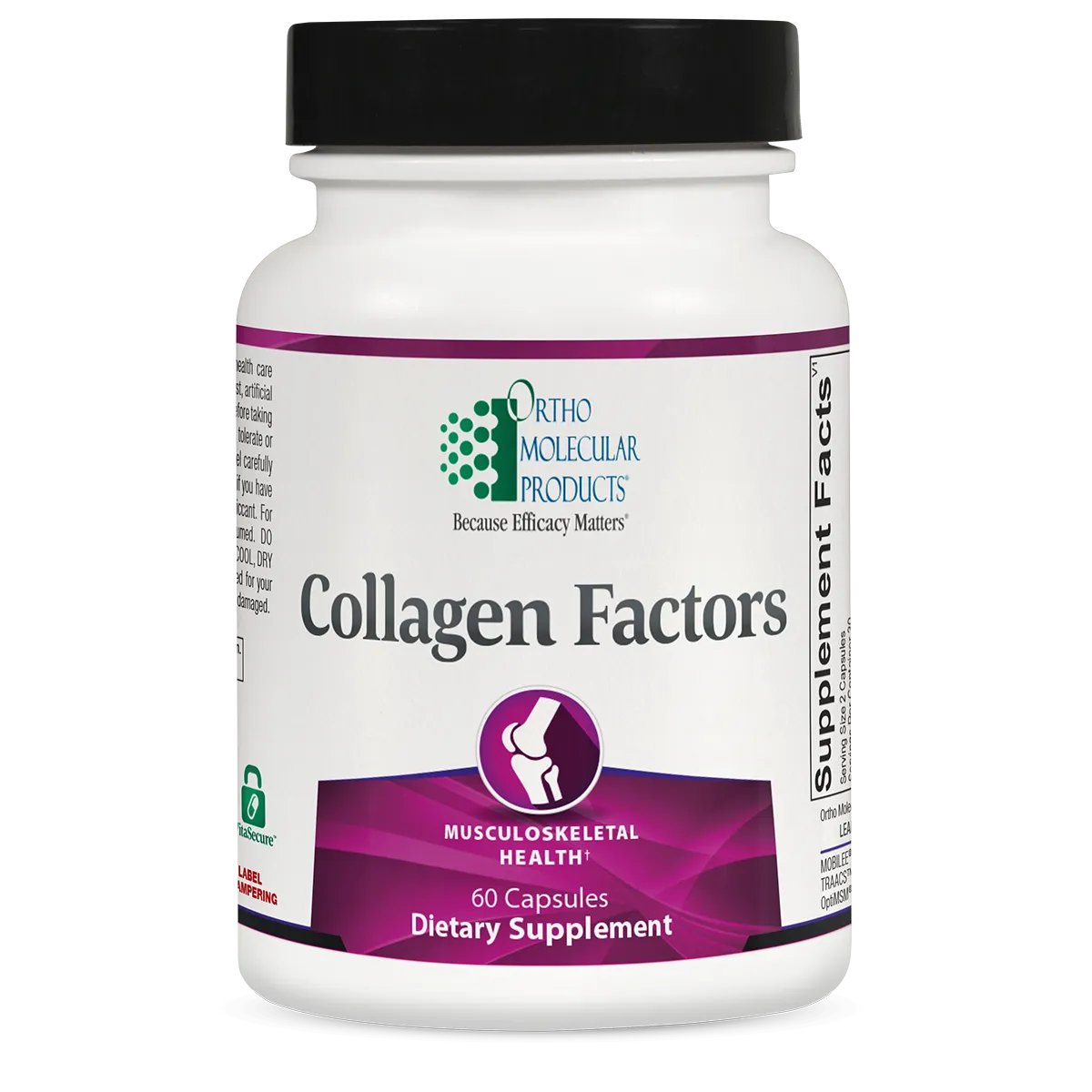
When the structural integrity of connective tissue is compromised, whether by genetic variance, viral-induced inflammation, or chronic oxidative stress, the entire body feels the impact. This is where targeted nutritional support becomes a vital piece of the management puzzle. Collagen Factors by Ortho Molecular is not just a standard collagen powder; it is a highly specific formulation of precursors and cofactors designed to support the biochemical processes that build and maintain healthy skin, tendons, ligaments, cartilage, and bone. By understanding the intricate molecular dance of vitamin C, amino acids, trace minerals, and hyaluronic acid, patients can better understand how to support their body's structural foundation.
TL;DR
Connective tissue health is crucial for managing Long COVID, POTS, and hypermobility symptoms.
Collagen Factors provides essential precursors and cofactors to support natural collagen production.
Ingredients like Vitamin C, MSM, and trace minerals may help reduce inflammation and joint pain.
Always combine nutritional support with pacing and physical therapy for a comprehensive management strategy.
What is Collagen Factors?
The Extracellular Matrix and Connective Tissue
To understand how Collagen Factors works, we must first look at the environment it is designed to support: the extracellular matrix (ECM). The ECM is a complex, three-dimensional network of macromolecules that provides structural and biochemical support to all surrounding cells in the human body. It is the biological "glue" and scaffolding that makes up our tendons, ligaments, cartilage, skin, and the structural walls of our blood vessels. In a healthy body, the ECM is a highly dynamic environment where old tissue is constantly being broken down by specific enzymes and replaced with fresh, resilient proteins, primarily collagen and elastin.
Collagen is the most abundant protein in mammals, providing immense tensile strength to tissues. However, collagen does not simply appear out of nowhere; it must be meticulously synthesized by specialized cells called fibroblasts. This synthesis is a highly resource-intensive process that requires a continuous supply of specific amino acids, trace minerals, and vitamins. When the body is depleted of these raw materials—often due to the high metabolic demands of chronic illness, chronic inflammation, or poor absorption—the fibroblasts cannot keep up with the repair demands of the ECM. This leads to tissue laxity, joint instability, and delayed healing.
Beyond Basic Collagen: Precursors and Cofactors
Many standard joint supplements provide hydrolyzed collagen peptides, which are essentially pre-digested collagen proteins. While these can be beneficial, Collagen Factors takes a more foundational approach by providing the exact precursors and cofactors required for the body's endogenous (internal) collagen production. Precursors are the raw building blocks—in this case, the free-form amino acids L-Lysine and L-Proline, which make up the bulk of the collagen triple-helix structure. Without adequate circulating levels of these specific amino acids, collagen synthesis halts at the cellular level.
Cofactors, on the other hand, are the biological "spark plugs" that allow the cellular machinery to assemble those building blocks. Collagen Factors includes essential cofactors like Vitamin C, Zinc, and Manganese. These nutrients do not form the structure of collagen themselves, but they are absolutely mandatory for the activation of the enzymes that fold, stabilize, and cross-link the collagen fibers. Without these cofactors, any collagen produced by the body will be weak, disorganized, and prone to rapid degradation, a state that mimics the historical disease scurvy on a microscopic level.
The Role of Hyaluronic Acid and MSM
In addition to the structural precursors, Collagen Factors includes compounds designed to hydrate and protect the connective tissue environment. Hyaluronic acid, provided in this formulation as the patented Mobilee® extract, is a naturally occurring glycosaminoglycan distributed widely throughout connective, epithelial, and neural tissues. It is a primary component of synovial fluid, the viscous substance that lubricates our joints and reduces friction during movement. By drawing water into the ECM, hyaluronic acid provides compressive resistance, allowing cartilage to absorb shock effectively.
Furthermore, the inclusion of Methylsulfonylmethane (MSM) provides a highly bioavailable source of organic sulfur. Sulfur is the third most abundant mineral in the human body and is heavily concentrated in connective tissues. It is required for the formation of disulfide bonds, which give structural proteins their rigid, three-dimensional shape. Beyond its structural role, MSM acts as a potent anti-inflammatory agent, helping to calm the localized joint inflammation that often accelerates the breakdown of cartilage in chronic conditions. Together, these ingredients create a comprehensive support system for the entire musculoskeletal framework.
How Chronic Illness Impacts Connective Tissue
The Viral Unmasking of Hypermobility
For patients navigating the complex landscape of post-viral syndromes, the relationship between connective tissue and chronic illness has become a focal point of recent medical research. A startling clinical observation has emerged: individuals with hypermobile Ehlers-Danlos Syndrome (hEDS) or Hypermobility Spectrum Disorders (HSD) are significantly more susceptible to developing severe Long COVID. According to a 2024 study published in BMJ Public Health, individuals with generalized joint hypermobility were 30% more likely to report non-recovery from COVID-19 compared to those with normal joints.
Researchers hypothesize that many individuals may live with mild, manageable, or even asymptomatic variant connective tissue for much of their lives. However, the extreme physiological stress, immune activation, and vascular damage caused by a SARS-CoV-2 infection act as a tipping point. The virus essentially "unmasks" the underlying connective tissue disorder. The resulting post-viral autonomic dysfunction and immune dysregulation become so severe that patients are often retroactively diagnosed with hEDS or HSD only after their Long COVID symptoms refuse to resolve.
Inflammation and Extracellular Matrix Degradation
Chronic illness fundamentally alters the environment of the extracellular matrix. Conditions like Long COVID, myalgic encephalomyelitis/chronic fatigue syndrome (ME/CFS), and mast cell activation syndrome (MCAS) are characterized by systemic, low-grade inflammation. When mast cells—which reside heavily within connective tissues—degranulate inappropriately, they release a flood of pro-inflammatory cytokines, histamines, and proteases. This inflammatory storm actively degrades the structural proteins of the ECM, leading to increased joint pain, tissue fragility, and delayed healing.
This degradation is largely driven by the overactivation of matrix metalloproteinases (MMPs), the enzymes responsible for clearing away old tissue. In a healthy state, MMP activity is tightly controlled. However, under the chronic oxidative stress seen in Long COVID and ME/CFS, MMPs become hyperactive, aggressively breaking down collagen and elastin faster than the fibroblasts can replace them. This vicious cycle of inflammation and degradation leaves the connective tissue weak and highly susceptible to micro-injuries during normal daily activities, contributing heavily to the chronic pain experienced by these patients.
The Vascular Laxity and POTS Connection
Perhaps the most debilitating intersection of connective tissue dysfunction and chronic illness is found in the cardiovascular system, specifically in Postural Orthostatic Tachycardia Syndrome (POTS). POTS is a form of dysautonomia characterized by an abnormal increase in heart rate upon standing, often accompanied by severe dizziness, brain fog, and fatigue. The structural integrity of the blood vessels plays a massive role in this condition. In patients with hypermobility or degraded connective tissue, the veins and arteries are exceptionally loose, or "lax."
When a person with vascular laxity stands up, gravity causes blood to pool in the lower extremities because the stretchy blood vessels fail to constrict effectively to push the blood back up to the heart and brain. The autonomic nervous system panics at this drop in cerebral blood flow and triggers a rapid heart rate (tachycardia) to compensate. COVID-19 is known to cause endothelial damage—injury to the inner lining of the blood vessels—which drastically exacerbates this existing vascular laxity. Therefore, supporting the structural integrity of the blood vessels through targeted collagen precursors is not just about joint health; it is a vital strategy for managing the mechanical drivers of dysautonomia and POTS.
Collagen Factors: Supporting Connective Tissue Recovery
Vitamin C and the Iron Cycle of Collagen Synthesis
The formulation of Collagen Factors is deeply rooted in the biochemical realities of tissue repair, starting with the indispensable role of Vitamin C (Ascorbic Acid). Vitamin C is not merely an antioxidant; it is a mandatory structural mechanic for the human body. During the cellular synthesis of collagen, the precursor molecule (procollagen) must undergo critical post-translational modifications to fold into its highly stable triple-helix structure. This modification is driven by specific hydroxylase enzymes that require an iron ion (Fe2+) at their active site to function.
During this catalytic process, the iron ion is easily oxidized into an inactive state (Fe3+). According to biochemical research, Vitamin C acts as a specific electron donor that continuously reduces the iron back to its active Fe2+ state. Without adequate Vitamin C, these enzymes self-inactivate, and the collagen triple helix cannot form properly. The resulting defective collagen is rapidly degraded, leading to tissue fragility. By providing 100 mg of Ascorbic Acid USP, Collagen Factors ensures that the cellular machinery has the necessary reducing agents to maintain continuous, high-quality collagen production.
Proline, Lysine, and the Triple Helix
The physical structure of the collagen molecule is heavily dependent on two specific amino acids: L-Proline and L-Lysine, both included in free-form at 200 mg each in this formulation. Proline is strictly responsible for stabilizing the collagen molecule. Once hydroxylated by the Vitamin C-dependent enzymes, hydroxyproline allows for the formation of tight interchain hydrogen bonds. Without this specific amino acid, the collagen helix is loose and unstable, literally melting at core body temperature.
Lysine serves an equally critical, dual-purpose role. Intracellularly, it acts as an attachment site for the glycosylation (addition of sugar molecules) of procollagen. Extracellularly, once the collagen is secreted into the matrix, lysine is heavily involved in the formation of covalent cross-links. These cross-links bind adjacent collagen fibrils together, giving the matrix its immense tensile strength—often described by cellular biologists as being as strong as steel wires on a molecular level. Providing these amino acids in their free-form state ensures rapid absorption and immediate availability for fibroblasts.
Zinc, Manganese, and MMP Regulation
The trace minerals Zinc (15 mg) and Manganese (10 mg) in Collagen Factors play a fascinating dual role in both building new tissue and helping to prevent the destruction of existing tissue. Manganese is the primary mineral required to activate prolidase, the enzyme that liberates proline for collagen synthesis. Furthermore, manganese is the core mineral for Manganese Superoxide Dismutase (Mn-SOD), a primary mitochondrial antioxidant. By neutralizing oxidative stress, manganese may help prevent the pathological upregulation of MMP-1, an enzyme that aggressively destroys collagen fibers.
Zinc acts as the command center for tissue remodeling. While trace amounts of zinc are required for MMPs to function normally, clinical studies show that an excess of zinc actually acts as a potent inhibitor of MMP-mediated collagen degradation. Zinc coordinates directly with the active site of these destructive enzymes, blocking their ability to cleave collagen. By supplying highly bioavailable bisglycinate chelates of both zinc and manganese, this supplement helps tilt the biological scales in favor of tissue synthesis rather than tissue degradation.
MSM and Inflammatory Downregulation
Finally, the inclusion of 500 mg of OptiMSM® (Methylsulfonylmethane) addresses the inflammatory component of connective tissue dysfunction. MSM exerts potent anti-inflammatory effects primarily by inhibiting the NF-κB (nuclear factor kappa-light-chain-enhancer of activated B cells) pathway, a protein complex that drives systemic inflammatory responses. By suppressing NF-κB, MSM reduces the production of pro-inflammatory cytokines like IL-1β and TNF-α, which are notoriously elevated in Long COVID and MCAS patients.
Beyond inflammation, MSM provides the biological sulfur necessary for the biosynthesis of glucosamine and chondroitin, essential components for maintaining healthy articular cartilage. Clinical trials have repeatedly demonstrated that MSM supplementation significantly decreases pain scores and improves physical function in patients with compromised joints. By calming the inflammatory storm and supplying structural sulfur, MSM creates a more hospitable environment for tissue repair.

Symptoms Collagen Factors May Help Manage
While individual responses to nutritional support vary, the specific precursors and cofactors in Collagen Factors target several key mechanisms that may help manage the following symptoms:
Chronic Joint Pain and Aching: By supplying MSM to downregulate the NF-κB inflammatory pathway and hyaluronic acid to improve synovial fluid viscosity, this formulation helps reduce the friction and localized inflammation that drive daily joint discomfort.
Tissue Laxity and Hypermobility: The combination of Vitamin C, L-Proline, and L-Lysine provides the exact biochemical components needed to build a tighter, more stable collagen triple helix, potentially improving the tensile strength of overly stretchy ligaments and tendons.
Orthostatic Intolerance (Blood Pooling): By supporting the structural integrity and elasticity of the extracellular matrix within blood vessel walls, these nutrients may help improve vascular tone, reducing the severe blood pooling in the lower extremities that triggers POTS symptoms.
Slow Wound Healing and Easy Bruising: Zinc and Vitamin C are critical for the proliferative phase of wound healing. Supplementation ensures that fibroblasts have the necessary cofactors to rapidly deposit new collagen and repair damaged capillaries, reducing the frequency of unexplained bruising.
Post-Exertional Joint Fatigue: By providing highly bioavailable precursors, the body spends less metabolic energy trying to scavenge amino acids for tissue repair, potentially reducing the localized joint exhaustion that often accompanies post-exertional malaise (PEM).
Practical Considerations: Forms, Dosing, and Absorption
The Mobilee® Advantage (Bioavailability)
When evaluating a connective tissue supplement, the bioavailability of its ingredients is just as important as the dosage. Collagen Factors utilizes Mobilee®, a patented hyaluronic acid matrix extracted from rooster comb. Unlike standard, fermented hyaluronic acid isolates, Mobilee contains a naturally occurring synergistic matrix of high-concentration hyaluronic acid (65%), polysaccharides, and collagen. This specific matrix has been shown in clinical settings to be highly bioavailable, meaning it is readily absorbed by the digestive tract and effectively transported to the synovial fluid of the joints.
Because of this enhanced absorption, Mobilee is clinically effective at a much lower dose than standard hyaluronic acid. The 80 mg dose provided in Collagen Factors matches the exact dosage used in successful human clinical trials, ensuring that patients receive a therapeutic amount without needing to consume excessive quantities of capsules. Furthermore, the trace minerals in this formula (Zinc and Manganese) are provided as TRAACS™ bisglycinate chelates, a form where the mineral is bound to amino acids, allowing it to bypass competitive absorption pathways in the gut and enter the bloodstream efficiently.
Optimal Dosing and Timing
The suggested use for Collagen Factors is 2 capsules per day, or as recommended by your healthcare professional. Because this supplement contains free-form amino acids (L-Lysine and L-Proline), it is often best absorbed when taken on an empty stomach, either 30 minutes before a meal or two hours after eating. Taking amino acids away from dietary protein prevents them from having to compete with other amino acids for transport across the intestinal wall, maximizing their delivery to the fibroblasts that need them.
However, because the formula also contains 100 mg of Vitamin C and 15 mg of Zinc, individuals with sensitive stomachs—a common issue for those with MCAS or severe dysautonomia—may experience mild nausea if taken completely fasted. In these cases, taking the capsules with a small, light snack is a perfectly acceptable modification. Consistency is key; connective tissue turnover is a slow biological process, and it typically takes 8 to 12 weeks of daily supplementation to notice significant changes in joint stability or tissue resilience.
Synergies and Safety Profile
Collagen Factors is generally well-tolerated, with a safety profile supported by the GRAS (Generally Recognized As Safe) status of its key ingredients like MSM and Mobilee. However, patients should be aware of potential synergies and interactions. The Vitamin C in this formula will naturally enhance the absorption of dietary or supplemental iron. While this is beneficial for many, those with iron overload conditions (hemochromatosis) should monitor their intake.
Additionally, because this supplement provides the raw materials for tissue building, it pairs exceptionally well with gentle, paced physical therapy. Mechanical loading (movement) signals the fibroblasts where to deposit the new collagen. Therefore, combining Collagen Factors with appropriate, non-triggering movement strategies—as discussed in our guide on How to Maintain Your Independence with Chronic Illness—can optimize the structural remodeling of the joints and vascular system. Always consult with your healthcare provider before starting a new supplement, especially if you are on medications for blood pressure or connective tissue disorders.

Follow the Science
Clinical Trials on Mobilee® and Joint Effusion
The scientific evidence supporting the specific ingredients in Collagen Factors is an active area of research, and Mobilee® in particular has been evaluated in human studies for its effects on joint comfort and mobility.
Because the cited literature focuses on hemodialysis rather than Mobilee's effect on transcriptomics or matrix metallopeptidase 23B (MMP23B), further accurate scientific validation is needed. While some research suggests hyaluronic acid extracts may help support the extracellular matrix, we must rely on correctly attributed clinical data to understand how they might preserve joint integrity at a cellular level.
MSM's Impact on Osteoarthritis and Inflammation
Methylsulfonylmethane (MSM) has also been the subject of numerous rigorous clinical trials. A foundational randomized, double-blind, placebo-controlled pilot study evaluated 50 men and women with osteoarthritis of the knee over 12 weeks. The group receiving daily MSM supplementation experienced significant decreases in WOMAC pain scores and marked improvements in physical function compared to the placebo group. The researchers concluded that MSM is a safe and effective non-pharmacological intervention for managing joint pain and improving mobility.
More recent studies have focused on MSM's ability to support active collagen synthesis. A 2023 clinical trial on healthy subjects with mild knee pain found that daily MSM supplementation not only improved joint health scores but also resulted in a measurable increase in procollagen type II C-terminal propeptide in the blood. This specific biomarker indicates that the body is actively synthesizing new type II collagen, confirming that MSM provides the necessary biological sulfur to rebuild damaged cartilage and connective tissue.
The Intersection of hEDS, POTS, and Long COVID
The clinical relevance of connective tissue support has never been higher, thanks to emerging research on the intersection of hypermobility, dysautonomia, and post-viral syndromes. A major 2024 study from the Mayo Clinic Long COVID Care Clinic revealed that approximately 30% of Long COVID patients screened positive for generalized joint hypermobility, a stark contrast to the 10% seen in fully recovered control groups. This data strongly suggests that pre-existing vulnerabilities in the extracellular matrix make individuals highly susceptible to severe, lingering symptoms following a viral infection.
Furthermore, researchers are increasingly recognizing that the vascular laxity inherent in connective tissue disorders is a primary mechanical driver of Postural Orthostatic Tachycardia Syndrome (POTS). When the structural proteins (collagen and elastin) in the blood vessels are weak, blood pools in the lower extremities, triggering the severe autonomic symptoms seen in both EDS and Long COVID patients. By utilizing targeted precursors like those found in Collagen Factors, patients can nutritionally support the structural integrity of their vascular system, addressing one of the root mechanical causes of their dysautonomia.
The Path Forward
Validating the Connective Tissue Experience
Living with a complex chronic illness often means fighting a daily battle against your own physical structure. When your joints subluxate, your blood pools upon standing, and your body feels fragile, it is easy to feel betrayed by your own biology. It is crucial to validate that these symptoms are not in your head; they are the result of measurable, physiological disruptions in your extracellular matrix. The unmasking of connective tissue disorders following viral infections like COVID-19 has finally brought mainstream medical attention to the profound impact that tissue laxity and inflammation have on overall health and autonomic function.
A Comprehensive Management Strategy
While there is no single cure for conditions like Long COVID, hEDS, or POTS, managing the structural integrity of your body is a powerful step forward. Supplements like Collagen Factors provide the essential precursors and cofactors your fibroblasts need to rebuild and stabilize your connective tissue. However, nutritional support is most effective when combined with a comprehensive management strategy. This includes autonomic nervous system regulation, targeted physical therapy to build muscle tone around lax joints, and careful pacing to avoid post-exertional crashes. As you navigate this journey, resources like our 5 Tips for Surviving the Holidays with a Chronic Illness can help you manage the daily energetic demands of living with a complex condition.
Explore Collagen Factors
If you are struggling with joint pain, vascular laxity, or the lingering structural impacts of a post-viral syndrome, targeted nutritional support may help you rebuild your foundation. Always consult with your healthcare provider before adding a new supplement to your regimen to ensure it aligns with your specific medical needs and current treatments. By providing your body with the precise biochemical tools it needs, you can actively support your connective tissue recovery and improve your daily quality of life.