Cold Water Therapy and Dysautonomia: Evidence, Risks, and Practical Application
March 10, 2026
POTSDysautonomiaVagus Nerve
Share:
Disclaimer: The information provided here is for educational purposes only and is not intended as medical advice. It should not be used to diagnose, treat, cure, or prevent any medical condition. Instead, use it as a starting point for discussion with your healthcare provider. Always consult with a qualified healthcare provider before starting any new medication, supplement, device, or making changes to your health regimen.
Imagine standing up from your desk to grab a simple glass of water, only to feel your heart suddenly slam against your ribs as if you have just sprinted up a steep flight of stairs. For individuals living with Postural Orthostatic Tachycardia Syndrome (POTS) and other forms of dysautonomia, this exhausting cardiovascular overreaction is a daily, sometimes hourly, reality. The autonomic nervous system, which is supposed to quietly manage background physiological functions like heart rate, blood pressure, and digestion, is fundamentally misfiring. When you stand up, gravity naturally pulls your blood downward, causing it to pool in your lower extremities and abdomen. In a healthy, well-regulated body, blood vessels instantly constrict to push that blood back up to the brain and heart. In a body battling dysautonomia, this vital reflex is impaired, leaving the brain temporarily deprived of optimal blood flow and forcing the heart to beat at a terrifying, rapid pace just to compensate for the lack of vascular support.
In the relentless search for symptom relief, many patients and practitioners have turned their attention to environmental and physical interventions, with cold water therapy emerging as a highly discussed, yet deeply misunderstood, management strategy. While the internet is flooded with wellness influencers plunging into freezing ice baths to boost their metabolism, the application of cold therapy for chronic illness requires a much more nuanced, scientifically grounded approach. For someone with a highly reactive nervous system, a full-body ice plunge can be a recipe for disaster, triggering massive symptom flares and severe autonomic crashes. However, when applied correctly and strategically—such as through targeted facial immersion or cold water drinking—cold exposure can act as a powerful, non-pharmacological tool to manually stimulate the vagus nerve, improve vascular tone, and combat the debilitating effects of orthostatic intolerance. This comprehensive guide explores the physiological evidence, the severe risks for specific patient populations, and the practical, step-by-step application of cold water therapy for dysautonomia.
TL;DR
Cold water therapy, like facial immersion, may help manage POTS by stimulating the vagus nerve.
Avoid full-body ice plunges, which can trigger severe symptom flares and autonomic crashes.
Drinking ice-cold water before standing can improve vascular tone and reduce orthostatic symptoms.
Always consult your healthcare provider to find a safe, personalized temperature threshold for your body.
Why Cold Water Therapy Matters for Dysautonomia and POTS
The Daily Challenge of Orthostatic Intolerance
To understand why cold water therapy is gaining traction in the chronic illness community, we must first examine the core mechanical failure that drives symptoms in conditions like POTS. The defining feature of many dysautonomia subtypes is orthostatic intolerance, which simply means the body is unable to tolerate an upright posture. When a healthy person transitions from lying down to standing, approximately 500 to 800 milliliters of blood rapidly shifts downward into the distensible veins of the legs, buttocks, and splanchnic (abdominal) circulation. To prevent blood pressure from dropping, the autonomic nervous system immediately detects this fluid shift via baroreceptors located in the aortic arch and carotid sinuses. These receptors trigger a swift sympathetic nervous system response, releasing norepinephrine to constrict the blood vessels (increasing vascular tone) and slightly increasing the heart rate to maintain steady cerebral perfusion.
In patients with POTS, this elegant, automatic orchestration falls apart. The blood vessels in the lower half of the body fail to constrict adequately, leading to profound venous pooling. Because the blood is trapped in the lower extremities, the volume of blood returning to the heart (venous return) drops significantly. The brain senses this impending drop in blood pressure and panics, sending massive surges of adrenaline and norepinephrine into the bloodstream in a desperate attempt to force the heart to pump harder and faster. This results in the hallmark tachycardia (rapid heart rate) that POTS patients experience upon standing, often accompanied by debilitating dizziness, shortness of breath, chest pain, and profound fatigue. The heart is working overtime, but because the blood vessels aren't doing their part to push the blood upward, the system remains incredibly inefficient and exhausting.
The Temperature Connection: Why Heat Hurts and Cold Helps
Temperature plays a massive, often underappreciated role in the daily management of dysautonomia. Most POTS patients are acutely aware of their heat intolerance; taking a hot shower, sitting in a warm room, or stepping outside on a humid summer day can trigger an immediate and severe symptom flare. The biological reason for this is straightforward: heat causes vasodilation. When the body gets warm, it attempts to cool itself down by widening the blood vessels near the surface of the skin to release heat. For a POTS patient whose blood vessels already struggle to constrict, this heat-induced vasodilation exacerbates blood pooling to a dangerous degree, leading to severe presyncope (feeling faint), extreme tachycardia, and overwhelming brain fog as cerebral blood flow plummets.
Conversely, cold temperatures act as a potent, natural vasoconstrictor. When the body is exposed to cold, the autonomic nervous system prioritizes keeping the core organs warm. It achieves this by rapidly constricting the peripheral blood vessels in the skin and limbs, forcing blood away from the extremities and back toward the heart, lungs, and brain. For a patient suffering from chronic blood pooling, this cold-induced vasoconstriction is exactly what their body needs but cannot achieve on its own. By strategically utilizing cold exposure, patients can manually increase their total peripheral resistance, effectively creating a "vascular squeeze" that mimics the healthy autonomic response. This helps to stabilize blood pressure, improve venous return, and subsequently lower the compensatory heart rate, offering a temporary but significant reprieve from orthostatic symptoms.
The Science Behind Cold Exposure: Vascular Tone and the Vagus Nerve
The Mammalian Diving Reflex and the Vagal Brake
The therapeutic benefits of cold water for dysautonomia extend far beyond simple blood vessel constriction; they tap into an ancient, evolutionary survival mechanism known as the mammalian diving reflex. This reflex is a brainstem-mediated response triggered when the face—specifically the areas around the forehead, eyes, and nose—is submerged in cold water. These facial regions are densely innervated by the trigeminal nerve (Cranial Nerve V), which acts as a highly sensitive thermal detector. When the trigeminal nerve registers a sudden, shocking drop in temperature, it sends an immediate, high-priority signal directly to the medulla oblongata in the brainstem. The brainstem interprets this signal as the body being submerged underwater and instantly initiates a cascade of physiological changes designed to conserve oxygen and protect the brain.
The most critical component of this reflex for POTS patients is the massive activation of the vagus nerve (Cranial Nerve X). The vagus nerve is the primary driver of the parasympathetic nervous system, often referred to as the "rest and digest" system. In a healthy body, the vagus nerve acts as a "vagal brake," keeping the heart rate steady and preventing the sympathetic nervous system from running out of control. When the diving reflex is triggered, the brainstem forces this vagal brake to engage heavily, releasing the neurotransmitter acetylcholine directly onto the sinoatrial node (the heart's natural pacemaker). This results in immediate bradycardia—a rapid, forced slowing of the heart rate. For a patient experiencing a severe tachycardia spike or heart palpitations, manually triggering the diving reflex can act as an emergency override, forcing the racing heart to slow down and breaking the cycle of sympathetic panic.
Boosting Vascular Resistance to Combat Blood Pooling
While the vagus nerve slows the heart, the diving reflex simultaneously addresses the second half of the POTS equation: vascular tone. As the brainstem activates the parasympathetic system to slow the heart, it also sends targeted sympathetic signals to the peripheral blood vessels, commanding them to constrict. This is a unique physiological state where both the parasympathetic and sympathetic systems are working in a highly coordinated, specific manner. The peripheral vasoconstriction drastically reduces blood flow to the limbs, skin, and non-essential organs, shunting the available blood volume directly to the brain and the heart to ensure survival during the perceived "dive."
For individuals understanding dysautonomia, this mechanism is incredibly valuable. The cold-induced vasoconstriction artificially increases total peripheral resistance, essentially doing the job that the patient's autonomic nervous system fails to do upon standing. By tightening the vascular bed in the lower extremities, the cold exposure forces pooled blood out of the legs and abdomen and back into central circulation. This increased venous return means the heart actually has enough blood to pump with each stroke, which naturally reduces the need for the heart to beat excessively fast. The combination of vagal-induced bradycardia and cold-induced vasoconstriction makes targeted cold exposure a highly effective, dual-action intervention for orthostatic intolerance.
The Cholinergic Anti-Inflammatory Pathway
Beyond heart rate and blood pressure, emerging research has illuminated a third, profoundly important mechanism: the reduction of systemic inflammation. Many patients with Long COVID, ME/CFS, and dysautonomia suffer from chronic, low-grade neuroinflammation and immune dysregulation. The vagus nerve plays a direct role in controlling the immune system through a mechanism known as the cholinergic anti-inflammatory pathway (CAIP). When cold exposure stimulates the vagus nerve, it triggers the release of acetylcholine, which travels to the spleen and binds to specific receptors (alpha-7 nicotinic acetylcholine receptors, or α7nAChR) on the surface of macrophages, a type of white blood cell.
When acetylcholine binds to these receptors, it effectively sends a "stand down" order to the immune system. The macrophages are inhibited from producing and releasing pro-inflammatory cytokines, such as tumor necrosis factor-alpha (TNF-α) and interleukin-6 (IL-6), which are known to drive fatigue, brain fog, and systemic pain in chronic illness. By regularly engaging this pathway through mild, controlled cold exposure, patients may be able to slowly lower their baseline levels of systemic inflammation. This neuro-immune modulation is a key reason why researchers are increasingly viewing vagus nerve stimulation—whether through electronic devices or natural methods like cold therapy—as a vital component of complex chronic illness recovery.
How to Implement Cold Therapy: Step by Step
The Facial Immersion Technique (The "Face Plunge")
For patients with dysautonomia, the safest and most effective way to harness the benefits of cold water therapy is through targeted facial immersion. This method isolates the trigeminal nerve and triggers the mammalian diving reflex without subjecting the entire body to the massive physiological stress of a full ice bath. This technique is particularly useful as a "rescue" strategy when experiencing an acute tachycardia flare, severe anxiety, or a sudden spike in shortness of breath related to sympathetic overdrive. The goal is to create a brief, intense thermal shock to the specific areas of the face that are most densely packed with cold receptors.
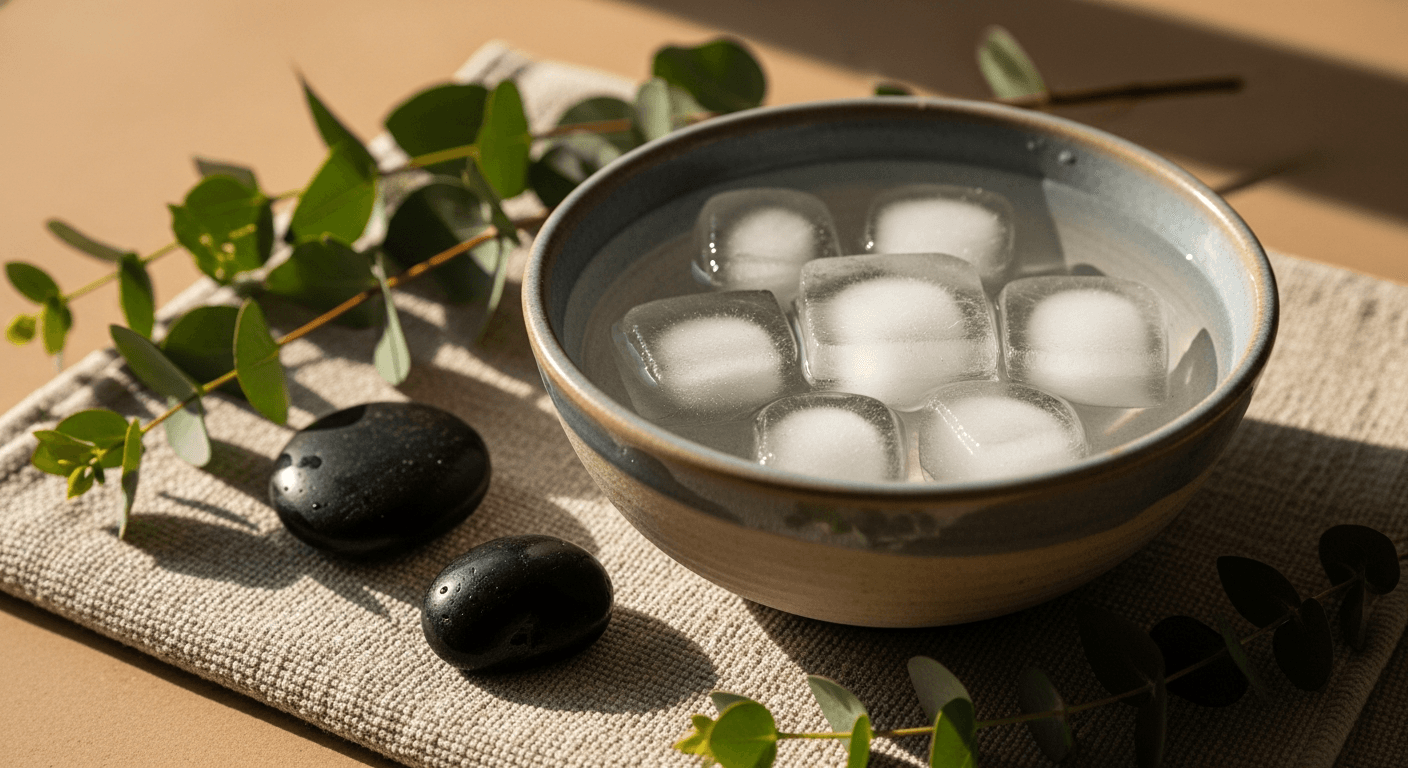
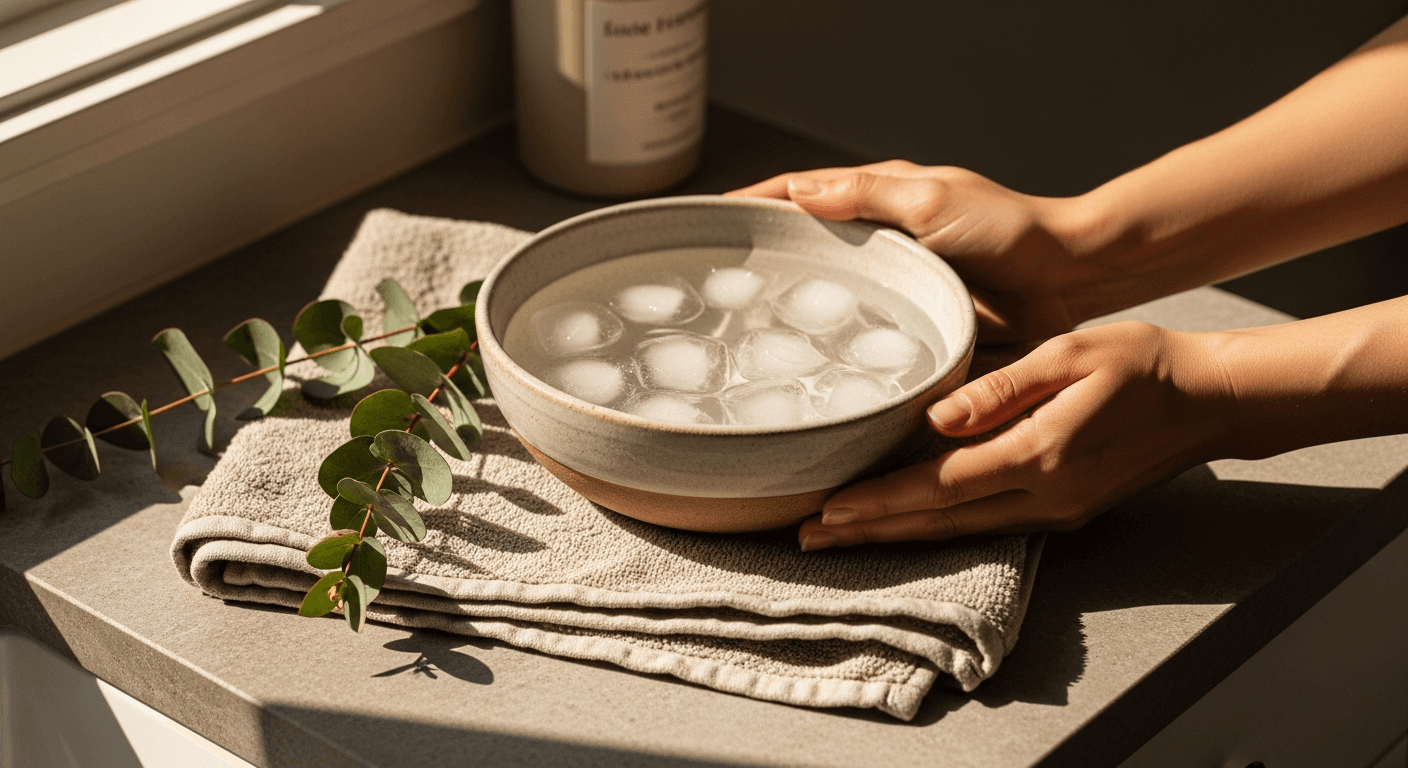
Prepare the Water: Fill a large mixing bowl with cold water and add several ice cubes. While specific optimal temperature ranges are not established in literature, it needs to be cold enough to cause a mild shock, but not so freezing that it causes immediate pain.
Position Yourself: Sit comfortably at a table with the bowl in front of you. Take a few slow, deep breaths to prepare your nervous system. Do not hyperventilate.
Submerge the Target Areas: Take a moderate breath and hold it. Lean forward and submerge your face into the water. It is critical that the water covers your forehead, your eyes, and the area just below your nose, as this is where the trigeminal nerve endings are concentrated.
Hold and Release: Keep your face submerged briefly, as tolerated, since there is no universally established optimal duration. You should feel your heart rate begin to slow down within the first 10 seconds. Slowly lift your face out, gently towel off, and resume normal, slow breathing.
Alternative Method: If a bowl is inaccessible or too exhausting to set up, you can achieve a similar effect by placing a large, flexible gel ice pack directly over your eyes, nose, and forehead while lying down, though the wetness of the water often produces a stronger reflex.
The Cold Water Bolus Strategy
Another highly practical and evidence-based method for utilizing cold therapy is the cold water bolus strategy. This involves rapidly drinking a specific amount of ice-cold water to trigger a reflex known as the osmopressor response, combined with a cold-induced vascular squeeze. When you drink a large amount of water quickly, stretch receptors in the stomach and the portal vein (which carries blood to the liver) are activated. This triggers a sympathetic reflex that increases vascular resistance and raises blood pressure, helping to combat orthostatic hypotension and blood pooling. When the water is ice-cold, it adds an additional thermal trigger, amplifying the vasoconstrictive effect and providing a stronger defense against tachycardia.
The Measurement: Prepare 16 ounces (approximately 500 milliliters) of ice-cold water. Keeping a thermos of ice water by your bedside is an excellent strategy for morning management.
The Timing: This strategy is most effective when used preemptively. Drink the cold water bolus 10 to 15 minutes before you plan to stand up for a prolonged period, such as before getting out of bed in the morning, before taking a shower, or before standing in line at a store.
The Execution: Drink the 16 ounces as quickly as comfortably possible, ideally within 2 to 3 minutes. Sipping the water slowly over an hour will not trigger the necessary stretch receptors or the acute thermal response required to boost vascular tone.
Synergy with Electrolytes: To maximize the blood-volume-expanding benefits, you can combine this strategy with your daily electrolytes and POTS management by mixing your prescribed sodium or electrolyte powder into the ice-cold water.
Contrast Showers and Localized Cooling
Showers are notoriously difficult for POTS patients due to the combination of standing still and exposure to hot water, both of which promote massive blood pooling. Contrast showers, or simply ending a warm shower with a blast of cold water, can help mitigate this post-shower crash. The sudden shift to cold water forces the dilated blood vessels in the skin to rapidly constrict, pushing the pooled blood out of the legs and back into circulation before you step out of the shower. This can significantly reduce the dizziness, heart palpitations, and extreme fatigue that often follow bathing.
Start Warm, Not Hot: Begin your shower with warm, comfortable water. Avoid scalding hot temperatures, as these will cause profound vasodilation that is difficult to reverse.
The Cold Finish: For the final 30 to 60 seconds of your shower, turn the water temperature down to cold. Focus the cold water stream on your legs to encourage upward blood flow, and then briefly on the back of your neck to stimulate the vagus nerve pathways.
Progressive Adaptation: If 30 seconds of cold water is too shocking, start with just 10 seconds of cool (not freezing) water, and gradually decrease the temperature and increase the duration over several weeks as your nervous system adapts.
Localized Cooling: If showers are entirely intolerable, use localized cooling throughout the day. Run cold water over your wrists, or apply an ice pack to the back of your neck or your chest when you feel a heat-induced symptom flare approaching.
Common Mistakes and Severe Pitfalls
The Danger of Full-Body Ice Plunges and "Autonomic Conflict"
While the internet is filled with testimonials about the miraculous benefits of full-body ice baths, this aggressive approach is highly dangerous for individuals with dysautonomia. Plunging the entire body into freezing water (typically below 59°F or 15°C) triggers a massive, uncontrollable physiological reaction known as the "cold shock response." This response is driven by cold receptors all over the skin and results in an immediate, violent surge of the sympathetic nervous system. The body releases a flood of adrenaline and norepinephrine, causing hyperventilation, a massive spike in heart rate, and intense peripheral vasoconstriction. For a POTS patient whose sympathetic nervous system is already hyperactive and dysregulated, this sudden catecholamine dump can cause severe chest pain, panic attacks, and a prolonged autonomic crash.
Furthermore, full-body immersion can induce a dangerous state known in physiological research as "autonomic conflict". If a person plunges into freezing water (triggering the sympathetic cold shock response, which demands a rapid heart rate) but simultaneously submerges their face and holds their breath (triggering the parasympathetic diving reflex, which demands a slow heart rate), the heart receives powerful, entirely contradictory signals. The sympathetic nerves are screaming "speed up" while the vagus nerve is screaming "slow down." This intense neurological tug-of-war can lead to severe cardiac arrhythmias, skipped beats, and in extreme cases, syncope (fainting) while in the water. Dysautonomia patients must avoid this conflict by sticking to localized, controlled cold exposure rather than full-body shocks.
The Severe Risks for MCAS and Cold Urticaria
For patients who have Mast Cell Activation Syndrome (MCAS) alongside their dysautonomia—a very common comorbidity—cold water therapy carries significant immunological risks. Mast cells are immune cells responsible for releasing histamine and other inflammatory mediators. In MCAS, these cells are highly unstable and can be triggered to degranulate by sudden environmental changes, including rapid temperature shifts. Exposing the body to a sudden blast of cold water can act as a profound physical stressor, causing mast cells to dump massive amounts of histamine into the bloodstream. Instead of feeling refreshed, an MCAS patient may step out of a cold shower covered in hives, experiencing severe gastrointestinal cramping, sudden brain fog, and a dangerous drop in blood pressure.
The risk is even more severe, and potentially fatal, for individuals with a specific condition called cold urticaria. Cold urticaria is a disorder where exposure to cold temperatures triggers an immediate, aggressive allergic reaction. If a patient with cold urticaria attempts a full-body cold plunge, the sudden, systemic temperature drop causes massive, body-wide mast cell degranulation. This floods the system with tryptase and histamine, leading to severe angioedema (swelling), profound hypotension, and cold-induced anaphylaxis (ColdA). Research indicates that full-body immersion is the leading cause of severe anaphylactic reactions in cold urticaria patients, making any form of aggressive cold therapy an absolute medical contraindication for this population.
Ignoring Post-Exertional Malaise (PEM) and Neuropathy
Another critical pitfall is failing to account for the energy demands of thermoregulation. For patients with Myalgic Encephalomyelitis/Chronic Fatigue Syndrome (ME/CFS) or Long COVID, who experience post-exertional malaise (PEM), the body's cellular energy production is severely impaired. Shivering and rapidly constricting blood vessels to maintain core temperature requires a massive amount of metabolic energy (ATP). Forcing the body to endure a cold plunge can drain a patient's limited energy envelope entirely, leading to a severe, days-long crash characterized by profound physical exhaustion, cognitive dysfunction, and flu-like symptoms. Cold therapy should never be pushed to the point of shivering or deep fatigue in patients susceptible to PEM.
Additionally, patients with comorbid small fiber neuropathy, Ehlers-Danlos Syndrome (EDS), or Raynaud's phenomenon must exercise extreme caution. Raynaud's causes the small blood vessels in the fingers and toes to spasm and constrict violently in response to cold, cutting off blood flow and causing severe, throbbing pain and tissue ischemia. For these patients, even holding a glass of ice water can be agonizing. If you have Raynaud's or severe neuropathy, you must protect your extremities. Any cold therapy should be strictly localized to the face or the back of the neck, and you should never expose your hands or feet to freezing temperatures, as the resulting microvascular spasms can cause lasting nerve pain and tissue damage.
Tools, Apps, and Resources
Wearables for Temperature Regulation
Managing dysautonomia often requires constant, subtle adjustments to your environment and body temperature. Fortunately, advancements in wearable technology have provided patients with accessible tools to help regulate their nervous system without the need for extreme interventions like ice baths. These devices can provide continuous, localized cooling to help stave off heat-induced vasodilation and keep the autonomic nervous system grounded during daily activities.
Thermal Wristbands (e.g., Embr Wave): These devices are worn on the inside of the wrist and deliver calibrated, localized cooling sensations directly to the thermoreceptors in the skin. By sending continuous cooling signals to the brain, they can help mitigate hot flashes, reduce the sensation of overheating, and provide a gentle, continuous grounding effect for the nervous system without causing systemic shock.
Cooling Vests and Neck Wraps: For patients who must be outdoors in the heat or who struggle with severe blood pooling, active cooling vests (which use frozen gel packs or circulating cold water) are invaluable. They keep the core temperature stable, preventing the massive vasodilation that triggers POTS flares. Simple, reusable cooling neck wraps or ice bandanas can also provide targeted cooling to the carotid arteries and vagus nerve pathways.
Compression Garments with Cooling Properties: Combining physical counter-pressure with temperature regulation is highly effective. Look for medical-grade compression tights or abdominal binders made from moisture-wicking, breathable fabrics that do not trap heat against the skin, allowing for better thermal regulation while still providing the necessary vascular support.
Tracking Your Autonomic Metrics
Because cold therapy acts directly on the autonomic nervous system, it is crucial to measure how your body is actually responding. What feels beneficial in the moment might actually be causing a sympathetic stress response. By tracking specific biometric data, you can objectively determine if your cold exposure protocol is improving your vagal tone or simply pushing you further into fight-or-flight mode.
Heart Rate Variability (HRV) Monitors: Devices like the Oura Ring, Garmin smartwatches (using the Body Battery feature), or the Apple Watch can track HRV, which is a direct proxy for vagal tone. If your HRV increases in the hours following your cold therapy, it indicates successful parasympathetic activation. If your HRV tanks, the cold exposure was too stressful and you need to reduce the intensity.
Symptom Tracking Apps: Apps like Visible (designed specifically for Long COVID and ME/CFS) or Guava allow you to correlate your daily interventions with your symptom severity. By logging when you use the face plunge or cold water bolus, you can track whether these strategies actually reduce your daily tachycardia spikes or fatigue levels over time.
Continuous Heart Rate Monitoring: Using a chest strap monitor (like a Polar H10) or a reliable smartwatch during a face plunge can provide immediate biofeedback. You should be able to visibly see your heart rate drop by 10 to 20 beats per minute within the first 30 seconds of facial immersion, confirming that the diving reflex has been successfully engaged.
What Research Shows: Clinical Evidence for Cold Therapy
The Impact of Cold Water on Orthostatic Tolerance
The physiological benefits of cold water for dysautonomia are not merely anecdotal; they are supported by robust clinical research. A pivotal 2022 randomized crossover trial by Lucci et al. investigated exactly how the temperature of drinking water impacts orthostatic tolerance and vascular tone. In this study, healthy participants were given a 500 mL bolus of water at varying temperatures: room temperature (20°C), warm (45°C), and ice-cold (0–3°C). Fifteen minutes after drinking the water, the participants underwent a head-up tilt (HUT) test to simulate standing and induce orthostatic stress.
The data from this study was highly illuminating for the POTS community. The researchers found that the ice-cold water condition significantly improved orthostatic cardiovascular control compared to the room-temperature water. Specifically, heart rate and cardiac output were significantly reduced, while total peripheral resistance (vascular tone), stroke volume, and cerebral blood flow velocity were all significantly increased. The researchers explicitly concluded that using a cold water bolus provides additional benefits for patients with orthostatic intolerance by actively ameliorating orthostatic tachycardia and enhancing necessary vascular resistance responses. This provides a strong, evidence-based foundation for the morning cold-water drinking strategy.
Vagus Nerve Stimulation and Heart Rate Variability
Research has also isolated the specific impact of cold water on the vagus nerve, independent of the breath-holding component of the diving reflex. A study by Hayashi et al. tested healthy volunteers using cold water face immersion (CWFI) while allowing them to breathe normally through a snorkel. The researchers continuously measured the participants' Heart Rate Variability (HRV), which is the gold-standard non-invasive measurement of parasympathetic (vagal) nervous system activity.
The findings demonstrated that even without the hypoxic stress of holding one's breath, the simple application of cold water to the face significantly increased HRV and induced bradycardia. This proved that cold stimulation of the trigeminal nerve directly and independently activates the vagus nerve. For patients with dysautonomia, who often suffer from chronically low HRV and poor vagal tone, this research confirms that brief, targeted facial cooling is a scientifically validated method for manually stimulating the parasympathetic nervous system and restoring a measure of autonomic balance.
The Clinical Recognition of the Diving Reflex
The power of the mammalian diving reflex is well-documented in medical literature. Current medical literature supports inducing the diving reflex as an effective way to treat paroxysmal supraventricular tachycardia (PSVT). Techniques include cold application to the face to increase vagal tone, though no optimal temperature range is officially established.
While PSVT is a different electrical mechanism than the sinus tachycardia seen in POTS, the physiological principle remains the same: the vagus nerve is a powerful brake on the heart. The fact that medical literature supports cold facial immersion as a reliable method to force parasympathetic dominance underscores just how potent this intervention can be. However, as noted in recent 2024 hemodynamic studies, patients with severe dysautonomia can sometimes have an exaggerated response to this reflex, experiencing profound drops in blood pressure. This highlights the critical need for patients to start with mild temperatures and short durations, carefully titrating their exposure to find the therapeutic sweet spot without triggering hemodynamic collapse.
The Path Forward
Finding Your Unique Temperature Threshold
Managing dysautonomia is an exercise in profound patience and self-awareness, and implementing cold water therapy is no exception. There is no universally perfect temperature or protocol that works for every patient. The key to success is finding your unique temperature threshold—the specific level of cold exposure that gently stimulates your vagus nerve and improves your vascular tone without triggering a massive sympathetic stress response, a mast cell flare, or a post-exertional crash. This requires starting incredibly slow. If you are interested in contrast showers, begin with just five seconds of lukewarm water at the end of your shower. If you are trying the face plunge, start with water that is cool, rather than ice-cold, and only submerge your face for ten seconds.
It is vital to remember that cold water therapy is a management tool, not a cure. It will not permanently fix the underlying autonomic neuropathy, autoimmune dysfunction, or connective tissue disorders driving your POTS. However, when used strategically alongside salt and fluid loading, compression garments, pacing, and prescribed medications, it can provide you with a powerful, accessible mechanism to break the cycle of acute tachycardia and regain a sense of control over your highly reactive nervous system. Always listen to your body; if a cold intervention causes pain, intense anxiety, or lingering fatigue, it is a clear sign that the physical stress outweighs the autonomic benefit.
Comprehensive Care at RTHM
Navigating the complexities of dysautonomia, POTS, and MCAS requires a deeply personalized, multidisciplinary approach. Because these conditions are highly heterogeneous, an intervention that brings profound relief to one patient might cause a severe flare in another. This is why it is absolutely critical to consult with a knowledgeable healthcare provider before starting or stopping any treatment, including physical interventions like cold water therapy—especially if you have a history of severe allergic reactions, Raynaud's, or cardiac arrhythmias.
At RTHM, our clinical team specializes in the nuanced, evidence-based management of complex chronic conditions like Long COVID, ME/CFS, and dysautonomia. We understand that your symptoms are real, debilitating, and deeply interconnected. If you are struggling to manage your orthostatic intolerance, or if you need expert guidance in building a safe, comprehensive treatment plan that addresses your unique physiological needs, we are here to help. Explore RTHM's comprehensive care options and discover how our specialized providers can support your path toward better autonomic stability and improved quality of life.
Sources
Lucci, F., et al. (2022). The effect of water temperature on orthostatic tolerance: a randomised crossover trial. Clinical Science. https://pubmed.ncbi.nlm.nih.gov/35383569/
StatPearls. (2022). Physiology, Diving Reflex. NCBI Bookshelf. https://www.ncbi.nlm.nih.gov/books/NBK538245/
Hayashi, N., et al. (1997). Autonomic nervous responses to cold water face immersion. European Journal of Applied Physiology and Occupational Physiology. https://pubmed.ncbi.nlm.nih.gov/9140894/
Page, R. L., et al. (2015). 2015 ACC/AHA/HRS Guideline for the Management of Adult Patients With Supraventricular Tachycardia. Circulation. https://pubmed.ncbi.nlm.nih.gov/26399665/
Tipton, M. J., et al. (2017). Autonomic conflict and cold water immersion. The Journal of Physiology. https://pubmed.ncbi.nlm.nih.gov/26140300/
Maltseva, N., et al. (2021). Cold Urticaria: What We Know and What We Do Not Know. Allergy. https://pubmed.ncbi.nlm.nih.gov/33425032/
Pavlov, V. A., & Tracey, K. J. (2024). The cholinergic anti-inflammatory pathway. Brain, Behavior, and Immunity. https://pubmed.ncbi.nlm.nih.gov/38222137/
Raj, S. R. (2013). Postural Tachycardia Syndrome: A Heterogeneous and Multifactorial Disorder. Mayo Clinic Proceedings. https://doi.org/10.1016/j.mayocp.2012.08.013
Vernino, S., et al. (2021). Postural orthostatic tachycardia syndrome (POTS): State of the science and clinical care from a 2019 National Institutes of Health Expert Consensus Meeting. Autonomic Neuroscience. https://pubmed.ncbi.nlm.nih.gov/34144933/
Bryarly, M., et al. (2021). Postural orthostatic tachycardia syndrome: New concepts in pathophysiology and management. Cleveland Clinic Journal of Medicine. https://pubmed.ncbi.nlm.nih.gov/34695573/