Can CogniAid™ Clear the Brain Fog of Long COVID and ME/CFS?
March 5, 2026
CogniAidBrain FogLong COVID
Share:
Disclaimer: The information provided here is for educational purposes only and is not intended as medical advice. It should not be used to diagnose, treat, cure, or prevent any medical condition. Instead, use it as a starting point for discussion with your healthcare provider. Always consult with a qualified healthcare provider before starting any new medication, supplement, device, or making changes to your health regimen.
For many individuals living with complex chronic conditions, the physical fatigue is only half the battle. The other half is a profound, often debilitating cognitive impairment commonly referred to as "brain fog." You might find yourself staring at a computer screen unable to process a simple email, losing your train of thought mid-sentence, or struggling to recall a word that is right on the tip of your tongue. This isn't just normal tiredness; it is a severe neurological symptom that can strip away your sense of self and independence. When a standard new patient-provider appointment is 30 minutes to an hour, how do you convey the reality of a brain that simply refuses to cooperate? When there aren’t accessible blood tests to monitor treatment success, how do you know what treatments are actually working?
In the wake of the COVID-19 pandemic, this cognitive dysfunction has become a hallmark of Long COVID, mirroring the neurological struggles long experienced by patients with myalgic encephalomyelitis/chronic fatigue syndrome (ME/CFS) and dysautonomia. Researchers are increasingly discovering that this brain fog is rooted in physical, measurable changes in the brain—specifically neuroinflammation, oxidative stress, and neurotransmitter imbalances. As we search for ways to support the brain's healing process, targeted botanical and nutritional interventions have emerged as valuable tools. One such intervention is CogniAid™, a specialized herbal formula designed to support healthy cognition, mood, and memory by targeting the very pathways disrupted by chronic illness.
TL;DR
Brain fog in Long COVID and ME/CFS is linked to neuroinflammation and neurotransmitter imbalances.
CogniAid™ is an herbal formula designed to support healthy cognition, memory, and focus.
Ingredients like Bacopa and Huperzine-A may help maintain acetylcholine levels for better brain function.
Always consult a healthcare provider before starting new supplements, especially if taking medications.
What is CogniAid™?
A Targeted Approach to Cognitive Support
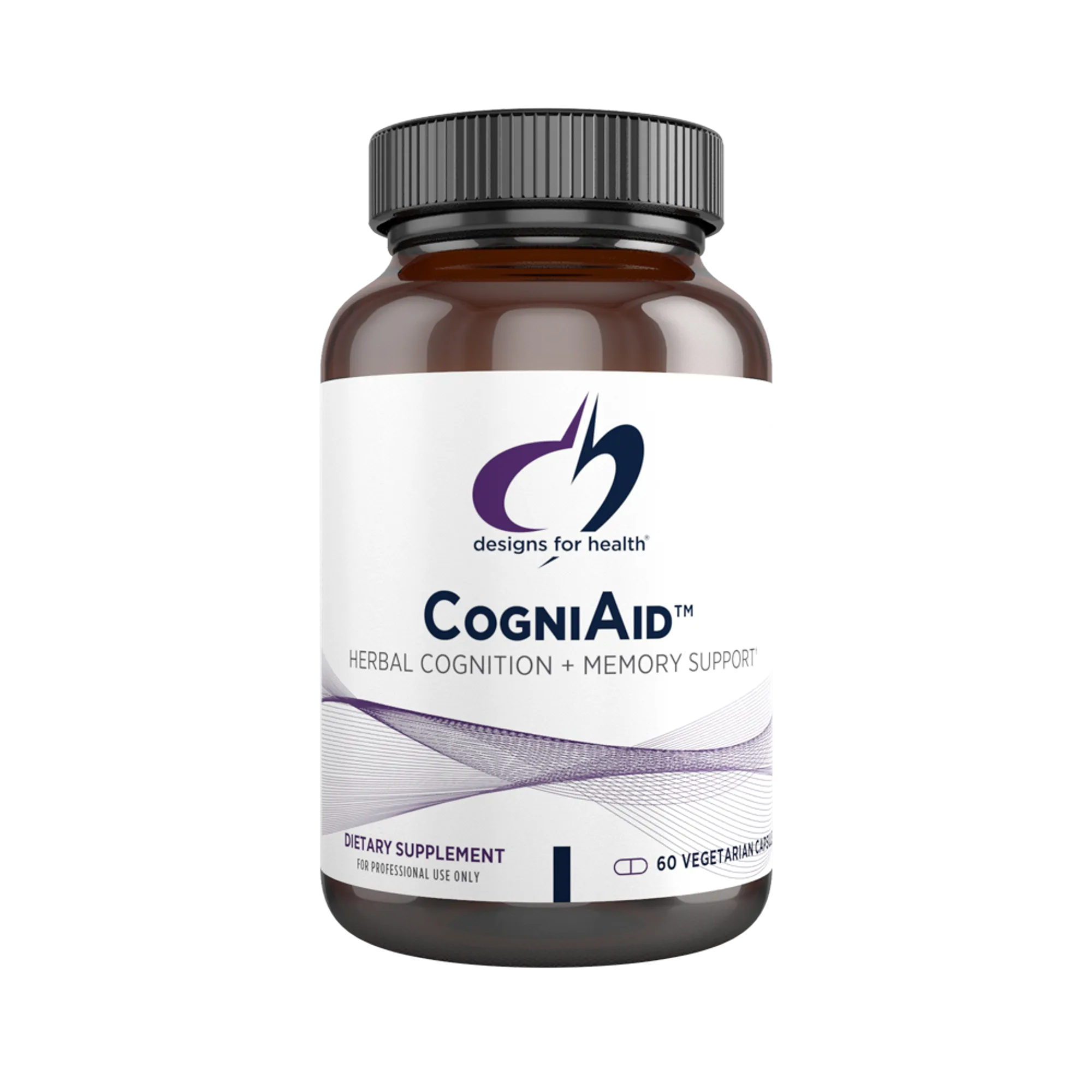
CogniAid™ by Designs for Health is a practitioner-grade herbal formula meticulously designed to support healthy cognition, mood, and memory. Unlike standard multivitamins or generic brain supplements that rely on heavy stimulants like caffeine, CogniAid™ utilizes a synergistic blend of highly standardized botanical extracts. It is formulated to address the structural and functional health of the brain by supporting neurotransmitter synthesis, promoting healthy neuronal communication, and defending against cellular stress. For patients dealing with complex chronic illnesses, this multi-targeted approach is crucial, as cognitive dysfunction rarely stems from a single isolated cause.
At the core of human cognition is a vast, intricate network of billions of neurons communicating through chemical messengers known as neurotransmitters. One of the most critical neurotransmitters for learning, memory, and executive function is acetylcholine. In a healthy brain, acetylcholine is synthesized in the nerve terminals, released into the synaptic cleft (the gap between neurons), and binds to receptors on adjacent neurons to transmit signals. CogniAid™ is specifically engineered to help maintain proper levels of this vital molecule, ensuring that the brain's communication highways remain open and efficient.
The Synergy of Botanical Nootropics
The formula achieves its cognitive-supporting effects through a carefully curated selection of five key ingredients: Memophenol™, NooGandha®, Bacopa monnieri, American Ginseng, and Huperzine-A. Each of these components acts as a "nootropic"—a substance that enhances cognitive function—but they do so through entirely different, complementary biological mechanisms. While one ingredient may focus on preventing the breakdown of neurotransmitters, another works to neutralize the free radicals that damage delicate brain tissue, creating a comprehensive shield for neurological health.
For example, Memophenol™ is a unique, patented complex of extracts from French Champagne grapes (Vitis vinifera L.) and North American wild blueberries (Vaccinium angustifolium A.). It provides a highly bioavailable dose of specific polyphenols—flavonols, anthocyanins, and monomeric flavanols—that are capable of crossing the highly selective blood-brain barrier. Once inside the brain, these compounds act as potent antioxidants, stimulating phase II detoxification enzymes and protecting neurons from the oxidative damage that accelerates cognitive decline.
Supporting Neurotransmitter Synthesis and Neuronal Health
Beyond antioxidant protection, CogniAid™ actively supports the structural integrity of neurons and their ability to adapt and form new connections—a process known as synaptic plasticity. NooGandha®, a next-generation liposomal ashwagandha extract, modulates the body's stress response pathways, specifically the Hypothalamic-Pituitary-Adrenal (HPA) axis. By regulating the secretion of stress hormones like cortisol, it prevents the neurotoxic effects of chronic stress, allowing the brain to maintain a state of "calm alertness."
Meanwhile, ingredients like Huperzine-A and Bacopa monnieri work directly on the cholinergic system. Huperzine-A, a naturally occurring alkaloid derived from the Toothed Clubmoss (Huperzia serrata), acts as a highly specific, reversible acetylcholinesterase inhibitor. Acetylcholinesterase is the enzyme responsible for breaking down acetylcholine after it has transmitted its signal. By inhibiting this enzyme, Huperzine-A allows acetylcholine to linger longer in the synaptic cleft, strengthening the signal and significantly enhancing short-term memory and focus. Together, these ingredients form a robust defense against the cognitive unraveling seen in chronic illness.
How Long COVID and ME/CFS Impact Cognitive Function
The Neuroinflammatory Cascade
To understand how a supplement like CogniAid™ might help, we must first understand the pathophysiology of the cognitive dysfunction seen in conditions like Long COVID and ME/CFS. Research increasingly points to neuroinflammation as a primary driver of this debilitating brain fog. When the body is subjected to a severe viral infection like SARS-CoV-2, or when it exists in a state of chronic immune dysregulation as seen in ME/CFS, the brain's resident immune cells—microglia and astrocytes—become hyperactivated.
In a healthy state, microglia act as the brain's caretakers, clearing away cellular debris and supporting neuronal health. However, when triggered by systemic inflammation, viral particles, or oxidative stress, these cells shift into an aggressive, pro-inflammatory state. They begin releasing toxic inflammatory cytokines, such as TNF-α and IL-6, which damage surrounding neurons and disrupt synaptic communication. A recent literature review on Long COVID and ME/CFS highlights this shared central nervous system pathology, noting that neuroinflammation and microglial activation likely underlie the shared symptoms of fatigue, cognitive dysfunction, and post-exertional malaise.
Neurotransmitter Depletion and Dysautonomia
This chronic neuroinflammatory state creates a vicious cycle that directly impacts neurotransmitter levels, particularly acetylcholine. The inflammation disrupts the delicate enzymatic pathways required to synthesize neurotransmitters, leading to a functional depletion. When acetylcholine levels drop, the brain struggles to encode new memories, maintain attention, or process information quickly—resulting in the classic experience of brain fog. Furthermore, this depletion has systemic consequences, particularly concerning the autonomic nervous system.
The vagus nerve, a critical component of the parasympathetic nervous system, relies heavily on acetylcholine to regulate the body's "rest and digest" functions and to control systemic inflammation through the Cholinergic Anti-inflammatory Pathway (CAP). In Long COVID and dysautonomia, this pathway is often impaired, leading to a sustained sympathetic "fight or flight" response. Pilot studies on oral minocycline therapy highlight ongoing efforts to treat the neuroinflammation and autonomic dysfunction seen in patients with ME/CFS and Long COVID.
Oxidative Stress and the Blood-Brain Barrier
Compounding these issues is the presence of severe oxidative stress. Chronic illness generates high levels of reactive oxygen species (ROS)—unstable molecules that damage cellular structures, lipids, and DNA. The brain is particularly vulnerable to oxidative stress due to its high oxygen consumption and lipid-rich composition. When ROS overwhelm the brain's natural antioxidant defenses, they cause lipid peroxidation, which damages the delicate membranes of neurons and mitochondria.
This oxidative damage also compromises the integrity of the blood-brain barrier (BBB), the highly selective membrane that protects the brain from circulating toxins and pathogens. A "leaky" BBB allows systemic inflammatory markers to flood into the central nervous system, further fueling microglial activation and neuronal damage. Research into CD8 T-cell dysfunction in both Long COVID and ME/CFS demonstrates how systemic immune exhaustion and oxidative stress are deeply intertwined with the severe neurological symptoms patients experience, highlighting the need for interventions that can cross the BBB and neutralize these threats directly.
CogniAid™: Supporting Memory, Focus, and Neuronal Health
Huperzine-A and Bacopa: The Acetylcholine Protectors
CogniAid™ addresses the complex pathophysiology of brain fog through multiple, overlapping mechanisms of action. At the forefront of its cognitive-enhancing capabilities are Huperzine-A and Bacopa monnieri, which work synergistically to protect and elevate acetylcholine levels. As previously mentioned, Huperzine-A is a potent, reversible acetylcholinesterase inhibitor. By blocking the enzyme that degrades acetylcholine, it ensures that higher concentrations of this crucial neurotransmitter remain available in the hippocampus and cerebral cortex, the brain regions responsible for memory and executive function.
This mechanism is particularly relevant for Long COVID patients experiencing dysautonomia. By artificially raising acetylcholine levels, Huperzine-A is hypothesized to forcefully stimulate the Cholinergic Anti-inflammatory Pathway via the vagus nerve. When acetylcholine binds to alpha-7 nicotinic acetylcholine receptors (α7nAChR) on immune cells, it powerfully suppresses the release of pro-inflammatory cytokines like TNF-α and IL-6. This means Huperzine-A may not only improve short-term memory but also help "cool down" the systemic inflammation driving the illness.
Bacopa monnieri complements this by acting as a neuroprotectant and a modulator of the cholinergic system. Its active compounds, known as bacosides, have been shown to repair damaged neurons by enhancing kinase activity, which restores synaptic communication. Clinical research demonstrates that Bacopa also acts as a mild acetylcholinesterase inhibitor while simultaneously increasing the brain's antioxidant capacity, protecting the very neurons it is helping to stimulate.
Memophenol: Antioxidant Defense for the Brain
To combat the severe oxidative stress and BBB disruption seen in ME/CFS and Long COVID, CogniAid™ utilizes Memophenol™. The specific low-molecular-weight flavonoids in this grape and wild blueberry complex have an absorption rate of roughly 45% and are proven to cross the blood-brain barrier. Once inside, they activate the Nrf2/HO-1 signaling pathway, which is the brain's master regulator of antioxidant defenses. This pathway stimulates the production of endogenous phase II detoxification enzymes, such as superoxide dismutase (SOD) and glutathione, neutralizing reactive oxygen species before they can damage neuronal membranes.
Furthermore, preclinical studies indicate that Memophenol™ can modulate inflammatory pathways by inhibiting NF-κB, a protein complex that controls the transcription of DNA, cytokine production, and cell survival. By blocking NF-κB, Memophenol™ helps shift microglia back from their aggressive, pro-inflammatory state to their resting, neuroprotective state. Research on these specific polyphenols has even shown their ability to reduce the buildup of toxic proteins, such as beta-amyloid, which are increasingly being observed in the brains of severe COVID-19 survivors.
NooGandha and Ginseng: Modulating Stress and Inflammation
Chronic illness places an immense physiological and psychological burden on the body, leading to chronic HPA axis activation and elevated cortisol levels. NooGandha® is uniquely formulated to address this. While traditional ashwagandha extracts are often heavily sedating, NooGandha® utilizes a targeted extraction process that retains bioactive alkaloids designed to promote "calm alertness." By downregulating hyperactive stress pathways, it reduces the systemic secretion of glucocorticoids, preventing the neurotoxic effects of chronic stress on the hippocampus, which is vital for memory consolidation.
Finally, American Ginseng (standardized to 10% ginsenosides) provides profound neuroprotective benefits. Ginsenosides, particularly Rb1 and Rd, have been shown to directly combat neuroinflammation. They also prevent the activation of the NLRP3 inflammasome, a critical component of the innate immune system that, when overactive, drives the severe neuroinflammation seen in Long COVID and ME/CFS. By upregulating Brain-Derived Neurotrophic Factor (BDNF), ginseng actively promotes synaptic repair and neurogenesis.

Symptoms CogniAid™ May Help Manage
Targeting the Spectrum of Cognitive Dysfunction
The cognitive symptoms of Long COVID, ME/CFS, and dysautonomia are vast and highly individualized. Because CogniAid™ targets multiple underlying mechanisms—from neurotransmitter depletion to neuroinflammation and oxidative stress—it may help manage a broad spectrum of neurological and cognitive challenges. Patients utilizing comprehensive cognitive support protocols often report improvements in several key areas of daily functioning.
When considering how a doctor diagnoses Long COVID, cognitive assessments are a crucial component. The ingredients in CogniAid™ are specifically chosen to address the exact deficits these assessments often reveal, providing targeted support for the most frustrating aspects of brain fog.
Specific Symptoms CogniAid™ May Help Manage:
Short-Term Memory Loss: By inhibiting acetylcholinesterase via Huperzine-A and Bacopa, the formula helps maintain the acetylcholine levels necessary for encoding and retrieving new information, reducing instances of forgotten conversations or misplaced items.
Mental Fatigue and Stamina: NooGandha® helps regulate the HPA axis and reduce cortisol, mitigating the rapid cognitive exhaustion that often follows minor mental exertion (a cognitive form of post-exertional malaise).
Poor Concentration and Focus: The synergistic action of American Ginseng and Huperzine-A supports sustained attention and executive function, making it easier to complete complex tasks without losing your train of thought.
Slowed Processing Speed: Memophenol™ has been clinically shown to improve the speed of information processing by enhancing cerebral microcirculation and protecting neurons from oxidative damage.
Word-Finding Difficulties (Aphasia): By supporting overall synaptic plasticity and neuronal communication, the botanical extracts help bridge the gaps in neural networks, easing the frustration of having words "stuck on the tip of the tongue."
Stress-Induced Cognitive Decline: The adaptogenic properties of NooGandha® and Bacopa monnieri help buffer the brain against the neurotoxic effects of chronic physiological and emotional stress, promoting a state of calm alertness.
Practical Considerations: Forms, Dosing, and Absorption
Bioavailability and Liposomal Delivery
When dealing with chronic illness, particularly conditions that involve gastrointestinal dysfunction or malabsorption, the bioavailability of a supplement is just as important as the ingredients themselves. CogniAid™ utilizes advanced delivery systems to ensure that its active compounds actually reach the brain. For instance, NooGandha® is manufactured using liposomal delivery technology. By encapsulating the ashwagandha extract in a lipid bilayer (utilizing sunflower lecithin and phosphatidylcholines), it protects the delicate botanicals from harsh stomach acids and substantially increases cellular absorption compared to standard root powders.
Similarly, the specific ratio of French grape and wild blueberry extracts in Memophenol™ is highly standardized for low-molecular-weight flavonoids. This specific molecular size is critical, as it allows roughly 45% of the polyphenols to be absorbed into the bloodstream and successfully cross the blood-brain barrier. Without this specific standardization, many generic polyphenol supplements simply pass through the digestive tract without ever reaching the central nervous system.
Timing and Dosage Strategies
The suggested use for CogniAid™ is two capsules per day with meals, or as directed by your healthcare practitioner. Because the formula contains both acute cognitive boosters (like Huperzine-A and NooGandha®) and chronic brain-health builders (like Memophenol™ and Bacopa), the timing of your dose can impact your experience. Many practitioners recommend taking the supplement in the morning or early afternoon to capitalize on its ability to enhance focus and alertness during the most demanding parts of the day. Taking it too late in the evening may cause overstimulation and interfere with sleep architecture.
It is also important to set realistic expectations regarding the onset of benefits. While some patients report a noticeable "sharpening" effect or improved mental stamina within a few hours of the first dose—largely due to the immediate acetylcholine-preserving effects of Huperzine-A—the profound neuroprotective and memory-enhancing benefits of Bacopa and Memophenol™ are cumulative. Clinical trials on Bacopa monnieri consistently show that it requires 8 to 12 weeks of daily, chronic administration to achieve statistically significant improvements in memory consolidation and processing speed.
Safety and Potential Interactions
While the ingredients in CogniAid™ are naturally derived, they exert powerful pharmacological effects on the brain and autonomic nervous system. The most critical contraindication involves Huperzine-A. Because it is a potent acetylcholinesterase inhibitor, it should never be combined with prescription medications that operate via the same mechanism (such as donepezil, rivastigmine, or galantamine, commonly prescribed for Alzheimer's or dementia). Combining these can lead to a dangerous accumulation of acetylcholine, resulting in severe cholinergic side effects like nausea, vomiting, muscle twitching, and bradycardia (abnormally slow heart rate).
Additionally, because Bacopa and Huperzine-A can increase vagal tone and lower heart rate, patients with pre-existing bradycardia or severe, unmanaged dysautonomia should consult their specialist before starting this supplement. Always discuss new supplements with your healthcare provider, especially if you are taking anticholinergic medications, blood thinners, or medications for diabetes, as American ginseng can influence blood glucose levels.

Follow the Science
Clinical Trials on Memophenol and NooGandha
The efficacy of CogniAid's primary ingredients is supported by a robust body of gold-standard clinical research. Memophenol™ has been the subject of several randomized, double-blind, placebo-controlled trials. In a landmark 2018 study published in the Journals of Gerontology, 215 healthy seniors taking 600 mg of Memophenol daily for six months demonstrated significant improvements in short-term memory. Notably, participants categorized as having the most prominent cognitive decline at baseline made 24% fewer errors on long-term episodic memory tests compared to the placebo group. More recent research in 2023 confirmed that even a lower dose of 300 mg significantly improved the speed of information processing and visuospatial learning in older adults with mild cognitive impairment.
NooGandha® has also demonstrated impressive clinical results, particularly concerning acute cognitive enhancement and stress reduction, though further research is needed to fully characterize these effects.
Bacopa and Ginseng in Cognitive Research
The cognitive benefits of Bacopa monnieri are among the most well-documented in botanical medicine. A pivotal 12-week, double-blind study involving adults aged 65 and older found that 300 mg of standardized Bacopa extract significantly improved delayed word recall memory and the ability to ignore irrelevant information (measured by the Stroop Task). Furthermore, the Bacopa group experienced a measurable decrease in depression and anxiety scores, confirming its adaptogenic properties. Blood tests in similar studies have confirmed significant suppression of plasma acetylcholinesterase activity, verifying its cholinergic mechanism of action in human subjects.
American Ginseng and its active ginsenosides have been extensively studied for their neuroprotective and anti-inflammatory effects. These mechanisms are highly relevant to the neuroinflammatory models currently proposed for Long COVID and ME/CFS.
Huperzine-A and the Cholinergic Anti-inflammatory Pathway
While large-scale clinical trials explicitly testing Huperzine-A on Long COVID patients are still needed, its efficacy in parallel cognitive conditions is well-established. In double-blind studies on Alzheimer's patients, Huperzine-A has consistently demonstrated the ability to significantly improve memory, thinking, and behavioral functions compared to placebos. Modern researchers hypothesize that Huperzine-A may help address systemic inflammation by interacting with the Cholinergic Anti-inflammatory Pathway (CAP). By elevating acetylcholine and stimulating the vagus nerve's alpha-7 nicotinic receptors, researchers hypothesize that Huperzine-A can directly suppress the systemic cytokine storms and autonomic dysfunction characteristic of post-viral syndromes.
The Path Forward
Validating Your Cognitive Struggles
Living with severe cognitive dysfunction is an profoundly isolating experience. When you can no longer rely on your memory, when reading a book becomes an exhausting chore, and when finding the right words feels impossible, it is easy to feel disconnected from your own life. It is vital to remember that this brain fog is not a personal failing, a lack of effort, or simply "in your head." It is a physical, neurological symptom driven by measurable processes like neuroinflammation, oxidative stress, and neurotransmitter depletion. Your struggles are valid, and the scientific community is finally beginning to map the complex biology behind them.
Building a Comprehensive Strategy
While there is no single miracle cure for the cognitive impacts of Long COVID, ME/CFS, or dysautonomia, targeted nutritional support can be a powerful tool in your management arsenal. By addressing the root causes of neuronal stress—protecting acetylcholine levels, neutralizing free radicals, and modulating the brain's inflammatory response—supplements like CogniAid™ offer a biologically plausible pathway toward clearer thinking and improved mental stamina.
However, supplements should always be viewed as one piece of a broader, comprehensive management strategy. Pacing your cognitive exertion, prioritizing restorative rest, managing autonomic triggers, and working closely with a medical team are all essential components of healing. By combining evidence-based botanical interventions with compassionate, individualized medical care, it is possible to support your brain's resilience and improve your quality of life.
Disclaimer: The information provided in this blog is for educational purposes only and is not intended to diagnose, treat, cure, or prevent any disease. Always consult with your healthcare provider before starting any new supplement, especially if you are pregnant, nursing, taking prescription medications, or managing a chronic health condition.