Can Berberine and Alpha Lipoic Acid Support Metabolic Health in Long COVID and ME/CFS?
March 6, 2026
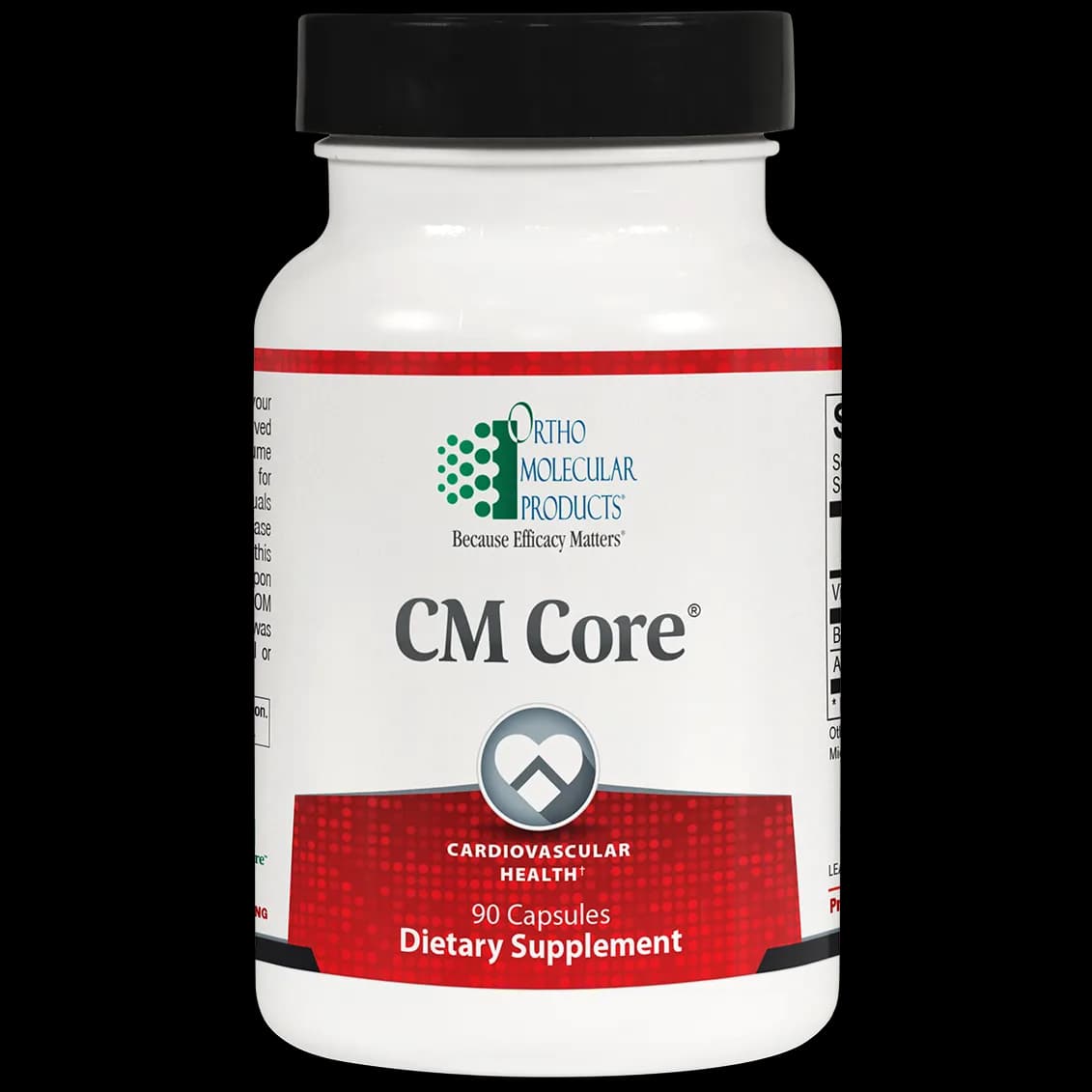
CM CoreBerberineAlpha Lipoic Acid
Share:
Disclaimer: The information provided here is for educational purposes only and is not intended as medical advice. It should not be used to diagnose, treat, cure, or prevent any medical condition. Instead, use it as a starting point for discussion with your healthcare provider. Always consult with a qualified healthcare provider before starting any new medication, supplement, device, or making changes to your health regimen.
Months or even years after recovering from an initial SARS-CoV-2 infection, many people find themselves fighting a complex web of debilitating symptoms. Conditions like Long COVID, myalgic encephalomyelitis/chronic fatigue syndrome (ME/CFS), and dysautonomia often leave patients grappling with profound exhaustion, cognitive dysfunction, and a sense that their body’s internal battery is permanently drained. While the root causes of these post-viral illnesses are multifaceted, emerging medical research points heavily toward a combination of persistent endothelial dysfunction, mitochondrial failure, and severe metabolic dysregulation. When the cells cannot produce energy efficiently and the blood vessels remain in a state of chronic inflammation, the entire body suffers.
For patients navigating this frustrating reality, finding targeted ways to support cellular metabolism and vascular health is a critical piece of the management puzzle. This brings us to the powerful combination of berberine and alpha lipoic acid (ALA), the primary active ingredients in CM Core®. While traditionally utilized in the management of cardiometabolic conditions like type 2 diabetes and dyslipidemia, these compounds are increasingly recognized for their profound ability to activate cellular energy sensors, neutralize oxidative stress, and support the healing of the vascular endothelium. In this comprehensive guide, we will explore the intricate biochemistry of berberine and ALA, examine how they counteract the specific physiological disruptions seen in Long COVID and ME/CFS, and review the clinical evidence supporting their use in complex chronic illness.
TL;DR
Berberine and ALA may help support cellular energy and vascular health in complex chronic illnesses.
These compounds work together to activate the AMPK pathway, supporting mitochondrial function and energy production.
ALA acts as a potent antioxidant, helping to neutralize oxidative stress and support endothelial repair.
Always consult your doctor before starting, as berberine can interact with several prescription medications.
What Are Berberine and Alpha Lipoic Acid?
Berberine: The Botanical Metabolic Master Switch
Berberine is a naturally occurring, bright yellow isoquinoline alkaloid extracted from the roots, stems, and bark of several traditional medicinal plants, including Coptis chinensis, barberry, and goldenseal. While it has been utilized for centuries in traditional Chinese and Ayurvedic medicine primarily for its antimicrobial properties, modern pharmacological research has uncovered its profound impact on human metabolism. At the molecular level, berberine functions as a potent metabolic regulator, with its most celebrated mechanism of action being the activation of AMP-activated protein kinase (AMPK). Often referred to as the body's metabolic "master switch," AMPK is an enzyme that plays a central role in cellular energy homeostasis. When cellular energy levels drop, AMPK is activated to stimulate energy-generating processes while halting energy-consuming ones, effectively forcing the cell to restore its energy balance.
The way berberine activates AMPK is a fascinating biochemical process. Upon entering the cell, berberine directly targets the mitochondria, the powerhouses responsible for producing adenosine triphosphate (ATP). There, it mildly and temporarily inhibits respiratory chain complex I, a crucial component of the electron transport chain. This mild inhibition causes a slight drop in cellular ATP production, which in turn raises the ratio of adenosine monophosphate (AMP) to ATP. The cellular sensors detect this energy deficit and respond by phosphorylating AMPK at a specific site known as Thr172, fully activating the enzyme. Once activated, AMPK triggers a cascade of metabolic responses that mimic the physiological effects of rigorous physical exercise or caloric restriction, enhancing glucose uptake and promoting the oxidation of fatty acids to generate new ATP.
Beyond its role in energy production, berberine acts on several other critical metabolic pathways independently of AMPK. For instance, it actively improves lipid profiles by upregulating the expression of Low-Density Lipoprotein Receptors (LDLR) on the surface of liver cells. It achieves this by stabilizing the mRNA responsible for creating these receptors, a mechanism that is distinctly different from how conventional statin medications operate. Furthermore, berberine inhibits the PCSK9 enzyme, which normally degrades LDL receptors. By blocking this enzyme, berberine prolongs the lifespan of the receptors, allowing the liver to continuously clear excess cholesterol from the bloodstream. Through these multi-targeted actions, berberine provides comprehensive support for both cellular energy dynamics and systemic cardiovascular health.
Alpha Lipoic Acid: The Universal Antioxidant and Mitochondrial Cofactor
Alpha lipoic acid (ALA), also known as thioctic acid, is an endogenous organosulfur compound that is naturally synthesized in small amounts within the mitochondria of human cells. Unlike many other antioxidants that are either strictly water-soluble (like Vitamin C) or fat-soluble (like Vitamin E), ALA is uniquely amphipathic, meaning it is both water- and fat-soluble. This "universal" solubility allows ALA to cross cellular membranes with ease, penetrating deep into the mitochondria, the cytoplasm, and even crossing the highly selective blood-brain barrier. Because of this unparalleled access, ALA can exert its protective and metabolic effects throughout virtually every tissue in the human body, making it a highly versatile therapeutic agent.
Biochemically, ALA serves as an absolutely essential cofactor for several key mitochondrial enzyme complexes involved in energy metabolism. Specifically, it is required for the function of the pyruvate dehydrogenase complex and the alpha-ketoglutarate dehydrogenase complex. These enzymes are critical gatekeepers in the citric acid cycle (Krebs cycle), the primary metabolic pathway that oxidizes carbohydrates, fats, and proteins to produce ATP. Without adequate levels of ALA, these enzymatic reactions stall, leading to a severe bottleneck in cellular energy production and an accumulation of metabolic byproducts like lactic acid. By ensuring these enzymes function optimally, supplemental ALA helps maintain the smooth and efficient generation of ATP, which is vital for energy-demanding tissues like the brain, heart, and skeletal muscle.
In addition to its role as a metabolic cofactor, ALA is one of the most potent antioxidants available to the human body. As a direct free radical scavenger, it neutralizes highly reactive and damaging molecules, including hydroxyl radicals, hypochlorous acid, and peroxynitrite. However, its antioxidant capacity extends far beyond direct scavenging. ALA possesses the unique ability to regenerate and recycle other depleted antioxidants back into their active states. When Vitamin C, Vitamin E, or intracellular glutathione become oxidized after neutralizing a free radical, ALA steps in to donate electrons, restoring these molecules so they can continue to protect the cell. Furthermore, ALA activates the Nrf2 signaling pathway, a genetic master regulator that commands the cell to produce its own endogenous antioxidant enzymes, thereby fortifying the body's long-term defenses against oxidative stress.
The Synergistic Role of Calcium
While berberine and ALA are the primary metabolic drivers in the CM Core® formulation, the inclusion of a modest amount of calcium (80 mg) plays a supportive structural and functional role. Calcium is not merely a building block for bones; it is a vital intracellular signaling ion that regulates a vast array of physiological processes. In the context of cardiometabolic health, calcium signaling is essential for the proper contraction of the heart muscle (myocardium) and the smooth muscle cells that line the blood vessels. The influx of calcium ions into these cells triggers the mechanical actions required for maintaining a steady heartbeat and regulating vascular tone.
Moreover, calcium plays a nuanced role in mitochondrial function and energy production. Within the mitochondria, specific calcium concentrations are required to activate several key dehydrogenases in the Krebs cycle, effectively matching the rate of ATP production to the cell's immediate energy demands. When a cell is stimulated to perform work—such as a muscle cell contracting or a neuron firing—calcium enters the mitochondria to upregulate energy synthesis. By providing a foundational supply of this essential mineral, the formulation ensures that the basic ionic requirements for mitochondrial enzyme activation and cardiovascular muscle function are met, complementing the more targeted metabolic actions of berberine and ALA.
How Long COVID and ME/CFS Impact Metabolic and Endothelial Function
The Vicious Cycle of Endothelial Dysfunction
To understand why metabolic supplements are highly relevant for post-viral conditions, we must first examine how illnesses like Long COVID and ME/CFS alter the body's vascular landscape. A central feature of these conditions is endothelial dysfunction, a state in which the endothelium—the delicate, single-cell layer lining the inside of all blood vessels—loses its ability to function properly. In a healthy state, the endothelium acts as a dynamic barrier that regulates blood flow, controls vascular tone, and prevents abnormal blood clotting. It achieves this primarily by producing nitric oxide (NO), a signaling molecule that tells the smooth muscle surrounding the blood vessels to relax and dilate.
In Long COVID, the initial viral infection triggers a cascade of immune responses that directly damage these endothelial cells. Viral spike proteins, persistent inflammatory cytokines, and circulating autoantibodies create a highly toxic environment that impairs the enzyme responsible for making NO, known as endothelial nitric oxide synthase (eNOS). Without sufficient NO, the blood vessels remain in a state of chronic constriction. Furthermore, the damaged endothelium becomes "sticky," expressing high levels of adhesion molecules that attract inflammatory white blood cells and promote the formation of microscopic blood clots (microthrombi). This widespread vascular constriction and micro-clotting severely restrict blood flow to vital organs, leading to the cellular hypoxia (oxygen starvation) that drives many of the debilitating symptoms of Long COVID and ME/CFS.
Mitochondrial Failure and the AMPK Deficit
Closely intertwined with endothelial dysfunction is the profound mitochondrial impairment observed in patients with complex chronic illnesses. Mitochondria require a steady supply of oxygen and nutrients delivered by the blood vessels to produce ATP. When endothelial dysfunction chokes off this supply, the mitochondria are forced to operate in a hypoxic environment, leading to inefficient energy production and a massive increase in the generation of mitochondrial reactive oxygen species (mtROS). These highly damaging free radicals further injure the mitochondrial membranes and DNA, creating a vicious cycle of oxidative stress and energy failure. In Long COVID, research has shown that the viral spike protein can directly interact with mitochondrial proteins, disrupting the delicate balance of mitochondrial fusion and fission, and impairing mitophagy—the crucial process by which cells clear out damaged, dysfunctional mitochondria.
In ME/CFS, this energy crisis is further compounded by a documented failure in the body's metabolic sensing pathways. Studies analyzing the skeletal muscle of ME/CFS patients have revealed a critical deficit in AMPK activation. In a healthy individual, physical exertion rapidly depletes ATP, triggering the activation of AMPK to stimulate new energy production and increase glucose uptake. However, in ME/CFS, this AMPK "master switch" fails to flip appropriately in response to exercise. As a result, the cells cannot meet the increased energy demands of physical or cognitive activity, leading to a rapid depletion of cellular reserves and a heavy reliance on inefficient, lactic-acid-producing anaerobic metabolism. This fundamental metabolic failure is a primary driver of post-exertional malaise (PEM), the hallmark symptom of ME/CFS where even minor exertion triggers a severe exacerbation of systemic symptoms.
Secondary Metabolic Shifts and Insulin Resistance
The chronic inflammation, autonomic nervous system dysregulation, and profound physical inactivity associated with Long COVID and ME/CFS frequently trigger secondary metabolic shifts that further complicate the clinical picture. One of the most common and detrimental shifts is the development of systemic insulin resistance. When the body is locked in a prolonged state of "fight or flight" due to dysautonomia, elevated levels of stress hormones like cortisol and adrenaline continuously prompt the liver to release glucose into the bloodstream. Over time, the constant demand for insulin to manage this elevated blood sugar causes the body's cells to become resistant to insulin's signaling, leading to chronically high blood glucose levels.
This state of dysglycemia is highly toxic to the already compromised vascular system. Elevated blood sugar directly damages the endothelial lining through a process called glycation, where sugar molecules bind to proteins and lipids, forming advanced glycation end-products (AGEs). These AGEs trigger further inflammation, increase oxidative stress, and severely inhibit the production of nitric oxide. For patients with Long COVID, newly developed insulin resistance or exacerbated diabetes acts as an accelerant for endothelial damage, worsening symptoms of fatigue, neuropathy, and cognitive dysfunction. Addressing these underlying metabolic shifts is therefore a crucial component of any comprehensive recovery strategy.
CM Core®: Supporting Cellular Energy and Vascular Health
Reactivating the AMPK Pathway for Energy Production
The combination of berberine and alpha lipoic acid in CM Core® offers a targeted, multi-pathway approach to addressing the metabolic and vascular dysfunctions inherent in post-viral syndromes. The most profound mechanism by which this combination supports cellular recovery is through the aggressive reactivation of the AMPK pathway. As discussed, patients with ME/CFS and Long COVID often suffer from a failure to activate AMPK during exertion, leading to catastrophic energy crashes. Berberine acts as a pharmacological mimic of exercise at the cellular level, artificially raising the AMP/ATP ratio and forcing the phosphorylation and activation of AMPK. This activation commands the cells to immediately upregulate the production of new mitochondria (mitochondrial biogenesis) and shift their metabolism toward the efficient oxidation of fatty acids.
Alpha lipoic acid acts synergistically with berberine in this energy-restoring process. While berberine flips the AMPK switch to demand more energy, ALA provides the essential biochemical tools required to fulfill that demand. By acting as a crucial cofactor for the pyruvate dehydrogenase complex, ALA ensures that the glucose transported into the cell (a process enhanced by berberine) can be efficiently converted into acetyl-CoA and fed into the Krebs cycle. Without adequate ALA, the increased glucose uptake stimulated by berberine would simply result in a buildup of lactic acid. Together, these two compounds help clear the metabolic bottlenecks that drive the profound, cellular-level fatigue experienced by patients with complex chronic illnesses.
Restoring Endothelial Nitric Oxide Synthase (eNOS)
A critical therapeutic target for resolving the vascular constriction and micro-clotting seen in Long COVID is the restoration of endothelial function, and both berberine and ALA excel in this arena. Berberine protects the delicate endothelial lining by actively suppressing the expression of pro-inflammatory vascular adhesion molecules, such as VCAM-1 and ICAM-1. By downregulating these molecules, berberine helps prevent inflammatory white blood cells from sticking to and damaging the blood vessel walls. Furthermore, the activation of AMPK by berberine directly phosphorylates and activates endothelial nitric oxide synthase (eNOS), the enzyme responsible for producing the vasodilating molecule nitric oxide (NO). This helps to reverse the chronic vasoconstriction that deprives the brain and muscles of oxygen.
Alpha lipoic acid complements this vascular repair by addressing the oxidative destruction of NO. In the highly inflamed environment of a post-viral blood vessel, any NO that is produced is rapidly destroyed by superoxide radicals before it can signal the blood vessels to dilate. ALA, as a potent antioxidant, aggressively scavenges these superoxide radicals, effectively shielding the NO and extending its functional lifespan. Clinical studies have demonstrated that ALA supplementation can significantly improve flow-mediated vasodilation (FMD), a direct measure of endothelial health. By combining berberine's ability to increase NO production with ALA's ability to protect it, this formulation provides robust support for restoring healthy blood flow to oxygen-starved tissues.
Neutralizing Oxidative Stress via the Nrf2 Pathway
The massive generation of reactive oxygen species (ROS) following a viral infection causes widespread damage to cellular membranes, proteins, and DNA. To combat this systemic oxidative stress, the body relies on the Nrf2 signaling pathway, a genetic master switch that controls the expression of hundreds of antioxidant and detoxification genes. In chronic illness, this pathway often becomes overwhelmed or suppressed. Alpha lipoic acid is a highly potent activator of the Nrf2 pathway. Upon entering the cell, ALA facilitates the release of Nrf2 from its inhibitory complex, allowing it to travel to the nucleus and bind to the Antioxidant Response Element (ARE) on the DNA.
This binding triggers the massive upregulation of the body's endogenous antioxidant enzymes, including superoxide dismutase (SOD), catalase, and glutathione peroxidase. Furthermore, ALA directly increases the intracellular synthesis of glutathione, the body's master antioxidant, by enhancing the cellular uptake of its precursor amino acid, cysteine. Berberine also contributes to this antioxidant defense by inhibiting NOX4, a major enzyme responsible for generating oxidative stress within the blood vessels. By simultaneously neutralizing existing free radicals and upregulating the body's internal antioxidant machinery, the combination of berberine and ALA helps to quench the smoldering fire of chronic inflammation that perpetuates post-viral symptoms.
Modulating Lipid Metabolism and Cholesterol Clearance
Beyond energy production and vascular repair, CM Core® provides profound support for systemic metabolic health, particularly regarding lipid and glucose regulation. Berberine has been extensively documented to lower circulating levels of triglycerides and low-density lipoprotein (LDL) cholesterol. It achieves this by stabilizing the mRNA of LDL receptors in the liver, increasing their density on the cell surface, and thereby enhancing the liver's ability to pull cholesterol out of the bloodstream. This mechanism is entirely distinct from how pharmaceutical statins operate, making berberine a unique and valuable tool for managing dyslipidemia.
Simultaneously, both berberine and ALA work to combat the insulin resistance that frequently develops in the wake of chronic illness. Berberine increases the expression of insulin receptors on the surface of cells, making them more responsive to the insulin the body produces. It also promotes the translocation of GLUT4 transporters to the cell membrane, allowing glucose to enter the cell independently of insulin signaling. ALA further enhances this process by improving intracellular glucose oxidation. By helping to stabilize blood sugar levels and mitigate the sharp spikes and crashes that exacerbate autonomic nervous system dysfunction, this combination helps to create a more stable metabolic foundation for recovery, reducing the overall burden of metabolic stress on the body.
Symptoms Berberine and ALA May Help Manage
Given the multi-systemic mechanisms of berberine and alpha lipoic acid, this combination may offer targeted support for several debilitating symptoms associated with complex chronic illnesses:
Profound Fatigue and Post-Exertional Malaise (PEM): By artificially activating the AMPK pathway and providing the essential cofactors for the Krebs cycle, berberine and ALA help to bypass the metabolic bottlenecks that prevent cells from generating adequate ATP. This can help raise the baseline energy ceiling and potentially reduce the severity of the cellular energy crashes that define PEM in ME/CFS.
Cognitive Dysfunction (Brain Fog): The brain is highly dependent on a continuous supply of oxygen and glucose. By improving endothelial function, increasing nitric oxide availability, and restoring cerebral blood flow, this combination helps to alleviate the hypoxic conditions that drive neuroinflammation and cognitive impairment. Furthermore, ALA's ability to cross the blood-brain barrier allows it to directly neutralize neurotoxic oxidative stress.
Dysautonomia and Orthostatic Intolerance: Conditions like POTS are frequently exacerbated by poor vascular tone and the pooling of blood in the lower extremities. By supporting endothelial health and the proper functioning of smooth muscle cells lining the blood vessels, berberine and ALA may help improve the vascular constriction necessary to maintain stable blood pressure upon standing.
Metabolic Dysregulation and Insulin Resistance: For patients who have developed dysglycemia or exacerbated type 2 diabetes following a viral infection, berberine acts as a powerful insulin sensitizer. By increasing glucose uptake and reducing hepatic glucose production, it helps stabilize the blood sugar fluctuations that can trigger autonomic flares and worsen systemic inflammation.
Neuropathic Pain and Tingling: Small fiber neuropathy is a common complication of Long COVID and metabolic syndrome, causing burning, tingling, and pain in the extremities. ALA is a clinically established, pathogenesis-oriented option for managing neuropathy, working to support endoneural blood flow, reduce advanced glycation end-products (AGEs), and promote the regeneration of damaged nerve fibers.
Practical Considerations: Forms, Dosing, and Absorption
Overcoming Bioavailability Challenges
While the biochemical potential of berberine and alpha lipoic acid is immense, realizing these benefits in a clinical setting requires navigating significant challenges related to bioavailability and absorption. Standard berberine is notoriously difficult for the human body to absorb, with oral bioavailability frequently cited as less than 1%. This poor absorption is driven by extensive first-pass metabolism in the liver and active clearance by P-glycoprotein efflux pumps in the intestines, which actively push the berberine back out into the gut lumen. To achieve therapeutic blood levels, berberine must typically be taken in relatively high, divided doses throughout the day. However, despite low plasma concentrations, pharmacokinetic studies show that berberine has a high tissue distribution rate, accumulating effectively in the liver, kidneys, muscle, and heart where it exerts its metabolic effects.
Alpha lipoic acid also presents unique absorption dynamics. While it is better absorbed than berberine, standard oral ALA still has a relatively low bioavailability of around 30% and a very short half-life due to rapid hepatic degradation. Furthermore, the absorption of ALA is highly sensitive to the presence of food in the stomach. Consuming ALA alongside a meal can reduce its absorption by up to 20% due to delayed gastric emptying and competitive interactions with other dietary amino acids and nutrients. Therefore, to maximize the systemic absorption and therapeutic efficacy of ALA, it is critical to take the supplement on an empty stomach, ideally 30 to 60 minutes before eating or at least two hours after a meal.
Optimal Timing and Dosage Strategies
Because of the short half-lives and absorption challenges of both compounds, the timing and division of doses are crucial for clinical success. In most clinical trials demonstrating metabolic benefits, berberine is administered in doses ranging from 900 mg to 1,500 mg per day, divided into two or three separate doses. Taking a massive single dose of berberine is not only ineffective due to absorption limits but is also highly likely to cause significant gastrointestinal distress, including cramping, diarrhea, and bloating. For the CM Core® formulation, the suggested use is three capsules per day, which provides a total of 1 gram of berberine and 200 mg of ALA, aligning perfectly with the established clinical dosing protocols for metabolic support.
When integrating this supplement into a daily routine, patients must balance the need to take ALA on an empty stomach with the blood-sugar-lowering effects of berberine. Taking berberine too far away from a meal can occasionally lead to transient hypoglycemia (low blood sugar) in sensitive individuals. A common and effective strategy is to take the divided doses approximately 20 to 30 minutes before a major meal. This timing allows the ALA to be absorbed without significant food interference, while positioning the berberine to blunt the postprandial (after-meal) spike in blood glucose and insulin. As with any metabolic intervention, it is essential to start with a lower dose (e.g., one capsule per day) and gradually titrate up to the full recommended dose to allow the gastrointestinal tract to adjust.
Crucial Safety Warnings and Drug Interactions
While generally considered safe and well-tolerated when used appropriately, berberine possesses potent pharmacological properties that demand respect and careful medical supervision. Most critically, berberine is a strong inhibitor of several cytochrome P450 liver enzymes, specifically CYP3A4 and CYP2D6. Because these enzymes are responsible for metabolizing a vast majority of pharmaceutical drugs, taking berberine can significantly elevate the blood concentrations of co-administered medications, potentially leading to dangerous toxicity. Berberine interacts strongly with statins, blood thinners (like warfarin), immunosuppressants, and certain antidepressants. Patients taking any prescription medications must consult their prescribing physician before initiating berberine supplementation to avoid severe adverse interactions.
Furthermore, because both berberine and ALA independently and aggressively lower blood glucose levels, combining them with prescription anti-diabetic medications (such as metformin, sulfonylureas, or exogenous insulin) drastically increases the risk of severe hypoglycemia. Patients with diabetes must monitor their blood sugar closely and work with their healthcare provider, as medication dosages may need to be adjusted. Finally, berberine is strictly contraindicated for pregnant women, as it can cross the placenta and has been linked to kernicterus (a form of brain damage) in newborns. It is also contraindicated for breastfeeding mothers and infants. ALA may also lower thyroid hormone levels, so patients on medications like levothyroxine should have their thyroid function monitored regularly.

Follow the Science: Clinical Evidence for Berberine and ALA
Clinical Trials on Berberine for Glycemic and Lipid Control
The clinical efficacy of berberine in managing metabolic disorders is supported by a robust and growing body of rigorous scientific literature. A comprehensive 2024 meta-analysis published in Frontiers in Pharmacology evaluated 50 randomized controlled trials involving over 4,150 participants. The researchers concluded that berberine supplementation significantly reduced fasting plasma glucose, 2-hour postprandial blood glucose, and hemoglobin A1c (HbA1c) levels in patients with type 2 diabetes. Furthermore, the analysis highlighted strong reductions in the Homeostasis Model Assessment of Insulin Resistance (HOMA-IR), confirming berberine's role as a potent insulin sensitizer. In many of these trials, the hypoglycemic efficacy of berberine was found to be comparable to that of the frontline pharmaceutical drug metformin.
Beyond glycemic control, berberine has demonstrated profound benefits for lipid management and cardiovascular health. A 2025 systematic review and meta-analysis assessing the components of metabolic syndrome found that berberine significantly lowered triglycerides, "bad" LDL cholesterol, and total cholesterol, while also promoting reductions in waist circumference. Highlighting the medical community's growing interest in this compound, a groundbreaking 2025 proteomics cohort study published in the European Heart Journal identified a specific "berberine signature" in the human body. Using Mendelian randomization and UK Biobank data, researchers found that this biological response signature is causally associated with a significantly lower risk of Ischemic Heart Disease (OR = 0.87) and diabetes (OR = 0.66), cementing berberine's status as a powerful cardioprotective agent.
Alpha Lipoic Acid in Neuropathy and Endothelial Repair
Alpha lipoic acid is one of the most extensively researched pathogenesis-oriented treatments for nerve damage and vascular dysfunction. Landmark clinical trial series, such as the ALADIN and SYDNEY trials, have consistently demonstrated that ALA significantly reduces the positive symptoms of diabetic peripheral neuropathy, including lancinating pain, burning, and numbness. A recent 2024 network meta-analysis confirmed that an oral dose of 600 mg/day of ALA effectively lowers the Total Symptom Score (TSS) and the Neuropathy Impairment Score (NIS) compared to a placebo. While its long-term disease-modifying capabilities are still debated, its short-term efficacy in providing symptomatic relief is well-established in the clinical guidelines of several countries.
In the context of vascular health, ALA has shown remarkable ability to reverse endothelial dysfunction. A randomized, placebo-controlled trial involving patients with metabolic syndrome found that supplementing with just 300 mg/day of ALA for four weeks improved flow-mediated vasodilation (FMD) by a staggering 44%. This direct measurement of the blood vessels' ability to dilate in response to nitric oxide provides clear clinical evidence that ALA actively repairs the endothelial lining and restores healthy vascular dynamics, a mechanism that is highly relevant for patients suffering from the microvascular complications of post-viral syndromes.
Emerging Research in Post-Viral Syndromes
While large-scale, randomized controlled trials specifically evaluating berberine and ALA for Long COVID and ME/CFS are still in their infancy, emerging observational data and mechanistic studies are highly promising. A recent clinical trial evaluating the supplementation of ALA (in combination with Coenzyme Q10) in Long COVID patients yielded striking results: 53.5% of the treatment group achieved a complete response on the Fatigue Severity Scale (FSS), compared to just 3.5% in the placebo control group. This dramatic reduction in fatigue underscores the critical importance of targeting mitochondrial bioenergetics and oxidative stress in post-viral recovery. As researchers continue to unravel the complexities of ME/CFS and Long COVID, interventions that address the root causes of metaflammation and AMPK failure—like berberine and ALA—are rapidly becoming foundational components of integrative management protocols.
The Path Forward
Integrating Metabolic Support into Your Protocol
Living with a complex chronic illness like Long COVID, ME/CFS, or dysautonomia often feels like navigating a maze without a map. The profound fatigue, unpredictable symptom flares, and cognitive challenges can make daily life incredibly difficult to manage. However, as our scientific understanding of these conditions deepens, so too does our ability to target the underlying physiological disruptions that drive them. By addressing the fundamental issues of mitochondrial energy failure, endothelial dysfunction, and metabolic dysregulation, we can begin to rebuild the body's foundational resilience. Supplements like CM Core®, which combine the AMPK-activating power of berberine with the antioxidant and mitochondrial support of alpha lipoic acid, offer a potent, science-backed tool for restoring cellular homeostasis.
A Validating Approach to Chronic Illness
It is crucial to remember that there is no single "magic pill" for recovering from post-viral syndromes. True management requires a comprehensive, multi-disciplinary approach. Targeted supplementation must be combined with aggressive radical rest, meticulous symptom tracking, autonomic nervous system regulation, and strict adherence to pacing to avoid triggering post-exertional malaise. Your symptoms are real, they are rooted in documented physiological dysfunction, and they require a nuanced, medically guided approach. Because of the potent pharmacological actions and potential drug interactions associated with berberine and ALA, it is imperative that you work closely with a knowledgeable healthcare provider to determine if this combination is safe and appropriate for your specific clinical picture.
Sources
AMPK in Chronic Fatigue Syndrome, Fibromyalgia, and Long COVID (Health Rising)
Lipoic Acid Micronutrient Information (Linus Pauling Institute, Oregon State University)
Berberine mechanism of action and drug interactions (Drugs.com)
Therapeutic Potential of Berberine in Metabolic Disorders (PubMed Central, 2021)