Can Chondro-FLX Ease Joint Pain and Support Connective Tissue in Long COVID and Dysautonomia?
March 6, 2026
Chondro-FLXJoint PainLong COVID
Share:
Disclaimer: The information provided here is for educational purposes only and is not intended as medical advice. It should not be used to diagnose, treat, cure, or prevent any medical condition. Instead, use it as a starting point for discussion with your healthcare provider. Always consult with a qualified healthcare provider before starting any new medication, supplement, device, or making changes to your health regimen.
Living with a complex chronic illness often means navigating a labyrinth of overlapping, invisible symptoms. For many individuals battling Long COVID, myalgic encephalomyelitis/chronic fatigue syndrome (ME/CFS), mast cell activation syndrome (MCAS), or dysautonomia, the daily reality is not just profound fatigue or a racing heart—it is also deep, persistent, and often debilitating joint and muscle pain. You might find that simply walking down the stairs, typing on a keyboard, or engaging in light daily activities triggers a cascade of musculoskeletal aches that linger for days. When standard pain medications fall short, cause unwanted gastrointestinal side effects, or fail to address the underlying disease process, it is entirely natural to search for validating, science-backed therapies that address the root cause of the discomfort rather than merely masking the pain.
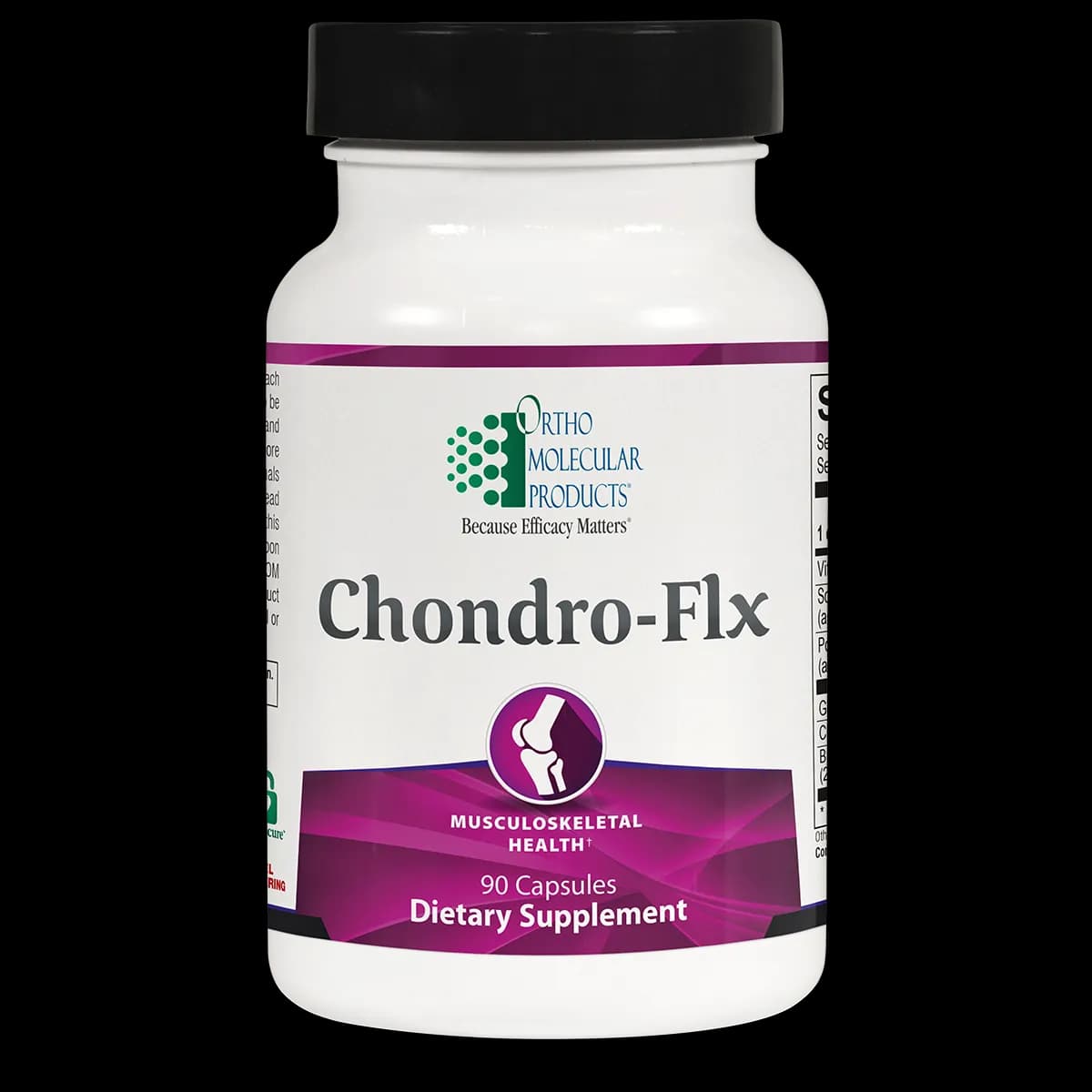
This is where targeted, high-quality nutritional support comes into play. Chondro-FLX is a comprehensive, practitioner-grade supplement designed to provide the foundational building blocks for healthy cartilage and connective tissue. By synergistically combining glucosamine sulfate, chondroitin sulfate, bromelain, and Vitamin C, this unique formulation goes far beyond basic joint lubrication. It targets systemic inflammation, enhances cellular absorption, and provides the essential biochemical cofactors required for robust collagen synthesis. In this comprehensive guide, we will explore the intricate molecular biochemistry of these key ingredients, examine how complex chronic illnesses disrupt joint health, and detail how Chondro-FLX may help you regain a measure of comfort, stability, and improved quality of life.
TL;DR
Targeted nutritional support like Chondro-FLX may help manage joint pain in complex chronic illnesses.
Glucosamine and chondroitin provide structural building blocks and support healthy inflammatory responses.
Bromelain enhances absorption, while Vitamin C is essential for collagen synthesis and tissue repair.
Consistent supplementation over 4-8 weeks is typically needed to notice musculoskeletal benefits.
What is Chondro-FLX?
The Structural Foundation: Glucosamine and Chondroitin
At its core, Chondro-FLX is built upon two of the most extensively researched compounds in the realm of joint health: glucosamine sulfate and chondroitin sulfate. Glucosamine is a naturally occurring amino sugar that serves as a fundamental biochemical precursor in the synthesis of glycosylated proteins and lipids. In the human body, it is a vital component of the cartilage matrix and synovial fluid, acting as the indispensable raw material needed to produce glycosaminoglycans (GAGs). Without adequate glucosamine, the body simply cannot manufacture the structural components required to maintain healthy, resilient joints.
Chondroitin sulfate, on the other hand, is a complex, negatively charged glycosaminoglycan composed of a long chain of alternating specialized sugars. In healthy articular cartilage, chondroitin chains are attached to core proteins to form massive, intricate structures known as proteoglycans. These proteoglycans are responsible for the compressive resistance, elasticity, and shock-absorbing capabilities of the joint. Because chondroitin is highly hydrophilic (water-loving), it draws fluid into the connective tissue, ensuring the cartilage remains hydrated, spongy, and capable of withstanding the mechanical stress of daily movement.
Together, these two compounds do much more than simply provide the physical building blocks for joint repair. Modern research indicates that glucosamine and chondroitin actively communicate with chondrocytes—the specialized cells responsible for maintaining the cartilage matrix. By signaling these cells to ramp up the production of new structural proteins, they help to tip the biological scales from cartilage degradation toward cartilage synthesis. Furthermore, the sulfate forms of these compounds (as found specifically in Chondro-FLX) are considered clinically superior, as the sulfate moiety itself plays a critical role in the cross-linking of collagen fibers, ensuring that the newly formed tissue is both resilient and structurally sound.
The Bio-Enhancer: Bromelain
While glucosamine and chondroitin are powerful structural components, they face a significant physiological hurdle: poor oral bioavailability. To overcome this, Chondro-FLX strategically incorporates bromelain, a potent complex of proteolytic (protein-digesting) enzymes extracted from the stems and fruit of the pineapple plant. In traditional medicine, bromelain has been utilized for decades to reduce swelling and inflammation. However, in the context of a joint supplement, its primary role is to act as a sophisticated bio-enhancer, dramatically improving the body's ability to absorb and utilize the accompanying large molecules.
Bromelain achieves this enhanced absorption through multiple distinct mechanisms in the gastrointestinal tract. First, it exerts a mucolytic action, breaking down the thick, viscous glycoprotein layer that coats the intestinal lining. By thinning this protective mucus layer, bromelain reduces the physical resistance encountered by large molecules, allowing them to physically reach the absorptive enterocytes more easily. Second, bromelain's protein-digesting capabilities help to cleave the bulky core proteins attached to raw chondroitin, liberating the smaller, free glycosaminoglycan chains for easier transport across the gut wall.
Beyond its role in digestion and absorption, bromelain is remarkably well-absorbed into the systemic circulation itself. Once in the bloodstream, it exerts powerful, independent anti-inflammatory effects. It actively suppresses pro-inflammatory cytokines and inhibits Matrix Metalloproteinases (MMPs)—the specific destructive enzymes that degrade cartilage in inflamed joints. Essentially, bromelain works a dual shift: it ensures the structural building blocks actually reach your joints, and it clears out the inflammatory enzymes that are actively trying to break those joints down.
The Essential Cofactor: Vitamin C
The final, crucial component of the Chondro-FLX formula is Vitamin C (ascorbic acid). While most people associate Vitamin C strictly with immune system support, it plays an absolutely indispensable, multifaceted role in the synthesis, maintenance, and protection of collagen and connective tissues. Because humans lack the specific enzyme required to synthesize Vitamin C endogenously, we must rely entirely on dietary or supplemental sources to meet our body's continuous demand for this vital nutrient.
Collagen is the most abundant structural protein in the human body, forming the scaffolding for skin, bones, cartilage, tendons, and blood vessels. Vitamin C's most famous structural role is acting as an obligate co-factor for the enzymes prolyl hydroxylase and lysyl hydroxylase. These enzymes are responsible for adding hydroxyl groups to the amino acids proline and lysine, a process that allows the loose collagen chains to form stable hydrogen bonds and cross-linkages. This creates the rigid, tightly wound triple-helix structure (tropocollagen) that gives connective tissue its immense tensile strength.
Without adequate Vitamin C, the body produces underhydroxylated collagen, which is rapidly degraded because it cannot form a stable helix. This leads to profound connective tissue weakness, fragile capillaries, and severe joint pain. Furthermore, Vitamin C acts as a potent cellular antioxidant. Connective tissues are highly susceptible to damage from oxidative stress caused by chronic inflammation. By neutralizing reactive oxygen species (ROS), Vitamin C protects the fibroblasts (the cells that manufacture collagen) from oxidative damage, ensuring a healthy cellular environment for continuous tissue remodeling and repair.
How Chronic Illness Impacts Joint Health and Connective Tissue
Systemic Inflammation and the Cytokine Storm
To understand why a joint supplement is relevant for post-viral conditions, we must first examine the profound impact of systemic inflammation. Recent clinical research demonstrates that post-viral syndromes, including Long COVID, are characterized by prolonged immune activation and neuroinflammation. Even long after the initial SARS-CoV-2 infection has been cleared from the body, the immune system remains locked in a hyper-vigilant, defensive state. This persistent activation drives the continuous release of pro-inflammatory cytokines, creating a low-grade, systemic cytokine storm that affects virtually every organ system.
This systemic inflammation does not remain confined to the bloodstream; it actively infiltrates the synovial fluid of the joints and the surrounding connective tissues. Elevated levels of cytokines such as Interleukin-1β (IL-1β), Interleukin-6 (IL-6), and Tumor Necrosis Factor-alpha (TNF-α) directly irritate the nerve endings within the musculoskeletal system. This process results in widespread nocioplastic pain—a type of pain that arises from altered nociception despite no clear evidence of actual tissue damage. For patients, this translates to the deep, aching, flu-like joint and muscle pain that is so characteristic of Long COVID and ME/CFS crashes.
Furthermore, this inflammatory cascade triggers the activation of the NLRP3 inflammasome, a multiprotein complex that drives further tissue damage and sustains the cycle of chronic pain. Studies investigating immunological dysfunction have highlighted that this excessive inflammatory cytokine release is closely linked to mast cell activation syndrome (MCAS), a condition frequently comorbid with Long COVID. When mast cells degranulate inappropriately, they release histamine and inflammatory mediators directly into the connective tissues, exacerbating joint swelling, stiffness, and systemic discomfort.
Hypermobility Spectrum Disorders and Dysautonomia
For many individuals living with dysautonomia, postural orthostatic tachycardia syndrome (POTS), and MCAS, joint pain is intimately linked to underlying, pre-existing connective tissue disorders. Hypermobility spectrum disorders (HSD) and Ehlers-Danlos Syndrome (EDS) are highly prevalent in this specific patient population. These conditions are characterized by genetic defects in the production or processing of collagen. In a healthy body, collagen acts as the biological glue that holds joints, ligaments, and blood vessels firmly together.
However, when collagen is structurally defective, the ligaments become excessively lax, failing to hold the joints tightly in their proper anatomical alignment. This profound instability leads to frequent subluxations (partial dislocations), micro-tears, and an immense mechanical burden on the surrounding musculoskeletal system. Because the joints do not track properly during daily movement, the protective articular cartilage wears down at a vastly accelerated rate. This constant mechanical stress often leads to early-onset, secondary osteoarthritis, characterized by severe joint pain and stiffness that is distinct from the primary genetic collagen defect.
While nutritional supplements cannot alter the underlying genetic code that causes defective collagen in EDS, they play a crucial, supportive role in managing this secondary wear-and-tear. By providing a continuous, high-quality supply of the raw materials needed for cartilage repair, patients can help support their overworked joint structures. Navigating this complex web of symptoms requires immense resilience, and learning How to Maintain Your Independence with Chronic Illness often involves finding targeted, physiological therapies that address these structural vulnerabilities and mitigate the daily damage caused by joint instability.
Oxidative Stress and Cartilage Degradation
The intersection of chronic illness and joint health is further complicated by the devastating effects of oxidative stress. Research into muscle dysfunction in ME/CFS reveals that these conditions are associated with severe bioenergetic abnormalities, mitochondrial perturbations, and elevated oxidative and nitrosative stress. When the mitochondria—the powerhouses of the cells—are dysfunctional, they produce an excess of reactive oxygen species (ROS). This oxidative stress creates a highly toxic environment for the delicate tissues of the joints and muscles.
In the context of joint health, excessive ROS directly upregulate the expression of Matrix Metalloproteinases (MMPs). MMPs are a family of aggressive enzymes whose primary biological function is to break down existing collagen, elastin, and cartilage matrix. While MMPs are necessary for normal tissue remodeling, the chronic oxidative stress seen in Long COVID and ME/CFS causes these enzymes to become overactive, leading to the rapid, uncontrolled degradation of healthy articular cartilage. This biochemical breakdown directly contributes to the severe joint stiffness and loss of mobility experienced by many patients.
Furthermore, this oxidative damage impairs the ability of fibroblasts and chondrocytes to synthesize new, healthy tissue to replace what has been lost. The cells become trapped in a defensive, survival mode, prioritizing the neutralization of free radicals over structural repair. This creates a vicious, self-perpetuating cycle: inflammation causes oxidative stress, oxidative stress degrades cartilage and prevents repair, and the resulting tissue damage triggers further inflammation. Breaking this cycle requires a comprehensive approach that provides both structural building blocks and potent antioxidant defense.
Chondro-FLX: Supporting Joint Health at the Cellular Level
Neutralizing the Inflammatory Cascade
When discussing joint supplements, the conversation often begins and ends with the concept of structural repair. However, for patients with complex chronic conditions, the true therapeutic value of Chondro-FLX lies in its profound ability to modulate systemic inflammation at the cellular level. Glucosamine and chondroitin are not merely passive building blocks; they are active signaling molecules that interact directly with the body's immune pathways. By addressing the biochemical root of the inflammation, these compounds offer a targeted approach to managing post-viral and hypermobility-related pain.
At the molecular level, glucosamine has been shown to inhibit the activation of nuclear factor kappa B (NF-κB), a primary transcription factor that regulates the expression of inflammatory genes. When NF-κB is suppressed, the downstream production of destructive cytokines—such as IL-6 and TNF-α—is significantly reduced. By interrupting this inflammatory cascade at its source, glucosamine helps to quiet the systemic cytokine storm that fuels post-viral joint pain. This mechanism is particularly relevant for individuals experiencing the debilitating, full-body aches that often accompany post-exertional malaise (PEM) or crashes, as it addresses the physiological driver of the discomfort.
Furthermore, glucosamine and chondroitin have demonstrated the ability to downregulate the activation of the NLRP3 inflammasome. As previously noted, this multiprotein complex is a major driver of the chronic inflammation seen in Long COVID and MCAS. By neutralizing these specific inflammatory drivers, Chondro-FLX may help support a more hospitable cellular environment where actual tissue healing and repair can finally take place. This anti-inflammatory action is complemented by bromelain, which further suppresses pro-inflammatory pathways and actively clears out the enzymatic debris that contributes to joint swelling.
The Iron-Reduction Cycle and Collagen Synthesis
The inclusion of Vitamin C in the Chondro-FLX formula is a masterstroke of biochemical engineering, specifically targeting the intricate process of collagen synthesis. As connective tissue is constantly being broken down by the mechanical stress of hypermobility or the inflammatory stress of Long COVID, it must be continuously rebuilt. This rebuilding process relies entirely on the successful formation of the collagen triple helix, a structural feat that is biochemically impossible without adequate levels of ascorbic acid present in the local tissue environment.
The mechanism hinges on the iron-reduction cycle. The enzymes prolyl hydroxylase and lysyl hydroxylase, which are responsible for stabilizing the collagen chains, require ferrous iron ($Fe^{2+}$) to function. During the hydroxylation reaction, this iron is oxidized to ferric iron ($Fe^{3+}$), rendering the enzyme inactive and halting collagen production. Vitamin C acts as a dedicated electron donor, reducing the $Fe^{3+}$ back into its active $Fe^{2+}$ state. This continuous recycling of iron allows the enzymes to function uninterrupted, ensuring a steady, high-quality output of strong, cross-linked collagen fibers.
Beyond its enzymatic role, Vitamin C actively communicates with the cellular machinery to ramp up production. It stimulates the transcription of collagen-encoding genes (specifically COL1A1 and COL1A2) and stabilizes the resulting procollagen messenger RNA (mRNA). This means that Vitamin C not only ensures the collagen being produced is structurally sound, but it also signals the fibroblasts to increase the overall volume of collagen being manufactured. For patients dealing with the connective tissue fragility of EDS or the tissue degradation of chronic inflammation, this targeted support is absolutely vital for maintaining joint integrity.
Hydration, Shock Absorption, and Tissue Remodeling
While Vitamin C and glucosamine focus on the structural protein matrix, chondroitin sulfate plays a critical role in the biomechanical function of the joint. Because chondroitin is a highly negatively charged molecule, it acts like a microscopic magnet for water molecules. Once integrated into the articular cartilage, chondroitin draws in and holds massive amounts of fluid, creating a spongy, pressurized environment within the joint capsule. This hydration is what provides the cartilage with its essential shock-absorbing properties, allowing it to compress and rebound with every step.
In patients with hypermobility, where the joints are subject to abnormal tracking and excessive mechanical impact, this shock-absorbing capacity is rapidly depleted. The cartilage loses its hydration, becomes brittle, and begins to fray, leading to bone-on-bone friction and severe pain. By supplementing with highly bioavailable chondroitin sulfate, Chondro-FLX may help support this crucial fluid balance. It is designed to help hydrate the cartilage matrix, supporting its elasticity and helping to reduce the mechanical stress placed on the underlying bone structures.
Furthermore, this hydrated environment is essential for the delivery of nutrients. Cartilage is avascular, meaning it does not have its own blood supply. It relies entirely on the diffusion of nutrients from the surrounding synovial fluid. When the cartilage is properly hydrated and pressurized by chondroitin, the cyclical compression of daily movement acts like a pump, drawing fresh nutrients into the tissue and flushing metabolic waste products out. By promoting this fluid delivery, Chondro-FLX supports the chondrocytes in receiving the nourishment they need to continue their vital remodeling work.

Symptoms Chondro-FLX May Help Manage
Targeted Musculoskeletal Support
Because Chondro-FLX addresses joint health from multiple biochemical angles—structural repair, inflammation modulation, and enzymatic support—it can be a valuable tool for managing a wide range of musculoskeletal symptoms associated with complex chronic illnesses. Here are the specific symptoms this comprehensive formula may help alleviate:
Deep, Aching Joint Pain: By downregulating the NF-κB inflammatory pathway and suppressing the NLRP3 inflammasome, glucosamine and chondroitin help quiet the systemic cytokine storm that causes widespread, nocioplastic joint pain in Long COVID and ME/CFS.
Morning Stiffness and Loss of Mobility: Chondroitin sulfate draws water into the articular cartilage, rehydrating the joint capsule and restoring the spongy, shock-absorbing properties necessary for smooth, pain-free movement upon waking.
Connective Tissue Fragility: Vitamin C acts as an obligate cofactor for prolyl hydroxylase, ensuring the proper cross-linking and stabilization of the collagen triple helix, which is vital for supporting the lax, fragile ligaments seen in hypermobility spectrum disorders (HSD) and EDS.
Post-Exertional Musculoskeletal Aches: Bromelain’s potent proteolytic action helps clear out the inflammatory enzymes (MMPs) that flood the joints during periods of post-exertional malaise (PEM), reducing the duration and severity of crash-related muscle and joint aches.
Secondary Osteoarthritis Discomfort: By providing a continuous supply of the raw glycosaminoglycan building blocks, the formula helps manage the accelerated cartilage wear-and-tear and bone-on-bone friction caused by hypermobile joint instability.
Systemic Inflammatory Burden: The combined antioxidant properties of Vitamin C and the systemic enzymatic action of bromelain help neutralize reactive oxygen species (ROS), lowering overall oxidative stress and protecting healthy cells from collateral inflammatory damage.
While Chondro-FLX is not a cure for the underlying genetic or viral drivers of these conditions, it provides the essential physiological support needed to mitigate the downstream musculoskeletal consequences, helping patients reclaim a greater degree of comfort and functional independence.
Practical Considerations: Forms, Dosing, and Absorption
Overcoming the Absorption Hurdle with Bromelain
One of the most significant historical challenges in joint supplementation is the notoriously poor oral bioavailability of chondroitin sulfate. Because chondroitin is a massive, highly charged macromolecule (often weighing between 10 and 50 kilodaltons), it struggles to pass through the intestinal mucosal barrier. Clinical pharmacokinetic studies reveal that when taken alone, only about 10 to 15 percent of intact chondroitin is successfully absorbed into the bloodstream, with the vast majority being excreted or degraded by gut bacteria. This low absorption rate is a primary reason why many standard, over-the-counter joint supplements fail to deliver meaningful clinical results for patients suffering from severe musculoskeletal pain.
To overcome this physiological hurdle, Chondro-FLX strategically incorporates bromelain, acting as a sophisticated bio-enhancer through multiple distinct mechanisms in the gastrointestinal tract. First, it exerts a mucolytic action, breaking down the thick, viscous glycoprotein layer that coats the intestinal lining, thereby reducing the physical resistance encountered by large molecules. Second, bromelain's protein-digesting capabilities help to cleave the bulky core proteins attached to raw chondroitin, liberating the smaller, free glycosaminoglycan chains.
This enzymatic pre-processing allows a significantly higher concentration of intact, therapeutically active chondroitin to cross the enterocytes and enter systemic circulation. By ensuring the structural building blocks actually reach the synovial fluid where they are needed most, the inclusion of bromelain elevates Chondro-FLX from a standard joint supplement to a highly bioavailable, clinically relevant therapeutic tool.
Optimal Timing and the Empty Stomach Rule
When utilizing a supplement that contains systemic enzymes like bromelain, the timing of your dosage is absolutely critical to its efficacy. If you take Chondro-FLX alongside a heavy meal, the bromelain will act primarily as a standard digestive enzyme, utilizing its proteolytic power to break down the proteins in your food. While this may aid in digestion, it entirely defeats the purpose of the supplement, as the bromelain will be exhausted before it can enhance chondroitin absorption or enter the bloodstream to fight joint inflammation.
To achieve the intended systemic and joint-supporting benefits, Chondro-FLX must be taken on an empty stomach. The standard recommendation is to take the capsules at least one hour before eating, or two hours after a meal. This ensures that the bromelain survives the gastric environment, facilitates the transport of the glucosamine and chondroitin across the intestinal wall, and enters the systemic circulation intact to exert its powerful anti-inflammatory and MMP-inhibiting effects within the joint capsule.
Additionally, it is important to manage expectations regarding the timeline for relief. Unlike pharmaceutical NSAIDs (such as ibuprofen) that simply block pain receptors for a few hours, Chondro-FLX is designed to support the biochemical environment of the joint and assist in tissue repair. This is a slow, methodical biological process. Clinical guidelines suggest that it typically takes 4 to 8 weeks of consistent, daily supplementation to notice a significant reduction in joint stiffness, swelling, and pain. Patience and consistency are key when utilizing structural therapeutics.
Safety Profile and Potential Interactions
Generally, the ingredients in Chondro-FLX boast an excellent safety profile and are well-tolerated, even for long-term use. They offer a compelling alternative for patients who cannot tolerate the severe gastrointestinal or cardiovascular side effects associated with chronic NSAID use. However, because these compounds actively interact with the body's physiological systems, there are a few important considerations and potential interactions to keep in mind, particularly for patients managing complex chronic illnesses with multiple medications.
The most notable interaction involves bromelain and blood-thinning medications. Because bromelain acts on the fibrin pathway to thin the blood and dissolve clots, it can potentiate the effects of anticoagulant medications (such as warfarin or Plavix), increasing the risk of bruising or bleeding. Additionally, bromelain can increase the absorption of concurrently taken medications, including certain antibiotics (like amoxicillin) and ACE inhibitors, potentially amplifying their effects.
Furthermore, because glucosamine is an amino sugar, early theoretical concerns suggested it might affect glucose metabolism or insulin sensitivity. While large-scale clinical trials have largely debunked this concern for the general population, individuals with severe, poorly controlled diabetes should monitor their blood sugar levels closely when starting a glucosamine regimen. As always, it is imperative to consult with your primary care physician or a knowledgeable functional medicine practitioner before introducing any new supplement into your complex care plan.

Follow the Science
Clinical Trials on Joint Pain and Osteoarthritis
The efficacy of glucosamine and chondroitin has been the subject of extensive scientific scrutiny for decades. The landmark Glucosamine/Chondroitin Arthritis Intervention Trial (GAIT), sponsored by the National Institutes of Health, is often cited as the definitive study on these compounds. While the trial found that the combination did not provide statistically significant relief for patients with mild pain compared to a placebo, the results were markedly different for a specific subgroup. In patients suffering from moderate-to-severe joint pain, 79% of those taking the glucosamine and chondroitin combination reported at least a 20% reduction in pain, a result that was clinically significant and comparable to prescription pain management.
Further supporting these findings, a multicenter clinical trial published in the Annals of the Rheumatic Diseases (the MOVES trial) evaluated the 1500 mg/1200 mg combination of glucosamine and chondroitin against the prescription NSAID Celebrex. The study concluded that the supplement combination was non-inferior to the pharmaceutical intervention in reducing pain and improving function for severe joint degeneration, but with a vastly superior safety profile regarding gastrointestinal and cardiovascular risks. For patients with chronic illness who cannot tolerate harsh pharmaceuticals, this robust clinical data provides immense validation for the use of structural supplements.
Emerging Data on Viral Inflammation and Immunity
Beyond traditional osteoarthritis, modern research is increasingly uncovering the profound systemic benefits of these compounds in the context of viral recovery and immune regulation. Recent psychoneuroendocrinological models have mapped the intricate pathways linking HPA-axis dysregulation, mood, and immune activation in chronic fatigue syndrome, highlighting the devastating role of circulating pro-inflammatory cytokines like IL-6 and TNF-α in driving systemic symptoms. Glucosamine has been shown in multiple studies to directly suppress these exact inflammatory biomarkers, offering a targeted intervention against the cytokine storms that perpetuate post-viral illness.
Moreover, pharmacological research hypothesized by McCarty et al. notes that high-dose glucosamine may amplify the Type 1 interferon response to RNA viruses like SARS-CoV-2. By supporting mitochondrial antiviral-signaling proteins (MAVS), glucosamine may help the body suppress viral replication and tame the subsequent inflammatory phase. While large-scale randomized controlled trials explicitly testing glucosamine for Long COVID are still in their infancy, the established mechanistic data regarding its ability to inhibit the NLRP3 inflammasome and lower systemic CRP levels makes it a highly rational, science-backed adjuvant therapy for post-viral musculoskeletal pain.
Vitamin C and Connective Tissue Repair
The scientific consensus regarding Vitamin C's role in connective tissue synthesis is absolute and unequivocal. A landmark in vitro study by Murad et al. demonstrated that prolonged exposure of cultured human skin fibroblasts to ascorbate induced an astonishing 8-fold increase in the synthesis of collagen, without increasing the synthesis of non-collagen proteins. This proves that Vitamin C does not merely support general cellular health; it acts as a highly specific, targeted trigger for the massive upregulation of structural connective tissue production.
Furthermore, a comprehensive systematic review of basic science and preclinical studies evaluated the efficacy of Vitamin C supplementation on collagen synthesis and oxidative stress after musculoskeletal injuries. The review found overwhelming evidence that oral Vitamin C accelerates bone healing, increases Type I collagen synthesis, and vastly reduces oxidative stress parameters in healing ligaments and tendons. For patients with hypermobility or EDS, where the ligaments are under constant strain and micro-injury, maintaining optimal, continuous levels of Vitamin C is not just beneficial—it is biologically mandatory for ongoing tissue repair and stabilization.
The Path Forward
Integrating Supplements into Your Care Plan
Managing the profound joint pain and connective tissue vulnerabilities associated with Long COVID, ME/CFS, dysautonomia, and hypermobility is an incredibly complex, ongoing journey. There is no single miracle pill that will instantly repair genetic collagen defects or immediately silence a post-viral cytokine storm. However, by strategically supplying your body with the precise biochemical tools it needs—like the highly bioavailable glucosamine, chondroitin, bromelain, and Vitamin C found in Chondro-FLX—you can actively support your cellular machinery, reduce systemic inflammation, and create an internal environment that fosters healing rather than degradation.
Supplements are most effective when integrated into a comprehensive, multidisciplinary management strategy. This includes careful symptom tracking, aggressive pacing to avoid post-exertional crashes, specialized physical therapy to safely stabilize hypermobile joints, and prioritizing restorative rest. During particularly stressful periods, implementing strategies like those detailed in our guide on 5 Tips for Surviving the Holidays with a Chronic Illness can help you manage your energy envelope, while targeted nutritional support works quietly in the background to fortify your physical structure.
Validating Your Experience
If you are struggling with debilitating joint pain that seems invisible to standard imaging or is dismissed by conventional practitioners, please know that your pain is real, valid, and biologically grounded. The systemic inflammation, oxidative stress, and connective tissue degradation driving your symptoms are documented physiological processes, not psychological manifestations. You deserve comprehensive care that addresses these root causes with compassion and scientific rigor.
Always consult with your healthcare provider or a specialist familiar with complex chronic conditions before starting any new supplement regimen, especially to ensure it aligns safely with your current medications and unique health profile. By taking a proactive, scientifically informed approach to your joint health, you can take meaningful steps toward reducing your daily pain burden and reclaiming your quality of life.
Sources
References
Post-Viral Pain, Fatigue, and Sleep Disturbance Syndromes: Current Knowledge and Future Directions
Immunological dysfunction and mast cell activation syndrome in long COVID
Understanding Muscle Dysfunction in Chronic Fatigue Syndrome
Regulation of collagen synthesis by ascorbic acid (Murad et al.)
Glucosamine and Chondroitin for Osteoarthritis Pain (The GAIT Trial)
Role of Gut Microbiota in Long COVID: Impact on Immune Function and Organ System Health