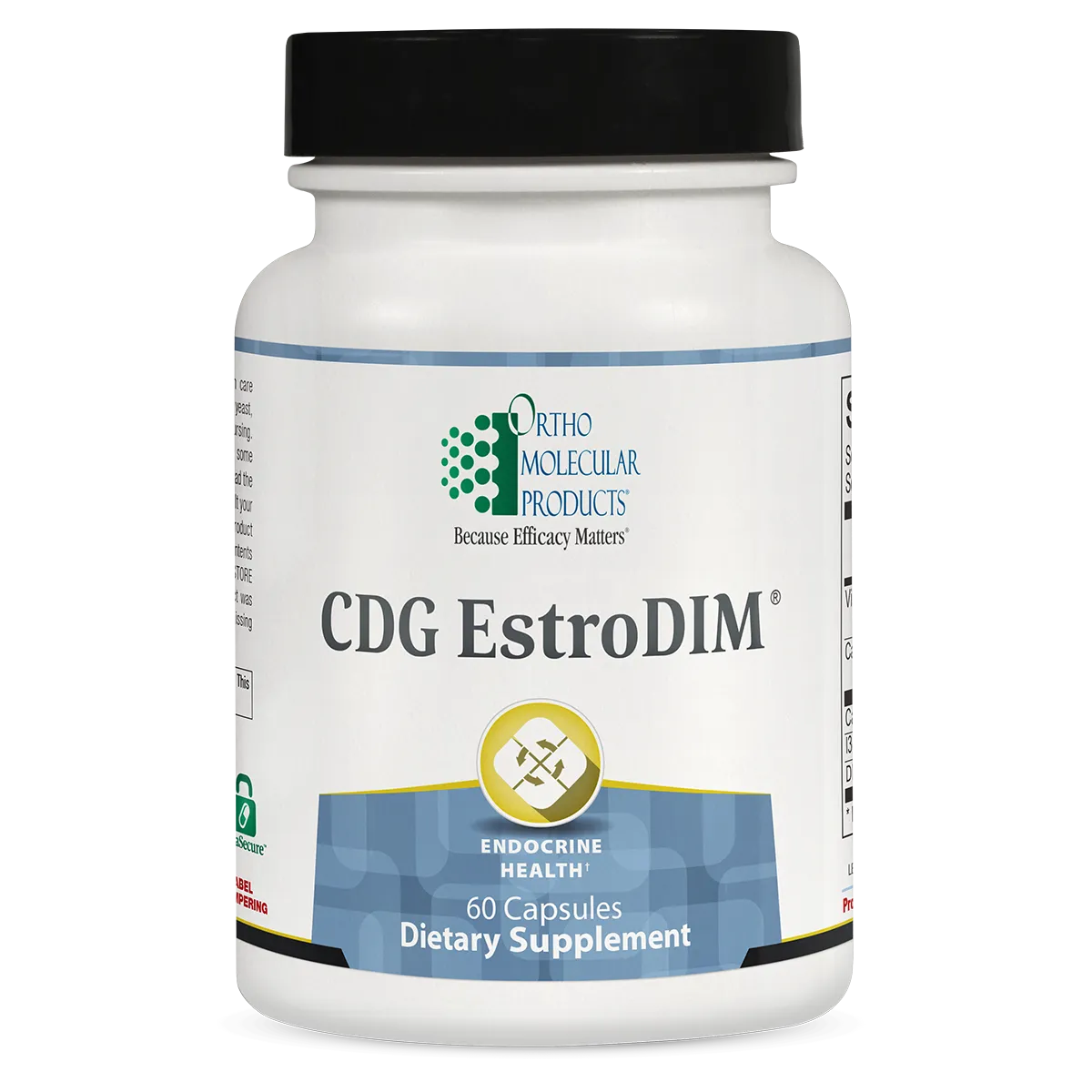
Can CDG EstroDIM® Support Hormone Balance and Mast Cell Stability in Long COVID and ME/CFS?
March 6, 2026
CDG EstroDIMEstrogen DominanceLong COVID
Share:
Disclaimer: The information provided here is for educational purposes only and is not intended as medical advice. It should not be used to diagnose, treat, cure, or prevent any medical condition. Instead, use it as a starting point for discussion with your healthcare provider. Always consult with a qualified healthcare provider before starting any new medication, supplement, device, or making changes to your health regimen.
For many individuals living with complex chronic conditions like Long COVID, myalgic encephalomyelitis/chronic fatigue syndrome (ME/CFS), and mast cell activation syndrome (MCAS), symptom flares often follow a frustratingly predictable pattern. You might notice that your brain fog thickens, your heart races with postural orthostatic tachycardia syndrome (POTS), and your profound fatigue worsens right around ovulation or just before your menstrual cycle begins. This is not a coincidence, nor is it in your head. It is a direct reflection of the powerful, bidirectional relationship between your hormones and your immune system. When estrogen levels fluctuate or become dominant, they can trigger a cascade of systemic inflammation, leaving you trapped in a vicious cycle of immune reactivity and post-exertional malaise (PEM).
Understanding this hormonal-immune axis is critical for managing post-viral illnesses. When the body's natural detoxification pathways become overwhelmed by viral debris, chronic stress, and systemic inflammation, it struggles to clear out excess hormones. This leads to a state of estrogen dominance, which acts like gasoline on the fire of an already hyperactive immune system. CDG EstroDIM® is a targeted nutritional supplement designed to address this exact mechanism. By combining the synergistic benefits of cruciferous vegetable metabolites—indole-3-carbinol (I3C) and diindolylmethane (DIM)—with the liver-supporting power of calcium D-glucarate, this formulation aims to support proper estrogen metabolism, enhance cellular detoxification, and promote a more balanced immune response.
TL;DR
Estrogen dominance can worsen inflammation and mast cell activation in Long COVID and ME/CFS.
CDG EstroDIM® combines DIM and Calcium D-Glucarate to support healthy estrogen metabolism and liver detoxification.
DIM promotes protective estrogen pathways, while CDG helps ensure toxins are safely excreted from the gut.
Always consult your healthcare provider before starting new supplements, especially if taking prescription medications.
What is CDG EstroDIM®?
The Power of Cruciferous Metabolites (I3C and DIM)
To understand how CDG EstroDIM® functions, we must first look at its foundational ingredients: Indole-3-Carbinol (I3C) and its primary active metabolite, 3,3'-Diindolylmethane (DIM). These bioactive phytochemicals are naturally found in high concentrations within cruciferous vegetables such as broccoli, Brussels sprouts, cabbage, and cauliflower. In a healthy body, these compounds play a critical role in modulating hormonal balance and protecting cells from oxidative damage. When you consume I3C, the highly acidic environment of your stomach catalyzes a chemical reaction, causing the I3C molecules to condense into several biologically active oligomers. The most prominent, stable, and extensively researched of these oligomers is DIM.
At the molecular level, DIM acts as a powerful signaling molecule. Research indicates that it binds to the Aryl hydrocarbon receptor (AhR), a specialized protein located in the cytoplasm of your cells that acts as an environmental sensor. When DIM activates the AhR, it translocates into the cell nucleus and modulates the expression of Cytochrome P450 (CYP) phase I biotransformation enzymes in the liver. These enzymes are the body's primary mechanism for breaking down steroid hormones, medications, and environmental toxins. By interacting with these specific genetic pathways, DIM effectively dictates how your body processes and eliminates estrogen, steering it away from harmful, inflammatory pathways and toward safer, protective metabolic routes.
Calcium D-Glucarate and Liver Detoxification
The second critical component of CDG EstroDIM® is Calcium D-Glucarate (CDG). CDG is the calcium salt of D-glucaric acid, a natural substance produced in small amounts by humans and found in various fruits like apples and grapefruits. In functional and integrative medicine, CDG is widely utilized for its powerful ability to support Phase II liver detoxification. While Phase I detoxification (supported by DIM) involves modifying a toxin or hormone to make it easier to handle, Phase II involves attaching a molecule to it so it can be safely excreted from the body.
Specifically, CDG supports a Phase II pathway called glucuronidation. In the liver, an enzyme attaches a molecule of glucuronic acid to toxins, carcinogens, and steroid hormones like estrogen. This conjugation process makes these harmful, lipid-soluble substances water-soluble, allowing them to be excreted into the intestines via bile, and eventually eliminated in the stool. However, once these bound toxins reach the gut, they often encounter an enzyme called beta-glucuronidase, which is naturally produced by certain gut bacteria. This enzyme acts like a pair of biochemical scissors, cutting the bond between the hormone and the glucuronic acid. When taken orally, CDG metabolizes into a potent compound called D-glucaro-1,4-lactone, which directly and strongly inhibits beta-glucuronidase, ensuring that toxins remain bound and are permanently excreted.
The Synergistic Approach to Hormone Balance
The formulation of CDG EstroDIM® is intentionally designed to harness the synergy between these two distinct biochemical mechanisms. Formulating I3C and DIM together with CDG creates a comprehensive, two-step approach to hormone metabolism. It is not enough to simply break down estrogen; the body must also be able to successfully escort it out of the system. If Phase I detoxification is working well but Phase II is sluggish, you can end up with a buildup of highly reactive intermediate metabolites that cause even more cellular damage and inflammation.
By combining these ingredients, CDG EstroDIM® ensures that both phases of the liver's detoxification machinery are supported. DIM works on the front end (Phase I) to convert estrogen into safer, weaker metabolites, while CDG works on the back end (Phase II and the gut) to ensure those metabolites are permanently eliminated rather than reabsorbed. This synergistic action is why practitioners frequently recommend this combination to support hormonal balance in both women and men, particularly for those seeking to promote breast and prostate health, and to mitigate the systemic inflammation associated with chronic post-viral conditions.
How Estrogen Dominance Impacts Long COVID and ME/CFS
The Vicious Cycle of Estrogen and Histamine
To understand why hormone balance is so critical in conditions like Long COVID and ME/CFS, we must examine the biological "vicious cycle" that exists between estrogen and histamine. Mast cells, the immune cells responsible for releasing histamine and other inflammatory mediators, are heavily concentrated at tissue-environment interfaces like the gut, lungs, and blood vessels. Crucially, mast cells possess estrogen receptors. When estrogen levels are high—especially when not adequately counterbalanced by progesterone, a state known as Estrogen Dominance—estrogen directly stimulates mast cells to degranulate. This releases a flood of histamine into the bloodstream, triggering systemic inflammation.
The cycle does not stop there. Estrogen also downregulates the production of Diamine Oxidase (DAO), the primary enzyme in the gut responsible for breaking down dietary histamine. With less DAO available, histamine levels rise even further. In a reciprocal effect, elevated circulating histamine stimulates the ovaries to produce even more estrogen. This creates a self-perpetuating feedback loop: more estrogen leads to more histamine, which leads to less DAO enzyme, which leads back to more estrogen. For patients with chronic illness, this loop manifests as severe symptom flares, migraines, and debilitating fatigue that predictably worsen during specific phases of the menstrual cycle. You can learn more about managing these specific hormonal flares in our guide, Can ProSoothe II Help Manage Menstrual Flare-Ups in Long COVID and ME/CFS?.
Mast Cell Activation Syndrome (MCAS) as the Engine
This estrogen-histamine loop is particularly devastating for individuals suffering from Mast Cell Activation Syndrome (MCAS). In a healthy immune system, mast cells release histamine only when necessary, such as when fighting an acute infection or healing a wound. However, in MCAS, these cells become hypersensitive and inappropriately release massive amounts of inflammatory mediators in response to minor triggers, stress, or normal hormonal shifts. Recent clinical literature increasingly points to MCAS as a primary engine driving the systemic, multi-organ symptoms of Long COVID and ME/CFS.
When a patient with underlying or virus-induced MCAS experiences estrogen dominance, their mast cells are constantly bathed in a hormone that signals them to attack. This chronic degranulation leads to a wide array of debilitating symptoms, including deep fatigue, brain fog, hives, rapid heart rate (often co-occurring with dysautonomia), and severe digestive upset. Because the liver is overwhelmed by the constant demand to process both the inflammatory cytokines and the excess estrogen, the body's natural detoxification pathways become backlogged, further exacerbating the syndrome.
Viral Triggers and Chronic Neuroinflammation
SARS-CoV-2 acts as a massive catalyst that can push a stressed immune system into full-blown MCAS and hormonal dysregulation. The virus utilizes ACE2 receptors to enter cells, causing widespread endothelial damage and triggering a hyperinflammatory state. Studies indicate that the persistent inflammatory state caused by the virus, combined with potential viral persistence or circulating immune debris, keeps mast cells in a state of chronic activation long after the acute infection has passed. This persistent activation is a hallmark of Long COVID.
Furthermore, this chronic mast cell activation drives severe neuroinflammation. Inflammatory mediators cross the blood-brain barrier, activating microglia (the brain's resident immune cells) and disrupting neural communication. This is the physiological root of the profound brain fog, cognitive dysfunction, and sensory overload experienced by so many patients. When estrogen dominance is added to this post-viral landscape, it amplifies the neuroinflammatory signaling, making it nearly impossible for the nervous system to find a state of rest and repair. Addressing the hormonal component is therefore a vital step in calming the central nervous system.
CDG EstroDIM®: Supporting Estrogen Metabolism and Immune Function
Shifting Estrogen Pathways with DIM and I3C
CDG EstroDIM® supports the body in breaking the vicious cycle of estrogen dominance and mast cell activation through highly specific biochemical interventions. The first mechanism involves shifting how the liver metabolizes circulating estrogens. Estrogen is normally broken down into various metabolites via the Cytochrome P450 enzymes. Without intervention, a stressed or inflamed liver often pushes estrogen down a pathway that creates 16-alpha-hydroxyestrone (16α-OHE1). This specific metabolite is highly potent, inflammatory, and associated with cellular proliferation and an increased risk of hormone-sensitive conditions.
Clinical research demonstrates that DIM actively shifts this metabolic pathway. By binding to the Aryl hydrocarbon receptor (AhR), DIM downregulates the enzymes responsible for creating 16α-OHE1 and upregulates the CYP1A1 enzyme, which converts estrogen into 2-hydroxyestrone (2-OHE1). This 2-OHE1 metabolite is significantly weaker, less inflammatory, and highly protective. In clinical trials involving postmenopausal women, DIM supplementation was shown to create a statistically significant 47% increase in the protective 2-OHE1/16α-OHE1 ratio. By altering this ratio, DIM effectively lowers the overall inflammatory burden that estrogen places on the immune system and mast cells.
Blocking Beta-Glucuronidase with Calcium D-Glucarate
While DIM optimizes Phase I detoxification, the Calcium D-Glucarate (CDG) in CDG EstroDIM® secures Phase II detoxification and gut clearance. As previously mentioned, the liver conjugates estrogen with glucuronic acid to prepare it for excretion. However, in patients with Long COVID, ME/CFS, and MCAS, gut dysbiosis is incredibly common. Research on the microbiome-gut-brain axis shows that these patients often have an overgrowth of pathogenic bacteria that produce high levels of the beta-glucuronidase enzyme.
When beta-glucuronidase breaks the bond between estrogen and glucuronic acid in the intestines, the active estrogen is reabsorbed into the bloodstream—a process known as enterohepatic recirculation. This forces the liver to process the exact same hormone multiple times, draining cellular energy (ATP) and depleting vital antioxidants like glutathione. Preclinical studies show that the active metabolite of CDG, D-glucaro-1,4-lactone, strongly inhibits beta-glucuronidase. By neutralizing this enzyme, CDG ensures that the conjugated hormones remain securely bound and are permanently excreted, effectively lowering the total circulating estrogen burden and relieving the overworked liver.
Modulating the Immune System and NK Cells
Beyond hormone metabolism, the ingredients in CDG EstroDIM® exert direct effects on cellular pathways, which is of paramount importance for ME/CFS and Long COVID patients. DIM does not merely suppress or stimulate the immune system; it acts as a sophisticated modulator. Studies published by the National Institutes of Health have explored DIM's potential to support cellular health in conditions like prostate cancer. In these models, research suggests it achieves anti-inflammatory effects by inhibiting the Nuclear Factor-kappa B (NF-κB) signaling pathway, effectively halting the production of pro-inflammatory cytokines.
Furthermore, DIM has a profound impact on Natural Killer (NK) cells. A hallmark biomarker of ME/CFS is a significantly altered NK cell profile, featuring depleted cytokine-producing populations and dysfunctional cytotoxic cells. Research shows that DIM supplementation directly stimulates NK cell activity and restores the production of vital immune-regulating cytokines like Interferon-gamma (IFN-y). Additionally, by activating the AhR, DIM promotes the function of Regulatory T-cells (Tregs) while decreasing inflammatory Th17 cells. This delicate balancing act helps prevent the systemic autoimmune responses and organ inflammation that characterize complex post-viral syndromes.

Symptoms CDG EstroDIM® May Help Manage
Menstrual Symptom Flare-Ups: By shifting estrogen metabolism toward the protective 2-OHE1 pathway and ensuring its excretion via CDG, this supplement helps mitigate the severe crashes, increased POTS symptoms, and profound fatigue that many women experience during ovulation and the premenstrual phase.
Histamine Intolerance and Allergic Reactivity: By reducing the overall burden of circulating estrogen (estrogen dominance), CDG EstroDIM® removes a major trigger for mast cell degranulation, helping to stabilize the immune system and reduce mysterious allergic reactions, hives, and systemic histamine overload.
Brain Fog and Neuroinflammation: DIM's ability to inhibit the NF-κB inflammatory pathway and activate the Nrf2 antioxidant pathway helps protect the brain from oxidative stress. Lowering systemic inflammation directly supports cognitive clarity and reduces the neurotoxic effects of chronic microglial activation.
Severe Fatigue and Immune Exhaustion: By preventing the enterohepatic recirculation of toxins and hormones, CDG saves the liver from having to process the same molecules repeatedly. This conserves vital cellular energy (ATP) and preserves glutathione levels, combating the deep, cellular exhaustion characteristic of ME/CFS.
Prostate and Urinary Symptoms in Men: Estrogen balance is not just a women's health issue. In men, altered estrogen-to-testosterone ratios can drive prostate inflammation and urinary dysfunction. DIM acts as a supportive agent for prostate tissue health by promoting favorable hormone metabolites. (For more on men's health, see Can Prostate Supreme™ Support Men's Health and Urinary Function in Long COVID?).
Practical Considerations: Forms, Dosing, and Absorption
Understanding Bioavailability and Absorption
When considering supplementation with I3C, DIM, and CDG, understanding bioavailability is crucial. Pharmacokinetic studies have shown that pure I3C is highly unstable in the acidic environment of the stomach. Upon ingestion, it rapidly converts into multiple metabolites, with DIM being the most stable and active. However, pure, crystalline DIM is highly lipophilic (fat-soluble) and has notoriously poor oral bioavailability on its own. It is difficult for the digestive tract to absorb it efficiently into the bloodstream.
To overcome this, high-quality supplements like CDG EstroDIM® are formulated to ensure optimal delivery. The inclusion of Vitamin E (as d-Alpha Tocopherol Succinate) in this specific formulation is not accidental; as a fat-soluble antioxidant, Vitamin E can help enhance the absorption and stability of the lipophilic indoles. Meanwhile, Calcium D-Glucarate is highly bioavailable. Upon exposure to stomach acid, it readily metabolizes into its active form, D-glucaro-1,4-lactone, which is then absorbed and distributed to the liver and intestines to perform its enzyme-inhibiting functions. To maximize absorption, it is generally recommended to take this supplement with a meal that contains healthy fats.
Dosage Recommendations and Timing
The suggested use for CDG EstroDIM® is 2 capsules per day, or as recommended by your health care professional. This daily serving provides a potent, synergistic dose: 1 gram of Calcium D-Glucarate (yielding 120 mg of elemental calcium) and 300 mg of a proprietary Dietary Indole blend (containing 200 mg of I3C input and 100 mg of DIM input). This dosing aligns perfectly with the therapeutic ranges utilized in clinical research, where DIM is typically dosed between 100 mg to 300 mg per day, and CDG is utilized in multi-gram quantities for intensive detoxification support.
Because these compounds actively modulate liver enzymes and support detoxification, timing can be important. Many patients prefer to take their dose in the morning or early afternoon with food, as the upregulation of cellular detoxification pathways can sometimes be mildly stimulating or cause temporary shifts in energy as the body processes accumulated metabolites. Consistency is key; because DIM and CDG work by continually modulating enzyme expression and inhibiting gut bacteria enzymes, they must be taken regularly to maintain their protective effects on hormone metabolism.
Potential Interactions and Safety Profile
While CDG EstroDIM® is generally very well tolerated, its powerful effects on liver pathways mean that it must be used thoughtfully, especially by patients with complex chronic illnesses who are often managing polypharmacy. Because DIM potently induces Cytochrome P450 1A2 (CYP1A2)—a key liver enzyme—it can accelerate the breakdown of certain prescription medications, potentially reducing their clinical efficacy. This is particularly relevant for individuals taking specific antidepressants, antipsychotics, or muscle relaxants metabolized by this pathway.
Additionally, women utilizing Menopausal Hormone Therapy (MHT) or bioidentical hormone replacement should consult their provider, as DIM can alter the circulating levels of these administered hormones. For patients with Long COVID and ME/CFS, it is also important to start slowly. Upregulating Phase I and Phase II detoxification can sometimes lead to a temporary "Herxheimer" or die-off reaction, where symptoms briefly worsen as stored toxins are mobilized and cleared. Always work closely with a dysautonomia-literate or functional medicine practitioner to ensure this supplement fits safely into your broader treatment protocol. For more on managing hormonal transitions safely, consider reading Can FemGuard-HF™ Ease Hot Flashes and Autonomic Dysfunction in Long COVID?.

Follow the Science
Clinical Evidence for DIM and I3C
The scientific literature surrounding Indole-3-Carbinol and Diindolylmethane is robust, particularly in the fields of oncology and women's health. A pivotal pilot clinical trial evaluated postmenopausal women with a history of early-stage breast cancer. Subjects were given 108 mg of highly absorbable DIM daily for 30 days. The study observed a statistically significant increase in 2-OHE1 levels and a notable 47% increase in the protective 2-OHE1/16α-OHE1 ratio without significant side effects. This confirmed DIM's profound ability to favorably alter estrogen metabolism in a human clinical setting.
Further research has explored DIM's impact on cellular health and disease prevention. A review published in the National Institutes of Health repository highlighted research suggesting DIM may support cellular health and have protective effects in models of prostate cancer. These findings provide a strong mechanistic basis for understanding how DIM interacts with cellular pathways and modulates inflammation, which is relevant for patients managing complex chronic conditions.
Research on Calcium D-Glucarate
Calcium D-Glucarate has been extensively studied for its chemopreventive properties and its ability to enhance the elimination of carcinogens and hormones. Preclinical studies published in Alternative Medicine Review demonstrated that oral administration of large doses of Calcium D-Glucarate lowered serum estrogen levels in rats by up to 23%. Furthermore, in models of mammary tumor induction, CDG supplementation was shown to inhibit tumor development by over 70%, directly correlating with its ability to suppress the beta-glucuronidase enzyme.
Human clinical data, while still evolving, supports the safety and biochemical efficacy of CDG. Phase I dose-ranging clinical studies involving healthy individuals taking up to 9.0 grams per day of CDG for six weeks confirmed consistent reductions in blood beta-glucuronidase levels with excellent safety profiles and no reported toxicity. This confirms that oral CDG successfully survives digestion, converts to its active lactone form, and actively performs its enzyme-inhibiting duties in the human body.
The Emerging Link to Post-Viral Syndromes
The connection between hormone metabolism, mast cell activation, and post-viral illness is an rapidly expanding area of research. Seminal research published in 2020 proposed that the hyperinflammation seen in acute COVID-19 and the lingering illness of Long COVID are deeply rooted in Mast Cell Activation Syndrome (MCAS). Subsequent 2024 studies in cellular microbiology demonstrated that SARS-CoV-2-triggered mast cell activation directly drives neuroinflammation, damaging the blood-brain barrier and activating microglia. Because estrogen is a known, potent trigger for mast cell degranulation, managing estrogen dominance through targeted compounds like DIM and CDG is increasingly viewed as a vital therapeutic target for breaking the post-viral inflammatory cycle.
The Path Forward
Breaking the Cycle of Inflammation
Living with Long COVID, ME/CFS, or dysautonomia often feels like being trapped in a body that is constantly overreacting to its environment. When your symptoms flare predictably with your hormonal cycles, it can be incredibly disheartening, making you feel as though your own biology is working against you. It is vital to remember that these hormonal flares are not a personal failure; they are the result of a complex, virus-induced disruption of your immune and detoxification systems. Validating this physiological reality is the first step toward reclaiming your quality of life.
Supplements like CDG EstroDIM® offer a scientifically grounded way to intervene in this specific biochemical loop. By supporting the liver's ability to safely metabolize and excrete excess estrogen, you can remove a major inflammatory trigger that keeps your mast cells in a state of chronic alarm. While no single supplement is a cure for complex post-viral illnesses, targeted nutritional support can significantly lower your overall inflammatory burden, creating the physiological safety your nervous system needs to begin the hard work of cellular repair.
A Comprehensive Approach to Healing
Managing complex chronic illness requires a multifaceted approach. CDG EstroDIM® is most effective when utilized as part of a comprehensive management strategy that includes aggressive pacing, nervous system regulation, a low-histamine diet (if MCAS is present), and careful symptom tracking. By tracking your symptoms alongside your menstrual cycle, you and your healthcare provider can better understand your unique hormonal triggers and adjust your protocol accordingly. To explore how other targeted therapies can support your hormonal health, consider reading Can LibidoStim-F™ Support Female Sexual Health and Hormone Balance in Long COVID and ME/CFS?.
If you are ready to support your estrogen metabolism, liver detoxification, and immune balance, Explore CDG EstroDIM®. Always consult with your healthcare provider before beginning any new supplement regimen, especially if you are taking prescription medications or hormone replacement therapy, to ensure it is safe and appropriate for your specific medical needs.
Sources
Linus Pauling Institute, Oregon State University. "Indole-3-Carbinol."
DUTCH Test / Precision Analytical. "The impact of 3,3'-diindolylmethane on estradiol metabolism."
Alternative Medicine Review. "Calcium-D-Glucarate Monograph."
Mast Cell Action. "Mast cell activation syndrome and the link with long COVID."
Asia Pacific Allergy. "Immunological dysfunction and mast cell activation syndrome in long COVID."
Journal of Infection and Public Health. "Mast cell activation symptoms are prevalent in Long-COVID."