Can Cardio MET Pack Support Endothelial Health and Metabolism in Long COVID and ME/CFS?
March 6, 2026
Cardio MET PackLong COVIDME/CFS
Share:
Disclaimer: The information provided here is for educational purposes only and is not intended as medical advice. It should not be used to diagnose, treat, cure, or prevent any medical condition. Instead, use it as a starting point for discussion with your healthcare provider. Always consult with a qualified healthcare provider before starting any new medication, supplement, device, or making changes to your health regimen.
Months or even years after a mild acute infection, many individuals find themselves battling a complex web of debilitating symptoms. From the crushing exhaustion of post-exertional malaise (PEM) to the erratic heart rates of dysautonomia and the sudden onset of blood sugar dysregulation, living with complex chronic illnesses like Long COVID and Myalgic Encephalomyelitis/Chronic Fatigue Syndrome (ME/CFS) can feel like navigating a maze without a map. Often, patients are told their lab results are "normal," yet their lived reality is anything but.
In recent years, researchers and clinicians have begun to uncover a crucial piece of this puzzle: the profound intersection of cardiovascular and metabolic health. We now understand that post-viral syndromes are not just prolonged fatigue; they are deeply rooted in endothelial dysfunction, mitochondrial energy failure, and systemic metabolic inflammation. Addressing these interconnected systems requires a multi-targeted approach. This is where comprehensive nutraceutical protocols come into play. In this article, we will explore the science behind the Cardio MET Pack, a foundational supplement protocol designed to support vascular tone, metabolic function, and cellular energy production for those navigating the complexities of chronic illness.
TL;DR
The Cardio MET Pack combines 5 nutrients to support vascular and metabolic health in chronic illness.
Ingredients like Berberine and Bergamot may help manage blood sugar and lipid dysregulation.
Omega-3s and Alpha Lipoic Acid support mitochondrial energy and help combat oxidative stress.
Always consult a healthcare provider before starting, especially if taking prescription medications.
What is the Cardio MET Pack?
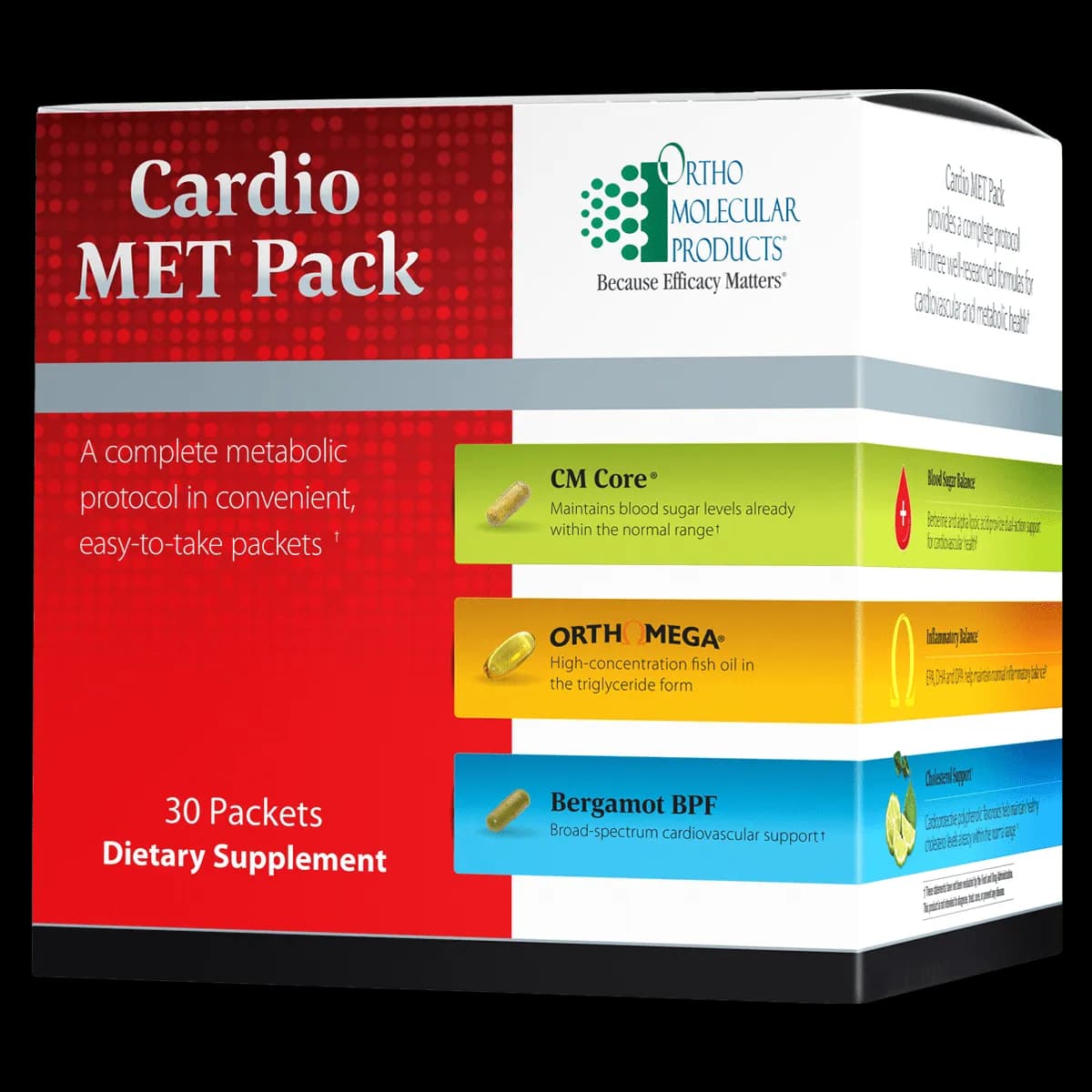
The Cardio MET Pack is a comprehensive, multi-nutrient protocol formulated to address the intricate relationship between the cardiovascular system and cellular metabolism. In a healthy body, these two systems operate in perfect synergy. The cardiovascular system, lined by a delicate single-cell layer called the endothelium, is responsible for delivering oxygen, glucose, and vital nutrients to every tissue. Meanwhile, cellular metabolism—driven by the mitochondria—takes those nutrients and converts them into adenosine triphosphate (ATP), the energy currency required for life. When one system falters, the other is inevitably compromised, creating a cascade of physiological dysfunction.
Rather than relying on a single isolated nutrient, the Cardio MET Pack combines five highly researched compounds into a convenient daily packet. This synergistic approach recognizes that complex metabolic and vascular challenges require multi-pathway interventions. By targeting lipid metabolism, insulin sensitivity, endothelial nitric oxide production, and mitochondrial energy synthesis simultaneously, this protocol aims to restore the foundational biochemical pathways that keep our cells resilient and energized.
The first major pillar of this protocol is Berberine Hydrochloride Hydrate (1 gram per packet). Berberine is a naturally occurring isoquinoline alkaloid extracted from plants such as Coptis chinensis and Berberis vulgaris. In traditional medicine, it has been used for centuries, but modern pharmacology has identified its primary molecular target: AMP-activated protein kinase (AMPK). Often referred to as the body's "master metabolic switch," AMPK is an enzyme that regulates cellular energy homeostasis. When activated by berberine, AMPK stimulates glucose uptake, enhances insulin sensitivity, and promotes the breakdown of fatty acids, making it a cornerstone for metabolic health.
Working alongside berberine is Bergamot Orange Extract (500 mg), specifically standardized to a 38% Bergamot Polyphenolic Fraction (BPF). Sourced from the Citrus bergamia fruit native to Southern Italy, this extract contains a unique profile of flavonoids, including neohesperidin, naringin, and two distinct statin-like compounds known as melitidin and brutieridin. These polyphenols play a critical role in lipid metabolism. They naturally inhibit HMG-CoA reductase, the rate-limiting enzyme in cholesterol synthesis, while simultaneously downregulating PCSK9, a protein that normally degrades LDL receptors. This dual action enhances the liver's ability to clear atherogenic cholesterol particles from the bloodstream, profoundly supporting cardiovascular health.
The third component is a highly concentrated dose of Omega-3 Fatty Acids (1.9 grams total, yielding 860 mg EPA, 780 mg DHA, and 100 mg DPA). Sourced in their highly bioavailable triglyceride form, these long-chain polyunsaturated fatty acids are essential structural components of every cell membrane in the body. Beyond their structural role, EPA and DHA are the direct biochemical precursors to Specialized Pro-resolving Mediators (SPMs)—powerful signaling molecules that actively orchestrate the resolution of systemic inflammation and repair damaged vascular tissues.
Finally, the pack includes Alpha Lipoic Acid (ALA) (200 mg) and Vitamin C (10 mg as Ascorbyl Palmitate). ALA is a unique, broad-spectrum antioxidant that is both fat- and water-soluble, allowing it to penetrate deep into the mitochondria and cross the blood-brain barrier. It serves as an indispensable co-factor for the Pyruvate Dehydrogenase Complex, the enzymatic gateway that allows carbohydrates to be converted into mitochondrial ATP. Together with Vitamin C, ALA neutralizes destructive free radicals and recycles other vital cellular antioxidants, including glutathione and CoQ10, providing a robust defense against the oxidative stress that drives cellular aging and fatigue.
How Chronic Illness Impacts Cardiometabolic and Endothelial Health
To understand why the nutrients in the Cardio MET Pack are so relevant to chronic illness, we must first examine how conditions like Long COVID fundamentally alter the body's vascular landscape. Emerging research, including comprehensive reviews on cardiovascular dysfunction in Long COVID, has established that SARS-CoV-2 is not merely a respiratory virus; it is a vascular pathogen. The virus directly targets ACE2 receptors, which are densely populated on the surface of endothelial cells—the inner lining of our blood vessels. This viral invasion, coupled with a hyperactive immune response, causes profound endothelial dysfunction.
When the endothelium is damaged, it loses its ability to produce adequate amounts of nitric oxide (NO), a crucial gas that signals blood vessels to dilate and relax. Without sufficient NO, blood vessels become stiff and constricted, severely impairing the delivery of oxygen and nutrients to the brain, muscles, and organs. Furthermore, the damaged endothelium becomes "sticky," expressing high levels of adhesion molecules like ICAM-1 and von Willebrand factor. This creates a hypercoagulable state, leading to the formation of persistent microthrombi (tiny blood clots) in the capillaries. This widespread microvascular starvation is a primary driver of the debilitating brain fog and deep muscular fatigue experienced by Long COVID patients.
In conditions like Myalgic Encephalomyelitis/Chronic Fatigue Syndrome (ME/CFS), the pathology extends deep into the cells, specifically targeting the mitochondria. Research into the mitochondrial signature of post-viral fatigue reveals that chronic viral persistence and systemic inflammation physically damage the mitochondrial electron transport chain. Instead of efficiently passing electrons to create ATP, these damaged mitochondria "leak" electrons, which prematurely bind to oxygen to form highly reactive superoxide radicals.
This initiates a vicious cycle known as the oxidative stress "doom loop." The reactive oxygen species (ROS) generated by the leaky mitochondria cause structural damage to the mitochondrial DNA and inner membranes, specifically degrading cardiolipin, a lipid essential for energy transfer. This damage further impairs ATP production, causing the cell to rely on inefficient, anaerobic glycolysis. The result is a rapid buildup of lactic acid and a profound cellular energy crisis, which manifests clinically as post-exertional malaise (PEM)—a hallmark symptom where even minor physical or cognitive exertion triggers a severe, days-long crash in functioning.
The cardiovascular and metabolic fallout of chronic illness also heavily impacts the autonomic nervous system, frequently resulting in dysautonomia and Postural Orthostatic Tachycardia Syndrome (POTS). In a healthy individual, standing up prompts the autonomic nervous system to signal the blood vessels in the lower body to constrict, ensuring adequate blood flow returns to the heart and brain. However, in Long COVID and POTS, endothelial dysfunction and neuroinflammation disrupt this precise communication.
Because the damaged blood vessels cannot properly constrict, blood pools in the legs and abdomen upon standing. To compensate for this sudden drop in cerebral perfusion, the brain sends panic signals to the heart, causing it to beat abnormally fast (tachycardia). This constant cardiovascular strain leaves patients feeling dizzy, breathless, and exhausted. The inability to regulate vascular tone is deeply intertwined with the loss of endothelial nitric oxide and the chronic inflammatory state of the blood vessels.
Finally, we are witnessing a staggering rise in new-onset metabolic disorders following viral infections. As explored in our article on Diabetes and Long COVID: A Pandemic Within a Pandemic, the chronic systemic inflammation triggered by the virus severely disrupts insulin signaling pathways. Inflammatory cytokines like TNF-alpha and IL-6 block the insulin receptors on muscle and fat cells, leading to profound insulin resistance.
When cells cannot absorb glucose efficiently, the pancreas pumps out more insulin, leading to hyperinsulinemia. This metabolic gridlock not only causes sudden weight gain and blood sugar instability but also exacerbates endothelial damage. High circulating glucose levels create advanced glycation end-products (AGEs), which further stiffen the blood vessels and fuel the inflammatory fire. This interconnected web of cardiometabolic dysfunction highlights why a multi-targeted approach is essential for recovery.
Cardio MET Pack: Supporting Vascular Tone, Energy, and Metabolism
The Berberine in the Cardio MET Pack acts as a powerful pharmacological tool to help manage the vascular and metabolic challenges seen in chronic illness. Its primary mechanism is the activation of AMP-activated protein kinase (AMPK). When berberine enters the cell, it mildly and temporarily inhibits Complex I of the mitochondrial respiratory chain. This slight drop in ATP production raises the cellular AMP/ATP ratio, which acts as an alarm bell, signaling AMPK to activate and restore energy balance.
Once activated, AMPK initiates a cascade of downstream effects that directly counteract endothelial dysfunction. Crucially, AMPK acts as an upstream kinase for endothelial nitric oxide synthase (eNOS). Berberine-activated AMPK directly phosphorylates eNOS at the Ser1177 site, significantly upregulating the production of beneficial nitric oxide. This restores the blood vessels' ability to dilate, improving microcirculation and counteracting the vascular constriction seen in POTS and Long COVID.
Furthermore, berberine's AMPK activation triggers a process called mitophagy—the cellular "garbage disposal" system that clears out dead and damaged mitochondria. By phosphorylating autophagy-initiating proteins like ULK1, berberine helps clear the dysfunctional mitochondria that drive post-exertional malaise, paving the way for the creation of new, healthy mitochondria (mitochondrial biogenesis). This metabolic reprogramming shifts the endothelium from an energy-depleted, inflammatory state to a resilient, energy-generating state.
The high-dose Omega-3 fatty acids (EPA and DHA) in this protocol play a critical role in halting the chronic "cytokine storm" that perpetuates post-viral illness. Historically, science viewed the end of an inflammatory response as a passive fading away of immune activity. We now know that the resolution of inflammation is a highly active, tightly orchestrated process controlled by Specialized Pro-resolving Mediators (SPMs), specifically resolvins, protectins, and maresins.
EPA and DHA are the direct biochemical building blocks for these SPMs. When supplied in high, therapeutic doses, these Omega-3s allow the body to synthesize SPMs, which actively clear out dead cellular debris (efferocytosis), halt the overproduction of pro-inflammatory cytokines like IL-6, and promote tissue repair. This is vital for patients with Long COVID, who often lack the endogenous resources to mount a proper "resolution phase," leaving their immune systems in a constant, destructive state of attack.
Additionally, EPA and DHA physically incorporate into the phospholipid bilayers of the endothelial cell membranes. This improves the fluidity and function of the vascular barrier, reducing the expression of adhesion molecules that cause microclotting. By healing the endothelium and reducing neuroinflammation, Omega-3s help repair the autonomic nervous system, helping blood vessels respond more appropriately to postural changes and thereby mitigating the extreme heart rate spikes associated with dysautonomia.
Bergamot Polyphenolic Fraction (BPF) addresses the lipid dysregulation and metabolic syndrome that frequently emerge post-infection. The unique flavonoids in bergamot, particularly melitidin and brutieridin, bind directly to the active site of HMG-CoA reductase, effectively mimicking the action of prescription statins to safely lower hepatic cholesterol synthesis without the common muscular side effects.
Beyond lowering total cholesterol, bergamot polyphenols exert profound anti-inflammatory effects on the vascular wall. BPF strongly downregulates Lectin-type oxidized LDL receptor 1 (LOX-1). LOX-1 is a receptor on endothelial cells that binds to oxidized, damaged cholesterol particles, pulling them into the artery wall and triggering massive inflammation and plaque formation. By suppressing LOX-1, bergamot may help inhibit this atherogenic process, protecting the fragile endothelial lining from further oxidative damage.
BPF also works synergistically with berberine to improve insulin sensitivity. By activating AMPK and modulating appetite-regulating hormones like adiponectin, bergamot helps lower fasting blood glucose levels and reduces hepatic steatosis (fatty liver), directly combating the insulin resistance that complicates recovery from complex chronic illnesses.
The inclusion of Alpha Lipoic Acid (ALA) targets the very core of the cellular energy crisis in ME/CFS and Long COVID. ALA is a mandatory coenzyme for the Pyruvate Dehydrogenase Complex and alpha-ketoglutarate dehydrogenase. These enzymes are the critical gatekeepers of the Krebs cycle (citric acid cycle). Without adequate ALA, the mitochondria cannot effectively transition from burning glucose in the cytoplasm to generating massive amounts of ATP inside the mitochondria. By unblocking this enzymatic bottleneck, ALA directly supports the restoration of cellular energy and may help combat post-exertional malaise.
Simultaneously, ALA acts as a potent, broad-spectrum antioxidant. Along with its reduced active form, dihydrolipoic acid (DHLA), ALA directly neutralizes superoxide and hydroxyl radicals generated by leaky, damaged mitochondria. More importantly, ALA is a "chain-breaker" that recycles the body's master antioxidants. It regenerates oxidized Vitamin C, Vitamin E, and Glutathione back into their active, protective forms. This comprehensive antioxidant defense is essential for supporting the body against the oxidative stress doom loop that destroys mitochondrial membranes and perpetuates chronic fatigue. You can learn more about this mechanism in our guide, Can R-Lipoic Acid Support Energy Levels and Metabolism in Long COVID and ME/CFS?.

Symptoms Cardio MET Pack May Help Manage
Because the Cardio MET Pack targets foundational cellular mechanisms—endothelial function, mitochondrial ATP production, and systemic inflammation—it may help manage a wide array of interconnected symptoms experienced by patients with Long COVID, ME/CFS, and metabolic dysregulation:
Post-Exertional Malaise (PEM) and Severe Fatigue: By providing Alpha Lipoic Acid to unblock the Pyruvate Dehydrogenase Complex and Berberine to stimulate the creation of new mitochondria (mitochondrial biogenesis), this protocol may help restore efficient cellular ATP production, potentially reducing the severity and duration of energy crashes.
Brain Fog and Cognitive Dysfunction: Omega-3 fatty acids (EPA/DHA) may help reduce neuroinflammation and support the structural integrity of neuronal membranes, while Berberine-induced nitric oxide production enhances cerebral microcirculation, ensuring the brain receives adequate oxygen and glucose.
Tachycardia and POTS Symptoms: By healing the endothelial lining and restoring vascular nitric oxide, the combination of Berberine and Omega-3s improves vascular tone. This may help blood vessels constrict appropriately upon standing, potentially reducing blood pooling and the compensatory heart rate spikes seen in dysautonomia.
Blood Sugar Instability and Insulin Resistance: Berberine and Bergamot polyphenols act as potent AMPK activators, driving glucose out of the bloodstream and into the cells for energy, thereby helping to stabilize blood sugar levels and support metabolic health.
Muscle Pain and Neuropathy: Alpha Lipoic Acid is clinically recognized for its ability to clear toxic lipid metabolites from muscle tissues and reduce oxidative damage to peripheral nerves, potentially offering relief from the neuropathic pain and muscular aching common in ME/CFS and fibromyalgia.
High Cholesterol and Lipid Dysregulation: Bergamot Polyphenolic Fraction directly inhibits HMG-CoA reductase and downregulates PCSK9, which may help lower atherogenic LDL cholesterol and triglycerides while supporting protective HDL cholesterol.
Practical Considerations: Forms, Dosing, and Absorption
When utilizing a comprehensive protocol like the Cardio MET Pack, understanding how to maximize the absorption of its distinct ingredients is crucial for achieving clinical benefits. The pack contains a mix of water-soluble and fat-soluble compounds, which dictates how it should be consumed. The Omega-3 fatty acids (EPA and DHA) and Alpha Lipoic Acid are highly lipophilic (fat-soluble). To ensure optimal absorption across the intestinal wall and into the lymphatic system, the contents of the packet must be taken with a meal that contains healthy fats.
Consuming the packet on an empty stomach will significantly reduce the bioavailability of the Omega-3s and ALA, leading to expensive waste and diminished therapeutic effects. A meal containing avocados, olive oil, nuts, or fatty fish provides the necessary lipid vehicles to shuttle these critical nutrients into the bloodstream. Furthermore, the Omega-3s in this specific formulation are provided in their natural triglyceride form, which clinical studies have shown to be significantly more bioavailable and easier for the body to assimilate than the cheaper, synthetic ethyl ester forms found in many commercial fish oils.
The suggested use is one packet per day, or as directed by your healthcare provider. Because Berberine and Bergamot have profound effects on glucose metabolism and insulin sensitivity, taking the packet with your largest meal of the day—or a meal highest in carbohydrates—can help blunt post-prandial (post-meal) blood sugar spikes. This timing leverages the AMPK-activating properties of the herbs to shuttle glucose directly into the muscle cells for energy, rather than allowing it to circulate and cause endothelial inflammation.
For patients dealing with severe fatigue or ME/CFS, taking the packet with breakfast or lunch is often preferred over dinner. The Alpha Lipoic Acid and Berberine actively stimulate mitochondrial energy production, which, while beneficial for daytime functioning, might cause mild overstimulation or interfere with sleep architecture if taken too close to bedtime. Consistency is key; repairing endothelial damage and altering lipid profiles is a slow biological process that typically requires 8 to 12 weeks of continuous daily supplementation to yield noticeable clinical changes.
While the ingredients in the Cardio MET Pack are generally well-tolerated, their potent pharmacological actions require careful consideration, particularly for patients on prescription medications. Berberine is a known inhibitor of the cytochrome P450 (CYP) enzyme system in the liver, specifically CYP3A4. This means it can slow down the metabolism of various medications, potentially increasing their concentration in the blood. Patients taking immunosuppressants, certain antidepressants, or macrolide antibiotics must consult their physician before starting berberine.
Additionally, because Bergamot acts similarly to a mild statin, and Berberine actively lowers blood sugar, patients already taking prescription statins, Metformin, or insulin must monitor their levels closely to avoid hypoglycemia or excessive lipid lowering. You can read more about the intersection of pharmaceuticals and metabolic support in our article on Metformin: Long COVID Risk Reduction and Diabetes Management. Finally, high doses of Omega-3 fatty acids possess mild anticoagulant (blood-thinning) properties. Individuals taking blood thinners like Warfarin or Eliquis, or those with upcoming surgeries, should exercise caution and seek medical guidance before initiating this protocol.

Follow the Science
The scientific literature supporting the individual components of the Cardio MET Pack is robust and rapidly expanding, particularly in the context of post-viral recovery and metabolic syndrome. Research focusing on Berberine's role in endothelial dysfunction has demonstrated its potent protective effects. In in vitro studies using Human Umbilical Vein Endothelial Cells (HUVECs) exposed to metabolic stress, berberine treatment successfully restored cell viability. Western blot analyses confirmed that berberine significantly increased the expression of phosphorylated AMPK and eNOS, directly proving its ability to restore nitric oxide production and suppress the inflammatory enzyme NOX4.
Furthermore, animal models have confirmed that berberine's cardiovascular benefits are strictly dependent on AMPK activation. In a study examining atherosclerosis and vascular inflammation in ApoE-/- mice, chronic administration of berberine dramatically reduced oxidative stress and aortic lesions. However, in mice genetically engineered to lack the AMPK alpha-2 subunit, berberine failed to exert these protective effects, cementing AMPK as the primary therapeutic target for supporting vascular health.
The clinical efficacy of Bergamot Polyphenolic Fraction (BPF) has been validated in numerous human trials. A benchmark randomized, double-blind, placebo-controlled trial involving 237 hyperlipidemic patients evaluated BPF at doses of 500 mg and 1000 mg daily. The results, published in the context of clinical applications for high cholesterol, showed dose-dependent reductions in LDL cholesterol by up to 38.6%, alongside significant increases in protective HDL cholesterol. Crucially, BPF has proven to be an excellent, safe alternative for patients who suffer from statin-induced myopathy (muscle pain), providing superior modulation of triglycerides without adverse muscular effects.
In the realm of post-viral inflammation, Omega-3 fatty acids are emerging as critical tools for modulating the immune response. Clinical trials exploring dietary supplements for Long COVID pain and inflammation highlight that patients with severe COVID-19 exhibit an inability to mount a proper "resolution phase" mediated by SPMs. Exogenous administration of high-dose EPA and DHA has been shown to successfully restore depleted endogenous SPM levels, actively clearing out pro-inflammatory cytokines and improving vascular barrier integrity, which is essential for mitigating the microclotting cascade seen in Long COVID.
The use of Alpha Lipoic Acid to combat mitochondrial failure in ME/CFS and post-viral fatigue is supported by targeted clinical interventions. A notable clinical study focusing on post-viral fatigue syndrome evaluated the synergistic effects of supplementing CoQ10 alongside Alpha Lipoic Acid. Patients receiving this mitochondrial cocktail demonstrated a massive reduction in fatigue scores compared to the untreated control group. The data showed that non-response (less than a 20% reduction in fatigue) was seen in only 9.5% of the treatment group, compared to a staggering 26% of the control group.
These findings align with broader clinical frameworks, such as trials registered on ClinicalTrials.gov (NCT01471652), which approach ME/CFS fundamentally as a mitochondrial disorder. By utilizing a targeted nutraceutical protocol containing Alpha Lipoic Acid and Omega-3s, researchers aim to bypass mitochondrial roadblocks, reduce cerebrospinal lactate, and restore the cellular energy synthesis required to overcome debilitating post-exertional malaise.
The Path Forward
Living with the unpredictable and often invisible symptoms of Long COVID, ME/CFS, and dysautonomia is an exhausting journey. It is entirely valid to feel overwhelmed by the sheer complexity of your symptoms, from the sudden spikes in heart rate to the profound, crushing weight of post-exertional malaise. Healing from these conditions is rarely linear, and there is no single "magic pill" that will instantly resolve systemic endothelial and mitochondrial dysfunction. However, understanding the biochemical roots of your symptoms provides a roadmap for targeted, science-backed interventions.
The Cardio MET Pack offers a powerful, multi-pathway approach to supporting your recovery. By combining the AMPK-activating power of Berberine, the lipid-modulating effects of Bergamot, the inflammation-resolving properties of Omega-3s, and the mitochondrial support of Alpha Lipoic Acid, this protocol addresses the very foundations of cellular health. When combined with aggressive pacing, nervous system regulation, and adequate hydration, targeted nutraceuticals can help break the vicious cycles of oxidative stress and vascular inflammation, slowly restoring your body's energy reserves and improving your daily quality of life.
Because the ingredients in this protocol exert potent physiological effects—particularly regarding blood sugar, cholesterol, and blood thinning—it is imperative to integrate them into your care plan safely. Always consult with your healthcare provider or a functional medicine specialist before beginning any new supplement regimen, especially if you are currently taking prescription medications for metabolic or cardiovascular conditions. Together, you can monitor your biomarkers, adjust dosages, and ensure that your treatment strategy is perfectly tailored to your unique physiological needs.
Sources
The Mitochondrial Signature of Long COVID: What PRDX3 Is Trying to Tell Us
Berberine and its derivatives: mechanisms of action in myocardial vascular endothelial injury
AMP kinase: A promising therapeutic drug target for post-COVID-19 complications
Exploring the Potential of Dietary Supplements to Alleviate Pain Due to Long COVID
Unveiling the Power of Bergamot: Beyond Lipid-Lowering Effects
Oxidative Stress in Long COVID and ME/CFS: The Mitochondrial-Peroxisomal Vicious Cycle
Berberine Protects against Palmitate-Induced Endothelial Dysfunction (Involvements of AMPK/eNOS)
Clinical application of bergamot for reducing high cholesterol
Mitochondrial Dysfunction and Coenzyme Q10 Supplementation in Post-Viral Fatigue Syndrome
ClinicalTrials.gov (NCT01471652) - Chronic Fatigue Syndrome: A Presumptive Mitochondrial Disorder