Can Cardio B Support Energy and Vascular Health in Long COVID and ME/CFS?
March 6, 2026
Cardio BMethylationLong COVID
Share:
Disclaimer: The information provided here is for educational purposes only and is not intended as medical advice. It should not be used to diagnose, treat, cure, or prevent any medical condition. Instead, use it as a starting point for discussion with your healthcare provider. Always consult with a qualified healthcare provider before starting any new medication, supplement, device, or making changes to your health regimen.
Months or even years after recovering from an initial viral infection, many individuals find themselves trapped in a relentless cycle of debilitating symptoms, battling profound fatigue, cognitive dysfunction, and cardiovascular instability. For those living with complex chronic conditions like Long COVID, myalgic encephalomyelitis/chronic fatigue syndrome (ME/CFS), mast cell activation syndrome (MCAS), and dysautonomia, the search for answers often leads to microscopic, cellular processes that have gone awry. One of the most critical, yet frequently overlooked, biochemical pathways in these post-viral illnesses is the methylation cycle. When this fundamental metabolic engine stalls, it can trigger a cascade of systemic inflammation, vascular damage, and energy depletion that leaves patients feeling completely drained and physically unable to function at their previous baseline.
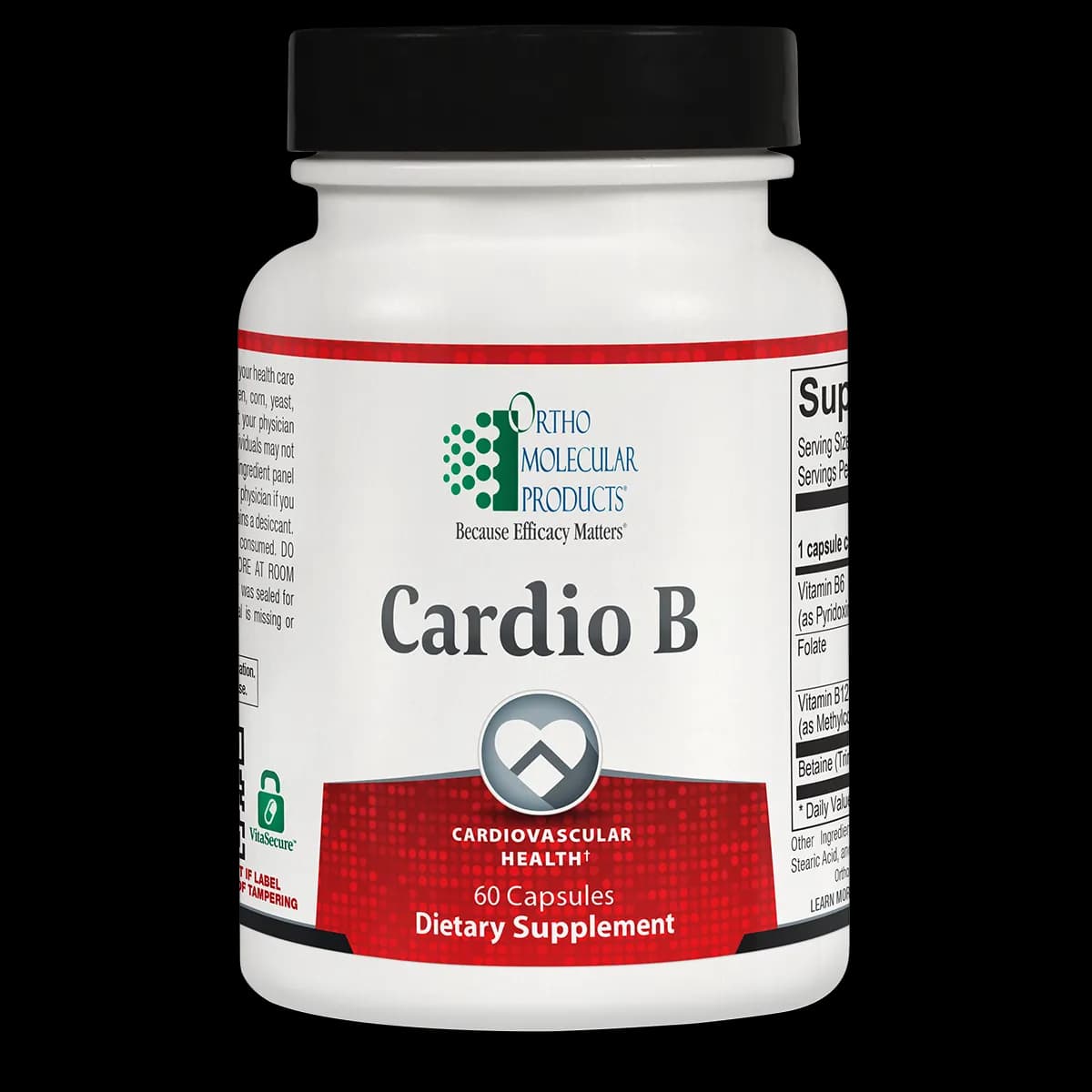
Understanding the root cause of these invisible, unpredictable symptoms requires looking deep into our biochemistry, specifically at how our bodies process amino acids, regulate gene expression, and manage oxidative stress. Cardio B, a targeted nutritional formulation by Ortho Molecular, is designed to aggressively support these exact methylation pathways. By combining specific, highly bioavailable forms of Vitamin B6, Folate, Vitamin B12, and betaine (trimethylglycine), this supplement aims to clear toxic metabolic byproducts like homocysteine and restore optimal cellular function. In this comprehensive guide, we will explore the intricate science of methylation, how post-viral conditions disrupt it at a genetic level, and how the ingredients in Cardio B may help support cardiovascular health, cognitive clarity, and sustained energy production for those navigating chronic illness.
TL;DR
Post-viral conditions can disrupt the methylation cycle, leading to fatigue, cognitive issues, and vascular damage.
Elevated homocysteine from impaired methylation restricts blood flow and reduces cellular energy production.
Cardio B provides targeted B-vitamins and betaine to support methylation and clear toxic homocysteine.
Supporting these pathways may help manage brain fog, autonomic instability, and post-exertional malaise.
What is Cardio B and the Methylation Cycle?
The Fundamentals of One-Carbon Metabolism
To understand how Cardio B works, we must first explore the biological engine it fuels: the methylation cycle, also known as one-carbon metabolism. Methylation is a ubiquitous, vitamin-requiring biochemical process that occurs billions of times every second in almost every cell of the human body. At its core, methylation involves the transfer of a single carbon atom attached to three hydrogen atoms—a methyl group—from one molecule to another. This seemingly simple molecular handoff is the master switch for countless critical functions, including DNA expression, neurotransmitter synthesis, immune cell regulation, and cellular energy production. Without efficient methylation, the body cannot repair damaged tissues, produce adequate energy, or clear out metabolic waste products.
The primary currency of this system is a molecule called S-adenosylmethionine (SAMe), which serves as the universal methyl donor for the entire body. When SAMe donates its methyl group to activate a receptor or turn off an inflammatory gene, it transforms into a potentially problematic byproduct called S-adenosylhomocysteine (SAH), which is rapidly converted into the amino acid homocysteine. In a healthy, well-nourished body, homocysteine is a temporary intermediate. It is swiftly recycled back into methionine (to create more SAMe) or diverted into a different pathway to create glutathione, the body's master antioxidant. However, this recycling process is entirely dependent on specific enzymatic pathways that require adequate levels of B-vitamins and other cofactors to function.
The Homocysteine Crossroad and B-Vitamins
Homocysteine sits at a critical biochemical crossroad with two primary escape routes. The first route is the remethylation pathway, which converts homocysteine back into methionine. This pathway is driven by the enzyme methionine synthase (MS). For this enzyme to work, it requires two essential keys: Folate (Vitamin B9) to provide the actual methyl group, and Vitamin B12 (cobalamin) to act as the essential cofactor that transfers the methyl group to homocysteine. If either of these vitamins is deficient, or if genetic variations like MTHFR mutations impair their activation, the methionine synthase enzyme stalls, and homocysteine begins to accumulate dangerously in the bloodstream.
The second escape route for homocysteine is the transsulfuration pathway. When the body has enough methionine, it diverts excess homocysteine down this secondary route to produce cysteine, which is the direct precursor to glutathione. This pathway is heavily dependent on the enzyme cystathionine beta-synthase (CBS), which absolutely requires Vitamin B6 (pyridoxine) to function. If Vitamin B6 levels are depleted—which frequently happens due to chronic stress, poor absorption, or certain medications—the transsulfuration pathway shuts down. This not only causes homocysteine to back up into the blood but also severely depletes the body's glutathione reserves, leaving cells highly vulnerable to oxidative stress and viral damage.
Betaine and the Hepatic Backup Pathway
Because clearing homocysteine is so critical to survival, the human body evolved a third, specialized "backup" pathway located primarily in the liver and kidneys. This pathway utilizes the enzyme betaine-homocysteine methyltransferase (BHMT) and relies entirely on betaine, also known as trimethylglycine (TMG). Betaine is a unique molecule that carries three methyl groups, making it an incredibly potent methyl donor. When the primary folate/B12 pathway is overwhelmed or genetically impaired, betaine steps in to directly remethylate homocysteine back into methionine, bypassing the need for folate altogether.
This hepatic backup pathway is a crucial fail-safe mechanism for cardiovascular and metabolic health. By providing an alternative route for homocysteine clearance, betaine ensures that the liver can continue producing SAMe and regulating lipid metabolism even when systemic B-vitamin levels fluctuate. Furthermore, betaine acts as a vital osmoregulator, protecting liver and kidney cells from environmental stress, dehydration, and osmotic pressure. The inclusion of betaine alongside B-vitamins creates a comprehensive, multi-pathway approach to managing homocysteine and supporting systemic methylation.
How Long COVID and ME/CFS Impact Methylation and Vascular Health
Viral Infections and Epigenetic Alterations
The connection between chronic post-viral illnesses and methylation is profound and deeply rooted in our genetics. Recent clinical research has demonstrated that severe viral infections, including SARS-CoV-2 and Epstein-Barr Virus (EBV), can fundamentally alter a patient's DNA methylation profile. A landmark 2024 study published in eBioMedicine analyzed the blood DNA of Long COVID patients and found a distinctly altered epigenetic landscape characterized by widespread hypermethylation (over-methylation) of specific gene promoters. This hypermethylation essentially "turns off" crucial immune-regulating and energy-producing genes, locking the body into a state of chronic dysfunction.
Crucially, these epigenetic alterations are not unique to Long COVID. Comparative research published in the International Journal of Molecular Sciences revealed that ME/CFS and Long COVID patients share over 118 common differentially methylated fragments in their peripheral blood mononuclear cells. This shared epigenetic root explains why the two conditions present with nearly identical symptom clusters, including debilitating fatigue and autonomic nervous system dysfunction. When the methylation cycle is disrupted by viral interference or genetic predispositions (such as MTHFR polymorphisms), the body loses its ability to dynamically regulate gene expression, trapping patients in a persistent state of illness.
The Homocysteine Trap and Endothelial Dysfunction
When the methylation cycle stalls, homocysteine levels inevitably rise, creating a highly toxic environment within the cardiovascular system. Elevated homocysteine (hyperhomocysteinemia) is a primary driver of endothelial dysfunction, a condition where the inner lining of the blood vessels loses its ability to expand and contract properly. Homocysteine achieves this by accelerating the breakdown of nitric oxide (NO), the body's most important vasodilator. Without adequate nitric oxide, blood vessels constrict, drastically reducing the delivery of oxygen and vital nutrients to the brain and muscles. This vascular starvation is a hallmark pathology in both Long COVID and dysautonomia.
Furthermore, clinical studies have shown that elevated homocysteine creates a pro-inflammatory and prothrombotic (clot-promoting) state. High concentrations of this amino acid induce apoptosis (cell death) in vascular endothelial cells and promote the formation of microthrombi (microscopic blood clots). These microclots can block tiny capillaries throughout the body, further impairing tissue oxygenation and contributing to the heavy, aching muscle pain and severe exercise intolerance frequently reported by patients with ME/CFS. The vascular damage caused by homocysteine is so severe that it is considered an independent risk factor for cardiovascular events, making its management a top priority in chronic illness protocols.
The Vicious Cycle of Oxidative Stress and Energy Failure
The consequences of impaired methylation extend deep into the mitochondria, the powerhouses of our cells. According to the widely cited NO/ONOO- (Peroxynitrite) vicious cycle hypothesis proposed by Dr. Martin Pall, chronic post-viral fatigue is driven by an unchecked explosion of oxidative stress. When homocysteine depletes normal nitric oxide, it simultaneously triggers the production of a highly toxic oxidant called peroxynitrite. Peroxynitrite directly attacks the mitochondrial electron transport chain, effectively halting the production of adenosine triphosphate (ATP), the molecule that provides cellular energy.
This energy failure is compounded by the fact that a stalled methylation cycle also shuts down the transsulfuration pathway, drastically reducing the body's production of glutathione. Without glutathione to neutralize the peroxynitrite, the mitochondria sustain permanent damage, leading to the profound, crushing fatigue known as post-exertional malaise (PEM). Breaking this vicious cycle requires aggressive nutritional intervention to restart the methylation gears, clear the accumulated homocysteine, and restore the body's antioxidant defenses. This metabolic interplay highlights why comprehensive approaches, such as managing diabetes and Long COVID simultaneously, are crucial for vascular recovery.
Cardio B: Supporting Methylation and Cellular Function
Aggressive Remethylation via Folate and B12
Cardio B is specifically engineered to force the stalled methylation cycle back into motion by providing massive, targeted doses of essential cofactors. The formula includes 8,500 mcg DFE of Folate and 1,000 mcg of Vitamin B12 (as Methylcobalamin). By supplying these nutrients in their active, readily usable forms, Cardio B bypasses common genetic bottlenecks like the MTHFR mutation, which prevents many individuals from converting synthetic folic acid into its active state. This high-dose combination directly fuels the methionine synthase enzyme, rapidly pulling toxic homocysteine out of the bloodstream and converting it back into beneficial methionine.
Beyond homocysteine clearance, Vitamin B12 plays a unique and vital role in combating the oxidative stress seen in ME/CFS and Long COVID. Active cobalamin acts as a potent intracellular nitric oxide scavenger. By binding to and neutralizing excess, toxic forms of nitric oxide and peroxynitrite, Vitamin B12 helps protect the delicate mitochondrial membranes from oxidative destruction. This dual action—lowering vascular inflammation via homocysteine reduction and protecting mitochondrial energy production via radical scavenging—makes high-dose B12 a cornerstone therapy for post-viral fatigue syndromes.
Transsulfuration and Glutathione Synthesis via Vitamin B6
While Folate and B12 handle the remethylation pathway, Cardio B includes 50 mg of Vitamin B6 (as Pyridoxine Hydrochloride) to aggressively support the transsulfuration pathway. Vitamin B6 is the absolute required cofactor for the CBS enzyme, which acts as the gatekeeper for glutathione production. By ensuring this pathway remains open and active, Vitamin B6 allows the body to safely process excess homocysteine into cysteine, which is then rapidly synthesized into glutathione. This mechanism is critical for patients with chronic illness, as restoring glutathione levels is essential for clearing viral debris, reducing systemic neuroinflammation, and protecting the brain from excitotoxicity.
Furthermore, Vitamin B6 is indispensable for the synthesis of major neurotransmitters, including serotonin, dopamine, and gamma-aminobutyric acid (GABA). In conditions like dysautonomia and POTS, where the autonomic nervous system is locked in a state of sympathetic overdrive ("fight or flight"), adequate GABA production is necessary to calm the nervous system and regulate heart rate. By supporting both antioxidant defense and neurotransmitter balance, the Vitamin B6 in Cardio B addresses multiple layers of neurological and metabolic dysfunction.
Betaine's Role in Cellular Osmoregulation and Hepatic Support
The inclusion of 500 mg of Betaine (Trimethylglycine) in Cardio B provides a critical secondary mechanism for homocysteine clearance. By activating the BHMT enzyme in the liver, betaine ensures that homocysteine is remethylated even if the primary folate/B12 pathway is temporarily overwhelmed by severe oxidative stress or medication interactions. This hepatic backup system is particularly important for patients who struggle with severe metabolic blockages or those who have difficulty absorbing traditional B-vitamins due to gut dysbiosis or chronic gastrointestinal inflammation.
In addition to its role as a methyl donor, betaine is a powerful osmolyte. It accumulates inside cells and helps maintain cellular fluid balance, protecting delicate cellular structures from osmotic stress, dehydration, and high levels of circulating inflammatory cytokines. This cellular protection is vital for maintaining the integrity of the vascular endothelium and supporting overall cardiovascular resilience. The synergistic combination of betaine with B-vitamins creates a robust, multi-angled approach to vascular health, similar to the metabolic support provided by PureLean Protein, which supplies the raw amino acid building blocks needed for these pathways.

Symptoms Cardio B May Help Manage
Neurological and Cognitive Symptoms
Elevated homocysteine is highly neurotoxic, acting as an excitotoxin in the brain that overstimulates NMDA receptors and drives neuroinflammation. By aggressively lowering homocysteine and supporting neurotransmitter synthesis, Cardio B targets several debilitating neurological symptoms.
Brain Fog and Cognitive Impairment: Clinical studies have directly correlated elevated homocysteine with lower cognitive scores in post-COVID patients. By clearing this neurotoxin, methylation support may help improve focus, memory recall, and mental clarity.
Neuropathy and Nerve Pain: Vitamin B12 is essential for maintaining the myelin sheath, the protective coating around nerves. Supplementation can help manage the tingling, numbness, and burning sensations associated with small fiber neuropathy.
Mood Instability and Anxiety: Vitamin B6 is required for the synthesis of serotonin and GABA. Supporting these pathways can help regulate mood swings and calm the hyperactive nervous system often seen in dysautonomia.
Cardiovascular and Autonomic Symptoms
Endothelial dysfunction and microvascular clotting are central features of Long COVID and POTS. By reducing homocysteine-induced vascular damage and restoring nitric oxide production, Cardio B supports healthy blood flow and autonomic regulation.
Palpitations and Tachycardia: Improving endothelial function and vascular tone helps the cardiovascular system respond more efficiently to postural changes, potentially reducing the severity of POTS-related heart rate spikes.
Blood Pooling and Cold Extremities: Restoring nitric oxide levels promotes healthy vasodilation, improving microcirculation to the hands and feet and reducing venous blood pooling in the lower extremities.
Shortness of Breath: Vitamin B6 and B12 are critical for the production of healthy red blood cells and hemoglobin. Ensuring adequate levels helps optimize oxygen transport throughout the body, alleviating air hunger.
Energy and Metabolic Symptoms
Mitochondrial stalling is the primary driver of the profound fatigue seen in ME/CFS. By neutralizing peroxynitrite and supporting the biochemical cycles that produce ATP, Cardio B addresses energy failure at the cellular level.
Post-Exertional Malaise (PEM): By restoring glutathione production via the transsulfuration pathway, the body is better equipped to handle the oxidative stress generated by physical or mental exertion, potentially raising the threshold for PEM crashes.
Chronic, Unrefreshing Sleep: Proper methylation is required to convert serotonin into melatonin, the body's primary sleep hormone. Supporting this pathway can help regulate circadian rhythms and improve sleep architecture.
Muscle Weakness and Heaviness: Clearing microclots and improving oxygen delivery to muscle tissues can alleviate the sensation of physical heaviness and burning muscle pain associated with lactic acid buildup.
Practical Considerations: Forms, Dosing, and Absorption
The Importance of Bioavailable Vitamin Forms
When selecting a methylation supplement, the specific chemical forms of the vitamins are just as important as the dosages. Many over-the-counter supplements use cyanocobalamin, a synthetic form of Vitamin B12 that the body must first convert into an active form by stripping away a cyanide molecule—a process that consumes precious energy and methyl groups. Cardio B utilizes Methylcobalamin, the bioidentical, active form of B12 that is immediately available for cellular use and readily crosses the blood-brain barrier to support neurological health. This immediate bioavailability is crucial for patients whose metabolic engines are already severely compromised by chronic illness.
Similarly, the Vitamin B6 in Cardio B is provided as Pyridoxine Hydrochloride, a highly stable form that efficiently fuels the transsulfuration pathway. When managing complex conditions, ensuring that the body does not have to expend additional energy converting inactive vitamins into active cofactors is a fundamental principle of functional medicine. This is why targeted formulations are often preferred over generic multivitamins, much like how specific metabolic interventions like Metformin are utilized for their precise mechanisms of action in vascular health.
Navigating the "Lipid Paradox" with Betaine Dosing
While betaine (TMG) is incredibly effective at lowering homocysteine, clinical research has uncovered a phenomenon known as the "lipid paradox." Extensive meta-analyses of clinical trials have shown that while high doses of betaine (4 to 6 grams per day) successfully reduce homocysteine, they simultaneously cause a significant increase in LDL (bad) cholesterol and triglycerides. This adverse lipid effect can potentially offset the cardiovascular benefits of lowering homocysteine, making high-dose betaine monotherapy a controversial approach for long-term heart health.
Cardio B intelligently navigates this paradox by utilizing a precise, lower dose of 500 mg of betaine per capsule. Recent clinical trials published in the European Journal of Nutrition demonstrated that low doses of betaine (around 1 gram per day), when combined with B-vitamins, successfully and significantly lower plasma homocysteine without triggering the adverse spikes in cholesterol seen at higher doses. By combining a safe dose of betaine with high-dose folate and B12, Cardio B maximizes homocysteine clearance while protecting the patient's overall lipid profile.
Timing, Absorption, and Medication Interactions
For optimal absorption, Cardio B is typically taken with a meal. Because B-vitamins play a direct role in cellular energy production and neurotransmitter synthesis, they can have a mild stimulating effect for some individuals. Therefore, it is generally recommended to take methylation supplements in the morning or early afternoon to prevent any potential interference with sleep architecture or circadian rhythms. Patients with sensitive stomachs should always consume B-vitamins alongside food to minimize mild nausea, which is a common side effect of high-dose vitamin therapy on an empty stomach.
It is also crucial to be aware of how common medications impact methylation capacity. Certain widely used drugs, including acetaminophen, aspirin, ibuprofen, and oral contraceptives, are known to actively deplete blood levels of crucial B-vitamins, severely reducing the body's vital methylation capacity over time. Patients relying on these medications for pain management or symptom control may have an increased baseline need for targeted B-vitamin support. Always consult with a healthcare provider to review potential interactions, especially if you are taking medications that alter blood clotting or neurotransmitter levels.

Follow the Science: Clinical Evidence for Methylation Support
Epigenetic Biomarkers in Post-Viral Syndromes
The scientific understanding of post-viral illness has shifted dramatically in recent years, moving away from purely symptom-based diagnoses toward measurable molecular biomarkers. A pivotal 2024 study conducted by Albany Medical Center utilized whole-genome methylation sequencing on Long COVID patients and discovered a distinct, persistent blood DNA methylation profile. This research provided concrete evidence that Long COVID is a singular biological disease driven by epigenetic alterations, validating the physical reality of the condition. The study highlighted that these methylation changes directly impact immune signaling and metabolic pathways, underscoring the necessity of therapeutic interventions that target the epigenome.
Similarly, research published in Clinical Epigenetics demonstrated that ME/CFS patients exhibit widespread, reproducible differences in DNA methylation that clearly separate them from healthy controls. The study identified significant hypermethylation in genes related to immune regulation, mitochondrial function, and neurotransmitter pathways. These findings strongly support the "Methylation Cycle Hypothesis" of ME/CFS, suggesting that systemic epigenetic dysregulation is a core driver of the illness, and pointing toward methylation support as a highly logical, mechanism-based therapeutic strategy.
Homocysteine Reduction and Cognitive Outcomes
The clinical impact of elevated homocysteine on cognitive function has been extensively documented in recent post-COVID literature. A 2023 neuropsychiatric study examining patients recovering from COVID-19 found a direct, linear correlation between elevated homocysteine levels and long-term cognitive decline. The researchers noted that for every 1 µmol/L increase in homocysteine, there was a significant measurable decrease in Montreal Cognitive Assessment (MoCA) scores. This data maps elevated homocysteine directly to the severity of "brain fog," suggesting that aggressive remethylation therapy could be a key intervention for cognitive recovery.
Furthermore, the efficacy of combining betaine with B-vitamins to lower homocysteine is well-established. A 2023 randomized, double-blind, controlled clinical trial tested a low-dose betaine combination (similar to the profile of Cardio B) on adults with hyperhomocysteinemia over 12 weeks. The intervention resulted in a highly significant 10.1% reduction in plasma homocysteine compared to placebo, without triggering any adverse lipid effects. This confirms that targeted, multi-ingredient formulations are highly effective at clearing this vascular toxin safely.
B-Complex Interventions for Chronic Fatigue
Clinical trials evaluating the impact of B-vitamins on severe fatigue and cognitive function have been extensively reviewed. A systematic review and meta-analysis of 16 RCTs evaluated Vitamin B12 supplementation for cognitive function, depressive symptoms, and fatigue. The researchers found no evidence of significant benefit for cognitive function from B12 alone in patients without overt deficiency, highlighting the potential need for comprehensive B-complex or targeted metabolic support rather than monotherapy.
For ME/CFS specifically, a systematic review and meta-analysis of 6 studies involving 842 participants found that B-complex supplementation was associated with a statistically significant decrease in fatigue severity. The researchers noted that the benefits were most pronounced when B-vitamins were combined with other metabolic cofactors, highlighting the importance of comprehensive cellular support. These clinical findings align with the physiological reality that restoring energy production requires a fully functioning methylation cycle, a concept also explored in our guide on R-Lipoic Acid for mitochondrial support.
The Path Forward
Integrating Methylation Support into Your Protocol
Navigating the complexities of Long COVID, ME/CFS, and dysautonomia requires a multifaceted, highly individualized approach. While repairing the methylation cycle is a critical step toward restoring vascular health and cellular energy, supplements like Cardio B are most effective when integrated into a broader, comprehensive management strategy. This includes strict adherence to pacing to avoid PEM crashes, rigorous symptom tracking to identify specific triggers, and optimizing nutritional intake. For patients struggling with nutrient absorption or dietary restrictions, exploring options like Bovine Organ Supplements can provide additional, highly bioavailable cofactors to support the healing process.
It is important to remember that repairing deep-seated epigenetic and metabolic dysfunction takes time. The methylation cycle does not reset overnight, and clearing accumulated homocysteine from the vascular system is a gradual process. Patients should approach supplementation with patience, closely monitoring their responses and working collaboratively with a healthcare provider to adjust dosages as their biochemical needs evolve over time.
A Validating Approach to Complex Chronic Illness
Living with an invisible, complex chronic illness can be an incredibly isolating and frustrating experience. When standard blood panels return "normal" despite debilitating symptoms, it is easy to feel dismissed by the traditional medical system. However, the emerging science of epigenetics and one-carbon metabolism provides profound validation: your symptoms are real, they are rooted in measurable biochemical and vascular dysfunctions, and they are the subject of intense, ongoing scientific research. By targeting the fundamental molecular pathways that drive these conditions, we can begin to shift the body away from a state of chronic alarm and toward a state of cellular repair.
If you are experiencing the profound fatigue, cognitive fog, or cardiovascular instability associated with post-viral syndromes, supporting your methylation pathways may be a vital piece of your recovery puzzle. Always consult with your healthcare provider before beginning any new supplement regimen to ensure it aligns with your specific medical history and current medications.