Can Candicid Forte Help Manage Gut Dysbiosis and Candida in Long COVID and ME/CFS?
March 6, 2026
Candicid ForteGut HealthLong COVID
Share:
Disclaimer: The information provided here is for educational purposes only and is not intended as medical advice. It should not be used to diagnose, treat, cure, or prevent any medical condition. Instead, use it as a starting point for discussion with your healthcare provider. Always consult with a qualified healthcare provider before starting any new medication, supplement, device, or making changes to your health regimen.
The gastrointestinal tract is often referred to as the body's "second brain," housing over 70% of our immune system and trillions of microorganisms that dictate everything from our metabolism to our mood. For individuals living with complex, chronic conditions like Long COVID, myalgic encephalomyelitis/chronic fatigue syndrome (ME/CFS), mast cell activation syndrome (MCAS), and dysautonomia, this delicate microbial ecosystem is frequently thrown into chaos. When the balance between beneficial bacteria and opportunistic pathogens is lost—a state known as dysbiosis—it can trigger a cascade of systemic inflammation, debilitating fatigue, and severe neurological symptoms. Many patients find themselves trapped in a vicious cycle where viral persistence or immune exhaustion allows opportunistic fungi, particularly Candida, to flourish and damage the intestinal lining.
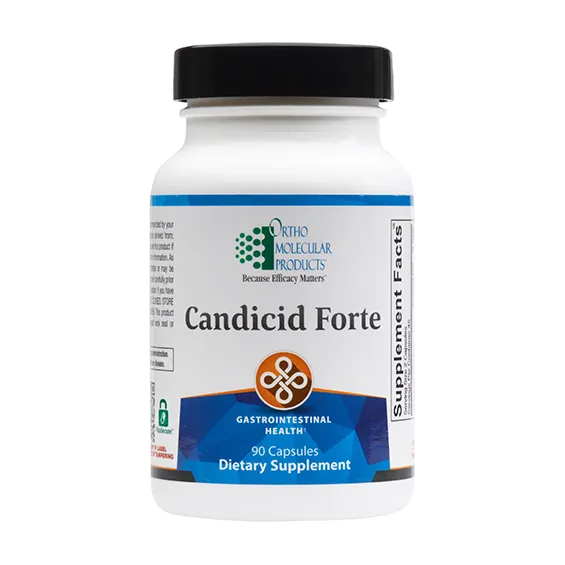
Addressing this foundational gut imbalance is often a critical step in managing post-viral chronic illness. Candicid Forte is a targeted nutritional and botanical supplement formulated to promote a healthy microbial balance, enhance immune function, and soothe the gastrointestinal lining. By combining potent medium-chain fatty acids like sodium caprylate with well-researched botanicals such as berberine, oregano, and rosemary, this comprehensive blend aims to create a hostile environment for pathogenic overgrowth while supporting the body's natural defenses. In this article, we will explore the intricate science behind gut dysbiosis, how fungal overgrowth impacts chronic illness, and the specific molecular mechanisms through which the ingredients in Candicid Forte may help restore harmony to the gut microbiome.
TL;DR
Gut dysbiosis and fungal overgrowth can worsen symptoms in Long COVID, ME/CFS, and MCAS.
Candicid Forte uses botanicals and fatty acids to support a healthy gut microbiome and immune function.
Ingredients like sodium caprylate and berberine may help manage fatigue, brain fog, and systemic inflammation.
Always consult your doctor and start with a low dose to minimize potential die-off reactions.
What is Candicid Forte?
A Comprehensive Approach to the Microbiome and Mycobiome
To understand the purpose of Candicid Forte, we must first look at the natural function of the gut microbiome in a healthy human body. The microbiome is a vast, complex community of bacteria, viruses, and fungi living primarily in the large intestine. While much of the focus in gut health is placed on bacteria, the fungal community—known as the mycobiome—plays an equally crucial role. In a healthy state, commensal fungi like Candida albicans exist peacefully in small numbers, kept in check by a robust population of beneficial, short-chain fatty acid (SCFA)-producing bacteria. These beneficial bacteria maintain a slightly acidic environment that prevents fungi from over-multiplying or mutating into aggressive forms.
However, the modern lifestyle, characterized by high-stress levels, diets rich in refined carbohydrates, and frequent antibiotic use, can rapidly decimate these beneficial bacterial populations. When the "good" bacteria are depleted, the resulting vacuum allows opportunistic organisms like Candida to rapidly multiply and colonize the intestinal tract. This overgrowth directly compromises the integrity of the gut lining, leading to increased intestinal permeability, commonly referred to as "leaky gut." Candicid Forte is specifically designed to intervene in this process, utilizing a multi-targeted approach to suppress opportunistic overgrowth and rebuild a healthy gastrointestinal flora.
The Power of Targeted Botanicals and Fatty Acids
Candicid Forte distinguishes itself by combining several distinct classes of natural compounds, each addressing a different facet of gastrointestinal health. The formula is anchored by sodium caprylate, a derivative of caprylic acid, which is an eight-carbon medium-chain fatty acid naturally found in coconut oil and mammalian breast milk. Caprylic acid is widely recognized in functional medicine for its potent, broad-spectrum antifungal properties, specifically its ability to physically disrupt the cellular architecture of yeast cells without causing collateral damage to beneficial bacterial populations.
Complementing the fatty acid component is a robust blend of bioactive botanicals, including berberine hydrochloride, oregano leaf extract, cinnamon bark extract, and rosemary leaf extract. These plant-derived compounds, known as phytogenics, contain powerful active constituents like carvacrol, cinnamaldehyde, and rosmarinic acid. At the molecular level, these compounds act as natural antimicrobials, antioxidants, and even prebiotics. They work synergistically to soothe inflamed intestinal tissues, neutralize oxidative stress, and actively promote the growth of beneficial bacteria like Lactobacillus and Bifidobacterium. Finally, the inclusion of biotin (Vitamin B7) addresses the morphological transition of yeast, targeting the biological triggers that cause Candida to become invasive.
How Gut Dysbiosis Impacts Long COVID and ME/CFS
The Viral Disruption of the Gut Barrier
The connection between severe viral infections and profound gastrointestinal dysfunction is becoming increasingly clear in modern medical research. In conditions like Long COVID, the SARS-CoV-2 virus can directly infect the cells lining the gastrointestinal tract, as these cells express high levels of the ACE2 receptors the virus uses for entry. This direct viral assault, combined with the body's intense immune response, causes massive collateral damage to the gut microbiome. Recent studies published in Cell have demonstrated that patients with Long COVID exhibit significant bacterial dysbiosis, characterized by a severe loss of diversity and a depletion of anti-inflammatory bacteria. This loss of microbial diversity is not just a symptom of the illness; it becomes a primary driver of ongoing systemic symptoms.
When beneficial bacteria are depleted, the intestinal barrier loses its primary defenders. This allows opportunistic pathogens to trigger the release of zonulin, a protein that regulates the tight junctions between the cells of the intestinal wall. When zonulin is over-activated, these tight junctions pull apart, resulting in increased intestinal permeability or "leaky gut." This structural failure allows undigested food particles, bacterial endotoxins like lipopolysaccharides (LPS), and fungal antigens to escape the intestines and flood into the bloodstream. The immune system recognizes these escaped particles as foreign invaders, launching a continuous, body-wide inflammatory response that exhausts the patient and fuels the debilitating symptoms of chronic illness. You can learn more about this phenomenon in our guide to Gastrointestinal Symptoms Seen with Long COVID.
Fungal Overgrowth and Systemic Inflammation
In the context of ME/CFS and Long COVID, this bacterial vacuum frequently leads to Small Intestinal Fungal Overgrowth (SIFO), primarily driven by Candida species. A landmark 2023 study by Weill Cornell Medicine revealed that severe COVID-19 infections trigger a profound overgrowth of Candida albicans in the intestines, which strongly correlates with prolonged, systemic immune activation and Long COVID symptoms. When Candida overgrows, it transitions from a harmless, rounded yeast cell into an aggressive, tissue-invading hyphal (mycelial) form. These hyphae physically penetrate the gut lining, worsening intestinal permeability and secreting toxic metabolic byproducts.
One of the most damaging byproducts of Candida metabolism is acetaldehyde, a neurotoxin that actively impairs mitochondrial function and cellular energy production. This mitochondrial impairment directly contributes to the profound, toxic fatigue and post-exertional malaise (PEM) that define ME/CFS. Furthermore, the constant presence of fungal antigens in the gut mucosa acts as a massive trigger for local mast cells, causing them to degranulate and release histamine. This chronic mast cell activation can spiral into Mast Cell Activation Syndrome (MCAS), leading to unpredictable allergic reactions, food intolerances, and systemic inflammation. For more on managing mast cell issues, explore our article on Ketotifen for MCAS and Long COVID.
The Gut-Brain Axis and Autonomic Dysfunction
The impact of fungal dysbiosis extends far beyond the digestive tract, heavily influencing the central and autonomic nervous systems via the gut-brain axis. Candida overgrowth can actively synthesize an enzyme called indoleamine 2,3-dioxygenase (IDO), which alters the host's tryptophan metabolism. Because tryptophan is the essential precursor to serotonin—the primary neurotransmitter regulating mood, gut motility, and autonomic function—Candida essentially drains the body's serotonin reserves. This depletion disrupts the autonomic nervous system, contributing to the development of dysautonomia and Postural Orthostatic Tachycardia Syndrome (POTS), while also driving the depression, anxiety, and sleep disturbances so frequently reported by patients with complex chronic illnesses.
Additionally, the immune system's desperate attempt to fight off this chronic fungal invasion can lead to molecular mimicry. The cell walls of Candida hyphae express proteins that closely resemble human host proteins. As the immune system generates antibodies against the fungus, these antibodies can mistakenly cross-react with the body's own tissues, particularly G-protein-coupled receptors (GPCRs) that regulate blood vessel constriction and heart rate. This autoimmune mechanism is a leading theory behind the cardiovascular symptoms of Long COVID and POTS, highlighting how deeply interconnected gut health is with systemic autonomic function. We explore these autoimmune connections further in our blog on Autoimmunity and Immune Dysregulation in Long COVID.
Candicid Forte: Supporting Microbial Balance and Immune Function
Sodium Caprylate and Fungal Membrane Disruption
The primary antifungal engine in Candicid Forte is sodium caprylate, a highly effective medium-chain fatty acid. At the molecular level, caprylic acid is amphipathic, meaning it possesses both water-loving (hydrophilic) and fat-loving (lipophilic) properties. This unique structure allows it to easily partition and integrate into the lipid bilayer of fungal cell membranes. Once embedded, caprylic acid causes severe membrane fluidization and structural degradation. This physical damage heavily increases the permeability of the Candida cell wall, resulting in the fatal leakage of essential intracellular ions and proteins, ultimately leading to the rapid collapse and death of the yeast cell.
Additionally, research on medicinal plants highlights the broad antimicrobial potential of natural extracts like bay leaf, complementing the use of caprylic acid in functional medicine to help neutralize fungal virulence. Furthermore, caprylic acid has been shown to physically damage and bypass the "efflux pumps" that Candida uses to spit out standard antifungal drugs, making it a powerful tool for overcoming drug-resistant fungal strains without harming the beneficial, commensal bacteria in the gut.
Berberine's Role in Microbiome Restoration and AMPK Activation
Berberine hydrochloride is a potent bioactive alkaloid extracted from plants like goldenseal and Oregon grape, and it serves a dual purpose in managing chronic illness. First, it acts as a highly targeted antimicrobial agent in the gut. Berberine inhibits "FtsZ," an essential bacterial cell division protein, which effectively halts the replication of pathogenic bacteria and opportunistic overgrowths like Small Intestinal Bacterial Overgrowth (SIFO/SIBO). While it clears out pathogens, clinical studies indicate that berberine actively promotes the growth of beneficial, short-chain fatty acid-producing bacteria, specifically Akkermansia muciniphila and Bifidobacterium. These keystone species are vital for repairing the mucosal lining of the gut and reversing intestinal permeability.
Systemically, berberine is renowned for its ability to activate AMP-activated protein kinase (AMPK), often referred to as the body's "metabolic master switch." In patients with ME/CFS and Long COVID, cellular energy production is frequently stalled due to mitochondrial dysfunction. By stimulating AMPK, berberine improves cellular energy efficiency, increases glycolysis, and stabilizes blood sugar levels. This pathway helps restore mitochondrial function, providing the essential cellular "fuel" the brain and immune system desperately need to overcome profound exhaustion. Additionally, berberine interacts with cellular signaling pathways (such as NF-κB) to inhibit the production of pro-inflammatory cytokines like IL-6 and TNF-alpha, directly reducing the systemic inflammation that drives brain fog and chronic pain.
Antioxidant Defense and Prebiotic Support from Botanicals
The botanical blend in Candicid Forte—featuring oregano, cinnamon, and rosemary—provides a multi-layered defense against gut dysbiosis. Oregano leaf extract is rich in carvacrol, a monoterpenoid phenol that acts as a broad-spectrum antimicrobial. Carvacrol specifically targets and destroys the cell membranes of Gram-negative pathogens while simultaneously increasing mucin gene expression, which thickens and strengthens the protective mucosal lining of the gut. This dual action helps clear out bad bacteria while fortifying the gut barrier against future invasions, making it an essential component of gastrointestinal recovery.
Cinnamon bark extract, driven by its active compound cinnamaldehyde, acts as a powerful prebiotic. Its polyphenols feed beneficial bacteria, specifically promoting the growth of Lactobacillus species, while improving the expression of nutrient transporters in the gut to enhance overall digestion and absorption. Meanwhile, rosemary leaf extract provides critical antioxidant support. The gut lining is highly susceptible to oxidative stress, which can rapidly degrade tight junctions. The rosmarinic acid in rosemary neutralizes free radicals and protects the intestinal epithelium from lipid peroxidation, ensuring that the structural integrity of the gut barrier is maintained during the healing process. You can read more about the importance of antioxidants in our guide to Ascorbic Acid Powder for Immune Health.
Biotin's Role in Yeast Morphology
Biotin (Vitamin B7) is included in Candicid Forte to address the morphological transition of yeast. Candida albicans is a dimorphic fungus, meaning its primary virulence factor is its ability to switch from a harmless, single-celled yeast into an invasive, branching mycelial (hyphal) form. The manufacturer formulates Candicid Forte with biotin based on the functional medicine principle that providing ample biotin prevents the nutrient-starvation response that historically was thought to trigger Candida to aggressively branch out in search of sustenance.
By supplying the gastrointestinal tract with targeted biotin alongside potent antifungals like sodium caprylate, the intended mechanism is to create an environment that discourages the aggressive fungal conversion. While the exact microbiological triggers for Candida dimorphism are complex and heavily influenced by host temperature and pH, ensuring adequate nutrient availability is a cornerstone of functional approaches to microbiome balance. This comprehensive strategy aims to keep opportunistic organisms in their benign state while the immune system and botanical antimicrobials work to reduce their overall population and restore healthy gut flora.
Symptoms Candicid Forte May Help Manage
Targeting Gastrointestinal and Systemic Symptoms
By addressing the root causes of gut dysbiosis, fungal overgrowth, and intestinal permeability, the comprehensive blend of ingredients in Candicid Forte may help manage a wide array of interconnected symptoms experienced by patients with Long COVID, ME/CFS, and MCAS.
Severe Fatigue and Post-Exertional Malaise (PEM): By reducing the fungal production of mitochondrial toxins like acetaldehyde, and by activating the AMPK energy pathway via berberine, this formula supports cellular energy production and helps combat profound exhaustion.
Brain Fog and Cognitive Impairment: Healing the "leaky gut" barrier prevents bacterial endotoxins (LPS) and fungal antigens from entering the bloodstream and crossing the blood-brain barrier, thereby reducing the neuroinflammation that drives cognitive dysfunction.
Gastrointestinal Distress (Bloating, Gas, Diarrhea): Sodium caprylate and oregano oil directly target and reduce the populations of gas-producing pathogenic bacteria and yeast, alleviating chronic bloating, irregular bowel movements, and abdominal discomfort.
Histamine Intolerance and MCAS Flare-ups: By suppressing Candida overgrowth, the formula removes a major continuous trigger for mast cell degranulation in the gut mucosa, helping to lower systemic histamine levels and reduce unpredictable allergic reactions.
Sugar Cravings and Metabolic Imbalance: Fungal overgrowth heavily drives intense cravings for refined carbohydrates and sugars. By reducing yeast populations and stabilizing blood sugar levels through berberine's metabolic effects, patients often experience a significant reduction in these intense cravings.
Joint Pain and Systemic Inflammation: The potent antioxidants in rosemary and the cytokine-lowering properties of berberine help neutralize oxidative stress and lower systemic inflammatory markers (like IL-6 and CRP), which can alleviate widespread muscle and joint pain.
Practical Considerations: Forms, Dosing, and Absorption
Optimal Dosing and Administration
When incorporating a potent botanical and fatty acid blend like Candicid Forte into a chronic illness management plan, proper dosing and timing are critical for maximizing absorption and minimizing side effects. The standard suggested use provided by Ortho Molecular is 2 capsules, three times per day, or as recommended by your healthcare professional. Because this formula contains powerful active compounds designed to alter the microbial landscape, many functional medicine practitioners recommend starting with a lower dose (e.g., 1 capsule twice daily) and gradually titrating up to the full dose over the course of a week or two. This slow introduction allows the gastrointestinal tract to adjust to the potent botanicals.
Timing your doses around meals is highly recommended, primarily due to the inclusion of berberine. Berberine is well-known for its ability to activate AMPK and lower blood glucose levels, acting similarly to certain metabolic medications. Taking Candicid Forte on an empty stomach could potentially trigger a drop in blood sugar (hypoglycemia), leading to shakiness, dizziness, or a sudden crash in energy—symptoms that patients with ME/CFS and dysautonomia are already highly susceptible to. Taking the capsules during or immediately after a meal helps buffer this metabolic effect while ensuring that the fat-soluble components, like oregano oil and rosemary extract, are optimally absorbed alongside dietary fats.
Navigating the "Die-Off" Reaction (Herxheimer)
A crucial consideration when starting any targeted antimicrobial or antifungal supplement is the potential for a Herxheimer reaction, commonly known as "die-off." When sodium caprylate and oregano oil successfully disrupt the cell membranes of pathogenic yeast and bacteria, these dying organisms rapidly burst open, releasing large amounts of endotoxins (like LPS) and cellular debris into the gut. If the liver and elimination pathways are sluggish—a common issue in complex chronic illness—these toxins can temporarily overwhelm the immune system.
During a die-off reaction, patients may experience a temporary exacerbation of their baseline symptoms, including increased fatigue, intensified brain fog, headaches, mild fever, or a temporary worsening of gastrointestinal distress. This reaction typically occurs within the first few days to a week of starting the supplement. To mitigate die-off, practitioners often advise patients to ensure they are having regular daily bowel movements, staying highly hydrated, and potentially utilizing targeted binders (like activated charcoal or bentonite clay) taken away from the supplement to help "mop up" the released toxins. If die-off symptoms become severe, reducing the dosage or pausing the supplement to allow the body to clear the toxins is a standard clinical approach.
Potential Interactions and Contraindications
While the ingredients in Candicid Forte are naturally derived, they are highly bioactive and can interact with certain medications. Berberine, due to its impact on blood glucose and insulin sensitivity, can have an additive effect if taken alongside prescription diabetes medications (like Metformin or insulin), potentially increasing the risk of hypoglycemia. Patients on these medications must monitor their blood sugar closely and consult their prescribing physician before starting the supplement. Additionally, berberine can inhibit certain cytochrome P450 liver enzymes (specifically CYP3A4), which may alter the metabolism and blood levels of various prescription drugs, including certain immunosuppressants and cardiovascular medications.
Furthermore, the potent botanicals in this formula, particularly oregano and rosemary, have mild blood-thinning properties and can influence blood clotting dynamics. Patients taking anticoagulant medications (blood thinners) or those with bleeding disorders should exercise caution. Due to the powerful nature of these herbs and their ability to stimulate uterine contractions or alter hormonal balances, Candicid Forte is generally contraindicated for individuals who are pregnant or nursing. Always consult with a healthcare provider who understands the complexities of Long COVID and ME/CFS before adding a multi-ingredient antimicrobial formula to your regimen.
Follow the Science
Clinical Evidence for Botanical Antimicrobials
The scientific community has increasingly validated the use of medium-chain fatty acids and targeted botanicals for managing complex gastrointestinal infections and biofilms. A compelling 2025 study from the MD Anderson Cancer Center investigated the efficacy of caprylic acid against highly complex, multi-drug resistant Candida biofilms. The researchers found that a single application of a caprylic acid compound reduced the number of viable C. albicans and C. glabrata organisms by over 5 log10, proving vastly superior to standard medical irrigants in eradicating entrenched fungal networks. This highlights the profound physical disruption that caprylic acid inflicts on fungal cell membranes, bypassing the resistance mechanisms that often render pharmaceutical antifungals ineffective over time.
Similarly, the synergistic power of botanical extracts has been well-documented. A 2019 study published by researchers at Korea University evaluated the combination of caprylic acid with carvacrol (the active compound in oregano oil). The data revealed that combining these two agents completely eliminated pathogenic Candida within just one minute in vitro, inducing a greater than 6.8 log reduction. Flow cytometry confirmed the mechanism: the combination severely disrupted the fungal lipid membranes in over 83% of cells and completely disabled the pathogen's protective efflux pumps in over 95% of cells. This robust data supports the formulation strategy of Candicid Forte, demonstrating that combining fatty acids with phenolic botanicals creates a highly hostile environment for opportunistic yeast.
Microbiome Shifts in Post-Viral Syndromes
The relevance of these gut-targeted therapies to post-viral chronic illness is underscored by recent breakthroughs in microbiome research. A landmark 2023 study published in Nature Immunology by Weill Cornell Medicine analyzed the fecal and blood samples of COVID-19 patients and discovered a profound, persistent overgrowth of Candida albicans in those with severe disease. The researchers found that this fungal dysbiosis triggered a massive overproduction of neutrophils and systemic inflammation driven by the IL-6 cytokine pathway. Crucially, when researchers treated the resulting hyper-inflammation with targeted antifungal therapies, the dangerous immune response was successfully tamped down, directly linking fungal eradication to the resolution of post-viral systemic inflammation.
Furthermore, a comprehensive 2025 study published in Cell analyzed a cohort of 349 patients with Long COVID and found that specific oral and gut microbiome differences—independent of viral persistence—were strongly associated with distinct symptom clusters. The study concluded that bacterial dysbiosis and the resulting loss of microbial diversity are primary contributors to the heterogeneity of Long COVID symptoms, implicating the microbiome as a vital target for future therapeutic strategies. By utilizing compounds like berberine, which studies show actively promotes beneficial bacteria like Akkermansia, formulations like Candicid Forte align with the latest scientific consensus on the necessity of rebuilding the gut barrier to manage complex chronic conditions.
The Path Forward
Rebuilding Your Foundation
Living with Long COVID, ME/CFS, dysautonomia, or MCAS often feels like navigating a maze of unpredictable, debilitating symptoms. When your body is locked in a state of chronic immune activation and profound exhaustion, it is easy to feel overwhelmed and disconnected from your own health. Validating the physical reality of these conditions is the first step toward healing. The profound fatigue, brain fog, and systemic pain you experience are not in your head; they are deeply rooted in physiological disruptions, including the silent battle happening within your gut microbiome. Recognizing that viral infections can fundamentally alter your internal ecosystem provides a tangible, biological target for your management strategy.
While no single supplement is a cure for complex chronic illness, addressing gut dysbiosis and fungal overgrowth is a foundational step in lowering your body's overall inflammatory burden. Candicid Forte offers a scientifically grounded, multi-targeted approach to clearing out opportunistic pathogens and creating an environment where beneficial bacteria can thrive once again. However, supplements are most effective when integrated into a comprehensive, compassionate care plan. Combining targeted gut support with aggressive pacing to manage post-exertional malaise, nervous system regulation techniques, and a diet that supports your unique metabolic needs will yield the best results. Healing the gut takes time, patience, and a willingness to listen to your body's signals.
Next Steps
If you suspect that gut dysbiosis, Candida overgrowth, or systemic inflammation is contributing to your chronic illness symptoms, Candicid Forte may be a valuable addition to your therapeutic toolkit. Always remember to consult with a healthcare provider who is well-versed in complex chronic conditions before starting any new supplement, especially one with potent antimicrobial properties, to ensure it aligns with your specific medications and health needs.