Can Calocurb CLINICAL Support Healthy Weight Management in Long COVID and ME/CFS?
March 6, 2026
CalocurbAmarasateWeight Management
Share:
Disclaimer: The information provided here is for educational purposes only and is not intended as medical advice. It should not be used to diagnose, treat, cure, or prevent any medical condition. Instead, use it as a starting point for discussion with your healthcare provider. Always consult with a qualified healthcare provider before starting any new medication, supplement, device, or making changes to your health regimen.
Living with a complex chronic condition like Long COVID, myalgic encephalomyelitis/chronic fatigue syndrome (ME/CFS), or dysautonomia often feels like navigating a labyrinth with constantly shifting walls. Patients frequently battle a cascade of debilitating symptoms, from profound post-exertional malaise (PEM) and severe cognitive dysfunction to unpredictable autonomic nervous system fluctuations. Amidst this daily struggle, many patients encounter a deeply frustrating and often overlooked secondary challenge: sudden, unexplained weight gain and profound metabolic dysfunction. When your body is trapped in a state of chronic inflammation and cellular energy failure, maintaining a healthy weight becomes an uphill battle that cannot be won through traditional advice like "eat less and exercise more."
In the wake of the COVID-19 pandemic, researchers have increasingly recognized that post-viral syndromes are not merely disorders of prolonged fatigue; they are fundamentally metabolic diseases. Viral persistence, chronic immune activation, and endothelial damage can trigger severe insulin resistance, disrupt the body's natural appetite signaling, and force mitochondria into a hypometabolic survival state. For patients who are physically unable to exercise due to the dangers of PEM, finding safe, effective ways to manage weight and stabilize metabolism is critical. This is where targeted, scientifically backed nutritional support comes into play. Calocurb CLINICAL, featuring a highly specialized botanical extract known as Amarasate®, offers a novel, non-pharmaceutical approach to metabolic support. By working harmoniously with the body's natural gastrointestinal receptors, this practitioner-exclusive supplement helps stimulate the endogenous release of powerful satiety hormones like GLP-1, offering a beacon of hope for patients seeking to reclaim their metabolic health without the risks associated with systemic pharmaceutical interventions.
TL;DR
Post-viral syndromes can trigger metabolic dysfunction, insulin resistance, and stubborn weight gain.
Calocurb CLINICAL uses a bitter hops extract to naturally stimulate satiety hormones like GLP-1, CCK, and PYY.
Research suggests it may help reduce caloric intake and manage cravings without synthetic drugs.
Always consult a healthcare provider before starting, especially if taking prescription medications.
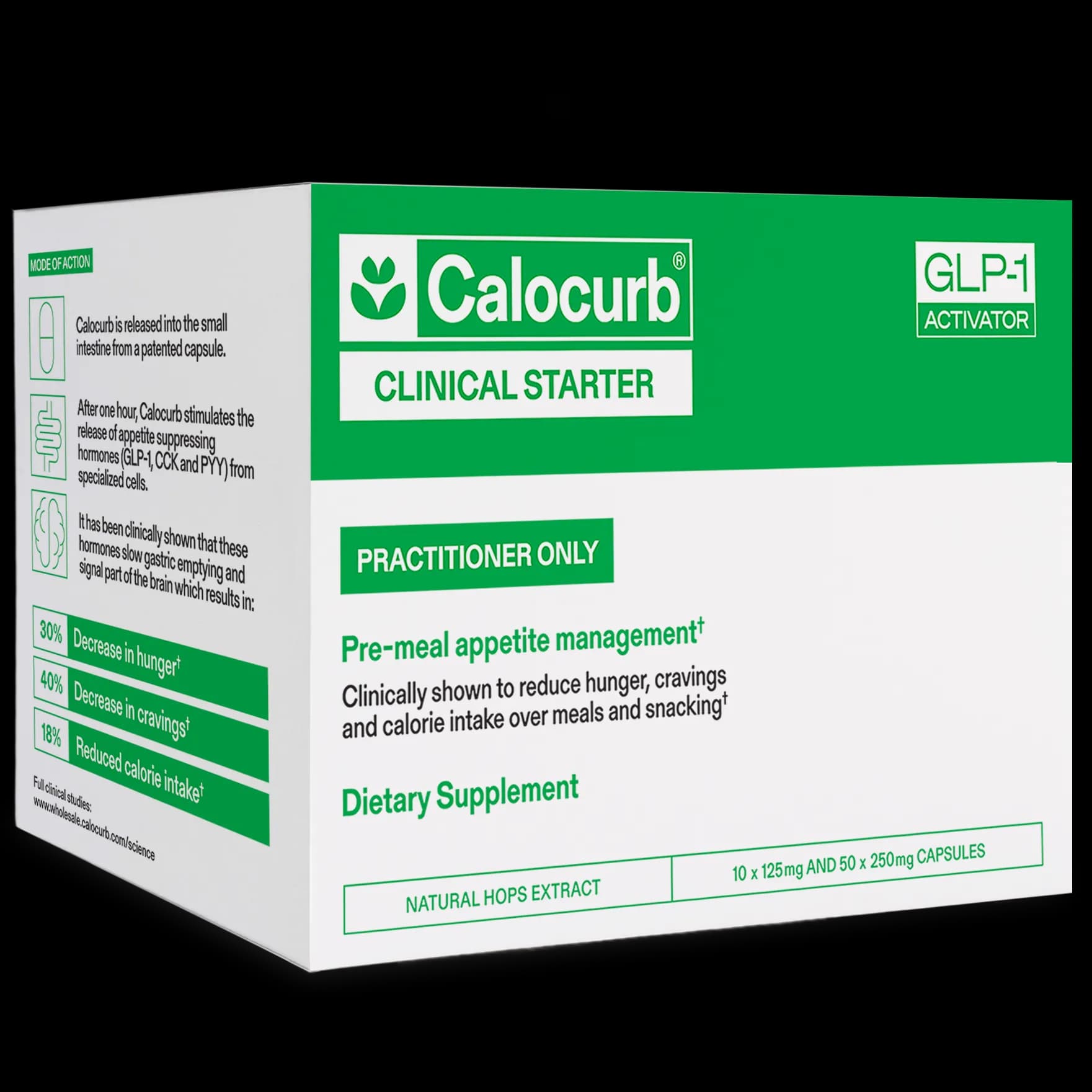
What is Calocurb CLINICAL?
The Discovery of Amarasate and the "Bitter Brake"
Successful weight management has become a pressing global health concern, with recent data indicating that more than 43% of adults are currently categorized as overweight or obese. For decades, the primary medical interventions for severe weight management have relied heavily on pharmaceutical drugs or invasive surgical procedures. While pharmaceutical interventions—particularly the recent surge in synthetic GLP-1 receptor agonists—are highly effective at reducing food intake by manipulating appetite pathways, they often carry significant long-term feasibility issues, high costs, and complex safety concerns, including severe gastrointestinal distress and rapid muscle loss. Recognizing the need for naturally derived compounds with favorable safety profiles, the New Zealand government funded a massive, $20 million research initiative in 2010. Led by the prestigious Plant & Food Research institute, this 14-year project sought to discover a plant-based compound capable of powerfully suppressing appetite and cravings by tapping into the body's evolutionary biology.
The researchers focused their attention on a physiological phenomenon known as the "bitter brake." Evolutionarily, humans developed a highly sensitive biological response to bitter-tasting plants, as extreme bitterness in nature often signals potential toxicity. When the digestive system detects highly bitter compounds, it rapidly slows down digestion and suppresses appetite to prevent the overconsumption of the potentially harmful plant. To harness this mechanism, the New Zealand research team meticulously screened over 900 different plant extracts in vitro. They ultimately discovered that a specific, native New Zealand commercial variety of the hops flower (Humulus lupulus) produced the most profound biological response. Utilizing a specialized supercritical CO2 extraction process, they isolated the active bitter alpha acids while removing the prenylflavonoids typically responsible for the sedative effects of hops. They named this patented extract Amarasate®, derived from the Latin word for "bitter satiation," which now serves as the sole active ingredient in Calocurb CLINICAL.
The Role of Enteroendocrine Cells and TAS2R Receptors
To understand how Amarasate works, we must look at the microscopic anatomy of the human gastrointestinal (GI) tract. The lining of our gut is not just a passive tube for nutrient absorption; it is the largest endocrine (hormone-producing) organ in the human body. Scattered throughout the epithelial lining of the stomach and intestines are specialized sensory cells known as enteroendocrine cells. These cells act as the "taste buds of the gut," constantly sampling the chemical composition of the food we eat and releasing hormones that dictate our digestion, metabolism, and feelings of hunger. Crucially, researchers have discovered that these enteroendocrine cells are heavily populated with Taste Receptor Type 2 (TAS2R) receptors—the exact same receptors responsible for detecting bitter flavors on our tongue.
TAS2R receptors are a type of G-protein coupled receptor (GPCR). When the highly concentrated bitter alpha acids in Amarasate reach the duodenum (the upper part of the small intestine) and bind to these TAS2R receptors, they initiate a rapid and complex intracellular signaling cascade. The binding activates a specific G-protein called gustducin, which in turn activates an enzyme known as phospholipase C (PLC). PLC cleaves a membrane phospholipid into two secondary messengers: inositol triphosphate (IP3) and diacylglycerol (DAG). IP3 travels to the endoplasmic reticulum inside the cell, triggering a massive release of stored intracellular calcium. This sudden spike in calcium depolarizes the enteroendocrine cell's membrane, causing it to undergo exocytosis—the rapid release of secretory vesicles packed with powerful metabolic hormones directly into the bloodstream and surrounding neural tissue.
The Satiety Triad: GLP-1, CCK, and PYY
The activation of TAS2R receptors by Amarasate results in the dose- and time-dependent release of a specific triad of anorexigenic (appetite-suppressing) hormones. The most famous of these is Glucagon-like peptide-1 (GLP-1). GLP-1 is an incretin hormone secreted primarily by intestinal L-cells. Once released, it performs several critical metabolic functions: it dramatically slows gastric emptying (keeping food in the stomach longer), it enhances glucose-dependent insulin secretion from the pancreas (helping to stabilize blood sugar levels), and it crosses the blood-brain barrier to interact directly with the arcuate nucleus of the hypothalamus, signaling to the brain that the body is fed and no longer requires calories. By stimulating the body's own endogenous GLP-1 production, Calocurb CLINICAL leverages this pathway naturally.
The second hormone in this triad is Cholecystokinin (CCK), which is secreted by I-cells in the duodenum. CCK is typically released in response to dietary fats and proteins, but the intense bitterness of Amarasate triggers a massive, immediate surge of this hormone. CCK plays a vital role in facilitating digestion by stimulating gallbladder contraction and the release of pancreatic enzymes. More importantly for weight management, CCK binds to receptors on the vagal afferent neurons located in the gut lining. These neurons send rapid, high-speed electrical signals up the vagus nerve directly to the brainstem, providing an acute, immediate sensation of fullness and satiation that stops a person from overeating during a meal.
The final component of the satiety triad is Peptide YY (PYY). Like GLP-1, PYY is secreted by the L-cells of the distal gut. PYY is primarily responsible for the "ileal brake mechanism," a physiological process that slows down the transit of food through the digestive tract to maximize nutrient absorption. In the brain, PYY binds to Y2 receptors in the hypothalamus, where it actively inhibits the release of Neuropeptide Y (NPY) and Agouti-related peptide (AgRP)—two of the most potent hunger-stimulating neurotransmitters in the human body. Together, the synchronized release of GLP-1, CCK, and PYY orchestrated by Amarasate creates a comprehensive, multi-pathway blockade against hunger and cravings, supporting sustainable weight management without synthetic chemicals.
How Long COVID and ME/CFS Impact Metabolic Health
The Shift to a Hypometabolic "Dauer" State
To understand why weight management is so profoundly difficult for individuals with Long COVID and ME/CFS, we must look beyond the simplistic "calories in, calories out" model and examine the cellular engine itself. At the core of these complex chronic illnesses is a severe breakdown in mitochondrial function. Mitochondria are the powerhouses of our cells, responsible for converting the food we eat into adenosine triphosphate (ATP), the energy currency of the body. Pioneering metabolomic research has demonstrated that patients with ME/CFS and Long COVID exhibit a distinct metabolic signature that closely mimics an evolutionarily conserved survival state known as dauer. In nature, when certain organisms face extreme environmental stress, famine, or toxicity, they enter a state of suspended animation, drastically downregulating their metabolism to conserve energy and survive.
In post-viral syndromes, the body perceives the lingering viral fragments, chronic inflammation, or autonomic nervous system dysregulation as a continuous, life-threatening stressor. In response, the cells trigger the Cell Danger Response (CDR), intentionally shutting down normal mitochondrial oxidative phosphorylation. This hypometabolic state means that the body is no longer efficiently burning glucose or fatty acids for energy. Instead of utilizing the calories consumed to power muscles and cognitive function, the metabolically inflexible body is forced to store those calories as fat. This cellular energy crisis is why patients experience profound, crushing fatigue, and it explains why weight gain can occur even when a patient is eating a highly restricted, low-calorie diet. Learn more about the complex relationship between these conditions in our guide, Can Long COVID Trigger ME/CFS? Unraveling the Connection.
Insulin Resistance and Viral Adipose Infection
Beyond mitochondrial shutdown, Long COVID and ME/CFS are increasingly recognized as drivers of severe, systemic insulin resistance. The SARS-CoV-2 virus gains entry into human cells by binding to ACE2 receptors. These receptors are not only found in the lungs but are heavily expressed in metabolic organs, including the pancreatic beta cells (which produce insulin) and adipose (fat) tissue. When the virus infiltrates the pancreas, it can cause direct cellular damage, impairing the body's ability to produce and regulate insulin effectively. Furthermore, clinical studies have shown that the virus can actively infect fat cells, turning adipose tissue into a persistent reservoir of viral particles and chronic inflammation.
This persistent inflammation in the fat tissue drastically lowers the production of adiponectin, a crucial hormone that helps the body burn fat and maintain insulin sensitivity. As insulin resistance develops, the body's cells refuse to absorb glucose from the bloodstream. To compensate, the pancreas pumps out even more insulin. Chronic hyperinsulinemia (high blood insulin levels) acts as a one-way biological switch that commands the body to aggressively store visceral fat, particularly around the abdomen, while simultaneously locking away existing fat stores so they cannot be burned for energy. This metabolic chaos leaves patients feeling constantly starved for energy at a cellular level, driving intense cravings for sugary, high-carbohydrate foods as the brain desperately seeks quick fuel. We explore this metabolic crisis further in Diabetes and Long COVID: A Pandemic Within a Pandemic.
The Vicious Cycle of PEM and Weight Gain
The metabolic dysfunction seen in Long COVID and ME/CFS is further compounded by the physical realities of living with these conditions. The hallmark symptom of ME/CFS is post-exertional malaise (PEM)—a severe, delayed exacerbation of symptoms following even minor physical or cognitive exertion. For healthy individuals, the standard medical advice for weight management is to increase cardiovascular exercise and build muscle mass to boost the basal metabolic rate. However, for a patient with PEM, attempting to exercise can trigger a debilitating "crash" that leaves them bedbound for days or weeks, causing further mitochondrial damage and amplifying systemic inflammation.
This inability to exercise safely creates a devastating vicious cycle. The forced sedentary lifestyle, necessitated by the need to pace and avoid PEM, naturally reduces the body's daily caloric expenditure. When combined with the underlying insulin resistance, hypometabolism, and the frequent sleep architecture disruptions common in dysautonomia (which further elevate next-day fasting insulin and cortisol levels), the biological environment becomes perfectly primed for rapid, stubborn weight gain. Breaking this cycle requires interventions that can stabilize metabolic hormones and control appetite without requiring physical exertion, which is why compounds that naturally influence GLP-1 and insulin sensitivity are becoming focal points in post-viral recovery protocols. For more on metabolic stabilization, read Metformin: Long COVID Risk Reduction and Diabetes Management.
Calocurb CLINICAL: Supporting Metabolic Function and Appetite Control
Natural GLP-1 Secretagogue Action
For patients battling the metabolic fallout of Long COVID and ME/CFS, Calocurb CLINICAL offers a unique, physiologically aligned approach to restoring hormonal balance. Unlike pharmaceutical weight-loss injections (such as semaglutide or tirzepatide) that introduce synthetic, long-acting peptides into the bloodstream to constantly agonize GLP-1 receptors, the Amarasate extract in Calocurb acts as a natural secretagogue. A secretagogue is a substance that promotes the biological secretion of another substance. By aggressively stimulating the TAS2R bitter taste receptors in the duodenum, Amarasate prompts the patient's own enteroendocrine cells to manufacture and release their natural stores of GLP-1, CCK, and PYY.
This natural mechanism of action is crucial for patients with complex chronic illnesses who may be highly sensitive to pharmaceutical side effects. Synthetic GLP-1 drugs keep hormone levels chronically elevated 24/7, which is why they frequently cause severe nausea, gastroparesis (stomach paralysis), and rapid loss of lean muscle mass. In contrast, Calocurb CLINICAL works with the body's natural pulsatile rhythms. When taken an hour before a meal, it creates a potent, temporary spike in satiety hormones that mimics the natural physiological response to eating a large, nutrient-dense meal. Clinical trials demonstrate that this endogenous GLP-1 and CCK release peaks powerfully to suppress appetite during the meal and then naturally tapers off over the next four hours, significantly reducing the risk of continuous gastrointestinal distress. For more on supporting healthy body composition, see Can PureLean® Protein Support Healthy Weight Management in Long COVID and ME/CFS?.
Gut-Brain Axis and Vagus Nerve Signaling
The benefits of Calocurb CLINICAL extend beyond simple calorie reduction; it actively engages the gut-brain axis, a critical communication network that is frequently dysregulated in patients with dysautonomia and post-viral syndromes. The gut-brain axis relies heavily on the vagus nerve, the longest cranial nerve in the body, which acts as the primary superhighway for the parasympathetic ("rest and digest") nervous system. In conditions like Long COVID and ME/CFS, patients are often trapped in a state of chronic sympathetic overdrive ("fight or flight"), leading to erratic heart rates, poor digestion, and severe anxiety.
When Amarasate triggers the release of CCK and GLP-1 in the small intestine, these hormones do not just circulate in the blood; they actively bind to receptors on the vagal afferent nerve endings embedded in the gut wall. This binding sends robust, calming electrical signals up the vagus nerve to the nucleus tractus solitarius (NTS) in the brainstem. This vagal stimulation not only provides the brain with profound feelings of satiety and satisfaction, but it also helps tone the autonomic nervous system. By repeatedly engaging this parasympathetic pathway, natural GLP-1 secretagogues may help gently encourage the nervous system out of its chronic stress state, supporting better overall digestion and autonomic stability.
Anti-Inflammatory Potential of Hops Extracts
In addition to its powerful effects on appetite hormones, the specific botanical source of Amarasate—the Humulus lupulus (hops) flower—offers secondary mechanisms that are highly relevant to chronic illness management. Long COVID, ME/CFS, and mast cell activation syndrome (MCAS) are all driven by systemic, unrelenting inflammation. The immune system remains locked in an activated state, constantly churning out inflammatory cytokines that damage tissues, inflame the vascular endothelium, and cross the blood-brain barrier to cause severe neuroinflammation and brain fog.
The bitter alpha acids concentrated in the Amarasate extract have been studied for their potent anti-inflammatory properties. Research suggests that these specific hop compounds can modulate and downregulate the activation of Nuclear Factor kappa B (NF-κB). NF-κB is a master protein complex that controls the transcription of DNA and is a primary driver of pro-inflammatory cytokine production in the human body. By helping to inhibit the NF-κB pathway, the bitter acids in Calocurb CLINICAL may provide a subtle but meaningful reduction in the systemic inflammatory burden, offering a dual-action approach that supports both metabolic health and immune modulation. To explore other anti-inflammatory metabolic supports, read Can Thermo-EFx™ Support Healthy Weight Management in Long COVID and ME/CFS?.

Symptoms Calocurb CLINICAL May Help Manage
Targeted Symptom Relief for Metabolic Dysfunction
By powerfully stimulating the release of endogenous GLP-1, CCK, and PYY, Calocurb CLINICAL targets the root hormonal imbalances that drive metabolic chaos in chronic illness. Patients utilizing this practitioner-exclusive supplement may experience support in managing the following specific symptoms:
Uncontrollable Food Cravings: By elevating PYY and GLP-1, which cross the blood-brain barrier to inhibit hunger-stimulating neurons in the hypothalamus, Calocurb significantly reduces intense, intrusive cravings, particularly for high-carbohydrate and sugary foods that patients often seek for quick energy.
Frequent Hunger Pangs: The massive, localized spike in CCK triggered by the bitter hops extract provides a rapid and profound sense of physical fullness, eliminating the gnawing, constant hunger that often accompanies insulin resistance and metabolic dysfunction.
Post-Meal Fatigue and Blood Sugar Crashes: By slowing gastric emptying, Calocurb ensures that carbohydrates are digested and absorbed into the bloodstream at a much slower, controlled rate. This blunts the sharp spikes in blood glucose and subsequent insulin surges that cause debilitating post-meal energy crashes.
Stubborn Weight Gain: By naturally reducing caloric intake by roughly 218-226 calories without requiring physical exertion, Calocurb helps patients safely manage their weight and reduce visceral fat accumulation, even when exercise is impossible due to post-exertional malaise (PEM).
Metabolic Inflexibility: By supporting the body's natural incretin effect and enhancing glucose-dependent insulin secretion, Calocurb helps stabilize the baseline metabolic environment, gently encouraging the cells to become more responsive to insulin over time.
Intermittent Fasting Discomfort: For patients utilizing time-restricted eating or fasting protocols to induce autophagy and clear viral debris, Calocurb effectively suppresses the sharp peaks of the hunger hormone ghrelin, making fasting windows significantly more comfortable and sustainable.
Practical Considerations: Forms, Dosing, and Absorption
The Importance of Delayed-Release Delivery
The efficacy of Calocurb CLINICAL relies entirely on its highly specialized delivery mechanism. The Amarasate extract is exceptionally bitter—so bitter, in fact, that if it were released in the stomach, it would likely trigger severe nausea and gastric distress. Furthermore, the highest concentration of the target TAS2R bitter taste receptors is located just past the stomach, in the duodenum of the small intestine. To solve this physiological challenge, Ortho Molecular Products utilizes a patented, delayed-release vegetarian capsule.
This specialized capsule is engineered to withstand the highly acidic environment of the stomach without breaking down. It safely transports the concentrated hops extract through the gastric environment and only begins to dissolve once it reaches the more alkaline, pH-neutral environment of the upper small intestine. This targeted delivery ensures that the "bitter brake" mechanism is activated exactly where the enteroendocrine cells are most dense, maximizing the release of GLP-1, CCK, and PYY while minimizing the risk of upper gastrointestinal side effects. Because of this mechanism, it is crucial that patients never crush, chew, or open the capsules; they must be swallowed whole with at least 8 ounces of water.
The Starter Pack Titration Protocol
Because Calocurb CLINICAL powerfully alters gut hormone levels and delays gastric emptying, the digestive system requires time to adapt to these new physiological signals. To ensure patient comfort and minimize the risk of gastrointestinal upset, Ortho Molecular Products requires patients to begin their regimen with the Starter Pack, which utilizes a strict, multi-day titration protocol to slowly onboard the body to the Amarasate extract.
The standard Starter Pack protocol is structured as follows: On Days 1 and 2, patients take a single 125 mg capsule one hour before their largest meal. On Days 3 and 4, the dose increases to one 125 mg capsule taken twice daily, one hour before meals. On Day 5, patients take two 125 mg capsules (250 mg total) twice daily. From Day 6 onward, the body is typically prepared for the full clinical dose, and patients transition to taking one 250 mg capsule twice daily. It is imperative that the supplement is taken on an empty stomach (at least one hour before eating) to ensure the capsule passes quickly through the stomach and into the duodenum before food arrives. Once the Starter Pack is completed, patients seamlessly transition to the Calocurb CLINICAL Maintenance Pack.
Potential Side Effects and Contraindications
While Calocurb CLINICAL is a natural, 100% plant-based supplement with a Generally Recognized As Safe (GRAS) profile, its potent biological effects mean it must be used with care. The most commonly reported side effect during the initial onboarding phase is a temporary laxative effect, resulting in loose stools or mild diarrhea. This occurs because the bitter compounds can temporarily alter colonic anion secretion. Some users also report experiencing mild "hoppy" burps, reminiscent of the taste of craft beer, as the capsule breaks down. These symptoms typically resolve within the first few days as the GI tract adjusts to the delayed gastric emptying.
There are several strict contraindications for Calocurb CLINICAL. Medical safety guidelines dictate that it should never be taken concurrently with prescription GLP-1 agonist medications (such as Ozempic, Wegovy, or Mounjaro), as the overlapping amplification of GLP-1 pathways can cause severe gastrointestinal distress and stomach paralysis. It is also contraindicated for individuals under 18, pregnant or nursing women, individuals with a history of eating disorders, and patients with Inflammatory Bowel Disease (IBD) such as Crohn's or Ulcerative Colitis, due to its potential to irritate the bowel. Because it heavily suppresses appetite and delays gastric emptying, patients taking daily prescription medications or insulin should consult their healthcare provider, as the delayed digestion can alter the absorption rate of oral drugs and increase the risk of hypoglycemia if adequate calories are not consumed.

Follow the Science
Clinical Trials on Caloric Intake and Hunger
The efficacy of the Amarasate extract in Calocurb CLINICAL is supported by robust, peer-reviewed clinical data, distinguishing it from many standard weight-loss supplements. In a highly significant 2021/2022 randomized, double-blind, crossover study on healthy men, researchers investigated the hormonal and behavioral impacts of delivering the bitter hops extract directly to the duodenum. The results were striking: blood tests confirmed that the extract triggered massive surges in satiety hormones. Specifically, endogenous GLP-1, CCK, and PYY levels significantly increased compared to placebo.
Beyond blood biomarkers, the researchers measured real-world behavioral outcomes. Following the administration of the extract, participants were provided with an ad libitum meal, meaning they were allowed to eat until they felt comfortably full. The data revealed that participants who received the intestinal-targeted Amarasate consumed roughly 218-226 fewer calories during the ad libitum lunch and snack periods compared to the placebo group. This substantial reduction in caloric intake occurred naturally, without the participants feeling deprived or consciously attempting to restrict their eating, proving the profound efficacy of the "bitter brake" mechanism.
The 2024 Fasting and Cravings Study in Women
Recent research has expanded to specifically examine the extract's effects on women and its utility in supporting fasting protocols. In September 2024, a landmark study published in Obesity Pillars evaluated 30 healthy adult women undergoing a rigorous 24-hour water-only fast. The participants were given either a placebo or the Amarasate extract at 16 hours and 20 hours into the fast, followed by an ad libitum fast-breaking meal. The researchers meticulously tracked absolute hunger scores, specific food cravings, and subsequent caloric intake.
The findings demonstrated that the bitter hops extract profoundly mitigated the physiological stress of fasting. Women taking the extract reported a 30% reduction in absolute feelings of hunger compared to the placebo group. Even more notably, cravings for specific foods were reduced by up to 40%, with a particularly strong suppression of pre-meal cravings for savory foods and post-meal cravings for sugary sweets. Furthermore, the phenomenon of "rebound eating"—the tendency to aggressively overeat after a period of caloric restriction—was reduced by over 14%. The researchers concluded that females appear to be highly sensitive to the appetite-suppressing effects of gastrointestinal-targeted bitterness, making it a highly effective tool for managing cravings.
Ongoing Research in Metabolic Health
The scientific exploration of Amarasate is far from over. Recognizing its potential as a safe, non-systemic alternative to pharmaceutical GLP-1 agonists, researchers are currently conducting a large-scale, $2 million, 6-month clinical trial involving 150 participants. This ongoing study aims to measure the long-term weight loss efficacy, safety profile, and broader metabolic biomarker improvements associated with daily Amarasate use in individuals with a BMI over 30.
For the complex chronic illness community, this ongoing research is incredibly promising. While direct clinical trials on Calocurb in Long COVID and ME/CFS populations have not yet been conducted, the proven ability of the extract to naturally stimulate GLP-1, stabilize insulin responses, and reduce caloric intake without requiring physical exertion aligns perfectly with the metabolic needs of post-viral patients. As our understanding of the gut-brain axis and metabolic dysfunction deepens, targeted botanical interventions like Amarasate will likely play an increasingly central role in comprehensive recovery protocols.
The Path Forward
A Holistic Approach to Post-Viral Weight Management
Living with the metabolic consequences of Long COVID, ME/CFS, or dysautonomia is an incredibly heavy burden to carry. It is vital to recognize that the weight gain and metabolic resistance you may be experiencing are not personal failures or the result of a lack of willpower; they are the direct physiological consequences of a body trapped in a profound cellular energy crisis and systemic insulin resistance. Healing from these conditions requires immense patience, deep self-compassion, and a multifaceted medical approach that respects your body's current limitations, especially regarding post-exertional malaise (PEM).
Supplements like Calocurb CLINICAL are powerful tools, but they are most effective when integrated into a comprehensive management strategy. This strategy should include aggressive pacing to prevent mitochondrial crashes, careful symptom tracking to identify specific metabolic triggers, nervous system regulation techniques to calm vagal tone, and ongoing collaboration with a literate healthcare provider. By addressing the root hormonal imbalances and supporting the body's natural satiety signals, you can begin to gently guide your metabolism out of its defensive "dauer" state.
Reclaiming Your Metabolic Health
While the journey to restoring metabolic health in the face of complex chronic illness is undeniably challenging, the rapid advancements in our understanding of the gut-brain axis and natural GLP-1 secretagogues offer a profound sense of hope. You do not have to rely solely on systemic pharmaceuticals with heavy side-effect profiles to regain control of your appetite and metabolic stability. By leveraging the evolutionary brilliance of the "bitter brake" mechanism, you can support your body's innate healing pathways safely and naturally.
If you are struggling with stubborn weight gain, intense cravings, or metabolic inflexibility as a result of your chronic condition, targeted botanical support may be the missing piece in your recovery protocol. Always consult with your healthcare provider before beginning any new supplement regimen, especially if you are currently taking prescription medications or managing severe gastrointestinal symptoms. Explore Calocurb CLINICAL to learn more about how this practitioner-exclusive formula can support your metabolic journey.