Can +CAL+ with Ipriflavone Support Bone Health in Long COVID and ME/CFS?
March 5, 2026
Bone HealthLong COVIDME/CFS
Share:
Disclaimer: The information provided here is for educational purposes only and is not intended as medical advice. It should not be used to diagnose, treat, cure, or prevent any medical condition. Instead, use it as a starting point for discussion with your healthcare provider. Always consult with a qualified healthcare provider before starting any new medication, supplement, device, or making changes to your health regimen.
When living with complex, invisible illnesses like Long COVID, myalgic encephalomyelitis/chronic fatigue syndrome (ME/CFS), and dysautonomia, the focus of medical care is often heavily directed toward managing immediate, debilitating symptoms like severe fatigue, brain fog, and rapid heart rates. However, beneath the surface of these daily struggles, a silent but critical structural crisis is often unfolding within the skeletal system. The chronic inflammation, immune dysregulation, and forced physical inactivity associated with these conditions create a perfect storm for rapid bone density loss, leaving patients vulnerable to osteopenia and osteoporosis at shockingly young ages. For many patients, the realization that their skeletal integrity is compromised only comes after experiencing unexplained bone pain or suffering a fracture from a minor impact.
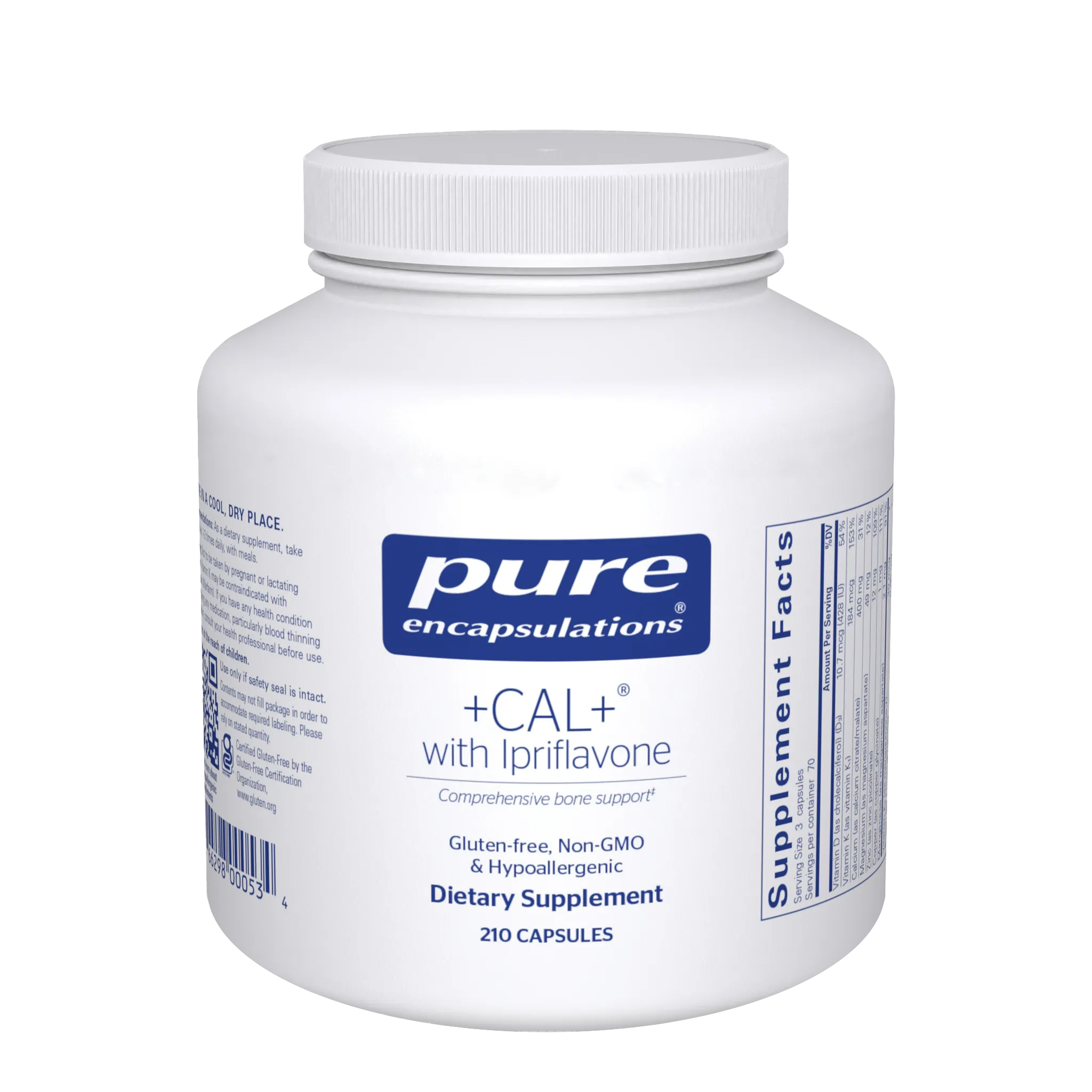
Maintaining strong, resilient bones requires far more than just drinking a glass of milk or taking a generic calcium tablet. The human skeleton is a highly dynamic, living tissue that requires a complex, synergistic matrix of minerals, vitamins, and cellular modulators to constantly rebuild itself. This is where advanced nutritional formulations come into play. +CAL+ with Ipriflavone by Pure Encapsulations is a comprehensive bone support formula designed to provide highly bioavailable calcium alongside a precise blend of Vitamin D3, Vitamin K1, essential trace minerals, and the unique synthetic isoflavone, ipriflavone. In this comprehensive guide, we will explore the intricate biochemistry of bone remodeling, how chronic illness disrupts this delicate balance, and how the specific ingredients in +CAL+ with Ipriflavone may help support skeletal strength and mineralization for those navigating complex health journeys.
TL;DR
Chronic illnesses like Long COVID and ME/CFS can accelerate bone density loss due to inflammation and inactivity.
+CAL+ with Ipriflavone provides highly bioavailable calcium, vitamins D3 and K1, and trace minerals for bone support.
Ipriflavone is a unique cellular modulator that may help slow bone breakdown and support rebuilding.
Always consult your healthcare provider before starting new supplements, especially if taking blood thinners.
What is +CAL+ with Ipriflavone?
A Comprehensive Matrix for Skeletal Integrity
To truly understand the value of a comprehensive bone support supplement, it is essential to first understand that the human skeleton is not a static, unchanging structure. Instead, it is a highly active, living organ system that undergoes a continuous process known as bone remodeling. This process is governed by two primary types of cells: osteoclasts, which are responsible for breaking down and resorbing old or damaged bone tissue, and osteoblasts, which are responsible for synthesizing new bone matrix and facilitating its mineralization. In a healthy body, the activity of these two cell types is perfectly balanced, ensuring that old bone is cleared away and replaced with strong, dense new tissue. However, when this balance is disrupted by illness, inflammation, or nutritional deficiencies, osteoclast activity can outpace osteoblast activity, leading to a net loss of bone mass and structural integrity.
+CAL+ with Ipriflavone is meticulously formulated to address multiple facets of this complex remodeling process simultaneously. At its core, the formula provides 400 mg of calcium in the highly bioavailable form of calcium citrate/malate. Calcium is the most abundant mineral in the human body and serves as the primary structural component of bone tissue, providing the rigidity and strength necessary to support the body and protect vital organs. Beyond its structural role, calcium is also an essential electrolyte required for the functional integrity of the nervous system, muscular contraction, and the maintenance of cell membrane permeability. Because the body tightly regulates blood calcium levels to ensure these critical systemic functions continue uninterrupted, it will ruthlessly strip calcium from the bones if dietary intake or absorption is insufficient, highlighting the critical need for a highly absorbable supplemental source.
However, providing raw calcium is only the first step in supporting skeletal health; the body must also be directed on how to absorb and utilize that calcium effectively. This is why +CAL+ with Ipriflavone includes 10.7 mcg (428 IU) of Vitamin D3 (cholecalciferol) and 214 mcg of Vitamin K1. As current medical research explores the benefits of taking Vitamin K and Vitamin D together, especially for older adults at risk for osteoporosis or undergoing anticoagulation therapy, these two fat-soluble vitamins are thought to work in synergy to manage calcium metabolism. Vitamin D3 acts as the gatekeeper, significantly enhancing the intestinal absorption of calcium into the bloodstream. Once the calcium is in the blood, Vitamin K1 acts as the director, activating specific proteins that bind to the calcium and physically transport it into the bone matrix, ensuring that the mineral is deposited where it is needed most rather than accumulating dangerously in soft tissues or blood vessels.
The Unique Role of Ipriflavone
One of the most distinguishing features of this formula is the inclusion of ipriflavone, a specialized synthetic derivative of naturally occurring isoflavones found in plants like soy. Originally developed and studied extensively in the 1980s and 1990s as a potential therapeutic agent for metabolic bone diseases, ipriflavone (7-isopropoxyisoflavone) offers a unique mechanism of action that sets it apart from traditional vitamins and minerals. Unlike classic hormone replacement therapies, pharmacological data indicates that ipriflavone lacks direct estrogenic activity on reproductive tissues, meaning it does not carry the same systemic hormonal risks associated with estrogen therapy. Instead, it exerts a highly targeted, multi-faceted influence directly on the cellular mechanisms of bone remodeling.
Ipriflavone primarily functions as a potent anti-resorptive agent, meaning it actively works to slow down the breakdown of bone tissue. It achieves this by directly inhibiting the formation and activation of osteoclasts. At a cellular level, ipriflavone binds to unique receptor sites on osteoclasts and their precursors, modulating intracellular free calcium levels and blocking the signals that normally trigger these cells to dissolve bone matrix. Furthermore, research suggests that ipriflavone acts synergistically with the body's natural hormones to promote the secretion of calcitonin. Calcitonin is a vital hormone produced by the thyroid gland that naturally antagonizes parathyroid hormone (PTH), directly inhibiting osteoclast activity and preventing the excessive loss of calcium from the skeletal system.
In addition to its anti-resorptive properties, ipriflavone also exhibits anabolic, or tissue-building, characteristics. Studies indicate that it stimulates the proliferation of osteoblasts, the cells responsible for building new bone. It increases the activity of alkaline phosphatase (ALP), an enzyme that is absolutely vital for the proper mineralization of the bone matrix. By simultaneously suppressing the cells that destroy bone and supporting the cells that build it, ipriflavone provides a dual-action approach to maintaining healthy bone density and structural integrity, making it a powerful addition to a comprehensive skeletal support regimen.
Trace Minerals and the Structural Scaffolding
While calcium is the most prominent mineral in the skeletal system, human bone is not simply a solid block of chalk; it is a complex, living composite material. The foundation of bone is actually a flexible protein matrix composed primarily of Type I collagen. This collagen scaffolding provides bones with their tensile strength and flexibility, preventing them from becoming brittle and shattering under pressure. The calcium and phosphorus crystals (hydroxyapatite) are then deposited onto this collagen matrix to provide rigidity and compressive strength. To properly synthesize and maintain this critical collagen scaffolding, the body requires a precise array of essential trace minerals, which are thoughtfully included in the +CAL+ with Ipriflavone formula.
The formula provides 49 mg of magnesium, a mineral that works intimately with calcium to regulate bone metabolism and ensure proper muscle function. It also includes zinc, copper, and manganese, all of which act as essential cofactors for the enzymes responsible for synthesizing and cross-linking collagen fibers. For instance, copper is required for the function of lysyl oxidase, the specific enzyme that cross-links collagen and elastin molecules to give bone its structural stability. Furthermore, the inclusion of 9 mg of silica, derived from bamboo extract, provides targeted support for the formation of mineralized bone matrix. Silica is heavily concentrated in the areas of active bone growth and is essential for the proper cross-linking of collagen strands, ensuring that the skeletal scaffolding remains resilient and capable of supporting the body's demands.
How Long COVID and ME/CFS Impact Bone Health
Viral Inflammation and the Osteoclast Surge
For individuals living with Long COVID, the impact of the SARS-CoV-2 virus extends far beyond the respiratory and cardiovascular systems; it actively and aggressively targets the skeletal system. Emerging clinical research has illuminated the profound ways in which chronic viral infection and subsequent immune dysregulation disrupt the delicate balance of bone remodeling. A breakthrough December 2024 study by Cleveland Clinic researchers revealed that the SARS-CoV-2 virus triggers bone inflammation and breakdown, especially in individuals with autoimmune diseases. This virus-induced inflammation can lead to systemic bone degradation, explaining why many Long COVID patients report severe, unexplained bone pain and structural weakness months or even years after their initial infection.
Furthermore, the systemic "cytokine storms" associated with severe COVID-19 infections—characterized by massively elevated levels of inflammatory markers like Interleukin-6 (IL-6) and Tumor Necrosis Factor-alpha (TNF-α)—wreak havoc on the body's RANKL/OPG ratio. This ratio is the primary signaling pathway that controls bone resorption. When chronic inflammation skews this ratio, the body remains locked in a state of continuous bone breakdown long after the acute viral phase has resolved. The long-term consequences of this inflammatory cascade are severe; a multi-institutional retrospective cohort study found that a COVID-19 infection impacts long-term osteoporosis risk among patients aged 50 and older with new-onset overweight, obesity, or type 2 diabetes.
The ME/CFS Catch-22: PEM and Bone Density
Patients living with myalgic encephalomyelitis/chronic fatigue syndrome (ME/CFS) face a uniquely devastating Catch-22 when it comes to maintaining their skeletal health. The hallmark symptom of ME/CFS is post-exertional malaise (PEM), a severe and often delayed exacerbation of multi-systemic symptoms following even minor physical or cognitive exertion. Because the primary natural method for building and maintaining bone density in the general population is heavy, weight-bearing exercise (such as running, jumping, or weightlifting), ME/CFS patients are fundamentally deprived of the mechanical stress required to stimulate osteoblast activity. The inability to tolerate exercise without triggering debilitating crashes places these individuals at a severe, unavoidable disadvantage, leading to rapid disuse osteopenia.
Beyond the physical limitations imposed by PEM, the underlying pathophysiology of ME/CFS actively contributes to skeletal degradation. A pathophysiological review noted that the dysregulation of the 2,5A synthetase RNase L antiviral pathway—a cellular anomaly frequently observed in ME/CFS patients—dramatically increases the body's metabolic demand for calcium. To meet this heightened demand, the body is forced to strip calcium directly from the skeletal reservoir, further weakening the bones. The clinical reality of these combined factors is stark; a 2014 nationwide cohort study evaluating fracture risk found that patients with ME/CFS exhibited a statistically significant 1.16-fold higher risk of bone fractures compared to healthy controls. For patients already struggling to maintain their independence with chronic illness, a bone fracture can be a catastrophic event that drastically reduces their quality of life and mobility.
Dysautonomia, Connective Tissue, and Early Osteopenia
For individuals navigating Postural Orthostatic Tachycardia Syndrome (POTS) and other forms of dysautonomia, bone density loss is frequently driven by a complex web of comorbidities. Dysautonomia is highly comorbid with connective tissue disorders, most notably Hypermobile Ehlers-Danlos Syndrome (hEDS), as well as Mast Cell Activation Syndrome (MCAS). Because collagen forms the foundational structural scaffolding of human bone, the hereditary collagen defects inherent in hEDS mean that the bones fundamentally lack structural integrity from the outset. When this compromised scaffolding is combined with the chronic sympathetic nervous system overactivity seen in POTS and the systemic allergic inflammation generated by MCAS, proper bone metabolism is severely impaired, leading to early-onset bone density loss.
The clinical data regarding bone health in this specific patient population is deeply concerning. Groundbreaking clinical data presented at the American College of Rheumatology investigated dysautonomia and osteoporosis in 2,300 Ehlers-Danlos hypermobile patients. This data highlights a critical, often-overlooked crisis: young patients with dysautonomia and connective tissue disorders are at risk for developing fragile bones, necessitating aggressive, early nutritional and medical intervention to protect their skeletal future.
+CAL+ with Ipriflavone: Supporting Skeletal Strength and Mineralization
Superior Absorption with Calcium Citrate Malate
When attempting to restore depleted bone density, the form of calcium utilized is just as critical as the dosage. The vast majority of over-the-counter calcium supplements rely on calcium carbonate, an inexpensive, highly concentrated compound. However, calcium carbonate is notoriously difficult for the body to absorb, requiring a highly acidic stomach environment to dissolve and ionize properly. In contrast, +CAL+ with Ipriflavone utilizes calcium citrate/malate (CCM), a specialized compound formed by binding calcium to both citric acid and malic acid. This unique molecular structure makes CCM exceptionally water-soluble—up to six to nine times more soluble than standard calcium citrate, and exponentially more soluble than calcium carbonate.
The clinical benefits of this enhanced solubility are profound. Isotope tracing studies, which are considered the gold standard for measuring mineral absorption, reveal that the fractional absorption rate of CCM ranges from 35% to 42%, compared to a mere 22% to 27% for calcium carbonate. Furthermore, because CCM does not rely on stomach acid to break down, it can be taken on an empty stomach without losing its high absorption rate. This is an absolute game-changer for chronic illness patients who suffer from low stomach acid (achlorhydria), those taking proton pump inhibitors (PPIs) or H2 blockers for MCAS-related gastrointestinal issues, and older adults whose natural stomach acid production has declined. By bypassing the need for a harsh acidic reaction, CCM also significantly reduces the severe bloating, gas, and constipation commonly associated with traditional calcium supplements.
The Vitamin D3 and K1 Synergy
The inclusion of Vitamin D3 and Vitamin K1 in this formula addresses a critical physiological concept known as the "calcification paradox." While supplementing with high doses of calcium and Vitamin D3 alone can successfully increase the amount of calcium circulating in the bloodstream, it does not guarantee that the calcium will actually make its way into the bone tissue. Without proper guidance, elevated blood calcium can deposit into soft tissues, kidneys, and arterial walls, leading to dangerous vascular calcification. This is where the profound synergy of Vitamins D3 and K1 becomes essential for safe and effective skeletal support.
At a molecular level, the active hormonal form of Vitamin D3 (calcitriol) stimulates bone-building osteoblasts to synthesize a specific protein called osteocalcin. However, when newly synthesized, this osteocalcin is "undercarboxylated" and biologically inactive. Vitamin K1 (phylloquinone) acts as the essential cofactor for the enzyme gamma-glutamyl carboxylase. This enzyme facilitates the gamma-carboxylation of specific glutamic acid residues on the osteocalcin molecule, effectively "turning it on." Once activated, carboxylated osteocalcin develops a powerful binding affinity for calcium ions, chelating them from the blood and locking them directly into the calcium hydroxyapatite crystals within the bone matrix. Simultaneously, Vitamin K1 activates Matrix Gla Protein (MGP), a potent inhibitor of vascular calcification, ensuring that the calcium strengthens the skeleton rather than stiffening the arteries.
Ipriflavone’s Dual-Action Cellular Modulation
While vitamins and minerals provide the raw materials and metabolic pathways for bone construction, ipriflavone acts as a powerful cellular modulator to actively shift the balance of bone remodeling in favor of preservation. Its primary mechanism of action is the aggressive, direct inhibition of osteoclasts. By binding to unique cellular receptors, ipriflavone modulates intracellular free calcium within osteoclast precursors, effectively suppressing their differentiation into mature, bone-destroying cells. Furthermore, in animal models, ipriflavone has been shown to act as a dose-dependent inhibitor of bone resorption stimulated by powerful inflammatory triggers like parathyroid hormone (PTH), prostaglandin E2 (PGE2), and interleukin-1-beta—the very same inflammatory cytokines that are chronically elevated in patients with Long COVID and ME/CFS.
Beyond merely stopping bone destruction, ipriflavone also supports the active rebuilding of the skeletal matrix. Research indicates that ipriflavone and its metabolites exhibit notable anabolic properties, stimulating the proliferation of osteoblasts and increasing the activity of alkaline phosphatase (ALP), an enzyme critical for bone mineralization. Recent pharmacological studies suggest that ipriflavone promotes this osteogenic differentiation and bone matrix formation by activating the GPR30/PI3K/AKT cellular signaling pathway. By simultaneously shutting down the cellular machinery that breaks bone down and upregulating the pathways that build it up, ipriflavone provides a sophisticated, dual-action approach to maintaining healthy bone density in the face of chronic, systemic stress.
Trace Minerals for Type I Collagen Synthesis
To complete the skeletal support matrix, +CAL+ with Ipriflavone delivers a precise blend of trace minerals specifically chosen for their role in synthesizing and stabilizing Type I collagen. While calcium provides the hardness of bone, it is the collagen scaffolding that provides the essential flexibility and shock absorption required to prevent fractures. Zinc and copper are absolutely vital for this process; they serve as mandatory cofactors for lysyl oxidase, the enzyme responsible for creating the complex cross-links between collagen fibers that give the bone matrix its incredible tensile strength. Without adequate copper and zinc, these cross-links fail to form properly, resulting in structurally weak, disorganized bone tissue that is highly susceptible to mechanical failure.
Additionally, the formula includes a targeted dose of silica derived from natural bamboo extract. Silica is a trace element that is heavily concentrated in the osteoid—the unmineralized, organic portion of the bone matrix—during the early stages of bone formation. It plays a crucial role in facilitating the initial deposition of calcium and phosphorus onto the collagen scaffolding, effectively kickstarting the mineralization process. By providing these essential trace minerals alongside highly bioavailable calcium, synergistic vitamins, and cellular modulators, +CAL+ with Ipriflavone ensures that every phase of the bone remodeling cycle is nutritionally supported, from the initial synthesis of the flexible collagen matrix to the final hardening of the mineralized crystal structure.

Symptoms +CAL+ with Ipriflavone May Help Manage
Targeted Skeletal and Systemic Support
While +CAL+ with Ipriflavone is primarily designed to support bone density, the comprehensive nature of its ingredients provides a wide range of targeted benefits that may help manage several complex symptoms associated with chronic illness:
Progressive Osteopenia and Osteoporosis: By providing highly bioavailable calcium citrate/malate and the dual-action cellular modulation of ipriflavone, this formula directly targets the rapid bone density loss triggered by viral inflammation, physical inactivity (PEM), and connective tissue disorders, helping to maintain structural integrity and reduce fracture risk.
Deep Bone and Joint Aching: The severe, deep-tissue bone pain frequently reported by Long COVID patients is often driven by rampant osteoclast activity and bone marrow inflammation. Ipriflavone's ability to inhibit osteoclast activation and block inflammatory resorption triggers like PGE2 may help soothe this deep structural aching.
Muscle Cramping and Spasms: Calcium and magnesium are the primary electrolytes responsible for regulating muscle contraction and relaxation. The highly absorbable calcium and magnesium aspartate in this formula help replenish depleted intracellular electrolyte stores, potentially reducing the severe muscle cramps, twitches, and spasms common in dysautonomia and ME/CFS.
Dental and Jaw Bone Deterioration: The jaw bone (alveolar bone) is highly susceptible to rapid density loss, leading to loose teeth and severe dental issues. The synergistic combination of Vitamin D3 and K1 ensures that calcium is actively directed into all skeletal structures, including the jaw, supporting overall dental structural health.
Connective Tissue Instability: For patients with hypermobility spectrum disorders or hEDS, the trace minerals in this formula—specifically zinc, copper, and silica—provide the essential enzymatic cofactors required to synthesize and cross-link Type I collagen, supporting the foundational strength of the body's connective tissue scaffolding.
Practical Considerations: Forms, Dosing, and Absorption
Maximizing Bioavailability and Timing
To achieve the maximum therapeutic benefit from +CAL+ with Ipriflavone, strategic dosing and timing are essential. The suggested use is to take 3 capsules, 1 to 2 times daily. This split-dosing strategy is not merely a suggestion; it is a physiological necessity. The human digestive tract has a strict absorption threshold and cannot efficiently process more than 500 mg of elemental calcium at a single time. By dividing the dose throughout the day, you ensure that the active transport mechanisms in the intestines are not overwhelmed, allowing for maximum fractional absorption of the calcium citrate/malate into the bloodstream.
While the calcium citrate/malate in this formula does not require stomach acid to dissolve and can technically be taken on an empty stomach, it is highly recommended to take these capsules with meals. This is because Vitamin D3 and Vitamin K1 are fat-soluble vitamins, meaning they require the presence of dietary fats to trigger the release of bile acids for proper intestinal absorption. Taking the supplement alongside a meal containing healthy fats (such as olive oil, avocado, or nuts) will significantly enhance the bioavailability of these crucial synergistic vitamins. Establishing a consistent routine for taking your supplements with meals is also one of the best tips for surviving the holidays with a chronic illness, ensuring your foundational nutritional support remains stable even during stressful or disruptive periods.
Important Contraindications and Drug Interactions
Because +CAL+ with Ipriflavone contains highly active, targeted ingredients, there are several critical contraindications and potential drug interactions that patients must be aware of. Most importantly, this formula contains 214 mcg of Vitamin K1. Vitamin K is a powerful pro-coagulant that directly antagonizes the effects of blood-thinning medications like Warfarin (Coumadin). If you are currently taking any prescription anticoagulant or blood-thinning medication, you must consult your healthcare provider before introducing this supplement, as the Vitamin K1 can dangerously alter your blood clotting times and medication efficacy. Additionally, this product is strictly contraindicated for pregnant or lactating women.
The inclusion of ipriflavone also introduces specific pharmacological considerations. Ipriflavone is metabolized by the liver and has been shown to inhibit specific cytochrome P450 liver enzymes, namely CYP1A2 and CYP2C9. This inhibition reduces the rate at which the body breaks down certain medications, potentially causing them to build up to toxic levels in the bloodstream. For example, taking ipriflavone alongside theophylline (a medication used for asthma and respiratory issues) can cause dangerous systemic toxicity. Furthermore, long-term clinical trials of ipriflavone revealed a risk of developing lymphocytopenia (a dangerous drop in white blood cells) in a small percentage of patients. Consequently, this supplement should be used with extreme caution or avoided entirely by individuals with pre-existing immune deficiencies, HIV/AIDS, or those taking powerful immunosuppressive medications.
Relevant Biomarkers and Lab Testing
When utilizing an advanced bone support formula, tracking your progress through objective clinical biomarkers can provide invaluable insight into the treatment's efficacy. The gold standard for measuring structural bone health is the Dual-Energy X-ray Absorptiometry (DEXA) scan, which provides precise T-scores indicating your bone mineral density at the spine and hips. For patients with Long COVID, ME/CFS, or dysautonomia, securing a baseline DEXA scan—even at a younger age—is highly recommended to monitor for early-onset osteopenia and track the long-term stabilizing effects of supplementation.
Beyond imaging, specific blood biomarkers can reveal how effectively your body is utilizing the nutrients in the formula. While doctors routinely check 25-hydroxyvitamin D levels to ensure adequate Vitamin D status, measuring functional Vitamin K status is more complex. Advanced practitioners may order a test to measure the ratio of undercarboxylated osteocalcin (ucOC) to carboxylated osteocalcin (cOC). A high level of circulating ucOC indicates that your osteocalcin is not being properly activated due to insufficient Vitamin K, which has been strongly correlated with an increased risk of bone fractures. Monitoring this ratio, alongside a comprehensive metabolic panel to check serum calcium and alkaline phosphatase (ALP) levels, can help your medical team fine-tune your skeletal support strategy.

Follow the Science
Clinical Efficacy of Calcium Citrate Malate
The scientific literature provides evidence supporting the clinical efficacy of calcium supplements. A review published in Bonekey Reports investigated calcium supplements and their effects, noting that they have been tested in various populations, including during pregnancy and lactation.
Furthermore, clinical analyses have demonstrated that CCM is significantly more effective at suppressing parathyroid hormone (PTH) levels in the blood. Because PTH is the primary hormone responsible for triggering osteoclasts to pull calcium out of the bones, suppressing its activity is a critical component of preventing bone resorption. By providing a highly bioavailable stream of calcium that rapidly enters the circulation, CCM effectively signals the parathyroid gland to power down, thereby decreasing systemic bone resorption markers far more efficiently than less soluble forms of calcium.
The Synergy of Vitamins D3 and K1 in Trials
The synergistic relationship between Vitamin D3 and Vitamin K1 is an area of ongoing interest in nutritional science. Medical literature explores the benefits of taking Vitamin K and Vitamin D together, particularly for older adults at risk for osteoporosis or those undergoing anticoagulation therapy.
Research continues to investigate how combining these vitamins may support bone health in vulnerable populations, emphasizing the importance of comprehensive skeletal support protocols.
Understanding the Ipriflavone Data
The clinical history of ipriflavone is complex and requires careful interpretation. During the 1980s and 1990s, dozens of early clinical trials yielded highly promising results regarding its ability to halt bone loss. For example, a 12-month controlled study comparing ipriflavone to salmon calcitonin in postmenopausal women found that the ipriflavone group achieved a remarkable 4.3% increase in bone mineral density. Another double-blind study of patients experiencing rapid, drug-induced bone loss showed that 600 mg/day of ipriflavone successfully prevented the loss of bone mineral density over a 6-month period, whereas the placebo group experienced significant degradation.
However, the medical community's perspective shifted following the 2001 Ipriflavone Multicenter European Fracture Study (IMEFS). This rigorous 3-to-4-year randomized, double-blind, placebo-controlled trial following 474 women found that ipriflavone provided no significant long-term benefit over a placebo in reducing actual fracture incidence, and it revealed the aforementioned risk of lymphocytopenia in a small subset of patients. Consequently, ipriflavone is no longer considered a frontline prescription medical treatment for osteoporosis. Nevertheless, its profound, documented mechanistic ability to inhibit osteoclasts and stimulate osteoblasts makes it a highly valued component in targeted nutritional supplements for individuals seeking comprehensive, multi-pathway support for their skeletal system.
The Path Forward
Building a Comprehensive Bone Health Strategy
Living with a complex chronic illness often means fighting invisible battles on multiple fronts. When your daily reality is dominated by debilitating fatigue, autonomic dysfunction, and the constant need to meticulously pace your physical exertion, the realization that your skeletal health may be quietly deteriorating can feel incredibly overwhelming and profoundly unfair. It is entirely valid to feel frustrated by the Catch-22 of needing weight-bearing exercise for bone density while being physically unable to tolerate it due to post-exertional malaise. Acknowledging the reality of this challenge is the first step in building a sustainable, realistic management plan.
Protecting your skeletal integrity requires a comprehensive, multi-faceted approach that respects your body's current limitations. While you may not be able to engage in traditional bone-building exercises, optimizing your nutritional intake provides a powerful, passive way to support your structural health. By supplying your body with highly bioavailable calcium, synergistic vitamins, essential trace minerals, and targeted cellular modulators like ipriflavone, you can help shift the internal balance of bone remodeling in your favor. Supplements are not a cure, but they are a vital piece of the puzzle, working alongside careful pacing, symptom tracking, and ongoing medical care to help you maintain your strength and independence for the long term.
Taking the Next Step in Your Care
Because chronic conditions like Long COVID, ME/CFS, and dysautonomia involve complex, interconnected systemic dysfunctions, it is imperative to approach any new supplement with care and professional guidance. Always consult with your primary healthcare provider or a specialist familiar with your specific condition before introducing +CAL+ with Ipriflavone into your regimen, especially given the potential interactions with blood thinners and the immune system considerations associated with ipriflavone. Together with your medical team, you can determine if this advanced formula is the right fit for your unique skeletal health needs.