March 5, 2026

Disclaimer: The information provided here is for educational purposes only and is not intended as medical advice. It should not be used to diagnose, treat, cure, or prevent any medical condition. Instead, use it as a starting point for discussion with your healthcare provider. Always consult with a qualified healthcare provider before starting any new medication, supplement, device, or making changes to your health regimen.
Months or even years after a viral infection, many people find themselves trapped in a relentless cycle of debilitating fatigue, brain fog, and unpredictable immune reactions. For those living with Long COVID, myalgic encephalomyelitis/chronic fatigue syndrome (ME/CFS), and mast cell activation syndrome (MCAS), the search for answers can be incredibly frustrating. You might be eating a healthy diet and resting as much as possible, yet your body still feels like it is running on empty, constantly fighting an invisible battle. This profound exhaustion is not just "tiredness"—it is a complex physiological state driven by cellular dysfunction, oxidative stress, and immune dysregulation.
One of the foundational nutrients that the body relies on to fight this oxidative storm is vitamin C. While most of us know vitamin C as a simple immune booster for the common cold, its role in complex chronic illness is far more profound. It is a critical antioxidant, a structural component for blood vessels, and a natural stabilizer for hyperactive immune cells. However, for patients with sensitive digestive systems or MCAS, standard vitamin C supplements can cause severe gastric irritation or trigger symptom flares. This is where buffered ascorbic acid—a gentle, mineral-bound form of vitamin C—comes into play, offering a vital lifeline for cellular repair without the harsh side effects.
Vitamin C, scientifically known as ascorbic acid, is a water-soluble essential micronutrient. Unlike most animals, humans lack a functional L-gulono-1,4-lactone oxidase (GULO) enzyme, meaning we cannot synthesize vitamin C internally and must obtain it entirely through our diet or supplementation. At a molecular level, the fundamental mechanism of ascorbic acid is its ability to easily donate electrons. This simple chemical property allows it to act as a potent reducing agent, a premier intracellular antioxidant, and a mandatory enzymatic cofactor for numerous biochemical pathways throughout the body. According to research published in Nutrients, this electron-donating capacity is what enables vitamin C to neutralize highly reactive free radicals before they can damage cellular lipids, proteins, and DNA.
Because it is water-soluble, vitamin C does not passively diffuse into our cells. It requires active transport mechanisms. It enters cells primarily via Sodium-dependent Vitamin C Transporters (SVCT1 and SVCT2), which pull ascorbic acid against a concentration gradient. Through these specialized transporters, vitamin C is highly concentrated in specific areas of the body that experience high levels of metabolic stress, particularly the brain, adrenal glands, and white blood cells. In fact, immunology studies show that leukocytes (white blood cells) actively accumulate vitamin C, reaching intracellular concentrations 50 to 100 times higher than those found in blood plasma. This massive stockpile is essential for immune cells to survive the toxic byproducts of their own pathogen-fighting activities.
Standard vitamin C is formulated as pure ascorbic acid, which has a very low, highly acidic pH. While healthy individuals can often tolerate this acidity, taking moderate to high doses of standard ascorbic acid can cause significant gastrointestinal distress, including abdominal pain, heartburn, and diarrhea. This is especially problematic for patients with chronic illnesses who often suffer from concurrent gastrointestinal issues, dysautonomia-related gut motility problems, or acid reflux. Buffered ascorbic acid solves this problem by chemically binding the ascorbic acid molecule to mineral salts, such as calcium, magnesium, and potassium. This process creates "mineral ascorbates," which have a neutralized pH that is vastly gentler on the stomach lining.
When you consume a buffered vitamin C supplement, your body absorbs both the active ascorbate and the attached macro-minerals. For example, calcium ascorbate provides the antioxidant benefits of vitamin C while simultaneously delivering a small, highly bioavailable dose of elemental calcium. Clinical pharmacokinetic studies have demonstrated that while standard ascorbic acid drastically increases gastric acid output and lowers the pH of gastric fluids, calcium ascorbate actually increases the pH of gastric fluids, effectively alleviating the high acidity that leads to gastric irritation. This makes buffered vitamin C an ideal choice for sensitive individuals who need high-dose antioxidant support without compromising their digestive comfort.
To understand why vitamin C is so critical for patients with complex chronic conditions, we must first look at how these illnesses alter the body's baseline biochemistry. In conditions like Long COVID and ME/CFS, the body is often trapped in a state of chronic oxidative stress. When a virus like SARS-CoV-2 infects the body, it damages the mitochondria—the energy-producing powerhouses of our cells. Dysfunctional mitochondria leak excessive amounts of reactive oxygen species (ROS), which are highly unstable molecules that cause cellular damage. If you want to learn more about the root causes of this dysfunction, you can read our detailed guide on What Causes Long COVID?. Under normal circumstances, the body uses its internal antioxidant reserves, including vitamin C, to neutralize these ROS. However, the sheer volume of oxidative stress in post-viral syndromes rapidly depletes these reserves.
This depletion establishes a vicious cycle. Without enough vitamin C to neutralize the free radicals, the ROS continue to damage cellular structures, leading to widespread systemic inflammation. Research from ME Research UK has shown that patients with ME/CFS frequently demonstrate depleted antioxidant defenses, including significantly lower serum vitamin C levels compared to healthy controls, alongside higher markers of oxidative stress and increased white blood cell death. This "redox imbalance" is a primary driver of the profound, crushing fatigue and post-exertional malaise (PEM) that patients experience, as the body is spending all its available energy trying to manage cellular damage rather than producing usable ATP for daily activities.
Another major hallmark of Long COVID and related neuroimmune conditions is endothelial dysfunction. The endothelium is the delicate inner lining of our blood vessels. Chronic viral persistence and runaway inflammation severely damage this lining, leading to a loss of vascular elasticity, poor blood flow, and the formation of microscopic blood clots (microclots). These microclots block capillaries, preventing oxygen and vital nutrients from reaching the brain and muscles, which directly contributes to brain fog and muscle pain. You can explore how targeted therapies address this specific issue in our article, Can A.I. Enzymes Help Manage Joint Pain and Microclots in Long COVID and ME/CFS?.
Vitamin C is intimately involved in maintaining endothelial health. It is required to prevent the oxidative degradation of tetrahydrobiopterin (BH4), a critical cofactor for the enzyme endothelial nitric oxide synthase (eNOS). When vitamin C is depleted, eNOS malfunctions and stops producing nitric oxide—a molecule essential for vasodilation (the widening of blood vessels). Instead, the malfunctioning enzyme produces even more superoxide radicals, worsening the vascular damage. Studies published in the AHA journal Circulation have shown that restoring vitamin C levels can rapidly reverse this endothelial vasomotor dysfunction, highlighting how critical this nutrient is for vascular repair in chronic illness.
Many patients with Long COVID and dysautonomia also develop mast cell activation syndrome (MCAS). Mast cells are the "sentinels" of the immune system, packed with inflammatory mediators like histamine. In MCAS, these cells become hyper-reactive, degranulating and releasing massive amounts of histamine in response to minor triggers like foods, temperature changes, or stress. This leads to a cascade of symptoms including flushing, tachycardia, brain fog, and severe gastrointestinal distress. The relationship between these overlapping conditions is complex, as explored in our post on Autoimmunity and Immune Dysregulation in Long COVID.
Oxidative stress is a major upstream trigger for mast cell degranulation. When the body is depleted of antioxidants like vitamin C, mast cells lose their stability and become incredibly trigger-happy. Furthermore, vitamin C is a required cofactor for the enzymes that break down and clear histamine from the bloodstream. When vitamin C levels drop, histamine accumulates, leading to prolonged and severe MCAS flares. The challenge for MCAS patients is that many natural food sources of vitamin C, such as citrus fruits, strawberries, and tomatoes, are notoriously high in histamine or act as histamine liberators. Therefore, obtaining sufficient vitamin C through a gentle, buffered supplement is often necessary to break the cycle of mast cell hyper-reactivity without triggering further symptoms.
Supplementing with buffered ascorbic acid provides the body with the raw materials it needs to halt the cycle of oxidative damage. As a premier physiological antioxidant, vitamin C directly scavenges reactive oxygen species (ROS) like superoxide anions and hydroxyl radicals. By donating electrons to these unstable molecules, vitamin C neutralizes them before they can damage the delicate lipid membranes of our mitochondria. This is crucial for patients with ME/CFS and Long COVID, as mitochondrial repair is the first step toward restoring cellular energy production. If you are curious about the overlap between these conditions, read Can Long COVID Trigger ME/CFS? Unraveling the Connection.
Beyond direct scavenging, vitamin C is essential for regenerating other cellular antioxidants. It donates electrons to recycle oxidized vitamin E back into its active antioxidant state, ensuring that cell membranes remain protected from lipid peroxidation. Furthermore, research indicates that physiological levels of vitamin C activate the Nrf2/ARE (Antioxidant Response Element) signaling pathway. This genetic pathway acts as a master regulator of the body's internal antioxidant defense system, prompting cells to produce their own endogenous antioxidant enzymes like superoxide dismutase (SOD) and glutathione peroxidase. By activating Nrf2, buffered vitamin C provides both immediate and long-term protection against the oxidative storm of chronic illness.
Buffered vitamin C plays a vital role in healing the damaged blood vessels seen in dysautonomia and Long COVID. As mentioned earlier, vitamin C preserves the cofactor BH4, which is necessary for the production of nitric oxide (NO). Nitric oxide is the primary molecule responsible for signaling blood vessels to relax and dilate. By restoring eNOS function and promoting NO production, vitamin C helps improve microvascular blood flow, ensuring that oxygen and nutrients can finally reach oxygen-starved tissues in the brain and muscles. This mechanism is incredibly important for alleviating the cognitive impairment (brain fog) and muscle fatigue associated with post-viral syndromes.
Additionally, vitamin C is an absolute requirement for the biosynthesis of collagen, the primary structural protein that makes up the walls of our blood vessels. Within the endoplasmic reticulum of fibroblasts, ascorbic acid acts as a mandatory electron-donating cofactor for the enzymes prolyl hydroxylase and lysyl hydroxylase. These enzymes add hydroxyl groups to amino acids on nascent procollagen chains, allowing them to form a highly stable, tightly coiled "triple helix" structure. Studies on vascular collagen demonstrate that without adequate vitamin C, the collagen in blood vessel walls becomes weak and fragile, contributing to vascular inflammation and the risk of microclot formation. Supplementing with buffered vitamin C ensures the structural integrity of the entire cardiovascular system.
For patients battling MCAS, buffered vitamin C acts as a powerful, natural mast cell stabilizer. Experimental immunology models show that vitamin C attenuates the release of histamine by stabilizing the lipid membranes of mast cells, making them less prone to degranulation in the presence of triggers. This stabilizing effect provides a crucial layer of defense against unpredictable allergic-type reactions. For a deeper dive into managing mast cell hyperactivity, you can read our comprehensive guide on Ketotifen: Unveiling Relief for the Hidden Battles of MCAS, Long COVID, ME/CFS, and Dysautonomia.
Furthermore, vitamin C actively aids in the degradation of circulating histamine. It supports the function of diamine oxidase (DAO), the primary enzyme responsible for breaking down histamine in the digestive tract. By lowering systemic histamine levels and stabilizing mast cells, buffered vitamin C helps reduce the severity of MCAS symptoms like flushing, tachycardia, and brain fog. Importantly, because the buffered form is pH-neutral, it provides these stabilizing benefits without causing the gastrointestinal irritation that can often trigger secondary mast cell reactions in the gut.
Debilitating Fatigue and PEM: By neutralizing mitochondrial oxidative stress and supporting the synthesis of carnitine (essential for transporting fatty acids into mitochondria for energy), vitamin C helps restore cellular ATP production, potentially reducing the severity of post-exertional malaise.
Brain Fog and Cognitive Impairment: Vitamin C promotes the production of nitric oxide, which dilates micro-capillaries in the brain. This improved cerebral blood flow helps clear metabolic waste and delivers the oxygen necessary for clear thinking and focus.
MCAS Flares (Flushing, Itching, Tachycardia): Acting as a natural mast cell stabilizer, vitamin C reduces the inappropriate degranulation of mast cells and supports the enzymatic breakdown of circulating histamine, lowering the frequency and intensity of allergic-type reactions.
Gastric Irritation and Acid Reflux: Unlike standard ascorbic acid, the buffered mineral ascorbates (calcium, magnesium, potassium) maintain a neutral pH. This allows patients to take therapeutic doses of vitamin C without triggering heartburn, stomach pain, or diarrhea.
Muscle and Joint Pain: Vitamin C is a mandatory cofactor for collagen synthesis. By promoting the repair of connective tissues, cartilage, and the endothelial lining of blood vessels, it helps alleviate the deep tissue and joint pain common in Long COVID and ME/CFS.
Immune Dysregulation: Vitamin C actively accumulates in white blood cells, protecting them from oxidative damage during pathogen clearance. It also modulates inflammatory cytokines, reducing pro-inflammatory TNF-α while increasing antiviral interferons, helping to balance a hyperactive immune system.
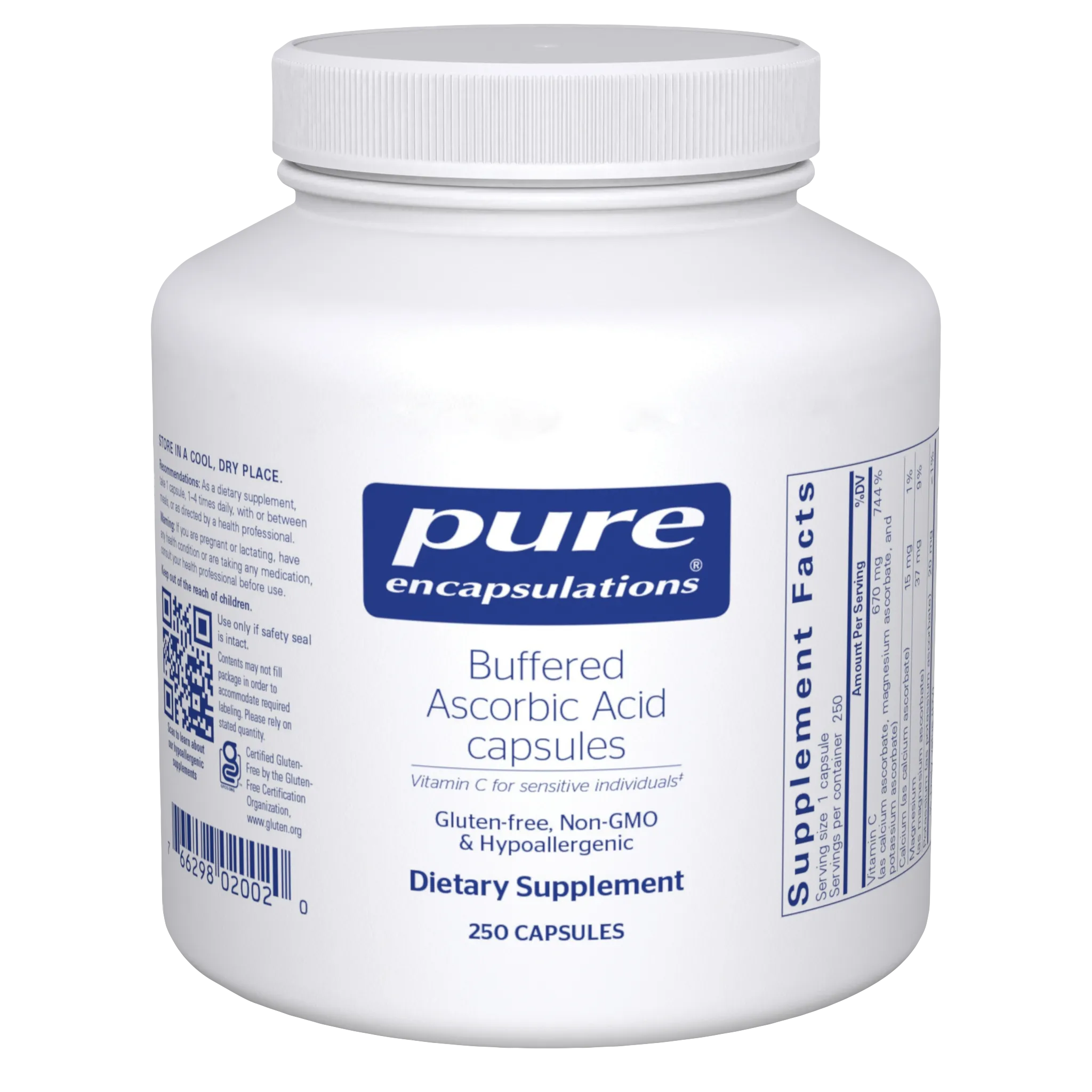
When selecting a vitamin C supplement, the form matters immensely, especially for individuals with chronic illness. Standard ascorbic acid is cheap and widely available, but its high acidity limits its clinical utility for sensitive patients. Buffered vitamin C, formulated with mineral ascorbates, offers a distinct advantage. Products like Pure Encapsulations' Buffered Ascorbic Acid combine calcium ascorbate, magnesium ascorbate, and potassium ascorbate. This specific blend not only neutralizes the pH to prevent gastric irritation but also provides a balanced delivery of essential macro-minerals. Magnesium, for instance, is critical for muscle relaxation and nerve function, while potassium supports healthy autonomic nervous system signaling—both of which are often dysregulated in conditions like POTS and dysautonomia.
In terms of bioavailability, mineral ascorbates perform exceptionally well. Pharmacokinetic studies comparing synthetic vitamin C to neutralized calcium ascorbate have shown that the buffered forms often result in superior cellular retention. A 2024 clinical trial evaluating immune biomarkers found that acute doses of calcium ascorbate resulted in augmented intracellular vitamin C accumulation in leukocytes (white blood cells) over a 24- to 32-hour period compared to standard ascorbic acid. This means that buffered vitamin C not only enters the bloodstream effectively but also stays inside the immune cells where it is needed most for prolonged periods.
Because vitamin C is water-soluble, it is not stored in large amounts in the body and is rapidly excreted in the urine. Therefore, to maintain stable, therapeutic blood levels, it is generally recommended to take vitamin C in divided doses throughout the day rather than in one massive single dose. The suggested use for this buffered formula is 1 capsule (670 mg of vitamin C) taken 1 to 4 times daily. Taking it with meals can further enhance absorption and minimize any residual chance of stomach upset, although the buffered nature of the capsules makes them well-tolerated even on an empty stomach.
It is also important to consider synergy with other nutrients. Vitamin C significantly enhances the absorption of non-heme iron (the type of iron found in plant foods and supplements). If you are struggling with iron deficiency or anemia—a common comorbidity in chronic illness—taking your buffered vitamin C alongside your iron supplement or iron-rich meals can dramatically improve your iron status. However, because vitamin C can increase iron absorption, individuals with hemochromatosis (a condition characterized by iron overload) should consult their healthcare provider before starting high-dose vitamin C therapy.
Buffered ascorbic acid is generally considered very safe and well-tolerated, with a low risk of toxicity due to its water-soluble nature. The primary side effect of high-dose vitamin C—osmotic diarrhea—is largely mitigated by the buffered, neutral-pH formulation. However, there are a few clinical considerations. High doses of vitamin C can theoretically increase the excretion of uric acid and, in susceptible individuals, contribute to the formation of oxalate kidney stones. If you have a history of kidney stones or renal impairment, you should discuss appropriate dosing with your doctor.
Regarding drug interactions, high-dose vitamin C may interact with certain medications. It can potentially reduce the effectiveness of blood thinners like warfarin and may interfere with the absorption of certain antipsychotic medications. Additionally, because antioxidants can protect cells from oxidative damage, patients undergoing active chemotherapy or radiation therapy should always consult their oncologist before taking high-dose vitamin C supplements, as it may interfere with the oxidative mechanisms of these treatments. Always work with a knowledgeable healthcare provider to ensure that any new supplement fits safely into your comprehensive management plan.
The clinical evidence supporting the use of vitamin C for post-viral syndromes and chronic fatigue is robust and growing. Recent clinical trials have specifically investigated its efficacy in Long COVID populations. A notable single-blind randomized controlled trial by Tosato et al. (2022) evaluated the effects of combining vitamin C with L-arginine (a nitric oxide precursor) in 46 adults with Long COVID. The patients were given either a placebo or the active combination twice daily for 28 days. The results were striking: at the end of the trial, persistent fatigue was reported by only 8.7% of the active group, compared to a staggering 80.1% in the placebo group. Furthermore, the active group demonstrated significant improvements in physical performance, including increased 6-minute walk distance and enhanced handgrip strength, proving that restoring endothelial function and neutralizing oxidative stress directly translates to improved physical capacity.
These findings are supported by large-scale observational data. The LINCOLN Survey (2023), a nationwide study involving 1,390 Long COVID patients, compared a 30-day treatment of L-arginine plus vitamin C against a standard multivitamin. The group receiving the targeted vitamin C therapy demonstrated significantly lower Long COVID symptom scores and drastically improved effort perception compared to the multivitamin group. Additionally, a comprehensive systematic review published in Nutrients (2021) analyzed 9 clinical studies involving 720 participants, concluding that high-dose vitamin C therapy successfully reduced fatigue, cognitive impairment, and sleep disturbances in patients suffering from viral infections and oxidative-stress-related diseases.
The scientific literature also strongly supports the use of mineral ascorbates over standard ascorbic acid for sensitive populations. An in vivo pharmacokinetic study on gastric acidity clearly demonstrated that while pure ascorbic acid aggressively lowered the pH of gastric fluids and stimulated total acid output, calcium ascorbate successfully increased the pH of gastric fluids without triggering excess acid production. This provides a clear physiological basis for why buffered vitamin C is so much better tolerated by patients with gastrointestinal distress or MCAS.
Furthermore, human pharmacokinetic studies have validated the superior absorption profiles of these buffered forms. Research comparing synthetic vitamin C to neutralized calcium ascorbate in healthy volunteers found that the neutralized form had up to 128% greater bioavailability, based on serum ascorbic acid levels tracked over a 10-hour period. Another clinical study utilizing a proprietary blend of mineral ascorbates found that plasma vitamin C levels were 10–15% higher between 2 and 4 hours post-ingestion compared to an equivalent dose of pure ascorbic acid. This robust body of evidence confirms that buffered ascorbic acid is not only gentler on the body but also highly effective at delivering therapeutic doses of this essential antioxidant to the cells that need it most.
Living with the unpredictable and exhausting symptoms of Long COVID, ME/CFS, dysautonomia, or MCAS is an immense daily challenge. The profound fatigue, brain fog, and immune flares you experience are not in your head—they are the result of measurable physiological disruptions, including severe oxidative stress, endothelial damage, and mast cell hyper-reactivity. Validating these biological realities is the first step toward finding effective management strategies. While there is no single miracle cure for these complex conditions, targeted nutritional support can make a meaningful difference in your quality of life.
Buffered ascorbic acid offers a gentle, science-backed way to replenish your body's antioxidant reserves, support vascular healing, and stabilize hyperactive immune cells without causing further irritation to a sensitive digestive system. It is an essential tool, but it works best when integrated into a comprehensive care plan that includes aggressive pacing, symptom tracking, dietary modifications, and ongoing medical supervision. Always consult with your healthcare provider before starting any new supplement to ensure it aligns safely with your unique health needs and current medications. By addressing the root causes of cellular dysfunction, you can begin to rebuild your foundation for better days ahead.
MDPI Nutrients: Multiple Effects of Ascorbic Acid against Chronic Diseases
Frontiers in Immunology: Vitamin C, From Supplement to Treatment
ME Research UK: Biochemical and vascular aspects of pediatric chronic fatigue syndrome
Circulation AHA: Ascorbic Acid Reverses Endothelial Vasomotor Dysfunction
MDPI: Antioxidative and Anti-Inflammatory Activity of Ascorbic Acid
Circulation AHA: Vitamin C, Collagen, and Cracks in the Plaque
PMC: Combining L-Arginine with vitamin C improves long-COVID symptoms: The LINCOLN Survey
PMC: Plausibility and Feasibility of Intravenous High-Dose Vitamin C in Long COVID Related Fatigue
USANA Clinical Research: Pharmacokinetics of Poly C versus Ascorbic Acid