Can Broccoli Seed Extract Support Detoxification and Energy in Long COVID and ME/CFS?
March 6, 2026
Broccoli Seed ExtractSulforaphaneLong COVID
Share:
Disclaimer: The information provided here is for educational purposes only and is not intended as medical advice. It should not be used to diagnose, treat, cure, or prevent any medical condition. Instead, use it as a starting point for discussion with your healthcare provider. Always consult with a qualified healthcare provider before starting any new medication, supplement, device, or making changes to your health regimen.
Months or even years after a mild viral infection, many individuals find themselves battling a relentless array of debilitating symptoms—crushing fatigue, severe brain fog, and post-exertional malaise (PEM). For those living with Long COVID, myalgic encephalomyelitis/chronic fatigue syndrome (ME/CFS), and dysautonomia, the search for answers can be incredibly frustrating. Traditional blood work often returns "normal," yet the physical reality is anything but. At the cellular level, however, researchers are uncovering a chaotic environment characterized by chronic inflammation, mitochondrial dysfunction, and a severe inability to clear cellular waste.
One of the most promising areas of research for these complex chronic conditions focuses on restoring the body's natural detoxification and antioxidant pathways. Enter sulforaphane, a powerful plant compound derived from cruciferous vegetables. Thorne's Broccoli Seed Extract leverages this potent phytochemical to act as a master switch for cellular defense. By understanding how this unique extract interacts with our biochemistry, patients can better target the root causes of their oxidative stress and support their body's innate healing mechanisms.
TL;DR
Broccoli seed extract provides sulforaphane, which may support cellular defense and antioxidant production.
It activates the Nrf2 pathway, potentially helping to manage oxidative stress in chronic conditions.
Formulations with active myrosinase are crucial for proper absorption and bioavailability.
Sulforaphane may help alleviate symptoms like brain fog, fatigue, and post-exertional malaise.
What is Broccoli Seed Extract?
Broccoli seed extract is a concentrated source of specialized phytochemicals known as glucosinolates, which are naturally abundant in cruciferous vegetables like broccoli, Brussels sprouts, and kale. In a healthy plant, these compounds serve as a sophisticated defense mechanism against pests and environmental stressors. When we consume these plants, these same compounds interact with human biology in profound ways, primarily by upregulating our internal cellular defense systems. The most clinically relevant and heavily researched of these compounds is sulforaphane glucosinolate (SGS), also known as glucoraphanin.
Unlike direct antioxidants such as vitamin C or vitamin E, which neutralize a single free radical molecule and are then depleted, the compounds in broccoli seed extract act as "indirect antioxidants." They do not directly scavenge free radicals themselves. Instead, they act as signaling molecules that instruct the cell's DNA to manufacture its own vast army of antioxidant and detoxification enzymes. This indirect mechanism is highly efficient, as the enzymes produced can continue to neutralize thousands of free radicals over several days, providing a long-lasting protective effect.
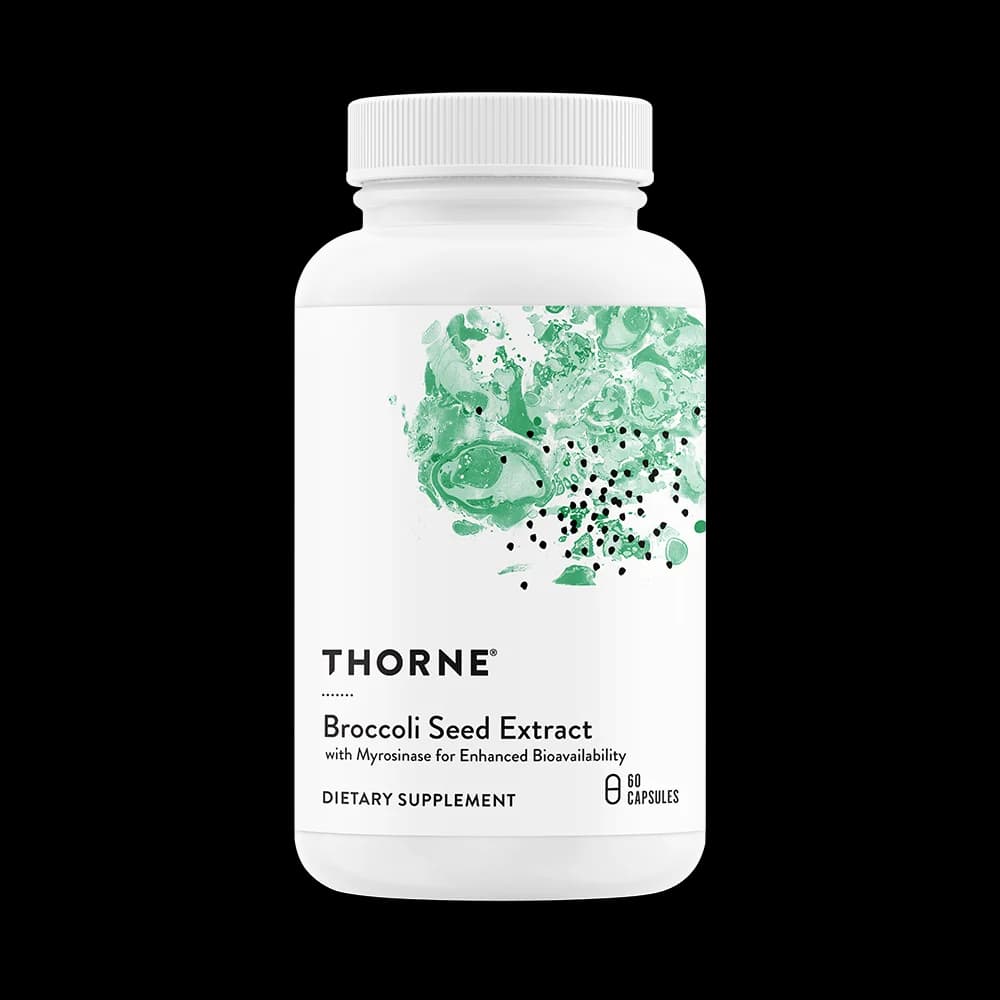
Thorne's Broccoli Seed Extract is specifically formulated to deliver a highly concentrated dose of SGS. To put its potency into perspective, each capsule provides the equivalent glucosinolate content of eating up to two pounds of mature cruciferous vegetables. This concentrated delivery system is crucial for therapeutic use, as achieving clinical doses through diet alone is often impractical, especially for patients with gastrointestinal sensitivities or histamine intolerance who may struggle to digest large volumes of raw broccoli.
The biochemistry of broccoli seed extract is fascinating because the active therapeutic compound, sulforaphane, does not actually exist in high quantities within the intact plant or seed. Instead, the plant stores the inert precursor, glucoraphanin (SGS), in one cellular compartment, and an activating enzyme called myrosinase in a separate compartment. In nature, when an insect bites the plant—or when a human chews it—the cellular walls break, mixing the precursor and the enzyme together. This triggers a chemical reaction known as the "mustard oil bomb," rapidly hydrolyzing glucoraphanin into the highly reactive and biologically active sulforaphane.
This conversion process is the biggest hurdle in utilizing broccoli-based supplements. Myrosinase is a highly fragile enzyme that is easily destroyed by heat, such as boiling or microwaving vegetables, and by the acidic environment of the human stomach. If glucoraphanin is consumed without active myrosinase, the body must rely on specific strains of bacteria in the lower gut microbiome to perform the conversion. However, clinical studies show that this gut-mediated conversion is highly inefficient, yielding an absorption rate of merely 10% on average.
To solve this bioavailability problem, advanced formulations like Thorne's Broccoli Seed Extract include exogenous myrosinase derived from mustard seed powder. Mustard belongs to the same botanical family as broccoli and contains a highly resilient form of myrosinase. By packaging the standardized SGS precursor alongside active mustard seed myrosinase and vitamin C (a necessary enzymatic cofactor), the supplement ensures that the conversion to active sulforaphane occurs rapidly in the digestive tract, maximizing cellular absorption and therapeutic efficacy.
Once sulforaphane is absorbed into the bloodstream, its primary mechanism of action is the activation of the Nuclear factor erythroid 2-related factor 2 (Nrf2) pathway. Nrf2 is widely considered the "master regulator" of cellular redox homeostasis and detoxification. Under normal, unstressed conditions, Nrf2 is kept inactive in the cell's cytoplasm, bound to a repressor protein called Keap1 (Kelch-like ECH-associated protein 1). Keap1 acts as a sensor and continuously targets Nrf2 for degradation, ensuring that antioxidant enzymes are only produced when needed.
Sulforaphane is a highly electrophilic molecule, meaning it is drawn to electron-rich areas. When it enters the cell, it chemically modifies specific cysteine residues on the Keap1 protein (most notably Cys151). This interaction alters the shape of Keap1, forcing it to release its grip on Nrf2. Free from degradation, Nrf2 accumulates and translocates into the cell nucleus. There, it binds to specific DNA sequences known as Antioxidant Response Elements (AREs), effectively "turning on" the transcription of over 200 protective genes.
The genes activated by the Nrf2/ARE pathway are responsible for producing Phase II liver detoxification enzymes and powerful endogenous antioxidants. This includes the synthesis of glutathione, the body's master antioxidant, as well as enzymes like Heme Oxygenase-1 (HO-1) and Superoxide Dismutase (SOD). By triggering this massive genetic response, sulforaphane equips the body with the tools it needs to clear environmental toxins, neutralize oxidative damage, and restore cellular balance.
How Long COVID and ME/CFS Impact Detoxification and Oxidative Stress
In complex chronic illnesses like Long COVID and ME/CFS, the body's cellular environment is often trapped in a state of profound dysfunction. Leading researchers have proposed that a central pathophysiological feature of these conditions is a severe "redox imbalance." When the body is initially exposed to a viral pathogen like SARS-CoV-2 or Epstein-Barr Virus (EBV), the immune system generates reactive oxygen species (ROS), or free radicals, as a weapon to destroy the invader. In a healthy recovery, the body subsequently produces antioxidants to neutralize these free radicals and return to homeostasis.
However, in Long COVID and ME/CFS, this system fails to reset. The viral infection triggers a vicious cycle where cells continuously produce massive amounts of ROS, but the body's internal antioxidant production—specifically the Nrf2 pathway—remains suppressed or overwhelmed. This unchecked oxidative stress damages cellular membranes, proteins, and DNA. It creates a highly toxic internal environment that drives chronic systemic inflammation, damages the endothelial lining of blood vessels, and contributes to the formation of microclots often seen in post-viral syndromes.
This persistent oxidative stress heavily depletes the body's stores of glutathione, leaving cells vulnerable to further damage from everyday environmental toxins, metabolic waste, and physical exertion. Without adequate antioxidant defenses, even mild physical or cognitive activity can trigger a massive spike in free radicals, leading to the debilitating symptom known as post-exertional malaise (PEM), where patients experience a severe "crash" following exertion.
The mitochondria are the powerhouses of our cells, responsible for generating adenosine triphosphate (ATP), the energy currency required for all bodily functions. In ME/CFS and Long COVID, mitochondrial dysfunction is a well-documented phenomenon. The electron transport chain, a series of protein complexes within the mitochondria that produce ATP, becomes inefficient and "leaky." Instead of producing energy, these damaged mitochondria leak excessive amounts of superoxide radicals into the cell, further amplifying oxidative stress.
This mitochondrial impairment is a primary driver of the crushing, unrefreshing fatigue experienced by patients. When the mitochondria are damaged by oxidative stress, they cannot meet the energy demands of the muscles, heart, or brain. Furthermore, the accumulation of damaged mitochondria must be cleared through a cellular recycling process called mitophagy. In chronic illness, this clearance mechanism is often stalled, leaving cells cluttered with dysfunctional, ROS-producing mitochondria that perpetuate the cycle of fatigue and inflammation.
The liver, which is highly dense in mitochondria and responsible for filtering toxins from the blood, also suffers under this oxidative burden. When liver cells are overwhelmed by free radicals and depleted of glutathione, Phase II detoxification pathways slow down. This allows metabolic waste products, environmental pollutants, and cellular debris to recirculate in the bloodstream, triggering mast cell activation syndrome (MCAS) and exacerbating systemic symptoms.
One of the most distressing symptoms of Long COVID and ME/CFS is cognitive dysfunction, commonly referred to as "brain fog." This symptom is not merely psychological; it is rooted in physical neurovascular inflammation. The brain is highly susceptible to oxidative stress because it consumes a massive amount of oxygen and energy, yet has relatively low baseline levels of antioxidant enzymes compared to other organs. When systemic oxidative stress is high, it easily breaches the blood-brain barrier.
In the brain, free radicals activate microglial cells, the resident immune cells of the central nervous system. Once activated, microglia release a storm of inflammatory cytokines, driven by the NF-κB (Nuclear factor kappa B) signaling pathway. This neuroinflammation disrupts neurotransmitter signaling, impairs blood flow to the brain, and damages neurons, leading to memory lapses, difficulty concentrating, word-finding issues, and sensory overload.
Furthermore, the SARS-CoV-2 spike protein has been shown to directly induce oxidative stress and inflammatory cytokine production in endothelial cells, including those lining the blood vessels in the brain. This endothelial dysfunction restricts the delivery of oxygen and nutrients to brain tissue, compounding the cognitive deficits. Breaking this cycle of neuroinflammation requires therapeutics that can cross the blood-brain barrier and directly quench oxidative stress at the source.
Broccoli Seed Extract: Supporting Detoxification and Cellular Repair
Broccoli Seed Extract, through its active conversion to sulforaphane, offers a targeted mechanism to disrupt the vicious cycle of oxidative stress in chronic illness. By acting as a potent Nrf2 agonist, sulforaphane chemically modifies the Keap1 repressor protein, allowing Nrf2 to flood into the cell nucleus. This action is critical for patients with Long COVID and ME/CFS, as it forcefully overrides the virus-induced suppression of antioxidant pathways and commands the cell to rebuild its defenses from the DNA level up.
Once Nrf2 binds to the Antioxidant Response Elements (AREs), it upregulates the production of Heme Oxygenase-1 (HO-1) and NAD(P)H Quinone Dehydrogenase 1 (NQO1). These enzymes are incredibly powerful cytoprotectants. HO-1, for instance, breaks down pro-oxidant heme molecules into biliverdin and carbon monoxide, which have profound anti-inflammatory and tissue-repairing properties. By elevating these specific enzymes, sulforaphane may help protect the delicate endothelial lining of blood vessels from the oxidative damage that drives dysautonomia and microclot formation.
Activating the Nrf2 pathway is essential for restoring mitochondrial function. By neutralizing the superoxide radicals leaking from damaged electron transport chains, sulforaphane may protect mitochondrial membranes and DNA. It may also stimulate mitochondrial biogenesis—the creation of new, healthy mitochondria—thereby addressing the root cause of the profound cellular energy deficits seen in ME/CFS.
Glutathione is the body's most important intracellular antioxidant, essential for neutralizing free radicals and escorting toxins out of the body. In chronic illness, glutathione is rapidly depleted. While direct glutathione supplementation is helpful, sulforaphane offers a complementary approach by forcing the body to manufacture its own supply. Nrf2 activation directly upregulates the expression of γ-glutamylcysteine ligase (γ-GCL), the rate-limiting enzyme required for glutathione synthesis.
By increasing γ-GCL activity, sulforaphane may help ensure a steady, continuous production of glutathione inside the cells where it is needed most. This is particularly beneficial for the liver, which relies heavily on glutathione to perform Phase II detoxification. When liver cells have abundant glutathione, they can effectively bind to metabolic waste, heavy metals, and environmental toxins, making them water-soluble so they can be safely excreted through urine or bile.
This enhanced detoxification capacity is crucial for patients dealing with mast cell activation syndrome (MCAS) or chemical sensitivities. When the liver efficiently clears circulating toxins and inflammatory mediators, the overall toxic burden on the immune system is reduced. This may help stabilize hyper-reactive mast cells, reducing systemic allergic-type reactions and lowering the baseline level of inflammation throughout the body.
Beyond its antioxidant properties, sulforaphane is a potent anti-inflammatory agent. It achieves this by directly inhibiting the NF-κB (Nuclear factor kappa B) pathway. NF-κB is a protein complex that controls the transcription of DNA, cytokine production, and cell survival. In Long COVID and ME/CFS, the NF-κB pathway is often chronically activated, driving the continuous release of inflammatory cytokines like Interleukin-6 (IL-6) and Tumor Necrosis Factor-alpha (TNF-α).
Sulforaphane prevents the translocation of NF-κB into the nucleus, effectively silencing the genes responsible for producing inflammatory cytokines, including IL-6 and IL-8. By cooling down this inflammatory cascade, sulforaphane may help alleviate the systemic muscle aches, joint pain, and flu-like malaise that characterize post-viral syndromes.
Crucially, sulforaphane's ability to cross the blood-brain barrier allows it to exert these anti-inflammatory effects directly within the central nervous system. By inhibiting NF-κB in microglial cells and activating Nrf2 in neurons, sulforaphane may provide profound neuroprotection. This dual action—quenching brain oxidative stress while halting cytokine production—makes it a highly targeted option that may help alleviate the severe cognitive dysfunction and brain fog associated with neuroimmune conditions.
Recent research has uncovered another vital mechanism of sulforaphane: its ability to stimulate autophagy. Autophagy is the cellular "housekeeping" process where cells identify, break down, and recycle damaged proteins and dysfunctional organelles, including broken mitochondria (mitophagy). In ME/CFS, this clearance process is often impaired, leading to a buildup of toxic cellular debris that triggers further inflammation and fatigue.
Sulforaphane acts as a mild hormetic stressor, creating a tiny, transient pulse of ROS that activates Transcription Factor EB (TFEB), the master regulator of lysosomal function. TFEB works in tandem with Nrf2 to boost the creation of autophagosomes and lysosomes, the cellular machinery responsible for waste clearance. A 2021 study in Autophagy demonstrated that this simultaneous activation of detoxification and autophagy may provide profound protection against chronic oxidative stress.
By enhancing autophagy, sulforaphane may help clear out the damaged, ROS-leaking mitochondria that drive post-exertional malaise. It may allow the cell to replace these broken components with fresh, efficient mitochondria, slowly rebuilding the patient's baseline energy capacity and improving their resilience to physical and cognitive exertion.

Symptoms Broccoli Seed Extract May Help Manage
Post-Exertional Malaise (PEM): By restoring mitochondrial efficiency and clearing damaged organelles through autophagy, sulforaphane may help increase the cellular energy threshold, potentially reducing the severity of crashes following physical or mental exertion.
Unrefreshing Fatigue: Activating the Nrf2 pathway may protect the electron transport chain from oxidative damage, potentially allowing mitochondria to resume optimal ATP (energy) production and combatting deep, cellular-level exhaustion.
Systemic Inflammation and Pain: By directly inhibiting the NF-κB signaling pathway, sulforaphane may reduce the production of inflammatory cytokines (like IL-6 and TNF-α), helping to alleviate muscle aches, joint pain, and flu-like malaise.
Chemical Sensitivities and MCAS Triggers: By upregulating Phase II liver enzymes and boosting endogenous glutathione, sulforaphane may accelerate the clearance of circulating toxins and metabolic waste, reducing the toxic burden that triggers hyper-reactive mast cells.
Brain Fog and Cognitive Dysfunction: Sulforaphane easily crosses the blood-brain barrier, where it activates Nrf2 in neurons and inhibits inflammatory microglia, potentially cooling the neurovascular inflammation that drives memory lapses and poor concentration.
Dysautonomia and Endothelial Dysfunction: By upregulating Heme Oxygenase-1 (HO-1), sulforaphane may protect the delicate endothelial cells lining the blood vessels from oxidative damage, supporting better vascular tone and blood flow regulation in conditions like POTS.
Sensory Overload: Reducing central nervous system inflammation may help calm hyper-excitable neural pathways, potentially easing sensitivities to light, sound, and stimuli often experienced during severe symptom flares.
Practical Considerations: Forms, Dosing, and Absorption
When considering a sulforaphane supplement, understanding bioavailability is the single most critical factor. As discussed, the inactive precursor glucoraphanin (SGS) requires the enzyme myrosinase to convert into active sulforaphane. If you take a standard "broccoli extract" supplement that only contains glucoraphanin, the conversion relies entirely on your gut microbiome. Clinical pharmacokinetic studies show that this gut-mediated conversion is highly unreliable, averaging only about 10% absorption and taking up to 9 hours to reach peak blood levels.
For patients with Long COVID or ME/CFS, who often suffer from gut dysbiosis, SIBO, or compromised microbiomes, relying on gut bacteria for this conversion is even less effective. This is why Thorne's Broccoli Seed Extract is specifically formulated with exogenous myrosinase derived from mustard seed powder. A randomized crossover study demonstrated that adding mustard seed myrosinase to glucoraphanin increases sulforaphane bioavailability by over 400%, allowing for rapid absorption in the upper gastrointestinal tract rather than waiting for bacterial fermentation in the colon.
Once absorbed, sulforaphane is rapidly distributed into the cells, where it is conjugated with glutathione and eventually excreted in the urine via the mercapturic acid pathway as dithiocarbamates (DTCs). Because of this rapid metabolism, the biological half-life of sulforaphane is relatively short. Therefore, consistent daily dosing is required to maintain the continuous activation of the Nrf2 pathway and sustain the upregulation of detoxification enzymes.
The conversion of glucoraphanin to sulforaphane is an enzymatic reaction that requires specific conditions to function optimally. Vitamin C (ascorbic acid) acts as a crucial enzymatic cofactor for myrosinase. By including 100 mg of Vitamin C in the formulation, Thorne ensures that the myrosinase enzyme is fully activated and can rapidly hydrolyze the SGS precursor as soon as the capsule dissolves in the digestive tract.
However, myrosinase is highly sensitive to the acidic environment of the human stomach. Research from Johns Hopkins University has shown that high stomach acid can denature the myrosinase enzyme before it has a chance to complete the conversion. To maximize absorption, it is often recommended to take broccoli seed extract with a meal, as the food helps buffer stomach acid and protect the enzyme as it passes into the more alkaline environment of the small intestine, where optimal absorption occurs.
For patients who experience mild gastrointestinal distress, such as gas or bloating, from cruciferous extracts, taking the supplement with food also significantly mitigates these side effects. Because broccoli seed extracts contain naturally occurring sulfur compounds, taking them on an empty stomach can occasionally cause mild nausea, which is easily prevented by pairing the dose with dietary fats or a full meal.
The suggested use for Thorne's Broccoli Seed Extract is one capsule, one to two times daily, or as recommended by a healthcare practitioner. Each capsule provides 50 mg of Sulforaphane Glucosinolate (SGS). Clinical trials investigating the antioxidant and neuroprotective benefits of sulforaphane typically utilize daily doses ranging from 10 mg to 40 mg of the active compound, making this formulation highly aligned with therapeutic research standards. It is often best taken in the morning or early afternoon, as the boost in cellular energy and detoxification may be slightly stimulating for some sensitive patients if taken right before bed.
While sulforaphane has a highly favorable safety profile, there are important precautions to consider. Because it powerfully upregulates Phase II liver detoxification enzymes, it can alter the speed at which the liver metabolizes certain medications via the Cytochrome P450 pathways (specifically CYP1A2 and CYP3A4). Patients taking blood thinners, anticonvulsants, or specific psychiatric medications should consult their doctor, as sulforaphane could potentially reduce the circulating half-life of these drugs.
Additionally, high intakes of cruciferous extracts can theoretically compete with iodine uptake in the thyroid gland. While this is generally only a concern at extremely high doses, patients with unmanaged hypothyroidism should monitor their thyroid function when beginning supplementation. Finally, this product is contraindicated for individuals with a known hypersensitivity to mustard or any of its ingredients, and pregnant individuals should consult their healthcare provider before use due to a lack of specific safety data in pregnancy.

Follow the Science
The scientific community has shown immense interest in sulforaphane's potential effects on bronchial epithelial cells exposed to the SARS-CoV-2 Spike protein.
Furthermore, research conducted at Johns Hopkins Medicine explored the antiviral properties of sulforaphane in vivo. The study demonstrated that prophylactic administration of sulforaphane in mice prior to SARS-CoV-2 infection significantly decreased the viral load in the lungs, diminished immune cell activation, and reduced pulmonary pathology. While this data is preclinical, it strongly supports the hypothesis that Nrf2 activation creates a cellular environment that is highly hostile to viral replication and subsequent inflammatory damage.
In the context of ME/CFS, a central pathophysiological feature of both ME/CFS and Long COVID appears to be a redox imbalance.
While large-scale, phase III trials specifically targeting brain fog in Long COVID are still ongoing, sulforaphane's neuroprotective efficacy is well-supported by proxy studies in other neuroinflammatory conditions. For example, a double-blind, placebo-controlled trial published in PNAS investigated sulforaphane supplementation in young men with Autism Spectrum Disorder (ASD), a condition heavily linked to profound neuroinflammation and oxidative stress. The study found that participants taking sulforaphane experienced significant improvements in behavior, social interaction, and verbal communication, proving its ability to cross the blood-brain barrier and modulate neuro-immune function.
Additionally, research supports sulforaphane's role in cognitive function, particularly working memory and processing speed in older adults.
Currently, several clinical trials, including the Melbourne Pregnancy Pilot Trial and studies evaluating stabilized sulforaphane compounds (like SFX-01), are actively investigating its efficacy in reducing the duration of COVID-19 symptoms and preventing post-acute sequelae. These ongoing studies continue to validate the critical role of Nrf2 activation in managing the chronic, low-level inflammation characteristic of post-viral fatigue syndromes.
The necessity of combining glucoraphanin with myrosinase is heavily documented in pharmacokinetic literature. A randomized crossover study in Molecular Nutrition & Food Research tested the effects of adding powdered brown mustard to cooked broccoli (which lacks active myrosinase). The researchers found that the addition of mustard seed myrosinase increased the urinary excretion of sulforaphane metabolites by over 400%, confirming that exogenous myrosinase can fully rescue the bioavailability of the precursor compound.
Another clinical study published in Nutrients by Johns Hopkins researchers evaluated the bioavailability of glucoraphanin-rich extracts with and without active myrosinase. The study confirmed that formulations containing active myrosinase resulted in significantly higher peak plasma concentrations (Cmax) and faster absorption times (Tmax) compared to glucoraphanin alone, validating the specific formulation strategy utilized in Thorne's Broccoli Seed Extract.
The Path Forward
Living with complex chronic conditions like Long COVID, ME/CFS, dysautonomia, and MCAS often feels like a constant battle against your own biology. The crushing fatigue, unpredictable crashes, and persistent brain fog are not just in your head—they are the result of profound cellular dysfunction, oxidative stress, and impaired detoxification. Validating these physiological realities is the first step toward reclaiming your health. While there is no single miracle cure for post-viral syndromes, targeting the root mechanisms of cellular defense offers a powerful pathway to symptom management.
By acting as a master switch for the Nrf2 pathway, sulforaphane provides a sophisticated, multi-targeted approach to healing. Rather than just masking symptoms, it instructs your DNA to rebuild its own antioxidant army, clear out damaged mitochondria, and cool systemic inflammation. When combined with other foundational supports like L-Methionine for liver health or Calcium-D-Glucarate for enhanced Phase II detoxification, Broccoli Seed Extract can become a cornerstone of a comprehensive cellular repair protocol.
It is important to remember that supplements are most effective when integrated into a holistic management strategy. Pacing to avoid post-exertional malaise, tracking your symptoms, managing stress, and optimizing your diet are all critical components of navigating chronic illness. Broccoli Seed Extract is a powerful tool to help raise your cellular energy threshold, but it works best when you are actively listening to your body's limits and avoiding the push-and-crash cycle.
If you are struggling with the toxic burden of chronic inflammation, impaired liver function, or severe oxidative stress, this targeted formulation may offer the biological support your cells desperately need to begin repairing themselves. Always remember to consult with your healthcare provider before introducing new supplements, especially if you are taking prescription medications or managing multiple complex diagnoses.