Can a Specialized Biotin Complex Combat Hair Loss and Endothelial Dysfunction in Long COVID?
March 5, 2026
Biotin ComplexLong COVIDHair Loss
Share:
Disclaimer: The information provided here is for educational purposes only and is not intended as medical advice. It should not be used to diagnose, treat, cure, or prevent any medical condition. Instead, use it as a starting point for discussion with your healthcare provider. Always consult with a qualified healthcare provider before starting any new medication, supplement, device, or making changes to your health regimen.
Months after recovering from the initial SARS-CoV-2 infection, many people still fight debilitating symptoms with what we call Long COVID. Among the myriad of complex, overlapping issues—ranging from profound chronic fatigue to severe dysautonomia—one of the most distressing and visible manifestations is dramatic, unpredictable hair loss. For patients already struggling to navigate the invisible burden of microvascular damage and cognitive impairment, watching their hair shed in handfuls can feel deeply demoralizing and invalidating. But what is the physiological link between a respiratory virus, damaged blood vessels, and thinning hair?
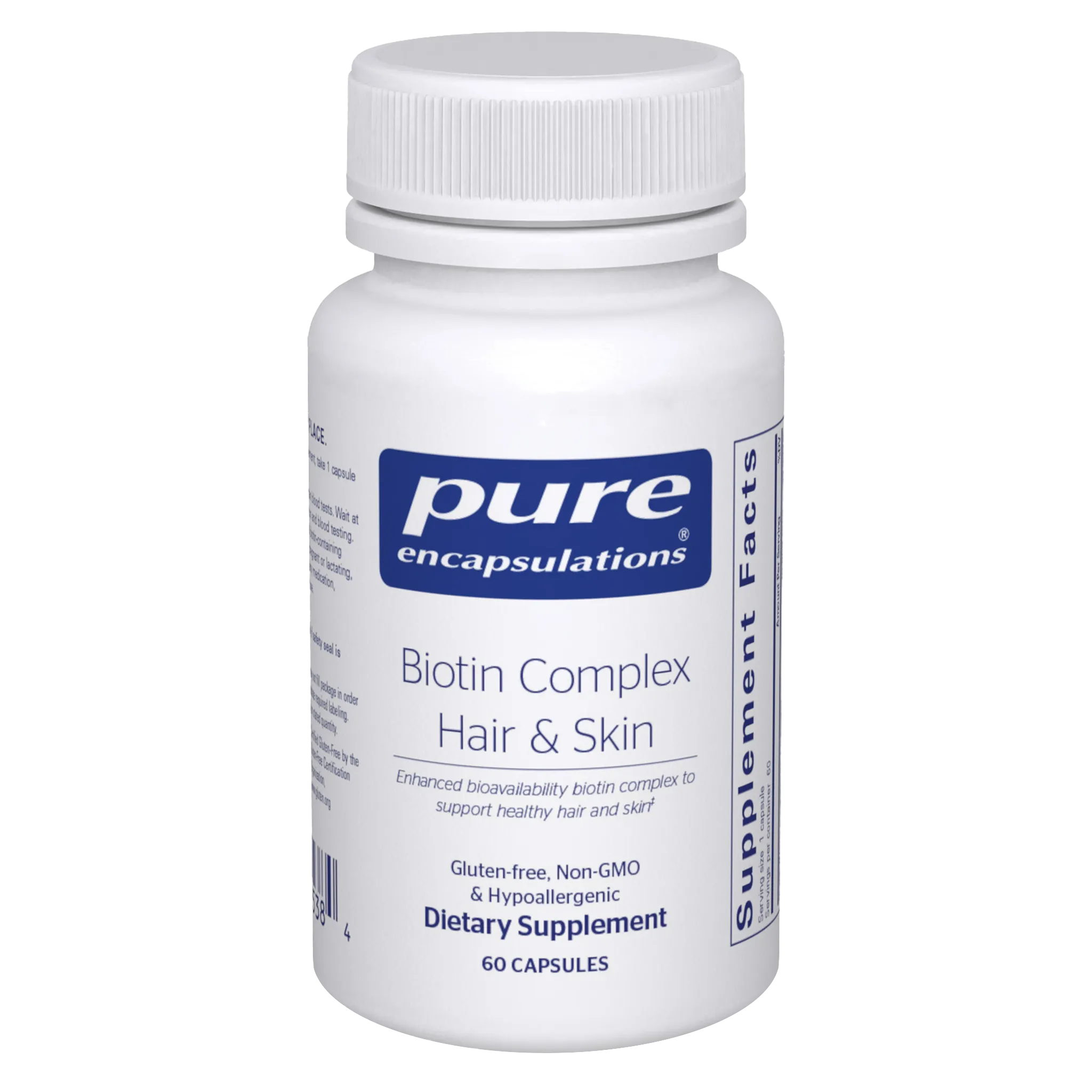
In the wake of the COVID-19 pandemic, clinical research has increasingly focused on the profound nutritional depletion and endothelial dysfunction that characterize post-viral syndromes. The massive metabolic effort required to sustain chronic inflammation actively drains the body's reserves of vital structural nutrients and amino acids. Enter Biotin Complex Hair & Skin, a highly specialized formulation featuring the patented Lustriva® complex. By combining highly bioavailable magnesium biotinate with inositol-stabilized arginine silicate, this unique supplement goes beyond simple cosmetic support. It actively targets the cellular pathways responsible for keratin production while simultaneously working to restore the critical microcirculation and nitric oxide production that Long COVID so aggressively disrupts.
TL;DR
Long COVID can cause severe hair shedding and skin issues due to nutritional depletion and poor microcirculation.
Biotin Complex uses highly bioavailable magnesium biotinate to support keratin production and hair follicle regeneration.
Arginine silicate helps restore nitric oxide levels, supporting healthy blood flow and potentially reducing fatigue.
Always consult a healthcare provider before starting supplements, especially if taking blood pressure medications.
What is Biotin Complex Hair & Skin?
The Role of Biotin in Cellular Metabolism and Keratin Production
Biotin (Vitamin B7) is a water-soluble essential nutrient that acts as a vital coenzyme for five distinct carboxylases in the human body. These specialized enzymes are fundamentally responsible for macronutrient metabolism, including the synthesis of fatty acids, the catabolism of branched-chain amino acids, and gluconeogenesis. In the context of dermatological health, biotin's most celebrated and critical role is its absolute necessity in the production of keratin. Keratin is the primary structural fibrous protein that forms the resilient, protective scaffolding of our hair, skin, and nails, providing them with mechanical strength and defense against environmental damage.
Beyond basic structural support, biotin is deeply involved in complex cellular signaling and epigenetic regulation. It physically attaches to histones—the proteins around which our DNA coils—in a biochemical process known as biotinylation. This epigenetic mechanism is absolutely crucial for cellular proliferation and the rapid repair of damaged DNA, processes that are constantly occurring in the highly active, rapidly dividing cells of the hair follicle matrix and the epidermal basal layer. When the body is healthy and nutrient stores are optimal, these metabolic and structural pathways operate seamlessly, ensuring a continuous, robust cycle of hair growth and skin renewal.
However, because biotin is water-soluble, the body cannot store large reserves of it for long periods. It must be continuously replenished through diet or supplementation. During periods of severe physiological stress, such as a prolonged viral infection or chronic systemic inflammation, the body's metabolic demand for biotin skyrockets. The immune system consumes massive amounts of energy and coenzymes to sustain its defensive posture, rapidly depleting the circulating levels of Vitamin B7 and starving the integumentary system of the raw materials it needs to synthesize new keratin fibers.
Arginine and the Nitric Oxide Pathway
L-arginine is a semi-essential amino acid that serves a profoundly important role in cardiovascular and vascular health. Its primary physiological function is acting as the sole precursor substrate for the enzyme endothelial nitric oxide synthase (eNOS). Located within the delicate endothelial cells that line the interior of all blood vessels, eNOS is responsible for converting circulating L-arginine into nitric oxide (NO). Nitric oxide is a transient, highly reactive gas that functions as a master signaling molecule, instructing the smooth muscle cells surrounding blood vessels to relax and dilate.
This relaxation process, known clinically as vasodilation, is the absolute cornerstone of healthy microcirculation. By widening the blood vessels, nitric oxide ensures that oxygen, immune cells, and vital nutrients can efficiently reach peripheral tissues, including the tiny, intricate capillary beds that feed the scalp and hair follicles. Furthermore, nitric oxide acts as a protective shield for the vascular lining; it prevents the abnormal aggregation of platelets and leukocytes, thereby maintaining smooth, unobstructed blood flow and preventing the formation of microscopic clots.
In a healthy physiological state, the continuous, uninterrupted conversion of arginine to nitric oxide keeps the vascular system dynamic, flexible, and responsive to the body's shifting metabolic demands. When a specific tissue requires more energy—such as a hair follicle entering the active anagen growth phase—local nitric oxide production increases, dilating the feeding capillaries to deliver a surge of oxygen and nutrients. Without adequate arginine to fuel this pathway, the entire microvascular system becomes rigid, constricted, and incapable of supporting cellular regeneration.
Silica's Function in Collagen Cross-Linking
Silica, or silicon dioxide, is the third most abundant trace element in the human body, yet its critical role in connective tissue health is frequently overlooked in standard medical discussions. In its biologically active, soluble form—known as orthosilicic acid (OSA)—silica acts as a fundamental "collagen generator." Unlike traditional protein supplements that merely provide the raw amino acid building blocks for collagen, silica actively drives the enzymatic assembly of these proteins. It serves as an essential, non-negotiable co-factor for prolyl hydroxylase, a specialized enzyme located within the endoplasmic reticulum of dermal fibroblasts.
Prolyl hydroxylase is responsible for the hydroxylation of the amino acid proline, converting it into hydroxyproline. This specific biochemical conversion is absolutely vital for the structural integrity of collagen. Hydroxyproline creates the tight, complex hydrogen bonds required to weave three loose polypeptide chains into collagen's signature, highly resilient "triple-helix" structure. Without adequate bioavailable silica to facilitate this cross-linking process, the resulting collagen fibers are weak, disorganized, and easily degraded by environmental stress and natural aging.
This enzymatic assembly process is what gives our skin its youthful elasticity, firmness, and mechanical resistance to wrinkling. Furthermore, silica promotes the synthesis of glycosaminoglycans (GAGs)—such as hyaluronic acid—which exist within the skin's extracellular matrix. These GAGs act like microscopic sponges, holding massive amounts of water to provide the skin with essential hydration, thickness, and structural turgor. By supporting both the rigid collagen scaffolding and the hydrating matrix, silica provides comprehensive, multifaceted support for the entire integumentary system.
How Long COVID Impacts Hair, Skin, and Microcirculation
Telogen Effluvium and the Shock to the Hair Cycle
The intersection of Long COVID and severe hair loss is a highly documented medical phenomenon, primarily manifesting as a distressing condition known as Telogen Effluvium (TE). To understand this pathophysiology, we must look at the natural hair growth cycle, which consists of an active growth phase (anagen) and a resting/shedding phase (telogen). Typically, only 10% to 15% of hair follicles are in the telogen phase at any given time. However, the severe physiological stress and vascular changes of a SARS-CoV-2 infection, which can include specific VEGFA signatures associated with symptom persistence, acts as a massive shock to the body's delicate metabolic equilibrium.
This profound systemic shock forces up to 50% of the active hair follicles prematurely into the shedding phase. Because of the natural timeline of the hair follicle life cycle, this massive shedding does not typically occur during the acute illness. Instead, patients often begin to experience dramatic hair loss two to four months after the initial viral trigger. For many individuals wondering how long does Long COVID last, this delayed onset of severe dermatological symptoms can be particularly distressing, confusing, and emotionally taxing.
While typical Telogen Effluvium resolves on its own within three to six months, the ongoing inflammation and immune dysregulation associated with complex chronic conditions can trigger Chronic Telogen Effluvium. In these cases, the severe hair shedding persists for longer than six months, potentially lasting for years if the underlying systemic issues—such as microvascular damage and nutritional depletion—are not adequately addressed. For patients wondering do Long COVID symptoms come and go, the unpredictable nature of post-viral hair shedding can be particularly frustrating, as periods of apparent recovery may be followed by sudden, severe relapses.
Endothelial Dysfunction and the Depletion of L-Arginine
Beyond dermatological symptoms, the core pathophysiology of Long COVID is increasingly understood by researchers as a widespread vascular disease driven by profound endothelial dysfunction. The SARS-CoV-2 virus has been shown to directly attack the delicate endothelial cells lining the blood vessels, triggering a relentless inflammatory cascade that severely impairs the endothelium's ability to produce nitric oxide. This impairment creates a dangerous state of systemic vasoconstriction, where the tiny blood vessels (capillaries) narrow, drastically reducing the flow of oxygenated blood to peripheral tissues, including the brain, muscles, and scalp.
A critical, newly discovered mechanism behind this catastrophic loss of nitric oxide is the viral disruption of L-arginine metabolism. The systemic inflammation associated with Long COVID massively upregulates the production of an enzyme called arginase. This enzyme aggressively breaks down and depletes the body's circulating stores of L-arginine before it can be utilized by endothelial nitric oxide synthase (eNOS). This viral-induced depletion shifts the entire vascular equilibrium away from healthy, relaxed dilation and toward chronic vasoconstriction, immune dysfunction, and the formation of debilitating micro-clots.
This widespread impairment in microcirculation is now widely believed by the medical community to be the driving force behind the most debilitating Long COVID symptoms. When tissues are starved of oxygen and vital nutrients due to poor capillary blood flow, patients experience profound chronic fatigue, severe cognitive impairment (brain fog), and drastically reduced physical capacity. Furthermore, this lack of localized blood flow to the scalp directly exacerbates hair loss, as the hair follicles are entirely deprived of the oxygen and metabolic energy required to sustain the demanding anagen growth phase.
Nutritional Depletion and the Metabolic Toll of Chronic Illness
The immense metabolic effort required to fight an acute COVID-19 infection, followed by the sustained, relentless immune activation of Long COVID, massively depletes the body's nutritional reserves. In the context of complex chronic illness, the body essentially enters a state of biological triage. It prioritizes essential, life-saving physiological functions—such as maintaining organ perfusion, regulating heart rate, and producing immune cells—over non-essential functions like hair growth and skin maintenance. As a result, critical nutrients are aggressively diverted away from the integumentary system.
This metabolic triage frequently leads to profound functional deficiencies in vital nutrients, particularly biotin and silica. Furthermore, the systemic inflammation, autonomic nervous system dysfunction, and potential gut microbiome disruptions associated with Long COVID can actively impair the gastrointestinal tract's ability to absorb and synthesize these essential compounds from food. When exploring what causes Long COVID, it becomes evident that this combination of accelerated nutrient consumption and impaired intestinal absorption creates a vicious, self-perpetuating cycle of depletion that stalls tissue repair.
Without adequate circulating biotin to synthesize new keratin fibers, and without sufficient bioavailable silica to cross-link collagen structures, the structural integrity of the hair and skin rapidly deteriorates. Patients may notice their hair becoming incredibly brittle and prone to breakage, their nails thinning and peeling, and their skin rapidly losing its elasticity, hydration, and youthful turgor. Addressing these profound, systemic nutritional deficits is a critical, non-negotiable component of rehabilitating the body's structural tissues and supporting overall recovery from post-viral syndromes.
Biotin Complex: Supporting Hair Growth and Vascular Health
Activating the Wnt/β-catenin Pathway for Hair Follicle Regeneration
Supplementation with a highly specialized Biotin Complex offers a targeted, science-backed approach to supporting the repair of structural and vascular damage associated with chronic illness. At the cellular level, the highly bioavailable components in this complex actively stimulate the Wnt/β-catenin signaling pathway. This complex, highly conserved cellular pathway is a master regulator of embryonic development and adult tissue homeostasis, playing an absolutely critical, non-redundant role in the regulation of hair follicle cycling, cellular proliferation, and tissue regeneration.
According to industry reports on the patented Lustriva® complex, researchers discovered that the specialized combination of magnesium biotinate and inositol-stabilized arginine silicate actively induced the Wnt/β-catenin pathway in mammalian models. By upregulating this specific signaling cascade, the supplement successfully forced dormant, inactive hair follicles out of the resting telogen phase and pushed them back into the highly active anagen growth phase. This targeted cellular activation directly counteracts the prolonged, pathological resting state seen in post-viral Chronic Telogen Effluvium.
The clinical, visible results of this pathway activation are profound. By stimulating the hair follicle matrix at a deep molecular level, the complex promotes a statistically significant increase in the percentage of terminal hairs—the thick, deeply pigmented, fully developed hairs that provide actual scalp coverage. Simultaneously, it drastically reduces the percentage of vellus hairs, the fine, translucent, fragile "peach fuzz" that often replaces healthy hair during periods of chronic shedding. This positive shift in the terminal-to-vellus hair ratio is the exact biological mechanism behind restored hair thickness, volume, and density.
Restoring Microcirculation via Endothelial Nitric Oxide Synthase (eNOS)
Beyond its powerful dermatological benefits, the inclusion of inositol-stabilized arginine silicate provides profound, systemic support for vascular health and microcirculation. As previously discussed, the inflammation associated with Long COVID heavily depletes the body's stores of L-arginine, starving the blood vessels of the substrate needed to create nitric oxide. By supplying a highly bioavailable, enzymatically protected form of arginine, the complex directly replenishes the exact substrate required by endothelial nitric oxide synthase (eNOS) to resume robust, healthy nitric oxide production.
When eNOS activity is successfully restored, the resulting surge in circulating nitric oxide signals the smooth muscles surrounding the vasculature to relax, powerfully reversing the pathological vasoconstriction associated with virus-induced endothelial senescence. This vasodilation drastically improves microcirculation, allowing oxygen-rich blood to finally penetrate deep into the peripheral capillary beds. For patients suffering from debilitating chronic fatigue and brain fog, this restoration of localized blood flow is absolutely essential for delivering life-sustaining oxygen to starved neurological and muscular tissues.
In the specific context of hair restoration, this enhanced microcirculation serves a vital dual purpose. By dilating the tiny capillaries that feed the scalp, the arginine silicate complex ensures that the newly stimulated, actively dividing hair follicles receive a steady, abundant supply of oxygen, biotin, and other vital nutrients required to sustain rapid cellular division. This powerful, synergistic relationship between Wnt/β-catenin activation and enhanced vascular delivery creates an optimal, nutrient-rich physiological environment for sustained, long-term hair regrowth.
Enzymatic Assembly of Collagen via Prolyl Hydroxylase
The structural integrity of the skin, hair follicles, and blood vessels relies heavily on the continuous, uninterrupted synthesis of high-quality collagen. The silicate component of the Biotin Complex provides a highly bioavailable, stabilized source of orthosilicic acid (OSA), which is the critical co-factor required to activate the prolyl hydroxylase enzyme. By supplying the body with this essential, often-depleted mineral, the complex actively drives the de novo synthesis of Type I collagen directly within the dermal fibroblasts.
As prolyl hydroxylase converts the amino acid proline into hydroxyproline, it facilitates the tight, complex hydrogen cross-linking necessary to form resilient, triple-helix collagen fibers. This enzymatic assembly process directly counteracts the accelerated collagen degradation and tissue breakdown often seen in chronic inflammatory states. By rebuilding the skin's structural scaffolding from the inside out, the silica complex restores the skin's mechanical strength, elasticity, and hydration, providing profound anti-aging and tissue-repair benefits.
Furthermore, the synthesis of robust, healthy collagen networks extends far beyond mere cosmetic improvements. Collagen is a primary structural component of the vascular endothelium and the extracellular matrix surrounding all blood vessels. By supporting collagen integrity, the Biotin Complex helps repair the microscopic structural damage inflicted upon the vasculature by viral infections and chronic inflammation, further reinforcing endothelial health and promoting long-term cardiovascular resilience in patients recovering from complex chronic conditions.

Symptoms Biotin Complex May Help Manage
Dermatological and Trichological Symptoms
The targeted ingredients in Biotin Complex Hair & Skin are clinically researched to address the specific structural deficits that drive dermatological symptoms in chronic illness:
Severe Hair Shedding (Telogen Effluvium): By actively stimulating the Wnt/β-catenin cellular pathway, the complex helps force dormant hair follicles out of the resting phase and back into the active growth phase, directly counteracting the massive shedding triggered by post-viral physiological stress.
Thinning, Fragile Hair: The highly bioavailable magnesium biotinate provides the essential coenzymes required for robust keratin production, significantly increasing the percentage of thick, strong terminal hairs while reducing the prevalence of fine, weak vellus hairs.
Loss of Skin Elasticity and Firmness: The inositol-stabilized silicate acts as a critical, non-negotiable co-factor for the prolyl hydroxylase enzyme, driving the cross-linking of hydroxyproline to synthesize resilient, tight triple-helix collagen fibers that restore the skin's structural turgor.
Deepening of Fine Lines and Wrinkles: By promoting the de novo synthesis of both Type I collagen and hydrating glycosaminoglycans within the extracellular matrix, the silica component helps plump the dermis from within, clinically reducing the maximal depth of facial wrinkles.
Vascular and Cognitive Symptoms
Beyond physical appearance, the arginine component of the complex provides powerful support for the microvascular issues that drive systemic Long COVID symptoms:
Chronic Fatigue and Post-Exertional Malaise: By supplying highly bioavailable arginine, the complex replenishes the exact substrate needed for endothelial nitric oxide synthase (eNOS) to produce nitric oxide, reversing pathological vasoconstriction and improving the delivery of oxygenated blood to exhausted muscle tissues.
Brain Fog and Cognitive Impairment: The arginine silicate compound has been clinically shown to significantly enhance cerebral microcirculation, allowing for better oxygenation of sensitive neurological tissues, which can help alleviate the severe concentration difficulties associated with Long COVID.
Cold Extremities and Poor Peripheral Circulation: The powerful vasodilatory effects of increased nitric oxide production help open up constricted capillary beds in the hands and feet, counteracting the microvascular impairment frequently seen in dysautonomia, leading many to ask can Long COVID trigger ME/CFS.
Brittle, Peeling Nails: Just as it supports the keratin structure of the hair shaft, the massive influx of soluble biotin fortifies the keratin matrix of the nail bed, reducing brittleness and promoting a faster, healthier rate of nail growth following periods of severe metabolic depletion.
Practical Considerations: Forms, Dosing, and Absorption
The Superior Bioavailability of Magnesium Biotinate
When selecting a biotin supplement, the chemical form of the vitamin absolutely dictates its clinical efficacy. Standard commercial supplements typically utilize D-biotin, a basic form that suffers from relatively low solubility at physiological pH levels. This poor solubility significantly limits its absorption across the intestinal lumen, meaning that a large portion of the ingested dose is simply excreted before it can enter the systemic circulation. For patients with chronic illnesses who may already suffer from compromised gastrointestinal absorption, relying on standard D-biotin often fails to correct deep-seated intracellular deficiencies.
In stark contrast, the Biotin Complex Hair & Skin utilizes a novel, patented form known as magnesium biotinate. In vitro pharmacokinetic assays have conclusively demonstrated that magnesium biotinate is approximately 40 times more soluble in water than standard D-biotin. This massive, exponential increase in solubility allows the compound to rapidly dissolve in the digestive tract and efficiently cross the intestinal barrier into the bloodstream. Human clinical trials have confirmed that this specific form achieves significantly higher peak plasma concentrations in a fraction of the time compared to traditional formulations.
Beyond mere blood serum levels, the true measure of a supplement's efficacy is its ability to penetrate target tissues. Preclinical absorption studies have shown that magnesium biotinate achieves 47% higher serum levels, an astonishing 57% higher brain tissue uptake, and 27% higher liver tissue uptake compared to equivalent doses of D-biotin. This profound tissue penetrance ensures that the vital coenzymes actually reach the deep dermal layers, the hair follicle matrix, and the central nervous system, where they can actively participate in keratin synthesis and cellular repair.
The Pharmacokinetics of Inositol-Stabilized Arginine Silicate
Similarly, the delivery mechanism of L-arginine and silica is critical for achieving tangible therapeutic results. Standard L-arginine supplements are notorious in the medical community for their exceptionally poor bioavailability, as they are heavily degraded by the enzyme arginase in the liver and intestines before they can reach the systemic circulation. To overcome this massive biological hurdle, the Biotin Complex employs inositol-stabilized arginine silicate, a highly advanced compound often recognized in clinical literature under the patented brand name Lustriva®.
By chemically bonding the arginine molecule with silicate and stabilizing it with inositol, this unique complex protects the arginine from premature enzymatic breakdown. Clinical pharmacokinetic studies demonstrate that this stabilized form is significantly more effective at boosting systemic nitric oxide levels than standard L-arginine. It begins working within 30 minutes of ingestion and maintains elevated arginine levels in the blood for up to six hours, providing a sustained, powerful stimulus for endothelial nitric oxide synthase (eNOS) to dilate the vasculature and improve microcirculation.
Furthermore, this complex serves as a highly efficient delivery vehicle for orthosilicic acid (OSA). In its natural state, silica molecules tend to clump together into unabsorbable polymers. The inositol stabilization prevents this polymerization, keeping the silica in its active, bioavailable monomeric state until it reaches the fibroblasts in the skin and blood vessels. This dual-action delivery system ensures that both the vascular-dilating arginine and the collagen-generating silica are fully utilized by the body's tissues, maximizing the clinical benefit of every dose.
Dosing, Timing, and Potential Interactions
For optimal absorption and clinical efficacy, the suggested use for the Biotin Complex Hair & Skin is one capsule daily, taken with a meal. Consuming the supplement alongside dietary fats and proteins can further enhance the absorption of its active compounds and minimize the risk of mild gastrointestinal upset, which can occasionally occur when taking concentrated amino acids or minerals on an empty stomach. Because the arginine silicate complex provides a sustained, multi-hour release of nitric oxide, a single daily dose is sufficient to maintain steady physiological support throughout the day.
When considering what drugs are used for COVID long haulers, it is critically important to be aware of potential interactions. Because arginine silicate acts as a powerful vasodilator, individuals currently taking prescription medications for hypertension (high blood pressure), erectile dysfunction (such as PDE5 inhibitors), or prescription blood thinners should consult their healthcare provider before initiating supplementation. The additive blood-pressure-lowering effects of increased nitric oxide could potentially lead to symptomatic hypotension if not properly monitored by a physician.
Additionally, patients must be aware that high doses of supplemental biotin can interfere with certain laboratory blood tests, particularly thyroid function panels (TSH, T3, T4) and cardiac troponin tests. Biotin can cause these specific assays to yield falsely elevated or falsely lowered results, depending on the testing methodology used by the laboratory. Therefore, it is a standard medical recommendation to pause biotin supplementation for at least 48 to 72 hours prior to undergoing any routine or specialized blood work to ensure complete diagnostic accuracy.

Follow the Science
Clinical Trials on the Lustriva® Complex
The efficacy of the specific ingredients in Biotin Complex Hair & Skin is supported by robust, peer-reviewed clinical data. The primary research validating the patented Lustriva® complex (inositol-stabilized arginine silicate and magnesium biotinate) is a rigorous 12-week, randomized, double-blind, placebo-controlled clinical trial published in the Journal of Clinical and Experimental Dermatology Research. This landmark study evaluated 90 healthy female subjects who self-reported experiencing thinning hair and visible signs of skin aging.
The results of this trial were highly significant and demonstrated a remarkably rapid onset of action. By week three, the group receiving the clinical dose of the complex exhibited a statistically significant increase in the percentage of thicker terminal hairs, a reduction in thinner vellus hairs, and a significantly improved terminal-to-vellus hair ratio compared to the placebo group. These profound improvements in hair thickness and density were sustained and continued to improve through the end of the 12-week study, providing objective, measurable evidence of the Wnt/β-catenin pathway's activation.
In addition to the trichological benefits, the study meticulously tracked dermatological outcomes. By the conclusion of the 12-week trial, the active treatment group showed a statistically significant reduction in maximal facial wrinkle depth and profound improvements in overall skin texture and roughness compared to the placebo. These findings confirm that the highly bioavailable silica component successfully reached the dermal fibroblasts, stimulating the de novo synthesis of collagen and restoring the skin's structural elasticity from within.
L-Arginine's Impact on Long COVID Fatigue and Endothelial Health
The application of L-arginine for the management of post-viral syndromes has been the subject of intense recent scientific investigation. A landmark single-blind, randomized controlled trial published in late 2022 evaluated adults suffering from persistent Long COVID fatigue. Participants were administered a high-dose combination of L-arginine and liposomal Vitamin C for 28 days to rigorously assess its impact on endothelial function, microcirculation, and overall physical performance.
The clinical outcomes strongly supported the vascular hypothesis of Long COVID. Flow-mediated dilation, a primary clinical marker of endothelial health and nitric oxide production, significantly improved in the active group compared to the placebo. This restoration of microcirculation translated directly into functional, real-world physical gains; the active group increased their 6-minute walk distance by an average of 30 meters, while the placebo group saw absolutely zero improvement in physical capacity.
Most astonishingly, the study tracked the subjective experience of persistent fatigue. At the beginning of the trial, all participants suffered from debilitating exhaustion. By the end of the 28-day intervention, persistent fatigue was reported by only 8.7% of the patients in the L-arginine group, compared to a staggering 80.1% in the placebo group. This data powerfully underscores the critical role that restoring nitric oxide pathways and microvascular blood flow plays in alleviating the profound energy deficits associated with complex chronic conditions.
Silica and Skin Elasticity Research
The scientific literature surrounding bioavailable silica and collagen synthesis further validates the structural benefits of the Biotin Complex. A landmark double-blind, placebo-controlled trial published in the Archives of Dermatological Research evaluated the effects of choline-stabilized orthosilicic acid (ch-OSA) on women with visible signs of facial photoaging over a 20-week period. The study utilized noninvasive surface evaluations and mechanical anisotropy to objectively measure changes in the skin's microtopography and elasticity.
The clinical data revealed that daily supplementation with highly bioavailable silicon resulted in improvements in skin elasticity compared to the placebo group. Furthermore, skin roughness parameters decreased by up to 19%. Blood serum analysis confirmed that silicon concentrations were significantly elevated in the active group, proving that the stabilized orthosilicic acid successfully bypassed gastrointestinal degradation and entered the systemic circulation to reach the deep dermal layers.
These human clinical findings are supported by corresponding animal models, which demonstrated a 12.5% higher hydroxyproline content in the dermis of subjects receiving bioavailable silica. Because hydroxyproline is the specific, unique amino acid responsible for cross-linking collagen fibers, this data provides definitive biochemical proof that silica acts as a direct enzymatic catalyst for de novo collagen synthesis, rather than merely acting as a passive structural building block.
The Path Forward
A Comprehensive Approach to Recovery
Navigating the complex, overlapping symptoms of Long COVID, dysautonomia, and chronic fatigue can be an incredibly frustrating, exhausting, and isolating experience. When your body is trapped in a relentless cycle of systemic inflammation and profound nutritional depletion, experiencing severe hair loss or debilitating brain fog can feel deeply demoralizing. It is absolutely vital to recognize that these symptoms are not merely cosmetic or psychological; they are the tangible, physiological manifestations of severe microvascular damage, endothelial dysfunction, and cellular exhaustion. Your symptoms are real, and they have a biological root cause.
While the Biotin Complex Hair & Skin offers a powerful, clinically validated tool for addressing these specific biochemical deficits, it is important to remember that true healing requires a multifaceted, holistic approach. Supplements are most effective when utilized as one component of a comprehensive management strategy. For patients wondering how can you live with long-term COVID, integrating targeted nutritional support alongside aggressive radical resting, meticulous symptom tracking, and nervous system regulation is the absolute cornerstone of sustainable recovery.
By providing your body with highly bioavailable magnesium biotinate to rebuild structural keratin, and stabilized arginine silicate to restore vital microcirculation, you are actively giving your cells the raw materials they desperately need to repair the damage inflicted by chronic illness. While the journey to baseline is rarely linear and often fraught with setbacks, addressing these fundamental pathways of endothelial health and enzymatic collagen assembly represents a proactive, science-backed step toward reclaiming your physical resilience and improving your daily quality of life.
Next Steps in Your Healing Journey
If you are experiencing post-viral hair shedding, persistent fatigue, or signs of poor microcirculation, targeted nutritional intervention may provide significant, much-needed relief. The unique, patented formulation of Lustriva® ensures that you are receiving these critical nutrients in their most soluble, bioavailable, and clinically efficacious forms, successfully bypassing the profound absorption issues that plague standard, over-the-counter commercial supplements.
As with any new therapeutic intervention, we strongly encourage you to consult with your primary care physician or a specialist familiar with complex chronic conditions before adding new supplements to your daily regimen. They can help you navigate potential medication interactions, monitor your blood work accurately, and ensure that this specific complex aligns safely and effectively with your overarching medical treatment plan.