Can Betaine HCl and Pepsin Support Gut Health in Long COVID and ME/CFS?
March 6, 2026
Betaine HClGastrointestinal HealthLong COVID
Share:
Disclaimer: The information provided here is for educational purposes only and is not intended as medical advice. It should not be used to diagnose, treat, cure, or prevent any medical condition. Instead, use it as a starting point for discussion with your healthcare provider. Always consult with a qualified healthcare provider before starting any new medication, supplement, device, or making changes to your health regimen.
Months or even years after a viral infection, many individuals find themselves battling a confusing array of debilitating symptoms. For those living with Long COVID, myalgic encephalomyelitis/chronic fatigue syndrome (ME/CFS), dysautonomia, and mast cell activation syndrome (MCAS), the gastrointestinal tract often becomes a central battleground. Patients frequently report severe bloating, early satiety, acid reflux, and a profound worsening of fatigue after eating. While these symptoms are incredibly frustrating, they are not merely "in your head"—they are deeply rooted in physiological disruptions, particularly the loss of optimal stomach acidity. While Scientist Resia Pretorius has highlighted how systemic inflammation drives persistent clotting pathology, other leading researchers have shown how viral persistence can wreak havoc on the gut-brain axis, leading to a condition known as hypochlorhydria, or low stomach acid.
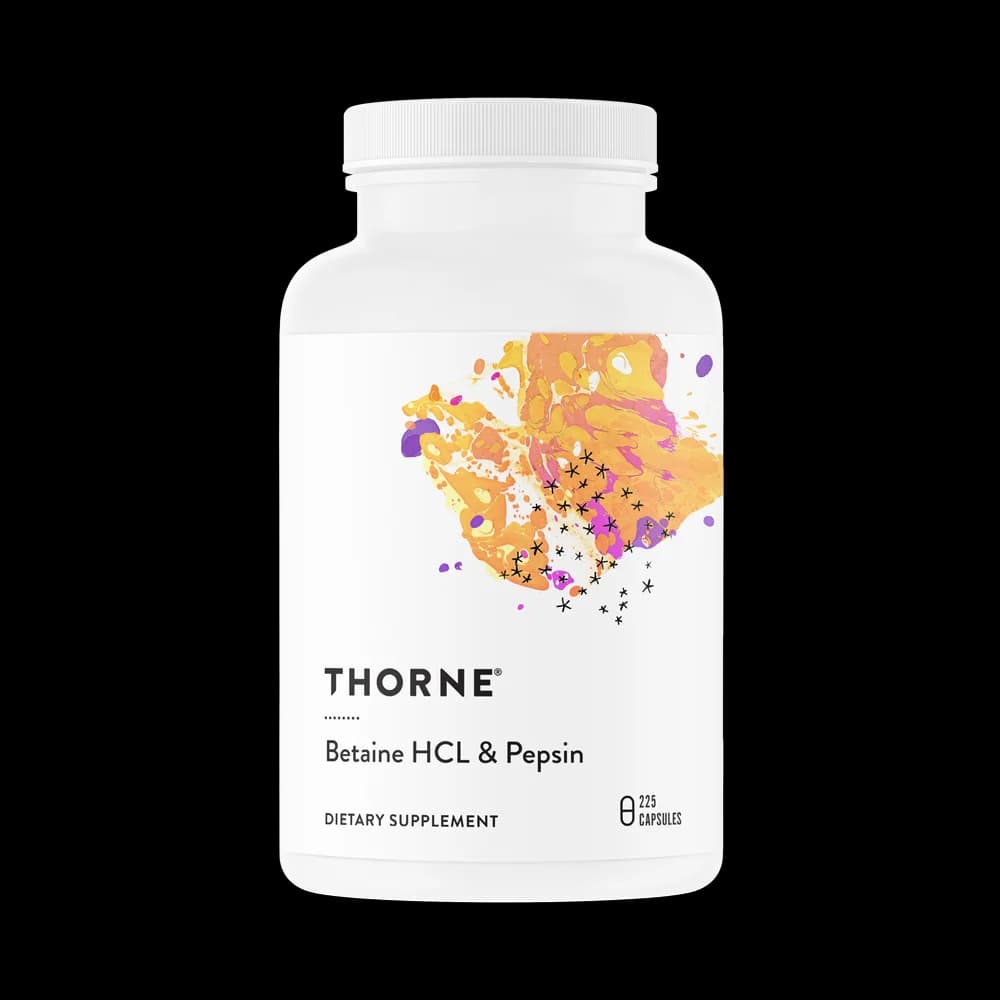
When the stomach fails to produce enough hydrochloric acid, the entire digestive cascade is compromised. Proteins are left undigested, vital nutrients like Vitamin B12 and iron cannot be absorbed, and the delicate balance of the gut microbiome is thrown into chaos. This malabsorption creates a vicious cycle, depriving the body of the exact cellular energy it desperately needs to heal. In this comprehensive guide, we will explore the intricate biochemistry of digestion, how complex chronic illnesses disrupt these pathways, and how supplementing with Thorne's Betaine HCl & Pepsin may help restore the acidic environment necessary for optimal nutrient absorption, gut health, and overall recovery.
TL;DR
Low stomach acid is common in Long COVID and ME/CFS, worsening fatigue and gut symptoms.
Betaine HCl and Pepsin supplements may help restore gastric acidity and support protein digestion.
Restoring stomach acid supports the absorption of vital energy-producing nutrients like Vitamin B12 and iron.
Always consult your healthcare provider before starting Betaine HCl to ensure proper dosing and safety.
What is Betaine HCl & Pepsin?
The Foundation of Gastric Digestion and Parietal Cell Function
To understand the profound impact of Betaine Hydrochloride (HCl) and Pepsin, we must first examine the natural physiological mechanisms of a healthy digestive system. The stomach is not merely a holding tank for food; it is a highly active, biochemically complex organ responsible for the initial stages of protein breakdown and nutrient extraction. The foundation of this process relies on specialized epithelial cells lining the stomach wall, known as parietal cells. These remarkable cells utilize a massive amount of cellular energy (ATP) to power the H+/K+ ATPase pump, an enzyme that actively secretes hydrogen ions (protons) into the gastric lumen. When these hydrogen ions combine with chloride ions, they form hydrochloric acid (HCl), creating an incredibly acidic environment with a pH typically ranging between 1.5 and 3.0. This extreme acidity is absolutely essential for the proper digestion of complex dietary proteins and the liberation of bound micronutrients.
The secretion of hydrochloric acid serves multiple crucial functions beyond simple digestion. First and foremost, it acts as a powerful chemical barrier against ingested pathogens. A highly acidic stomach effectively sterilizes the food we eat, neutralizing harmful bacteria, viruses, and yeast before they can reach the delicate environment of the small intestine. Furthermore, this acidic environment is the primary trigger for the release of downstream digestive juices. When the highly acidic mixture of partially digested food (chyme) empties from the stomach into the duodenum, it signals the pancreas to release digestive enzymes and the gallbladder to release bile. Without adequate stomach acid, this entire signaling cascade is blunted, leading to sluggish digestion, malabsorption, and the putrefaction of food in the intestinal tract.
The Synergy of Betaine HCl and Pepsin in Protein Breakdown
While hydrochloric acid creates the necessary environment, it does not digest proteins on its own. This is where the crucial enzyme pepsin enters the equation. Deep within the gastric glands, another type of specialized cell—the chief cell—secretes an inactive precursor enzyme called pepsinogen. In its inactive state, pepsinogen cannot break down proteins. However, when pepsinogen is exposed to the highly acidic environment created by hydrochloric acid (specifically a pH below 3.0), it undergoes a rapid conformational change. The acid auto-catalyzes the cleavage of a specific peptide sequence, transforming the inactive pepsinogen into the powerful, active proteolytic enzyme known as pepsin. Once activated, pepsin aggressively attacks complex, folded dietary proteins, cleaving their peptide bonds and breaking them down into smaller, manageable peptides and amino acids that can be easily absorbed later in the digestive tract.
Betaine HCl is a synthesized nutraceutical compound that combines betaine—a naturally occurring amino acid derivative found in foods like beets and spinach—with a hydrochloride molecule. When ingested, this compound dissociates in the stomach, releasing free hydrogen and chloride ions directly into the gastric juices. This action rapidly and artificially lowers the stomach pH, perfectly mimicking the physiological output of healthy parietal cells. By driving the pH down to the optimal range of 1.5 to 2.5, Betaine HCl creates the exact biochemical conditions required for supplemented porcine pepsin to activate and function. Together, Betaine HCl and Pepsin work synergistically to restore the stomach's primary digestive mechanisms, ensuring that proteins are fully denatured and cleaved, thereby helping to prevent the downstream consequences of maldigestion.
How Complex Chronic Illness Impacts Stomach Acid
Vagus Nerve Dysfunction in Long COVID and Dysautonomia
The connection between complex chronic illness and gastrointestinal dysfunction is deeply rooted in the autonomic nervous system, specifically the vagus nerve. The vagus nerve is the longest cranial nerve in the body, serving as the primary superhighway for the parasympathetic nervous system—often referred to as the "rest and digest" system. It directly innervates the stomach, controlling gut motility, the churning of stomach muscles, and the signaling required for parietal cells to secrete hydrochloric acid. Emerging research indicates that during a SARS-CoV-2 infection, the virus can directly infiltrate or severely inflame the vagus nerve. A pivotal 2022 pilot study presented at the European Congress of Clinical Microbiology and Infectious Diseases (ECCMID) evaluated Long COVID patients and found that a staggering 66% exhibited symptoms of vagus nerve dysfunction, with ultrasound imaging revealing structural thickening and mild inflammatory changes of the nerve in 27% of these patients.
When the vagus nerve is damaged or inflamed—a common hallmark of both Long COVID and various forms of dysautonomia, including Postural Orthostatic Tachycardia Syndrome (POTS)—its ability to transmit signals from the brain to the gut is severely compromised. This loss of vagal tone leads to a condition known as gastroparesis, or delayed gastric emptying, where the stomach muscles fail to churn food properly. More importantly, the impaired vagus nerve fails to release acetylcholine, the neurotransmitter responsible for stimulating parietal cells to produce stomach acid. The result is chronic hypochlorhydria (low stomach acid). Without adequate acid, the stomach cannot sterilize food or activate pepsin, leading to profound gastrointestinal symptoms seen with Long COVID. This creates a vicious cycle where poor digestion exacerbates the systemic inflammation driving the dysautonomia.
The Cellular Energy Deficit in ME/CFS
For individuals living with myalgic encephalomyelitis/chronic fatigue syndrome (ME/CFS), the root cause of low stomach acid often lies at the cellular level. ME/CFS is fundamentally characterized by severe mitochondrial dysfunction, meaning the body's cells have a drastically reduced capacity to generate adenosine triphosphate (ATP), the primary currency of cellular energy. As mentioned earlier, the parietal cells in the stomach rely on the H+/K+ ATPase pump to secrete stomach acid. This pump is one of the most energy-demanding enzymes in the entire human body, requiring massive amounts of ATP to push hydrogen ions against a steep concentration gradient. When a patient is suffering from the profound energy deficits of ME/CFS, their parietal cells simply do not have the necessary ATP to produce adequate amounts of hydrochloric acid, leading to systemic maldigestion.
This energy deficit creates a devastating feedback loop that researchers are actively investigating when exploring what causes Long COVID and ME/CFS. Because the body lacks the energy to produce stomach acid, it cannot properly digest proteins or extract vital micronutrients like Vitamin B12, iron, and magnesium from food. These exact nutrients are critical cofactors required by the mitochondria to produce ATP in the first place. Therefore, the inability to produce stomach acid directly worsens the mitochondrial dysfunction, deepening the patient's fatigue, exacerbating post-exertional malaise (PEM), and preventing cellular recovery. Breaking this cycle often requires external support to temporarily bypass the energy-intensive process of acid production.
The MCAS and Gut Inflammation Loop
Mast cell activation syndrome (MCAS) introduces another layer of complexity to gastric health. Mast cells are immune cells heavily concentrated in the gastrointestinal tract, where they act as sentinels against pathogens. In MCAS, these cells become hyper-reactive, inappropriately releasing massive amounts of inflammatory mediators, including histamine. Histamine naturally binds to H2 receptors on parietal cells to stimulate acid production. Consequently, many MCAS patients initially experience hyperchlorhydria (excess stomach acid), leading to severe acid reflux and gastritis. To manage this, patients are frequently prescribed high-dose H2-blocking drugs (like famotidine) or proton pump inhibitors (PPIs) to shut down acid production. While these medications are often necessary to control MCAS flares, long-term use artificially induces severe hypochlorhydria, completely halting the body's ability to activate pepsin and digest proteins.
When proteins are left undigested due to low stomach acid, they pass intact into the small intestine. Here, they putrefy and damage the delicate intestinal lining, leading to increased intestinal permeability, commonly known as "leaky gut." According to the zonulin hypothesis published in Frontiers in Immunology, this permeability allows large, undigested protein molecules and bacterial endotoxins to slip into the bloodstream. The immune system immediately recognizes these intact proteins as foreign invaders, triggering a massive, systemic mast cell degranulation. This systemic immune response causes widespread inflammation, brain fog, and severe food sensitivities, locking the patient into a continuous loop of gut-driven allergic reactions. Understanding how you can live with long-term COVID and MCAS requires addressing this fundamental breakdown in the digestive barrier.
Betaine HCl & Pepsin: Supporting Digestion and Absorption
Restoring the Acidic Environment and Activating Enzymes
Supplementing with Betaine HCl and Pepsin offers a direct, mechanistic intervention to break the vicious cycles of maldigestion seen in chronic illness. When taken just before a meal, the Betaine HCl capsule dissolves and immediately releases hydrogen and chloride ions into the gastric fluid. This rapid influx of ions forcefully drives the stomach pH down from a dysfunctional, alkaline state (often above pH 4.0 in hypochlorhydria) to the highly acidic, physiologically optimal range of 1.5 to 2.5. By artificially recreating this harsh environment, Betaine HCl ensures that the complex, three-dimensional structures of dietary proteins are properly unraveled, or denatured. This unfolding exposes the internal peptide bonds of the protein molecules, making them vulnerable to enzymatic breakdown.
Simultaneously, the acidic environment created by the Betaine HCl provides the exact trigger needed for the supplemented porcine pepsin to function. As the pH drops below 3.0, the pepsin enzyme becomes highly active, aggressively cleaving the exposed peptide bonds of the denatured proteins. This synergistic action ensures that large, immunogenic protein molecules are broken down into small, harmless peptides and individual amino acids before they ever leave the stomach. By ensuring complete protein breakdown, Betaine HCl and Pepsin may help prevent the downstream immune triggering and systemic mast cell degranulation associated with leaky gut syndrome, offering profound relief for patients struggling with severe food sensitivities and post-meal inflammatory flares.
Unlocking Critical Micronutrients for Cellular Energy
Beyond protein digestion, restoring stomach acidity is an absolute prerequisite for the absorption of several critical micronutrients that are frequently deficient in patients with Long COVID, ME/CFS, and dysautonomia. Vitamin B12, for instance, is tightly bound to dietary proteins in food. It requires a highly acidic environment and active pepsin to physically cleave the vitamin away from the protein matrix. Once liberated, the B12 must bind to a specialized protein called intrinsic factor to survive the journey through the intestines and be absorbed. Without adequate stomach acid, the B12 remains trapped in the food and is excreted, leading to severe neurological symptoms, brain fog, and profound fatigue, regardless of how much B12 the patient consumes in their diet.
Similarly, dietary non-heme iron (the type of iron found in plant foods and supplements) enters the stomach in a ferric state (Fe3+), which is highly insoluble and poorly absorbed by the human body. Hydrochloric acid is required to reduce this ferric iron into its soluble, ferrous state (Fe2+), allowing it to be easily absorbed in the duodenum. Chronic low stomach acid is a leading, often overlooked cause of iron-deficiency anemia and ferritin depletion in chronic illness patients. By supplementing with Betaine HCl, patients can optimize the extraction and bioavailability of iron, alongside other acid-dependent minerals like calcium, magnesium, and zinc. Restoring these nutrient levels is a critical step in repairing mitochondrial function and supporting the autonomic nervous system.
Halting the SIBO and Dysbiosis Cycle
One of the most debilitating gastrointestinal complications of Long COVID and dysautonomia is Small Intestinal Bacterial Overgrowth (SIBO). In a healthy body, the extreme acidity of the stomach acts as a chemical firewall, destroying ingested bacteria and preventing the retrograde migration of bacteria from the colon up into the small intestine. When stomach acid is chronically low, this firewall collapses. Bacteria easily survive the stomach transit and colonize the small intestine, where they prematurely ferment undigested carbohydrates and proteins. This fermentation produces massive amounts of hydrogen and methane gas, leading to the severe, painful bloating and distension that patients often experience immediately after eating.
By introducing Betaine HCl with meals, patients can effectively rebuild this gastric firewall. The rapid acidification of the stomach neutralizes ingested pathogens and creates an inhospitable environment for bacterial overgrowth. Furthermore, by ensuring that proteins and carbohydrates are properly broken down in the stomach, Betaine HCl deprives the overgrown bacteria in the small intestine of their primary food source. Over time, this helps to starve out the SIBO, reduce systemic endotoxemia, and restore a healthy, balanced microbiome. This antimicrobial mechanism is a crucial component of comprehensive gut rehabilitation protocols for patients navigating the complex realities of how a doctor diagnoses Long COVID and its associated gut pathologies.

Symptoms Betaine HCl & Pepsin May Help Manage
Targeting Gastrointestinal and Systemic Symptoms
Because stomach acid plays such a foundational role in both digestion and immune regulation, supplementing with Betaine HCl and Pepsin can help manage a wide array of both localized and systemic symptoms. By addressing the root cause of maldigestion, patients often experience relief from symptoms that previously seemed disconnected.
Here are the specific symptoms that Betaine HCl and Pepsin may help manage:
Post-Meal Bloating and Distension: By ensuring food is properly broken down and sterilized in the stomach, Betaine HCl helps prevent the premature fermentation of undigested food by bacteria in the small intestine, significantly reducing the production of painful gas and severe bloating immediately following meals.
Early Satiety and Nausea: Low stomach acid often delays gastric emptying (gastroparesis), causing food to sit heavy in the stomach. Restoring acidity helps signal the pyloric sphincter to open, promoting the normal, timely movement of chyme into the intestines and relieving the sensation of being overly full after just a few bites.
Chronic Fatigue and Brain Fog: By optimizing the extraction and absorption of critical energy-producing nutrients like Vitamin B12, iron, and magnesium, Betaine HCl helps combat the cellular hypoxia and mitochondrial dysfunction that drive the debilitating exhaustion and cognitive dysfunction seen in ME/CFS and Long COVID.
Food Sensitivities and MCAS Flares: Pepsin aggressively cleaves complex proteins into harmless amino acids. This helps prevent large, immunogenic protein molecules from passing through a leaky gut into the bloodstream, thereby reducing the systemic immune responses and mast cell degranulation that cause unpredictable food reactions.
Acid Reflux and GERD (The Paradox): Paradoxically, acid reflux is often caused by too little stomach acid, which prevents the lower esophageal sphincter (LES) from closing tightly. By increasing stomach acidity, Betaine HCl helps trigger the LES to snap shut, preventing gastric contents and irritating pepsin from splashing up into the esophagus and causing heartburn.
Brittle Nails and Hair Loss: Chronic malabsorption of protein, iron, and essential minerals due to hypochlorhydria directly impacts the body's ability to synthesize keratin and collagen, leading to structural weakness in hair and nails. Improving nutrient assimilation directly supports tissue regeneration.
Practical Considerations: Forms, Dosing, and Absorption
Proper Timing and Administration
The clinical efficacy of Betaine HCl and Pepsin is highly dependent on proper timing and administration. Because hydrochloric acid is inherently corrosive, it must be introduced into the stomach in a highly controlled manner, specifically when there is a sufficient buffer of food present. You should never take Betaine HCl on an empty stomach unless it is immediately followed by a meal. Taking the supplement without food can cause severe irritation, burning, and potential damage to the delicate mucosal lining of the stomach and esophagus. Clinical pharmacokinetic data indicates that the supplement is most effective when taken just prior to eating, or up to the middle of the meal. This timing allows the capsule to dissolve and mix thoroughly with the incoming food bolus, rapidly dropping the gastric pH to optimal levels just as the digestive process begins.
It is also crucial to consider the macronutrient composition of the meal. Betaine HCl and Pepsin are specifically designed to aid in the digestion of complex proteins. Therefore, the supplement should only be taken with meals that contain a significant amount of protein (such as meat, fish, eggs, or heavy plant-based proteins). Taking Betaine HCl with a small, carbohydrate-only snack (like a piece of fruit or a cracker) is unnecessary and increases the risk of gastric irritation, as there are no proteins present to absorb and buffer the acid. Furthermore, the capsules must always be swallowed whole. You should never open, chew, or empty the powder from the capsule, as direct contact with the raw hydrochloric acid will severely burn the oral mucosa, throat, and permanently damage tooth enamel.
The Titration Method for Optimal Dosing
Because every individual's baseline level of stomach acid production is different, there is no single "correct" dose of Betaine HCl. Instead, functional medicine practitioners often utilize a patient-specific "titration" protocol to find the optimal dosage. The standard titration method involves starting low and gradually increasing the dose. A patient typically begins by taking one capsule (usually containing around 500mg to 650mg of Betaine HCl) with a standard, protein-rich meal. If no digestive discomfort, warming, or burning sensation is felt in the stomach or chest, the dose is increased to two capsules at the next similarly sized meal. This process of adding one capsule per meal continues over several days until the patient experiences a mild, transient warmth or tingling sensation. Once this sensation occurs, the optimal maintenance dose is established as one capsule less than the amount that caused the warmth.
However, it is important to note that many modern integrative gastroenterologists, such as Dr. Michael Ruscio, advocate for a more conservative approach to dosing. They caution that in patients with a very healthy, thick mucosal lining, taking massive doses (sometimes 8 to 15 pills per meal) to force a burning sensation can inadvertently cause silent, long-term damage to the stomach tissue. Instead, a conservative maintenance dose of 2 to 4 capsules per standard meal is often recommended for safety and long-term sustainability. If a patient accidentally takes too much and experiences uncomfortable burning, the acid can be quickly neutralized by drinking a glass of water mixed with one teaspoon of baking soda.
Contraindications and Safety Warnings
While Betaine HCl is generally safe and highly effective for individuals with confirmed hypochlorhydria, there are strict medical contraindications that must be observed. Betaine HCl is strictly contraindicated for anyone with a history of active peptic ulcer disease, active gastritis, or gastrointestinal bleeding. Introducing raw hydrochloric acid into a stomach with compromised or ulcerated tissue will cause severe pain and prevent the tissue from healing. Additionally, Betaine HCl should be used with extreme caution, or avoided entirely, by individuals taking non-steroidal anti-inflammatory drugs (NSAIDs) like ibuprofen or aspirin, as well as corticosteroids. These medications inherently thin the stomach's protective mucosal lining, making it highly susceptible to acid damage.
Furthermore, patients must carefully manage potential drug interactions. Taking Betaine HCl concurrently with prescribed acid-reducing medications—such as H2 blockers (e.g., famotidine) or Proton Pump Inhibitors (PPIs like omeprazole)—is generally counterproductive, as the supplement directly opposes the pharmacological intent of these drugs. However, in some highly specific clinical scenarios, physicians may temporarily use Betaine HCl to help patients absorb pH-dependent medications. Always consult with a knowledgeable healthcare provider before introducing Betaine HCl, especially if you are navigating the complexities of can Long COVID trigger ME/CFS and are on a complex medication regimen.

Follow the Science
The Heidelberg Capsule Study and Gastric pH
Historically, the clinical use of Betaine HCl was based largely on theoretical biochemical principles rather than direct human trials. However, modern pharmacological studies have provided concrete data on its efficacy in re-acidifying the stomach. A landmark 2013 clinical study published in Molecular Pharmaceutics by Yago et al. utilized advanced telemetric Heidelberg pH capsules to continuously monitor the stomach acidity of healthy volunteers. The researchers artificially induced hypochlorhydria in the subjects using rabeprazole, a powerful proton-pump inhibitor. They then administered a 1500 mg dose of Betaine HCl. The results were striking: the supplement rapidly lowered the average gastric pH from a dysfunctional baseline of 5.2 down to a highly acidic 0.6. Furthermore, the onset of action was incredibly fast, dropping the pH below 3.0 in an average of just 6.3 minutes, and maintaining that acidic environment for approximately 73 minutes—perfectly mirroring the natural physiological window required for mealtime digestion.
Vagus Nerve and Long COVID Research
The connection between viral infections, autonomic dysfunction, and gastrointestinal failure is becoming increasingly clear in recent literature. As discussed earlier, the pilot study presented at ECCMID in 2022 by Dr. Gemma Lladós and Dr. Lourdes Mateu provided crucial imaging evidence of vagus nerve damage in Long COVID patients. By utilizing ultrasound technology, they demonstrated that 27% of patients with Long COVID and autonomic symptoms had visible structural thickening and mild inflammatory changes in their vagus nerve. Because the vagus nerve is the primary driver of parietal cell acid secretion, this physical evidence of viral neuro-inflammation provides a clear, mechanistic explanation for the widespread hypochlorhydria, gastroparesis, and severe digestive symptoms reported by the chronic illness community.
Ongoing Clinical Trials for Nutrient Absorption
Recognizing the profound impact of low stomach acid on systemic health, researchers are currently conducting targeted clinical trials to evaluate Betaine HCl's ability to reverse severe nutrient deficiencies. One of the most prominent ongoing studies is NCT06881511, registered with ClinicalTrials.gov, titled "Exploratory Study on the Efficacy of Betaine Hydrochloride in Treating Autoimmune Gastritis." Autoimmune gastritis is a condition where the body destroys its own acid-producing parietal cells, leading to severe iron and Vitamin B12 malabsorption. This prospective clinical trial, conducted by Zhejiang University, is explicitly investigating whether supplementing patients with oral Betaine HCl and pepsin can successfully restore gastric acidity, improve the extraction and absorption of dietary iron and B12, alleviate dyspeptic symptoms, and correct underlying gastric dysbiosis. The outcomes of this trial will provide invaluable, modern clinical data on the systemic benefits of targeted acid replacement therapy.
The Path Forward
A Comprehensive Approach to Gut Health
Living with complex chronic conditions like Long COVID, ME/CFS, dysautonomia, and MCAS often feels like an endless battle against an unpredictable body. The profound gastrointestinal symptoms—the bloating, the nausea, the post-meal fatigue—are not just uncomfortable; they are deeply disruptive to your quality of life and your body's ability to heal. It is vital to recognize that these symptoms are valid, physiologically grounded, and often stem from fundamental disruptions in your body's autonomic signaling and cellular energy production. You are not alone in this experience, and the scientific community is increasingly validating the complex gut-brain axis dysfunctions that drive these invisible illnesses.
While there is no single miracle cure for these intricate conditions, targeted nutritional support can play a crucial role in breaking the vicious cycles of malabsorption and inflammation. Restoring your stomach's natural acidic environment is a foundational step in regaining control over your digestive health. By supporting complete protein breakdown, optimizing the absorption of energy-yielding micronutrients like B12 and iron, and re-establishing the gastric barrier against bacterial overgrowth, supplements like Betaine HCl and Pepsin can serve as a powerful tool in your comprehensive management strategy. Always work closely with a dysautonomia-literate or functional medicine healthcare provider to ensure this approach is safe and appropriate for your specific medical history.