Can Betaine HCl with Pepsin Support Digestive Health in Long COVID and ME/CFS?
March 5, 2026
Betaine HClPepsinLong COVID
Share:
Disclaimer: The information provided here is for educational purposes only and is not intended as medical advice. It should not be used to diagnose, treat, cure, or prevent any medical condition. Instead, use it as a starting point for discussion with your healthcare provider. Always consult with a qualified healthcare provider before starting any new medication, supplement, device, or making changes to your health regimen.
Months or even years after a viral infection, many individuals living with complex chronic conditions find themselves battling a bewildering array of gastrointestinal issues. While profound fatigue, brain fog, and post-exertional malaise (PEM) are the hallmark symptoms of conditions like Long COVID and myalgic encephalomyelitis/chronic fatigue syndrome (ME/CFS), severe digestive dysfunction often runs silently in the background, exacerbating systemic illness. Patients frequently report chronic bloating, the sensation of food sitting like a brick in their stomach, new food intolerances, and paradoxically, severe acid reflux. But what if the root cause of these symptoms isn't an overactive stomach producing too much acid, but rather a neurologically impaired stomach producing too little?
In the wake of the COVID-19 pandemic, researchers and functional medicine practitioners are increasingly recognizing the profound impact of post-viral dysautonomia on the gut-brain axis. When the autonomic nervous system is damaged or locked in a chronic state of "fight or flight," the biological signals required to trigger stomach acid and digestive enzyme production simply fail to fire. This condition, known as hypochlorhydria, creates a catastrophic domino effect: proteins go undigested, critical micronutrients like iron and Vitamin B12 are locked away, and the gut microbiome becomes overrun by opportunistic bacteria. For patients navigating these complex interconnected web of symptoms, targeted digestive support using Betaine HCl and Pepsin has emerged as a foundational strategy to artificially restore the stomach's highly acidic environment, unlock essential nutrients, and begin repairing the downstream digestive cascade.
TL;DR
Post-viral dysautonomia can reduce stomach acid, leading to severe digestive issues and nutrient malabsorption.
Betaine HCl and pepsin may help restore gastric acidity and support proper protein digestion.
Optimal stomach acid levels are essential for absorbing critical nutrients like Vitamin B12 and iron.
Always consult a healthcare provider before starting Betaine HCl, as it carries strict medical contraindications.
What is Betaine HCl and Pepsin?
To understand the therapeutic value of Betaine HCl, we must first look at the natural physiology of a healthy human stomach. The stomach is designed to be one of the most hostile, highly acidic environments in the natural world, typically maintaining a fasting pH between 1.5 and 3.0. This extreme acidity is generated by specialized epithelial cells lining the stomach wall known as parietal cells. When stimulated by the vagus nerve, these parietal cells actively pump hydrogen ions (H+) into the gastric lumen against a massive concentration gradient, a highly energy-intensive process that requires robust mitochondrial function. This hydrochloric acid (HCl) is not just a digestive fluid; it is a critical biological barrier and the primary chemical catalyst for the entire digestive cascade.
However, when the body fails to produce adequate stomach acid—a condition known as hypochlorhydria—the entire digestive process stalls. This is where Betaine Hydrochloride (Betaine HCl) comes into play. Betaine HCl is a synthesized dietary supplement consisting of the amino acid derivative betaine (trimethylglycine) chemically bound to hydrochloric acid. It is designed to act as an exogenous, temporary acid-replacer. When a solid oral capsule of Betaine HCl reaches the stomach and dissolves, it rapidly dissociates into free betaine and active hydrochloric acid. This dissociation floods the gastric environment with hydrogen ions, rapidly driving the pH down to the highly acidic levels required for optimal digestion.
The acidifying effect of Betaine HCl is potent but intentionally transient, mimicking the natural physiological rhythm of a meal. Because the stomach continuously empties its partially digested contents (chyme) into the duodenum of the small intestine, the introduced acid is gradually buffered and cleared. Clinical pharmacological studies have demonstrated that a standard therapeutic dose of Betaine HCl can maintain an optimal gastric pH of less than 3.0 for approximately 70 to 75 minutes. This provides a perfectly timed biological window, allowing the stomach to properly sterilize ingested food and initiate the breakdown of complex macronutrients before the chyme moves further down the gastrointestinal tract.
While hydrochloric acid creates the necessary environment, the actual heavy lifting of protein digestion is performed by pepsin, the principal proteolytic enzyme in the human stomach. Pepsin is synthesized and secreted by the stomach's chief cells in an inactive, precursor form known as pepsinogen. Secreting this enzyme in an inactive state is a brilliant evolutionary safeguard; if chief cells produced active pepsin, the enzyme would immediately begin digesting the stomach's own cellular proteins, leading to severe auto-digestion and tissue necrosis. Pepsinogen remains entirely dormant until it is exposed to the extreme acidity generated by parietal cells or, in the case of supplementation, by Betaine HCl.
The activation of pepsinogen is a fascinating biochemical event heavily dependent on pH. When the gastric environment drops to an optimal pH of around 1.8 to 2.5, the pepsinogen molecule undergoes a rapid, acid-induced conformational change. This structural shift unmasks its catalytic active site and triggers an auto-catalytic cleavage process. Essentially, the acidic environment causes the pepsinogen to cut off its own N-terminal activation peptide, transforming it into the fully active, aggressive enzyme known as pepsin. Basic physiology dictates that without this highly acidic trigger, pepsinogen remains locked and useless, leaving dietary proteins completely intact and undigested.
Once activated, pepsin functions as an aspartic endopeptidase, meaning its catalytic activity relies on two specific aspartic acid residues located deep within its active site cleft. Pepsin utilizes a water-mediated hydrolysis mechanism to attack and fracture the peptide bonds holding large protein molecules together. It exhibits a strong structural preference for cleaving bonds adjacent to bulky, hydrophobic amino acids such as phenylalanine, leucine, and tryptophan. By aggressively chopping these massive, complex protein structures into smaller, manageable peptide fragments, pepsin prepares the dietary protein for final digestion and amino acid absorption in the small intestine.
The relationship between Betaine HCl and pepsin is deeply synergistic; one cannot function optimally without the other. Hydrochloric acid alone cannot break the strong covalent peptide bonds of dietary proteins, and pepsin cannot activate or function without the highly acidic environment provided by HCl. Furthermore, stomach acid plays a crucial physical role in preparing proteins for pepsin's enzymatic attack. The extreme low pH causes complex, tightly folded protein molecules to denature, or unravel. This unfolding exposes the hidden peptide bonds that were previously buried deep within the protein's three-dimensional structure, allowing pepsin to easily access and cleave them.
Beyond the stomach, this acidic, enzyme-rich environment is the primary signaling mechanism for the rest of the digestive tract. As the highly acidic, pepsin-digested chyme exits the stomach and enters the duodenum, its low pH triggers the release of a critical hormone called cholecystokinin (CCK). CCK acts as a master conductor for the lower digestive system, commanding the gallbladder to contract and release bile for fat digestion, and signaling the pancreas to secrete a flood of pancreatic enzymes (like trypsin and lipase). If the stomach fails to reach a highly acidic state—due to hypochlorhydria or the use of antacids—this downstream CCK signal is drastically weakened. The result is a systemic failure of digestion, leading to widespread malabsorption, systemic inflammation, and the exacerbation of gastrointestinal symptoms seen with Long COVID.
How Long COVID and ME/CFS Impact Digestive Function
To understand why patients with complex chronic illnesses suffer from profound digestive failure, we must examine the neurological control of the gut. The stomach does not operate independently; it is heavily governed by the vagus nerve, the longest and most complex of the cranial nerves. The vagus nerve serves as the primary superhighway of the parasympathetic nervous system, commonly referred to as the "rest and digest" state. When you smell, chew, and swallow food, the vagus nerve fires signals directly to the stomach's parietal and chief cells, commanding them to secrete hydrochloric acid and pepsinogen. This vagal tone is an absolute prerequisite for healthy, effortless digestion.
In conditions like Long COVID, ME/CFS, and Postural Orthostatic Tachycardia Syndrome (POTS), patients frequently develop severe dysautonomia—a dysfunction of the autonomic nervous system. Emerging clinical research on Long COVID suggests that the SARS-CoV-2 virus can directly infect and damage the vagus nerve, leading to a profound loss of vagal tone. Furthermore, chronic neuroinflammation and post-viral immune dysregulation can lock the autonomic nervous system in a state of sympathetic dominance, or chronic "fight or flight." When the sympathetic nervous system is hyperactive, the body perceives a constant threat and actively suppresses the parasympathetic "rest and digest" functions. The brain essentially decides that digesting a meal is a low priority during a perceived survival crisis, causing vagus nerve signaling to the gut to plummet.
The clinical consequence of this autonomic failure is severe hypochlorhydria and gastroparesis (delayed stomach emptying). Without the vagus nerve actively stimulating the parietal cells, the stomach simply stops producing adequate hydrochloric acid. Patients are left with a stagnant, low-acid gastric environment that is entirely incapable of breaking down food. This neurological root cause explains why traditional gastroenterology often struggles to treat chronic illness patients; treating the gut with standard medications fails because the true dysfunction lies within the damaged autonomic nervous system and the impaired brain-gut axis.
The loss of stomach acid due to dysautonomia triggers a catastrophic metabolic cascade, particularly concerning mitochondrial function and energy production. In ME/CFS, the body is often trapped in what researchers call the Cell Danger Response (CDR), a metabolic state where mitochondria shift away from producing cellular energy (ATP) and instead prioritize cellular defense against perceived viral or toxic threats. This defensive posture requires massive amounts of micronutrients to sustain, yet the concurrent hypochlorhydria completely blocks the body's ability to extract these exact nutrients from the diet. This creates a vicious, self-perpetuating cycle of cellular starvation and profound fatigue.
Mitochondria require a specific set of raw materials to run the electron transport chain and generate ATP, most notably Vitamin B12, iron, magnesium, and zinc. However, these micronutrients are tightly bound to food matrices and proteins. Without a highly acidic stomach environment and active pepsin to denature the proteins and cleave the bonds, these critical minerals and vitamins simply pass through the digestive tract unabsorbed. Studies on muscle bioenergetics in ME/CFS have shown that patients suffer from severe peripheral muscle bioenergetic abnormalities and prolonged intramuscular acidosis during exertion. This mitochondrial failure is heavily exacerbated when the body is systemically starved of the iron and B12 necessary to build healthy red blood cells and facilitate oxygen transport, directly contributing to the debilitating post-exertional malaise (PEM) that defines the condition.
Furthermore, the inability to digest dietary proteins means the body is deprived of essential amino acids. Amino acids are the fundamental building blocks required for muscle repair, immune system regulation, and the synthesis of critical neurotransmitters like serotonin and dopamine. Interestingly, the majority of the body's serotonin is produced in the gut, and serotonin is heavily required to maintain healthy vagus nerve signaling. When protein malabsorption leads to amino acid depletion, serotonin levels drop, further impairing the vagus nerve, which in turn further reduces stomach acid production. Breaking this devastating feedback loop is a primary goal of supplemental digestive support.
When food enters a stomach lacking adequate hydrochloric acid, it does not digest; it sits and stagnates. In a healthy, highly acidic stomach, the low pH acts as a primary biological barrier, immediately destroying ingested bacteria, yeast, and parasites. In a hypochlorhydric stomach, this sterilization process fails. Opportunistic bacteria survive the gastric passage and migrate downward into the small intestine, where they begin to feed on the undigested carbohydrates and proteins. This leads directly to Small Intestinal Bacterial Overgrowth (SIBO), a condition highly prevalent among patients navigating how to live with Long-Term COVID and dysautonomia.
As these misplaced bacteria feast on stagnant food, they produce massive amounts of hydrogen and methane gas through fermentation. This "fermenting gut" causes severe, painful bloating and creates intense upward pressure against the lower esophageal sphincter. This pressure forces the fermenting, partially digested food and whatever small amount of acid is present up into the esophagus, causing severe heartburn. Tragically, this symptom is almost universally misdiagnosed as hyperchlorhydria (too much stomach acid), leading providers to prescribe Proton Pump Inhibitors (PPIs). Prescribing acid-blockers to a patient who already has low stomach acid acts like pouring gasoline on a fire, further paralyzing digestion and worsening the bacterial overgrowth.
The downstream consequences of this dysbiosis are severe, often culminating in Mast Cell Activation Syndrome (MCAS). As the gut ferments, the intestinal lining becomes inflamed and highly permeable, a condition known as "leaky gut." Large, undigested protein molecules that should have been cleaved by pepsin in the stomach slip through the compromised intestinal barrier and enter the bloodstream. The immune system immediately recognizes these massive proteins as foreign invaders, triggering mast cells to degranulate and release massive amounts of histamine and inflammatory cytokines. This drives systemic allergic reactions, new and unpredictable food intolerances, and widespread neuroinflammation, further entrenching the patient in chronic illness.
Betaine HCl and Pepsin: Supporting Digestion and Nutrient Absorption
For patients trapped in the vicious cycle of dysautonomia-induced hypochlorhydria, Betaine HCl with Pepsin acts as a targeted, mechanistic intervention to artificially restore the stomach's lost functionality. By taking Betaine HCl immediately prior to or during a meal, patients can bypass the damaged vagus nerve signaling and directly manipulate their gastric chemistry. As the capsule dissolves, the rapid release of hydrogen ions forcefully drives the stomach pH down to the optimal 1.5 to 3.0 range. This sudden, intense acidification instantly recreates the biological barrier that the body has lost, effectively sterilizing the incoming food matrix and immediately halting the survival of opportunistic pathogens before they can reach the small intestine.
This restoration of the gastric pH barrier is a critical first step in managing and may help prevent Small Intestinal Bacterial Overgrowth (SIBO) and chronic gut dysbiosis. By ensuring that the stomach is highly acidic, Betaine HCl may help prevent the downward migration of oral and environmental bacteria. Furthermore, the highly acidic chyme that eventually empties into the duodenum acts as a powerful antimicrobial wash for the upper small intestine. Over time, consistently re-acidifying the stomach during meals can help starve out existing bacterial overgrowths by depriving them of the undigested, fermentable carbohydrates they rely on for survival, significantly reducing the chronic bloating and gas associated with a "fermenting gut."
Additionally, restoring the correct pH dynamics resolves the paradox of hypochlorhydria-induced acid reflux. The lower esophageal sphincter (LES), the muscular valve that separates the esophagus from the stomach, is highly sensitive to pH. It is designed to clamp shut tightly when exposed to extreme acidity, protecting the delicate esophageal tissue. When stomach acid is too low, the LES remains relaxed and open, allowing fermenting food and gas to splash upward. By introducing Betaine HCl and sharply dropping the gastric pH, the LES receives the strong biological signal it needs to close tightly, effectively trapping the digestive contents in the stomach where they belong and alleviating the painful symptoms of pseudo-reflux.
The inclusion of pepsin in this formulation provides the crucial enzymatic power needed to rescue protein digestion. When Betaine HCl drops the stomach pH, it not only denatures the incoming dietary proteins but also provides the exact acidic trigger required for the supplemental pepsin to maintain its active, aggressive state. The exogenous pepsin immediately goes to work, acting as a chemical scissor to cleave the complex, tightly folded protein structures into smaller, highly absorbable peptide chains. This mechanical and chemical breakdown is essential for patients who feel like meat and heavy proteins sit in their stomach like a rock for hours after eating.
By ensuring the complete breakdown of dietary proteins, Betaine HCl and pepsin directly address the root cause of many food sensitivities and MCAS triggers. When proteins are properly cleaved into tiny peptides and individual amino acids in the stomach, they do not trigger an immune response when they eventually pass through the intestinal lining. This proper digestion may help prevent the immune system from identifying large, intact food molecules as foreign invaders, thereby reducing the chronic mast cell degranulation and histamine release that drives systemic inflammation, brain fog, and unpredictable allergic reactions in complex chronic illness patients.
Furthermore, the successful extraction of amino acids is vital for neurological and muscular recovery. Patients with ME/CFS and Long COVID desperately need a steady supply of essential amino acids to repair damaged tissues, rebuild atrophied muscle, and synthesize critical neurotransmitters. By restoring the body's ability to extract tryptophan, tyrosine, and glutamine from dietary proteins, Betaine HCl and pepsin provide the foundational building blocks required to produce serotonin, dopamine, and GABA. This nutritional restoration can slowly help regulate mood, improve sleep architecture, and provide the nervous system with the resources it needs to begin shifting out of chronic sympathetic dominance.
Perhaps the most profound systemic benefit of Betaine HCl supplementation is its ability to unlock and facilitate the absorption of critical, energy-producing micronutrients, specifically Vitamin B12 and non-heme iron. Dietary Vitamin B12 is tightly bound to animal proteins. In a hypochlorhydric state, these proteins remain intact, and the B12 is simply excreted. When Betaine HCl and pepsin are introduced, the acid denatures the protein and the pepsin cleaves it, successfully liberating the B12 molecule. Once free, the B12 can bind to a salivary protein called haptocorrin, protecting it as it travels to the small intestine where it eventually binds to Intrinsic Factor for final absorption into the bloodstream.
The mechanism for iron absorption is equally dependent on a highly acidic gastric environment. Dietary non-heme iron (the type found in plant foods and supplements) primarily exists in an oxidized, ferric state (Fe3+). The human intestine cannot efficiently absorb ferric iron. It must first be chemically reduced into a soluble, ferrous state (Fe2+). This chemical reduction is entirely dependent on the presence of robust stomach acid. By flooding the stomach with hydrogen ions via Betaine HCl, the gastric environment rapidly reduces the Fe3+ into highly absorbable Fe2+, ensuring that the body can actually utilize the iron consumed in the diet.
Reversing these specific micronutrient deficiencies is paramount for patients battling the crushing fatigue of ME/CFS and Long COVID. Iron is a non-negotiable component of hemoglobin, required for oxygen transport to oxygen-starved tissues, and is a critical cofactor in the mitochondrial electron transport chain. Vitamin B12 is equally essential for red blood cell formation, neurological health, and the synthesis of ATP. By artificially restoring the stomach's ability to extract these vital nutrients, Betaine HCl and pepsin help pull the body out of cellular starvation, directly supporting mitochondrial bioenergetics and providing a foundational layer of support for patients wondering what causes Long COVID fatigue to persist for years.

Symptoms Betaine HCl with Pepsin May Help Manage
Severe Bloating and Post-Prandial Fullness: By rapidly lowering gastric pH and activating pepsin, the supplement initiates the immediate breakdown of food, helping to prevent meals from sitting stagnant in the stomach and fermenting into trapped gas.
Acid Reflux and Heartburn (Paradoxical): Introducing Betaine HCl provides the strong acidic signal required to trigger the lower esophageal sphincter (LES) to close tightly, helping to prevent fermenting food and gas from splashing upward into the esophagus.
Undigested Food in Stool: The synergistic action of hydrochloric acid and proteolytic pepsin ensures that complex macronutrients, especially dense proteins, are properly fractured into absorbable peptides before reaching the lower intestines.
Chronic Fatigue and Muscle Weakness: By restoring the acidic environment necessary to extract Vitamin B12 and reduce non-heme iron into its absorbable ferrous state, the supplement provides the mitochondria with the raw materials needed to generate cellular energy (ATP).
Food Sensitivities and MCAS Flares: Proper enzymatic cleavage of dietary proteins in the stomach may help prevent large, highly antigenic protein molecules from reaching the leaky gut and triggering massive mast cell degranulation and histamine release.
SIBO and Dysbiosis Symptoms: Re-establishing the stomach's highly acidic biological barrier effectively sterilizes ingested food, destroying opportunistic bacteria and helping to prevent them from migrating into and overpopulating the small intestine.
Brittle Nails, Hair Loss, and Anemia: By facilitating the extraction and absorption of critical trace minerals like zinc, magnesium, and iron from the diet, the supplement addresses the systemic malabsorption that drives physical signs of severe nutritional deficiency.
Practical Considerations: Forms, Dosing, and Absorption
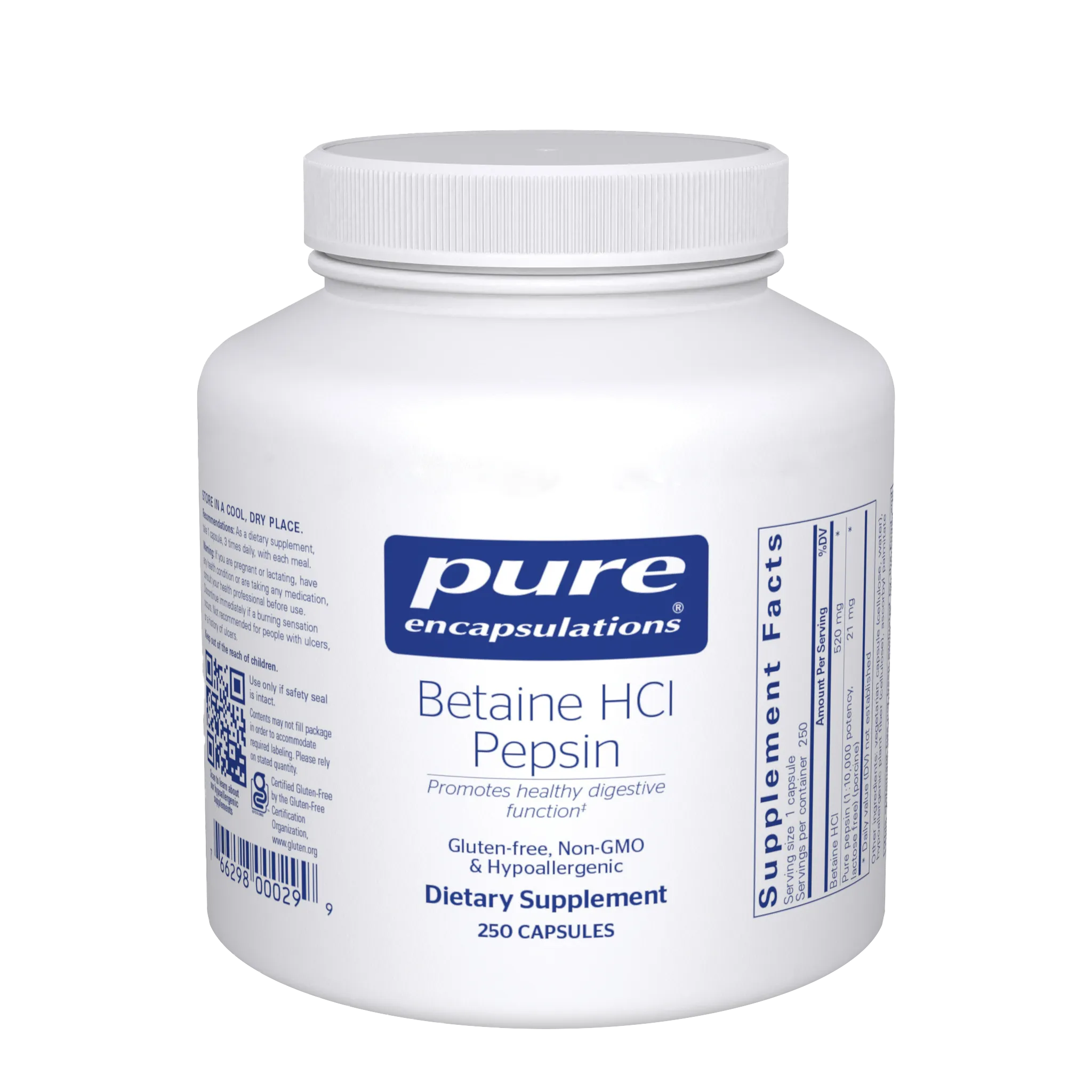
When utilizing Betaine HCl with Pepsin as a therapeutic intervention, understanding the specific formulation and its bioavailability is crucial for safety and efficacy. This specific Pure Encapsulations formula provides 520 mg of Betaine Hydrochloride per capsule. Betaine HCl is a highly stable, synthetic compound that acts as an excellent delivery system for hydrochloric acid. Because it is a solid crystal, it remains completely inert while inside the vegetarian capsule. It is only when the capsule dissolves in the aqueous, warm environment of the stomach that the compound rapidly dissociates, releasing the active H+ ions that forcefully drive down the gastric pH. This ensures that the acid is delivered exactly where it is needed without damaging the oral cavity or esophagus during transit.
The formula also includes 21 mg of pure, lactose-free porcine pepsin at a highly concentrated 1:10,000 potency. The "1:10,000" designation is a standard biochemical measurement indicating that one gram of this specific pepsin extract has the enzymatic power to digest 10,000 grams of coagulated egg albumen (protein) under optimal acidic conditions. Porcine (pig-derived) pepsin is the industry standard for digestive enzyme supplementation because its molecular structure and catalytic behavior are nearly identical to human pepsin, ensuring excellent biocompatibility and highly efficient protein cleavage. Because the enzyme is inherently dependent on an acidic environment to function, combining it in the same capsule with Betaine HCl guarantees that the pepsin will have the exact pH trigger it needs to activate immediately upon release.
Timing and dietary context are absolute requirements for the bioavailability and safety of this supplement. Betaine HCl and pepsin must only be taken with meals that contain a significant portion of complex protein (such as meat, fish, eggs, or dense plant proteins). Taking the supplement on an empty stomach, or with a small carbohydrate-only snack (like a piece of fruit or crackers), is highly discouraged. Without a substantial protein matrix for the acid and pepsin to act upon, the introduced hydrochloric acid can rapidly irritate the unprotected stomach lining, leading to severe discomfort, nausea, and potential mucosal damage. The standard suggested use is one capsule three times daily with each major meal, though individual needs vary wildly.
Because every patient's level of autonomic dysfunction and hypochlorhydria is unique, there is no universally correct dosage for Betaine HCl. Functional medicine practitioners typically employ a specialized protocol known as the "Betaine HCl Titration Method" to help patients find their personalized optimal dose. This process requires careful symptom tracking and deep somatic awareness, which is highly familiar to patients who already monitor their baseline to understand how long Long COVID lasts and how their daily symptoms fluctuate. The goal of titration is to provide exactly enough exogenous acid to digest a meal, but not a drop more than the stomach can comfortably handle.
The titration protocol generally begins conservatively. A patient takes a single capsule of Betaine HCl with a large, protein-heavy meal. If they notice no adverse sensations and their digestion improves (less bloating, less post-prandial heaviness), the dose is considered safe. For the next large, protein-heavy meal, the patient increases the dose to two capsules. This incremental increase continues meal by meal until the patient experiences a very specific, mild side effect: a subtle "warming," "tingling," or slight "burning" sensation in the stomach or chest. This sensation is the biological indicator that the stomach has reached excess acidity—meaning the dose of Betaine HCl has finally exceeded the amount needed to digest the food.
Once this warming sensation is achieved, the patient has found their threshold. The optimal therapeutic dose is immediately established as one capsule less than the dose that caused the warming sensation. For example, if four capsules caused a slight burn, the patient's ideal dose is three capsules per large meal. It is important to note that as the nervous system heals, vagal tone improves, and the stomach begins to naturally produce its own acid again, the patient's required dose will gradually decrease. Patients must remain highly attuned to their bodies; if their previously comfortable dose suddenly causes a burning sensation weeks or months later, it is a positive sign that their natural gastric function is returning, and they should reduce their supplemental dose accordingly.
While Betaine HCl is a powerful tool for those with hypochlorhydria, it introduces active, corrosive hydrochloric acid into the body and carries strict, non-negotiable medical contraindications. Betaine HCl with Pepsin must never be used by individuals with a history of, or active, peptic ulcer disease (PUD) or severe gastritis. An ulcer is an open, unprotected sore in the mucosal lining of the stomach or duodenum. Introducing exogenous acid and a protein-digesting enzyme (pepsin) into an ulcerated stomach will aggressively burn the exposed tissue and literally digest the stomach wall, leading to agonizing pain, delayed healing, and life-threatening complications such as gastrointestinal hemorrhaging or perforation.
Furthermore, Betaine HCl has severe negative interactions with several common classes of medications. It is strictly contraindicated for patients taking non-steroidal anti-inflammatory drugs (NSAIDs) such as ibuprofen, naproxen, aspirin, or prescription corticosteroids. These medications systemically inhibit the production of prostaglandins, which are required to maintain the stomach's protective mucus layer. Taking Betaine HCl while the stomach's mucosal defense is chemically thinned by NSAIDs drastically increases the risk of rapidly developing drug-induced ulcers and severe gastrointestinal bleeding. Patients must carefully review all their current medications, including those used to manage pain in ME/CFS or Long COVID, before initiating acid therapy.
Finally, Betaine HCl should not be used concurrently with acid-suppressing medications such as Proton Pump Inhibitors (PPIs like omeprazole) or H2 blockers (like famotidine) without direct medical supervision. These drugs are explicitly prescribed to halt acid production; taking Betaine HCl directly counteracts their pharmacological purpose. Additionally, patients with diagnosed Barrett's esophagus or severe, endoscopically confirmed Gastroesophageal Reflux Disease (GERD) with esophageal lesions should avoid this supplement, as the introduced acid can severely aggravate damaged esophageal tissues. If a burning sensation occurs and persists after taking the supplement, use must be discontinued immediately, and the patient should consult their healthcare provider.

Follow the Science
For decades, the use of Betaine HCl in functional medicine was largely empirical, based on physiological rationale rather than hard clinical data. However, modern pharmacological studies have provided concrete, measurable proof of its efficacy in reversing hypochlorhydria. The most prominent clinical trial demonstrating this was conducted by Yago et al. and published in Molecular Pharmaceutics in 2013. In this highly controlled pilot study, researchers artificially induced severe hypochlorhydria in healthy volunteers by administering 20 mg of the powerful proton-pump inhibitor (PPI) rabeprazole twice daily for four days, effectively shutting down their natural stomach acid production.
Once the subjects' fasting gastric pH was confirmed to be abnormally high (pH > 4.0) using advanced Heidelberg pH-measuring capsules, they were administered a 1500 mg dose of Betaine HCl. The results were dramatic and rapid. The Betaine HCl successfully plummeted the gastric pH by an average of 4.5 units, dropping the stomach environment from a baseline average of 5.2 down to a highly acidic 0.6. Furthermore, the onset of action was remarkably fast; the mean time for the stomach to drop below a pH of 3.0 was a mere 6.3 minutes. This study provided the first definitive pharmacokinetic proof that oral Betaine HCl acts as a potent, fast-acting acidifier capable of completely overriding chemically induced achlorhydria.
Crucially, the researchers noted that the acidifying effect was temporary, perfectly matching the biological window needed for meal digestion. The stomach maintained an optimal pH of less than 3.0 for an average of 73 minutes, and a pH of less than 4.0 for 77 minutes, before naturally buffering back to a higher pH as the stomach emptied. The study concluded that this rapid, transient re-acidification was highly effective and well-tolerated, demonstrating no adverse mucosal damage even at high doses. This data provides the foundational scientific validation for using Betaine HCl to artificially recreate the gastric barrier in patients whose natural acid production has failed due to autonomic dysfunction.
While the pharmacokinetic ability of Betaine HCl to lower pH is proven, the medical community is now actively investigating its direct impact on reversing severe nutrient malabsorption. A major focal point of current research is Autoimmune Gastritis (AIG), a condition where the immune system aggressively destroys the stomach's acid-producing parietal cells, leading to permanent achlorhydria and severe, treatment-resistant iron and Vitamin B12 deficiency anemias. Because the pathophysiology of AIG mirrors the severe hypochlorhydria seen in post-viral dysautonomia, these trials are highly relevant to the ME/CFS and Long COVID communities.
As of early 2025, a highly anticipated exploratory clinical trial (ClinicalTrials.gov ID: NCT06881511) is actively evaluating the efficacy of oral Betaine Hydrochloride with pepsin in treating Autoimmune Gastritis. The primary objective of this study is to determine if artificially restoring stomach acid with Betaine HCl during meals can successfully correct iron deficiency anemia parameters. Researchers are meticulously tracking changes in serum iron, ferritin, and hemoglobin levels, alongside comprehensive gastrointestinal symptom scores. This trial represents a massive step forward, as it aims to provide the first modern, high-quality clinical data directly linking Betaine HCl supplementation to the successful extraction and absorption of dietary iron in humans.
A recent 2024 comprehensive review published in the journal Nutrients, titled "Creating a Framework for Treating Autoimmune Gastritis—The Case for Replacing Lost Acid", heavily supports the rationale behind these trials. The authors argue that standard medical management, which merely supplements B12 and iron intravenously or sublingually, ignores the root cause of the disease. They conclude that meal-time acidification with Betaine HCl makes profound mechanistic sense not only for improving micronutrient absorption but also for controlling the severe bacterial overgrowth (SIBO) and hypergastrinemia that inevitably occur when the stomach loses its acidic barrier.
The scientific understanding of why patients with Long COVID and ME/CFS develop low stomach acid is rapidly evolving, with research pointing directly to the nervous system rather than the gut itself. A landmark 2024 clinical update on Long COVID published in The Lancet highlighted the profound, multi-systemic nature of the disease, specifically noting the high prevalence of severe upper gastrointestinal symptoms, including nausea, difficulty swallowing, and altered gastric motility. The review emphasized that these symptoms are frequently driven by post-viral autonomic neuropathy, where the virus induces lasting damage to the cranial nerves, specifically the vagus nerve, which dictates all gastric acid secretion.
Furthermore, recent microbiome research has begun to untangle the complex web of post-viral dysbiosis. A 2025 prospective cohort study published in iScience analyzed 349 individuals with Long COVID and found that specific gastrointestinal symptoms (like severe nausea and diarrhea) were strongly correlated with distinct bacterial dysbiosis and a loss of microbiome diversity, independent of actual viral persistence in the gut. This supports the clinical theory that when vagus nerve damage halts stomach acid production, the resulting hypochlorhydria allows opportunistic bacteria to flourish, driving the severe symptom subphenotypes seen in the most debilitated patients.
Finally, research into the metabolic abnormalities of ME/CFS provides the crucial link between gut dysfunction and profound fatigue. Comprehensive metabolomics studies have consistently identified severe dysregulation in lipid and energy metabolism pathways in ME/CFS patients, particularly those with comorbid Irritable Bowel Syndrome (IBS). These metabolic defects, combined with the proven peripheral muscle bioenergetic abnormalities and mitochondrial perturbations seen in the disease, highlight a body that is systemically starving for the exact micronutrients (iron, B-vitamins, amino acids) that a hypochlorhydric stomach fails to absorb. By connecting these complex scientific dots, the rationale for using Betaine HCl to restore digestive competence becomes a vital component of treating the underlying neuro-metabolic pathology of chronic illness.
The Path Forward
Living with the gastrointestinal manifestations of complex chronic illness is an incredibly isolating and frustrating experience. When every meal causes severe bloating, paradoxical acid reflux, and a worsening of systemic fatigue, food transforms from a source of nourishment into a source of deep anxiety. It is deeply invalidating to undergo standard gastroenterological testing only to be told that your stomach "looks fine" or to be prescribed acid-blocking medications that ultimately make your symptoms worse. If you are navigating these challenges, it is crucial to understand that your symptoms are real, they are severe, and they are rooted in complex, post-viral neurological dysfunction. The failure of your digestive system is not a localized gut issue; it is a direct reflection of an autonomic nervous system fighting to survive.
Recognizing that your gut symptoms are driven by vagus nerve impairment and dysautonomia is a powerful paradigm shift. It moves the focus away from simply masking symptoms and toward addressing the root mechanical failure: the loss of the stomach's highly acidic biological barrier. By understanding the profound downstream consequences of hypochlorhydria—from the starvation of your mitochondria to the uncontrolled fermentation of bacteria in your small intestine—you can begin to take targeted, mechanistic steps to artificially restore the digestive processes your body temporarily cannot perform on its own.
While Betaine HCl with Pepsin is a potent and highly effective tool for restoring gastric acidity and unlocking critical micronutrients, it is not a standalone cure. It is one vital piece of a much larger, comprehensive management strategy for conditions like ME/CFS, Long COVID, and MCAS. True healing requires a multi-faceted approach that addresses both the immediate mechanical failures of the gut and the underlying neurological trauma that caused them. Utilizing Betaine HCl to ensure you are actually absorbing the iron, Vitamin B12, and amino acids from your diet provides your body with the fundamental raw materials it needs to begin repairing damaged tissues and generating cellular energy.
However, this digestive support must be paired with aggressive nervous system regulation. Because the root cause of hypochlorhydria is often sympathetic dominance (the Cell Danger Response), therapies aimed at restoring vagal tone are essential. Practices such as deep diaphragmatic breathing before meals, somatic tracking, and utilizing devices that stimulate the vagus nerve can help slowly coax the autonomic nervous system back into a "rest and digest" state. Furthermore, patients must continue to employ strict pacing strategies to manage their energy envelopes, as pushing through post-exertional malaise (PEM) will only trigger further sympathetic overdrive and continue to suppress natural digestive function.
If you suspect that low stomach acid is driving your chronic bloating, nutrient deficiencies, or paradoxical acid reflux, Betaine HCl with Pepsin may offer the targeted support your digestive system desperately needs. By artificially restoring your gastric pH barrier and providing the enzymatic power to cleave complex proteins, this supplement can help break the vicious cycle of malabsorption and gut fermentation, providing your mitochondria with the fuel required for recovery.
Disclaimer: The information provided in this blog is for educational purposes only and is not intended as a substitute for professional medical advice, diagnosis, or treatment. Betaine HCl carries strict contraindications, particularly for individuals with a history of ulcers or those taking NSAIDs and PPIs. Always consult with your healthcare provider or a functional medicine specialist before introducing new supplements, especially to ensure they are safe and appropriate for your specific medical history and current medication regimen.