Can Betaine & Pepsin Resolve Gastrointestinal Symptoms in Long COVID and Dysautonomia?
March 6, 2026
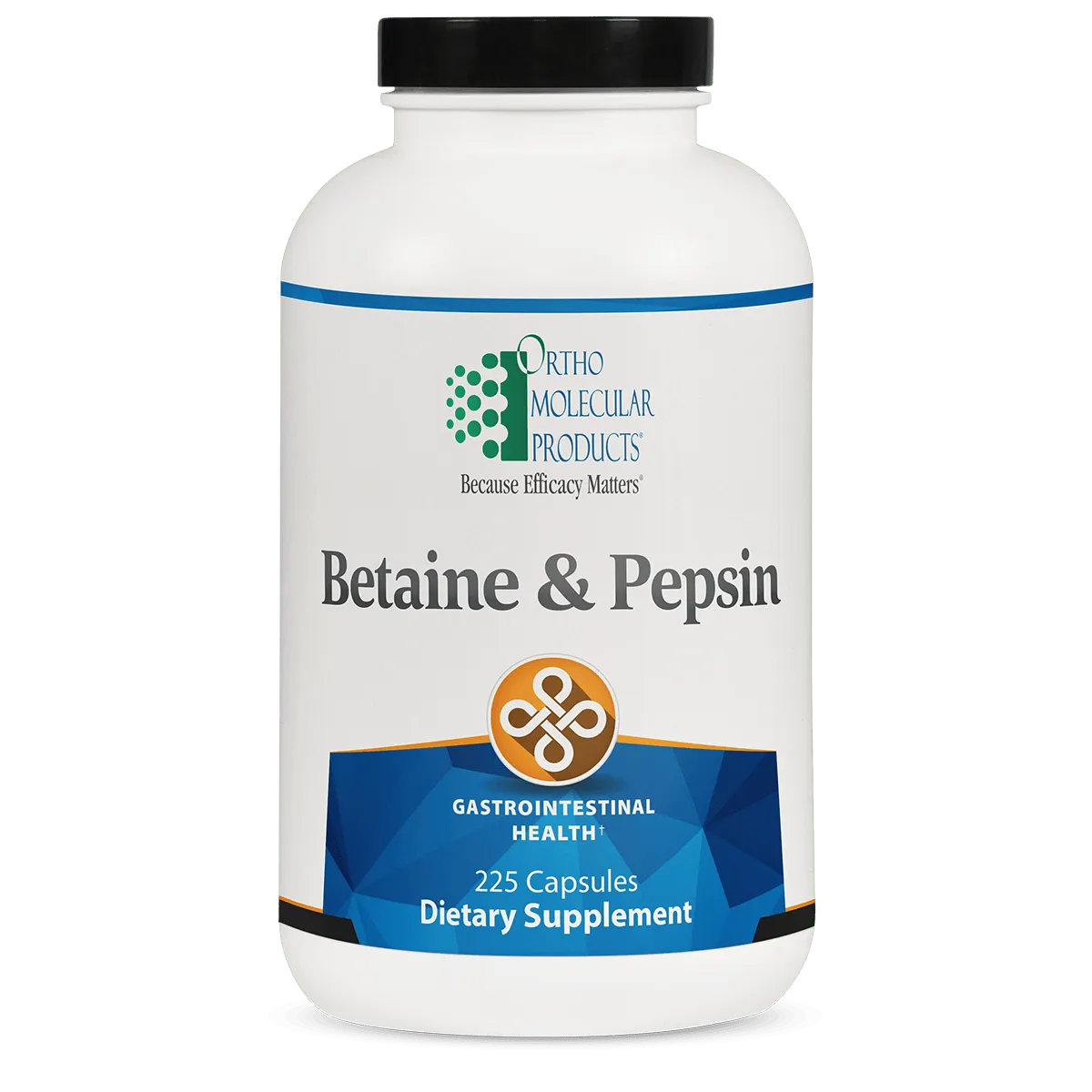
Betaine & PepsinLong COVIDGastrointestinal Health
Share:
Disclaimer: The information provided here is for educational purposes only and is not intended as medical advice. It should not be used to diagnose, treat, cure, or prevent any medical condition. Instead, use it as a starting point for discussion with your healthcare provider. Always consult with a qualified healthcare provider before starting any new medication, supplement, device, or making changes to your health regimen.
Months or even years after an acute viral infection, many patients with complex chronic conditions find themselves battling a confusing and debilitating array of gastrointestinal issues. For individuals living with Long COVID, myalgic encephalomyelitis/chronic fatigue syndrome (ME/CFS), and dysautonomia, the simple act of eating a meal can trigger profound bloating, severe acid reflux, nausea, and a worsening of systemic symptoms like brain fog and extreme fatigue. It is a deeply frustrating reality when the nourishment your body desperately needs to heal instead becomes a source of physical distress and symptom exacerbation. Often, these patients are prescribed acid-blocking medications under the assumption that their heartburn is caused by too much stomach acid, only to find their symptoms persisting or even worsening over time.
What if the root cause of this digestive dysfunction isn't an excess of stomach acid, but rather a profound deficiency? In the context of autonomic nervous system dysfunction and vagus nerve impairment—common hallmarks of Long COVID and related conditions—the stomach often loses its ability to produce adequate hydrochloric acid (HCl). This condition, known as hypochlorhydria, sets off a destructive cascade that impairs protein digestion, halts the absorption of vital nutrients, and creates a breeding ground for bacterial overgrowth in the gut. Fortunately, clinical science offers a targeted approach to this physiological roadblock. By supplementing with Betaine & Pepsin, patients can temporarily restore the highly acidic environment required for healthy digestion, breaking the vicious cycle of malabsorption and gut-driven inflammation.
TL;DR
Chronic conditions like Long COVID can cause low stomach acid, leading to severe digestive and systemic symptoms.
Betaine and Pepsin supplements may help temporarily restore gastric acidity to support proper digestion.
Restoring stomach acid aids in nutrient absorption and may help manage bloating, fatigue, and brain fog.
Always consult a doctor before starting Betaine HCl, especially if taking NSAIDs or acid-reducing medications.
What is Betaine & Pepsin?
To understand how a supplement like Betaine & Pepsin works, we must first look at the natural, healthy function of the human stomach. Digestion is a highly orchestrated, energy-intensive process that begins in the brain and relies heavily on precise chemical environments. When you anticipate, smell, or taste food, your brain sends signals via the vagus nerve to the stomach, initiating the cephalic phase of digestion. This signal prompts the release of the hormone gastrin, which in turn stimulates specialized cells in the stomach lining called parietal cells to secrete hydrochloric acid (HCl). In a healthy individual, the stomach secretes roughly 20 to 30 millimoles of this potent acid per hour after a meal, rapidly dropping the gastric pH to a highly acidic state, ideally between 1.0 and 3.0. This extreme acidity is not an accident of biology; it is the fundamental prerequisite for breaking down complex foods into absorbable nutrients.
This highly acidic environment serves several critical, life-sustaining functions. First, it acts as a primary immunological barrier. The sheer corrosiveness of stomach acid sterilizes the food we eat, neutralizing ingested bacteria, viruses, and fungi before they can reach the delicate environment of the small intestine. Second, the acid is responsible for the chemical denaturation of dietary proteins. Complex proteins in our food are tightly folded into intricate three-dimensional structures. The rapid influx of HCl chemically unravels, or denatures, these protein structures, exposing their internal peptide bonds. Without this initial unfolding process, the body's digestive enzymes would be completely unable to access and break down the proteins into the individual amino acids required for cellular repair, neurotransmitter production, and energy metabolism.
Betaine Hydrochloride (Betaine HCl) is a synthesized dietary supplement designed to safely deliver exogenous hydrochloric acid directly to the stomach. At a molecular level, it is the hydrochloride salt of the amino acid derivative betaine (also known as trimethylglycine). When a capsule of Betaine HCl is ingested and reaches the stomach, the moisture and temperature cause the compound to rapidly dissociate. This chemical dissociation releases free betaine alongside active hydrogen (H+) and chloride (Cl-) ions, which immediately combine to form hydrochloric acid. This direct infusion of acid effectively bypasses a dysfunctional parietal cell network, artificially and temporarily lowering the gastric pH to the highly acidic levels required for the digestive cascade to begin.
The clinical efficacy of this acidification process is well-documented in pharmacokinetic studies. Research has demonstrated that an appropriate dose of Betaine HCl can drop a suppressed gastric pH from a neutral 5.2 down to a highly acidic 0.6 in a matter of minutes. This temporary re-acidification perfectly mimics the natural human digestive window, maintaining a low pH for approximately 70 to 80 minutes before naturally returning to baseline. By providing this precise, time-limited window of extreme acidity, Betaine HCl allows the stomach to perform its necessary chemical breakdown of food, even when the autonomic nervous system is failing to signal natural acid production.
While Betaine HCl provides the necessary acidic environment, pepsin provides the mechanical breakdown of proteins. Pepsin is a powerful proteolytic enzyme (protease) that acts like a pair of biological scissors, cleaving the denatured protein chains into smaller, highly absorbable fragments called peptides. However, the body does not secrete active pepsin directly, as doing so would cause the stomach to digest its own cellular walls. Instead, specialized chief cells in the stomach lining secrete an inactive proenzyme called pepsinogen. This is a brilliant biological safety mechanism that relies entirely on stomach acid to function correctly.
Pepsinogen requires a strict, highly acidic environment (specifically a pH between 2.0 and 3.0) to undergo a process called auto-cleavage. When exposed to the acid provided by Betaine HCl, the inactive pepsinogen molecule sheds a small peptide chain, instantly transforming into the active, protein-digesting enzyme pepsin. By drastically lowering the stomach's pH, Betaine HCl acts as the biological "activation switch" for both endogenous pepsinogen and the supplemental pepsin included in the capsule. Once activated, pepsin aggressively breaks down the exposed protein bonds, creating an acidic, partially digested mixture known as chyme. When this highly acidic chyme eventually passes into the small intestine, its low pH triggers the release of pancreatic enzymes and bile, ensuring that the entire downstream digestive process functions smoothly.
How Chronic Illness Impacts Digestion
To understand why gastrointestinal symptoms are so prevalent in chronic illnesses, we must look at the intricate connection between the brain and the gut, primarily governed by the vagus nerve. The vagus nerve is the longest cranial nerve in the body and serves as the primary information highway of the parasympathetic nervous system—the branch of the autonomic nervous system responsible for "rest, digest, and repair" functions. It controls heart rate, breathing, and almost every aspect of gastrointestinal motility and secretion. Recent neuroimmune research has demonstrated that the SARS-CoV-2 virus has a high affinity for neural tissues and can directly infect or trigger severe inflammation within the vagus nerve. This resulting vagal neuropathy disrupts the critical signaling pathways between the brain and the digestive organs.
When the vagus nerve is damaged or inflamed, it leads to a condition known as dysautonomia, a widespread malfunction of the autonomic nervous system. Dysautonomia is incredibly common in Long COVID and ME/CFS, frequently manifesting as Postural Orthostatic Tachycardia Syndrome (POTS), erratic blood pressure, and profound fatigue. Because the autonomic nervous system is dysfunctional, the body often gets locked in a sympathetic "fight or flight" state. In this state of perceived chronic danger, the brain systematically diverts energy and blood flow away from non-essential survival functions, such as digestion, and redirects them to the heart and muscles. This systemic shift effectively shuts down the gastrointestinal tract, leading to a host of debilitating symptoms that patients struggle to manage daily. You can learn more about how these systemic issues are identified in our guide on how a doctor diagnoses Long COVID.
The most immediate and devastating consequence of this vagal impairment is a severe reduction in stomach acid production, a condition known as hypochlorhydria. The vagus nerve uses the neurotransmitter acetylcholine to directly signal the stomach's parietal cells to produce hydrochloric acid. When vagal tone is reduced due to Long COVID dysautonomia, these signals never reach their destination. The parietal cells remain dormant, and the stomach fails to produce the acid necessary to digest a meal. This lack of acid also delays gastric emptying, a condition called gastroparesis, where food sits stagnant in the stomach for hours instead of moving smoothly into the intestines.
Paradoxically, this lack of stomach acid often mimics the exact symptoms of excessive stomach acid. Because the undigested food sits in the warm environment of the stomach for prolonged periods, it begins to ferment and putrefy. This fermentation process produces excess gas, which expands the stomach and places upward pressure on the lower esophageal sphincter. This pressure forces what little acid is present, along with the fermenting food, up into the esophagus, causing severe heartburn, acid reflux, and a feeling of intense fullness after just a few bites. Many patients are mistakenly prescribed proton pump inhibitors (PPIs) for these symptoms, which further suppresses their already depleted acid levels and worsens the underlying malabsorption. This phenomenon is a key contributor to the gastrointestinal symptoms seen with Long COVID.
The downstream effects of hypochlorhydria extend far beyond the stomach, creating a vicious cycle of systemic illness. Without the sterilizing barrier of highly acidic gastric juice, ingested bacteria and opportunistic pathogens survive the journey through the stomach and migrate into the small intestine. Furthermore, because vagus nerve damage slows down intestinal motility (peristalsis), these bacteria are not swept away. This stagnation creates the perfect environment for Small Intestinal Bacterial Overgrowth (SIBO), a condition highly prevalent among patients with Long COVID, ME/CFS, and mast cell activation syndrome (MCAS). The overgrowth of bacteria in the small intestine leads to profound bloating, malabsorption, and severe food intolerances.
This localized gut dysbiosis rapidly translates into systemic inflammation. The overgrown bacteria produce endotoxins, such as lipopolysaccharides (LPS), which damage the delicate lining of the intestines, causing intestinal permeability or "leaky gut." These endotoxins leak into the systemic bloodstream, where they are recognized by the immune system, triggering a massive release of pro-inflammatory cytokines. These inflammatory molecules can cross the blood-brain barrier, igniting neuroinflammation that manifests as severe cognitive dysfunction, or "brain fog," and overwhelming fatigue. Finally, this localized gut inflammation sends distress signals back up the damaged vagus nerve to the brain, further irritating the autonomic nervous system and ensuring the stomach remains unable to produce acid, locking the patient in a perpetual cycle of illness.
Betaine & Pepsin: Supporting Digestion and Absorption
For patients trapped in the cycle of hypochlorhydria and dysautonomia, supplementing with Betaine & Pepsin offers a targeted, mechanistic intervention to bypass the damaged vagal signaling. By taking Betaine HCl at the beginning of a meal, patients can manually introduce the exact chemical environment the stomach is failing to produce. The rapid dissociation of the supplement floods the gastric chamber with hydrogen and chloride ions, forcefully driving the pH down to the necessary 1.0 to 3.0 range. This rapid re-acidification is not a subtle shift; it is a profound biochemical intervention that immediately restores the stomach's ability to denature complex dietary proteins and initiate the digestive cascade.
This targeted acidification is particularly vital for overcoming the natural buffering effect of food. Every time we eat, the food itself acts as an alkaline buffer, naturally raising the pH of the stomach. In a healthy individual, the parietal cells constantly pump out more acid to overcome this buffer. In a patient with Long COVID or ME/CFS, the stomach cannot mount this response, leaving the food undigested. Clinical studies have shown that a sufficient dose of Betaine HCl can rapidly overcome this food buffer, forcefully returning the gastric environment to its pre-meal acidic baseline in less than 20 minutes. This ensures that the meal is processed efficiently, helping to reduce the stagnation and fermentation that lead to paradoxical acid reflux and bloating.
Beyond basic protein digestion, Betaine & Pepsin plays an absolute, non-negotiable role in the absorption of critical micronutrients, specifically Vitamin B12 and iron. Dietary Vitamin B12 is tightly bound to animal proteins. It requires a highly acidic environment and the active enzyme pepsin to cleave the vitamin from the protein matrix. Once freed, the B12 must bind to a specialized salivary protein called haptocorrin to survive the journey to the intestines. Without the initial acid and pepsin provided by supplementation, the B12 remains locked in the undigested protein and is excreted, leading to severe neurological fatigue and anemia, symptoms that heavily overlap with ME/CFS. You can explore the complex relationship between these conditions in our article on whether Long COVID can trigger ME/CFS.
Similarly, the absorption of dietary non-heme iron is entirely dependent on stomach acid. Iron naturally exists in food in a ferric state (Fe3+), which the human body cannot efficiently absorb. A highly acidic gastric environment is required to chemically reduce the iron from its ferric state into the highly absorbable ferrous state (Fe2+). By restoring gastric acidity with Betaine HCl, patients can facilitate this essential chemical conversion, which may help manage the profound iron-deficiency anemia that often exacerbates the debilitating exhaustion seen in chronic, post-viral illnesses. Furthermore, this acidic environment is necessary for the proper ionization and absorption of other essential minerals, including calcium, magnesium, and zinc, all of which are vital for immune function and cellular energy production.
Finally, supplementing with Betaine & Pepsin helps restore the stomach's role as the primary immunological gatekeeper of the gastrointestinal tract. By maintaining a highly acidic environment during meals, the supplement effectively sterilizes ingested food, helping to neutralize opportunistic bacteria, yeast, and parasites before they can colonize the small intestine. This is a critical defense mechanism for patients battling Small Intestinal Bacterial Overgrowth (SIBO) or severe microbiome dysbiosis.
Furthermore, by ensuring that food is properly broken down into an acidic chyme, Betaine HCl guarantees that the correct signals are sent to the rest of the digestive system. When this highly acidic mixture enters the duodenum (the first part of the small intestine), it triggers the release of secretin and cholecystokinin (CCK). These hormones signal the pancreas to release high-concentration digestive enzymes and the gallbladder to release bile. Therefore, by fixing the initial acidic trigger in the stomach with Betaine & Pepsin, patients can effectively reboot the entire downstream digestive process, reducing intestinal inflammation and supporting the gradual healing of the gut mucosal barrier.

Symptoms Betaine & Pepsin May Help Manage
Because Betaine & Pepsin addresses a fundamental physiological process—the breakdown and absorption of food—its benefits can be felt across multiple bodily systems. By restoring gastric acidity and enzymatic function, this supplement targets both localized gastrointestinal distress and the systemic symptoms driven by malabsorption and gut inflammation. Here are the specific symptoms Betaine & Pepsin may help manage:
Paradoxical Acid Reflux and Heartburn: By ensuring food is rapidly digested rather than left to ferment and putrefy in the stomach, Betaine HCl helps reduce the buildup of gas that forces stomach contents upward into the esophagus, alleviating the burning sensation often misattributed to high acid.
Severe Post-Meal Bloating and Fullness: Restoring the acidic environment accelerates gastric emptying, helping to ease the uncomfortable, distended feeling of gastroparesis where food sits stagnant in the stomach for hours after a meal.
Chronic Fatigue and Lethargy: By facilitating the chemical cleavage and absorption of Vitamin B12 and the reduction of dietary iron into its absorbable ferrous state, the supplement helps reverse the nutrient-deficiency anemias that drive profound, cellular-level exhaustion.
Brain Fog and Cognitive Dysfunction: By helping to limit the survival of ingested bacteria and reducing the likelihood of SIBO, Betaine HCl helps stop the production of bacterial endotoxins (like LPS) that leak into the bloodstream and trigger severe neuroinflammation in the brain.
Undigested Food in Stool: The addition of the proteolytic enzyme pepsin ensures that complex dietary proteins are thoroughly cleaved into absorbable peptides, helping to reduce large, undigested food particles from passing through the gastrointestinal tract and causing intestinal irritation.
Brittle Nails and Hair Loss: By supporting the proper ionization and absorption of essential trace minerals like zinc, calcium, and magnesium, the supplement provides the necessary building blocks for healthy cellular replication and structural tissue integrity.
Food Sensitivities and Histamine Reactions: Thoroughly digesting proteins helps keep large, highly reactive protein molecules from entering the intestines, where they can trigger inappropriate immune responses and exacerbate mast cell activation syndrome (MCAS) symptoms.
Practical Considerations: Forms, Dosing, and Absorption
Because the severity of hypochlorhydria varies drastically from person to person, there is no single universal dosage for Betaine & Pepsin. Instead, functional medicine practitioners utilize a highly specific, step-by-step protocol known as the "Betaine HCl Challenge" to help patients find their individualized optimal dose. This process requires careful observation of bodily sensations. Patients are instructed to begin by taking exactly one capsule (typically containing 500mg to 750mg of Betaine HCl) at the very beginning of a meal that contains a substantial amount of complex protein, such as meat, fish, or eggs.
If the patient feels no noticeable sensation in their stomach after the meal, it strongly indicates that their baseline stomach acid is critically low and the single capsule was insufficient to fully re-acidify the gastric chamber. At their next similar-sized protein meal, the patient increases the dose to two capsules. This process of increasing the dosage by one capsule per meal continues over consecutive days until the patient experiences a mild sensation of warmth, heaviness, or a very slight burning feeling in their upper abdomen or chest. This sensation indicates that the stomach has reached its maximum acidic capacity. The patient's optimal maintenance dose is then established as one capsule less than the amount that caused the warming sensation. If a patient accidentally takes too much and experiences painful heartburn, the acid can be immediately neutralized by drinking a glass of water mixed with a teaspoon of baking soda.
The timing of administration is just as critical as the dosage. Betaine & Pepsin must be taken immediately before the first bite of food, or at most, halfway through the meal. This precise timing allows the capsule to dissolve and mix directly with the incoming food payload, perfectly mimicking the body's natural cephalic phase of digestion. Taking the supplement after a meal is highly ineffective, as the primary digestive window will have already closed, and the acid will not properly mix with the chyme.
Furthermore, meal composition dictates whether the supplement should be used at all. Betaine & Pepsin should only be taken with meals that contain significant amounts of protein and fat, as these macronutrients require heavy acidity and enzymatic cleavage to be digested. The supplement should never be taken on an empty stomach, nor should it be taken with light, carbohydrate-only snacks like a piece of fruit, a cracker, or a small salad. Small, low-protein meals require very little acid to digest; introducing a large dose of raw hydrochloric acid to an empty or lightly filled stomach can severely irritate the delicate gastric mucosal wall and cause intense, painful "false" heartburn.
While Betaine HCl is generally recognized as safe for individuals with hypochlorhydria, it carries strict and absolute medical contraindications due to its highly corrosive nature. It must never be used by individuals with active peptic ulcers, severe gastritis, or unmanaged Gastroesophageal Reflux Disease (GERD) with esophageal damage, as the introduced acid will aggressively aggravate the exposed tissue and prevent healing. Additionally, it actively counteracts acid-suppressing medications like Proton Pump Inhibitors (PPIs) and H2 blockers, and should not be taken concurrently without direct medical supervision.
The most critical safety warning involves the concurrent use of Nonsteroidal Anti-inflammatory Drugs (NSAIDs), such as ibuprofen, naproxen, aspirin, and celecoxib, as well as corticosteroids. NSAIDs function by inhibiting cyclooxygenase (COX) enzymes, which drastically reduces the production of prostaglandins. Prostaglandins are biologically essential for maintaining the stomach's protective mucosal lining. When NSAIDs deplete this protective barrier, the stomach wall becomes highly vulnerable. Introducing supplemental hydrochloric acid via Betaine & Pepsin into a stomach with an NSAID-compromised mucosal lining drastically increases the risk of severe gastric irritation, gastrointestinal bleeding, and perforated ulcers. Therefore, taking Betaine HCl while on active NSAID therapy is universally contraindicated.

Follow the Science
The clinical efficacy of Betaine Hydrochloride is supported by robust pharmacokinetic data, most notably from researchers at the University of California, San Francisco (UCSF). In a landmark 2013 crossover trial published in Molecular Pharmaceutics, researchers (Yago et al.) sought to prove exactly how fast and effectively Betaine HCl could re-acidify a compromised stomach. They administered the proton-pump inhibitor rabeprazole to healthy volunteers to medically induce a state of hypochlorhydria, raising their baseline fasting gastric pH to a neutral 5.2. The subjects were then given a 1,500 mg dose of oral Betaine HCl.
The results were dramatic and definitive. The researchers recorded that the Betaine HCl lowered the gastric pH by an average of 4.5 units, dropping the stomach environment from 5.2 down to a highly acidic 0.6. Furthermore, the onset of action was incredibly rapid, with the mean time to reach a pH of less than 3.0 clocking in at just 6.3 minutes. The study also proved that the re-acidification was temporary and safe, lasting an average of 73 minutes before naturally returning to baseline. This data definitively proved that Betaine HCl perfectly simulates a normal human digestive window, providing a highly effective method for temporarily restoring gastric acidity.
Subsequent clinical research has focused on how Betaine HCl interacts with actual meals, which naturally buffer stomach acid. A 2019 randomized control trial (Surofchy et al.) evaluated the dosage required to overcome the buffering effect of a standard 310-calorie meal. The study found that while a 1,500 mg dose was sufficient on an empty stomach, it required a much larger dose (up to 4,500 mg) to rapidly return the stomach to its pre-meal acidic baseline when food was present. This aligns perfectly with human physiology, as a healthy stomach naturally secretes the acid equivalent of 3,000 to 4,500 mg of Betaine HCl per hour after eating a substantial meal, reinforcing the need for individualized titration dosing.
Furthermore, the ability of Betaine HCl to rescue the absorption of pH-dependent compounds has been proven in pharmacological trials. In a study investigating the targeted oral chemotherapy drug dasatinib—which, like Vitamin B12 and iron, requires a highly acidic environment to be absorbed—researchers found that PPI-induced hypochlorhydria severely reduced the drug's absorption by over 90%. However, when the researchers co-administered 1,500 mg of Betaine HCl just prior to the medication, it successfully lowered the pH and resulted in a 15-fold increase in absorption, practically restoring the uptake profile to normal healthy levels. This mechanism provides the scientific foundation for using Betaine HCl to reverse severe nutrient malabsorption.
Currently, large-scale clinical trials are underway to further solidify these findings. For example, an ongoing 2024-2026 exploratory clinical trial (NCT06881511) at Zhejiang University is explicitly testing Betaine HCl on patients with Autoimmune Gastritis (AIG), a condition that destroys the stomach's parietal cells and causes severe achlorhydria. This trial is rigorously measuring anemia parameters, iron levels, and vitamin B12 absorption to determine if Betaine HCl can help manage profound nutrient deficiencies. As research continues, the critical role of stomach acid in managing complex chronic illnesses becomes increasingly undeniable.
The Path Forward
Living with the gastrointestinal manifestations of Long COVID, ME/CFS, and dysautonomia can feel like a relentless, uphill battle. When the simple act of nourishing your body causes pain, bloating, and a flare-up of systemic symptoms, it is easy to feel betrayed by your own biology. It is vital to understand that these symptoms are not in your head, nor are they a sign that you are failing at your diet. They are the direct, physiological result of a damaged autonomic nervous system and a vagus nerve that is struggling to communicate with your digestive tract. Validating this reality is the first step toward reclaiming your health. You can read more about managing these daily realities in our guide on how to live with long-term COVID.
While there is no single miracle cure for complex chronic illness, targeted interventions like Betaine & Pepsin offer a powerful tool for breaking the vicious cycle of malabsorption and gut-driven inflammation. By manually restoring the highly acidic environment your stomach needs, you can bypass the damaged vagal signaling, ensure your food is properly broken down, and finally absorb the vital nutrients your cells desperately need to heal. This targeted approach to digestion is a critical component of a comprehensive management strategy, working synergistically alongside autonomic rehabilitation, pacing, and nervous system regulation.
As you navigate your recovery journey, remember that supplements are most effective when integrated into a holistic, medically supervised care plan. Because Betaine HCl carries specific contraindications, particularly regarding NSAID use and active ulcers, it is imperative that you consult with a knowledgeable healthcare provider before beginning any acidification protocol. They can help you safely navigate the titration process and ensure that this intervention aligns with your unique medical history and current medications.