Can Beta Carotene and Mixed Carotenoids Clear the Brain Fog of Long COVID and ME/CFS?
March 5, 2026
Beta CaroteneLuteinLong COVID
Share:
Disclaimer: The information provided here is for educational purposes only and is not intended as medical advice. It should not be used to diagnose, treat, cure, or prevent any medical condition. Instead, use it as a starting point for discussion with your healthcare provider. Always consult with a qualified healthcare provider before starting any new medication, supplement, device, or making changes to your health regimen.
Months or even years after a mild acute infection, many individuals find themselves trapped in a labyrinth of debilitating symptoms. For those living with Long COVID, myalgic encephalomyelitis/chronic fatigue syndrome (ME/CFS), and related complex chronic conditions, the physical exhaustion is often matched only by the profound cognitive impairment known as "brain fog." Patients frequently describe feeling as though their brain is operating through thick mud, struggling to recall simple words, process visual information, or maintain focus for more than a few minutes. This is not merely psychological fatigue; it is the downstream result of severe, ongoing cellular damage and neuroinflammation. When the central nervous system is under constant attack from oxidative stress and immune dysregulation, the body's natural antioxidant reserves become rapidly depleted, leaving delicate neural and mitochondrial tissues vulnerable.
In the search for targeted therapeutic interventions, researchers are increasingly turning their attention to a class of brightly colored phytonutrients known as carotenoids. Beta carotene, along with its structural cousins lutein and zeaxanthin, are potent biological antioxidants and vital precursors to vitamin A. While traditionally celebrated for their role in maintaining eye health, emerging clinical literature suggests these compounds possess unique, targeted mechanisms capable of crossing the blood-brain barrier, pacifying hyperactive immune cells, and neutralizing the exact types of free radicals generated by post-viral syndromes. By understanding the intricate biochemistry of how these natural pigments interact with our cellular pathways, we can better appreciate their potential role in a comprehensive recovery strategy for Long COVID and ME/CFS.
TL;DR
Beta carotene and mixed carotenoids provide potent antioxidant support to combat cellular damage in post-viral syndromes.
Lutein and zeaxanthin can cross the blood-brain barrier, which may help manage neuroinflammation and brain fog.
Always take carotenoid supplements with healthy fats for absorption, and avoid beta carotene if you have a smoking history.
What is Beta Carotene and Mixed Carotenoids?
The Colorful World of Provitamin A
Beta carotene is the most prominent member of the carotenoid family, a group of over 600 naturally occurring pigments synthesized by plants, algae, and photosynthetic bacteria. In nature, these compounds are responsible for the vibrant red, orange, and yellow hues found in carrots, sweet potatoes, and autumn leaves. In the human body, beta carotene serves two highly distinct and critical biological functions: it acts as a foundational dietary precursor to active vitamin A (retinol), and it functions as a potent, standalone, lipid-soluble antioxidant. Because humans cannot synthesize carotenoids endogenously, we are entirely dependent on dietary intake or targeted supplementation to maintain adequate cellular levels.
When consumed, beta carotene is classified as a "provitamin." This means that unlike preformed vitamin A (which is found in animal products and can accumulate to toxic levels in the liver), beta carotene is converted into active vitamin A strictly on an as-needed basis by the body's regulatory systems. This built-in biological safety valve ensures that the immune system, visual pathways, and epithelial tissues receive the exact amount of vitamin A required for cellular differentiation and repair, without the high risk of hypervitaminosis A. The remaining, unconverted beta carotene is then distributed throughout the body's lipid-rich tissues, including cell membranes and the central nervous system, where it stands guard against oxidative damage.
The Enzymatic Conversion to Vitamin A
The physiological impact of beta carotene is dictated by a highly complex enzymatic conversion pathway that begins in the small intestine. Once absorbed into the enterocytes (the cells lining the intestinal wall), beta carotene encounters an enzyme known as BCO1 ($\beta$-carotene-15,15'-oxygenase). BCO1 acts as molecular scissors, symmetrically cleaving the central double bond of the beta carotene molecule to yield two molecules of retinaldehyde (retinal). This retinal is then rapidly reduced by retinaldehyde reductase into retinol, the active form of vitamin A, which is esterified and packaged into chylomicrons for transport through the lymphatic system and into the bloodstream.
However, central cleavage by BCO1 is not the only metabolic route. A secondary enzyme, BCO2 ($\beta$-carotene-9′,10′-oxygenase), operates within the mitochondria of the cells. BCO2 cleaves beta carotene asymmetrically, producing smaller molecular fragments known as $\beta$-apocarotenoids. These apocarotenoids are not merely metabolic waste products; recent studies indicate they act as powerful secondary signaling molecules. They can interact directly with cellular receptors to modulate lipid metabolism, influence gene expression, and even trigger the body's internal antioxidant defense systems. This dual-pathway metabolism makes beta carotene a highly dynamic nutrient, capable of influencing multiple physiological systems simultaneously.
Direct Antioxidant Defense Mechanisms
In its unconverted state, beta carotene's molecular structure makes it an exceptionally efficient antioxidant. The molecule consists of a long hydrocarbon chain featuring 11 conjugated double bonds, capped by two $\beta$-ionone rings. This unique chemical architecture allows beta carotene to physically interact with and neutralize highly reactive free radicals. One of its primary mechanisms is singlet oxygen quenching. Singlet oxygen is a highly excited, toxic form of oxygen that can cause severe damage to cellular DNA and proteins. Beta carotene absorbs the excess excitation energy from singlet oxygen, returning it to a harmless ground state, while the beta carotene molecule safely dissipates the absorbed energy as heat.
Furthermore, in the lipid-rich environments of cell membranes, beta carotene acts as a potent chain-breaking antioxidant. It specifically targets peroxyl radicals ($ROO^•$), which are the primary drivers of lipid peroxidation—a destructive chain reaction that tears apart the structural integrity of cell walls. By donating an electron and allowing the radical to add to its conjugated double bond system, beta carotene halts the chain reaction in its tracks. In vitro assays evaluating carotenoid antioxidant activity have demonstrated that the all-trans isomer of beta carotene exhibits a radical scavenging capacity significantly higher than that of standard vitamin E under specific physiological conditions. This makes it an invaluable defender of the body's most vulnerable lipid structures, including the myelin sheaths that protect nerve fibers.
How Long COVID and ME/CFS Impact Cellular Redox Balance
The Vicious Cycle of Oxidative and Nitrosative Stress
To understand why carotenoids are highly relevant to post-viral syndromes, we must first examine the foundational pathology of these conditions. Current clinical literature confirms that Long COVID, ME/CFS, and dysautonomia share a striking pathophysiological overlap: a severe, systemic cellular redox imbalance. Research comparing Long COVID and ME/CFS demonstrates that both patient populations exhibit significantly elevated markers of oxidative stress, particularly lipid oxidative damage driven by unchecked reactive oxygen species (ROS). This is accompanied by aberrations in ROS clearance pathways, including elevated glutathione levels and decreases in mitochondrial superoxide dismutase, driven by the sheer volume of free radicals generated by a hyperactive immune system.
In Long COVID, this oxidative stress is frequently accompanied by severe nitrosative stress. The persistence of the SARS-CoV-2 spike protein, or fragments of the virus, continuously triggers the endothelium (the lining of the blood vessels) and immune cells to overproduce nitric oxide and peroxynitrite. These highly reactive nitrogen species act like microscopic shrapnel, damaging endothelial walls, disrupting normal blood flow, and contributing to the micro-clotting often seen in post-viral patients. This relentless assault depletes the body's endogenous antioxidant reserves, creating a vicious cycle where tissue damage provokes further inflammation, which in turn generates even more oxidative and nitrosative stress.
Microglial Overactivation and Neuroinflammation
The impact of this redox imbalance is perhaps most devastating within the central nervous system. The brain is highly susceptible to oxidative damage because it consumes roughly 20% of the body's oxygen supply and is composed largely of polyunsaturated fatty acids—the exact type of lipids targeted by peroxyl radicals. In a healthy brain, specialized immune cells called microglia act as the resident cleanup crew, quietly removing cellular debris. However, in Long COVID and ME/CFS, these microglia become chronically overactivated. Triggered by systemic inflammatory cytokines crossing a compromised blood-brain barrier, the microglia shift into a highly aggressive, neurotoxic state.
Once activated, these microglial cells continuously pump out pro-inflammatory cytokines like TNF-$\alpha$, IL-1$\beta$, and IL-6. This localized "fire" in the brain is what clinicians refer to as neuroinflammation, and it is the primary biological driver of the profound cognitive impairment patients experience as brain fog. The sustained neuroinflammation disrupts neurotransmitter synthesis, impairs synaptic plasticity, and slows down the speed at which neurons can communicate. For patients trying to understand what causes Long COVID, this sustained microglial activation and the resulting neurotoxic environment provide a clear physiological explanation for their debilitating cognitive symptoms.
Mitochondrial Dysfunction and Energy Depletion
The downstream consequence of systemic oxidative stress and neuroinflammation is profound mitochondrial dysfunction. Mitochondria, the powerhouses of our cells, rely on delicate inner membranes to facilitate the electron transport chain and produce adenosine triphosphate (ATP)—the currency of cellular energy. When lipid peroxidation goes unchecked, these mitochondrial membranes become rigid and damaged. The electron transport chain begins to "leak" electrons, which not only drastically reduces ATP output but also generates even more intracellular free radicals, further compounding the damage.
This cellular energy crisis is the root cause of the crushing fatigue and post-exertional malaise (PEM) that define ME/CFS and Long COVID. When a patient attempts even mild physical or cognitive exertion, their damaged mitochondria cannot meet the increased demand for ATP. The cells are forced to rely on inefficient anaerobic glycolysis, leading to a rapid buildup of lactic acid and a subsequent metabolic "crash." Because the body lacks the antioxidant capacity to neutralize the exertion-induced ROS, the crash can last for days or weeks. Understanding this mechanism is crucial when exploring how to live with long-term COVID, as it highlights the absolute necessity of restoring mitochondrial membrane integrity and quenching intracellular oxidative stress.
Beta Carotene and Mixed Carotenoids: Supporting Recovery and Brain Health
Lutein and Zeaxanthin: Crossing the Blood-Brain Barrier
While beta carotene provides excellent systemic antioxidant support, a comprehensive supplement formula often includes mixed carotenoids—specifically lutein and zeaxanthin—to target the central nervous system. Unlike many systemic antioxidants, lutein and zeaxanthin possess the unique ability to successfully cross the blood-brain barrier. Once inside the brain, they preferentially accumulate in the macular region of the retina and within the neural tissues responsible for cognitive processing, memory, and executive function. This targeted accumulation positions them perfectly to combat the localized neuroinflammation driving post-viral brain fog.
Recent research on rejuvenating aged microglia in Alzheimer's models highlights the importance of microglial function, while separate literature suggests specific xanthophyll carotenoids act as exceptional natural agents for therapeutic use. Because of their specific molecular orientation within lipid membranes, lutein and zeaxanthin act as structural buffers, physically stabilizing the delicate neural membranes against the oxidative and nitrosative stress induced by the SARS-CoV-2 spike protein. By reinforcing the cellular architecture of neurons, these mixed carotenoids help restore normal synaptic signaling and improve the visual and mental processing speeds that are so frequently impaired in dysautonomia and ME/CFS patients.
Suppressing the NF-κB Inflammatory Pathway
The therapeutic power of mixed carotenoids extends far beyond simple free radical scavenging; they actively modulate the genetic expression of inflammation. When the central nervous system is exposed to viral remnants or systemic stress, it triggers the p38 MAPK and JNK signaling pathways. These pathways act as chemical alarm bells that activate NF-κB (Nuclear Factor kappa B), the master genetic regulator of the inflammatory response. Once activated, NF-κB translocates to the cell nucleus and commands the massive production of neurotoxic cytokines, fueling the microglial overactivation discussed earlier.
Lutein and beta carotene intervene directly in this cascade. Studies show that lutein specifically inhibits the phosphorylation of the p38 and JNK kinases, effectively cutting the alarm wire before it can reach NF-κB. By inactivating NF-κB, these carotenoids halt the downstream production of TNF-$\alpha$, IL-1$\beta$, and COX-2. Other studies suggest pre-treating hyperactive microglial cells with lutein successfully halts the release of inflammatory nitric oxide, physically pacifying the cells and shifting them back into a resting, neuroprotective state. This mechanism is vital for patients experiencing the severe neurological symptoms associated with Long COVID.
Activating the Nrf2 Antioxidant Defense System
In addition to suppressing inflammation, beta carotene and its cleavage products actively upregulate the body's internal antioxidant factories. They achieve this by activating the Nrf2 (Nuclear factor erythroid 2-related factor 2) signaling pathway. Under normal conditions, Nrf2 is anchored in the cellular cytoplasm. However, when stimulated by the electrophilic apocarotenoids generated during beta carotene metabolism, Nrf2 breaks free and travels to the nucleus, where it binds to the Antioxidant Response Element (ARE) on the DNA.
This binding triggers the transcription of a vast array of endogenous antioxidant enzymes, including Heme Oxygenase-1 (HO-1), Superoxide Dismutase (SOD), and glutathione peroxidase. By turning on the Nrf2 pathway, carotenoids do not just neutralize a single free radical; they command the cell to build its own army of highly efficient, reusable antioxidant enzymes. This exponential amplification of the body's redox defense system is critical for repairing the widespread mitochondrial and endothelial damage seen in patients wondering if Long COVID symptoms come and go, as it helps stabilize the cellular environment against future inflammatory flares.
Restoring Immune Function via Provitamin A
Finally, the provitamin A activity of beta carotene plays an indispensable role in immune system recovery. Active vitamin A (retinoic acid) is a fundamental requirement for the proper functioning of both the innate and adaptive immune systems. It regulates the differentiation and proliferation of T-cells and B-cells, ensuring that the immune system can mount an appropriate response to latent viral reactivations—such as Epstein-Barr Virus (EBV)—which are frequently implicated in ME/CFS and Long COVID pathology.
Furthermore, retinoic acid is essential for maintaining the integrity of mucosal barriers in the gut and respiratory tract. A compromised gut lining (leaky gut) is a common feature of mast cell activation syndrome (MCAS) and chronic fatigue, allowing endotoxins to enter the bloodstream and drive systemic inflammation. By providing a safe, regulated supply of provitamin A, beta carotene supports the regeneration of these crucial epithelial barriers, helping to calm the immune system and reduce the overall inflammatory burden on the body.

Symptoms Beta Carotene and Mixed Carotenoids May Help Manage
Brain Fog and Cognitive Impairment: Mixed carotenoids, particularly lutein and zeaxanthin, cross the blood-brain barrier to suppress NF-κB activation, directly pacifying the hyperactive microglia that cause neuroinflammation and slow cognitive processing.
Profound Fatigue and PEM: By neutralizing intracellular reactive oxygen species (ROS) and preventing lipid peroxidation, beta carotene protects delicate mitochondrial membranes, supporting more efficient ATP (energy) production and reducing the severity of metabolic crashes.
Visual Disturbances and Light Sensitivity: Lutein and zeaxanthin accumulate heavily in the macula of the eye, where they filter harmful high-energy blue light and quench singlet oxygen, protecting the optic nerve and retinal cells from oxidative damage common in dysautonomia.
Immune Dysregulation: As a provitamin A precursor, beta carotene supplies the retinoic acid necessary for proper T-cell differentiation and the maintenance of mucosal barriers, helping to stabilize erratic immune responses and protect against latent viral reactivations.
Muscle Pain and Weakness: By activating the Nrf2 pathway and boosting endogenous antioxidant enzymes like Superoxide Dismutase, carotenoids help clear the excessive lactic acid and oxidative debris that accumulate in muscle tissues during exertion in ME/CFS patients.
Practical Considerations: Forms, Dosing, and Absorption
The Importance of Dietary Fat for Absorption
When utilizing beta carotene and mixed carotenoids therapeutically, understanding their bioavailability is just as important as the dosage. Carotenoids are highly lipophilic, meaning they are entirely fat-soluble. If you consume a beta carotene supplement on an empty stomach or with a fat-free meal, the vast majority of the nutrient will pass through your digestive tract unabsorbed. To enter the bloodstream, carotenoids must be released from their matrix and incorporated into mixed micelles—microscopic lipid spheres formed by bile salts in the small intestine.
Clinical studies on carotenoid absorption demonstrate that dietary fat is strictly required to trigger this micellarization process. Research indicates that co-consuming carotenoids with approximately 20 grams of dietary lipid promotes significantly higher absorption compared to lower amounts. Therefore, to maximize the therapeutic efficacy of these supplements, they should always be taken with a substantial, healthy fat source, such as half an avocado, a handful of nuts, or a meal prepared with extra virgin olive oil. Interestingly, the oleic acid found in olive oil has been noted in recent literature as an exceptionally effective carrier for lutein, helping to preserve its structure and maximize its transport across the blood-brain barrier.
Natural Dunaliella salina vs. Synthetic Forms
The source of the beta carotene also plays a critical role in its biological behavior. Many commercial supplements use synthetic beta carotene, which consists almost entirely of the all-trans isomer. However, high-quality formulations often derive their beta carotene from Dunaliella salina, a unique, salt-tolerating microalga. Under environmental stress, D. salina protects itself by accumulating massive amounts of beta carotene within intracellular lipid droplets, producing a natural mixture of both all-trans and 9-cis isomers, alongside trace amounts of other beneficial carotenoids.
Research on D. salina bioavailability reveals that this natural isomer mixture more closely mimics the carotenoid profile found in whole foods. While the human body preferentially absorbs the all-trans isomer into the plasma, the 9-cis isomer is believed to be rapidly cleared from the blood and preferentially stored in human tissues, where it acts as a highly efficient, localized antioxidant. Furthermore, D. salina naturally contains its own matrix of functional polar lipids and omega fatty acids, which can synergistically aid in the absorption process and provide independent anti-inflammatory benefits.
Crucial Safety Warnings and Contraindications
While beta carotene is generally very safe and well-tolerated, there is one absolute, critical contraindication that patients and providers must be aware of: high-dose synthetic beta carotene supplementation is strictly contraindicated for current or former heavy smokers, as well as individuals with a history of heavy asbestos exposure. This warning is based on two massive, landmark clinical trials—the ATBC study and the CARET study—which investigated the use of synthetic beta carotene for cancer prevention.
Researchers originally hypothesized that the antioxidant properties of beta carotene would protect smokers' lungs. Tragically, the trials revealed the exact opposite: participants taking high-dose synthetic beta carotene exhibited a significantly increased risk of developing lung cancer. The biological mechanism behind this paradox is profound. In the highly oxygenated and extremely toxic environment of a smoker's lung, massive doses of beta carotene undergo a "pro-oxidant flip." Instead of neutralizing free radicals, the molecule breaks down into reactive apocarotenoid fragments that actively damage cellular DNA and interfere with normal retinoid signaling, promoting carcinogenesis. Therefore, if you have a significant smoking history, you should avoid beta carotene supplements entirely and rely solely on whole-food dietary sources. For non-smokers, the primary side effect of high-dose supplementation is carotenemia, a harmless and reversible yellowish-orange tinting of the skin.

Follow the Science
Carotenoids as Biomarkers in ME/CFS
The scientific understanding of how carotenoids interact with complex chronic illnesses is rapidly evolving, moving beyond simple nutritional support into the realm of diagnostic biomarkers. A fascinating 2022 study published in Frontiers in Immunology attempted to find a reliable diagnostic blood test for ME/CFS by analyzing blood extracellular vesicles (EVs)—tiny lipid spheres released by cells to communicate with one another. Using advanced Raman micro-spectroscopic analysis, the researchers made a groundbreaking discovery: they identified specific carotenoid peaks as a unique molecular fingerprint for ME/CFS.
The study found a significantly higher content of carotenoids trapped within the extracellular vesicles of ME/CFS patients compared to healthy controls. Researchers hypothesize that this altered carotenoid compartmentalization is directly linked to the severe erythrocyte (red blood cell) deficiencies and cell membrane dysregulation inherent to the disease. Because the body is under immense oxidative stress, it appears to be desperately mobilizing its lipophilic antioxidant reserves, altering how carotenoids are stored and transported at a cellular level. This data strongly reinforces the clinical reality of the severe redox imbalance driving ME/CFS pathology.
Lutein's Role in Post-Viral Cognitive Impairment
Recent pharmacological reviews have increasingly zeroed in on lutein as a highly targeted therapy for post-viral syndromes. A comprehensive 2024 paper by Kyriakopoulos et al. explored the specific clinical rationale for lutein in Long COVID and mRNA vaccine injury syndromes. The authors detailed how Long COVID is characterized not just by oxidative stress, but by severe nitrosative stress, which directly damages the central nervous system. The review highlighted that lutein possesses unique structural properties that make it exceptionally effective at scavenging both ROS and RNS, neutralizing tissue damage, and specifically suppressing the NF-κB inflammatory pathways induced by the SARS-CoV-2 spike protein.
Furthermore, a 2025 retrospective case study tracked a Long COVID patient suffering from chronic fatigue, muscle pain, and autoimmune markers. After consuming Extra Virgin Olive Oil naturally enriched with high levels of lutein, the patient's autoimmune markers normalized, and her chronic fatigue and muscle pain were significantly ameliorated over a 12-month period. While case studies are limited in scope, they provide compelling real-world evidence supporting the mechanistic theories of lutein's neuroprotective and anti-inflammatory capabilities when properly absorbed with healthy fats.
The BCMO1 Gene and Conversion Variability
Finally, functional medicine is increasingly recognizing the role of genetics in how patients utilize beta carotene. How efficiently an individual converts beta carotene into active vitamin A is heavily influenced by variations (Single Nucleotide Polymorphisms, or SNPs) in the BCMO1 gene. Research analyzing genetic variability in provitamin A metabolism has shown that individuals carrying specific alleles can experience massive reductions in BCO1 enzyme activity.
For example, individuals carrying certain variants showed up to a 59% reduction in their ability to convert beta carotene to retinol. These "poor converters" may struggle to maintain adequate vitamin A levels for immune function if they rely solely on plant-based beta carotene. This scientific reality underscores the importance of personalized medicine; patients with Long COVID who are not seeing immune improvements from beta carotene may need to investigate their genetic status or discuss direct, low-dose retinol supplementation with their healthcare provider to ensure their immune system has the raw materials it needs to recover.
The Path Forward
A Comprehensive Approach to Healing
Living with the unpredictable and often invisible symptoms of Long COVID, ME/CFS, and dysautonomia is an incredibly frustrating journey. When your brain refuses to process simple information and your body crashes after minor exertion, it is easy to feel overwhelmed by the sheer complexity of your illness. Validating the physiological reality of these symptoms is the first step toward healing. Your brain fog and profound fatigue are not in your head; they are the tangible results of severe oxidative stress, microglial overactivation, and mitochondrial damage. Understanding these mechanisms empowers you to make informed, targeted decisions about your health.
While beta carotene and mixed carotenoids like lutein offer powerful, scientifically backed mechanisms to combat neuroinflammation and restore cellular redox balance, they are not a standalone cure. True recovery requires a comprehensive, multi-system approach. Supplements must be paired with aggressive radical rest, meticulous symptom tracking, dietary modifications to support gut health, and pacing strategies to prevent mitochondrial crashes. If you are struggling to navigate this complex landscape, exploring resources on how a doctor diagnoses Long COVID can provide clarity on the medical workups necessary to build a personalized treatment plan.
Next Steps
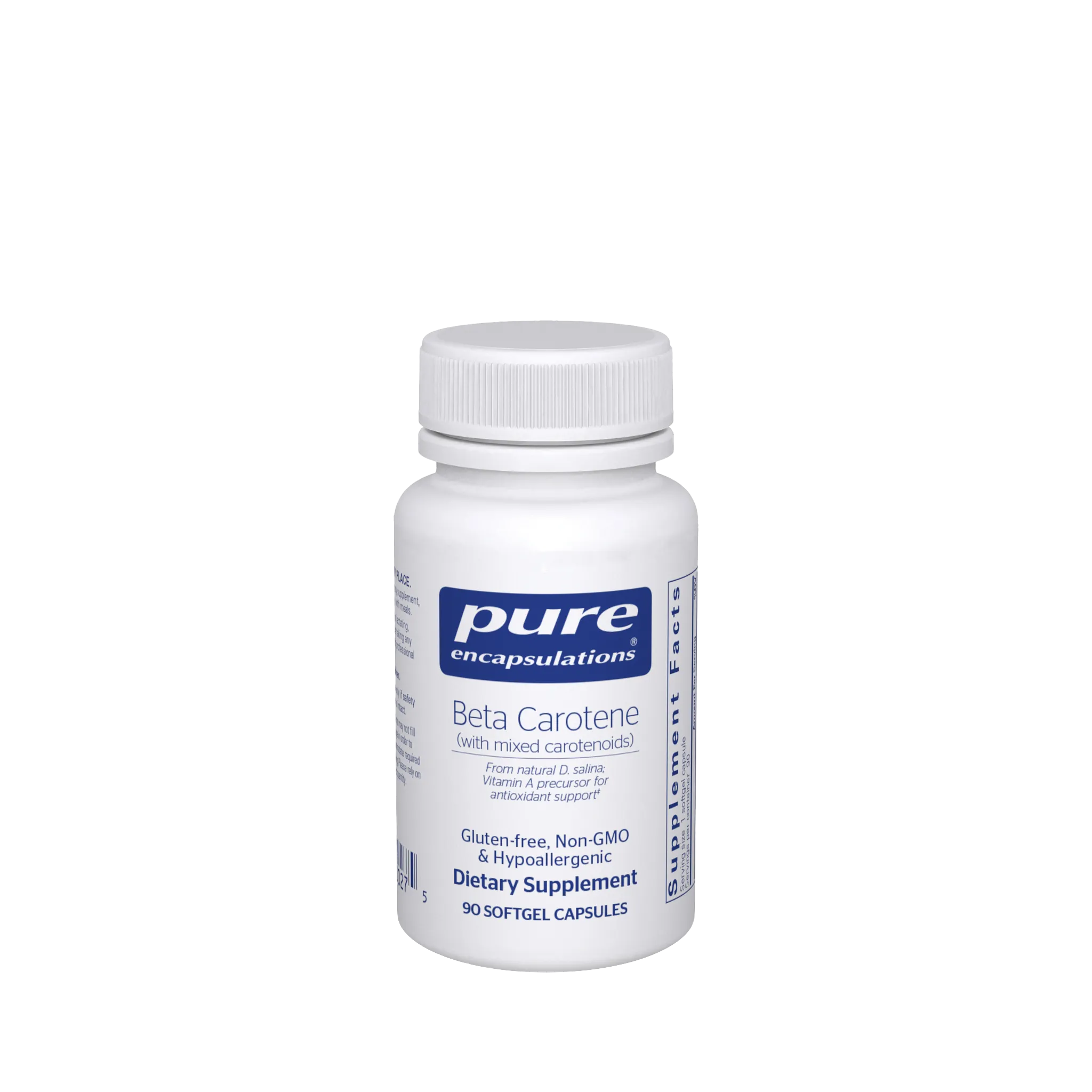
If you are considering adding targeted antioxidant support to your regimen, a high-quality, naturally derived carotenoid complex can be a valuable tool in protecting your delicate neural and mitochondrial tissues from ongoing post-viral damage. Always remember to take these fat-soluble nutrients alongside a healthy lipid source to ensure proper absorption, and strictly avoid beta carotene if you have a history of smoking.
Disclaimer: This article is for educational purposes only and does not constitute medical advice. Always consult with your healthcare provider before starting any new supplement, especially if you are managing complex chronic conditions, taking prescription medications, or have a history of smoking.
Sources
Oxidative stress is a shared characteristic of ME/CFS and Long COVID (PubMed)
Antioxidant Activity of β-Carotene Compounds in Different in Vitro Assays (MDPI)
Clinical rationale for dietary lutein supplementation in long COVID (PMC)
Factors affecting the bioavailability of dietary carotenoids (Annual Reviews)
Dunaliella salina: A Promising Source of Bioactive Compounds (MDPI)
Beta carotene (oral route) - Side effects & dosage (Mayo Clinic)
Lutein-Enriched Extra Virgin Olive Oil in Long COVID: A Case Study (IJMPCR)