Can Berberine Help Manage Fatigue and Gut Dysbiosis in Long COVID and ME/CFS?
March 6, 2026
BerberineLong COVIDME/CFS
Share:
Disclaimer: The information provided here is for educational purposes only and is not intended as medical advice. It should not be used to diagnose, treat, cure, or prevent any medical condition. Instead, use it as a starting point for discussion with your healthcare provider. Always consult with a qualified healthcare provider before starting any new medication, supplement, device, or making changes to your health regimen.
Months or even years after recovering from an initial viral infection, many individuals find themselves battling a complex web of debilitating symptoms. Whether diagnosed with Long COVID, myalgic encephalomyelitis/chronic fatigue syndrome (ME/CFS), or dysautonomia, patients often experience profound fatigue, cognitive dysfunction, and severe gastrointestinal distress. The search for effective, science-backed management strategies can feel overwhelming, especially when traditional medical approaches frequently fall short of addressing the root causes of these multi-systemic conditions. One area of intense scientific focus is the intersection of cellular energy production and the gut microbiome, two foundational systems that are severely disrupted in post-viral syndromes.
Enter Berberine, a naturally occurring botanical compound that has captured the attention of both traditional medicine practitioners and modern clinical researchers. While it is widely celebrated for its ability to support healthy blood sugar and cholesterol levels, its mechanisms of action extend far beyond basic metabolic support. By acting as a potent activator of the body’s cellular energy sensor and a profound modulator of the gut microbiome, Berberine offers a multifaceted approach to managing the complex physiological dysfunctions seen in chronic illness. In this article, we will explore the intricate science behind Berberine, how it interacts with the body at a molecular level, and why it may be a valuable tool for patients navigating the challenging landscape of Long COVID and ME/CFS.
TL;DR
Berberine supports cellular energy by activating AMPK, which may help manage post-viral fatigue.
It acts as a selective antimicrobial, promoting beneficial gut bacteria to address post-viral dysbiosis.
Berberine supports healthy blood sugar and lipid metabolism, aiding in systemic recovery.
Always consult a healthcare provider before use, as Berberine can interact with various medications.
What is Berberine?
A Botanical Powerhouse with Deep Roots
Berberine is a naturally occurring, bioactive isoquinoline alkaloid extracted from the roots, stems, and bark of several traditional medicinal plants. These include Berberis vulgaris (barberry), Coptis chinensis (goldthread), and Hydrastis canadensis (goldenseal). For centuries, it has been a cornerstone of Ayurvedic and Traditional Chinese Medicine, primarily utilized for its potent antimicrobial properties and its ability to soothe gastrointestinal distress. However, modern pharmacological research has uncovered that this ancient botanical is actually a highly sophisticated metabolic regulator. Its effects on human physiology are so profound that researchers frequently compare its mechanisms of action to those of prescription metabolic medications, particularly in its ability to influence cellular energy dynamics and glucose metabolism.
At the molecular level, Berberine’s primary target is the mitochondria, the organelles responsible for generating adenosine triphosphate (ATP), the energy currency of the cell. When Berberine enters a cell, it accumulates within the mitochondria and mildly inhibits Respiratory Complex I, the first enzyme in the electron transport chain. This targeted inhibition creates a temporary, localized drop in ATP production. While this might sound counterintuitive for patients already struggling with fatigue, this precise molecular action is the key to Berberine’s therapeutic power. By slightly lowering ATP levels, Berberine alters the cellular ratio of adenosine monophosphate (AMP) to ATP, which serves as a critical distress signal to the rest of the cell, initiating a cascade of restorative metabolic processes.
The Cellular Energy Sensor: Understanding AMPK
The shift in the AMP/ATP ratio triggered by Berberine directly activates an enzyme known as AMP-activated protein kinase (AMPK). Often referred to as the body’s "metabolic master switch" or "fuel gauge," AMPK is a highly conserved energy-sensing enzyme that dictates how cells utilize and store energy. When cellular energy levels drop, the elevated AMP molecules bind to the gamma subunit of the AMPK enzyme, causing a structural change that allows it to be phosphorylated and fully activated at the Thr-172 site. Once activated, AMPK acts decisively to restore energy balance: it turns on catabolic pathways that generate ATP (like glucose uptake and fatty acid oxidation) while simultaneously shutting down anabolic pathways that consume ATP (like the synthesis of cholesterol and triglycerides).
This AMPK activation is the cornerstone of Berberine's ability to support healthy blood sugar metabolism and insulin sensitivity. By triggering AMPK, Berberine stimulates the translocation of GLUT4 transporters to the surface of muscle cells, allowing them to pull glucose out of the bloodstream independently of insulin signaling. Furthermore, berberine's effects on glucose metabolism are well-documented in the scientific literature.
Beyond Blood Sugar: A Multi-Target Molecule
While its role in AMPK activation and glucose metabolism is well-documented, Berberine is truly a multi-target molecule. It exerts profound effects on the gastrointestinal system, acting as a selective antimicrobial agent that can reshape the gut microbiome. Unlike broad-spectrum antibiotics that decimate both harmful and beneficial bacteria, Berberine selectively targets dysbiotic pathogens while promoting the growth of keystone beneficial species. Additionally, it influences hepatic lipid metabolism by upregulating low-density lipoprotein (LDL) receptors in the liver, facilitating the clearance of cholesterol from the bloodstream.
Furthermore, Berberine plays a critical role in immune modulation and the protection of mucosal barriers. It actively downregulates pro-inflammatory signaling pathways, such as Nuclear Factor-kappa B (NF-κB), which are responsible for driving systemic inflammation. By acting on these diverse physiological targets—from mitochondrial energy sensors to gut bacteria and immune cytokines—Berberine offers a comprehensive, systemic approach to health that aligns perfectly with the multi-systemic nature of conditions like Long COVID and dysautonomia.
How Chronic Illness Impacts Cellular Energy and the Gut
Viral Hijacking and the AMPK Deficit in Long COVID
To understand why Berberine is so relevant to chronic illness, we must first examine how viral infections like SARS-CoV-2 and Epstein-Barr virus (EBV) disrupt the body's foundational systems. When a virus invades a host, it actively hijacks the cellular machinery to replicate. To fuel this massive replication effort, viruses often manipulate cellular metabolism, intentionally suppressing the AMPK pathway to prevent the cell from conserving energy. In patients who develop Long COVID or ME/CFS, this metabolic suppression can persist long after the acute infection has cleared, leaving the body trapped in a state of severe energy dysfunction.
This persistent AMPK deficit is a primary driver of the profound fatigue and post-exertional malaise (PEM) that characterize these conditions. Without adequate AMPK activation, cells cannot efficiently clear out damaged mitochondria (a process called mitophagy) or generate new, healthy ones (mitochondrial biogenesis). Consequently, patients are left with a population of dysfunctional mitochondria that cannot produce enough ATP to meet the demands of daily life. When patients attempt to exert themselves, their cells quickly run out of energy, leading to the severe crashes and prolonged recovery periods that define PEM.
The Gut-Brain Axis and Post-Viral Dysbiosis
Beyond cellular energy, chronic viral infections wreak havoc on the gastrointestinal ecosystem. The gastrointestinal symptoms seen with Long COVID and ME/CFS are frequently driven by a profound loss of microbial diversity, known as gut dysbiosis. Viral infections and the resulting immune responses can decimate populations of beneficial, short-chain fatty acid (SCFA)-producing bacteria, such as Bifidobacterium and Faecalibacterium prausnitzii. This creates an ecological vacuum in the gut, allowing opportunistic pathogens and yeasts like Candida to overgrow and dominate the microbiome.
This dysbiosis inevitably damages the delicate mucosal lining of the intestines, leading to increased intestinal permeability, commonly referred to as "leaky gut." When the gut barrier is compromised, bacterial endotoxins (lipopolysaccharides) leak into the bloodstream, triggering a systemic immune response. This systemic inflammation can cross the blood-brain barrier, activating microglial cells in the brain and resulting in severe neuroinflammation. This gut-brain axis disruption is a primary mechanism behind the debilitating cognitive dysfunction, or "brain fog," and mood alterations frequently reported by patients navigating how to live with long-term COVID.
Systemic Inflammation and Lipid Dysregulation
The chronic inflammation driven by viral persistence and gut dysbiosis also severely impacts lipid and glucose metabolism. Inflammatory cytokines interfere with insulin signaling, leading to insulin resistance and unstable blood sugar levels, which further exacerbate fatigue and autonomic nervous system dysfunction (dysautonomia). Additionally, systemic inflammation impairs the liver's ability to process and clear lipids, often resulting in elevated cholesterol and triglyceride levels, even in patients who were previously metabolically healthy.
This creates a vicious cycle: mitochondrial dysfunction and gut dysbiosis drive systemic inflammation, which in turn worsens metabolic health, further impairing cellular energy production and immune function. Breaking this cycle requires therapeutic interventions that can simultaneously address mitochondrial energy sensing, microbiome balance, and systemic inflammation—which is precisely where Berberine’s multi-target mechanisms become highly clinically relevant.
Berberine: Supporting Metabolic and Microbiome Recovery
Reigniting the Cellular Powerhouse via AMPK
Berberine’s most profound therapeutic mechanism in the context of chronic illness is its ability to forcefully reactivate the dormant AMPK pathway. By mildly inhibiting mitochondrial Complex I, Berberine creates the exact cellular stress signal needed to wake up the AMPK energy sensor. Once activated, AMPK initiates a massive metabolic rescue operation. It stimulates mitochondrial biogenesis, prompting the cell to manufacture new, highly efficient mitochondria to replace the damaged ones left behind by viral infection. This restoration of the mitochondrial pool is critical for rebuilding the cellular energy reserves necessary to combat the debilitating fatigue seen in ME/CFS and Long COVID.
Furthermore, AMPK activation by Berberine dramatically improves insulin sensitivity and glucose metabolism. By facilitating the movement of GLUT4 transporters to the cell membrane, Berberine ensures that circulating blood glucose is efficiently pulled into the cells and converted into usable ATP. This stabilization of blood sugar levels helps prevent the drastic energy crashes and autonomic nervous system spikes that frequently trigger symptoms in patients with dysautonomia and postural orthostatic tachycardia syndrome (POTS). By restoring metabolic flexibility, Berberine helps the body adapt to energy demands more effectively.
Reshaping the Gut Microbiome and Eradicating Pathogens
In the gastrointestinal tract, Berberine acts as a highly selective "microbiome landscaper." Its poor systemic absorption—often viewed as a pharmacological drawback—is actually its greatest asset for gut health, as the compound remains concentrated in the intestines where it is needed most. Berberine exerts potent antimicrobial effects by inhibiting FtsZ, a protein essential for bacterial cell division, thereby halting the replication of dysbiotic pathogens like E. coli and Klebsiella. It also acts as a powerful antifungal, disrupting the cell walls of overgrown Candida yeast, which is a common driver of post-viral gut symptoms.
Simultaneously, Berberine functions as a prebiotic, actively promoting the growth of beneficial bacteria such as Akkermansia muciniphila and Bifidobacterium. These keystone species are responsible for producing short-chain fatty acids (SCFAs) like butyrate, which are essential for nourishing the intestinal lining, repairing "leaky gut," and reducing localized mucosal inflammation. By restoring this microbial balance, Berberine helps shut down the flow of endotoxins into the bloodstream, thereby cutting off the primary source of systemic inflammation and neuroinflammation that drives brain fog.
Modulating Lipid Metabolism and Cholesterol
Berberine also offers significant support for patients experiencing metabolic and lipid dysregulation due to chronic illness. It supports healthy cholesterol levels through pathways entirely distinct from traditional statin medications. Berberine stabilizes and increases the expression of low-density lipoprotein receptor (LDLR) mRNA in the liver via the JNK/c-Jun signaling pathway. This upregulates the number of receptors available to catch and clear LDL cholesterol from the bloodstream. Additionally, Berberine inhibits PCSK9, a protein that normally degrades these receptors, further enhancing the liver's ability to manage lipid levels.
By activating AMPK, Berberine also phosphorylates and inhibits Acetyl-CoA carboxylase (ACC), an enzyme critical for synthesizing new fatty acids. This halts the production of new fats and shifts the liver toward burning existing stored lipids for energy. This comprehensive modulation of hepatic lipid metabolism not only supports cardiovascular health but also reduces the overall inflammatory burden on the body, promoting a healthier systemic environment for recovery.
Protecting Respiratory Mucous Membranes and Immunity
For patients dealing with persistent respiratory symptoms, immune dysregulation, or mast cell activation syndrome (MCAS), Berberine offers targeted mucosal support. The mucous membranes of the respiratory tract are a primary defense barrier, but chronic inflammation can cause them to hypersecrete mucus, leading to airway obstruction and discomfort.
Furthermore, Berberine acts as a profound immunomodulator. It suppresses the activation of the NF-κB and MAPK inflammatory pathways, drastically reducing the release of pro-inflammatory cytokines like TNF-α and IL-6 into the respiratory and systemic circulation. By calming this hyperactive immune response, Berberine helps prevent the immune system from damaging the body's own tissues, offering crucial support for patients whose immune systems remain locked in a state of chronic, post-viral overactivation.
Symptoms Berberine May Help Manage
Targeting Post-Viral Fatigue and Brain Fog
Based on its multifaceted mechanisms of action, Berberine may help manage a wide array of symptoms associated with complex chronic illnesses. By targeting the root causes of mitochondrial dysfunction, gut dysbiosis, and systemic inflammation, it offers systemic support rather than just superficial symptom suppression.
Profound Fatigue and Low Energy: By activating the AMPK pathway and stimulating mitochondrial biogenesis, Berberine helps restore cellular ATP production, providing the foundational energy needed to combat debilitating post-viral fatigue.
Cognitive Dysfunction (Brain Fog): By healing the gut barrier and reducing the systemic leakage of endotoxins, Berberine helps lower neuroinflammation and microglial activation in the brain, supporting clearer thinking and improved cognitive stamina.
Post-Exertional Malaise (PEM): While pacing remains the primary management tool for PEM, Berberine's ability to improve metabolic flexibility and glucose utilization can help cells generate energy more efficiently during mild exertion, potentially raising the threshold for crashes.
Addressing Gastrointestinal and Metabolic Dysfunction
Berberine's localized effects in the digestive tract and its systemic metabolic influence make it particularly well-suited for addressing the secondary complications of Long COVID and dysautonomia.
Gastrointestinal Distress (Bloating, Altered Motility): By eradicating overgrown pathogens like Candida and promoting beneficial SCFA-producing bacteria, Berberine helps normalize gut motility, reduce severe bloating, and soothe intestinal inflammation.
Blood Sugar Instability: By enhancing insulin sensitivity and promoting insulin-independent glucose uptake via GLUT4 transporters, Berberine helps smooth out blood sugar spikes and crashes, which can otherwise trigger tachycardia and autonomic flares.
Respiratory Congestion and Mucosal Irritation: By downregulating the MUC5AC gene and suppressing localized inflammatory cytokines, Berberine helps maintain healthy, balanced respiratory mucous membranes, reducing chronic airway irritation.
Unexplained Weight Gain: By inhibiting fat synthesis pathways and activating AMPK-driven fat oxidation, Berberine supports healthy weight management efforts, which are often derailed by post-viral metabolic stalling.
Practical Considerations: Forms, Dosing, and Absorption
The Bioavailability Paradox: Why Poor Absorption is a Feature
When discussing Berberine supplementation, the topic of bioavailability is frequently misunderstood. Standard Berberine HCl has notoriously poor systemic absorption; it is estimated that less than 1% of an oral dose actually makes it into the bloodstream. In many pharmacological contexts, this would be considered a severe limitation. However, for patients dealing with gut dysbiosis, SIBO, or Candida overgrowth, this poor absorption is actually Berberine’s greatest therapeutic advantage. Because it is not rapidly absorbed into the blood, the compound remains trapped in the gastrointestinal tract, where it can exert its potent antimicrobial, biofilm-disrupting, and mucosal-healing effects directly on the gut lining and microbiome.
For patients specifically seeking systemic metabolic benefits—such as significant blood sugar regulation or AMPK activation in skeletal muscle—the limited absorption can be a hurdle. To overcome this, Berberine is often administered in divided doses throughout the day to maintain steady, albeit low, plasma concentrations. Some newer formulations utilize liposomal delivery or pair Berberine with absorption enhancers, but standard Berberine HCl (like the extract derived from Indian Barberry) remains the most extensively studied and clinically validated form for achieving both gut and metabolic benefits.
Clinical Dosing Strategies and Timing
Because of its rapid clearance from the bloodstream and its localized gut effects, the timing and division of Berberine doses are critical for optimal efficacy. Clinical trials and functional medicine protocols consistently utilize divided dosing strategies rather than single, massive doses.
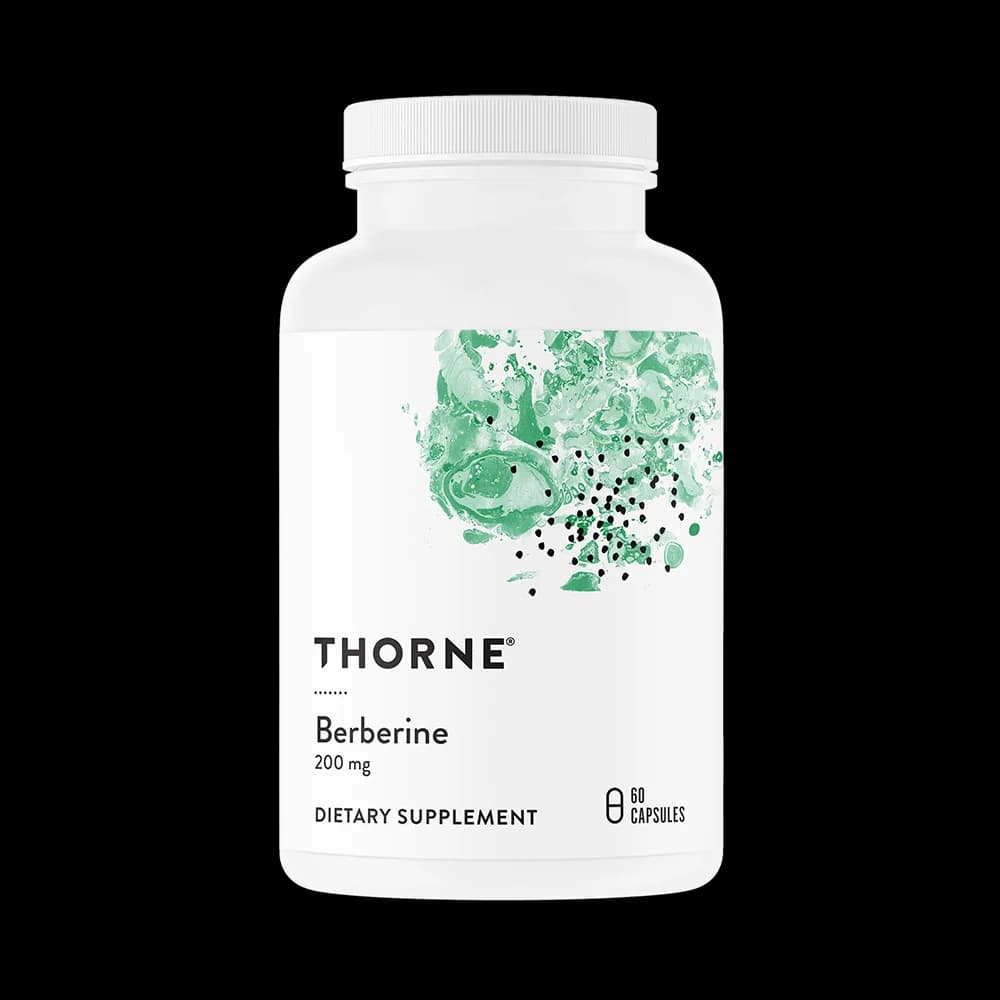
Standard Dosage: Clinical studies typically utilize dosages ranging from 500 mg to 1,500 mg per day. Thorne’s Berberine products offer flexibility with 200 mg and 1,000 mg options, allowing patients to titrate their dose based on tolerance and clinical goals.
Timing with Meals: Berberine is best taken two to three times daily, ideally right before or during a meal. Taking it with food maximizes its ability to blunt post-meal blood sugar spikes and minimizes the risk of gastrointestinal upset.
Duration of Use: Berberine is highly potent and is often used in "pulsed" or cycled protocols (e.g., 8-12 weeks on, followed by a break) rather than taken continuously for years, particularly when used specifically for gut clearing and microbiome resetting.
Important Safety Warnings and Drug Interactions
While Berberine is a natural botanical, it is a highly active pharmacological agent that must be respected. It is generally well-tolerated, but some individuals may experience mild, transient gastrointestinal side effects as their microbiome adjusts, including constipation, diarrhea, or mild cramping. These effects can often be mitigated by starting with a lower dose (such as 200 mg) and slowly titrating upward.
Crucially, Berberine is a known inhibitor of several cytochrome P450 (CYP) liver enzymes, specifically CYP2D6, CYP2C9, and CYP3A4. Because these enzymes are responsible for metabolizing a vast array of pharmaceutical drugs used for COVID long haulers, including certain statins, immunosuppressants, and beta-blockers, Berberine can significantly alter the blood concentrations of these medications. Therefore, it is absolutely essential to consult with a healthcare provider before initiating Berberine, especially if you are on prescription medications. Additionally, Berberine is strictly contraindicated for individuals who are pregnant, nursing, or trying to conceive.

Follow the Science
Clinical Trials on Lipid and Glucose Metabolism
The scientific literature supporting Berberine’s metabolic benefits is vast and robust, encompassing numerous randomized controlled trials (RCTs) and comprehensive meta-analyses. A 2018 systematic review and meta-analysis published in Phytomedicine evaluated 16 RCTs involving over 2,100 participants. The researchers concluded that Berberine supplementation significantly reduced Total Cholesterol, Triglycerides, and LDL cholesterol, while simultaneously providing a modest increase in protective HDL cholesterol. The study highlighted that Berberine's lipid-lowering efficacy is driven by its unique ability to upregulate LDLR expression, making it a powerful alternative or adjunct for managing dyslipidemia.
Furthermore, a 2021 meta-analysis in Frontiers in Pharmacology assessed Berberine's impact on multiple metabolic disorders. The review confirmed that Berberine not only improves lipid profiles but also significantly reduces fasting plasma glucose and HbA1c levels. The researchers noted that Berberine's ability to activate the AMPK pathway allows it to exert a dual-action therapeutic effect, simultaneously correcting both glucose and lipid metabolic dysfunctions with a safety profile comparable to standard lifestyle interventions.
Emerging Research in Post-Viral Syndromes and Neuroinflammation
While large-scale human trials specifically testing Berberine for Long COVID are still in their infancy, the preclinical data regarding its effects on post-viral mechanisms is highly compelling. Research exploring the microbiota-gut-brain axis has demonstrated that Berberine can successfully reverse the neuroinflammation caused by gut dysbiosis. In animal models, Berberine administration increased the fecal concentrations of protective short-chain fatty acids (acetate and propionate) and successfully halted the chronic activation of microglia in the brain, effectively reversing dysbiosis-induced depressive behaviors and cognitive fatigue.
Additionally, studies published in Frontiers in Cellular and Infection Microbiology have highlighted microbiome dysbiosis in SARS-CoV-2 infection, discussing its implications for the pathophysiology and management strategies of COVID-19.
The Gut-Lung Axis and Immune Modulation
The connection between Berberine and respiratory health is strongly supported by research into the gut-lung axis.
The Path Forward
Integrating Berberine into a Comprehensive Plan
Living with a complex chronic condition like Long COVID, ME/CFS, or dysautonomia is an exhausting, unpredictable journey. The profound fatigue, cognitive fog, and gastrointestinal distress can make daily life feel like an insurmountable challenge. It is entirely valid to feel frustrated by the lack of simple answers and the slow pace of traditional medical recovery. However, as our understanding of post-viral pathophysiology deepens, so too does our ability to target the root causes of these symptoms through scientifically grounded interventions.
Berberine represents a powerful, multi-targeted tool in the chronic illness management toolkit. By actively reigniting the AMPK cellular energy sensor, reshaping the gut microbiome, and modulating systemic inflammation, it addresses the foundational dysfunctions that drive post-viral syndromes. However, it is important to remember that Berberine is not a standalone cure. It is most effective when integrated into a comprehensive, medically supervised management strategy that includes aggressive pacing, symptom tracking, dietary modifications, and targeted pharmaceutical support where necessary.
Validating the Chronic Illness Journey
If you are struggling with metabolic stalling, persistent gut dysbiosis, or severe energy deficits, Berberine may offer a viable pathway to support your body's natural restorative processes. Because of its potent effects on cellular metabolism and its interactions with liver enzymes, we strongly encourage you to discuss Berberine with your healthcare provider to ensure it aligns safely with your current treatment protocol. Recovery is rarely linear, but by utilizing targeted, science-backed therapies, you can take meaningful steps toward reclaiming your metabolic health and improving your quality of life.