Can a B Complex Supplement Help Manage Long COVID and ME/CFS Fatigue?
March 6, 2026
Basic B ComplexLong COVIDME/CFS
Share:
Disclaimer: The information provided here is for educational purposes only and is not intended as medical advice. It should not be used to diagnose, treat, cure, or prevent any medical condition. Instead, use it as a starting point for discussion with your healthcare provider. Always consult with a qualified healthcare provider before starting any new medication, supplement, device, or making changes to your health regimen.
Months or even years after a mild viral infection, millions of individuals find themselves battling a relentless, invisible enemy. The profound exhaustion, cognitive dysfunction, and autonomic instability associated with Long COVID, Myalgic Encephalomyelitis/Chronic Fatigue Syndrome (ME/CFS), and dysautonomia can completely derail a once-active life. Patients are often left searching for answers as standard blood tests return "normal," despite their bodies feeling fundamentally broken. What many do not realize is that the immense metabolic and oxidative stress of a chronic, post-viral illness can rapidly deplete the body's foundational nutritional reserves, particularly the essential B vitamins required to generate cellular energy and maintain nervous system stability.
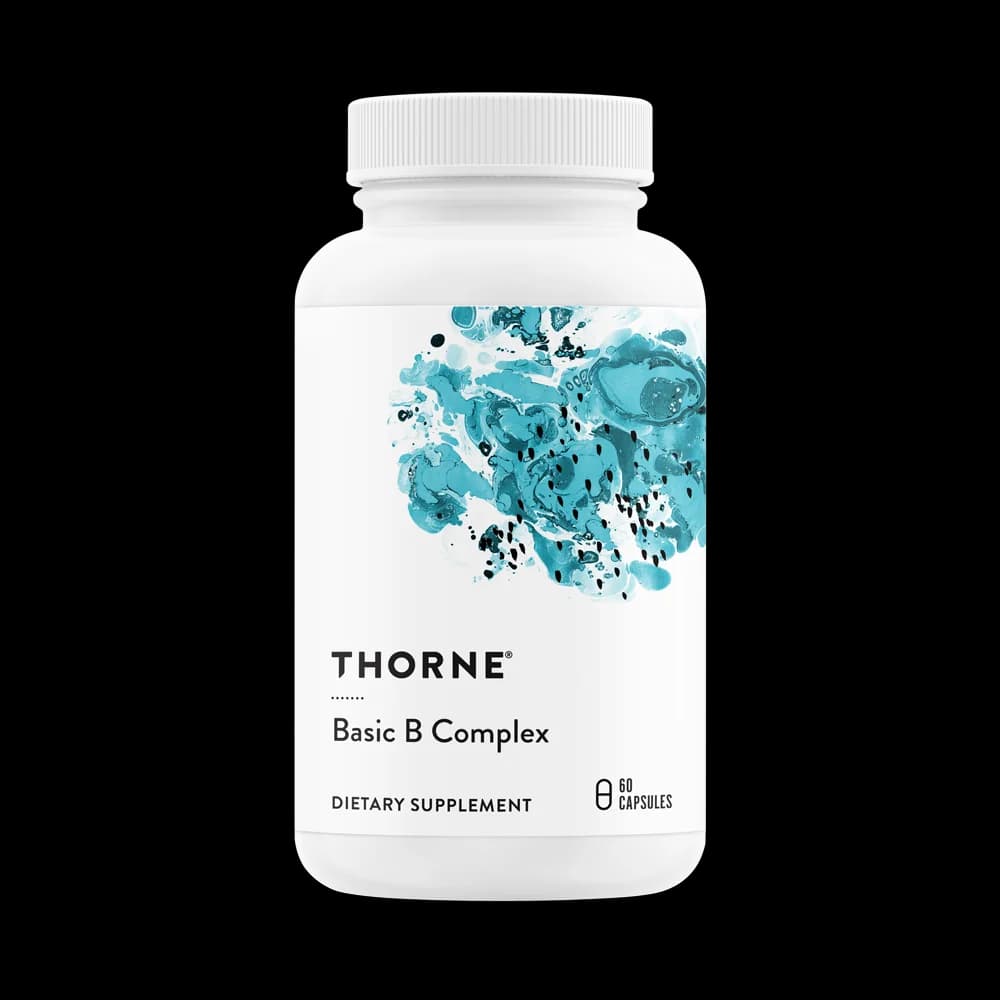
In the complex landscape of chronic illness recovery, restoring these depleted pathways is a critical step. Thorne's Basic B Complex offers a targeted approach by delivering eight essential B vitamins in their active, tissue-ready forms, alongside the crucial nutrient choline. Unlike standard over-the-counter supplements that require complex enzymatic conversions in the liver—conversions often impaired by genetic mutations or chronic inflammation—this formulation is designed for immediate cellular utilization. By bypassing these biological bottlenecks, active B vitamins can directly support mitochondrial energy production, repair damaged nerve sheaths, and help regulate the autonomic nervous system.
TL;DR
Chronic viral illnesses can rapidly deplete essential B vitamins, worsening fatigue and cognitive dysfunction.
Active B vitamins bypass genetic bottlenecks like MTHFR, providing immediate support for cellular energy.
Choline supports the autonomic nervous system, which may help manage dysautonomia and POTS symptoms.
Supplementing with tissue-ready B vitamins supports mitochondrial function, nerve repair, and neurotransmitter balance.
What is Thorne Basic B Complex?
The Essential Role of B Vitamins in the Human Body
B vitamins are a class of water-soluble nutrients that play indispensable roles in cellular metabolism, energy production, and neurological health. Because they are water-soluble, the human body cannot store them in large quantities for long periods, meaning they must be continuously replenished through diet or targeted supplementation. In a healthy individual, these vitamins act as critical coenzymes—helper molecules that bind to enzymes to catalyze essential biochemical reactions. Without sufficient B vitamins, the fundamental processes that keep our cells alive, such as converting carbohydrates into usable energy or synthesizing DNA, would grind to a halt.
The B vitamin family consists of eight distinct compounds: Thiamin (B1), Riboflavin (B2), Niacin (B3), Pantothenic Acid (B5), Vitamin B6, Biotin (B7), Folate (B9), and Vitamin B12. While each has specific unique functions, they work synergistically to maintain the integrity of the central and peripheral nervous systems. For instance, they are required for the synthesis of vital neurotransmitters like serotonin, dopamine, and GABA, which regulate mood, cognitive focus, and sleep cycles. Furthermore, B vitamins are heavily involved in the production of healthy red blood cells, ensuring that oxygen is efficiently delivered to tissues throughout the body, a process vital for preventing systemic fatigue.
Active vs. Inactive Forms and the Methylation Cycle
One of the most critical distinctions in nutritional science is the difference between inactive (synthetic) vitamins and active (tissue-ready) vitamins. Most standard, inexpensive supplements use inactive forms, such as synthetic folic acid or cyanocobalamin (a cheap form of B12 bound to a cyanide molecule). When you ingest these inactive forms, your body cannot use them immediately. They must first travel to the liver, where they undergo a complex, multi-step enzymatic conversion process known as methylation. This process adds a methyl group (one carbon atom attached to three hydrogen atoms) to the vitamin, finally "activating" it so it can enter the cells and do its job.
However, this conversion process is highly vulnerable to disruption. Factors such as aging, compromised liver function, gastrointestinal disturbances, and chronic systemic inflammation can severely impair the liver's ability to methylate these vitamins. More importantly, genetic predispositions—specifically mutations in the MTHFR gene—can create a biological bottleneck, reducing the body's ability to convert synthetic folic acid into its active form by up to 70%. Thorne's Basic B Complex circumvents this entire problem by providing vitamins that are already methylated and active, such as L-5-Methyltetrahydrofolate (L-5-MTHF) and Methylcobalamin. This ensures that the nutrients are immediately available for cellular uptake, regardless of the patient's genetic or metabolic limitations.
The Addition of Choline for Neurological Support
While not strictly a B vitamin, choline is an essential water-soluble nutrient that is frequently grouped with the B complex due to its overlapping roles in neurological health and cellular metabolism. Choline is the direct biochemical precursor to acetylcholine, one of the most important neurotransmitters in both the central and peripheral nervous systems. Acetylcholine is the primary chemical messenger of the parasympathetic nervous system, which is responsible for the "rest and digest" functions that counterbalance the "fight or flight" stress response. It regulates heart rate, promotes healthy gastrointestinal motility, and facilitates memory consolidation in the brain.
In addition to neurotransmitter synthesis, choline is a critical structural component of cell membranes. It is used to produce phosphatidylcholine and sphingomyelin, lipids that maintain the structural integrity and fluidity of every cell in the body. Furthermore, choline works synergistically with active folate (B9) and active B12 in the methylation cycle, helping to clear toxic homocysteine from the bloodstream. By including choline citrate in the Basic B Complex formula, Thorne provides comprehensive support for the autonomic nervous system, making it particularly relevant for individuals experiencing the neurological and dysautonomic symptoms often seen in complex chronic illnesses.
How Chronic Illness Impacts B Vitamin Pathways
Viral Infection and the Depletion of Cellular Energy
When the body is invaded by a pathogen like SARS-CoV-2, the immune system mounts a massive, energy-intensive defense. This acute inflammatory response requires an extraordinary amount of cellular energy (ATP) to produce antibodies, activate T-cells, and clear the infection. Because B vitamins—particularly Thiamin (B1), Riboflavin (B2), Niacin (B3), and Pantothenic Acid (B5)—are the mandatory coenzymes required to produce this ATP, the body's reserves are rapidly consumed. In patients who develop Long COVID or Myalgic Encephalomyelitis/Chronic Fatigue Syndrome (ME/CFS), this acute depletion often transitions into a chronic state of mitochondrial dysfunction, where the cells simply cannot generate enough energy to meet the demands of daily life.
Furthermore, chronic viral infections generate immense amounts of oxidative stress and free radicals. These unstable molecules damage cellular structures, including the delicate mitochondrial membranes where energy production occurs. To neutralize this oxidative stress, the body relies heavily on antioxidant pathways that require active B vitamins to function. As the illness drags on, a vicious cycle emerges: the mitochondria become damaged and inefficient, leading to further oxidative stress, which in turn depletes the remaining B vitamins, ultimately resulting in the profound, crushing exhaustion and post-exertional malaise (PEM) that define these conditions.
The MTHFR Mutation Bottleneck in Chronic Illness
The pathophysiology of chronic fatigue is heavily influenced by a patient's genetic makeup, particularly the MTHFR (methylenetetrahydrofolate reductase) gene. This gene provides the instructions for the enzyme responsible for the final step of folate metabolism. Research indicates that up to 30-40% of the population carries a variation (such as the C677T or A1298C alleles) that significantly reduces this enzyme's efficiency. In a healthy state, an individual might compensate for this genetic bottleneck. However, under the immense metabolic strain of a post-viral syndrome, this impaired methylation cycle can completely collapse, leading to severe downstream consequences for the patient's recovery.
When the MTHFR enzyme fails to produce enough active folate (L-5-MTHF), the body cannot efficiently recycle homocysteine into methionine. This leads to a toxic buildup of homocysteine in the bloodstream, which directly damages the endothelial lining of blood vessels and triggers systemic inflammation. Moreover, without active folate, the brain cannot synthesize tetrahydrobiopterin (BH4), a strict requirement for the production of dopamine, serotonin, and norepinephrine. This biochemical failure directly contributes to the severe "brain fog," mood instability, and cognitive dysfunction that plague individuals with Long COVID and ME/CFS, highlighting exactly what causes Long COVID symptoms to persist for so long.
Dysautonomia, POTS, and the Cholinergic Anti-inflammatory Pathway
Dysautonomia, and specifically Postural Orthostatic Tachycardia Syndrome (POTS), is a frequent and debilitating complication of Long COVID. This autonomic nervous system dysfunction is heavily tied to the disruption of acetylcholine, the neurotransmitter derived from choline. The vagus nerve uses acetylcholine to communicate with the rest of the body, controlling heart rate and inhibiting inflammation through the Cholinergic Anti-inflammatory Pathway (CAP). Recent medical research published by the European Society of Medicine has revealed through computational (in silico) models that the SARS-CoV-2 spike protein contains sequences that may interact with and impair alpha-7 nicotinic acetylcholine receptors, effectively hindering acetylcholine from doing its job.
When these receptors are blocked, the "brakes" on the immune system are cut, leading to uninhibited neuroinflammation and a state of constant sympathetic (fight-or-flight) overdrive. The body is unable to properly constrict blood vessels upon standing, causing blood to pool in the lower extremities. The heart then races to compensate, resulting in the severe tachycardia characteristic of POTS. Additionally, advanced 7-Tesla MRI studies have shown that Long COVID patients have significantly depleted levels of choline in specific brain regions, further starving the autonomic nervous system of the acetylcholine it desperately needs to restore balance and regulate the body's involuntary functions.
Basic B Complex: Supporting Energy and Neurological Function
Fueling the Krebs Cycle and Mitochondrial ATP Production
The primary mechanism by which Thorne's Basic B Complex supports recovery is through the direct fueling of mitochondrial energy production. Inside every cell, the mitochondria utilize a complex biochemical pathway called the Krebs cycle (or Citric Acid Cycle) to convert carbohydrates, fats, and proteins into adenosine triphosphate (ATP), the universal energy currency of the body. This cycle is completely dependent on B vitamins acting as coenzymes. Thiamin (B1) is required for the pyruvate dehydrogenase complex, the gateway enzyme that feeds glucose into the cycle. Without adequate active thiamin, glucose ferments into lactic acid instead of producing ATP, leading to the heavy, burning muscle fatigue commonly experienced in ME/CFS.
Similarly, Riboflavin (B2) and Niacin (B3) are the foundational building blocks for FAD and NAD+, the crucial electron carriers in the mitochondrial electron transport chain. These molecules shuttle electrons across the mitochondrial membrane, driving the cellular machinery that physically synthesizes ATP. Pantothenic Acid (B5) is the core component of Coenzyme A, which is essential for metabolizing fatty acids into energy. By providing these vitamins in their highly bioavailable forms, supplementation ensures that the cellular engines have the exact raw materials they need to overcome post-viral metabolic blockades and restore systemic energy levels.
Repairing the Myelin Sheath and Scavenging Nitric Oxide
Vitamin B12 plays a highly specialized role in the repair and maintenance of the nervous system. The nerves in our body are insulated by a protective lipid layer called the myelin sheath, which allows electrical impulses to travel quickly and efficiently. Chronic viral infections and the resulting neuroinflammation can strip away this myelin, leading to the tingling, numbness, and neuropathic pain frequently reported by Long COVID patients. Methylcobalamin, the active form of B12 found in this complex, acts as a critical methyl donor in the synthesis of myelin basic protein, directly facilitating the repair and regeneration of these damaged nerve coatings.
Beyond structural repair, specific forms of B12 act as powerful biochemical scavengers. In post-viral syndromes, the body often produces excessive amounts of nitric oxide radicals, leading to severe oxidative stress and cellular damage. The central cobalt atom in the B12 molecule acts like a molecular magnet, binding directly to these excess nitric oxide radicals and neutralizing them. This dual action—repairing the physical structure of the nerves while simultaneously clearing out neurotoxic oxidative stress—makes active B12 an indispensable tool for managing the neurological manifestations of complex chronic illnesses.
Restoring Acetylcholine for Vagus Nerve Tone
To combat the autonomic dysfunction and POTS associated with Long COVID, the nervous system must be able to synthesize adequate amounts of acetylcholine. The inclusion of choline citrate in the Basic B Complex provides the direct biochemical precursor needed for this synthesis. Once absorbed, choline crosses the blood-brain barrier and is acetylated by the enzyme choline acetyltransferase to form acetylcholine. This newly synthesized neurotransmitter can then be deployed by the vagus nerve to stimulate the parasympathetic nervous system, helping to slow a racing heart rate, improve gastrointestinal motility, and restore overall autonomic balance.
Furthermore, increasing the availability of choline helps to overcome the viral blockade of the Cholinergic Anti-inflammatory Pathway. By flooding the system with the necessary precursors, the body can increase acetylcholine signaling, which binds to the available nicotinic receptors on immune cells. This binding action sends a strict "stand down" signal to the immune system, halting the overproduction of pro-inflammatory cytokines. This mechanism is crucial for reducing the systemic neuroinflammation that drives both the physical symptoms of dysautonomia and the cognitive impairment known as brain fog.
Bypassing the Genetic Bottleneck with L-5-MTHF
For patients with MTHFR mutations, the inclusion of L-5-Methyltetrahydrofolate (L-5-MTHF) is perhaps the most critical feature of this supplement. Because L-5-MTHF is already fully active, it completely bypasses the defective MTHFR enzyme, immediately entering the methylation cycle. Once active folate is restored, the body can successfully convert toxic homocysteine back into the beneficial amino acid methionine. This rapid clearance of homocysteine reduces vascular inflammation and protects the delicate endothelial lining of the blood vessels, which is essential for maintaining healthy blood pressure and circulation in patients with dysautonomia.
Additionally, L-5-MTHF is the only form of folate capable of crossing the blood-brain barrier to support central nervous system function. Once in the brain, it acts as a mandatory cofactor for the recycling of tetrahydrobiopterin (BH4). BH4 is the rate-limiting cofactor for the enzymes tyrosine hydroxylase and tryptophan hydroxylase, which are responsible for synthesizing dopamine, norepinephrine, and serotonin. By ensuring a steady supply of active folate, the brain can resume the normal production of these crucial neurotransmitters, directly alleviating the severe depression, mood swings, and cognitive exhaustion that accompany long-term post-viral syndromes.
Symptoms Basic B Complex May Help Manage
Targeting Profound Exhaustion and Cognitive Dysfunction
The active ingredients in Thorne's Basic B Complex are specifically chosen to address the metabolic and neurological deficits that drive the most debilitating symptoms of chronic illness. By restoring mitochondrial function and neurotransmitter synthesis, patients may experience relief from the following:
Post-Exertional Malaise (PEM): By providing the mandatory coenzymes (B1, B2, B3, B5) for the Krebs cycle, the complex helps restore mitochondrial ATP production, reducing the severe, delayed crashes that occur after minor physical or mental exertion.
Brain Fog and Cognitive Impairment: The inclusion of L-5-MTHF and choline supports the synthesis of crucial neurotransmitters (dopamine, serotonin, acetylcholine), helping to clear the neuroinflammation and chemical imbalances that cause memory lapses and lack of focus.
Chronic, Unrefreshing Sleep: B vitamins, particularly active B6 (P5P) and folate, are required to synthesize melatonin from serotonin. Supporting this pathway can help regulate circadian rhythms and address the severe sleep changes and disturbances common in Long COVID.
Heavy, Aching Muscle Fatigue: Active Thiamin (B1) ensures that glucose is properly metabolized into energy rather than fermenting into lactic acid, which helps alleviate the heavy, burning sensation in the muscles during minimal activity.
Addressing Autonomic and Neurological Symptoms
Dysautonomia and peripheral neuropathy require targeted nutritional support to repair damaged nerve sheaths and restore autonomic signaling. The specialized forms of B12 and choline in this formula target these specific systemic failures:
Postural Tachycardia and Dizziness (POTS): Choline provides the raw material for acetylcholine, the neurotransmitter the vagus nerve uses to regulate heart rate and constrict blood vessels, helping to stabilize the autonomic nervous system upon standing.
Neuropathy, Tingling, and Numbness: Methylcobalamin (active B12) acts as a methyl donor to synthesize myelin basic protein, directly facilitating the repair of the protective myelin sheath around damaged peripheral nerves.
Mood Instability and Depression: By bypassing the MTHFR bottleneck, L-5-MTHF ensures the brain has the active folate required to produce serotonin and dopamine, providing critical biochemical support for mood regulation.
Gastrointestinal Motility Issues: The parasympathetic nervous system relies on acetylcholine to stimulate digestion and gut motility. Restoring choline levels can help alleviate the gastroparesis and severe bloating frequently seen in dysautonomia patients.
Practical Considerations: Forms, Dosing, and Absorption
Maximizing Bioavailability and Gut Absorption
When dealing with complex chronic illnesses, the gastrointestinal tract is often severely compromised. Conditions like Long COVID and ME/CFS frequently involve gut dysbiosis, where the microbiome lacks the healthy bacterial diversity necessary to synthesize or absorb nutrients efficiently. This is why the bioavailability of a supplement is paramount. Thorne's Basic B Complex utilizes tissue-ready forms like Pyridoxal 5'-Phosphate (active B6) and Riboflavin 5'-Phosphate (active B2). Because these molecules do not require enzymatic conversion in the liver or the gut wall, they can be absorbed directly across the intestinal barrier and into the bloodstream, ensuring that patients with compromised digestion still receive the full therapeutic dose.
To maximize absorption, it is generally recommended to take B complex supplements with a meal. While B vitamins are water-soluble, taking them on an empty stomach can sometimes cause mild nausea, especially in individuals with sensitive digestive systems. Taking the capsule with food slows down the transit time through the gastrointestinal tract, allowing the active transport mechanisms in the small intestine more time to absorb the nutrients. Furthermore, splitting the dosage—such as taking one capsule in the morning and one in the early afternoon—can help maintain steady blood plasma levels throughout the day, providing a consistent supply of coenzymes for continuous mitochondrial energy production.
Understanding the "B Vitamin Flush" and Urine Changes
Patients new to B complex supplementation are often surprised by certain harmless physiological changes that occur shortly after taking the capsule. The most common is a distinct change in urine color. Riboflavin (Vitamin B2) naturally possesses a bright, fluorescent yellow-green pigment. Because B vitamins are water-soluble, the body absorbs what it needs for cellular processes and excretes the excess through the kidneys. Seeing bright, neon yellow urine is simply a harmless indicator that the riboflavin is moving through your system and being properly metabolized and excreted.
Another phenomenon to be aware of is the "niacin flush." High doses of nicotinic acid (a form of Vitamin B3) can cause the blood vessels near the surface of the skin to dilate rapidly, resulting in a warm, red, and sometimes itchy flush on the face and neck. While harmless and temporary, it can be uncomfortable. Thorne's Basic B Complex mitigates this by providing the majority of its Vitamin B3 (130 mg) in the form of Niacinamide, which does not cause this flushing reaction, alongside a very small, well-tolerated amount (10 mg) of active Niacin to ensure comprehensive metabolic support without the uncomfortable side effects.
Potential Interactions and Contraindications
While B vitamins are generally exceptionally safe due to their water-soluble nature, there are specific medical contraindications to be aware of. The most critical interaction involves the chemotherapy and immunosuppressant drug methotrexate. Methotrexate works by intentionally antagonizing folate metabolism to stop the rapid division of cancer cells. Supplementing with 5-methyltetrahydrofolate (5-MTHF) is strictly contraindicated concurrent with methotrexate cancer therapy, as it can completely interfere with the drug's anti-neoplastic activity. However, clinical data indicates that individuals taking low-dose methotrexate for autoimmune conditions like rheumatoid arthritis or psoriasis can safely take folate supplements without interfering with the drug's anti-inflammatory effects.
Additionally, patients should be mindful of "over-methylation" symptoms. Because this complex provides highly potent, active methyl donors (L-5-MTHF and Methylcobalamin), individuals who are highly sensitive or have specific genetic variations (like slow COMT enzymes) might experience temporary anxiety, irritability, or hyperactivity as their neurotransmitter synthesis rapidly increases. If these symptoms occur, it is advisable to reduce the dosage or frequency and consult with a healthcare practitioner. As always, pregnant or nursing individuals should consult their doctor before beginning any new supplementation protocol to ensure it aligns with their specific prenatal needs.
Follow the Science
Clinical Trials on B Vitamins for Post-Viral Fatigue
The clinical efficacy of B vitamins in supporting post-viral recovery is supported by a growing body of medical literature. A major 2024/2025 observational study published in PNAS analyzed patient-reported outcomes from over 3,900 individuals suffering from Long COVID and ME/CFS. The data revealed that Vitamin B12 supplementation emerged as a top-20 supportive intervention overall, outperforming many standard pharmaceuticals in reducing the severity of profound fatigue, brain fog, and post-exertional malaise. Furthermore, a 2022 retrospective study of over 400 Long COVID patients found that 60% were clinically deficient in Vitamin B12, and these deficient patients exhibited significantly worse clinical progression and higher systemic inflammatory markers.
Combination therapies are also showing immense promise. The PreVitaCOV Trial (NCT05638633), a major Phase IIIb randomized, double-blind, placebo-controlled trial in Germany, evaluated the effectiveness of high-dose Vitamin B compounds (B1, B6, and B12) for managing Post-COVID-19 Syndrome. The rationale for the trial was based on the vitamins' proven ability to address chronic neuroinflammation and provide neurotropic support for cognitive dysfunction. Additionally, a 2025 systematic review and meta-analysis evaluating B-complex vitamins for ME/CFS concluded that targeted supplementation positively impacts physical fatigue and functional outcomes, particularly by restoring mitochondrial efficiency.
Thiamine and Dysautonomia Research
The link between Thiamin (Vitamin B1) deficiency and autonomic nervous system dysfunction is well-documented in neurological research. A landmark 2017 study published in Neurological Research by Dr. Svetlana Blitshteyn reviewed 65 consecutive patients with Postural Orthostatic Tachycardia Syndrome (POTS). The study found that a significant subset of these patients were definitively deficient in Vitamin B1. When these deficient patients were provided with oral thiamine hydrochloride, they experienced significant improvements in their POTS symptoms, with some recovering enough to return to work. This supports the clinical hypothesis that many idiopathic cases of dysautonomia may be driven by subclinical, localized thiamine deficiencies that starve the brainstem of the ATP required to regulate autonomic function.
More recent trials have explored the use of high-dose thiamine for post-viral recovery. An open-label, randomized controlled trial by Tehrani et al. evaluated 66 Long COVID patients who were given 600 mg of Vitamin B1 daily. Over a 9-week follow-up period, the thiamine intervention group demonstrated significantly faster symptom improvement compared to the control group, with notable effects on fatigue and cognitive clarity seen within just the first two weeks of supplementation. This data underscores the critical need for highly bioavailable thiamine to overcome the severe metabolic blockades induced by the SARS-CoV-2 virus.
The Efficacy of Active Folate and Choline
The superior bioavailability of L-5-MTHF over synthetic folic acid is a cornerstone of modern nutritional science. A study published in the British Journal of Pharmacology compared folic acid with active 5-MTHF in women with genetic variations impairing folate metabolism. The researchers found that the active 5-MTHF form resulted in significantly higher and more stable blood plasma levels of vitamin B9. Furthermore, clinical trials have successfully pilot-tested oral L-methylfolate in participants diagnosed with ME/CFS who possess MTHFR mutations, noting significant reductions in systemic fatigue and improvements in neurotransmitter-related symptoms like brain fog and low mood.
The role of choline in post-viral neurological recovery is also gaining significant traction. Recent neurological studies utilizing advanced 7-Tesla Magnetic Resonance Spectroscopy (7T MRS) have identified localized biochemical deficiencies in the brains of Long COVID patients. Specifically, researchers found significantly lowered levels of total choline in the dorsal anterior cingulate cortex, a brain region heavily involved in cognitive control and executive function. This localized depletion starves the brain of acetylcholine, directly correlating with the severe memory loss and neuro-exhaustion reported by patients, and validates the clinical use of choline supplementation to restore cholinergic signaling and clear post-viral brain fog.
The Path Forward
Integrating B Vitamins into a Comprehensive Care Plan
Living with a complex chronic illness like Long COVID, ME/CFS, or dysautonomia is an incredibly challenging journey that requires immense resilience. It is important to acknowledge that while nutritional supplementation is a powerful tool, there is no single "magic pill" that will instantly resolve these multifaceted conditions. Thorne's Basic B Complex is designed to be a foundational piece of a much larger, comprehensive management strategy. By providing the essential biochemical raw materials necessary for mitochondrial energy production and nervous system repair, this supplement helps raise your baseline level of functioning, making other therapeutic interventions more effective.
To maximize the benefits of active B vitamins, they should be combined with evidence-based lifestyle modifications. Strict energy pacing is essential to prevent the severe crashes associated with post-exertional malaise. Symptom tracking can help you identify your unique triggers and determine the optimal timing and dosage for your supplements. Additionally, prioritizing restorative rest—perhaps by exploring how a Deep Sleep Complex can support recovery—and utilizing tools like compression garments and increased sodium intake for dysautonomia, will create a synergistic healing environment that supports your body from multiple angles.
Working with Your Healthcare Provider
Navigating the complexities of MTHFR mutations, compromised methylation cycles, and post-viral autonomic dysfunction requires personalized medical guidance. Because these conditions manifest differently in every individual, the "standard" approach to medicine often falls short. It is highly recommended to work closely with a healthcare practitioner who is well-versed in complex chronic illnesses and understands the nuances of active versus inactive vitamins. They can help you interpret specialized lab tests, monitor your homocysteine levels, and adjust your supplementation protocol to ensure you are receiving the precise metabolic support your body needs without triggering over-methylation symptoms.
At RTHM, we validate the reality of your symptoms and understand the profound impact these invisible illnesses have on your daily life. You are not alone in this fight, and your exhaustion is not just "in your head"—it is a documented physiological crisis occurring at the cellular level. By taking proactive steps to restore your mitochondrial health and repair your autonomic nervous system, you are actively reclaiming control over your biology and paving the way toward a more stable, energized future.
Next Steps for Your Healing Journey
If you are ready to support your cellular energy production, bypass genetic bottlenecks, and provide your nervous system with the active nutrients it desperately needs, consider integrating a high-quality, tissue-ready B complex into your daily routine.
Sources
PNAS Observational Study: Vitamin B12 as a top-20 supportive intervention for Long COVID and ME/CFS
ResearchGate: Brain and muscle chemistry in ME/CFS and long COVID (7T MRS Study on Choline Depletion)
British Journal of Pharmacology: Folic Acid Versus 5-Methyltetrahydrofolate Supplementation Bioavailability
MDPI: Systematic Review and Meta-Analysis of B-complex vitamins for ME/CFS (2025)
PubMed: L-5-Methyltetrahydrofolate (L-5-MTHF) and bypassing the MTHFR genetic mutation
Frontiers in Immunology: Autoimmunity in Long Covid and POTS (Acetylcholine Receptor Autoantibodies)