Can "Balance" Support Hormone Health and Menstrual Flare-Ups in Long COVID and ME/CFS?
March 6, 2026
BalanceHormone SupportLong COVID
Share:
Disclaimer: The information provided here is for educational purposes only and is not intended as medical advice. It should not be used to diagnose, treat, cure, or prevent any medical condition. Instead, use it as a starting point for discussion with your healthcare provider. Always consult with a qualified healthcare provider before starting any new medication, supplement, device, or making changes to your health regimen.
For women living with complex chronic illnesses like Long COVID, myalgic encephalomyelitis/chronic fatigue syndrome (ME/CFS), and dysautonomia, the menstrual cycle often feels like a ticking clock. Instead of a natural biological rhythm, the days leading up to menstruation can herald a severe exacerbation of systemic symptoms—a phenomenon patients frequently refer to as the "menstrual crash." Debilitating fatigue, intense brain fog, joint pain, and autonomic instability often peak during the late luteal phase, leaving many women incapacitated for a significant portion of every month. Historically, these cyclical flare-ups were dismissed as typical premenstrual syndrome (PMS), but emerging research paints a much more complex picture of neuroimmune and endocrine dysfunction.
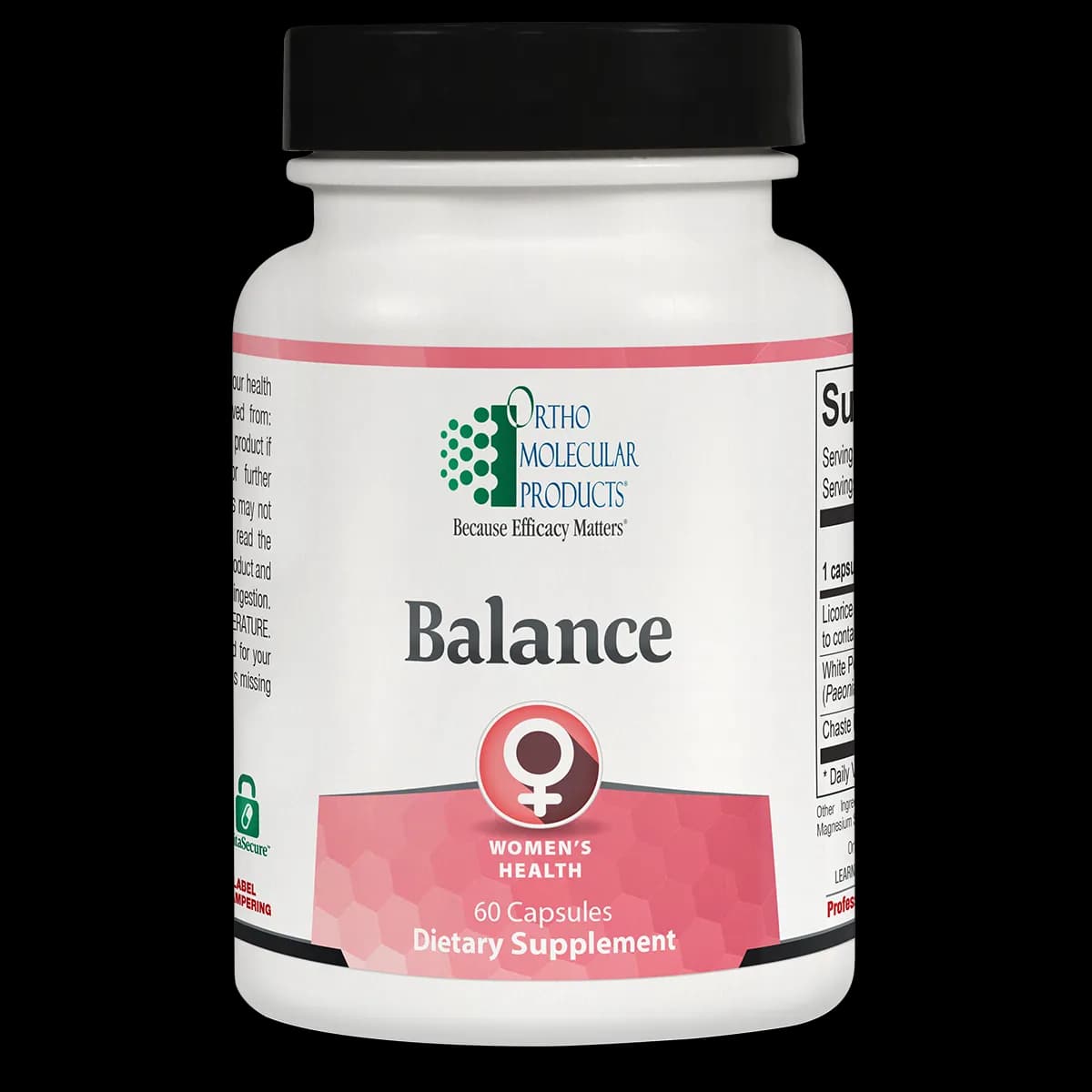
Recent clinical data has definitively established a bidirectional relationship between post-viral conditions and the female reproductive system. Emerging research has found that women with Long COVID experience significantly higher rates of abnormal uterine bleeding, elevated androgens, and localized uterine inflammation. When the delicate balance of estrogen, progesterone, and prolactin is disrupted by chronic illness, the entire body suffers. This is where targeted botanical interventions come into play. Balance by Ortho Molecular is a robust, scientifically formulated supplement designed to support the body during these specific hormonal disruptions. By utilizing a synergistic blend of chaste berry extract (Vitex), licorice root, and white peony, Balance aims to support the natural rhythms of the hypothalamic-pituitary-ovarian axis, offering a potential lifeline for women navigating the turbulent intersection of chronic illness and hormonal imbalance.
TL;DR
Hormonal fluctuations can trigger severe symptom crashes in Long COVID and ME/CFS patients.
Botanical supplements like Balance may help support hormone regulation and ease cyclical flare-ups.
Ingredients like Vitex, licorice, and white peony support the body's natural endocrine rhythms.
Always consult your healthcare provider before starting new supplements, especially with chronic conditions.
What is Balance?
The Hypothalamic-Pituitary-Ovarian (HPO) Axis
To understand how a supplement like Balance works, we must first understand the intricate communication network that governs female reproductive health: the hypothalamic-pituitary-ovarian (HPO) axis. In a healthy body, the menstrual cycle is tightly regulated by a cascade of hormonal signals that begin in the brain. The hypothalamus, a small region at the base of the brain, acts as the master conductor. It releases gonadotropin-releasing hormone (GnRH) in a precise, pulsatile manner. This hormone travels a short distance to the anterior pituitary gland, prompting it to secrete two crucial gonadotropins: follicle-stimulating hormone (FSH) and luteinizing hormone (LH).
These gonadotropins enter the bloodstream and travel to the ovaries, where they stimulate the development of ovarian follicles and the production of sex steroid hormones, primarily estrogen and progesterone. The HPO axis operates on a delicate biofeedback loop. As estrogen and progesterone levels rise and fall throughout the month, they send signals back to the brain to either increase or decrease the production of GnRH, FSH, and LH. When this feedback loop is functioning optimally, it creates the predictable, healthy rhythm of the menstrual cycle. However, this axis is highly sensitive to external and internal stressors, including viral infections, chronic inflammation, and autonomic nervous system dysfunction.
The Three Phases of the Menstrual Cycle
The menstrual cycle is divided into three distinct phases, each characterized by specific hormonal dominant states. The cycle begins with the follicular phase, which starts on the first day of menstruation. During this time, FSH stimulates the growth of several follicles in the ovaries. As these follicles mature, they produce increasing amounts of estradiol (the most potent form of estrogen). Estradiol is responsible for thickening the uterine lining and acts as an excitatory, neuro-stimulating hormone in the brain, often correlating with higher energy levels and improved cognitive function.
The second phase is the ovulatory phase, triggered by a massive, sudden spike in LH (the LH surge). This surge causes the most mature follicle to rupture and release an egg. Following ovulation, the cycle enters the luteal phase. The ruptured follicle transforms into a temporary endocrine gland called the corpus luteum, which begins producing large amounts of progesterone. Progesterone is the counter-balance to estrogen; it is a stabilizing, neuro-calming, and anti-inflammatory hormone. If the corpus luteum fails to produce adequate progesterone, or if the luteal phase is abnormally short, it results in a luteal phase defect, leading to severe premenstrual symptoms and cycle irregularities.
A Targeted Botanical Approach with Balance
When the HPO axis is disrupted, simply supplementing with synthetic hormones is not always the most effective or well-tolerated approach, especially for patients with complex sensitivities like mast cell activation syndrome (MCAS). Balance by Ortho Molecular takes a different approach by utilizing phytotherapy to gently encourage the body's own endocrine system to return to homeostasis. The formula is built around three primary botanical extracts with extensive histories of clinical use and modern scientific validation.
The cornerstone of Balance is a 20 mg clinical dose of chaste berry extract (Vitex agnus-castus), a powerful botanical known for its ability to modulate pituitary function and support luteal phase progesterone production. Complementing the Vitex is a synergistic pairing of 200 mg of licorice root extract (Glycyrrhiza glabra) and 200 mg of white peony root extract (Paeonia lactiflora). In Traditional Chinese Medicine (TCM), this specific combination is known as Shakuyaku-kanzo-to, and it is highly regarded for its potent anti-androgenic properties and its ability to balance the estrogen-to-testosterone ratio. Together, these ingredients provide comprehensive support for the entire HPO axis.
How Long COVID and ME/CFS Impact Hormone Balance
The Menstrual Crash and Post-Exertional Malaise
For individuals living with Long COVID and ME/CFS, the menstrual cycle is often a major trigger for symptom exacerbation. This phenomenon is not merely a subjective experience; it is deeply rooted in the neuroimmune pathophysiology of these conditions. A January 2025 study utilizing data from the digital health app Visible, in collaboration with Imperial College London, tracked thousands of patients with Long COVID and ME/CFS. The data unequivocally showed that "crashes"—episodes of severe post-exertional malaise (PEM)—were significantly more frequent and severe during the late luteal and menstrual phases than at any other time in the cycle.
This premenstrual crash is largely driven by the sudden withdrawal of progesterone. Throughout the luteal phase, high levels of progesterone exert a powerful anti-inflammatory and neuroprotective effect. Progesterone metabolizes into allopregnanolone, a neurosteroid that binds to GABA receptors in the brain, promoting calm and reducing neuroinflammation. However, in the days just before menstruation, the corpus luteum degrades, and progesterone levels plummet. For a healthy individual, this drop triggers menstruation. For a patient with a neuroimmune condition, this sudden loss of immune-suppressing progesterone acts like removing the brakes from an overactive immune system, leading to a massive spike in systemic inflammation, microglial activation in the brain, and a severe exacerbation of fatigue, brain fog, and dysautonomia. You can learn more about the mechanisms of these crashes in our article on managing fatigue and PEM in Long COVID.
Abnormal Uterine Bleeding and Elevated Androgens
Beyond systemic symptom flare-ups, chronic post-viral illnesses physically alter the menstrual cycle itself. A landmark September 2025 study published in Nature Communications evaluated over 12,000 women and found that those with Long COVID had a significantly higher risk of Abnormal Uterine Bleeding (AUB). Patients reported periods lasting longer than eight days, significantly heavier menstrual flow, and increased intermenstrual spotting. This heavy bleeding creates a vicious cycle, as the resulting iron loss and potential anemia further exacerbate the crushing fatigue and shortness of breath that are hallmark symptoms of Long COVID.
Interestingly, when researchers analyzed the blood serum and endometrial tissue of these Long COVID patients, they found that systemic estrogen and progesterone levels were often normal, indicating that the ovaries were still functioning. However, they discovered significantly higher circulating levels of 5α-dihydrotestosterone (DHT)—a potent androgen—during the secretory phase of the cycle. This hyperandrogenic state, combined with reduced expression of progesterone receptors in the uterine lining, creates an environment of localized inflammation and hormonal resistance within the reproductive organs.
Neuroinflammation and the Loss of Progesterone
The hormonal disruptions seen in Long COVID and ME/CFS are intimately linked to the immune system. Recent transcriptomic profiling published in Cell Reports Medicine revealed that female Long COVID patients exhibit profound neuroinflammatory gene signatures and a shift toward myelopoiesis (an overproduction of innate immune cells like monocytes and neutrophils). This chronic state of immune activation places immense stress on the HPA (hypothalamic-pituitary-adrenal) axis, which is closely intertwined with the HPO axis.
When the body is locked in a chronic state of "fight or flight" and systemic inflammation, it often prioritizes the production of stress hormones like cortisol over sex hormones. This phenomenon, sometimes referred to as the "pregnenolone steal," can lead to suboptimal progesterone production during the luteal phase. Without adequate progesterone to counterbalance estrogen, patients may experience a state of relative estrogen dominance, which further fuels histamine release and mast cell degranulation. This creates a horrid feedback loop where immune dysfunction drives hormonal imbalance, and hormonal imbalance in turn exacerbates immune dysfunction.
Balance: Supporting Hormone Regulation and Cycle Stability
Chaste Berry (Vitex) and the Dopamine-Prolactin Pathway
The primary mechanism by which Balance supports the menstrual cycle is through the dopaminergic activity of its key ingredient, chaste berry extract (Vitex agnus-castus). Vitex does not contain actual hormones; instead, it works directly on the pituitary gland. The active phytochemicals in Vitex, specifically diterpenes like clerodadienol and rotun-difuran, act as potent dopamine D2 receptor agonists. In the neuroendocrine system, dopamine is the primary inhibitor of prolactin, a hormone produced by the anterior pituitary. They communicate via the tuberoinfundibular pathway, a specific dopaminergic pathway in the brain.
In many women experiencing severe PMS, PMDD, or cycle irregularities, there is a condition known as latent hyperprolactinemia—a subtle but chronic elevation of prolactin levels. Elevated prolactin directly interferes with the hypothalamus's ability to secrete GnRH, which in turn blunts the LH surge necessary for robust ovulation. Without a strong LH surge, the corpus luteum forms weakly and degrades prematurely, leading to a luteal phase defect and low progesterone. By binding to D2 receptors, Vitex mimics dopamine, signaling the pituitary to suppress prolactin secretion. This removes the inhibitory block on the HPO axis, allowing for a normal LH surge, the formation of a healthy corpus luteum, and the restoration of optimal luteal progesterone levels.
White Peony and Aromatase Activation
The second critical component of Balance is white peony root extract (Paeonia lactiflora). This botanical is specifically included to address the hyperandrogenic states—such as the elevated DHT—often seen in Long COVID, ME/CFS, and conditions like Polycystic Ovary Syndrome (PCOS). The primary active compound in white peony is paeoniflorin. At the cellular level, paeoniflorin exerts its effects by modulating the steroidogenic pathway within the ovarian follicles.
Specifically, paeoniflorin promotes the activity of an enzyme called aromatase (CYP19A1). Aromatase is the crucial enzyme responsible for the final step of estrogen biosynthesis: the conversion of androgens (like testosterone and androstenedione) into estrogens (like estradiol and estrone). By upregulating aromatase activity, white peony may help accelerate the clearance of excess testosterone from the ovaries, converting it into beneficial estradiol. This action may help lower serum androgen levels, supporting a healthy estrogen-to-testosterone ratio and helping to alleviate symptoms of androgen excess.
Licorice Root and CYP17A1 Downregulation
The final pillar of the Balance formula is licorice root extract (Glycyrrhiza glabra), which works in perfect synergy with white peony. While peony increases the conversion of testosterone into estrogen, licorice root works upstream to stop the overproduction of testosterone in the first place. The active compound in licorice, glycyrrhizin, directly downregulates the expression and activity of CYP17A1 (17α-hydroxylase/17,20-lyase). This enzyme is a critical gatekeeper in the steroidogenic pathway, required for the synthesis of all androgens from cholesterol precursors.
By inhibiting CYP17A1, licorice root may help reduce the ovarian and adrenal production of testosterone. Furthermore, glycyrrhizin and the phytoestrogens found in licorice act as mild androgen receptor blockers, preventing circulating testosterone and DHT from binding to target tissues like hair follicles and sebaceous glands. When combined, licorice and peony (the traditional Shakuyaku-kanzo-to blend) may provide a dual-action approach to support healthy androgen levels, helping to normalize the LH/FSH ratio and promote regular, healthy ovulation.

Symptoms Balance May Help Manage
Targeted Relief for Cyclical Symptoms
By addressing the root causes of hormonal imbalance—namely elevated prolactin, luteal phase defects, and androgen excess—the ingredients in Balance can help manage a wide array of disruptive symptoms. For patients with chronic illnesses, stabilizing these hormonal fluctuations is often a critical step in reducing overall symptom burden and improving quality of life.
Premenstrual Systemic Crashes (PEM): By supporting robust progesterone production during the luteal phase, Vitex may help maintain the neuroprotective and anti-inflammatory benefits of allopregnanolone, potentially reducing the severity of immune-driven crashes before menstruation.
Heavy and Irregular Bleeding (AUB): Supporting the balance between estrogen and progesterone may help regulate the building and shedding of the endometrial lining, which may alleviate the prolonged and heavy bleeding frequently reported by Long COVID patients.
Cyclical Breast Tenderness (Mastalgia): Elevated prolactin is a primary driver of cyclical breast pain and swelling. By acting as a dopamine agonist to lower prolactin, Vitex may help soothe cyclical breast tenderness.
Hormonal Acne and Hirsutism: The synergistic anti-androgen effects of licorice and white peony may help lower excess testosterone and DHT, supporting the management of hormonal jawline acne and unwanted facial hair growth.
Mood Instability and PMDD: By stabilizing the luteal phase and preventing precipitous drops in neurosteroids, the ingredients in Balance may help smooth out the severe irritability, anxiety, and depressive dips associated with Premenstrual Dysphoric Disorder (PMDD).
Practical Considerations: Forms, Dosing, and Absorption
Understanding the Clinical Dosage
When utilizing botanical medicines for endocrine support, precise dosing and standardization are paramount. Balance provides a highly specific formulation. Each capsule contains a 20 mg dose of chaste berry extract. While formulations vary, a 2012 randomized, placebo-controlled study demonstrated that forty drops of Vitex agnus extract administered for 6 days before menses for 6 consecutive cycles was an effective and well-tolerated treatment for relieving mild and moderate PMS symptoms.
In addition to the Vitex, each capsule delivers 200 mg of white peony root extract and 200 mg of licorice root extract, standardized to contain 12% glycyrrhizin complex. To achieve the best results, Balance should be taken consistently. Unlike some PMS remedies that are only taken during the luteal phase, Vitex and the accompanying herbs must be taken every single day of the menstrual cycle. It typically requires a minimum of three full consecutive menstrual cycles (roughly 90 days) for the botanical compounds to fully influence follicular development and restore the HPO axis rhythm.
The 11β-HSD2 Enzyme and Blood Pressure Monitoring
While the ingredients in Balance have excellent safety profiles, there is a specific biochemical interaction regarding licorice root that patients—especially those with dysautonomia or POTS—must understand. The active compound in licorice, glycyrrhizin, inhibits an enzyme in the kidneys called 11β-hydroxysteroid dehydrogenase type 2 (11β-HSD2). In a healthy kidney, this enzyme is responsible for converting active cortisol into inactive cortisone. This prevents cortisol from binding to mineralocorticoid receptors.
When 11β-HSD2 is inhibited by licorice, active cortisol accumulates in the kidneys and binds heavily to these mineralocorticoid receptors, mimicking the action of the hormone aldosterone. This triggers the retention of sodium and water, and the excretion of potassium (a state known as pseudoaldosteronism). For the general population, this can lead to an unwanted increase in blood pressure and hypokalemia (low potassium). Therefore, patients taking Balance should monitor their blood pressure regularly. Interestingly, for patients with Postural Orthostatic Tachycardia Syndrome (POTS) who suffer from chronic low blood pressure and hypovolemia, this sodium-retaining effect of licorice is sometimes utilized therapeutically to expand blood volume, though it should always be managed under the guidance of a healthcare provider. You can read more about managing autonomic dysfunction in our guide to diagnosing Long COVID.
Contraindications and Interactions
Due to its direct dopaminergic activity, Vitex may interact with certain medications. It should be used with caution in patients taking dopamine-receptor antagonists (such as certain antipsychotics or anti-nausea drugs like metoclopramide) or dopamine agonists (such as those used for Parkinson's disease). Additionally, because Balance directly influences reproductive hormones, it is strictly contraindicated during pregnancy and lactation. Patients currently taking oral contraceptives or hormone replacement therapy (HRT) should consult their physician before starting Balance, as the herbs may theoretically interfere with the efficacy of exogenous hormones.
Follow the Science
Clinical Trials on Vitex and PMS
The efficacy of Vitex agnus-castus is supported by decades of rigorous clinical research. A landmark 2001 randomized, double-blind, placebo-controlled trial published in the British Medical Journal (BMJ) evaluated 170 women suffering from severe PMS. The participants were given either a standardized Vitex extract (Ze 440) or a placebo over three menstrual cycles. The results were striking: 52% of the women in the Vitex group experienced a significant reduction in symptom severity, compared to only 24% in the placebo group. The Vitex group reported massive improvements in irritability, mood alteration, anger, headache, and cyclical breast fullness.
Further exploring its use, a 2017 systematic review evaluated whether Vitex agnus castus is a safe and effective treatment for premenstrual syndrome and premenstrual dysphoric disorder (PMDD). The European Medicines Agency (EMA) officially recognizes Vitex as a well-established use medicine for the treatment of premenstrual syndrome.
The Efficacy of Shakuyaku-kanzo-to (Licorice and Peony)
The combination of licorice and white peony has also been studied in various contexts for hormonal and reproductive health.
A 2014 review published in BMC Complementary and Alternative Medicine explored the laboratory evidence and corroborative clinical findings for herbal medicines, including the Paeonia lactiflora and Glycyrrhiza combination, in the management of polycystic ovary syndrome (PCOS) and associated hyperandrogenism.
Emerging Data on Long COVID and Menstruation
The intersection of chronic post-viral illness and menstrual health is a rapidly evolving field of study. The 2025 transcriptomic profiling study in Cell Reports Medicine was one of the first to definitively prove that female Long COVID patients with ME/CFS exhibit sex-specific dysregulation, including disrupted sex hormone levels and neuroinflammatory gene signatures that directly correlate with cognitive symptoms. This research, alongside the Visible app data tracking menstrual crashes, underscores the absolute necessity of addressing hormonal health as a primary component of chronic illness management, rather than treating it as an afterthought.
The Path Forward
Validating the Hormonal Component of Chronic Illness
If you have noticed that your Long COVID, ME/CFS, or dysautonomia symptoms spiral out of control in the days leading up to your period, your experience is entirely valid. The "menstrual crash" is not in your head; it is a documented physiological response to shifting neurosteroids, fluctuating immune suppression, and localized inflammation. For too long, the gynecological impacts of chronic post-viral conditions have been overlooked, leaving patients to battle severe symptom exacerbations without targeted support. Recognizing the profound impact of the HPO axis on your overall systemic health is a crucial step toward reclaiming your quality of life.
Integrating Balance into Your Care Plan
Supplements like Balance offer a scientifically grounded, botanical approach to restoring harmony within the endocrine system. By leveraging the dopaminergic power of Vitex to support luteal phase progesterone, and the anti-androgenic synergy of licorice and peony to clear excess testosterone, Balance addresses hormonal dysfunction at its root. However, supplements are most effective when utilized as part of a comprehensive management strategy. This includes meticulous symptom tracking, pacing your energy expenditure specifically around your menstrual cycle phases, and working closely with a medical team to monitor your progress and blood pressure. Always consult your healthcare provider before introducing a new supplement, especially if you have a complex chronic condition or are taking prescription medications.