Can Arabinogalactan Support Immune Recovery in Long COVID and ME/CFS?
March 5, 2026
ArabinogalactanLong COVIDME/CFS
Share:
Disclaimer: The information provided here is for educational purposes only and is not intended as medical advice. It should not be used to diagnose, treat, cure, or prevent any medical condition. Instead, use it as a starting point for discussion with your healthcare provider. Always consult with a qualified healthcare provider before starting any new medication, supplement, device, or making changes to your health regimen.
Months or even years after recovering from an initial viral infection, many individuals find themselves locked in a relentless battle with debilitating symptoms. Conditions like Long COVID and myalgic encephalomyelitis/chronic fatigue syndrome (ME/CFS) often leave patients navigating a complex maze of profound fatigue, immune dysregulation, and gastrointestinal distress. It can be incredibly frustrating to feel as though your body’s defense systems are simultaneously exhausted and overactive, constantly misfiring while failing to clear lingering viral reservoirs. If you are living with these complex chronic conditions, you are likely searching for validating, science-backed strategies to help restore balance to your immune system and gut microbiome.
In the search for effective immunomodulatory support, researchers and integrative medicine practitioners have turned their attention to a unique, naturally occurring compound known as arabinogalactan. Long utilized in botanical medicine and found in high concentrations in the North American larch tree, this complex carbohydrate acts as both a potent prebiotic fiber and a sophisticated immune system modulator. By targeting the critical intersection of the gut microbiome and the body's innate immune cells, arabinogalactan offers a fascinating mechanism for supporting the exact pathways that are often disrupted in post-viral syndromes. In this article, we will explore the deep cellular biology of arabinogalactan, how it interacts with macrophages and Natural Killer cells, and why it may be a valuable tool in managing the complex symptoms of Long COVID and ME/CFS.
TL;DR
Arabinogalactan is a natural prebiotic fiber that supports both gut health and immune system balance.
It feeds beneficial gut bacteria like Bifidobacterium, helping to improve microbiome resilience and gut barrier function.
Research suggests it supports macrophage activity, aiding the body's natural defenses against lingering viral fragments.
Always start with a low dose and consult your doctor before adding it to your routine.
What is Arabinogalactan?
The Botanical Origins of a Complex Carbohydrate
Arabinogalactan is a highly branched, high-molecular-weight polysaccharide, which is a complex carbohydrate composed of long chains of sugar molecules. Specifically, it consists of a galactose backbone with side chains of arabinose sugars. While it is naturally present in small amounts in common vegetables like carrots, radishes, and tomatoes, as well as in renowned medicinal herbs like Echinacea purpurea, it is most abundantly found in the wood of the North American larch tree (Larix occidentalis and Larix laricina). In the commercial supplement industry, this extract is frequently referred to as larch arabinogalactan. In its natural environment, this complex carbohydrate serves as a structural component in plant cell walls and acts as a storage reservoir for energy, allowing the plant to survive harsh environmental stressors.
In the human body, however, arabinogalactan takes on a completely different role. Because human digestive enzymes are incapable of breaking down the complex bonds that hold the galactose and arabinose molecules together, arabinogalactan is classified as a non-digestible, water-soluble dietary fiber. This structural resilience is the key to its therapeutic potential. Rather than being broken down for basic caloric energy in the stomach or small intestine, it travels intact through the upper gastrointestinal tract until it reaches the large intestine. Here, it encounters the dense, complex ecosystem of the human gut microbiome, where it begins its dual role as both a prebiotic fuel source and an active immunomodulator.
The Dual Nature of Arabinogalactan: Fiber and Immunomodulator
The biological brilliance of arabinogalactan lies in its ability to interact with the body through two distinct but complementary pathways. The first is its direct interaction with the immune system. As arabinogalactan passes through the digestive tract, it comes into physical contact with the Gut-Associated Lymphoid Tissue (GALT). The GALT is a massive network of immune cells embedded in the lining of the intestines, representing roughly 70% of the body's entire immune system. Arabinogalactan acts as a biological ligand, meaning its physical shape perfectly fits into specific receptors on the surface of innate immune cells, effectively "waking them up" and priming them for action without pushing them into a state of destructive overactivity.
The second pathway is its indirect, prebiotic function. Once arabinogalactan reaches the colon, it undergoes selective fermentation by the resident microflora. Unlike simple sugars that feed a wide variety of potentially harmful bacteria, arabinogalactan specifically nourishes beneficial, saccharolytic (sugar-fermenting) bacteria. Research has consistently shown that larch arabinogalactan acts as a preferred food source for Bifidobacterium and Gemmiger species. As these beneficial microbes consume the arabinogalactan, they multiply rapidly, crowding out pathogenic bacteria and fundamentally altering the landscape of the gut microbiome toward a state of health and resilience.
Navigating the Gastrointestinal Tract Intact
The fermentation process of arabinogalactan yields highly therapeutic byproducts known as Short-Chain Fatty Acids (SCFAs), primarily butyrate, propionate, and acetate. These SCFAs are not merely waste products of bacterial digestion; they are critical signaling molecules that dictate the health of the entire body. Butyrate, in particular, is the primary energy source for colonocytes, the cells that line the colon. By providing abundant butyrate, arabinogalactan helps to strengthen the tight junctions between these cells, reinforcing the intestinal barrier and helping to prevent the leakage of endotoxins into the bloodstream. This process is essential for maintaining systemic immune tolerance and helping to prevent the chronic, low-grade inflammation that characterizes many complex chronic illnesses.
Furthermore, the production of SCFAs lowers the overall pH of the colonic environment. This slight acidification creates a hostile environment for opportunistic pathogens and putrefactive bacteria, which thrive in more alkaline conditions. By simultaneously feeding the "good" bacteria, starving the "bad" bacteria, and repairing the structural integrity of the gut lining, arabinogalactan addresses the foundational aspects of gastrointestinal health. This intricate dance between a botanical carbohydrate and the human microbiome highlights the profound interconnectedness of our digestive and immune systems, setting the stage for understanding how arabinogalactan can specifically support patients with post-viral syndromes.
How Long COVID and ME/CFS Impact the Immune System and Gut
Natural Killer Cell Exhaustion and Viral Persistence
To understand why arabinogalactan is so relevant to conditions like Long COVID and ME/CFS, we must first examine how these illnesses disrupt the body's natural defense systems. One of the most consistent and profound immunological findings in both ME/CFS and Long COVID is the exhaustion and dysfunction of Natural Killer (NK) cells. NK cells are specialized lymphocytes that serve as the immune system's special forces; they are designed to identify and destroy virally infected cells and tumor cells rapidly, without requiring prior sensitization or antibodies. In a healthy body, NK cells patrol the tissues, eliminating threats before they can establish a foothold.
However, in the wake of a severe or prolonged viral infection like SARS-CoV-2 or the Epstein-Barr Virus (frequently implicated in ME/CFS), these NK cells become depleted and lose their cytotoxic (cell-killing) capabilities. They may be present in the blood, but they lack the necessary lethal proteins, such as perforin and granzyme, required to punch holes in the membranes of infected cells. This NK cell exhaustion allows viral reservoirs to persist in tissues deep within the body, constantly triggering low-level immune alarms without ever being fully cleared. This ongoing, ineffective immune response is a primary driver of the debilitating, flu-like post-exertional malaise (PEM) and profound fatigue experienced by patients.
The Gut-Immune Axis and Post-Viral Dysbiosis
Simultaneously, chronic viral infections wreak havoc on the gastrointestinal tract. The gut is not just a digestive organ; it is the largest immune organ in the body. In Long COVID, recent studies have demonstrated that SARS-CoV-2 viral RNA and proteins can persist in the gut lining for months or even years after the acute infection has resolved. This viral persistence causes severe disruption to the local microbiome, a state known as dysbiosis. The populations of beneficial, SCFA-producing bacteria (like Bifidobacteria) plummet, while inflammatory, opportunistic bacteria proliferate.
This dysbiosis leads to a breakdown of the intestinal barrier, commonly referred to as "leaky gut." When the tight junctions between intestinal cells fail, bacterial endotoxins, such as lipopolysaccharides (LPS), leak from the digestive tract into the systemic bloodstream. The immune system detects these foreign molecules and mounts a massive, systemic inflammatory response. This gut-derived inflammation can cross the blood-brain barrier, contributing heavily to the neuroinflammation, brain fog, and cognitive dysfunction that are hallmark symptoms of both Long COVID and ME/CFS. The loss of beneficial bacteria also means a catastrophic drop in butyrate production, removing the very molecule the gut needs to repair itself, thus locking the patient in a vicious cycle of inflammation and barrier dysfunction.
Macrophage Hyperactivation and Chronic Inflammation
While the antiviral NK cells are exhausted, another branch of the immune system becomes hyperactive and dysregulated: the macrophages and monocytes. Macrophages are large white blood cells that engulf cellular debris and pathogens. In post-viral syndromes, these cells often become stuck in a pro-inflammatory state, a phenomenon known as altered monocyte polarization. Instead of clearing debris and then releasing anti-inflammatory signals to promote tissue healing, these hyperactive macrophages continuously pump out pro-inflammatory cytokines, such as Interleukin-6 (IL-6) and Tumor Necrosis Factor-alpha (TNF-α).
This relentless cytokine production creates a state of chronic, systemic inflammation that affects every organ system in the body. It damages the endothelial lining of the blood vessels, contributing to the micro-clotting and poor tissue oxygenation seen in Long COVID. It also sensitizes the nervous system, exacerbating pain and dysautonomia symptoms like postural orthostatic tachycardia syndrome (POTS). The immune system is essentially caught in a trap: it is too exhausted to clear the underlying viral or bacterial triggers, yet too hyperactive to allow the body to rest and repair. Breaking this cycle requires interventions that can simultaneously stimulate the exhausted antiviral pathways while modulating and soothing the hyperactive inflammatory pathways.
Arabinogalactan: Supporting Immune Function and Gut Health
Direct Macrophage Activation via Toll-Like Receptors
Arabinogalactan offers a sophisticated, multi-targeted approach to addressing the specific immune and gastrointestinal dysfunctions seen in post-viral syndromes. At the cellular level, its mechanism of action begins with direct physical interaction. As arabinogalactan passes through the gut, its unique highly branched molecular structure acts as a key that fits perfectly into specific locks on the surface of innate immune cells. Research indicates that it binds directly to pattern recognition receptors, specifically Toll-Like Receptor 4 (TLR4) and Macrophage Mannose Receptors, located on the surface of macrophages within the Gut-Associated Lymphoid Tissue (GALT).
This binding event is not a subtle suggestion; it triggers a robust intracellular signaling cascade. When arabinogalactan engages TLR4, it activates the MyD88-dependent pathway inside the macrophage. This pathway ultimately leads to the nuclear translocation of a critical transcription factor known as NF-κB. Once inside the cell's nucleus, NF-κB binds to the DNA and instructs the macrophage to upregulate the production of essential defensive compounds. The macrophage undergoes an "oxidative burst," producing increased levels of nitric oxide (NO) and hydrogen peroxide, which are the direct chemical agents used to destroy intracellular pathogens and clear persistent viral debris. By appropriately stimulating these macrophages, arabinogalactan helps the immune system regain its ability to clean up the lingering cellular wreckage of a viral infection.
The Cytokine Network and Natural Killer Cell Enhancement
Perhaps the most crucial benefit of arabinogalactan for ME/CFS and Long COVID patients is its profound ability to restore Natural Killer (NK) cell function. Other literature suggests it operates through a sophisticated cytokine network. When arabinogalactan binds to and activates macrophages and monocytes, these cells release specific signaling proteins.
The arrival of these signals effectively supercharges the immune response. It instructs their DNA to massively upregulate the production of cytotoxic proteins, specifically perforin and granzyme B. Perforin acts like a microscopic drill, punching holes in the outer membranes of virally infected cells, while granzyme B enters through those holes to trigger apoptosis, or programmed cell death. Restoration of the body's primary antiviral defense mechanism is vital for patients struggling to overcome the persistent viral elements of Long COVID.
Prebiotic Fermentation and Butyrate Production
Beyond its direct immunological effects, arabinogalactan's role as a prebiotic fiber provides a critical mechanism for healing the gut-immune axis. When arabinogalactan reaches the colon, it is selectively fermented by beneficial bacteria, leading to a massive proliferation of Bifidobacteria and Gemmiger species. This fermentation process yields high concentrations of Short-Chain Fatty Acids (SCFAs), with butyrate being the most therapeutically significant. Butyrate is a master regulator of gut health and systemic inflammation.
At the molecular level, butyrate acts as a histone deacetylase (HDAC) inhibitor. By inhibiting HDAC enzymes in the cells lining the colon, butyrate suppresses the production of pro-inflammatory cytokines and promotes the generation of regulatory T-cells (Tregs). Tregs are the immune system's peacekeepers; their job is to calm down hyperactive immune responses and help manage autoimmune reactions. By increasing butyrate production, arabinogalactan helps to seal the leaky gut barrier, stop the flow of inflammatory endotoxins into the bloodstream, and send systemic anti-inflammatory signals throughout the body. This dual action—stimulating exhausted antiviral NK cells while simultaneously soothing hyperactive inflammatory pathways via gut fermentation—makes arabinogalactan a uniquely suited supplement for the complex immune dysregulation of chronic illness.
Symptoms Arabinogalactan May Help Manage
Frequent or Lingering Infections: By stimulating macrophage activity and significantly enhancing the cytotoxicity of Natural Killer (NK) cells, arabinogalactan restores the body's first line of defense, helping to identify and clear persistent viral reservoirs and opportunistic infections that often plague immunocompromised patients.
Post-Viral Fatigue and PEM: The profound exhaustion seen in ME/CFS and Long COVID is often driven by an immune system stuck in a futile, energy-draining loop. By appropriately modulating immune signaling and reducing systemic inflammatory cytokines, arabinogalactan may help lower the metabolic burden on the body, potentially easing the severity of post-exertional crashes.
Gastrointestinal Distress and Dysbiosis: As a potent prebiotic fiber, arabinogalactan selectively feeds beneficial Bifidobacteria and Gemmiger. This fermentation produces butyrate, which lowers colonic pH, crowds out pathogenic bacteria, and helps resolve symptoms like bloating, irregular bowel movements, and food sensitivities associated with post-viral gut dysbiosis.
"Leaky Gut" and Systemic Inflammation: The butyrate produced from arabinogalactan fermentation acts directly on the colonocytes to repair and strengthen the tight junctions of the intestinal barrier. This prevents bacterial endotoxins from leaking into the bloodstream, thereby reducing the systemic, body-wide inflammation that drives joint pain, muscle aches, and general malaise.
Brain Fog and Neuroinflammation: Much of the cognitive dysfunction in Long COVID is linked to gut-derived inflammation crossing the blood-brain barrier. By sealing the gut lining and promoting the development of anti-inflammatory regulatory T-cells (Tregs), arabinogalactan helps quiet the systemic immune alarms that contribute to neuroinflammation and cognitive impairment.
Practical Considerations: Forms, Dosing, and Absorption
Understanding Dosage and Clinical Ranges
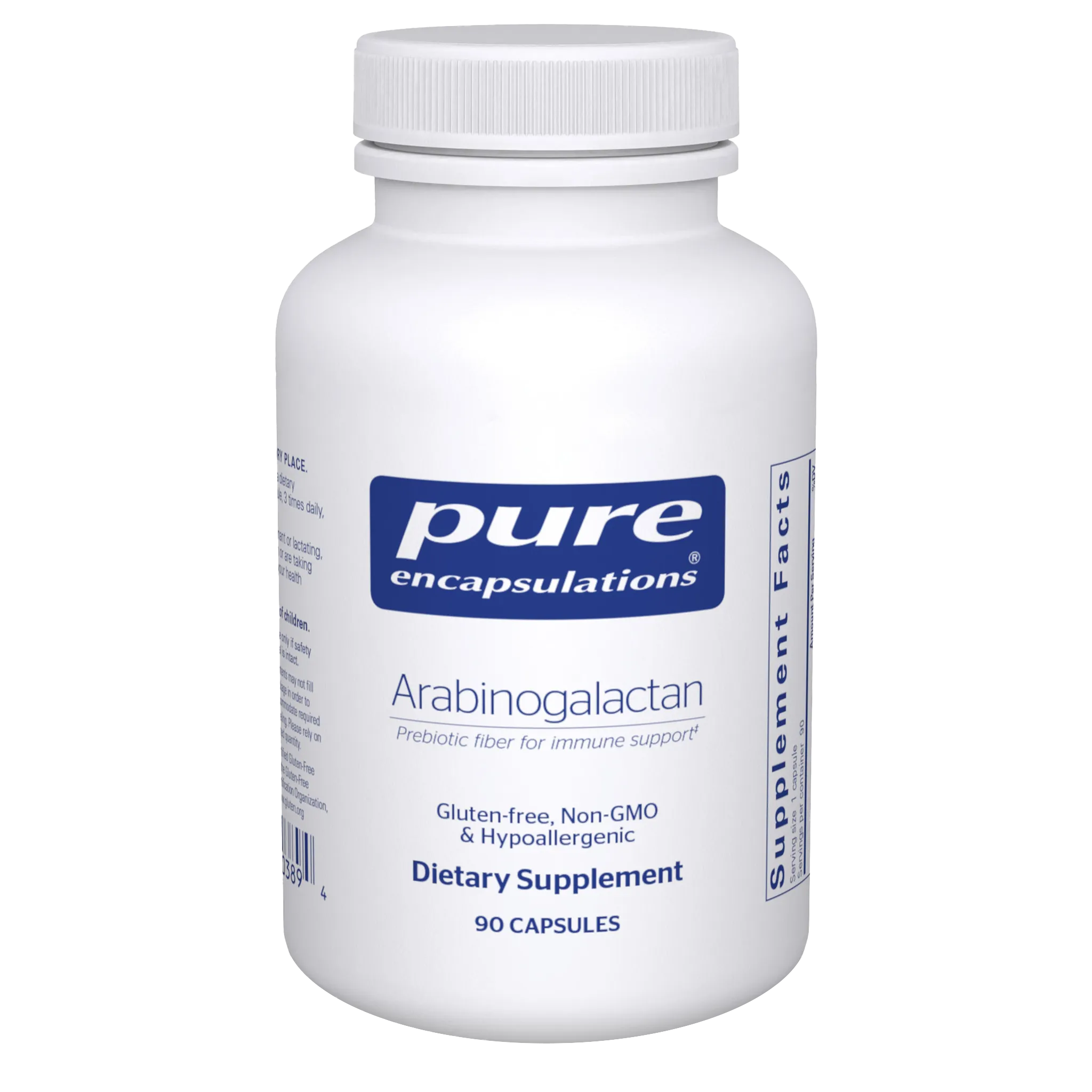
When considering arabinogalactan supplementation, it is important to look at the dosages utilized in successful clinical trials. Because it is a natural complex carbohydrate rather than a synthetic pharmaceutical, the therapeutic window is quite broad. For general immune support and prebiotic benefits, clinical studies frequently utilize doses ranging from 1.5 grams to 4.5 grams per day. The Pure Encapsulations Arabinogalactan product provides 500 mg per capsule, with a suggested use of one capsule three times daily. This provides a total daily dose of 1.5 grams, which aligns perfectly with the clinical research demonstrating enhanced immune cell function and improved vaccine antibody responses.
For individuals dealing with more severe immune dysregulation or those looking to actively support defenses against seasonal respiratory infections, some practitioners may recommend titrating up to the higher end of the clinical range, closer to 4.5 grams daily (which would equate to a powder form or multiple capsules). However, when dealing with complex chronic illnesses like Long COVID or ME/CFS, the "start low and go slow" approach is always paramount. Introducing a potent prebiotic fiber too quickly can overwhelm a dysbiotic gut, leading to uncomfortable gastrointestinal symptoms before the beneficial bacteria have a chance to adapt and multiply.
Bioavailability and Timing Your Supplementation
Arabinogalactan is a highly water-soluble fiber, which makes it exceptionally bioavailable and easy for the body to process. Unlike fat-soluble vitamins that require dietary lipids for absorption, arabinogalactan does not need to be taken with a fatty meal. In fact, the suggested use is to take the capsules between meals. Taking it away from heavy digestion allows the complex carbohydrate to pass more swiftly through the highly acidic environment of the stomach and the enzymatic activity of the small intestine, ensuring that the maximum amount of intact polysaccharide reaches the colon where its prebiotic fermentation is needed most.
Because arabinogalactan relies on the slow process of bacterial fermentation and the gradual modulation of immune cell populations, it is not a fast-acting symptom reliever like an analgesic. It takes time to fundamentally alter the gut microbiome and upregulate Natural Killer cell activity. Clinical trials evaluating its efficacy typically run for a minimum of 4 to 12 weeks. Patients should expect to commit to a consistent daily regimen for at least a month or two before accurately assessing its impact on their energy levels, digestive regularity, and overall immune resilience.
Safety Profile, Side Effects, and Contraindications
Larch arabinogalactan boasts an exceptionally strong safety profile and is recognized by the FDA as a Generally Recognized As Safe (GRAS) substance. In large-scale, 12-week clinical trials, the incidence of adverse events in the arabinogalactan group was statistically indistinguishable from the placebo group. However, because it is a fermentable fiber, the most common side effects are entirely gastrointestinal in nature. As the gut microbiome adjusts to the new food source, patients may experience mild, transient symptoms such as intestinal gas, abdominal bloating, or mild stomach cramps. These symptoms are usually dose-dependent and typically resolve within a few days to a week as the beneficial bacterial populations stabilize.
Despite its safety, there are important contraindications to consider due to its potent immunomodulatory effects. Because arabinogalactan actively stimulates macrophages and enhances immune signaling, it is generally contraindicated for individuals with active autoimmune diseases, such as Rheumatoid Arthritis, Systemic Lupus Erythematosus (SLE), or Multiple Sclerosis, as it could potentially exacerbate hyperactive autoimmune responses. Additionally, it may interfere with the efficacy of immunosuppressant medications prescribed for autoimmune conditions or organ transplants. As always, patients with complex immune conditions must consult with their healthcare provider before introducing a powerful immune-modulating supplement into their protocol.

Follow the Science
Clinical Trials on Respiratory Infections and Immunity
The scientific evidence supporting the use of larch arabinogalactan is robust, particularly in the realms of innate immunity and respiratory defense. One of the most significant pieces of clinical evidence comes from a 2013 randomized, double-blind, placebo-controlled trial conducted by Riede et al. This study evaluated the effects of a proprietary larch arabinogalactan extract on 199 healthy volunteers over a 12-week period during the winter cold season. The researchers found that participants taking 4.5 grams of arabinogalactan daily experienced a statistically significant 23% decrease in the incidence of common cold episodes compared to those taking a placebo. This trial provided strong, real-world validation of the compound's ability to enhance the body's first line of defense against circulating viral pathogens.
Other research on arabinogalactan from Echinacea purpurea has demonstrated its profound impact on macrophages. Research revealed that exposing cells to arabinogalactan significantly stimulated macrophages to produce tumor necrosis factor (TNF-alpha), interleukin-1 (IL-1), and interferon-beta 2, highlighting the complex, interconnected cytokine network that arabinogalactan utilizes to support immune defenses.
Vaccine Response and Antibody Production
Beyond innate immunity, arabinogalactan has shown remarkable efficacy in supporting the adaptive immune system, specifically in its ability to act as a vaccine adjuvant. Multiple clinical trials have investigated whether daily supplementation can enhance the body's antibody response to standardized immune challenges. In trials involving both the Streptococcus pneumoniae and tetanus vaccines, healthy adults who consumed 1.5 grams to 4.5 grams of arabinogalactan per day (starting weeks prior to the vaccination) demonstrated a significantly higher rise in serum antigen-specific IgG antibodies compared to placebo groups. This data suggests that arabinogalactan not only stimulates immediate antiviral defenses but also helps the immune system form stronger, more durable long-term memory against specific pathogens.
Emerging Data in Post-Viral Fatigue and Long COVID
While large-scale, double-blind trials specifically isolating arabinogalactan for Long COVID are still in their infancy, emerging data on complex botanical formulations is highly promising. A recent clinical trial published in April 2024 investigated the effects of an oral food supplement rich in Echinacea angustifolia (a primary botanical source of arabinogalactans) on patients suffering from Long COVID. The researchers found that after two months of supplementation, patients exhibited statistically significant reductions in key systemic inflammatory biomarkers, including the Neutrophil-to-Lymphocyte Ratio (NLR) and C-Reactive Protein (CRP). Most importantly, these biochemical improvements correlated with a marked reduction in post-viral fatigue and a vastly improved quality of life, underscoring the therapeutic potential of targeting the gut-immune axis with complex polysaccharides.
The Path Forward
Integrating Arabinogalactan into a Comprehensive Plan
Living with the unpredictable and often invisible symptoms of Long COVID, ME/CFS, or dysautonomia is an exhausting daily reality. When your immune system feels simultaneously depleted and hyperactive, finding interventions that offer gentle, modulating support rather than aggressive stimulation is crucial. Arabinogalactan represents a scientifically grounded approach to addressing the root causes of immune dysregulation. By acting as a prebiotic to heal the gut microbiome, promote butyrate production, and restore the antiviral cytotoxicity of Natural Killer cells, it targets the exact physiological pathways that are so often disrupted in post-viral syndromes.
Validating the Journey of Chronic Illness
However, it is vital to remember that no single supplement is a cure for complex chronic illness. Arabinogalactan should be viewed as one valuable tool within a broader, comprehensive management strategy. True healing requires a multifaceted approach that includes rigorous symptom tracking, strict pacing to avoid post-exertional crashes, nervous system regulation, and ongoing collaboration with a medical team that understands the nuances of post-viral disease. Your experience is valid, your symptoms are real, and while the path forward may be slow, utilizing targeted, science-backed nutritional support can help you rebuild your body's resilience from the cellular level up.
Always consult with your primary care physician or a functional medicine specialist before adding new supplements to your regimen, especially if you are navigating autoimmune conditions or taking prescription medications. If you and your healthcare provider determine that prebiotic immune modulation is right for you, Explore Arabinogalactan to learn more about incorporating this powerful botanical extract into your daily routine.