March 5, 2026

Disclaimer: The information provided here is for educational purposes only and is not intended as medical advice. It should not be used to diagnose, treat, cure, or prevent any medical condition. Instead, use it as a starting point for discussion with your healthcare provider. Always consult with a qualified healthcare provider before starting any new medication, supplement, device, or making changes to your health regimen.
Living with complex chronic conditions like Long COVID, myalgic encephalomyelitis/chronic fatigue syndrome (ME/CFS), mast cell activation syndrome (MCAS), and dysautonomia often feels like navigating a labyrinth in the dark. You are likely dealing with a constellation of debilitating, unpredictable symptoms—from crushing post-exertional malaise (PEM) and severe brain fog to racing heart rates and systemic allergic reactions. When you seek out nutritional support, you are often met with generic advice to "take a multivitamin" or "try Vitamin E." However, for individuals battling profound cellular dysfunction and chronic inflammation, standard over-the-counter supplements often fall short, and in some cases, the wrong form of a nutrient can actually hinder your body's ability to heal.
This is where the nuances of clinical biochemistry become incredibly important. Vitamin E is not a single compound, but a family of eight distinct molecules. While the majority of commercial supplements contain alpha-tocopherol, an emerging body of scientific literature points to a different, vastly more potent class of Vitamin E compounds for managing chronic illness: tocotrienols. Specifically, pure delta- and gamma-tocotrienols derived from the annatto tree have demonstrated remarkable abilities to neutralize oxidative stress, suppress neuroinflammation, and stabilize cellular membranes. In this comprehensive guide, we will explore the molecular mechanisms behind Annatto-E® 150, why its 100% tocopherol-free formula is critical for absorption, and how it may support your journey toward cellular healing and improved quality of life.
To understand the unique power of Annatto-E® 150, we must first look at the complex family tree of Vitamin E. In nutritional science, Vitamin E is not a single, monolithic substance. It is a collective term for a group of eight fat-soluble compounds synthesized by plants. These eight compounds are divided into two main classes: four tocopherols (alpha, beta, gamma, and delta) and four tocotrienols (alpha, beta, gamma, and delta). For decades, the medical and nutritional communities focused almost exclusively on alpha-tocopherol. It is the most abundant form of Vitamin E found in the human bloodstream and is the standard form used in nearly all commercial multivitamins and fortified foods to prevent basic deficiency.
However, this intense focus on alpha-tocopherol left tocotrienols in the shadows of scientific research until relatively recently. While tocopherols are excellent at maintaining general baseline health, they lack the specific structural properties required to combat severe, localized cellular damage. Tocotrienols, on the other hand, are often referred to as the "21st-century Vitamin E." They are significantly rarer in the modern diet, found only in specific plant sources like palm oil, rice bran, and the seeds of the annatto tree. As researchers began isolating and studying these lesser-known siblings, they discovered that tocotrienols possess unique neuroprotective, anti-cancer, anti-inflammatory, and antioxidant properties that far exceed those of standard tocopherols.
Among the four tocotrienol isomers, delta-tocotrienol and gamma-tocotrienol have emerged as the most biologically active and therapeutically potent. These specific isomers have demonstrated a profound ability to penetrate deep into cellular tissues, cross the blood-brain barrier, and interact with complex genetic signaling pathways. For patients dealing with the systemic physiological disruptions characteristic of Long COVID and ME/CFS, these specific molecular actions are far more relevant than simply correcting a basic vitamin deficiency.
The dramatic difference in therapeutic efficacy between tocopherols and tocotrienols comes down to a crucial variation in their molecular architecture. Both classes of Vitamin E share a similar "head"—a chromanol ring that acts as the active antioxidant site, catching and neutralizing free radicals. However, the "tail" of the molecule is where the magic happens. Tocopherols possess a long, fully saturated phytyl tail. This saturated tail is rigid and bulky, which causes tocopherols to anchor deeply and somewhat statically into the lipid bilayers of our cell membranes.
In stark contrast, tocotrienols possess an unsaturated isoprenoid tail, characterized by three double bonds. This unsaturated tail is shorter, highly flexible, and incredibly dynamic. Because of this unique structure, tocotrienols do not get stuck in one place. Instead, they can move rapidly and fluidly throughout the cellular lipid bilayer, sweeping across the membrane to intercept reactive oxygen species (ROS) and halt lipid peroxidation with astonishing speed. This structural advantage allows tocotrienols to cover a much larger surface area within the cell membrane.
The clinical implications of this molecular mobility are staggering. Research on delta-tocotrienol mechanisms demonstrates that tocotrienols exhibit up to 50 times the antioxidant potency of alpha-tocopherol within specific cellular membranes. Furthermore, the lack of methyl groups on the chromanol ring of delta-tocotrienol gives it the highest lipophilic (fat-loving) antioxidant capacity and the highest cellular accumulation rate among all eight Vitamin E isomers. This means that delta-tocotrienol can efficiently enter and protect the most vulnerable, fat-dense organs in the body, including the brain, the liver, and the cardiovascular system.
While tocotrienols can be extracted from palm oil and rice bran, these sources naturally contain a mixture of both tocotrienols and tocopherols—typically around 25-50% tocopherols. As we will explore in detail later in this article, the presence of alpha-tocopherol actively interferes with the body's ability to absorb and utilize tocotrienols. Therefore, to achieve the maximum targeted benefits of tocotrienols, they must be consumed in a pure, tocopherol-free format.
This is where the annatto tree (Bixa orellana), a plant native to the tropical regions of the Americas, becomes incredibly important. The seeds of the annatto tree are the only known natural plant source that yields 100% pure tocotrienols, completely devoid of any interfering tocopherols. The extract derived from these seeds, patented as DeltaGold®, consists of approximately 90% delta-tocotrienol and 10% gamma-tocotrienol. This specific ratio represents the absolute pinnacle of Vitamin E potency.
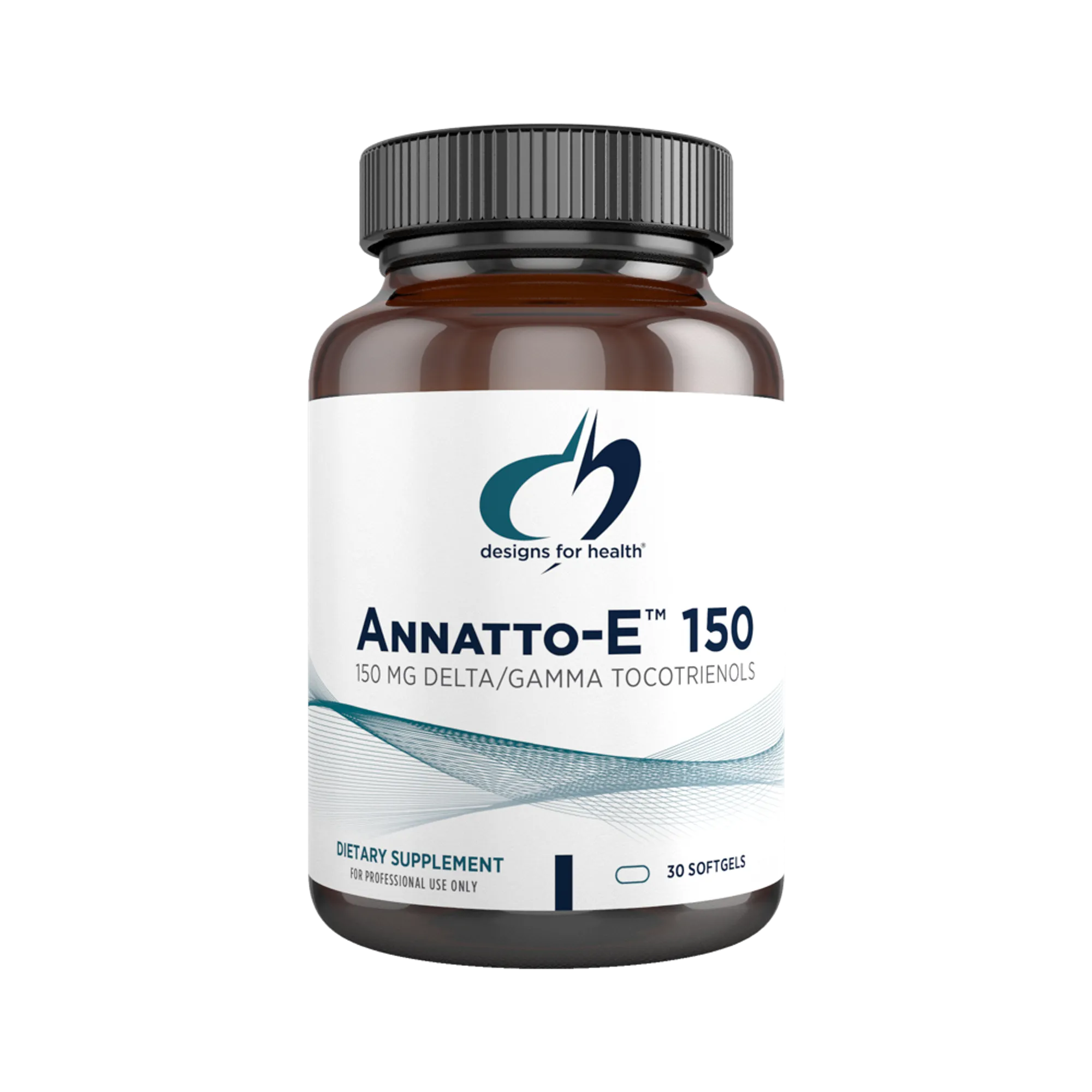
Annatto-E® 150 utilizes this exact DeltaGold® extract, providing a highly concentrated, clinically relevant dose of 150 mg per softgel. By completely eliminating alpha-tocopherol from the formula, Annatto-E® 150 ensures that the delta- and gamma-tocotrienols do not have to compete for absorption in the gut or transport in the liver. This unhindered pathway allows these powerful molecules to reach systemic circulation and enter the tissues where they are desperately needed to combat chronic inflammation and cellular dysfunction.
To understand why a potent, membrane-penetrating antioxidant like delta-tocotrienol is so vital, we must examine the pathophysiology of complex chronic illnesses. Conditions like Long COVID and ME/CFS are not simply states of being "tired"; they are characterized by profound, systemic cellular dysfunction. At the core of this dysfunction is severe oxidative stress and mitochondrial impairment. When the body is exposed to a severe viral infection, such as SARS-CoV-2, the immune system mounts a massive inflammatory response. While this is necessary to clear the acute infection, in susceptible individuals, this response fails to shut off, leading to a continuous overproduction of reactive oxygen species (ROS).
These ROS are highly unstable molecules that aggressively steal electrons from surrounding cellular structures, causing widespread damage known as oxidative stress. The primary victims of this oxidative assault are the mitochondria, the microscopic powerhouses responsible for generating adenosine triphosphate (ATP), the energy currency of the cell. Recent research on Long COVID biomarkers has identified significant mitochondrial structural abnormalities in patients, including swollen mitochondria with disrupted cristae and impaired mitochondrial recycling. This physical damage to the mitochondria drastically reduces their ability to produce energy, directly contributing to the debilitating fatigue and post-exertional malaise (PEM) that patients experience. If you want to understand more about the origins of these symptoms, you can read our detailed guide on What Causes Long COVID?.
This mitochondrial damage creates a vicious cycle. Damaged mitochondria become inefficient, leaking even more ROS into the cell, which in turn causes further structural damage. This self-perpetuating loop is often referred to as the NO/ONOO- (nitric oxide/peroxynitrite) cycle, a biochemical mechanism heavily implicated in the pathogenesis of ME/CFS. Breaking this cycle requires an antioxidant powerful enough to penetrate the mitochondrial lipid membrane and neutralize the ROS at their source—a task that standard alpha-tocopherol often struggles to accomplish, but at which delta-tocotrienol excels.
Beyond mitochondrial dysfunction, Long COVID and ME/CFS are heavily driven by chronic, systemic inflammation, particularly neuroinflammation (inflammation within the brain and central nervous system). This persistent inflammatory state is largely controlled by a master genetic transcription factor known as Nuclear Factor kappa B (NF-κB). In a healthy body, NF-κB is activated temporarily to fight off pathogens or heal injuries. However, in complex chronic illnesses, NF-κB becomes locked in an "on" position, continuously instructing the cell's DNA to produce and release pro-inflammatory cytokines.
These cytokines, which include Interleukin-6 (IL-6), Interleukin-1 beta (IL-1β), and Tumor Necrosis Factor-alpha (TNF-α), flood the bloodstream and cross the blood-brain barrier. Once inside the brain, they activate microglial cells (the brain's resident immune cells), creating a localized storm of neuroinflammation. This neuroinflammatory cascade is a primary driver of the severe cognitive dysfunction, memory loss, and "brain fog" that plague so many patients. To learn more about how these symptoms manifest, explore our article on What Are the Symptoms of Long COVID?.
Furthermore, recent studies on Epstein-Barr virus reactivation suggest that latent viral infections can continuously trigger this NF-κB pathway, creating an acquired immunodeficiency and chronic innate inflammation that sustains the disease state. Managing this complex web of neuroinflammation requires therapeutic agents capable of crossing the blood-brain barrier and directly downregulating the NF-κB transcription factor, effectively turning off the genetic switch that drives the inflammatory cascade.
Another critical piece of the chronic illness puzzle is the dysregulation of the innate immune system, specifically the mast cells. Mast cell activation syndrome (MCAS) is a frequent comorbidity of Long COVID, ME/CFS, and dysautonomia. Mast cells are specialized white blood cells located throughout the body, particularly in tissues that interface with the external environment, such as the skin, the gastrointestinal tract, and the respiratory system. They are packed with granules containing histamine, heparin, and hundreds of other inflammatory mediators.
In MCAS, these mast cells become hyper-responsive and unstable. They inappropriately degranulate (release their contents) in response to minor triggers like specific foods, temperature changes, stress, or even physical exertion. This massive release of histamine and cytokines causes systemic, unpredictable symptoms ranging from hives and gastrointestinal distress to sudden drops in blood pressure and severe tachycardia (rapid heart rate). This autonomic instability further exacerbates the symptoms of dysautonomia and POTS (Postural Orthostatic Tachycardia Syndrome).
The degranulation of mast cells is tightly controlled by complex intracellular signaling pathways, heavily involving an enzyme called Protein Kinase C (PKC). When PKC is overactive, mast cells are highly prone to degranulation. Therefore, finding compounds that can naturally modulate PKC activity and stabilize the mast cell membrane is a crucial strategy for managing MCAS and the cascading autonomic symptoms it provokes.
Annatto-E® 150 addresses the profound cellular dysfunction of chronic illness through several distinct, scientifically validated mechanisms. The first and perhaps most critical mechanism is its ability to neutralize severe oxidative stress by activating the Nrf2 (Nuclear factor erythroid-2-related factor 2) pathway. Nrf2 is a master regulatory protein that acts as the body's internal thermostat for oxidative stress. When activated, Nrf2 travels into the nucleus of the cell and binds to the Antioxidant Response Element (ARE) within the DNA.
Binding to the ARE triggers the transcription of a vast array of endogenous (internally produced) antioxidant enzymes, including superoxide dismutase, catalase, and glutathione peroxidase. NIH studies on Nrf2 activation have shown that delta-tocotrienol is a potent activator of this Nrf2 pathway. By stimulating this pathway, delta-tocotrienol doesn't just act as a single antioxidant molecule; it dramatically upregulates the body's entire antioxidant defense infrastructure.
One of the most vital outcomes of Nrf2 activation is the restoration of the cellular glutathione ratio (GSH/GSSG). Glutathione is the body's master antioxidant. In chronic illnesses like Long COVID and ME/CFS, glutathione is rapidly depleted (oxidized into GSSG) as it attempts to fight off the massive ROS burden. Delta-tocotrienol helps scavenge intracellular reactive oxygen species and actively restores the ratio of reduced (active) glutathione to oxidized glutathione. This restoration is critical for protecting the delicate mitochondrial cristae from lipid peroxidation, thereby supporting the recovery of cellular energy production and helping to mitigate the crushing fatigue of post-exertional malaise.
While activating Nrf2 builds up the body's defenses, delta-tocotrienol simultaneously works to shut down the offensive inflammatory assault by inhibiting the NF-κB pathway. As discussed earlier, NF-κB is the master switch that drives the continuous production of inflammatory cytokines in Long COVID and ME/CFS. Delta-tocotrienol intercepts this signaling pathway at a fundamental molecular level.
Research on delta-tocotrienol mechanisms demonstrates that it physically reduces the protein expression of p65, a crucial subunit of the NF-κB complex. Furthermore, it upregulates A20, an anti-inflammatory protein that actively blocks the activation of NF-κB. By preventing NF-κB from entering the nucleus and binding to the DNA, delta-tocotrienol effectively silences the genetic command to produce inflammation.
The downstream effects of this inhibition are profound. Clinical and in vitro studies show that delta-tocotrienol significantly decreases the secretion of major pro-inflammatory cytokines, including Interleukin-6 (IL-6), Tumor Necrosis Factor-alpha (TNF-α), and high-sensitivity C-reactive protein (hs-CRP). Because delta-tocotrienol easily crosses the blood-brain barrier, this NF-κB inhibition occurs not just systemically, but directly within the central nervous system, helping to calm the activated microglial cells and reduce the neuroinflammation responsible for severe brain fog and cognitive impairment.
For patients dealing with the unpredictable, systemic reactions of Mast Cell Activation Syndrome (MCAS), Annatto-E® 150 offers a highly targeted mechanism of action. The degranulation of mast cells—the explosive release of histamine and other mediators—is heavily dependent on the activation of Protein Kinase C (PKC). When PKC is overstimulated, mast cells become highly volatile and reactive to minor environmental triggers.
Research on mast cell stabilization has demonstrated that tocotrienols actively suppress mast cell degranulation by inhibiting PKC activity. By modulating this specific enzymatic pathway, tocotrienols help to stabilize the mast cell membrane, raising the threshold required for degranulation. This means that mast cells are less likely to inappropriately dump histamine into the bloodstream.
Furthermore, because tocotrienols alter gene expression related to mast cell proliferation and survival, they provide a foundational, cellular-level approach to managing MCAS, rather than simply blocking histamine receptors after the fact (which is how standard H1 and H2 antihistamines function). This stabilization is crucial for reducing the systemic allergic symptoms and autonomic spikes associated with MCAS flares.
Finally, delta- and gamma-tocotrienols provide exceptional support for the cardiovascular system and the endothelial lining of blood vessels. Chronic inflammation and oxidative stress severely damage the endothelium, contributing to the vascular dysfunction and microclotting frequently observed in Long COVID. Tocotrienols protect these delicate endothelial cells from oxidative damage, helping to maintain healthy vascular tone and blood flow.
Additionally, tocotrienols possess a unique ability to naturally inhibit HMG-CoA reductase, the primary enzyme responsible for synthesizing cholesterol in the liver. This is the exact same enzymatic pathway targeted by prescription statin drugs, but tocotrienols achieve this inhibition naturally and without the associated mitochondrial toxicity often seen with statins. By downregulating HMG-CoA reductase, tocotrienols help maintain healthy lipid profiles, lower triglycerides, and reduce the systemic cardiovascular burden, which is particularly beneficial for patients dealing with metabolic complications alongside their chronic illness.
Because Annatto-E® 150 operates at the foundational cellular level—modulating genetic transcription, stabilizing membranes, and neutralizing free radicals—it has the potential to positively impact a wide array of interconnected symptoms. While it is not a cure for complex chronic conditions, integrating pure delta- and gamma-tocotrienols into a comprehensive management protocol may help alleviate the severity and frequency of several debilitating symptoms.
Based on its specific biochemical mechanisms of action, here are the primary symptoms that Annatto-E® 150 may help manage:
Cognitive Dysfunction and Brain Fog: By crossing the blood-brain barrier and directly inhibiting the NF-κB inflammatory pathway, delta-tocotrienol helps calm activated microglial cells. This reduction in localized neuroinflammation can lead to improvements in mental clarity, memory retrieval, and sustained focus, mitigating the profound cognitive impairment often described as "brain fog."
Post-Exertional Malaise (PEM) and Severe Fatigue: By activating the Nrf2 pathway and restoring intracellular glutathione levels, tocotrienols protect the mitochondrial cristae from severe oxidative damage. Preserving mitochondrial structural integrity allows for more efficient ATP (energy) production, which may help raise the baseline threshold for exertion and reduce the severity of PEM crashes.
Systemic Allergic Reactions and Histamine Intolerance: Through the inhibition of Protein Kinase C (PKC), tocotrienols help stabilize hyper-reactive mast cells. This raises the threshold for degranulation, potentially reducing the frequency of MCAS-driven symptoms such as sudden hives, gastrointestinal distress, flushing, and unexplained allergic responses to foods or environmental triggers.
Cardiovascular and Autonomic Instability: By protecting the endothelial lining of blood vessels from oxidative stress and reducing systemic inflammatory cytokines (like IL-6 and TNF-α), tocotrienols support healthy vascular tone. This can be particularly beneficial for patients with dysautonomia and POTS, as improved endothelial function helps regulate blood pressure and may reduce the severity of tachycardic episodes.
Metabolic Dysfunction and Lipid Imbalances: For patients whose chronic illness is complicated by metabolic syndrome or non-alcoholic fatty liver disease (NAFLD), the ability of tocotrienols to naturally inhibit HMG-CoA reductase can help support healthy cholesterol levels, lower triglycerides, and reduce hepatic steatosis (fat accumulation in the liver).
Living with conditions like Long COVID and ME/CFS requires a paradigm shift in how we approach treatment. These are not single-organ diseases; they are multi-systemic dysfunctions that affect the brain, the immune system, the vascular network, and the cellular mitochondria simultaneously. Therefore, finding therapeutic agents that can address multiple pathways at once is incredibly valuable.
Annatto-E® 150 is uniquely suited for this multi-system approach. It does not just act as a simple antioxidant; it acts as a genetic modulator, an anti-inflammatory agent, a mast cell stabilizer, and a lipid-lowering compound all at once. By addressing the root mechanisms of oxidative stress and NF-κB activation, it helps to quiet the systemic alarm bells ringing throughout the body. If you are struggling to manage the daily reality of these overlapping symptoms, you may find helpful strategies in our guide on How Can You Live with Long-Term COVID.
When considering tocotrienol supplementation, the most critical factor is the absence of alpha-tocopherol. This is not merely a marketing claim; it is a fundamental reality of human pharmacokinetics. The issue stems from how the liver processes Vitamin E. Once absorbed in the gut, all forms of Vitamin E travel to the liver, where they must bind to a specific transport protein called the Alpha-Tocopherol Transfer Protein (α-TTP) to be repackaged into VLDL cholesterol and secreted back into the bloodstream for delivery to cellular tissues.
The problem is that α-TTP has an affinity for alpha-tocopherol that is approximately 8.5 times higher than its affinity for tocotrienols. Research on the alpha-TTP bottleneck demonstrates that when alpha-tocopherol and tocotrienols are consumed together, the alpha-tocopherol aggressively outcompetes the tocotrienols for binding sites on the α-TTP. As a result, the tocotrienols are left "stranded" in the liver, where they are rapidly catabolized (broken down) and excreted in the urine, never reaching the systemic circulation or the tissues that need them.
This bio-discrimination is why clinical trials often show that alpha-tocopherol actively blunts the therapeutic efficacy of tocotrienols. For example, while pure tocotrienols can significantly inhibit cholesterol synthesis, co-administering them with alpha-tocopherol drastically reduces this beneficial effect. This is the primary reason why Annatto-E® 150 is formulated exclusively with DeltaGold® annatto extract—it guarantees a 100% tocopherol-free delivery system, ensuring that the delta- and gamma-tocotrienols have unimpeded access to the liver's transport proteins and can achieve maximum systemic bioavailability.
Even without the interference of alpha-tocopherol, tocotrienols inherently suffer from poor absolute oral absorption. Human pharmacokinetic data shows that the absolute oral absorption rate is only about 8.5% for delta-tocotrienol and 9.1% for gamma-tocotrienol. Furthermore, they have a very short elimination half-life in the bloodstream, ranging from just 2.3 to 4.4 hours. This rapid clearance means that optimizing absorption is absolutely critical to achieving clinical benefits.
Because tocotrienols are highly lipophilic (fat-soluble) molecules, their absorption in the gastrointestinal tract is entirely dependent on the presence of dietary fat. Consuming tocotrienols on an empty stomach will result in almost zero absorption. To successfully cross the intestinal wall, tocotrienols require the gallbladder to release bile, which emulsifies the dietary fats and the tocotrienols into microscopic spheres called micelles. These micelles then transport the tocotrienols into the lymphatic system and eventually the bloodstream. Therefore, Annatto-E® 150 must always be taken alongside a meal that contains a substantial amount of healthy fats, such as avocados, olive oil, nuts, or fatty fish.
Clinical trials utilizing DeltaGold® have provided clear guidance on optimal dosing strategies. For general cardiovascular support, metabolic health, and baseline inflammatory balance, a dose of 150 mg to 300 mg per day is highly effective. Annatto-E® 150 provides exactly 150 mg per softgel, making it easy to achieve this evidence-based therapeutic window. For more severe metabolic conditions, such as non-alcoholic fatty liver disease (NAFLD), clinical trials have successfully and safely utilized higher doses of up to 600 mg per day (typically divided into two 300 mg doses).
Timing is also a crucial consideration, particularly if you are taking other supplements. Because of the alpha-tocopherol interference problem, you must ensure that you are not inadvertently consuming alpha-tocopherol at the same time as your Annatto-E® 150. Check your daily multivitamin, omega-3 fish oil, or other complex supplement blends, as alpha-tocopherol is frequently added as a preservative to prevent oils from going rancid. If you must take a supplement containing alpha-tocopherol, clinical consensus recommends separating the doses by at least 6 to 8 hours (e.g., taking the multivitamin in the morning and the Annatto-E® 150 with dinner) to bypass the liver's α-TTP bottleneck entirely.
Tocotrienols have an excellent safety profile and are generally very well tolerated. Extensive clinical trials utilizing doses up to 600 mg daily for 48 weeks have reported no significant adverse events or negative impacts on kidney or liver function. However, because all forms of Vitamin E possess mild anti-platelet (blood-thinning) properties, caution is advised for individuals taking prescription anticoagulant medications (such as warfarin or Eliquis) or those with bleeding disorders. Always consult with your prescribing healthcare provider before introducing high-dose tocotrienols to ensure they do not interact with your current pharmaceutical regimen.
The therapeutic efficacy of pure delta- and gamma-tocotrienols is not merely theoretical; it is backed by a robust and growing body of human clinical trials, particularly utilizing the specific DeltaGold® extract found in Annatto-E® 150. A landmark 30-week clinical study led by Dr. Asaf Qureshi evaluated the effects of DeltaGold on hypercholesterolemic individuals. Clinical trials on DeltaGold tested varying doses and discovered that a precise dose of 250 mg/day was optimal. Within just four weeks, this dose decreased total cholesterol by 15%, LDL cholesterol by 18%, and triglycerides by 14%, while simultaneously downregulating major inflammatory cytokines (like TNF-alpha and IL-6) by up to 64%.
Further reinforcing these metabolic benefits, a 2022 randomized clinical trial on Metabolic Syndrome (MetS) tested the synergistic effects of delta-tocotrienol combined with resveratrol over 24 weeks. The participants experienced significant improvements across all five risk areas of MetS, including substantial drops in systolic and diastolic blood pressure, a 16% reduction in triglycerides, and measurable decreases in systemic inflammation. These trials underscore the profound ability of pure tocotrienols to modulate lipid metabolism and protect endothelial function.
The neuroprotective capabilities of tocotrienols are equally compelling, particularly for patients suffering from the severe cognitive dysfunction associated with Long COVID and ME/CFS. Because their unsaturated isoprenoid tails allow them to easily cross the blood-brain barrier, tocotrienols can directly intervene in neuroinflammatory cascades. In clinical and in vitro models, tocotrienol-rich fractions have been proven to significantly increase the survival rate of astrocytes (crucial support cells in the central nervous system) when exposed to glutamate-induced toxicity.
By shielding these vital brain cells from structural damage and oxidative stress, tocotrienols help preserve the integrity of the neural network. Furthermore, by downregulating the transcription factors responsible for localized brain inflammation and lipid peroxidation in the hippocampus, delta- and gamma-tocotrienols offer a powerful, targeted approach to mitigating the neurotoxic environment that drives severe brain fog and memory impairment.
Fascinating new research is also beginning to explicitly link tocotrienol metabolism to viral recovery. A highly detailed metabolomics study on COVID-19 recovery analyzed the blood plasma of patients and found that the abundance of carboxy-tocotrienol (a specific tocotrienol metabolite) significantly increased in individuals who successfully recovered from the virus. The researchers concluded that tocotrienols play a crucial role in improving the biological response to oxidative stress and regulating inflammation during viral convalescence, offering a molecular clue as to why some patients recover while others develop Long COVID. If you are wondering about the timeline of these post-viral illnesses, you can read more in our article How Long Does Long COVID Last?.
Additionally, extensive trials have demonstrated the safety and efficacy of high-dose DeltaGold® in treating severe liver inflammation. In a 24-week double-blind, placebo-controlled trial involving patients with Non-Alcoholic Fatty Liver Disease (NAFLD), participants taking 600 mg/day of delta-tocotrienol saw highly significant reductions in circulating inflammatory biomarkers (hs-CRP), decreases in hepatic steatosis, and improvements in insulin resistance, all without any reported adverse events. This robust safety data, combined with profound anti-inflammatory efficacy, makes pure tocotrienols a compelling therapeutic option for complex, multi-systemic chronic illnesses.
Living with Long COVID, ME/CFS, dysautonomia, or MCAS is a profoundly challenging experience. The invisible nature of these illnesses, combined with the lack of standardized medical treatments, often leaves patients feeling dismissed and overwhelmed. The crushing fatigue, the unpredictable autonomic spikes, and the persistent brain fog are not in your head; they are the result of measurable, systemic cellular dysfunction, oxidative stress, and chronic inflammation. Validating this biological reality is the first crucial step toward finding effective management strategies. If you are exploring the interconnected nature of these conditions, you may find our article Can Long COVID Trigger ME/CFS? Unraveling the Connection helpful.
While there is no single "magic pill" that can instantly cure complex chronic illnesses, targeted nutritional interventions that address the root mechanisms of cellular damage can significantly improve your quality of life. Annatto-E® 150 offers a highly specific, scientifically validated tool for this purpose. By delivering pure, tocopherol-free delta- and gamma-tocotrienols, it bypasses the liver's absorption bottlenecks to directly neutralize mitochondrial oxidative stress, inhibit the NF-κB inflammatory pathway, and stabilize hyper-reactive mast cells.
Supplements like Annatto-E® 150 are most effective when integrated into a comprehensive, multi-disciplinary management protocol. This includes aggressive radical resting and pacing to prevent PEM crashes, nervous system regulation techniques to calm autonomic hyperarousal, dietary modifications to support mast cell stability, and ongoing collaboration with a knowledgeable healthcare provider who understands the nuances of post-viral and complex chronic conditions. By addressing the cellular foundations of your health, you can begin to rebuild your body's resilience and move toward a more stable, functional future.