Can Adrenal Cortex Support Energy and Stress Resilience in Long COVID and ME/CFS?
March 6, 2026
Adrenal CortexLong COVIDME/CFS
Share:
Disclaimer: The information provided here is for educational purposes only and is not intended as medical advice. It should not be used to diagnose, treat, cure, or prevent any medical condition. Instead, use it as a starting point for discussion with your healthcare provider. Always consult with a qualified healthcare provider before starting any new medication, supplement, device, or making changes to your health regimen.
You wake up after ten hours of sleep, yet your body feels as heavy as lead. Your mind is racing, your heart is pounding, but your physical energy is completely depleted—a frustrating state often described by patients as feeling "tired and wired." For individuals living with complex chronic conditions like Long COVID, myalgic encephalomyelitis/chronic fatigue syndrome (ME/CFS), and dysautonomia, this profound exhaustion is not merely a lack of sleep; it is a fundamental disruption of the body's stress response system. When standard blood tests return "normal," it can be incredibly invalidating, leaving you searching for answers to explain why your body can no longer handle even minor physical or emotional stressors.
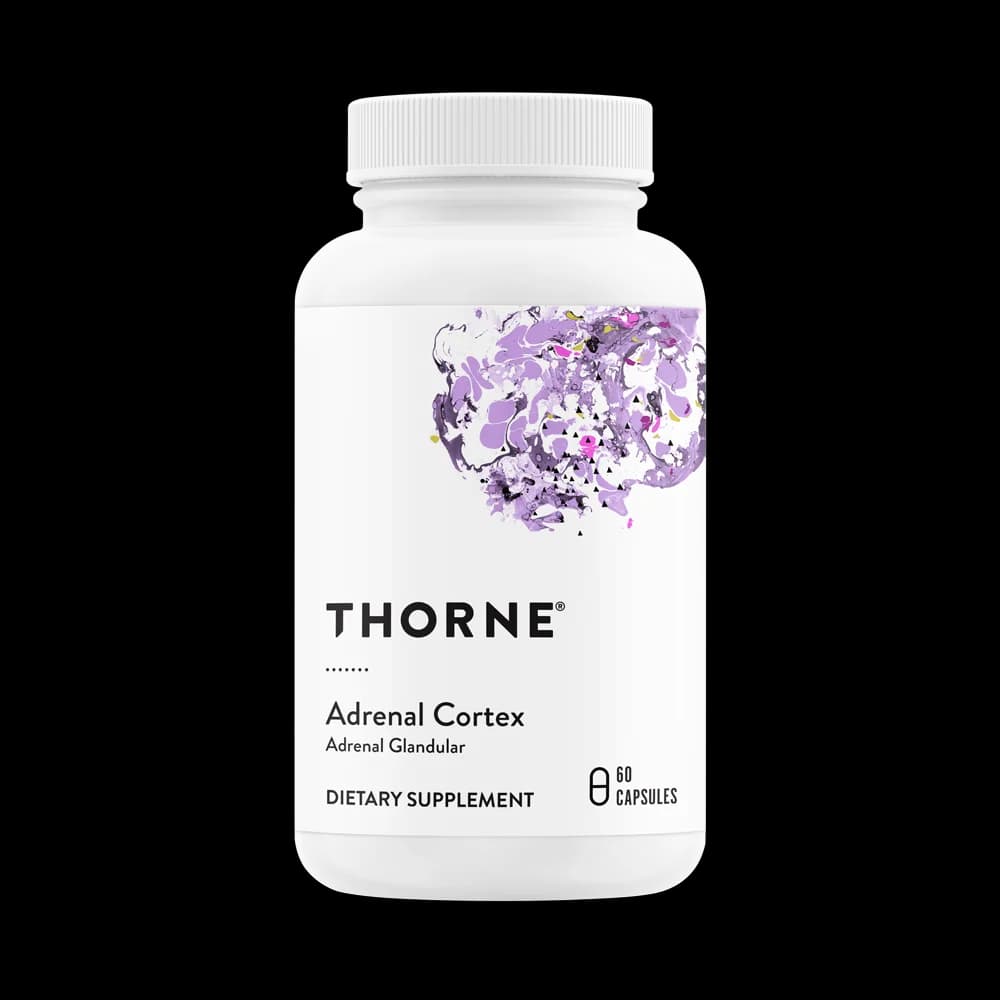
The key to understanding this debilitating fatigue often lies in the hypothalamic-pituitary-adrenal (HPA) axis, the intricate communication network that governs your body's survival mechanisms. In the wake of severe viral infections or prolonged chronic stress, this delicate system can become dysregulated, leading to a state where the adrenal glands fail to produce adequate levels of essential hormones like cortisol. This is where targeted nutritional and glandular support comes into the clinical conversation. Thorne’s Adrenal Cortex, a supplement derived from bovine adrenal tissue, is designed to provide the specific building blocks necessary to support healthy adrenal function. By exploring the deep biochemistry of the adrenal glands and the pathophysiology of post-viral syndromes, we can better understand how supporting the HPA axis may help restore a sense of energetic balance and resilience.
TL;DR
Chronic illness can disrupt your HPA axis, leading to low cortisol and profound "tired and wired" fatigue.
Adrenal cortex supplements may support healthy cortisol production without the overstimulating effects of whole adrenal glandulars.
Taking adrenal cortex in the morning may help re-establish natural circadian rhythms and improve daily energy.
Always consult a healthcare provider before starting glandular supplements to ensure safety and proper dosing.
What is Adrenal Cortex?
To understand how an adrenal cortex supplement works, we must first look at the intricate anatomy of the adrenal glands themselves. Located just above your kidneys, these two small, triangular glands are powerhouses of the endocrine system, responsible for producing hormones that regulate metabolism, immune response, blood pressure, and stress management. Anatomically, the adrenal gland is divided into two distinct regions: the inner medulla and the outer cortex. The adrenal medulla is responsible for synthesizing catecholamines, primarily epinephrine (adrenaline) and norepinephrine, which drive the immediate, short-term "fight-or-flight" response to acute danger. Because these hormones are highly stimulatory, whole adrenal glandular supplements that include the medulla can often cause anxiety, palpitations, and overstimulation in sensitive patients.
The outer layer, known as the adrenal cortex, is entirely different in its function and hormonal output. It makes up about 80% of the gland's total volume and is responsible for producing corticosteroids, which manage the body's long-term response to stress and maintain physiological homeostasis. The adrenal cortex is further subdivided into three microscopic zones, each with a highly specialized role. The outermost zone, the zona glomerulosa, produces mineralocorticoids like aldosterone, which regulate sodium and potassium balance to maintain healthy blood pressure. The middle and largest zone, the zona fasciculata, produces glucocorticoids, the most famous of which is cortisol. Finally, the innermost zone, the zona reticularis, produces adrenal androgens like dehydroepiandrosterone (DHEA), which serve as precursors to sex hormones.
When we talk about adrenal support in the context of chronic illness, we are almost exclusively focusing on the function of the adrenal cortex, particularly its production of cortisol and aldosterone. Cortisol is often unfairly vilified as the "stress hormone" that causes weight gain and anxiety, but in a healthy body, it is an absolutely vital, life-sustaining molecule. It acts as the body's primary endogenous anti-inflammatory agent, helps regulate the sleep-wake cycle, and mobilizes glucose to ensure the brain and muscles have enough energy to function. Without adequate cortisol production from the adrenal cortex, the body quickly succumbs to systemic inflammation, profound weakness, and metabolic collapse.
The adrenal cortex does not operate independently; it is under the strict regulatory control of the brain, specifically through a pathway known as the hypothalamic-pituitary-adrenal (HPA) axis. This complex neuroendocrine feedback loop begins in the hypothalamus, a small region at the base of the brain that acts as the body's master sensor. When the hypothalamus detects physiological or psychological stress—whether from a viral infection, physical exertion, or emotional trauma—it secretes corticotropin-releasing hormone (CRH). CRH travels a short distance to the anterior pituitary gland, prompting it to synthesize and release adrenocorticotropic hormone (ACTH) into the systemic bloodstream.
Once ACTH reaches the adrenal glands, it binds to specific melanocortin 2 receptors (MC2R) on the surface of the cells in the adrenal cortex. This binding initiates a complex cascade of intracellular events, primarily upregulating the activity of the enzyme CYP11A1, which converts cholesterol into pregnenolone—the foundational biochemical step in all steroid hormone synthesis. As cortisol is produced and released into the blood, it exerts its necessary metabolic and anti-inflammatory effects. Crucially, cortisol also travels back to the brain to inhibit the further release of CRH and ACTH. This negative feedback loop ensures that the stress response is self-limiting, preventing the body from remaining in a perpetual state of high alert once the initial threat has passed.
In a healthy individual, the HPA axis operates on a strict circadian rhythm. Cortisol levels naturally begin to rise in the early morning hours, peaking shortly after waking—a phenomenon known as the Cortisol Awakening Response (CAR). This morning surge is what gives us the energy and mental clarity to start the day. As the day progresses, cortisol levels gradually decline, reaching their lowest point late at night to allow for the release of melatonin and the onset of restorative sleep. However, when the HPA axis is subjected to the relentless, unyielding stress of a chronic, systemic illness, this elegant diurnal curve can become severely flattened or inverted, leading to the debilitating sleep and energy disturbances seen in post-viral syndromes.
The use of animal-derived glandular tissues, such as bovine adrenal cortex, is rooted in a historical medical practice known as organotherapy. Dating back to the late 19th and early 20th centuries, organotherapy operates on the principle of "like supports like"—the theory that consuming the specific tissue of a healthy animal can provide targeted nutritional support, repair, and normalization to the corresponding organ in a human. While modern pharmacology has largely shifted toward isolating and synthesizing single active compounds, functional and integrative medicine practitioners continue to utilize glandular extracts for their complex, synergistic profiles of nutrients, enzymes, and tissue-specific peptides.
Proponents of glandular therapy suggest that a high-quality adrenal cortex extract provides the exact biochemical building blocks—including specific nucleoproteins, lipid factors, and enzymatic precursors—that the human adrenal glands require to synthesize their own hormones efficiently. The theoretical mechanism is that by supplying these pre-formed, tissue-specific components, the supplement reduces the metabolic and enzymatic burden on the patient's own adrenal glands. This is thought to provide a period of "rest" for an overtaxed HPA axis, allowing the cellular machinery of the adrenal cortex to recover its capacity for endogenous hormone production without being constantly forced to synthesize every component from scratch.
It is important to distinguish between whole adrenal glandulars and isolated adrenal cortex extracts. As mentioned, whole gland supplements contain the medulla, which can inadvertently dose the patient with adrenaline, exacerbating the sympathetic nervous system overdrive often seen in dysautonomia and POTS. By utilizing only the cortex, supplements like Thorne's Adrenal Cortex aim to specifically target the pathways responsible for cortisol and aldosterone production, offering a more focused approach to supporting stress resilience and energy metabolism without the unwanted stimulatory side effects of catecholamines.
How Chronic Illness Impacts the HPA Axis
To understand why patients with complex chronic illnesses experience such profound exhaustion, we must examine how these conditions physically alter the HPA axis. In recent years, researchers investigating What Causes Long COVID? have uncovered striking evidence that SARS-CoV-2 has a high affinity for endocrine tissues. The virus gains entry into human cells by binding to ACE2 receptors, which are densely expressed not only in the lungs but also in the hypothalamus, the pituitary gland, and the adrenal glands themselves. This direct viral invasion can lead to localized inflammation, known as hypophysitis (inflammation of the pituitary) or adrenalitis, which severely impairs the tissues' ability to synthesize and secrete hormones.
One of the most significant clinical findings in post-viral syndromes is the high prevalence of central, or secondary, adrenal insufficiency. Unlike primary Addison's disease, where the adrenal glands themselves are permanently destroyed by an autoimmune attack, central adrenal insufficiency originates in the brain. Studies, including a 2024 investigation published in Frontiers in Endocrinology, have shown that a substantial percentage of Long COVID patients exhibit hypocortisolism (low cortisol) driven by a failure of the pituitary gland to release adequate ACTH. Because the brain is not sending the signal, the adrenal cortex remains under-stimulated, leading to a chronic deficit in cortisol production. This lack of cortisol deprives the body of its primary mechanism for managing stress and maintaining energy.
This central HPA axis dysfunction is not unique to Long COVID; it has been a recognized hallmark of ME/CFS for decades. In fact, the overlapping endocrine profiles are a major reason researchers are actively investigating Can Long COVID Trigger ME/CFS? Unraveling the Connection. In ME/CFS, patients consistently demonstrate a blunted Cortisol Awakening Response (CAR) and a flattened diurnal curve. The brain appears to become hypersensitive to negative feedback, prematurely shutting down CRH and ACTH production even when peripheral cortisol levels are dangerously low. This neuroendocrine failure leaves patients entirely unequipped to handle the metabolic demands of daily life, resulting in the hallmark symptom of post-exertional malaise (PEM).
The consequences of low cortisol extend far beyond simple fatigue; they fundamentally alter the body's immune landscape. Cortisol is the body's most potent endogenous anti-inflammatory hormone. Under normal circumstances, when the immune system mounts an inflammatory response to a pathogen or injury, the resulting cytokines (like IL-6 and TNF-alpha) stimulate the HPA axis to release cortisol. The cortisol then acts as a crucial brake, suppressing the immune response once the threat is neutralized to prevent excessive tissue damage. This delicate balance ensures that inflammation is transient and resolving.
However, in conditions characterized by central adrenal insufficiency, this braking mechanism is broken. Because the HPA axis fails to mount an adequate cortisol response, the immune system is left unchecked, leading to a state of chronic, systemic inflammation. This persistent inflammation, particularly neuroinflammation driven by activated microglia in the brain, further damages the delicate structures of the hypothalamus and pituitary gland. This creates a vicious, self-perpetuating cycle: viral or inflammatory damage blunts the HPA axis, resulting in low cortisol, which allows inflammation to run rampant, which in turn causes further damage to the HPA axis. Breaking this cycle is one of the primary challenges in managing post-viral fatigue syndromes.
This unchecked inflammation is also a primary driver of the severe cognitive dysfunction, or "brain fog," experienced by so many patients. When peripheral cytokines cross the blood-brain barrier in the absence of adequate cortisol regulation, they disrupt neurotransmitter synthesis and impair synaptic plasticity. Patients often describe feeling as though their brain is wading through wet concrete, a direct neurological consequence of the neuroimmune tug-of-war resulting from HPA axis dysregulation. Understanding this mechanism is crucial for patients wondering How Long Does Long COVID Last?, as recovery often depends on restoring this delicate neuroendocrine balance.
Another critical biochemical mechanism that impacts the adrenal cortex during chronic illness is a phenomenon often referred to in functional medicine as the "pregnenolone steal" or the "cortisol shunt." As previously mentioned, all steroid hormones produced in the adrenal cortex—including cortisol, aldosterone, and DHEA—are synthesized from a single common precursor molecule: cholesterol, which is first converted into pregnenolone. In a healthy, balanced state, pregnenolone is distributed evenly down multiple enzymatic pathways to produce appropriate amounts of glucocorticoids, mineralocorticoids, and sex hormones.
However, when the body is locked in a state of chronic, unrelenting physiological stress—such as fighting a persistent viral reservoir, managing chronic pain, or dealing with the autonomic chaos of dysautonomia—the HPA axis demands massive, continuous amounts of cortisol to survive. To meet this demand, the body aggressively shunts pregnenolone away from the pathways that produce DHEA and sex hormones, redirecting it almost entirely toward cortisol production. Over time, this constant diversion depletes the body's reserves of DHEA, a vital anabolic hormone that supports tissue repair, immune function, and mood stability.
Eventually, the sheer metabolic demand outpaces the adrenal cortex's ability to synthesize cortisol, even with the pregnenolone shunt in full effect. The enzymatic machinery becomes exhausted, cellular energy (ATP) within the adrenal mitochondria is depleted, and the gland can no longer maintain adequate hormone output. This is the stage where patients transition from feeling "wired and anxious" (high cortisol) to "exhausted and depleted" (low cortisol). Supporting the adrenal cortex with targeted nutrients and glandular extracts is theorized to help replenish these depleted pathways, providing the raw materials needed to restore the balance between cortisol and DHEA production.
Adrenal Cortex: Supporting Stress Response and Energy
When the HPA axis is deeply dysregulated and the adrenal glands are struggling to meet the body's metabolic demands, supplementation with bovine adrenal cortex aims to intervene at the foundational cellular level. The primary mechanism of action proposed by functional medicine practitioners is that the extract provides a concentrated source of the specific raw materials required for steroidogenesis—the biological process by which steroid hormones are generated. This includes tissue-specific nucleoproteins, lipid precursors, and essential cofactors that the human adrenal cortex utilizes daily. By supplying these pre-formed elements, the supplement theoretically reduces the energetic and enzymatic burden on the patient's own adrenal cells.
At the molecular level, synthesizing cortisol is an incredibly complex and energy-intensive process. It requires the coordinated action of multiple cytochrome P450 enzymes within the mitochondria and smooth endoplasmic reticulum of the adrenal cells, including CYP11A1, CYP17A1, CYP21A2, and CYP11B1. Each of these enzymatic conversions requires cellular energy in the form of ATP, as well as specific molecular cofactors. When a patient is suffering from the mitochondrial dysfunction often seen in ME/CFS and Long COVID, their cells simply do not have the energy to drive these enzymatic pathways efficiently. Adrenal cortex extracts are believed to provide a supportive matrix of these necessary biological components, facilitating smoother enzymatic conversions and supporting the structural integrity of the adrenal tissue itself.
Furthermore, by providing these building blocks, the supplement may help mitigate the effects of the "pregnenolone steal." If the adrenal cortex has easier access to the raw materials it needs to produce cortisol, it may not need to aggressively shunt pregnenolone away from the production of DHEA and other restorative hormones. This can help restore a healthier ratio of cortisol to DHEA, which is a critical biomarker for stress resilience and overall endocrine health. While the exact pharmacokinetic pathways of glandular absorption are still debated in conventional endocrinology, the clinical improvements observed by integrative practitioners suggest a profound supportive role for these tissue-specific nutrients.
One of the most debilitating aspects of post-viral syndromes is the inversion or flattening of the natural diurnal cortisol curve. Patients frequently report waking up feeling completely unrefreshed, struggling through profound morning fatigue, only to experience a paradoxical surge of wired, anxious energy late at night that prevents restorative sleep. This circadian mismatch is a direct result of the HPA axis failing to produce the necessary Cortisol Awakening Response (CAR) in the morning, and failing to suppress cortisol production in the evening. Targeted supplementation with adrenal cortex is often utilized as a tool to help manually reset this broken circadian rhythm.
By taking an adrenal cortex supplement first thing in the morning, patients aim to mimic and support the body's natural physiological peak in cortisol production. The supportive nutrients and potential trace precursors in the extract help stimulate the adrenal glands at the exact time they should naturally be most active. This morning support can help lift the profound brain fog and physical heaviness that characterizes the start of the day for many ME/CFS and Long COVID patients. Over time, consistently supporting the morning peak can help retrain the HPA axis, signaling to the brain that the diurnal rhythm is being re-established.
Crucially, supporting the morning cortisol peak also sets the stage for better nighttime sleep. The endocrine system operates on a delicate balance of opposing hormones; a robust morning cortisol surge is necessary to trigger the appropriate decline in cortisol later in the day, which in turn allows for the optimal release of melatonin at night. By addressing the morning deficit, adrenal cortex supplementation can indirectly address the nighttime hyperarousal. This interconnectedness highlights why understanding Long COVID: Sleep Changes and Disturbances requires looking beyond basic sleep hygiene and addressing the root neuroendocrine dysregulation driving the insomnia.
While much of the focus on the adrenal cortex centers around cortisol, it is equally important to consider its role in producing aldosterone. Aldosterone is a mineralocorticoid synthesized in the zona glomerulosa of the adrenal cortex, and it plays a paramount role in regulating sodium and potassium levels in the blood. By signaling the kidneys to retain sodium, aldosterone helps the body hold onto water, thereby maintaining adequate blood volume and blood pressure. When the adrenal cortex is fatigued or under-stimulated by the HPA axis, aldosterone production can plummet alongside cortisol.
This drop in aldosterone is highly clinically relevant for patients with Long COVID and ME/CFS, as a significant percentage of these individuals develop dysautonomia, specifically Postural Orthostatic Tachycardia Syndrome (POTS). POTS is characterized by an inability to maintain stable blood pressure and heart rate upon standing, largely due to chronic hypovolemia (low blood volume). When aldosterone levels are low, the body excretes too much sodium and water in the urine, making it physiologically impossible to maintain the blood volume necessary for orthostatic tolerance. This leads to severe dizziness, tachycardia, and pre-syncope when standing.
By providing comprehensive support to the entire adrenal cortex, glandular supplements may help support the enzymatic pathways responsible for aldosterone synthesis, such as CYP11B2 (aldosterone synthase). Supporting healthy aldosterone levels allows the body to properly utilize dietary sodium and fluids, expanding blood volume and improving orthostatic stability. For patients struggling to remain upright due to dysautonomia, this indirect support of blood volume regulation can be a crucial piece of the symptom management puzzle, working synergistically with increased salt and fluid intake.

Symptoms Adrenal Cortex May Help Manage
Profound Morning Fatigue: By supporting the natural Cortisol Awakening Response (CAR), adrenal cortex may help alleviate the heavy, unrefreshing exhaustion that makes getting out of bed feel impossible for ME/CFS and Long COVID patients.
"Tired and Wired" Sensation: By providing the building blocks for healthy hormone synthesis, it helps stabilize the HPA axis, potentially reducing the paradoxical late-night hyperarousal caused by a flattened diurnal cortisol curve.
Orthostatic Intolerance and Dizziness: By supporting the zona glomerulosa's production of aldosterone, the supplement may aid in sodium retention and blood volume expansion, which is critical for managing dysautonomia and POTS symptoms upon standing.
Brain Fog and Cognitive Dysfunction: By supporting adequate cortisol levels, the supplement helps maintain the body's natural anti-inflammatory brakes, potentially reducing the neuroinflammation that drives cognitive impairment and memory issues.
Post-Exertional Malaise (PEM): While not a cure for PEM, supporting the adrenal glands provides the metabolic reserve necessary to handle minor physical and emotional stressors, potentially raising the threshold before a "crash" occurs.
Unrefreshing Sleep: By helping to re-establish a healthy morning cortisol peak, adrenal cortex indirectly supports the natural decline of cortisol in the evening, paving the way for optimal melatonin release and deeper, more restorative sleep cycles.
Poor Stress Tolerance: By supplying tissue-specific nucleoproteins and enzymatic cofactors, the supplement helps the adrenal glands respond more efficiently to sudden stressors without completely depleting the body's energy reserves.
Practical Considerations: Forms, Dosing, and Safety
When considering a glandular supplement, the source and quality of the raw materials are of paramount importance. Thorne’s Adrenal Cortex is derived from bovine (cow) tissue. Because glandular supplements are made from animal organs, there are valid historical concerns regarding the transmission of animal-borne pathogens, such as Bovine Spongiform Encephalopathy (BSE). To mitigate these risks, reputable nutraceutical companies like Thorne source their bovine tissue exclusively from countries with strict agricultural regulations and documented BSE-free statuses, such as Argentina. The tissue is typically freeze-dried (lyophilized) rather than heat-processed, a crucial step that preserves the delicate enzymatic structures, peptides, and nucleoproteins that give the glandular extract its therapeutic potential.
Bioavailability in the context of glandular therapy is a complex topic. Unlike a single synthesized vitamin, an adrenal cortex extract is a complex matrix of biological compounds. The human digestive system breaks down these tissues into their constituent amino acids, lipids, and trace minerals. However, proponents of organotherapy argue that certain tissue-specific peptides and nucleoproteins survive the digestive process intact, crossing the intestinal barrier via specialized transport mechanisms to exert targeted effects on the human adrenal glands. While the exact pharmacokinetic pathways are difficult to map in clinical trials, the clinical efficacy observed by practitioners suggests that the body effectively utilizes these complex biological substrates.
It is also vital to distinguish between isolated adrenal cortex and "whole adrenal" supplements. As previously discussed, whole adrenal products contain the adrenal medulla, which is rich in epinephrine (adrenaline). For a patient with Long COVID or ME/CFS who is already stuck in a state of sympathetic nervous system overdrive (fight-or-flight), ingesting exogenous adrenaline can trigger severe anxiety, heart palpitations, and worsening insomnia. By utilizing an isolated cortex extract, patients can target the pathways responsible for cortisol and aldosterone production without inadvertently adding fuel to the fire of autonomic nervous system dysfunction.
The timing of adrenal cortex supplementation is arguably just as important as the dosage itself. Because the goal of therapy is often to mimic and support the body's natural diurnal cortisol rhythm, the supplement must be taken in a way that aligns with human circadian biology. In a healthy endocrine system, cortisol levels are highest in the morning and lowest at midnight. Therefore, taking an adrenal support supplement late in the day can artificially elevate cortisol levels in the evening, severely disrupting the onset of sleep and exacerbating the "tired and wired" phenomenon.
Clinical practitioners generally recommend taking Thorne's Adrenal Cortex (which contains 50 mg per capsule) first thing in the morning, ideally with breakfast. For patients who experience a profound mid-afternoon "crash"—a common symptom of HPA axis dysregulation where cortisol levels plummet prematurely—a second, smaller dose may be taken around noon or 1:00 PM to provide a gentle bridge of support through the rest of the day. However, it is almost universally advised to avoid taking adrenal glandulars after 3:00 PM to ensure that the stimulatory effects have fully dissipated before bedtime.
When beginning an adrenal cortex protocol, the standard functional medicine approach is "start low and go slow." Patients with severe ME/CFS or Long COVID often have highly sensitive, reactive nervous systems. Starting with a single 50 mg capsule in the morning allows the patient to monitor their body's response. If the supplement causes unwanted jitteriness, anxiety, or an exacerbation of tachycardia, the dose may need to be adjusted or discontinued. Working closely with a healthcare provider to track symptoms and titrate the dosage is essential for finding the optimal level of support without causing overstimulation.
While adrenal cortex extracts are available over-the-counter, they are potent biological supplements that carry significant safety considerations and strict contraindications. The most critical warning involves the potential for HPA axis suppression. If an individual takes high doses of adrenal glandulars for an extended period, the brain may detect the exogenous support and downregulate its own production of CRH and ACTH. Over time, this negative feedback loop can cause the patient's natural adrenal function to atrophy. Therefore, adrenal cortex is generally intended for targeted, short-to-medium-term use under the guidance of a practitioner, rather than as a permanent daily fixture.
Furthermore, adrenal cortex supplements are absolutely contraindicated for individuals with primary adrenal insufficiency (Addison's disease). Addison's is a life-threatening autoimmune condition where the adrenal glands are physically destroyed and incapable of producing cortisol. This condition requires precise, FDA-approved synthetic prescription corticosteroids (like hydrocortisone or fludrocortisone) to prevent a fatal adrenal crisis. Over-the-counter glandular extracts are not standardized for exact hormone content and cannot be used as a replacement for life-saving pharmaceutical interventions. If you suspect you have primary adrenal insufficiency, immediate evaluation by an endocrinologist is mandatory.
Additionally, Thorne's Adrenal Cortex carries a specific warning regarding pregnancy. If you are pregnant or nursing, you must consult your healthcare practitioner before using this product, as the effects of exogenous glandular tissues on fetal endocrine development are not fully established. The supplement is also contraindicated in individuals with a history of hypersensitivity to any of its bovine-derived ingredients. Patients with a history of hormone-sensitive cancers, uncontrolled hypertension, or those taking prescription immunosuppressants should exercise extreme caution and seek medical clearance before introducing any glandular therapy into their regimen.

Follow the Science
The scientific literature increasingly supports the clinical observation that severe viral infections can cause profound, long-lasting disruptions to the endocrine system, specifically the HPA axis. A landmark 2024 study published in Frontiers in Endocrinology evaluated patients three months after hospitalization for COVID-19 pneumonia using a low-dose corticotropin stimulation test. The researchers found that 27% of the patients exhibited clear evidence of hypocortisolism. Crucially, among those with low cortisol, 91% were diagnosed with secondary (central) hypocortisolism, meaning the dysfunction originated in the brain's failure to produce ACTH, rather than a primary failure of the adrenal glands themselves. This data strongly validates the patient experience of profound, hormonally-driven fatigue following a COVID-19 infection.
Longitudinal research further demonstrates that this endocrine disruption is not merely a transient phase of acute recovery, but a persistent feature of Long COVID. A comprehensive 24-month study published in Endocrine Connections tracked the HPA axis function of over 300 COVID-19 survivors. The findings revealed that at the 12-month follow-up mark, 13% of the evaluated patients still suffered from clinical adrenal insufficiency, with all cases being of hypothalamic-pituitary origin. These findings echo decades of research into ME/CFS, as detailed in comprehensive reviews by MDPI, which consistently show that chronic systemic and neuroinflammation lead to HPA axis desensitization, blunted cortisol awakening responses, and severe metabolic fatigue.
The historical precedent for coronavirus-induced HPA axis damage is also well-documented. Following the original SARS outbreak in 2003, a foundational study by Leow et al. found that nearly 40% of SARS survivors demonstrated central hypocortisolism three months post-infection. This robust body of evidence underscores that post-viral fatigue is not a psychological phenomenon, but a deeply rooted physiological crisis driven by the neuroendocrine system's inability to regulate the body's stress response and maintain metabolic homeostasis.
While the evidence for HPA axis dysfunction in chronic illness is robust, the scientific consensus regarding the use of over-the-counter glandular extracts is far more cautious. Because dietary supplements are not subject to the same rigorous FDA pre-market approval processes as pharmaceutical drugs, the exact composition of glandular products can vary wildly between manufacturers. The primary concern among endocrinologists is the inadvertent inclusion of active, potent steroid hormones within these "nutritional" extracts, which can pose significant safety risks to unsuspecting consumers.
A critical piece of literature highlighting this risk is a 2017 clinical analysis published in Mayo Clinic Proceedings, which evaluated 12 popular over-the-counter "adrenal support" supplements. The researchers made a startling discovery: all 12 supplements contained trace amounts of active thyroid hormone (T3), and a significant percentage contained active steroid hormones, including pregnenolone, cortisone, and actual cortisol. The study concluded that patients taking these supplements according to the label instructions could be unknowingly exposing themselves to clinically significant doses of unregulated hormones, which could lead to severe side effects or dangerous HPA axis suppression.
This data underscores exactly why selecting a highly reputable, transparent brand like Thorne is absolutely essential when considering glandular therapy. Thorne is known for its rigorous testing and quality control standards, ensuring that their Adrenal Cortex extract provides the intended tissue-specific nutritional support without dangerous levels of hidden, active hormones. It also reinforces the necessity of working closely with a healthcare provider who understands the complexities of How Does a Doctor Diagnose Long COVID? and can monitor your endocrine function safely while utilizing these potent biological tools.
The Path Forward
Navigating the profound fatigue and complex symptoms of post-viral syndromes can feel like an insurmountable challenge, especially when standard medical tests fail to capture the reality of your daily struggle. Validating the existence of HPA axis dysfunction and central adrenal insufficiency is a crucial first step in reclaiming your health. However, it is important to recognize that no single supplement, including adrenal cortex extract, is a magic bullet for conditions as complex as Long COVID or ME/CFS. True recovery requires a comprehensive, multi-disciplinary approach that addresses the root causes of neuroinflammation and autonomic dysregulation.
Supplementation must be paired with aggressive lifestyle management strategies, primarily pacing. Pacing is the practice of carefully managing your physical, cognitive, and emotional energy expenditure to stay within your "energy envelope" and avoid triggering post-exertional malaise (PEM). If you take an adrenal support supplement and use the resulting boost in energy to push through your fatigue and overexert yourself, you will inevitably crash, further depleting your HPA axis. Adrenal cortex should be viewed as a tool to help raise your baseline resilience and support cellular repair, not as a chemical permission slip to ignore your body's desperate need for rest.
Because the endocrine system is incredibly complex and delicate, attempting to self-treat HPA axis dysfunction with glandular extracts can carry significant risks. It is highly recommended to partner with a knowledgeable functional medicine practitioner or an endocrinologist who understands post-viral syndromes. They can order specialized testing, such as a multi-point salivary Adrenal Stress Index (ASI) or a low-dose ACTH stimulation test, to accurately map your diurnal cortisol curve and identify the specific nature of your adrenal dysfunction. This objective data allows for a highly personalized, safe, and effective treatment protocol.
If you and your healthcare provider determine that targeted glandular support is appropriate for your specific clinical presentation, Thorne’s Adrenal Cortex offers a high-quality, rigorously sourced option to help provide the cellular building blocks your body needs. By combining targeted nutritional support with pacing, nervous system regulation, and compassionate medical care, you can begin the slow but steady process of rebuilding your stress resilience and reclaiming your energy. Explore Adrenal Cortex to learn more about how this targeted supplement can fit into your comprehensive recovery plan.