Can 5-MTHF Support the Methylation Cycle in Long COVID and ME/CFS?
March 6, 2026
5-MTHFLong COVIDME/CFS
Share:
Disclaimer: The information provided here is for educational purposes only and is not intended as medical advice. It should not be used to diagnose, treat, cure, or prevent any medical condition. Instead, use it as a starting point for discussion with your healthcare provider. Always consult with a qualified healthcare provider before starting any new medication, supplement, device, or making changes to your health regimen.
Months after recovering from an initial viral infection, many people find themselves fighting a complex, debilitating array of symptoms—from crushing fatigue and brain fog to racing heartbeats and severe allergic reactions. When standard medical tests return "normal" results, it is easy to feel dismissed, frustrated, and entirely overwhelmed. But what if the root of these lingering symptoms lies deep within the body's fundamental biochemistry? For individuals living with Long COVID, myalgic encephalomyelitis/chronic fatigue syndrome (ME/CFS), dysautonomia, and mast cell activation syndrome (MCAS), the answer often points to a critical metabolic pathway known as the methylation cycle.
At the very heart of this cycle is a vital nutrient: folate. However, not all folate is created equal, and for millions of people carrying common genetic mutations, standard synthetic folic acid is virtually useless. In the wake of the COVID-19 pandemic, researchers are increasingly recognizing that disruptions in folate metabolism and the methylation cycle are major drivers of chronic post-viral illness. This is where 5-methyltetrahydrofolate (5-MTHF), the biologically active form of folate, emerges as a profound therapeutic tool. By bypassing genetic bottlenecks and delivering immediate cellular support, 5-MTHF provides the essential raw materials needed to lower neurotoxic inflammation, drive neurotransmitter production, and help the body begin the long, complex process of healing.
TL;DR
5-MTHF is the active form of folate, bypassing genetic mutations like MTHFR for immediate cellular use.
It supports the methylation cycle, which may help manage fatigue, brain fog, and autonomic dysfunction.
5-MTHF aids in neurotransmitter production and helps lower homocysteine for cardiovascular health.
Always consult a healthcare provider to personalize dosing and ensure proper cofactors like Vitamin B12.
What is 5-MTHF?
The Biologically Active Form of Folate
Vitamin B9, commonly known as folate, is an essential water-soluble nutrient required for human survival, playing an indispensable role in DNA synthesis, cellular repair, and the production of red blood cells. However, the term "folate" is often used interchangeably with "folic acid," which creates significant clinical confusion. Folic acid is a purely synthetic compound used in fortified foods and standard supplements, possessing absolutely no biological function in the human body until it undergoes a complex, multi-step enzymatic conversion process in the liver. In stark contrast, 5-methyltetrahydrofolate (5-MTHF) is the predominant, naturally occurring, and biologically active form of folate found circulating in human blood. Because it is already in its active state, 5-MTHF is immediately bioavailable, meaning it can be directly utilized by the body's cells without requiring any metabolic transformation.
The distinction between these forms becomes critically important when examining how nutrients are delivered to the central nervous system. The brain is protected by the blood-brain barrier, a highly selective semipermeable border that prevents circulating blood toxins from entering the central nervous system. Synthetic folic acid cannot cross this barrier effectively, meaning that even high doses of standard supplements may fail to raise folate levels within the brain itself. Conversely, 5-MTHF is specifically recognized by specialized transport proteins that actively shuttle it across the blood-brain barrier and into the cerebrospinal fluid. This unique capability makes 5-MTHF an absolute necessity for neurological health, cognitive function, and supporting long-term cognitive health.
Once inside the cells, 5-MTHF acts as a foundational metabolic key, initiating a cascade of biochemical reactions that sustain life at the molecular level. It is the primary methyl donor in the human body, meaning it carries and delivers a single carbon atom attached to three hydrogen atoms (a methyl group) to various enzymes and molecules. This simple act of molecular donation regulates gene expression, dictates how cells respond to stress, and provides the raw materials necessary for the brain to synthesize essential neurotransmitters. For individuals navigating complex chronic illnesses, securing a reliable source of this active nutrient is often a critical first step in restoring cellular homeostasis.
The Methylation Cycle and One-Carbon Metabolism
To truly understand the power of 5-MTHF, one must look at the intricate biochemical engine it drives: the methylation cycle, also known as one-carbon metabolism. This cycle is essentially the body's biochemical superhighway, consisting of two interacting loops known as the folate cycle and the methionine cycle. When you consume dietary folates from leafy greens, they enter the folate cycle and are eventually reduced by a series of enzymes into 5-MTHF. This active 5-MTHF then bridges the gap to the methionine cycle by interacting with a highly toxic amino acid called homocysteine, which naturally accumulates as a byproduct of cellular metabolism.
The magic of the methylation cycle occurs when 5-MTHF donates its methyl group to homocysteine. This transfer is catalyzed by an enzyme called methionine synthase, which strictly requires active Vitamin B12 (methylcobalamin) as a co-factor to function. By receiving this methyl group, the dangerous homocysteine is instantly neutralized and converted into methionine, a beneficial and essential amino acid. Methionine is then further processed into S-adenosylmethionine (SAMe), which serves as the body's universal methyl donor. SAMe travels throughout the body, providing the necessary methyl groups for over one hundred different biochemical reactions, including the methylation of DNA, the formation of cellular membranes, and the synthesis of neurotransmitters.
When this cycle runs smoothly, the body efficiently clears out toxins, repairs damaged DNA, and maintains a stable, balanced mood. However, when the methylation cycle stalls—whether due to a lack of 5-MTHF, a deficiency in Vitamin B12, or overwhelming oxidative stress—the entire system backs up. Homocysteine levels skyrocket, causing massive inflammation and damage to the blood vessels, while the production of SAMe plummets, leaving the brain without the resources it needs to function.
Bypassing the MTHFR Genetic Bottleneck
For a significant portion of the population, the methylation cycle is inherently compromised from birth due to common genetic variations. The final step in the body's internal production of 5-MTHF relies on an enzyme called methylenetetrahydrofolate reductase, encoded by the MTHFR gene. This enzyme is responsible for taking the precursor molecules from the folate cycle and converting them into the final, active 5-MTHF form. However, genetic polymorphisms in the MTHFR gene—specifically the C677T and A1298C variants—are incredibly prevalent, affecting an estimated 40 to 60 percent of the global population to varying degrees.
When an individual inherits these MTHFR mutations, the physical structure of the resulting enzyme is altered, drastically reducing its efficiency. Depending on whether a person carries one or two copies of these mutated genes, their ability to produce active 5-MTHF can drop by anywhere from 30 to 70 percent. This creates a severe biochemical bottleneck; the body may be flooded with synthetic folic acid from fortified foods and standard supplements, but it simply cannot convert it into the active form the cells desperately need. This phenomenon, often referred to as the "folate trap," leaves the individual functionally deficient in active folate despite having high levels of unmetabolized folic acid circulating in their bloodstream.
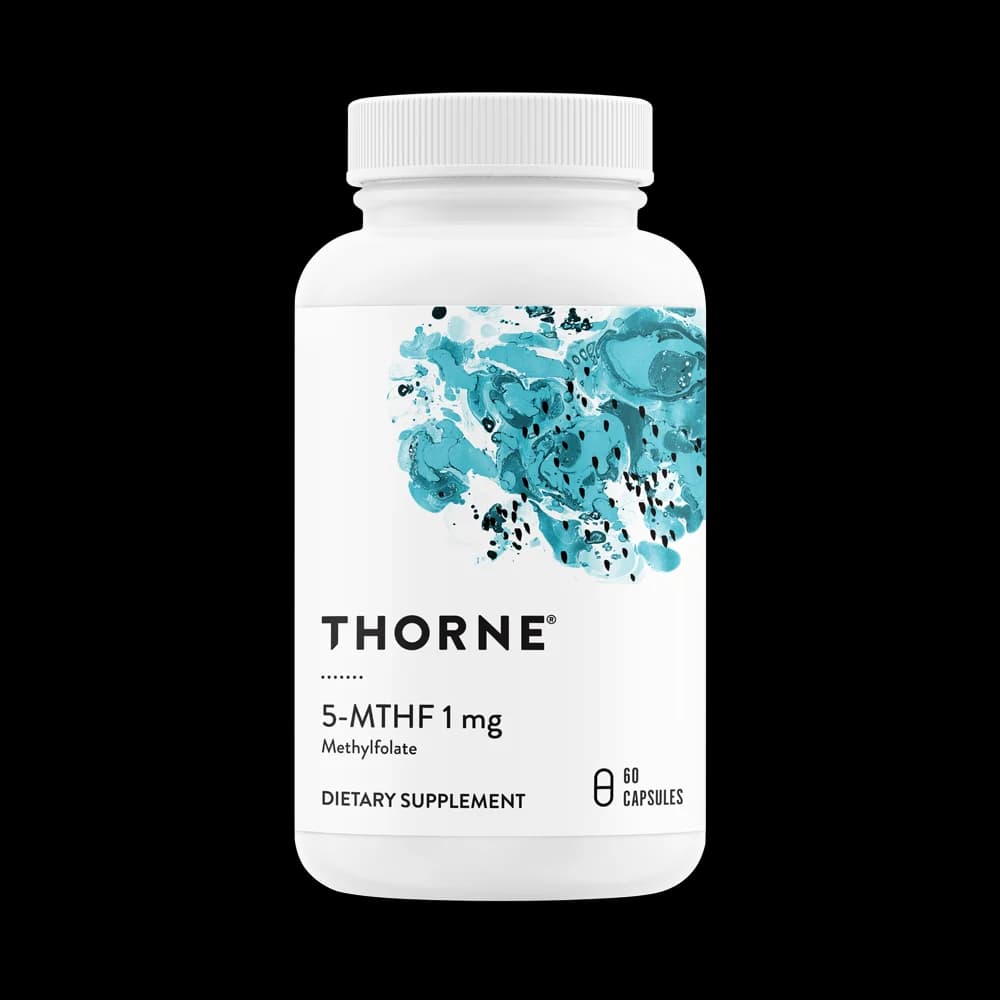
This genetic bottleneck is precisely why Thorne's 5-MTHF 1 mg is such a critical intervention for so many patients. By providing folate that is already fully methylated and active, this supplement completely bypasses the defective MTHFR enzyme. The body does not need to perform any complex conversions; the 5-MTHF is immediately absorbed and slotted directly into the methylation cycle, instantly lowering homocysteine and restoring the production of SAMe. For patients who have spent years struggling with unexplained fatigue, mood instability, and cognitive issues due to undiagnosed MTHFR mutations, introducing a direct source of 5-MTHF can be a profound and life-changing metabolic correction.
How Long COVID and ME/CFS Impact the Methylation Cycle
Viral Infection and Oxidative Stress
The onset of complex post-viral conditions like Long COVID and myalgic encephalomyelitis/chronic fatigue syndrome (ME/CFS) is often characterized by a profound and sustained disruption of the body's metabolic pathways. When the SARS-CoV-2 virus or other triggering pathogens infiltrate the body, they hijack cellular machinery and trigger a massive immune response, generating an overwhelming amount of reactive oxygen species (ROS). This explosion of oxidative stress acts like a biological wildfire, damaging cellular membranes, proteins, and mitochondrial DNA. To combat this, the body rapidly depletes its stores of glutathione, the master antioxidant, which relies heavily on a functioning methylation cycle for its continuous production.
As the body desperately tries to synthesize more glutathione to neutralize the viral-induced oxidative stress, it places an immense, unsustainable demand on the methionine cycle. The available reserves of 5-MTHF and active Vitamin B12 are rapidly burned through, leading to a state of acute, localized hypomethylation. This metabolic drain is particularly devastating for individuals who already have underlying MTHFR mutations, as their bodies cannot produce replacement 5-MTHF fast enough to keep up with the demand.
This vicious cycle of oxidative stress and methylation failure creates a systemic environment where cellular repair grinds to a halt. Without adequate 5-MTHF to drive the production of SAMe, the body cannot properly methylate its DNA, leading to erratic gene expression and chronic, unresolving inflammation. If you are wondering How Does a Doctor Diagnose Long COVID?, practitioners increasingly look for these exact metabolic signatures—elevated inflammatory markers, depleted antioxidants, and signs of methylation blockades—to understand the full scope of the patient's post-viral physiological breakdown.
Endothelial Dysfunction and the Homocysteine Trap
One of the most destructive consequences of a stalled methylation cycle in Long COVID and ME/CFS is the dangerous accumulation of homocysteine in the bloodstream. Because the body lacks the 5-MTHF required to recycle homocysteine back into methionine, this toxic amino acid builds up and begins to wreak havoc on the cardiovascular system. Elevated homocysteine is highly caustic to the endothelium, the delicate, single-cell layer that lines the inside of all blood vessels. It induces massive oxidative stress directly within the endothelial cells, stripping away their protective mechanisms and triggering widespread vascular inflammation known as endotheliitis.
This endothelial destruction is a core pathology in Long COVID and is heavily implicated in the development of microthrombosis, or microscopic blood clots. When the endothelium is damaged by homocysteine and viral remnants, it shifts from a smooth, anti-coagulant surface into a sticky, pro-thrombotic state. Fibrin and platelets begin to aggregate, forming microclots that clog the tiny capillaries responsible for delivering oxygen to the muscles and brain. This widespread capillary obstruction is a primary reason why patients experience profound, crushing fatigue and post-exertional malaise (PEM), as their tissues are literally starved of oxygen at the microscopic level.
Furthermore, homocysteine-induced endothelial dysfunction severely impairs the production of nitric oxide, a crucial molecule that tells blood vessels to dilate and relax. Without adequate nitric oxide, the blood vessels remain stiff and constricted, heavily disrupting normal blood flow and cardiovascular dynamics. This vascular rigidity and impaired perfusion are deeply connected to the autonomic nervous system abnormalities seen in these conditions.
Neuroinflammation and Autonomic Breakdown
The impact of 5-MTHF depletion and elevated homocysteine extends far beyond the blood vessels, reaching deep into the central nervous system to drive the dysautonomia and Postural Orthostatic Tachycardia Syndrome (POTS) so frequently seen in Long COVID and ME/CFS. While the brain is generally protected by the blood-brain barrier, there are specific regions called the Circumventricular Organs (CVOs) that lack this protective shield. These CVOs are critical command centers that house the autonomic nuclei responsible for regulating blood pressure, heart rate, and the body's "fight or flight" sympathetic nervous system responses.
When systemic homocysteine levels rise due to a lack of 5-MTHF, this toxic molecule freely infiltrates the unprotected CVOs. Once inside, homocysteine acts as a potent neurotoxin, triggering localized neuroinflammation and overstimulating specific receptors in the brain, leading to an excessive release of the excitatory neurotransmitter glutamate. This localized brain inflammation severely disrupts the delicate signaling pathways of the autonomic nervous system. The baroreceptors, which normally adjust heart rate in response to standing, become completely dysregulated, plunging the patient into the chronic, hyperadrenergic state that characterizes POTS.
This neuroinflammatory cascade explains why patients with Long COVID and ME/CFS experience such severe, unpredictable autonomic symptoms, from racing heartbeats and dizziness to profound temperature dysregulation and tremors. A recent 2025 study analyzing the cerebrospinal fluid of ME/CFS patients found significant decreases in 5-MTHF levels precisely during episodes of post-exertional malaise, confirming that the brain is rapidly exhausting its active folate reserves during exertion. Restoring 5-MTHF levels is therefore not just a nutritional intervention; it is a targeted strategy to lower neurotoxic homocysteine, calm the inflamed CVOs, and help the autonomic nervous system find its way back to a state of parasympathetic rest and repair.
5-MTHF: Supporting Cellular Repair and Neurotransmitter Synthesis
Driving Serotonin and Dopamine Production
One of the most profound and clinically significant roles of 5-MTHF is its direct involvement in the synthesis of monoamine neurotransmitters, specifically serotonin, dopamine, and norepinephrine. 5-MTHF does not act as a neurotransmitter itself; rather, it is the essential metabolic key that unlocks the brain's ability to produce them. This process relies on a crucial enzyme cofactor known as tetrahydrobiopterin (BH4). BH4 is the rate-limiting factor for the enzymes tryptophan hydroxylase and tyrosine hydroxylase, which are responsible for converting raw amino acids into serotonin and dopamine, respectively.
During the synthesis of these neurotransmitters, BH4 is oxidized and degraded into an inactive form. In order for neurotransmitter production to continue, this inactive molecule must be rapidly recycled back into active BH4. This is exactly where 5-MTHF steps in. 5-MTHF acts as the primary methyl donor for the enzyme responsible for this recycling process, ensuring a steady, uninterrupted supply of BH4. Without adequate 5-MTHF, the BH4 recycling pathway stalls completely, and the brain physically loses its capacity to manufacture serotonin and dopamine, leading to severe, treatment-resistant depression and profound cognitive sluggishness.
The clinical evidence supporting this mechanism is robust and well-documented. In psychiatric medicine, high-dose 5-MTHF (often prescribed as a medical food) is routinely used as an adjunctive support for major depressive disorder. Because SSRIs only prevent the reuptake of existing serotonin, they are entirely ineffective if the brain cannot synthesize serotonin in the first place due to a 5-MTHF deficiency. By restoring the BH4 cycle, 5-MTHF provides the brain with the raw materials it needs to stabilize mood, improve motivation, and clear the heavy, depressive fog that often accompanies chronic illness.
Lowering Homocysteine for Cardiovascular Health
Beyond the brain, 5-MTHF is the primary biological tool the body uses to regulate and neutralize homocysteine, making it an indispensable asset for cardiovascular health. As previously discussed, homocysteine is a naturally occurring but highly toxic metabolic byproduct that, when left unchecked, severely damages the endothelial lining of blood vessels and promotes the formation of dangerous blood clots. The only way the body can safely dispose of homocysteine is by re-methylating it back into the beneficial amino acid methionine, a process that strictly requires a continuous supply of active 5-MTHF.
Clinical studies have consistently shown that supplementing with 5-MTHF is the most effective strategy for rapidly lowering elevated homocysteine levels, particularly in individuals with MTHFR genetic mutations. A controlled comparison trial published by the American Heart Association demonstrated that 5-MTHF is highly effective at reducing total plasma homocysteine, even outperforming massive doses of synthetic folic acid in certain patient populations. By bypassing the defective MTHFR enzyme, 5-MTHF ensures that the methionine synthase enzyme has the exact methyl donor it needs to clear homocysteine from the bloodstream efficiently.
For patients with Long COVID, ME/CFS, and dysautonomia, this homocysteine-lowering effect is absolutely critical. By reducing the toxic burden on the cardiovascular system, 5-MTHF helps to halt the ongoing destruction of the endothelium and reduces the pro-thrombotic environment that leads to microclots. This vascular healing process is essential for restoring proper blood flow, improving oxygen delivery to starved tissues, and alleviating the severe orthostatic intolerance and heart palpitations associated with POTS. In essence, 5-MTHF acts as a biochemical shield, protecting the delicate cardiovascular infrastructure from the ravages of chronic, post-viral inflammation.
Restoring Glutathione and Antioxidant Defenses
The benefits of 5-MTHF supplementation also extend deep into the body's antioxidant defense systems, specifically through its role in supporting the production of glutathione. Glutathione is often referred to as the body's "master antioxidant," responsible for neutralizing reactive oxygen species, detoxifying heavy metals, and protecting cellular mitochondria from oxidative damage. The synthesis of glutathione is intrinsically linked to the methylation cycle through a secondary pathway known as the transsulfuration pathway, which branches off from the methionine cycle.
When the methylation cycle is functioning optimally, driven by an adequate supply of 5-MTHF, homocysteine is efficiently converted into methionine. However, a portion of that homocysteine is intentionally diverted down the transsulfuration pathway, where it is converted into cysteine, the rate-limiting amino acid required to build glutathione. If the methylation cycle is stalled due to a lack of 5-MTHF, this entire delicate balance is thrown into chaos. The body cannot properly regulate the flow of molecules into the transsulfuration pathway, leading to a catastrophic drop in intracellular glutathione levels and leaving the cells completely vulnerable to oxidative destruction.
By supplementing with Thorne's 5-MTHF 1 mg, patients can effectively "reboot" the methylation cycle, thereby restoring the proper flow of metabolites needed to synthesize glutathione. This is particularly vital for individuals battling the chronic oxidative stress of Long COVID and ME/CFS. As glutathione levels begin to rise, the mitochondria—the energy-producing powerhouses of the cells—are finally shielded from ongoing damage, allowing them to repair and resume normal ATP production. This restoration of cellular energy is a fundamental step in overcoming the debilitating, bone-crushing fatigue that defines these complex neuroimmune conditions.
Stabilizing Mast Cells and Histamine Breakdown
Finally, 5-MTHF plays a highly specialized and often overlooked role in the management of Mast Cell Activation Syndrome (MCAS), a condition characterized by the inappropriate and excessive release of histamine and other inflammatory mediators. MCAS is incredibly common among patients with Long COVID and ME/CFS, driving a wide array of symptoms including sudden allergic reactions, gastrointestinal distress, skin rashes, and severe neurological flare-ups. The connection between MCAS and 5-MTHF lies in how the body physically breaks down and clears histamine from the bloodstream and tissues.
The primary enzyme responsible for degrading intracellular histamine in the central nervous system and the gut is Histamine N-methyltransferase (HNMT). As its name suggests, HNMT is a methyltransferase enzyme, meaning it absolutely requires a methyl group to function. It obtains this methyl group directly from SAMe, which, as we know, is produced entirely through the 5-MTHF-driven methylation cycle. If a patient is deficient in 5-MTHF—whether due to an MTHFR mutation or viral depletion—their SAMe levels plummet, and the HNMT enzyme is left without the fuel it needs to break down histamine.
This methylation blockade leads to a massive pooling of systemic histamine, keeping the patient in a state of constant, miserable allergic reactivity. Supplementing with 5-MTHF provides the necessary methyl donors to ramp up SAMe production, thereby reactivating the HNMT enzyme and allowing the body to efficiently clear excess histamine. For patients struggling to manage their MCAS triggers, supporting the methylation cycle with 5-MTHF is a crucial, foundational strategy that helps to stabilize mast cells, reduce systemic inflammatory pooling, and calm the hyper-reactive immune responses that make daily life so unpredictable.

Symptoms 5-MTHF May Help Manage
Targeted Symptom Relief
Because 5-MTHF operates at the very foundation of human biochemistry—influencing everything from DNA repair to neurotransmitter synthesis—its therapeutic reach is incredibly broad. For individuals navigating the complex, overlapping realities of Long COVID, ME/CFS, dysautonomia, and MCAS, introducing a highly bioavailable, methylated form of folate can address multiple distinct symptom clusters simultaneously. By bypassing genetic bottlenecks and restoring the methylation cycle, 5-MTHF provides the cellular raw materials necessary to repair damaged systems and bring the body back toward homeostasis.
Brain Fog and Cognitive Dysfunction: By directly supporting the BH4 cycle and the synthesis of dopamine and norepinephrine, 5-MTHF helps to clear the profound cognitive sluggishness, memory issues, and lack of focus that characterize post-viral brain fog.
Depression and Mood Instability: 5-MTHF is an essential co-factor for the production of serotonin. Restoring optimal levels of this active folate can significantly improve treatment-resistant depression, anxiety, and the severe mood swings often associated with chronic neuroinflammation.
POTS and Autonomic Palpitations: By aggressively lowering neurotoxic homocysteine levels, 5-MTHF helps to calm inflammation within the brain's autonomic control centers, reducing the hyperadrenergic "fight or flight" surges that cause racing heartbeats and orthostatic intolerance.
Post-Exertional Malaise (PEM): 5-MTHF supports the downstream production of glutathione, the master antioxidant that protects cellular mitochondria. By shielding mitochondria from oxidative stress, 5-MTHF helps restore cellular energy production, potentially reducing the severity and duration of PEM crashes.
Histamine Intolerance and Allergic Flare-Ups: The breakdown of systemic histamine relies heavily on the HNMT enzyme, which requires methylation to function. 5-MTHF provides the methyl donors necessary to activate this enzyme, helping to clear excess histamine and stabilize mast cell reactions.
Nerve Pain and Neuropathy: 5-MTHF promotes healthy nerve cell function and myelin sheath repair through its role in the methylation cycle, offering nutritional support for the small fiber neuropathy and tingling sensations frequently reported in Long COVID and dysautonomia.
Practical Considerations: Forms, Dosing, and Absorption
5-MTHF vs. Synthetic Folic Acid
When selecting a folate supplement, the distinction between active 5-MTHF and synthetic folic acid cannot be overstated, particularly for individuals with chronic illness or MTHFR genetic mutations. Folic acid is a synthetic, oxidized molecule that does not exist in nature; it was created for its stability and low cost to fortify the commercial food supply. While it is easily absorbed in the gut, it is biologically useless until the liver slowly and laboriously converts it through multiple enzymatic steps.
Furthermore, the use of synthetic folic acid carries significant, documented risks that 5-MTHF completely avoids. Because the liver's enzymes have a very limited capacity to process synthetic folic acid, taking standard prenatal or multivitamin doses can quickly overwhelm the system. This leads to the dangerous accumulation of Unmetabolized Folic Acid (UMFA) in the bloodstream. High levels of UMFA have been associated with suppressed immune function, altered natural killer cell activity, and the masking of severe Vitamin B12 deficiencies. By supplementing directly with Thorne's 5-MTHF, patients completely bypass this metabolic traffic jam, ensuring their cells receive immediate nutritional support without the toxic buildup of UMFA.
This superior bioavailability makes 5-MTHF the undisputed choice for complex medical protocols. Whether a patient is trying to lower cardiovascular homocysteine, support neurotransmitter synthesis for depression, or ensure proper fetal brain development during pregnancy, active methylfolate guarantees that the nutrient reaches the tissues that need it most. For women navigating the intersection of chronic illness and family planning, understanding these differences is crucial. You can learn more about comprehensive prenatal support in our guide, Can Prenatal Complete with DHA Support a Healthy Pregnancy with Long COVID and ME/CFS?.
Optimal Dosing and Synergistic Cofactors
Thorne's 5-MTHF provides 1 mg (1,000 mcg) of active L-5-Methyltetrahydrofolate per capsule, a highly effective and clinically relevant dose for supporting the methylation cycle, managing MTHFR mutations, and promoting fetal development. In psychiatric settings for severe major depressive disorder, doses can range much higher (up to 15 mg daily as a medical food), but for general cardiovascular, neurological, and post-viral support, the 1 mg dose offers a powerful, targeted intervention without overwhelming the system. It is generally recommended to take one capsule one to three times daily, or as directed by a knowledgeable healthcare practitioner who understands your specific genetic and metabolic needs.
However, biochemistry does not operate in a vacuum, and 5-MTHF relies heavily on synergistic cofactors to function optimally. The most critical of these is Vitamin B12, specifically in its active forms (methylcobalamin or adenosylcobalamin). Because 5-MTHF and Vitamin B12 work together seamlessly at the methionine synthase enzyme to clear homocysteine, taking high doses of folate without adequate B12 can lead to a functional bottleneck known as the "folate trap." Ensuring that your B12 levels are optimal is a mandatory prerequisite for any successful methylation protocol.
Additionally, the broader methylation cycle requires the support of active Vitamin B6 (Pyridoxal 5-Phosphate) and Vitamin B2 (Riboflavin). Riboflavin is actually the required cofactor for the MTHFR enzyme itself; even if you are bypassing the enzyme with 5-MTHF, riboflavin remains essential for other downstream cellular processes, including mitochondrial energy production. For patients looking to build a comprehensive, synergistic nutritional foundation, exploring a broad-spectrum, methylated complex can be highly beneficial, as discussed in our article, Can a Targeted Multivitamin Support Women Navigating Long COVID and Menopause?.
The COMT Gene and Pacing Your Protocol
While restoring the methylation cycle with 5-MTHF is a vital step toward healing, it must be approached with care, particularly for patients with ME/CFS, Long COVID, and severe dysautonomia. A significant subset of these patients also carry genetic mutations in the COMT (Catechol-O-methyltransferase) gene. The COMT enzyme is responsible for breaking down and clearing stress neurotransmitters like dopamine, epinephrine, and norepinephrine from the brain. Like all methyltransferase enzymes, COMT requires methyl groups to function, but it operates at a very delicate, genetically determined speed.
If a patient with a slow COMT mutation is suddenly given high doses of active methyl donors like 5-MTHF, their body may rapidly produce a massive surge of dopamine and adrenaline. Because their slow COMT enzyme cannot clear these excitatory neurotransmitters fast enough, the patient can experience a severe state of "overmethylation." Symptoms of overmethylation include extreme anxiety, agitation, irritability, racing thoughts, severe insomnia, and a worsening of POTS palpitations. This paradoxical reaction can be terrifying for patients who were simply trying to support their cellular health.
Therefore, the golden rule of introducing 5-MTHF in complex chronic illness is "start low and go slow." Many functional medicine practitioners advise opening the capsule and taking only a fraction of the powder initially to gauge the body's response, slowly titrating the dose upward over several weeks. If overmethylation symptoms occur, non-methylated forms of active folate, such as folinic acid, can sometimes be used as a gentler alternative to support the folate cycle without aggressively driving the methylation pathways. Always work closely with a practitioner to pace your protocol according to your unique genetic tolerance.
Potential Interactions and Contraindications
While 5-MTHF is a naturally occurring and generally very safe nutrient, there are specific medical contraindications and drug interactions that must be strictly observed. The most significant of these involves the pharmaceutical drug methotrexate, a powerful anti-neoplastic medication frequently used in cancer chemotherapy. Methotrexate works specifically by inhibiting the dihydrofolate reductase enzyme, intentionally starving rapidly dividing cancer cells of the folate they need to replicate their DNA.
Because 5-MTHF is already in its active form, it completely bypasses the enzymatic blockade created by methotrexate. Therefore, supplementing with 5-MTHF concurrent with methotrexate cancer therapy is strictly contraindicated, as it can directly interfere with and neutralize the drug's life-saving anti-neoplastic activity. Patients undergoing active chemotherapy must avoid all forms of folate supplementation unless explicitly directed otherwise by their oncology team.
Interestingly, the dynamic changes when methotrexate is used in much lower doses for its anti-inflammatory properties to treat autoimmune conditions like psoriasis or rheumatoid arthritis. In these specific autoimmune applications, clinical evidence suggests that 5-MTHF does not interfere with the drug's anti-inflammatory efficacy. In fact, individuals taking low-dose methotrexate for rheumatoid arthritis are often prescribed folate supplements to mitigate the drug's harsh side effects, such as liver toxicity and severe mouth sores. As always, if you are pregnant, nursing, or taking any prescription medications, it is imperative to consult your healthcare provider before introducing 5-MTHF into your regimen.

Follow the Science
Clinical Trials on Homocysteine and Cardiovascular Health
The scientific literature supporting the use of 5-MTHF for cardiovascular health and homocysteine regulation is extensive and highly rigorous. Because elevated homocysteine is a massive, independent risk factor for endothelial dysfunction, microthrombosis, and cardiovascular disease, researchers have spent decades evaluating the most effective ways to lower it. A landmark double-blind, randomized, placebo-controlled study compared the efficacy of low-dose 5-MTHF against synthetic folic acid over a 24-week period. The results were definitive: the 5-MTHF group experienced a highly significant 14.6% reduction in total plasma homocysteine, vastly outperforming the folic acid group, which only saw a 9.3% reduction.
Further solidifying this data, a comprehensive clinical trial published in the journal Nutrients examined 149 subjects stratified by their specific MTHFR genotypes. The researchers found that while synthetic folic acid's ability to lower homocysteine was highly dependent on—and often hindered by—the patient's specific genetic mutations, 5-MTHF leveled the playing field entirely. 5-MTHF worked consistently and powerfully to lower homocysteine across all subjects, regardless of whether they carried the restrictive C677T or A1298C MTHFR mutations. This proves that 5-MTHF is the superior, universally effective intervention for metabolic cardiovascular support.
These findings are particularly relevant for the Long COVID and ME/CFS communities, where vascular inflammation and microclotting are central drivers of the disease process. By effectively neutralizing homocysteine, 5-MTHF helps to protect the delicate endothelial lining from ongoing oxidative destruction. If you are curious about how these viral infections initiate such profound systemic changes, we highly recommend reading our detailed exploration, Can Long COVID Trigger ME/CFS? Unraveling the Connection.
5-MTHF in Psychiatric and Neurological Research
In the realm of psychiatry and neurology, 5-MTHF has emerged as a powerful, evidence-based tool for managing severe mood disorders and cognitive decline. Because the brain relies entirely on 5-MTHF to synthesize the BH4 cofactor required for serotonin and dopamine production, researchers have heavily investigated its use in treatment-resistant depression (TRD).
When high-dose 5-MTHF is added as an adjunctive therapy to standard antidepressants, the clinical outcomes improve dramatically. In rigorous, double-blind, placebo-controlled trials, patients receiving 15 mg of L-methylfolate alongside their SSRI demonstrated a 32.3% clinical response rate, compared to a mere 14.6% in the placebo group. Real-world, naturalistic studies have shown even more impressive results, with nearly 68% of patients reporting significant clinical improvements in their depressive symptoms after 12 weeks of 5-MTHF therapy. These studies confirm that restoring the brain's biochemical capacity to produce neurotransmitters is a necessary prerequisite for psychiatric recovery.
Furthermore, emerging neurological research is focusing on 5-MTHF's ability to protect the brain from neuroinflammation and cognitive decline. By driving the production of SAMe, 5-MTHF ensures that the brain can properly methylate its DNA and maintain the integrity of the myelin sheath, the protective coating that surrounds nerve fibers. This neuroprotective mechanism is crucial for patients battling the severe, disorienting brain fog and memory loss associated with post-viral neuroimmune conditions, offering a scientifically validated pathway to support cognitive restoration.
Emerging Data in Post-Viral Syndromes
The intersection of folate metabolism, genetics, and post-viral chronic illness is currently one of the most exciting and rapidly developing areas of medical research. Scientists are increasingly recognizing that pre-existing metabolic bottlenecks, such as MTHFR mutations, heavily predispose individuals to severe, lingering symptoms following a viral infection.
Additionally, a fascinating February 2025 study published in the International Journal of Molecular Sciences analyzed the cerebrospinal fluid of ME/CFS patients before and after submaximal exercise. The researchers discovered a significant, measurable decrease in 5-MTHF levels within the central nervous system following exertion. This indicates a direct, structural dysfunction of folate metabolism within the brain, proving that ME/CFS patients physically exhaust their active folate reserves during post-exertional malaise. This aligns with findings from a longitudinal methylation profiling study of ME/CFS patients across relapse-recovery cycles, which revealed profound methylome variability and implicated disturbed immune, metabolic, and mitochondrial pathways. As research continues to unfold, the critical importance of supporting the methylation cycle with bioavailable 5-MTHF in these complex patient populations becomes increasingly undeniable. If you are concerned about viral persistence and transmission, you can learn more in our article, Are You Contagious with Long COVID?.
The Path Forward
A Foundational Piece of the Puzzle
Living with Long COVID, ME/CFS, dysautonomia, or MCAS is a profoundly challenging, often isolating experience. The exhaustion is not merely tiredness; it is a deep, cellular depletion that affects every aspect of your daily life, from your ability to think clearly to your capacity to stand without your heart racing. When standard medical tests return "normal" results despite your debilitating symptoms, it is easy to feel dismissed and overwhelmed. However, the rapidly evolving science surrounding the methylation cycle, MTHFR mutations, and endothelial dysfunction provides incredibly validating answers. Your symptoms are not in your head; they are rooted in complex, measurable biochemical disruptions at the very foundation of your cellular metabolism.
Thorne's 5-MTHF 1 mg represents a targeted, scientifically grounded tool to help address these fundamental disruptions. By bypassing genetic bottlenecks and delivering fully active, bioavailable folate directly to your cells, 5-MTHF helps to restart the stalled methylation cycle. It provides the essential raw materials needed to lower neurotoxic homocysteine, drive the synthesis of mood-stabilizing neurotransmitters, and restore the antioxidant defenses required to protect your mitochondria. While it is not a standalone cure, it is a critical, foundational piece of the puzzle that helps create an internal environment where deep, systemic healing can finally begin to take place.
We understand that navigating the world of supplements and complex biochemistry can be daunting, especially when you are already managing severe fatigue and brain fog. That is why we are committed to providing you with the clear, evidence-based information you need to make empowered decisions about your health. By understanding the mechanisms behind your symptoms, you can begin to take targeted, strategic steps toward reclaiming your vitality and improving your quality of life.
Personalized Care for Complex Illness
It is vital to remember that managing complex chronic illness requires a comprehensive, highly personalized approach. Supplementing with 5-MTHF is most effective when integrated into a broader management strategy that includes aggressive pacing to prevent post-exertional malaise, meticulous symptom tracking, and targeted support for your autonomic nervous system. Because everyone's genetic makeup and metabolic tolerance are unique, what works perfectly for one patient may need to be carefully adjusted for another, particularly if you carry sensitive COMT mutations or are managing severe mast cell reactivity.
We strongly encourage you to work closely with a knowledgeable healthcare provider who understands the intricacies of methylation, neuroimmune conditions, and post-viral syndromes. A skilled practitioner can help you determine the optimal dosage, identify necessary synergistic cofactors like active B12, and ensure that your protocol is safely tailored to your specific needs. Healing from these conditions is a marathon, not a sprint, and having a compassionate, medically grounded team in your corner makes all the difference.
If you are ready to explore how targeted methylation support can fit into your comprehensive management plan, we invite you to learn more about this high-quality, bioavailable formulation.
Sources
B Vitamins and One-Carbon Metabolism: Implications in Human Health and Disease
Metabolomic Profiling of COVID-19 Patients and Long COVID Severity
Endothelial Dysfunction and Homocysteine in Post-Viral Syndromes
Cerebrospinal Fluid Analysis of ME/CFS Patients Post-Exercise
Active Folate Versus Folic Acid: The Role of 5-MTHF in Human Health