
Navigation Menu

10 Supplements to Support Mitochondrial Function in Long COVID and ME/CFS

Supplements for mitochondrial support

10 Supplements That Support Mitochondrial Function
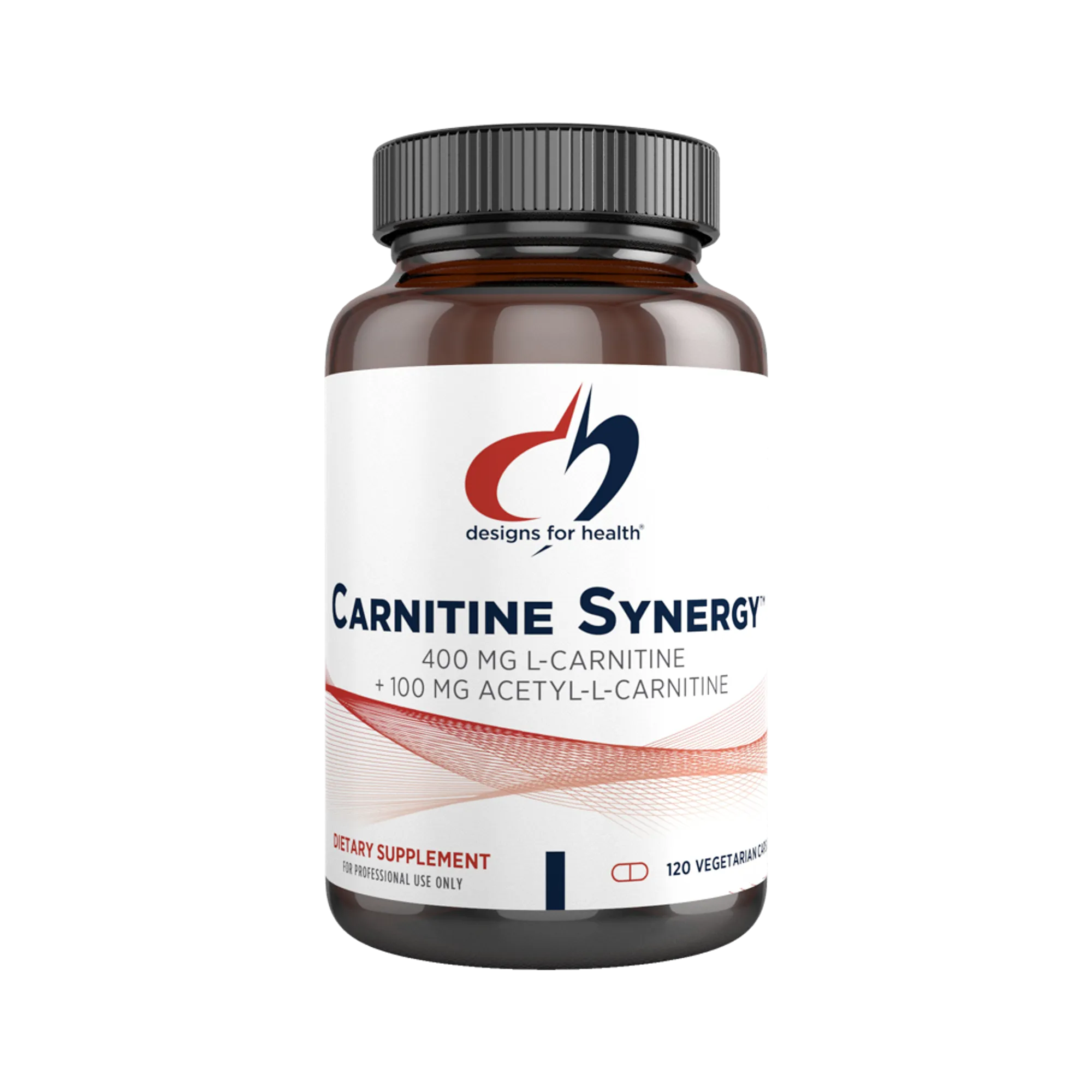
1
Carnitine Synergy™

Carnitine Synergy™

L-Carnitine is a naturally occurring amino acid derivative that plays a critical role in energy production. It functions like a shuttle bus picking up fatty acids in the cells and carrying them into the mitochondria. Without enough carnitine, cells can't efficiently use fat for fuel, which may contribute to fatigue and muscle weakness.

Benefits

  • Supports mitochondrial function and cellular energy metabolism
  • Helps transport fatty acids into mitochondria for energy production
  • May help reduce fatigue and support exercise recovery
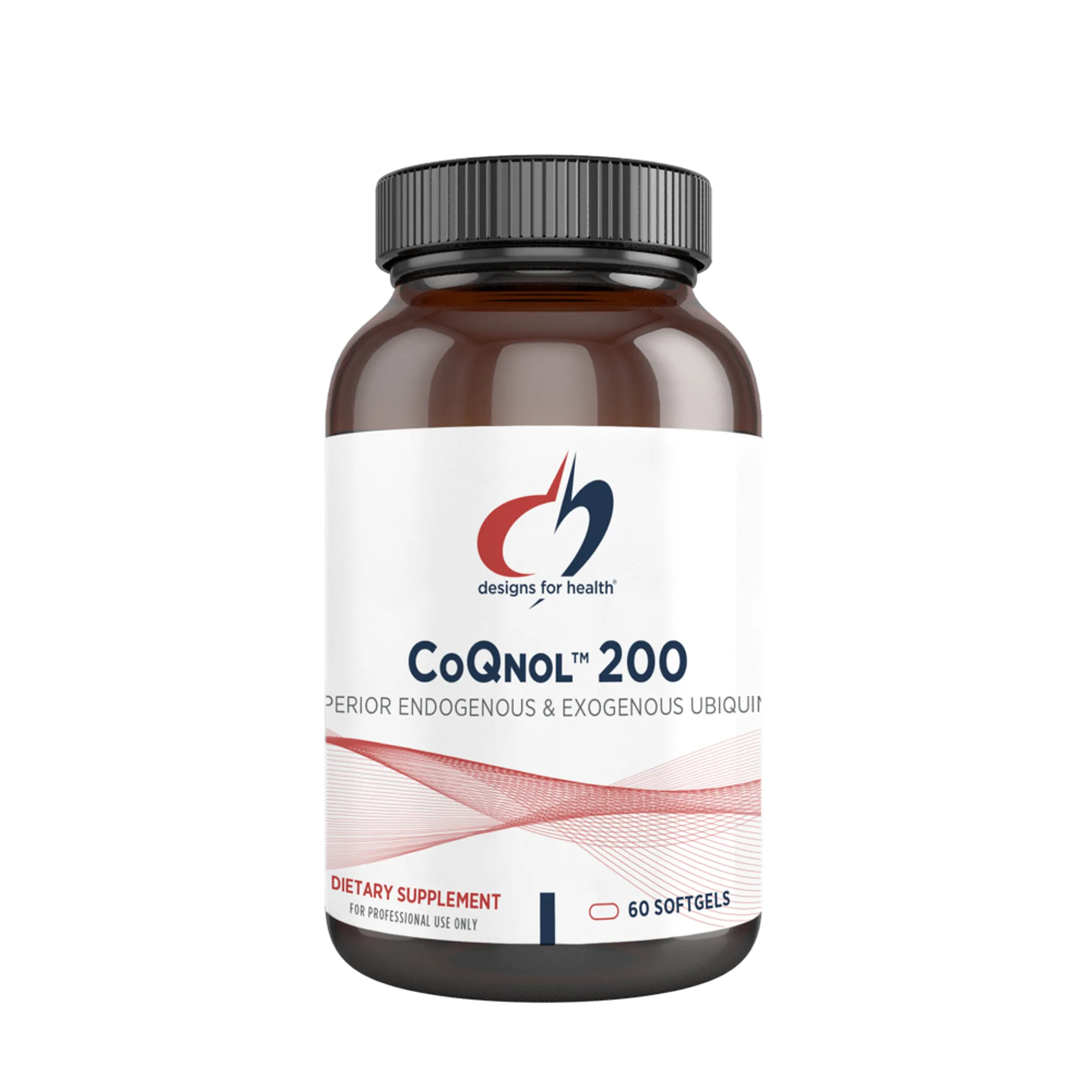
2
CoQnol™200

CoQnol™200

CoQ10 is a compound your body naturally makes and uses to produce energy inside the mitochondria. Ubiquinol is the reduced form of CoQ10, and it may be better absorbed than ubiquinone in some formulations, though absorption also depends a lot on the product form and can be improved by taking it with food.

Benefits

  • Helps support mitochondrial energy production
  • Acts as an antioxidant that helps protect mitochondria from oxidative stress
  • Helps maintain healthy mitochondrial function
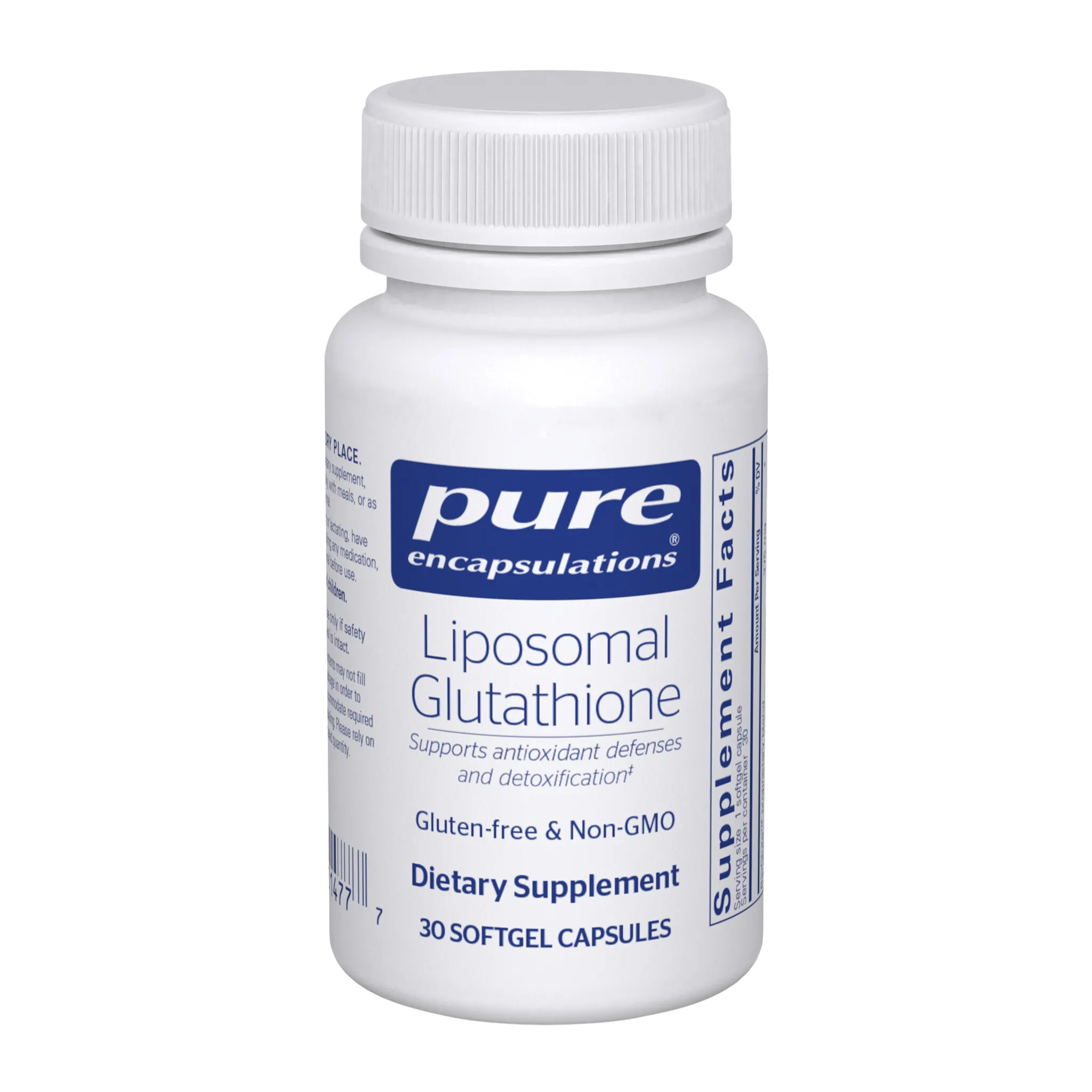
3
Liposomal Glutathione

Liposomal Glutathione

Glutathione is one of the body's most important antioxidants, helping protect cells from oxidative stress and supporting immune function and detoxification. The liposomal form is designed to improve absorption.

Benefits

  • Supports antioxidant defenses
  • Helps support detoxification
  • May help support immune function, including natural killer (NK) cell activity (which is often impaired in ME/CFS & Long COVID)
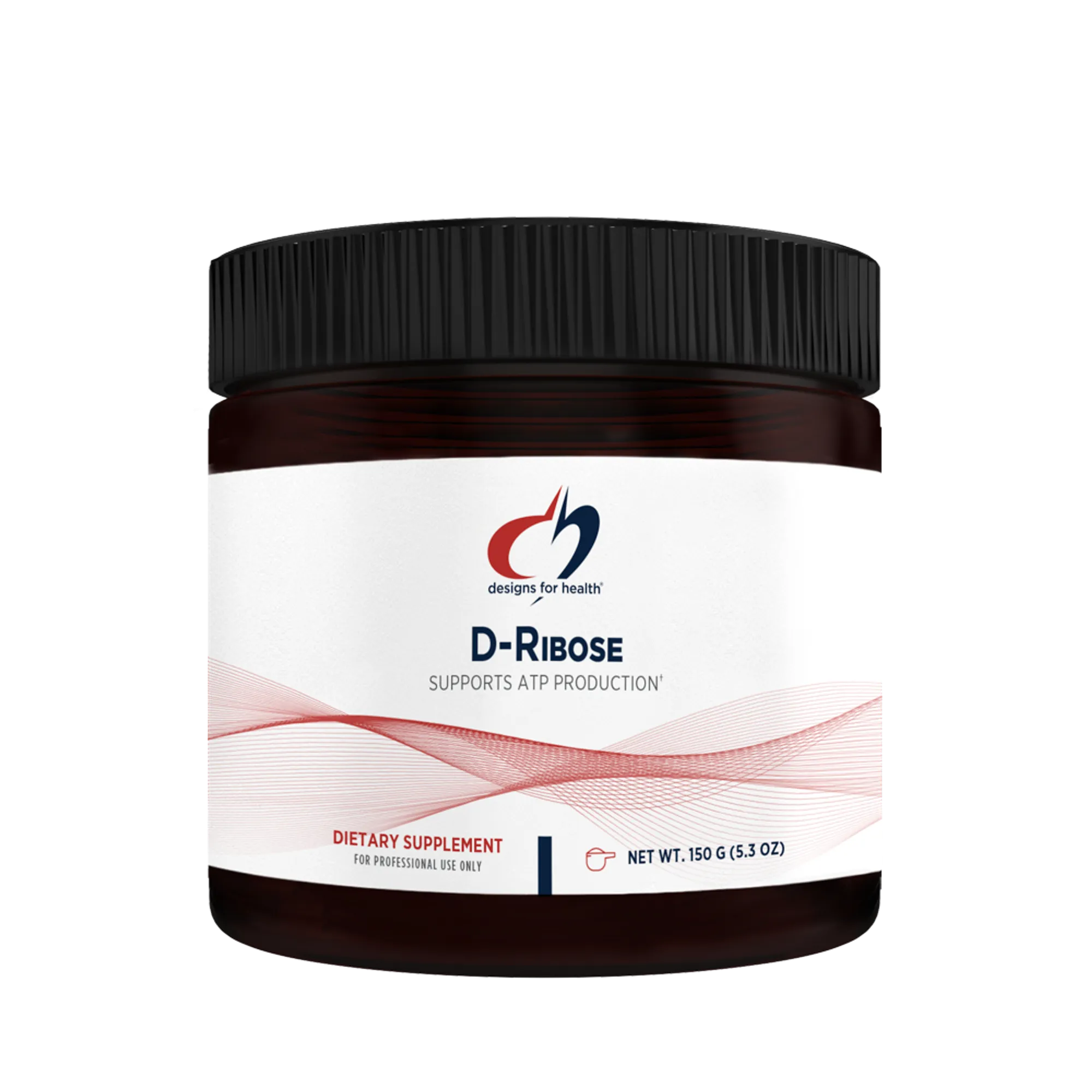
4
D-Ribose

D-Ribose

D-ribose is a naturally occurring 5-carbon sugar that helps the body make ATP (the main energy source for cells) via a faster alternative pathway than the one standardly used for glucose. D-ribose functions as a building block for cellular energy. When energy stores are low, it may help support ATP recovery and improve how cells produce energy.

Benefits

  • Helps produce ATP
  • Often used to help with sensory sensitivity or before exertion
  • May improve fatigue and support energy recovery after activities
5
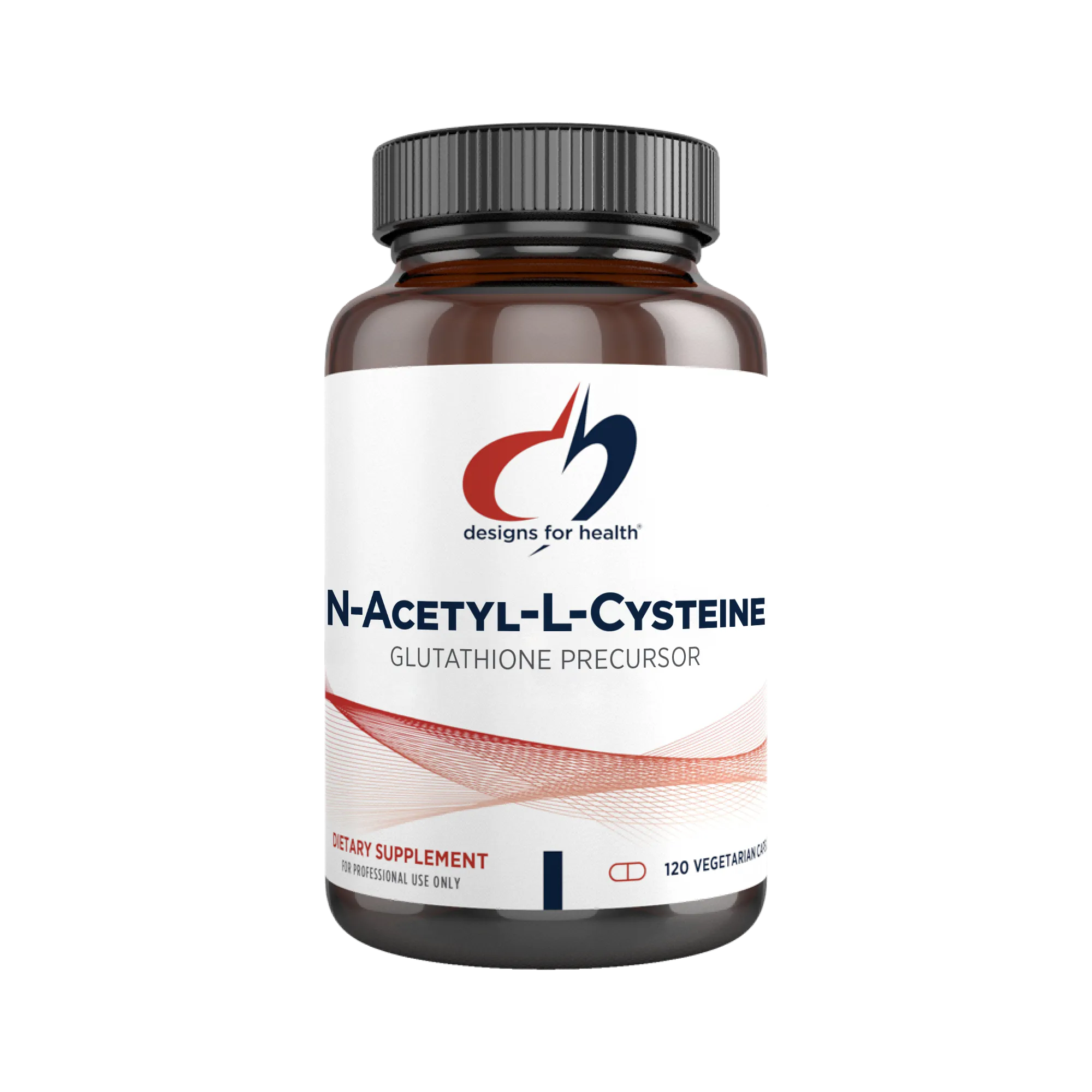
NAC

NAC

NAC is a form of cysteine that helps your body make glutathione, one of its key antioxidants. It functions as a precursor that helps replenish your antioxidant reserves.

Benefits

  • Helps replenish glutathione, a strong antioxidant
  • Can help thin mucus and support detoxification
  • May help support oxidative balance and cellular resilience
6
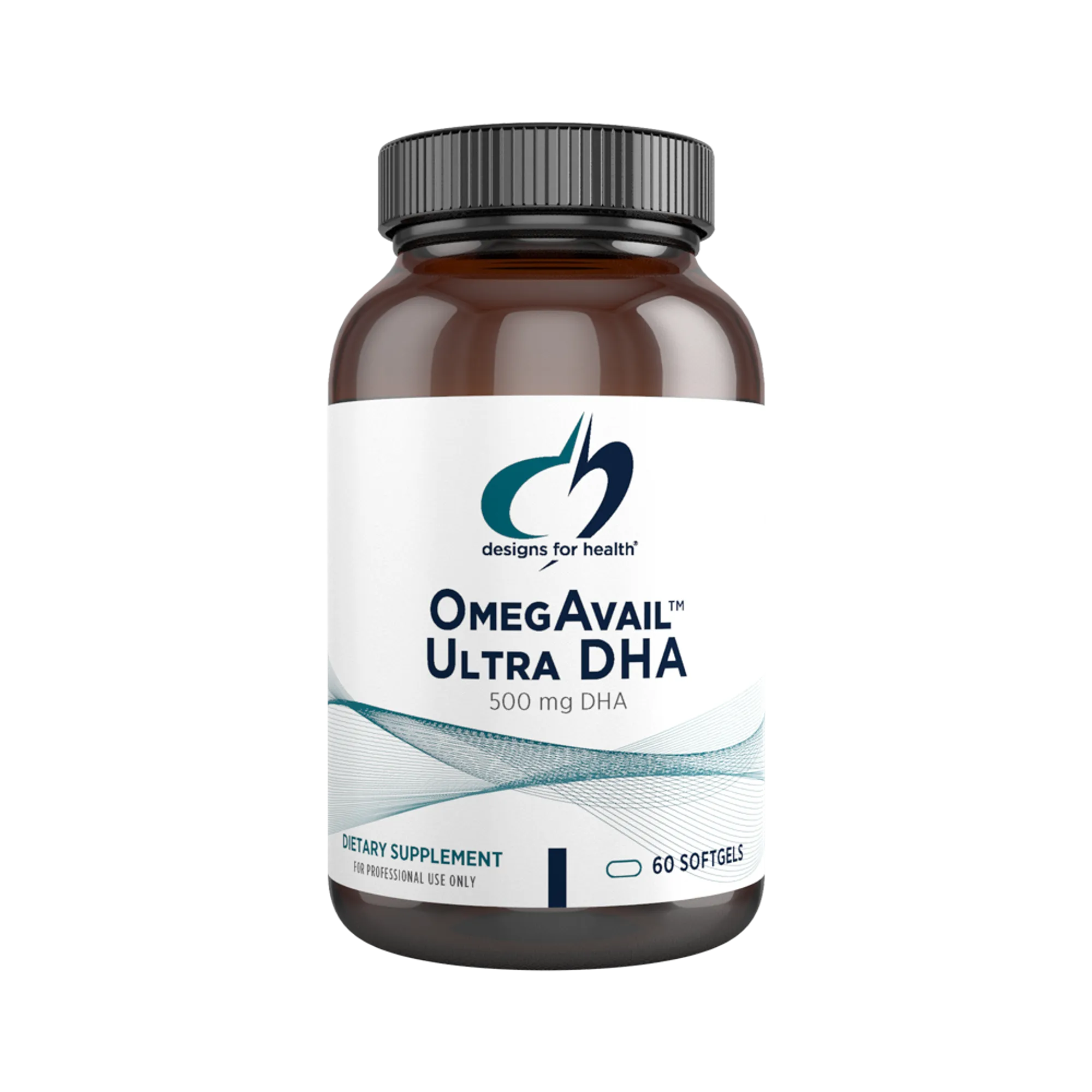
OmegAvail™ Ultra DHA

OmegAvail™ Ultra DHA

EPA and DHA are omega-3 fatty acids that become part of cell and mitochondrial membranes, helping support membrane function, signaling, and brain health.

Benefits

  • May help support mitochondrial energy metabolism, partly by influencing mitochondrial membranes and how efficiently cells use the electron transport chain to make ATP
  • Helps support cognitive function
  • Supports the lining of blood vessels (endothelium)
  • Has an anticoagulant effect (use caution if taking blood thinners or if you are prone to bleeding or bruising)
7
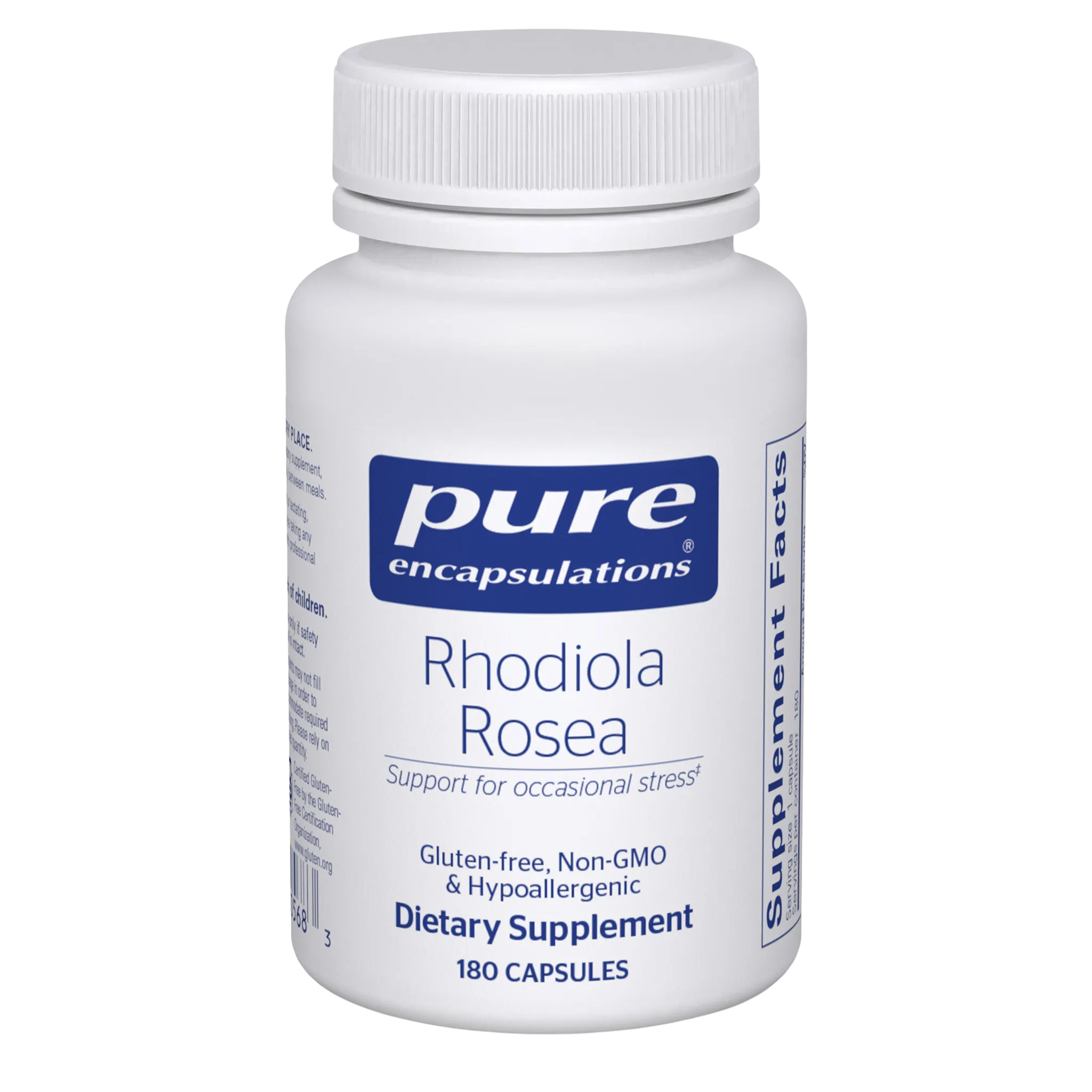
Rhodiola Rosea

Rhodiola Rosea

Rhodiola rosea is an herbal adaptogen that may help the body respond to physical and mental stress. It has been studied for its potential to support energy, stamina, and mental clarity.

Benefits

  • May help support energy and reduce fatigue
  • May support concentration and mental performance
  • May help the body adapt to physical and mental stress
8
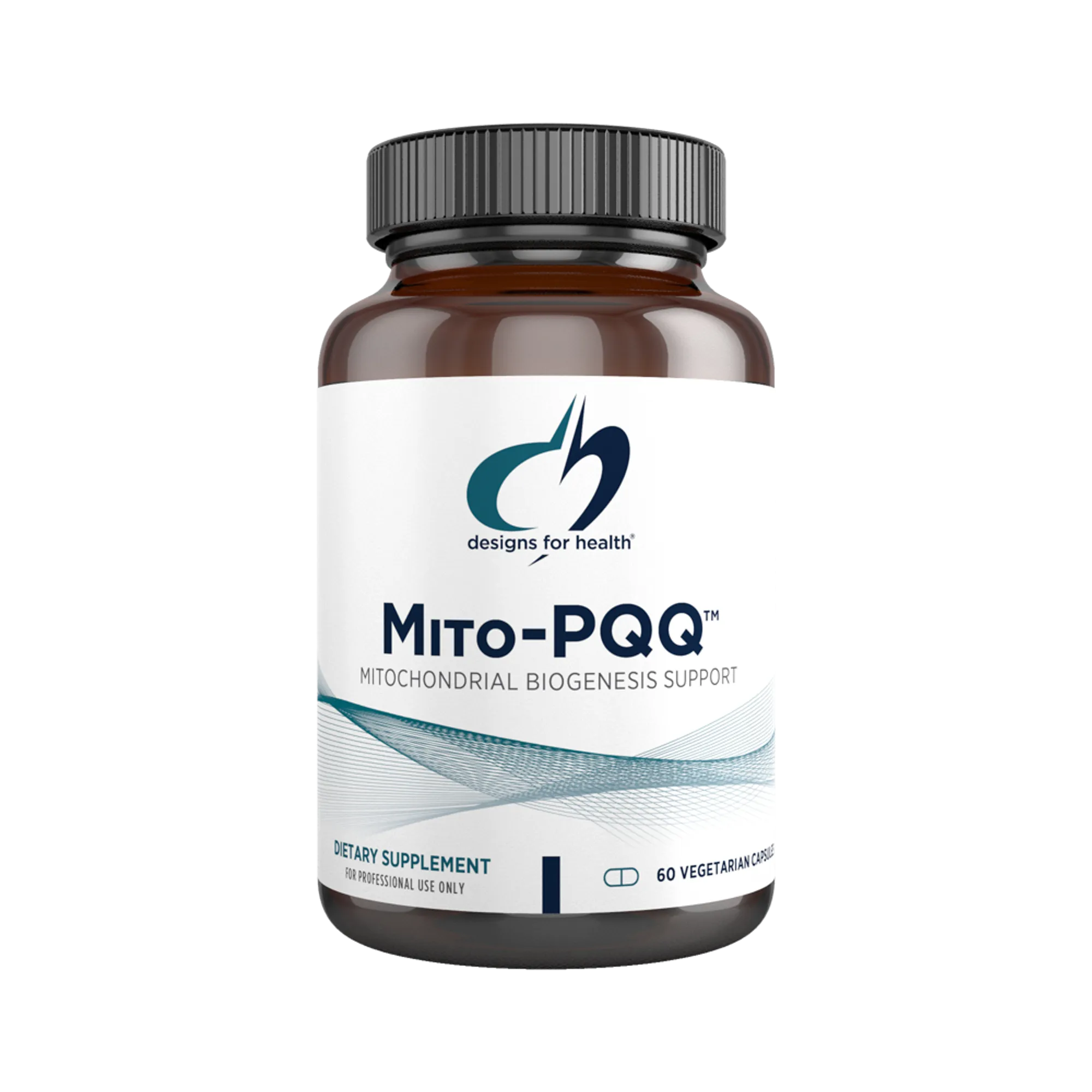
Mito-PQQ™

Mito-PQQ™

PQQ is a redox-active compound that helps protect cells from oxidative stress and supports mitochondrial health. It may also help promote the growth of new mitochondria (biogenesis).

Benefits

  • Supports mitochondrial function and biogenesis
  • Helps protect against oxidative stress
  • May support memory and cognitive function

9
Alpha Lipoic Acid

Alpha Lipoic Acid

ALA is a naturally occurring compound that's made in the body and plays a crucial role in metabolism, antioxidant support, and energy production. It also functions as a chelator (binder) of toxic metals like lead that damage mitochondria.

Benefits

  • Helps support mitochondrial function and cellular energy production
  • May aid glucose uptake and metabolism
  • Acts as an antioxidant that helps protect cells from oxidative stress
10
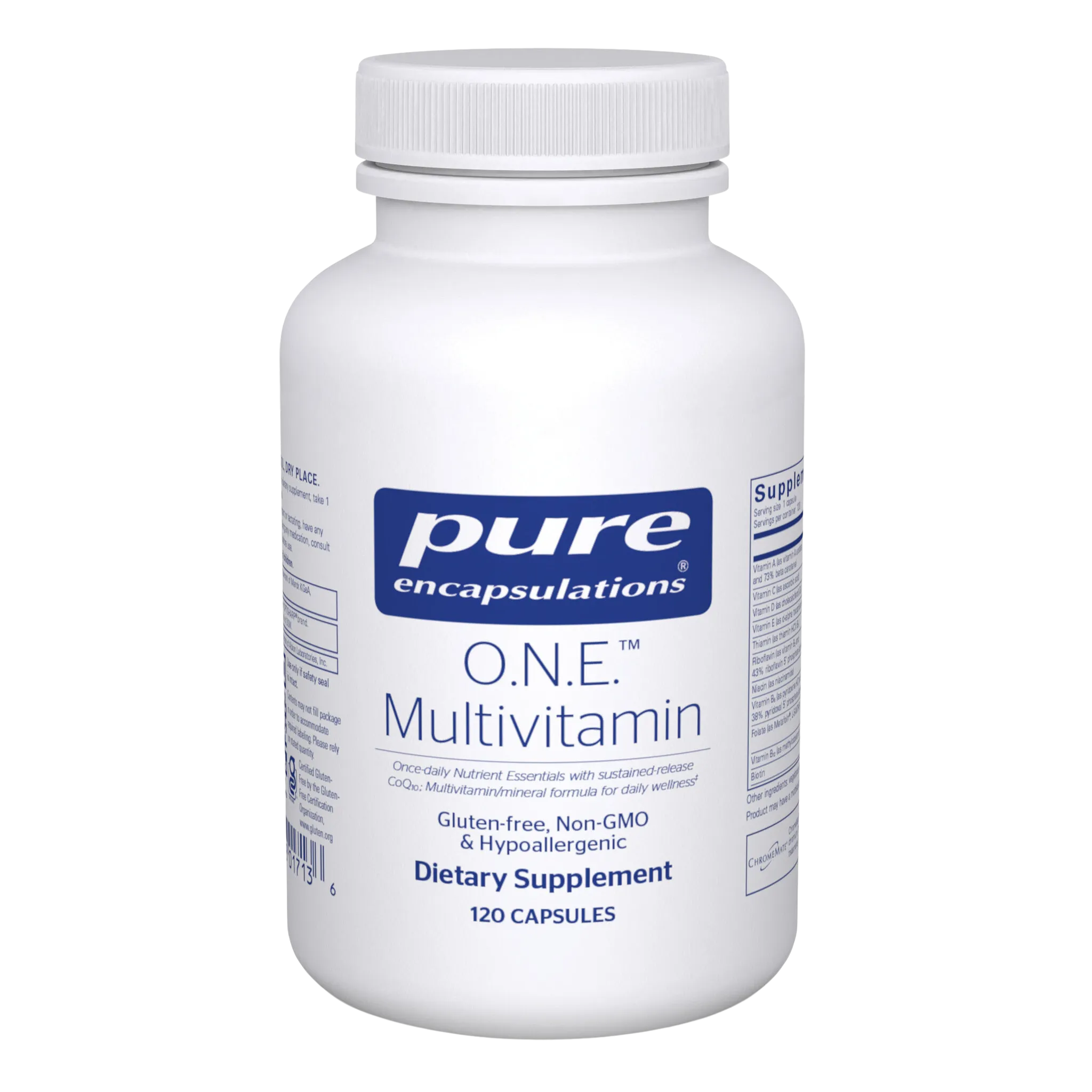
O.N.E.™ Multivitamin

O.N.E.™ Multivitamin

A quality multivitamin is a daily supplement designed to help fill common nutrient gaps and support overall health. It provides essential vitamins and minerals that support core processes like energy production, immune function, and cellular health, and lays the foundation for proper mitochondrial function.

Benefits

  • Provides key nutrients like calcium, magnesium, selenium, and essential B vitamins which are required for your mitochondria to function properly
  • B1 (thiamine), B2 (riboflavin), B3 (niacin), B5 (pantothenic acid), and B6 (pyridoxine) are integral to the process of energy production
  • If you have an MTHFR mutation, active forms of B6 (P5P), B9 (5-MTHF), and B12 (methylcobalamin) are preferred

Why Is Mitochondrial Health Key?

In Long COVID, ME/CFS, multiple sclerosis (MS), Sjögren's disease, and several other conditions, research increasingly points to mitochondrial dysfunction as playing a key role in contributing to symptoms and pathology.

Mitochondria are the organelles responsible for producing the vast majority of ATP, the cellular energy currency that powers every system in the body. When mitochondrial function is impaired, the body may struggle to produce enough energy for things like exercise or processing intensive cognitive loads, which may result in fatigue, exertional intolerance, PEM, brain fog, and an array of other symptoms common in these conditions.

Mitochondria are also involved in regulating cell death, cellular repair, and cellular signaling, and they are critical for the proper functioning of nerves, muscles, the immune system, and more.

How Mitochondria Are Affected in Chronic Diseases

Viruses and infections such as SARS‑CoV‑2, HIV, EBV, and Lyme can directly disturb mitochondrial structure and function, ramp up damaging free radicals, and interfere with key mitochondrial steps that make energy from food. Inside mitochondria, the electron transport chain (ETC) is the main system that turns fuel into ATP, and the Krebs cycle (citric acid cycle) is the set of reactions that prepares and feeds that fuel into this system. When these pathways are disrupted, cells are forced to rely on less efficient ways of making energy, so any increase in activity, physical or mental, can be much harder to start and to sustain.

SARS‑CoV‑2 can directly interfere with mitochondria, damaging their structure and shifting cells away from their usual, efficient way of making energy toward more backup or stress‑response pathways that generate extra oxidative stress. Studies in blood cells, brain immune cells, skeletal muscle, and heart muscle cells show that the virus and its proteins dampen the mitochondria's main ATP‑producing system (ETC) and alter Krebs‑cycle–linked chemistry, while also driving high levels of mitochondrial free radicals. In the heart, biopsies and molecular studies in Long COVID patients show mitochondrial damage and reduced ETC activity in heart muscle cells, leading to less ATP production, more oxidative stress, and cell death, which may help explain palpitations, chest pain, and other cardiac symptoms in Long COVID. In a research study, muscle cells exposed to blood components from patients with Long COVID, as well as patients with ME/CFS, developed muscle fiber shrinkage and a long‑lasting drop in genes for fat burning, the Krebs cycle, and mitochondrial energy production.

In ME/CFS, several studies suggest a key step for using glucose as fuel may be blocked and that patients' cells may be relying on certain amino acids as their primary fuel to make ATP, which is inefficient. Some studies have found that certain mitochondrial “helper” molecules (cofactors) appear to be low in ME/CFS, which could contribute to reduced mitochondrial efficiency.

Lyme infection increases harmful free radicals inside immune‑cell mitochondria, and these cells also have unusually low levels of certain signaling minerals inside them, which suggests their internal communication and stress‑response systems are off balance. Together with changes in glutathione and other antioxidant defenses, this excess of free radicals and disturbed cell signaling is thought to damage mitochondria and drive ongoing inflammatory signals (cytokines), which may contribute to fatigue and lingering symptoms in some patients.

Research has indicated that mitochondria are disrupted in Sjögren's disease, especially in salivary gland cells and T cells – white blood cells that help coordinate and carry out immune responses. In the salivary glands, cells show swollen, stressed‑looking mitochondria and changes in mitochondrial genes that are tied to how many immune cells are crowding into the tissue. T cells from people with Sjögren's have weaker mitochondrial energy output and more damaged‑looking mitochondria than healthy T cells, and these mitochondrial problems are linked to how severe patients' fatigue scores are.

HIV research has shown that the virus disrupts mitochondria, especially in T cells. It injures mitochondrial DNA, weakens the mitochondria's ability to make energy, and contributes to T‑cell “exhaustion,” while DNA fragments leaked from mitochondria can trigger inflammatory alarm pathways in the immune system. Over time, this mitochondrial damage helps sustain chronic inflammation, promotes features of accelerated cell aging, and may contribute to poor immune function.

EBV hijacks mitochondria in B cells, the white blood cells that make antibodies, causing some to grow and divide rapidly. This helps the virus persist and increases the risk of certain cancers such as lymphomas, and in some people the resulting immune stress may also contribute to long‑lasting fatigue. EBV has a strong causal link to multiple sclerosis, infecting nearly all MS patients and raising risk through mechanisms like molecular mimicry, where patients' immune systems attack an EBV viral protein that looks like a human brain protein leading to off-target damage. Beyond MS, EBV associates with autoimmune diseases including Sjögren's disease, Lupus, rheumatoid arthritis, and others by dysregulating B-cells which can end up producing autoantibodies. EBV also links to ME/CFS with a few studies showing 9-30% of college students developing ME/CFS after a case of EBV mononucleosis and two studies showing that ME/CFS patients with EBV reactivation may benefit from off-label antivirals. Evidence of recent EBV reactivation was associated with over 2x the risk of having lasting fatigue meeting the criteria for Long COVID after acute SARS-CoV-2 infection. There is some early data that a subset of Long COVID patients may benefit from antivirals targeting EBV.

Multiple sclerosis is also linked to mitochondrial dysfunction, especially in progressive forms. MS brains show reduced mitochondrial activity, more damaging free radicals, lower antioxidants like glutathione, and weak energy production in and around lesions, which contributes to loss of nerve cells and their fibers. Certain motor‑control cells in the brain develop swollen, faulty mitochondria and struggle to make enough energy, which is associated with worsening balance, movement problems, and fatigue.

Targeted supplementation could be an adjunctive option to consider alongside one's existing treatment regimen to support or bypass dysfunctional mitochondrial pathways for these conditions. By replenishing depleted cofactors, reducing oxidative stress, and supporting ATP synthesis, the right supplements may help support mitochondrial function and the energy production needed for better cognition, energy levels, immune function, and more. Always consult with your clinician before making any changes to your treatment regimen.

FAQ

References

Support your mitochondria today

Add all 10 supplements for mitochondrial support to your cart in one click.