Supplements for
Mitochondrial Support
10clinician-curated supplements · Pure Encapsulations & Designs for Health
$499.58$624.47 retail

Why is mitochondrial supplementation key?
In both Long COVID and ME/CFS, research increasingly points to mitochondrial dysfunction as a core driver of symptoms. Mitochondria are the organelles responsible for producing ATP — the cellular energy currency that powers every system in the body. When mitochondrial function is impaired, the result is the hallmark exhaustion, post-exertional malaise, brain fog, and widespread pain that define these conditions.
In Long COVID, SARS-CoV-2 has been shown to directly disrupt mitochondrial integrity, increase oxidative stress, and dysregulate the electron transport chain — the biochemical pathway mitochondria use to generate energy. This leaves cells starved of ATP even at rest, making normal activity feel overwhelming.
ME/CFS shares many of the same mitochondrial signatures: reduced ATP production, elevated reactive oxygen species, impaired antioxidant defenses, and deficiencies in key nutrients that mitochondria depend on — including B vitamins, CoQ10, and glutathione. These deficits compound over time, deepening fatigue and impairing recovery.
Targeted supplementation addresses these pathways directly. By replenishing depleted cofactors, reducing oxidative damage, and supporting ATP synthesis, the right supplements can help restore mitochondrial function — and with it, a meaningful improvement in energy, cognition, and resilience.
What’s in the pack
10 supplements · add individually or all at once1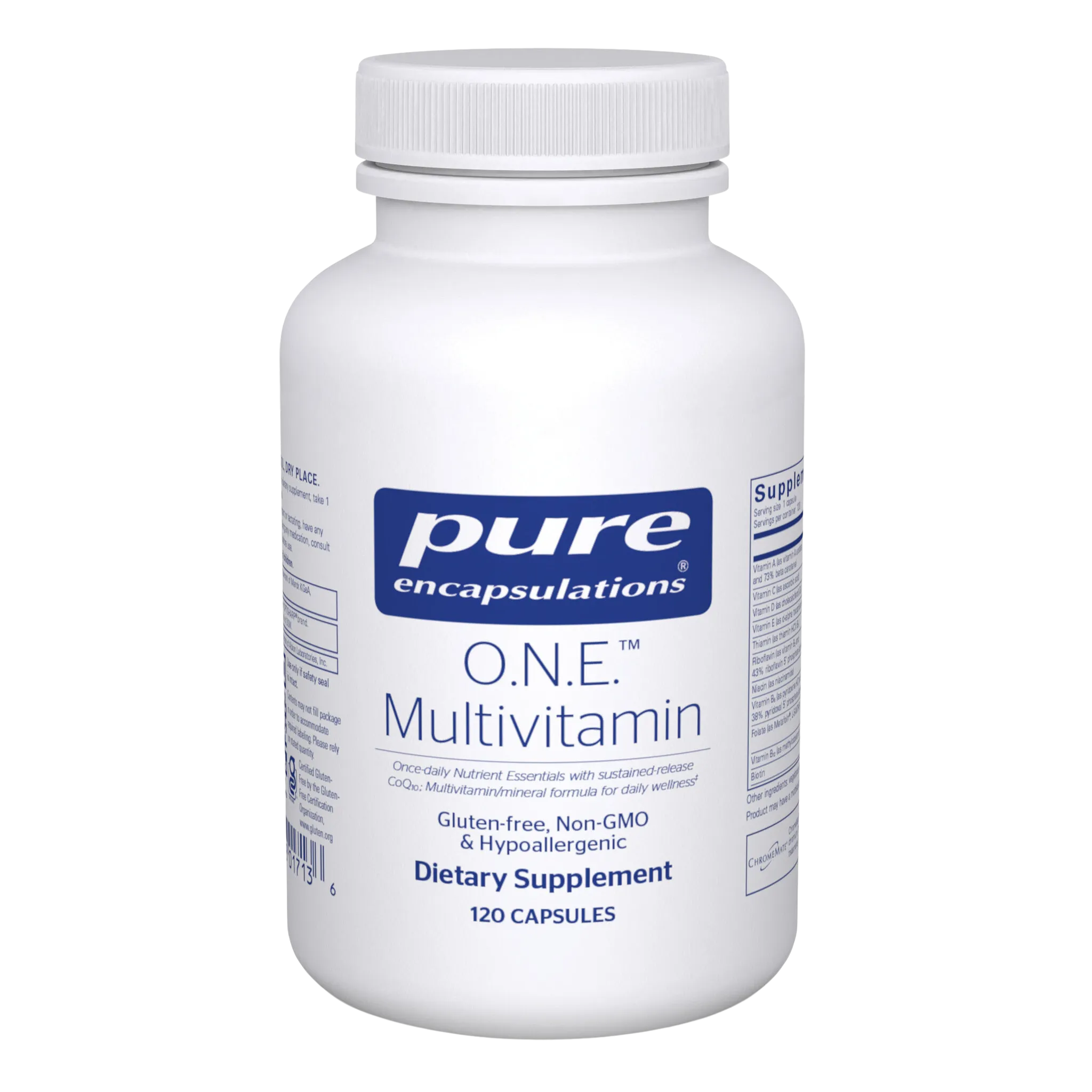
O.N.E.™ MultivitaminPure Encapsulations·120 capsulesSuggested use: 1–2 capsules daily with food. Usually taken in the morning.
Basic essentials for mitochondrial function. Provides key nutrients like B vitamins, calcium, magnesium, and selenium that mitochondria require. Active forms are especially important for those with an MTHFR mutation.
$72.13
$90.16
2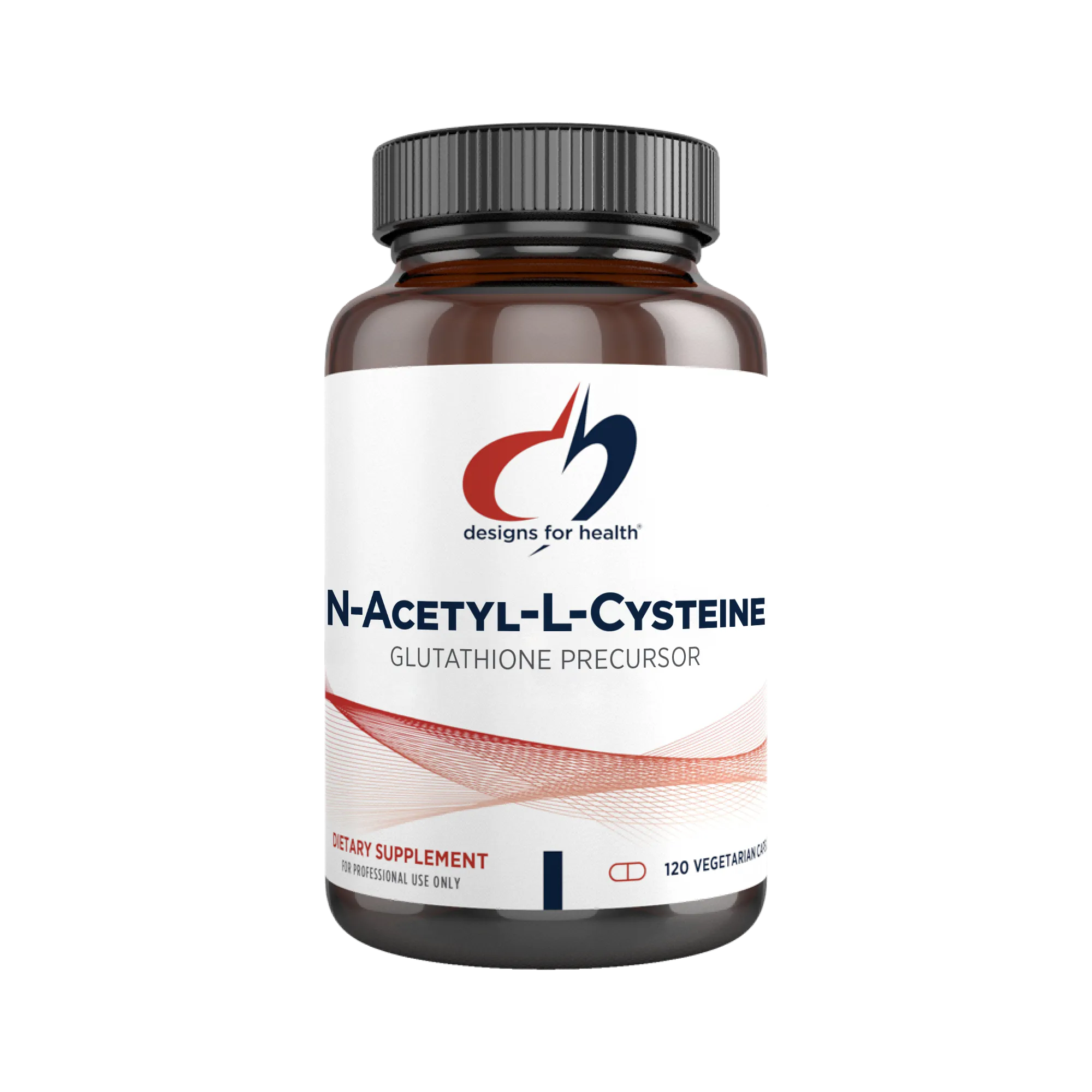
NACDesigns for Health·120 capsuleSuggested use: 600–900 mg, 1–2 times daily. Typical daily range: 600–1800 mg/day.
Builds glutathione, a powerful antioxidant that protects mitochondria from oxidative damage.
$36.00
$45.00
3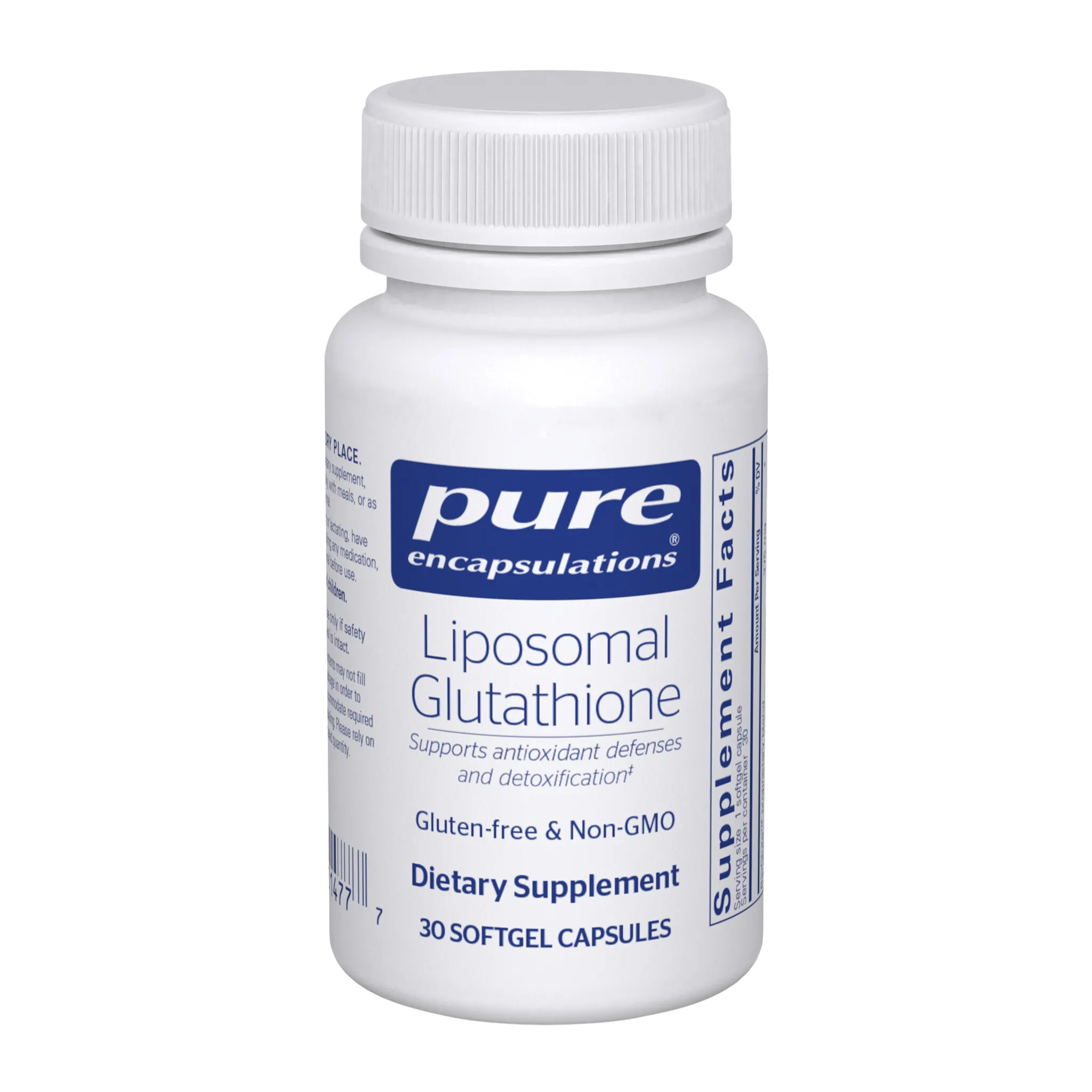
Enhances natural killer cell function, which is often impaired in ME/CFS and Long COVID.
$52.93
$66.16
4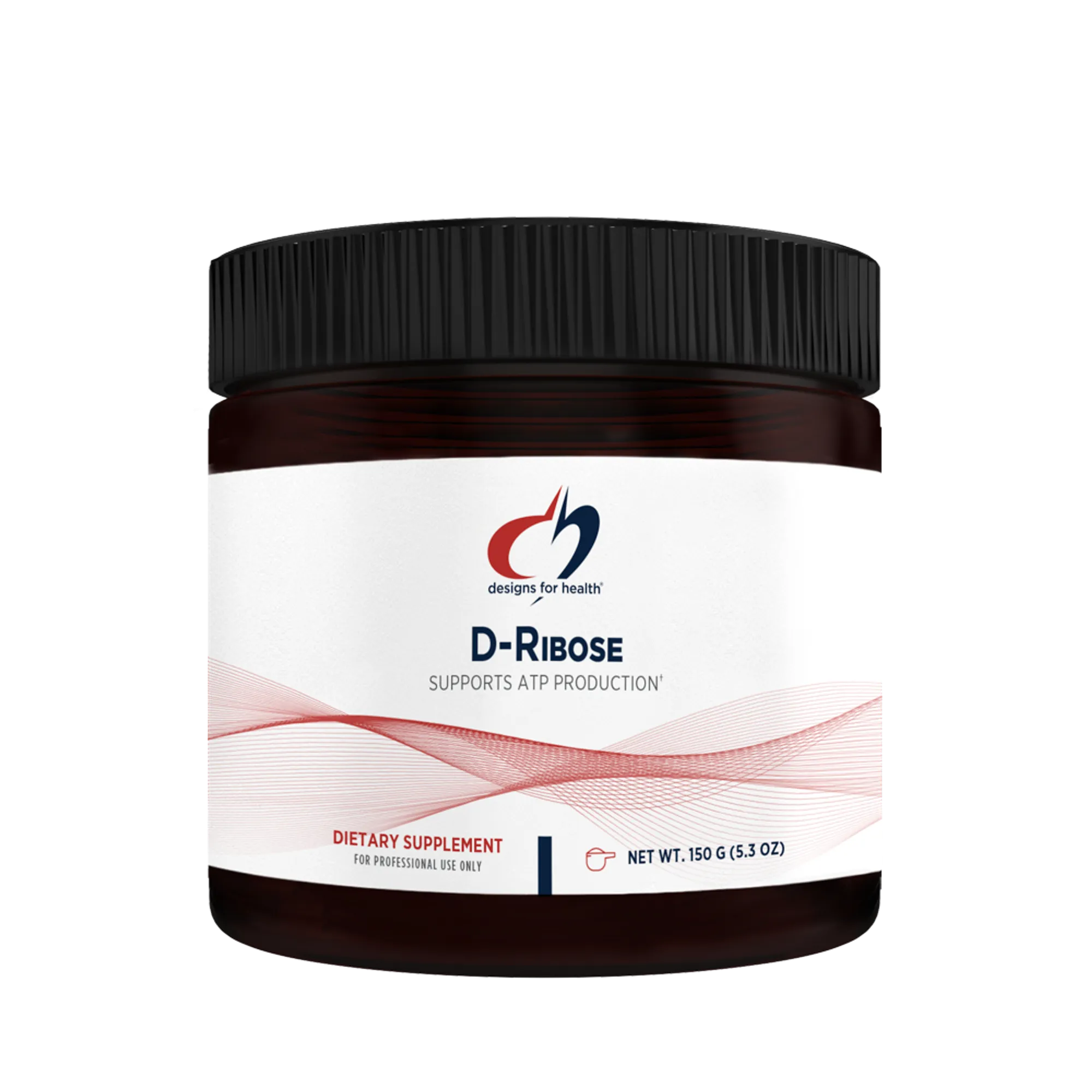
D-RiboseDesigns for Health·150 gramsSuggested use: 5 grams, 2–3 times daily. Typical daily range: 10–15 g/day.
A 5-carbon sugar that helps produce more ATP (cellular energy). Particularly helpful before exertion or during sensory flares.
$34.00
$42.50
5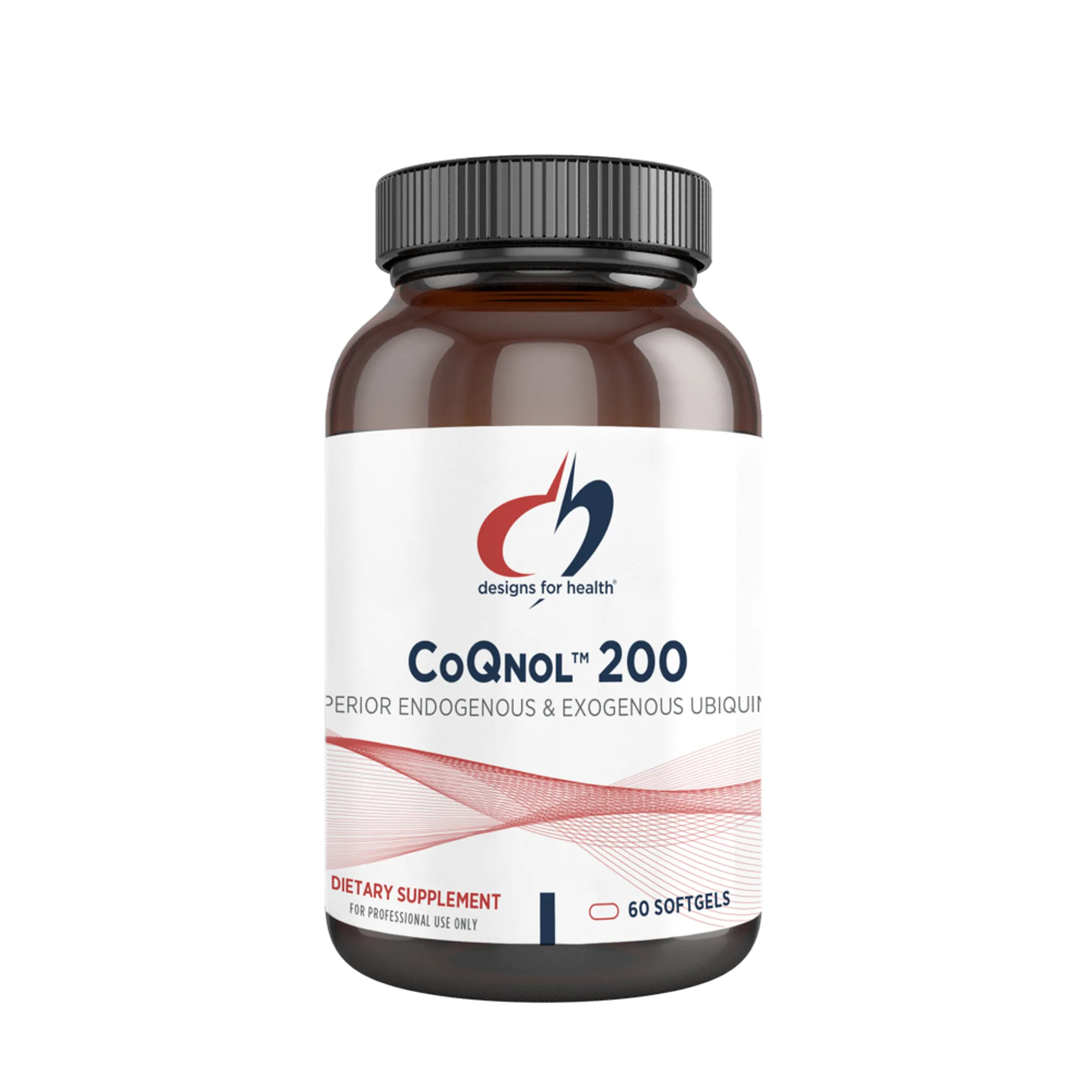
CoQnol™ 200mgDesigns for Health·60 softgelSuggested use: 100–200 mg daily. Typical therapeutic range: 100–300 mg/day.
Improves energy production and acts as a potent antioxidant. Best absorbed with food. Plays a key role in mitochondrial recovery.
$60.60
$75.75
6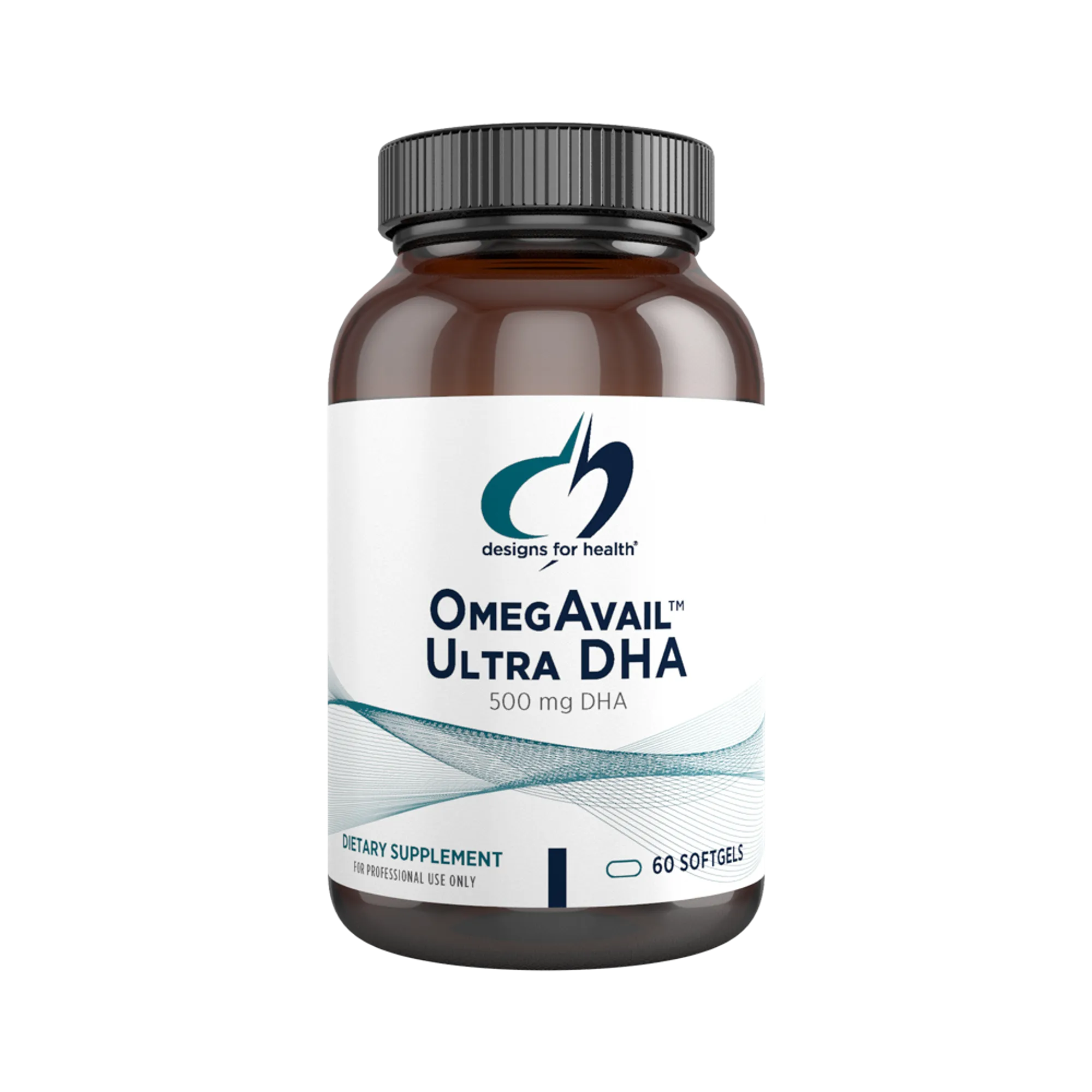
OmegAvail™ Ultra DHADesigns for Health·60 softgelSuggested use: 1–2 grams combined EPA+DHA daily. Typical range: 1–3 g/day.
Boosts mitochondrial energy production by enhancing ATP synthesis through improved efficiency of the Electron Transport Chain (ETC).
$43.60
$54.50
7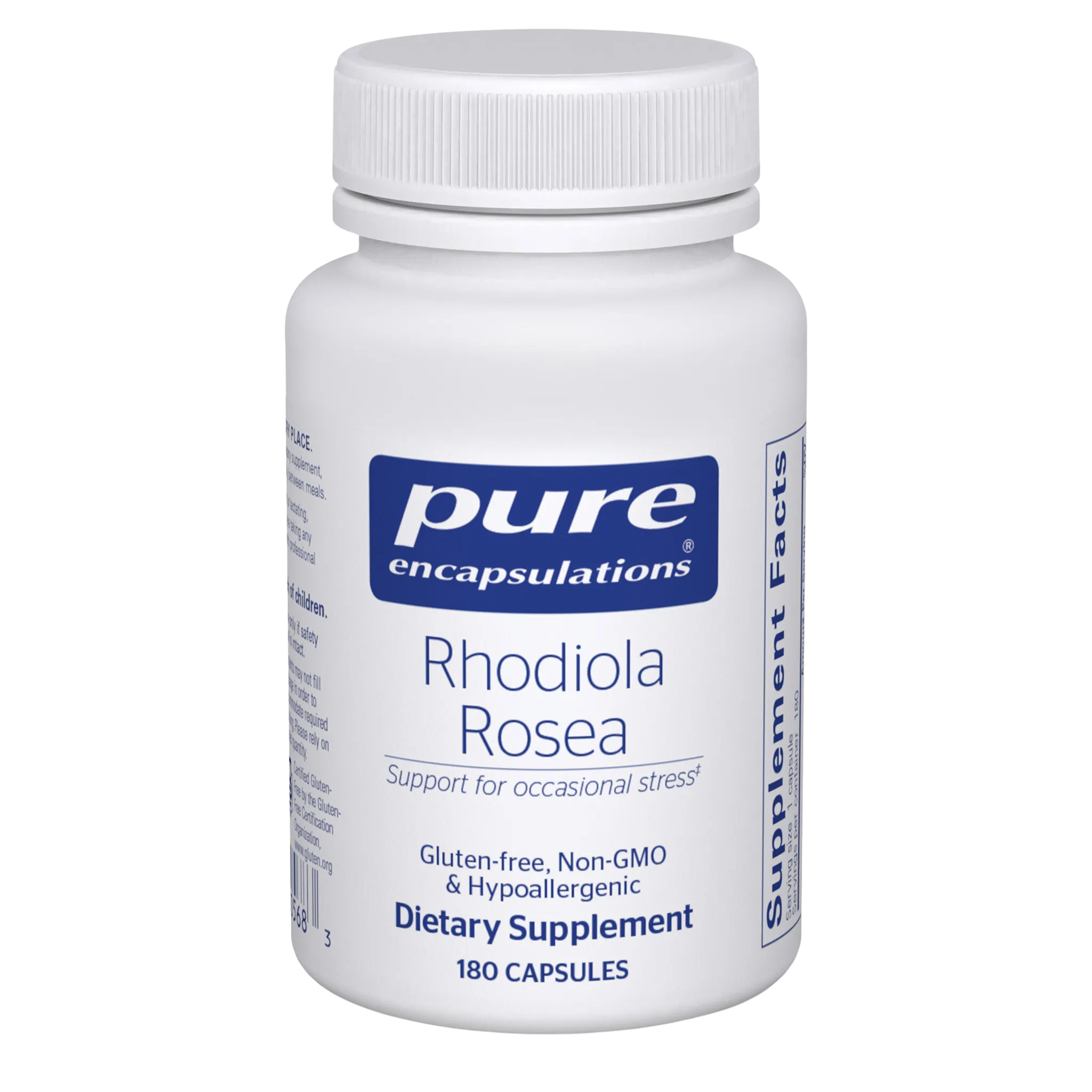
An adaptogenic herb that may help improve mitochondrial function and energy production in ME/CFS or Long COVID.
$33.33
$41.66
8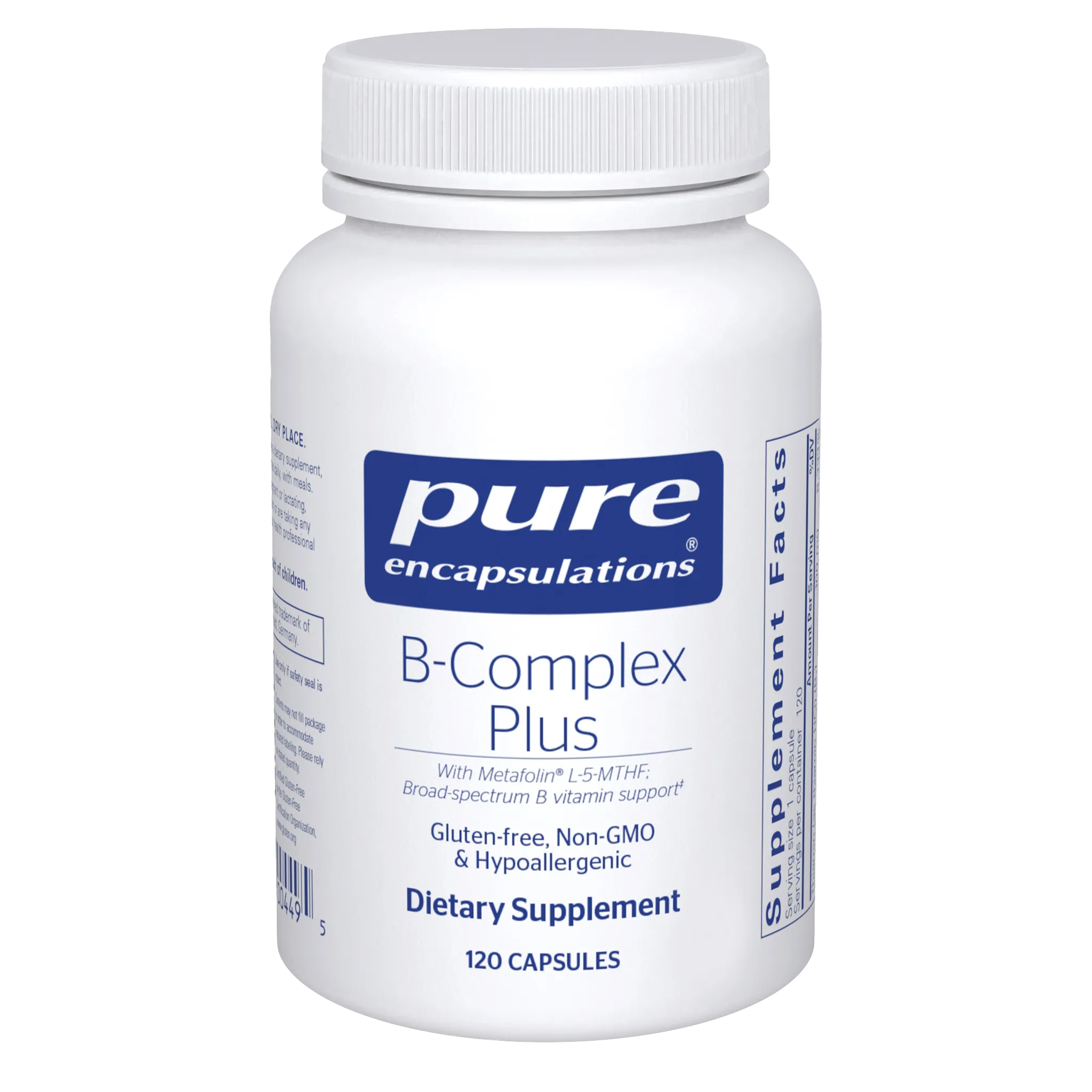
Eight essential B vitamins integral to mitochondrial energy production. B1 (thiamine), B2 (riboflavin), and B3 (niacin) directly support the mitochondria.
$32.93
$41.16
9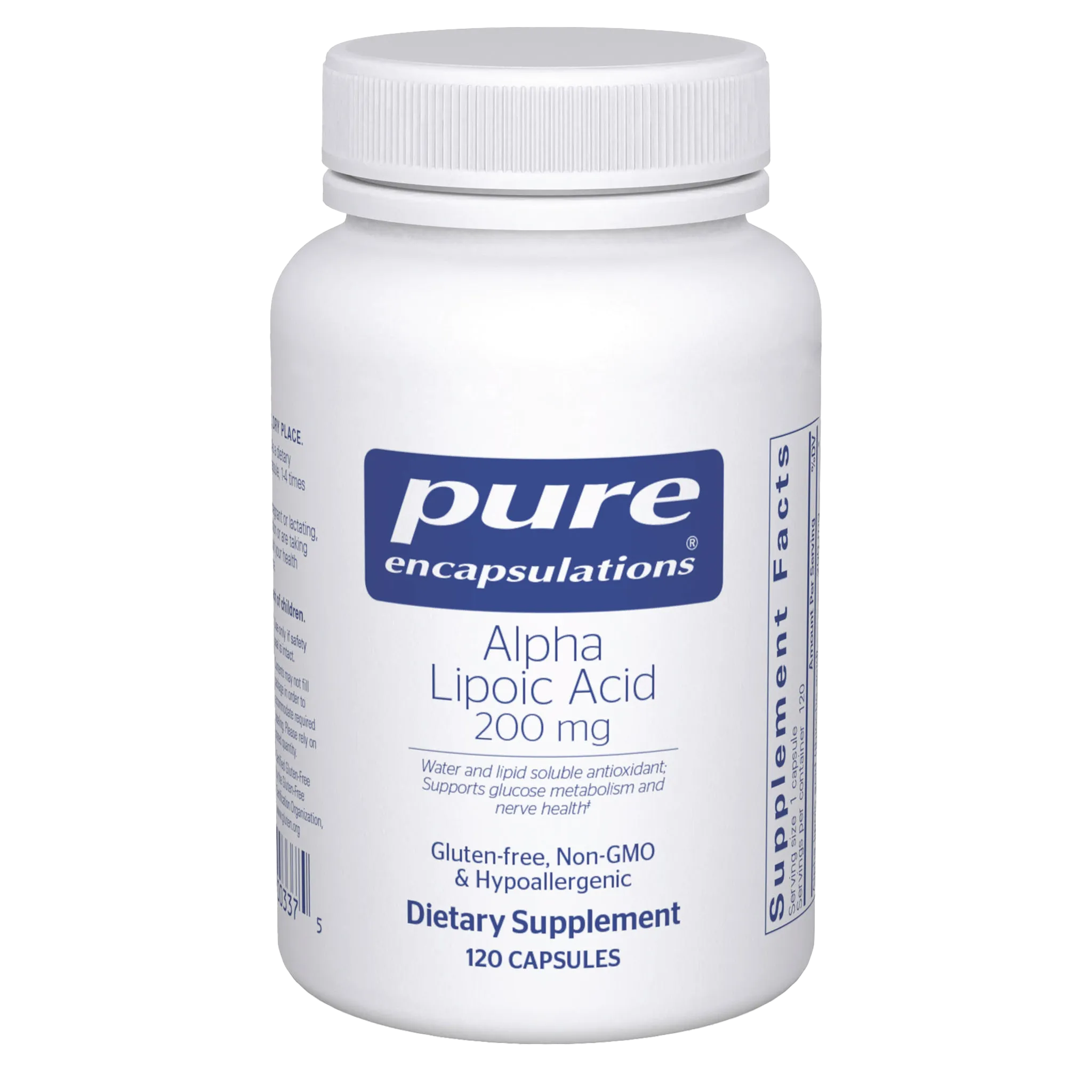
A naturally occurring compound that plays a crucial role in metabolism and energy production. Improves mitochondrial function by enhancing glucose uptake and utilization.
$58.02
$72.52
10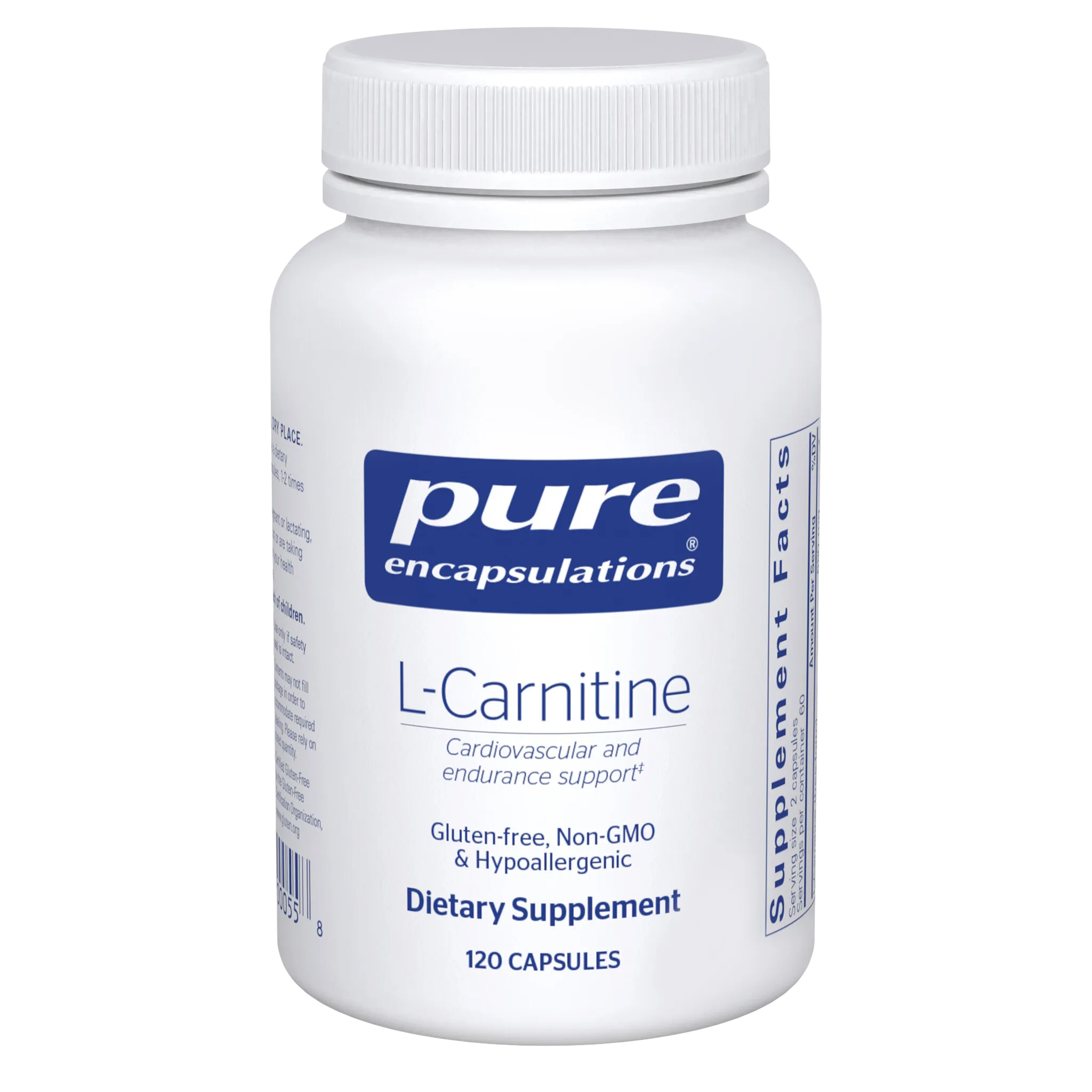
Shuttles fatty acids into mitochondria for energy production. Acetyl L-carnitine crosses the blood-brain barrier, boosting its effectiveness on fatigue in ME/CFS.
L-carnitine may support post-COVID recovery by reducing oxidative stress, inflammation, and cell death. PMID: 34925826L-carnitine may support post-COVID recovery by reducing oxidative stress and inflammation. PMID: 35269860Acetyl L-carnitine boosted effectiveness on fatigue in ME/CFS. PMID: 15039515
$76.05
$95.06